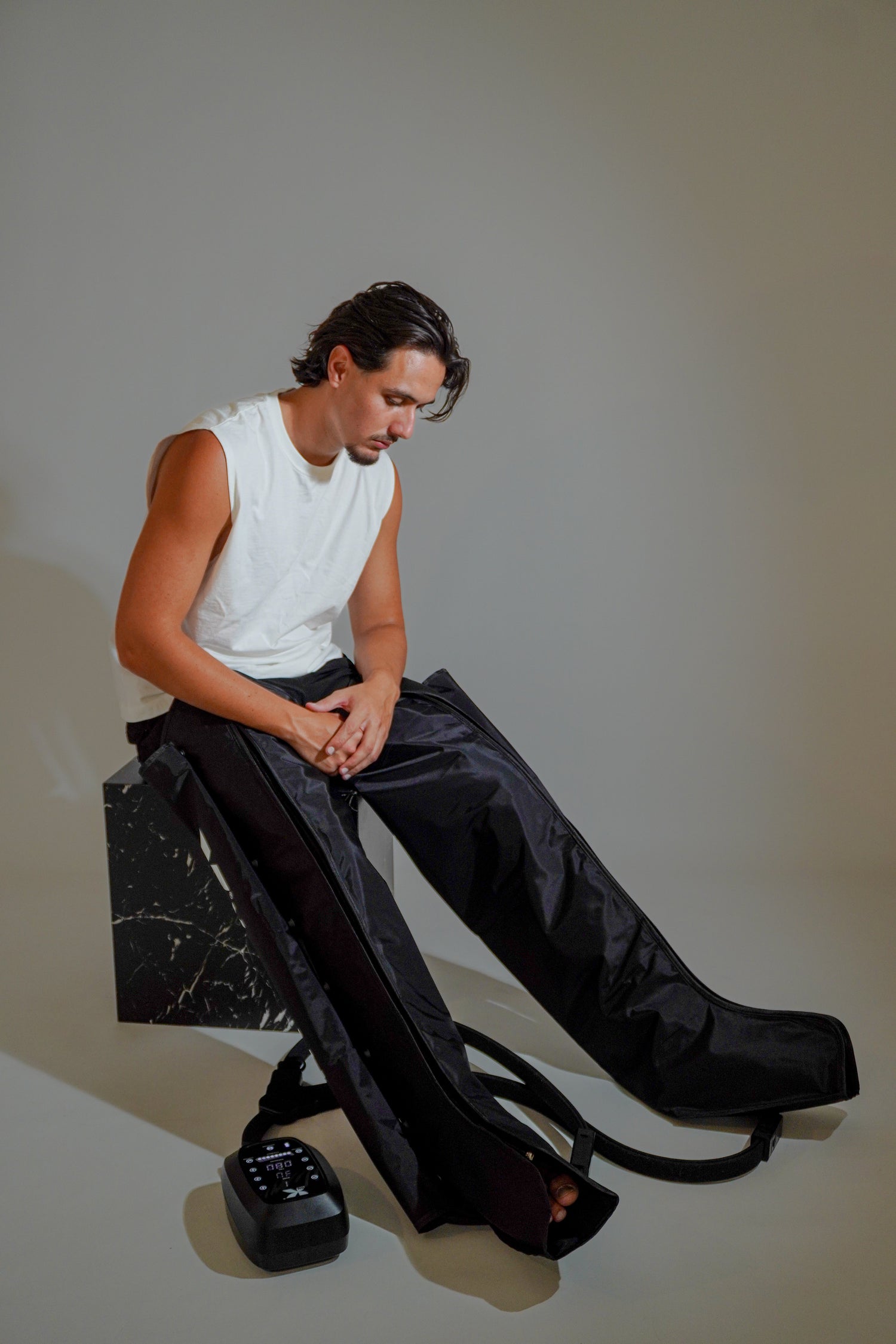
Pressotherapy boots can change the life of your tired legs.
If you notice heaviness, swelling, or pain at the end of the day, these pneumatic compression systems can become a powerful tool to relieve your symptoms and improve your recovery, without leaving home.
Pressotherapy uses pressurized air that inflates and deflates sequentially in special "boots" or sleeves that wrap around the legs. This deep, yet controlled, massage helps mobilize blood and lymph, reduces fluid retention, and provides a rapid feeling of lightness. In this article, you'll learn what pressotherapy is , how it works , its benefits , and how to safely integrate it into your daily routine .
Pressotherapy at home
End the day with light legs
★★★★★ 4,8/5 · rated by verified customers
KumoWave pressotherapy boosts circulation and helps drain fluid with sequential compression, in 20-minute sessions at home.
- Boosts circulation and helps drain fluid
- Chamber-based compression, adjustable to you
- Sequential compression that mimics manual drainage
€799,00€999,00
−10% on your 1st order when you subscribe to the newsletter

What exactly are pressotherapy boots?
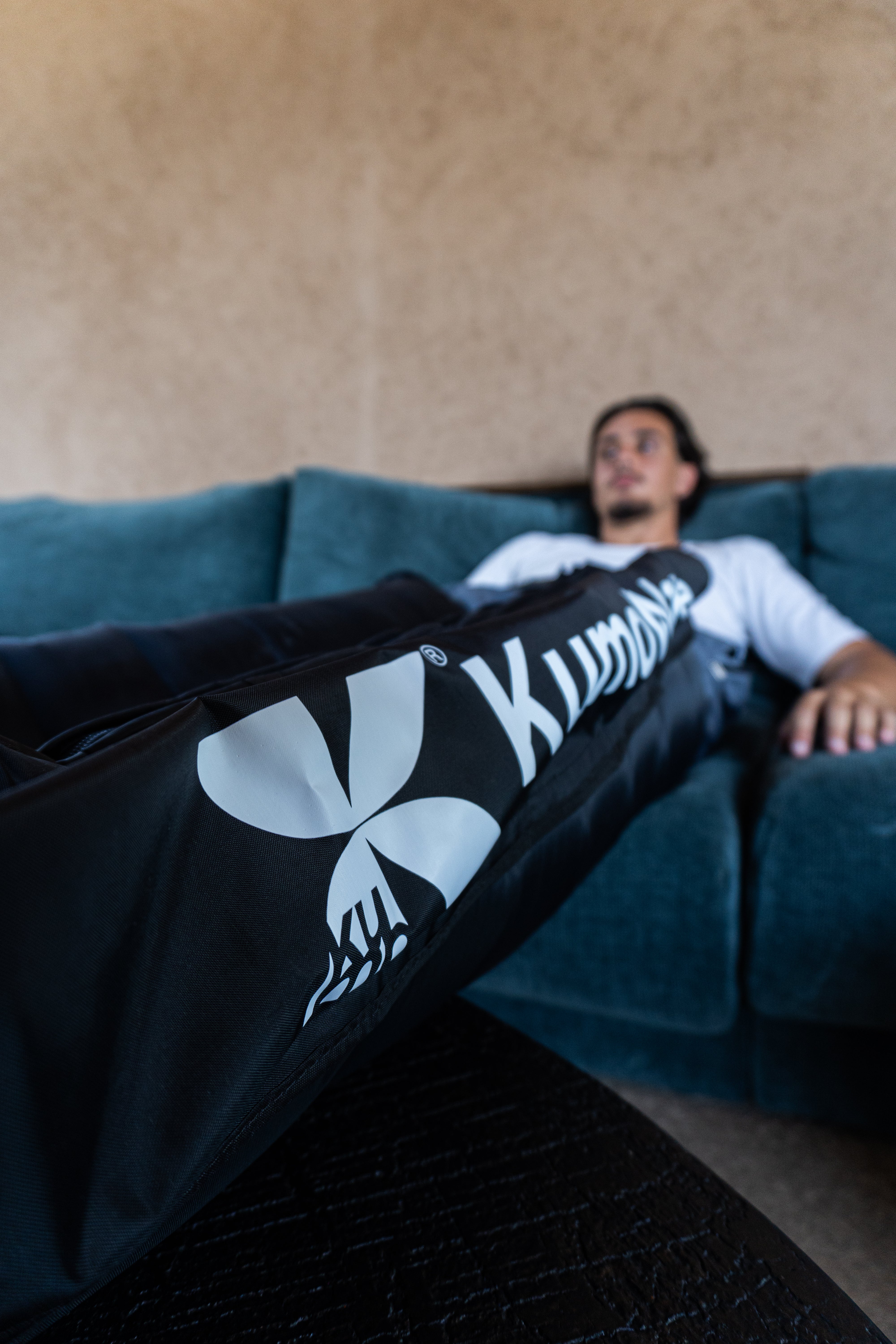
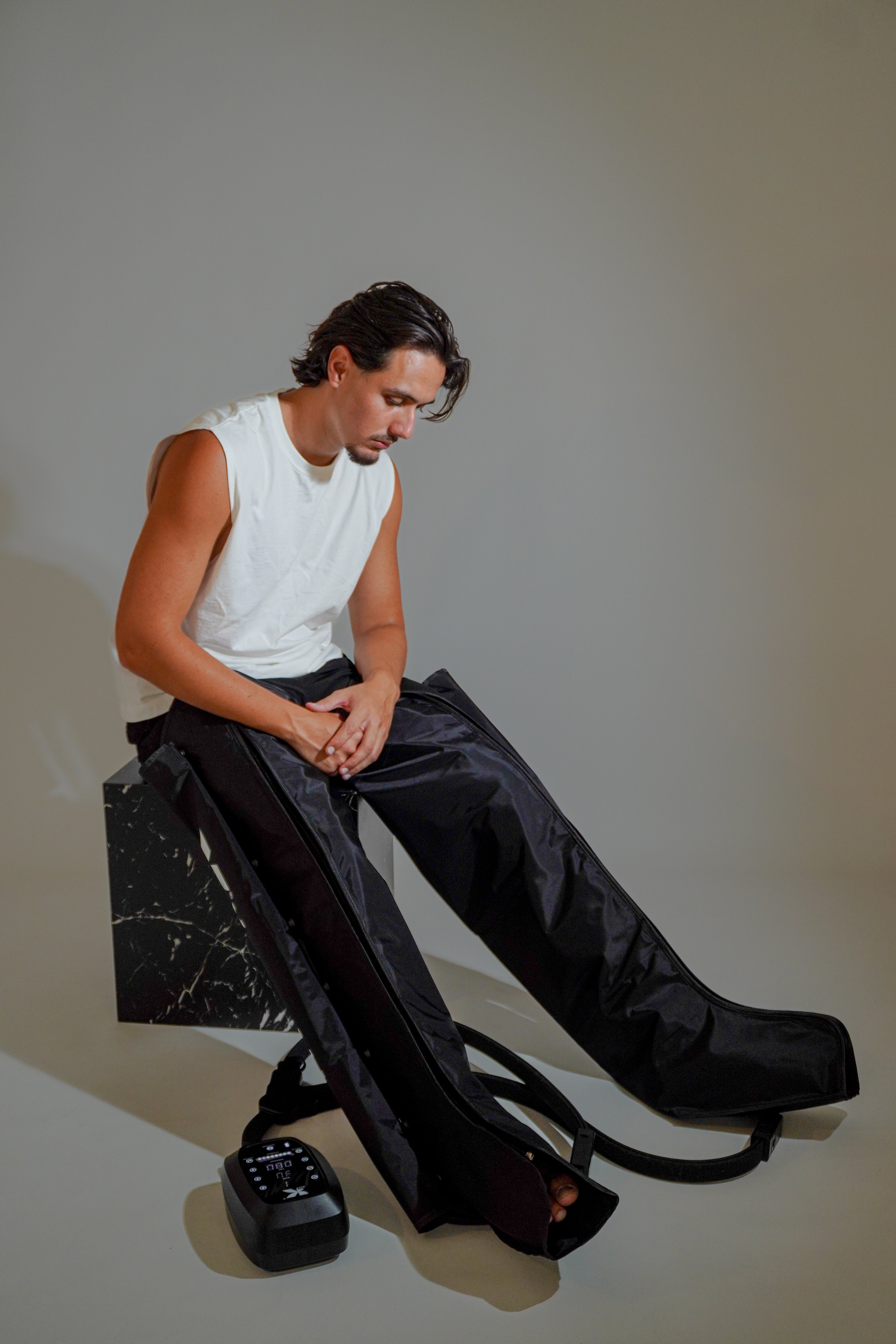
Compression therapy boots are devices that combine an air pump with segmented sleeves (boots) that wrap around the feet, calves, and sometimes thighs. When connected, the pump inflates and deflates each air chamber according to a predefined program.
In medicine, this technology is known as intermittent pneumatic compression (IPC) , which has been used for years in hospitals to improve circulation and prevent blood clots.
Personalized protocol · included with your purchase
Want us to tell you how to use it in your case?
With your purchase, our experts prepare a personalized usage protocol for your case: sport, circulation, fluid retention, pregnancy or lipedema.
Message us on WhatsAppOur experts reply · no obligation
In the field of wellness and recovery, this same technology is adapted for home use, with programs designed to relieve heavy legs, promote sports recovery and improve daily comfort.
How they work: intermittent pneumatic compression
During a session, the air chambers in the boots inflate sequentially, usually from the foot upwards, compressing the tissues rhythmically:
- Inflation phase: the pressure gently “squeezes” the leg and pushes venous blood and lymph towards the heart.
- Deflation phase: the pressure is released, allowing new, oxygen-rich blood to enter.
Studies on intermittent pneumatic compression show that this mechanism improves venous return and can reduce the risk of deep vein thrombosis in immobilized patients, according to centers such as the Cleveland Clinic and Johns Hopkins Medicine .
on your first order when you join the newsletter
We send you the code instantly. No spam.
Differences with compression stockings and traditional massage
Although they pursue similar goals, they are not the same:
- Compression stockings:
- Constant, fixed pressure.
- Ideal for prolonged use (work, travel, etc.).
- They do not generate the sequential massage of pressotherapy.
- Manual massage or massage guns:
- They mainly address the musculature (contractures, trigger points).
- Very useful after exercise, but they do not provide uniform pressure across the entire limb.
- Pressotherapy boots:
- Dynamic and sequential compression, from distal to proximal.
- Designed for 15–30 minute sessions.
- Highly effective for the sensation of "light legs" and fluid drainage.
In a comprehensive recovery routine, every tool can have its place. For example, combining compression boots with a KumoPulse Air massage gun allows you to address both circulation and deep muscle release.
Benefits of compression boots for tired and heavy legs
Improved venous and lymphatic circulation
The main advantage of pressotherapy is its ability to stimulate venous and lymphatic return . By applying intermittent pressure, the boots:
- They help to empty deep and superficial veins.
- They promote lymphatic drainage in people prone to swelling.
- They can improve the symptoms of mild venous insufficiency, always under medical supervision when there is a diagnosed pathology.
Clinical guidelines on pneumatic compression highlight its use to improve circulation and treat edema, venous ulcers, and other vascular problems, according to reviews collected in PubMed .
Reduction of swelling and heaviness
If at the end of the day your legs feel heavy or your socks feel tight, you probably have fluid retention and venous congestion. Pressotherapy helps with:
- To temporarily reduce leg circumference (less swelling).
- Relieve the feeling of skin tightness.
- Notice lightness and comfort within minutes after the session.
In studies on edema and venous ulcers, intermittent pneumatic compression has been shown to shorten treatment times and improve symptoms compared to traditional compression methods in certain patients, according to scientific publications collected in PubMed .
Muscle relaxation and recovery after sport
For athletes or active people, compression boots are a very interesting post-training recovery tool:
- They help to eliminate exertion metabolites (such as lactate).
- They reduce stiffness and delayed onset muscle soreness (the typical muscle soreness).
- They provide a deep and relaxing massage sensation.
Although science is still investigating the exact mechanisms, many high-level athletes use pneumatic compression systems as a complement to stretching, massage, and adequate sleep, especially during periods of high load.
Global well-being and rest
Beyond the purely circulatory aspects, many people use compression boots as a wellness and relaxation ritual:
- They provide a moment of pause (15–30 minutes of relaxation).
- They can be integrated into the nighttime routine to promote better rest.
- The feeling of light legs when getting up from the sofa or bed is almost immediate.
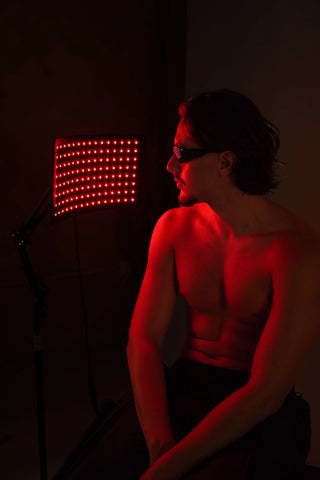
Combined with other recovery strategies — such as red light and LED therapy to improve sleep quality — they can contribute to a holistic approach to daily well-being.
For whom are compression therapy boots recommended?
People who spend many hours standing or sitting
If your job involves:
- Standing for long periods (retail, hospitality, healthcare...).
- Sitting for long hours (office, driving, teleworking).
It's common to experience swollen, heavy, and painful legs at the end of the day. Pressotherapy can help relieve leg pressure and improve comfort, provided there are no medical contraindications and you use it with appropriate pressure.
Athletes and active people
For those who train several times a week (running, cycling, gym, team sports, etc.), compression boots can:
- Accelerate the feeling of recovery after intense sessions.
- Allowing for the accumulation of more training volume with less perceived fatigue.
- Become a self-care habit after competitions or long runs.
They do not replace warm-up, hydration, or rest, but they can optimize the recovery window in combination with these strategies.
Long journeys and sedentary lifestyles
Spending many hours without moving (airplane, car, or train travel, or simply very sedentary days) promotes blood pooling in the legs. Although the priority is always to get up and move around frequently, pressotherapy can be helpful.
- Before or after a long trip to relieve leg fatigue.
- As a complement for people who, due to their situation, can barely perform gentle physical activity.
In cases with a high risk of thrombosis or vascular pathology, the use of compression devices should be indicated and supervised by a healthcare professional .
How to safely use compression therapy boots at home
Indicative frequency and duration
There is no single rule that applies to everyone, but many people benefit from:
- Sessions of 15–30 minutes , 3–5 times per week.
- Moderate, comfortable pressures that never cause pain.
- During periods of high workload (competitions, intense work), some people use them daily.
If you have a known vascular disease, a history of thrombosis, recent surgery, pregnancy, or any other relevant condition, consult your doctor before incorporating pressotherapy into your routine.
Before, during and after the session
To get the most out of your equipment:
-
Before
- Stay well hydrated throughout the day.
- Position yourself in a reclining or semi-reclined position, with your legs supported.
- Make sure there is no tight clothing under the boots. -
During
- Start with gentle programs and gradually increase according to your tolerance.
- There should be no pain, intense tingling, or numbness.
- Relax, take a deep breath; you can take this opportunity to meditate or read. -
After
- Get up slowly, notice the feeling of lightness.
- Move around for a few minutes (walk gently) to reinforce the effect.
- Rehydrate if necessary.
Contraindications and when to consult a professional
Although pressotherapy is considered a safe technique, there are situations in which it should not be used without medical advice:
- Active or recent deep vein thrombosis.
- Skin infections or open wounds on the legs.
- Decompensated heart failure.
- Severe arterial diseases in the lower limbs.
- Intense pain, numbness, or worsening of symptoms during the session.
If you have any doubts, or if signs such as sudden swelling, local heat, intense redness, or acute pain appear, it is essential to consult a healthcare professional .
Integrate pressotherapy into a comprehensive recovery routine
Combine with movement, stretching, and other therapies
Compression therapy boots work best when part of a broader strategy. Some ideas:
- Daily movement: walking, climbing stairs, active breaks in the office.
- Gentle stretches: focused on calves, hamstrings and hips.
- Targeted muscle massage: with tools such as the KumoPulse Air massage gun for particularly tense areas.
- Sleep hygiene and relaxation: where low wavelength red LED light therapy can help promote nighttime relaxation.
The goal is for recovery to cease being a one-off event and become a life habit , aligned with the philosophy of high-end recovery technologies like those from KUMO .
Example of a weekly routine for light legs
For guidance purposes only (this is not a medical protocol):
- Monday, Wednesday, Friday
- 20–30 min brisk walking.
- 15–20 min of pressotherapy boots at the end of the day.
- 5–10 min of gentle leg stretches.
- Tuesdays and Thursdays
- Strength training or favorite sport.
- 10–15 min of pressotherapy + 5 min of targeted massage in tense areas.
- Weekend
- A pressotherapy session as a "wellness ritual", especially if you have spent many hours on your feet or have done a long sporting activity.
Always adjust the frequency and intensity to your health status, feelings, and professional recommendations.
Summary table: benefits of compression boots for tired legs
Practical summary of benefits and common sensations
| Main benefit | How does pressotherapy work? | What can you notice? |
|---|---|---|
| Improved venous return | Sequential compression from the foot to the thigh | Fewer "loaded" veins, less congestion |
| Lymphatic drainage | It pushes interstitial fluid towards the lymphatic vessels | Reduction of swelling and volume |
| Relief from heaviness and fatigue | It empties veins and lymph, reducing pressure on tissues. | Feeling of light and rested legs |
| Post-exercise muscle recovery | It facilitates the elimination of metabolites and improves microcirculation. | Less muscle soreness, less stiffness |
| General well-being and relaxation | Moment of pause + rhythmic and deep massage | Physical and mental relaxation |
| Support for sedentary lifestyles | It partially simulates the effect of walking on the leg muscles | Comfort after hours of sitting or standing |
Where to find quality compression therapy boots
If you want to incorporate this technology into your routine, it's important to choose the right equipment:
- With several programs and adjustable pressure levels.
- Made with durable and comfortable materials.
- Backed by a brand specializing in recovery and wellness .
In KUMO's pressotherapy collection you will find solutions specifically designed to activate circulation, relieve tired legs and fit aesthetically into your daily environment, integrating high-performance technology with a careful design.
Frequently asked questions about compression boots for tired legs
How many times a week can pressotherapy boots be used?
In healthy individuals, many wellness routines incorporate compression boots 3 to 5 times per week , with sessions lasting 15–30 minutes. Some athletes even use them daily during periods of intense training. The most important thing is to listen to your body: the pressure should be comfortable, without pain or numbness. If you have circulatory problems, a history of thrombosis, recent surgery, are pregnant, or have any other relevant medical condition, consult your doctor first to adjust the frequency and confirm that compression therapy is suitable for you.
Do pressotherapy boots help you lose weight or eliminate cellulite?
Pressotherapy boots are not a weight-loss tool in themselves. Their main action is to improve circulation and fluid drainage, which can make you feel less bloated and, in some people, produce a slight improvement in skin texture. However, they are not a substitute for a balanced diet or regular exercise. Regarding cellulite, scientific evidence is limited: they may help improve the feeling of congestion, but the aesthetic changes are usually modest and vary from person to person.
Is it better to use compression boots before or after exercising?
It depends on your goal. Many people use them after exercise to accelerate recovery, reduce muscle soreness, and relieve fatigue. In this context, a 20–30 minute session after training can be very pleasant. For athletes with high training loads, a few gentle sessions before exertion can serve as light activation, but this should be tested on a case-by-case basis. In any case, pressotherapy complements—and never replaces—a good warm-up, hydration, and adequate rest.
Can I use compression boots if I have varicose veins or circulatory problems?
If you have varicose veins, chronic venous insufficiency, or other circulatory problems, it is essential to consult your doctor before using compression boots. In some cases, pneumatic compression can help relieve symptoms such as swelling and heaviness, but in others (for example, active deep vein thrombosis, serious arterial disease, or open ulcers) it may be contraindicated. Your specialist will assess your specific situation and advise you on whether compression therapy is suitable, what pressure settings to use, and how often it is safe to use.
What does it feel like during a pressotherapy session at home?
Most people describe the sensation as a firm but pleasant massage . You'll notice the boots inflate from your foot upwards, squeezing your leg for a few seconds, and then deflate, creating a rhythmic cycle. There should be no sharp pain, burning, or intense numbness. It's normal to feel warmth and, afterward, a distinct feeling of lightness in your legs. If you experience pain, dizziness, difficulty breathing, or severe discomfort during the session, stop using them and consult a healthcare professional.
So what now?
If your legs feel like they need a little help at the end of the day, compression boots can be the first step in building a complete recovery routine . At KUMO, you can discover compression solutions designed for everyday use at home, as well as complementary technologies like LED light therapy and the KumoPulse Air massage gun . If you have any questions about which device is best for you or how to integrate it into your routine, you can contact us through our contact page for personalized advice.
KumoWave pressotherapy
Choose your at-home pressotherapy
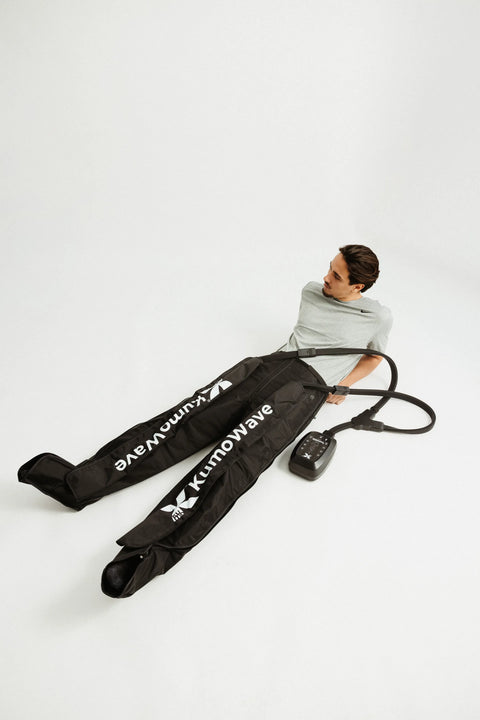
KumoWave Elite – Pressotherapy Pants
Full-coverage trousers. Ideal for lipedema, fluid retention and intensive use.
€799,00 €999,00
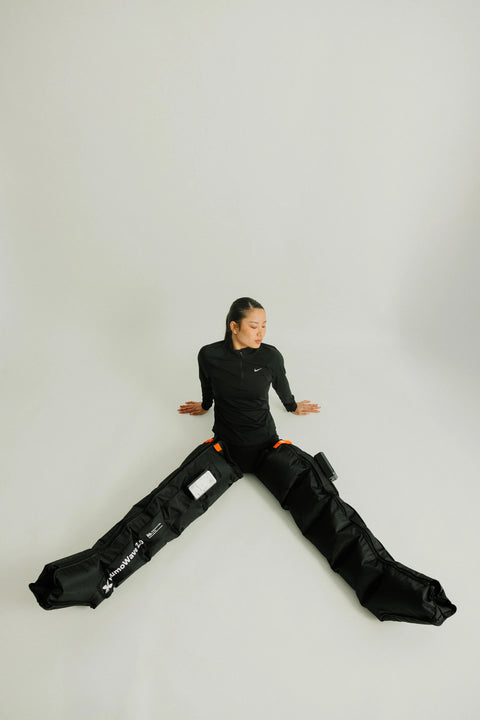
KumoWave 2.0 - Wireless Pressotherapy
Wireless, lightweight boots. Perfect for daily use and recovery.
€499,00 €599,00