The contraindications of pressotherapy boots matter.
If you're considering using this type of pneumatic compression at home or as part of your recovery routine, it's crucial to know when you should NOT use it, what risks exist, and in what cases you should speak to a healthcare professional first .
Pressotherapy can be a very useful tool for relieving heavy legs, promoting venous return, and supporting muscle recovery, but it's not suitable for everyone or every situation . This article clearly outlines the main contraindications, precautions, and how to reduce risks when using pneumatic compression boots.
Pressotherapy at home
End the day with light legs
★★★★★ 4,8/5 · rated by verified customers
KumoWave pressotherapy boosts circulation and helps drain fluid with sequential compression, in 20-minute sessions at home.
- Boosts circulation and helps drain fluid
- Chamber-based compression, adjustable to you
- Sequential compression that mimics manual drainage
€799,00€999,00
−10% on your 1st order when you subscribe to the newsletter

This content is for informational purposes only and does not replace the advice of a healthcare professional. For any illness or medical concerns, always consult your doctor or physiotherapist.
What exactly are pressotherapy boots?
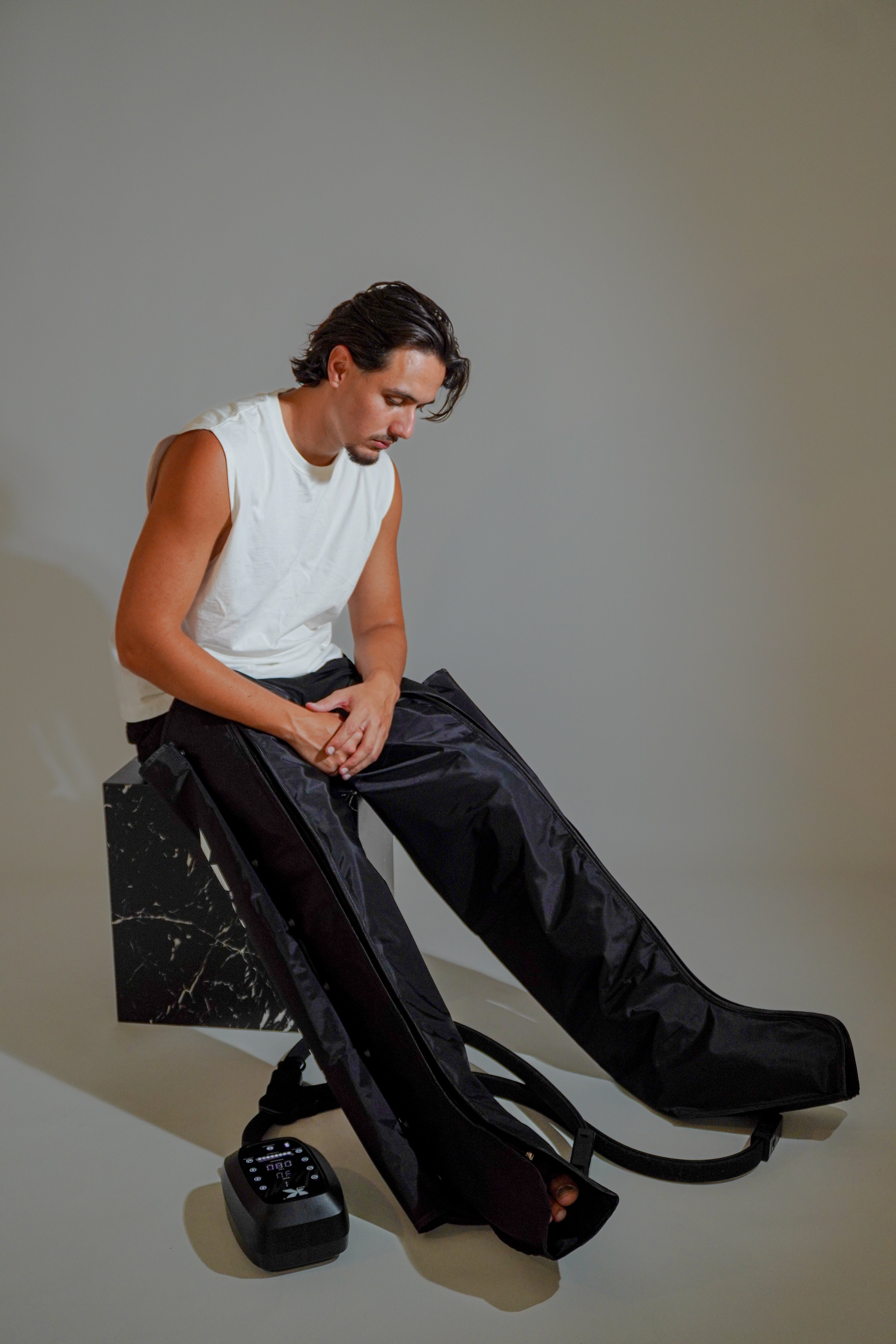
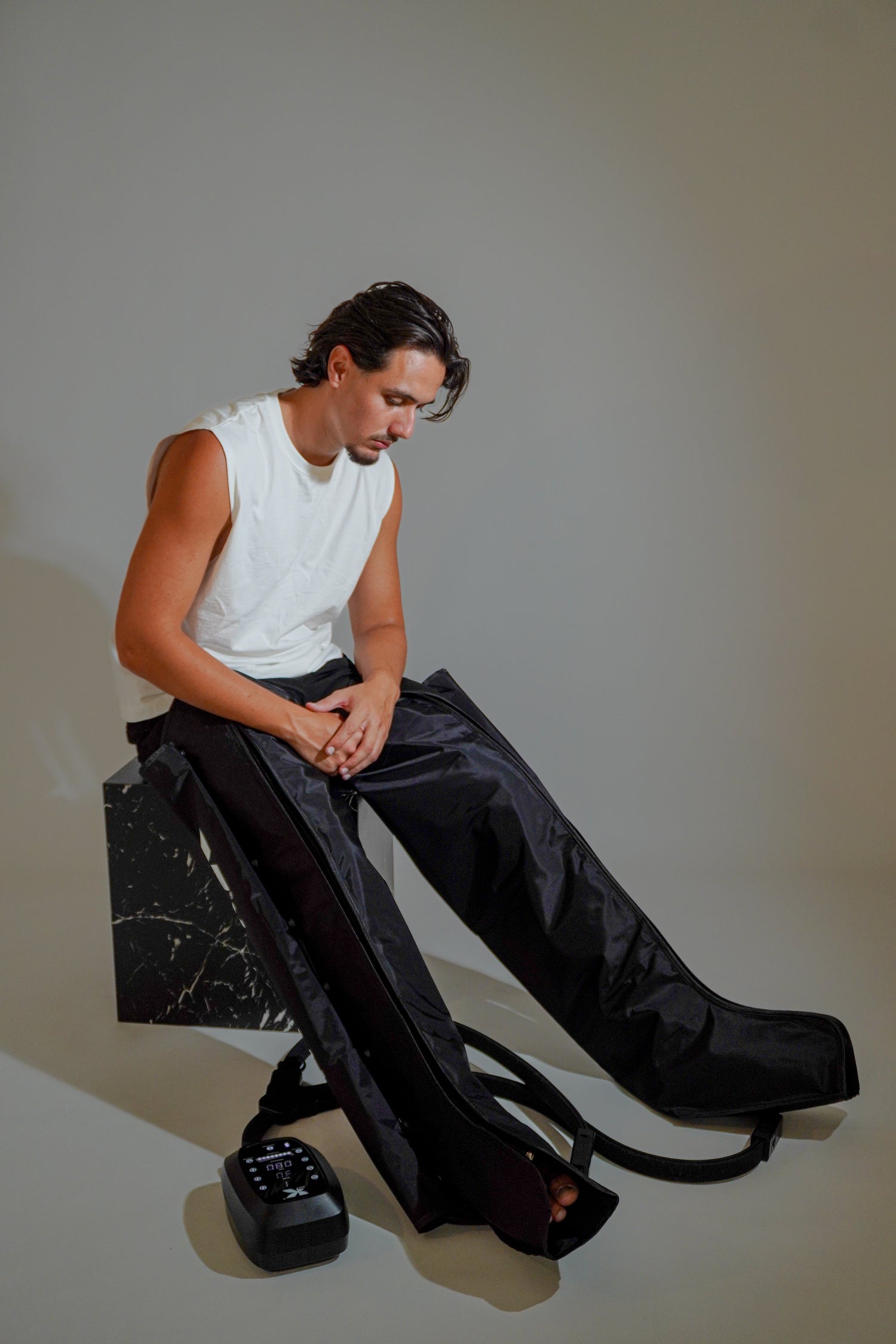
Compression therapy boots are devices that are worn from the foot to the thigh (or part of the leg) and are inflated and deflated sequentially. This pneumatic massage applies controlled pressure to the legs to promote blood and lymphatic circulation.
Personalized protocol · included with your purchase
Want us to tell you how to use it in your case?
With your purchase, our experts prepare a personalized usage protocol for your case: sport, circulation, fluid retention, pregnancy or lipedema.
Message us on WhatsAppOur experts reply · no obligation
In clinical settings, similar technologies are known as intermittent pneumatic compression devices , used to prevent blood clots in immobilized patients or to treat lymphedema under medical supervision. ( hopkinsmedicine.org )
How they affect circulation
During a pressotherapy cycle:
- The boot's air chambers inflate from the ankle upwards.
- Pressure “pushes” venous blood and lymph towards the heart.
- Then the boot deflates and the leg relaxes again.
This “pumping” effect helps to:
on your first order when you join the newsletter
We send you the code instantly. No spam.
- Reduce mild swelling and the feeling of tired legs.
- Promote venous return after intense physical exertion.
- Complement other recovery strategies (mobility, stretching, quality sleep).
At KUMO , this technology is integrated into high-end pressotherapy boots , designed for recovery and daily well-being, not as a substitute for medical treatments.
Potential benefits when used correctly
When there are no contraindications and the recommended times and intensities are respected, pressotherapy can provide:
- Feeling of lightness in legs with tiredness from hours of standing or sitting.
- Support for recovery after training, combined with adequate rest, hydration and nutrition.
- General well-being associated with the effect of massage.
However, these benefits are only obtained if the user is suitable for compression and if the device is used within a safe environment. This is where the contraindications, which we will discuss below, come into play.
Absolute contraindications for pressotherapy boots
Absolute contraindications are situations in which home compression therapy is not recommended , except under very specific indication and supervision by a specialist. In these cases, using compression boots can aggravate the problem or mask significant symptoms.
Acute deep vein thrombosis (DVT) or suspected blood clot
If there is an active deep vein thrombosis (a blood clot in a deep vein of the leg) or it is suspected due to symptoms such as:
- Intense unilateral pain in the leg.
- Marked swelling.
- Local heat or redness.
…compression boots should not be used without the express instruction of the medical team. The pressure could dislodge the clot and increase the risk of pulmonary embolism , a serious complication. ( hopkinsmedicine.org )
Even in hospital settings, the use of compression in the context of thrombosis is assessed on a case-by-case basis and under adequate anticoagulation.
Advanced and decompensated heart failure
In severe heart failure , the heart has difficulty handling the volume of blood returning to it. Intense compression of the legs:
- It increases venous return suddenly.
- It can worsen dyspnea (shortness of breath) and congestion.
A consensus on medical compression considers strong and routine compression contraindicated in advanced heart failure (NYHA IV) , and advises against its use without strict monitoring in NYHA III. ( phlebolymphology.org ) In cases of heart disease, the decision on compression therapy should always be made by a cardiologist or internist.
Severe peripheral arterial disease
Severe peripheral arterial disease (PAD) means that the arteries in the legs are very narrowed or blocked, so little oxygenated blood reaches the tissues.
In these patients, high external compression may:
- Worsen ischemia (lack of oxygen).
- Promote the appearance of ulcers and skin necrosis.
Medical compression guidelines consider severe PAD with very low ankle-brachial pressure indices and reduced distal arterial pressures a contraindication . ( phlebolymphology.org ) If you have diagnosed PAD or intermittent claudication (pain when walking that forces you to stop), do not use compression therapy without vascular clearance.
Acute skin infections, open wounds, and infected ulcers
In the presence of:
- Cellulitis or erysipelas (skin infections).
- Open wounds not covered.
- Infected ulcers in the area where the boot would be placed.
…pressotherapy is contraindicated. The pressure could:
- Spread the infection.
- Further damage to the skin.
- Increase local pain. ( phlebolymphology.org )
Before resuming compression, the infection must be treated and monitored by a professional.
Recent traumatic injuries and unstabilized fractures
Compression therapy boots should not be applied over:
- Recent fractures without adequate immobilization.
- Severe sprains or acute muscle tears with significant inflammation.
- Significant deep hematomas.
Pressure can displace bone fragments, increase bleeding, or interfere with initial healing. In these situations, the priority is trauma care and proper immobilization.
Relative contraindications and important precautions
Relative contraindications are conditions in which the use of pressotherapy might be possible, but only under individualized medical judgment . Here, the key is caution.
Complicated chronic venous insufficiency and advanced varicose veins
Many people with mild varicose veins or a feeling of heaviness in their legs can benefit from well-approved compression. But in complicated cases, for example:
- Active venous ulcers.
- Very tortuous and painful varicose veins.
- Recent history of thrombophlebitis.
The type, intensity, and duration of compression should be decided in consultation with an angiologist or vascular surgeon. ( phlebolymphology.org )
In these cases, home compression therapy should not replace prescribed compression stockings or other medical treatments.
Diabetes with neuropathy or significant sensory disturbances
In people with advanced diabetic neuropathy , sensation in the feet and legs is decreased. This means that:
- They may not notice if the pressure is excessive.
- The risk of skin lesions or pressure points increases.
Consensus guidelines on compression advise against its use in severe neuropathies with a risk of skin necrosis. ( phlebolymphology.org ) If you are diabetic and have altered sensation, talk to your doctor before using any pneumatic compression system.
Pregnancy and high-risk pregnancy
During pregnancy, the risk of venous thrombosis increases, and many women experience edema and varicose veins. Compression can be helpful, but:
- The choice of compression type (stockings, boots, pressure) should be individualized.
- In high-risk pregnancies, with severe hypertension, preeclampsia or coagulation problems, the use of pressotherapy at home without obstetric indication is not recommended.
Centers such as Johns Hopkins or Cleveland Clinic highlight the use of pneumatic compression in certain hospital settings during pregnancy, but always under medical supervision. ( hopkinsmedicine.org )
Non-infectious skin diseases in active phase
Conditions such as:
- Severe dermatitis.
- Psoriasis with very inflamed plaques.
- Exudative eczema.
…can worsen with friction or increased heat under the boot's inner tubes. In these cases, it is advisable to:
- Wait until the outbreak is under control.
- Consult a dermatologist about the suitability of compression.
Summary table: key contraindications and precautions
Practical summary of situations in which to exercise extreme caution with compression boots
| Clinical situation | Type of contraindication | Main risk | What to do before using pressotherapy |
|---|---|---|---|
| Acute deep vein thrombosis or suspected blood clot | Absolute | Mobilizing the thrombus → pulmonary embolism | Do not use. Seek immediate medical attention or go to the emergency room. |
| Advanced heart failure (NYHA III–IV) | Strict absolute/relative | Volume overload, cardiac decompensation | Pressotherapy only if expressly indicated by the cardiologist. |
| Severe peripheral arterial disease | Absolute | Worsening ischemia, ulcers, necrosis | Angiology/vascular review prior to any compression. |
| Acute skin infection, cellulitis, erysipelas | Absolute (affected area) | Spread of infection, further tissue destruction | Treat the infection first; consider compression later. |
| Open wounds or infected ulcers | Absolute in the area | Delayed healing, increased pain | Follow the instructions of the doctor or wound nurse. |
| Recent fractures, significant acute trauma | Absolute local | Displacement, bleeding, interference with consolidation | Prioritize trauma management; do not apply local pressure. |
| Advanced varicose veins and venous ulcers | Relative | Pain, bleeding, poor tolerance | The most suitable type of compression should be assessed during a vascular consultation. |
| Diabetes with severe neuropathy | Relative (frequently not) | Unperceived pressure injuries | Only with the approval of the diabetologist/neurologist. |
| High-risk pregnancy | Relative | Altered hemodynamics, thrombotic risk | Strictly follow the obstetrician's instructions. |
Possible side effects of compression boots
Even in people without contraindications, pressotherapy can produce mild side effects , which usually resolve by adjusting the use, and other very infrequent but more serious ones if safety rules are not respected.
Mild and frequent effects
Among the common effects described in the medical literature on compression are: ( phlebolymphology.org )
- Feeling of heat or sweating under the boot.
- Temporary reddening of the skin.
- Slight discomfort or uncomfortable pressure.
- A temporary tingling sensation may occur if the pressure is somewhat high.
They are usually resolved:
- Adjusting the pressure to a more comfortable level.
- Limiting the duration of the sessions.
- Wearing thin, seamless underwear between the skin and the boot.
If discomfort persists or increases, it is best to suspend the session and consult a doctor .
Rare but relevant complications
Studies on the risks of medical compression indicate that serious events (nerve damage, deep skin lesions, necrosis, cardiac decompensation) are very rare (below 0.01%) when devices are used correctly and contraindications are respected. ( phlebolymphology.org )
Even so, you should stop using it and see a doctor if you notice:
- Intense or sudden pain during the session.
- Sudden swelling of one leg.
- Marked change of color (very pale or very purple).
- Difficulty breathing, chest tightness.
- Blisters, wounds, or areas of insensitive skin after using the boot.
How to minimize risks in domestic use
Some basic guidelines for reducing risks:
- Choose the right size : the boot should fit snugly, but without causing pain or numbness.
- Start with moderate pressures and times and increase only if you feel good.
- Do not sleep with your boots on or use the equipment if you are under the heavy effects of alcohol or sedatives.
- Hydrate your skin and visually check your legs before and after the session.
- If you have any cardiovascular, metabolic or vascular disease, seek your doctor's opinion before incorporating pressotherapy.
Who can use pressotherapy with greater relative safety?
In general terms, and provided there are no contraindications mentioned, the following may be good candidates for pressotherapy:
- Healthy people with sedentary jobs or who spend many hours standing, who suffer from mild swelling or heaviness in their legs at the end of the day.
- Athletes seeking to improve the feeling of recovery between intense training sessions, combining boots with rest, nutrition and other tools (such as LED light therapy ).
- Users who wish to integrate pneumatic compression as a complement to their postural and movement hygiene.
The key is to understand that compression boots are a support for well-being and recovery , not a medical treatment for serious illnesses. In the event of any prior diagnosis (heart disease, thrombosis, advanced lymphedema, complicated diabetes, etc.), the decision to use compression therapy should always be made in consultation with your doctor.
How to integrate pressotherapy with other recovery tools
In a complete wellness routine, pressotherapy usually works best when combined with other strategies:
- Regular movement (walking, breaking up long periods of sitting).
- Gentle stretching and mobility work.
- Quality sleep and good stress management.
- Specific recovery techniques such as:
- Percussion massage with massage guns for specific muscle areas.
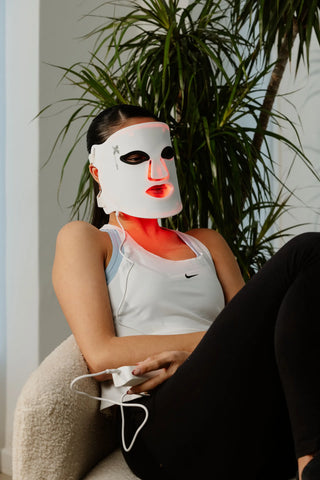
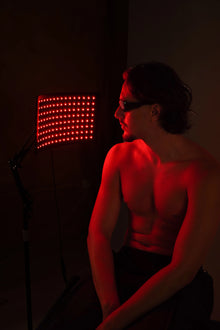
- Red LED light therapy to support tissue regeneration and relaxation.
KUMO's mission is precisely to provide these technological tools so that recovery becomes a natural part of your lifestyle , without losing sight of safety or common sense.
Frequently asked questions about contraindications for compression boots
Who should not use compression therapy boots at home?
Unless clearly indicated by a doctor, people with active or suspected deep vein thrombosis , advanced heart failure, severe peripheral arterial disease, acute skin infections on the leg, open wounds or infected ulcers in the application area, and recent unstabilized fractures or injuries should not use compression therapy at home. Special care should also be taken in cases of diabetes with severe neuropathy and high-risk pregnancies. If you fall into any of these categories, it is best not to use compression boots without your doctor's approval .
Is pressotherapy safe if I have varicose veins or poor circulation?
It depends on the severity of your venous disease. In cases of mild varicose veins and a feeling of heaviness, controlled compression is often beneficial and recommended by many guidelines ( phlebolymphology.org ). However, in cases of advanced venous insufficiency, active venous ulcers, or a history of recent thrombosis , the type of compression (stockings, bandages, pneumatic devices) should be determined by a vascular specialist. Using compression boots on your own in these situations may be inappropriate or insufficient. The best option is to bring a current report of your venous condition to your doctor and specifically ask about compression therapy.
Can I use compression boots during pregnancy?
In many normal pregnancies, moderate compression can help relieve swelling and the feeling of tired legs. In fact, pneumatic compression devices are used in hospitals for certain pregnant women at risk of thrombosis, always under supervision. ( hopkinsmedicine.org ) However, in high-risk pregnancies (due to severe hypertension, preeclampsia, clotting disorders, heart disease, etc.), the use of compression boots at home is not recommended without the obstetrician's approval. Before starting, discuss this at your prenatal appointment so that the healthcare professional can assess your specific case.
How long can compression therapy boots be used safely?
The optimal duration depends on the model and your health status, but as a general guideline, many home routines range from 15 to 30 minutes per session , once or twice a day, for healthy individuals without contraindications. Clinical protocols for thrombosis prevention in hospitals may be longer, but are administered under close monitoring. ( hopkinsmedicine.org ) It's best to start with short sessions, see how your legs respond, and always follow the manufacturer's recommendations or those of your trusted healthcare professional.
What signs indicate that I should stop using pressotherapy and see a doctor?
You must stop the session immediately and seek medical advice if you experience sudden, severe pain in one leg, marked asymmetrical swelling, extreme color changes (very pale or very purple), difficulty breathing, chest tightness, severe dizziness, or the appearance of blisters or sores in the application area. Also, seek medical advice if the pressure is unbearable even at low levels. These signs may indicate vascular, skin, or heart problems that require urgent evaluation, regardless of whether you are using pressotherapy or not.
So what now?
If, after reviewing the contraindications, you and your healthcare professional believe that pressotherapy is suitable for you, you can explore KUMO's pressotherapy collection and discover models designed to integrate recovery into your daily routine. To complement your routine, take a look at our LED light therapy solutions and the KUMOPULSE Air massage gun . And if you have any questions about which product best suits your goals, please contact us through our contact page ; we'd be happy to help you design a safe and effective recovery routine.
KumoWave pressotherapy
Choose your at-home pressotherapy
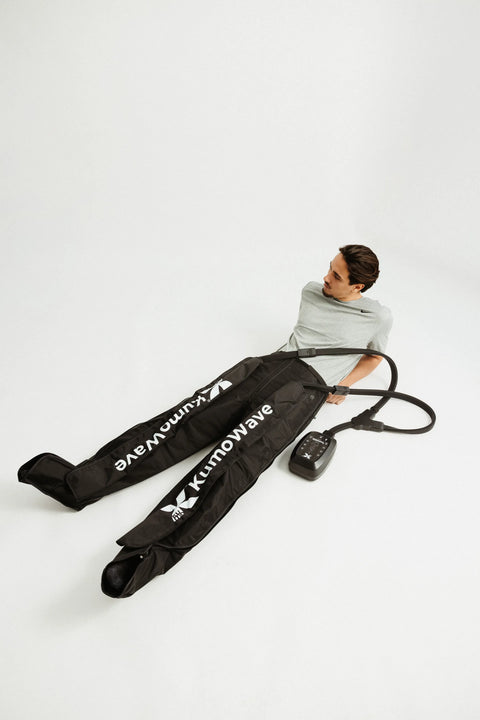
KumoWave Elite – Pressotherapy Pants
Full-coverage trousers. Ideal for lipedema, fluid retention and intensive use.
€799,00 €999,00
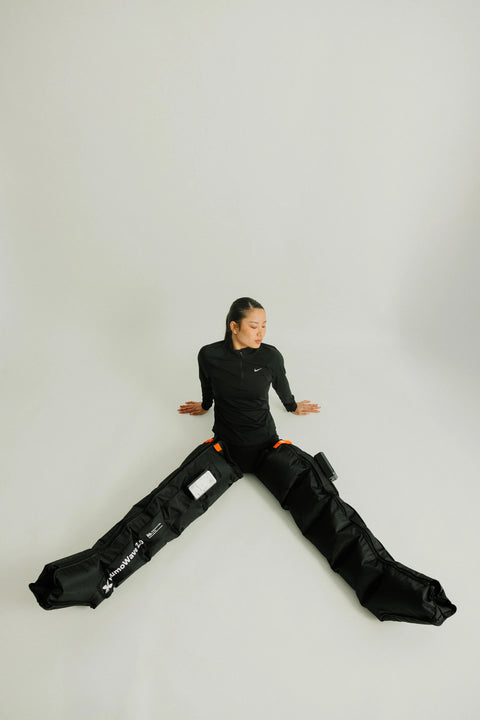
KumoWave 2.0 - Wireless Pressotherapy
Wireless, lightweight boots. Perfect for daily use and recovery.
€499,00 €599,00