
Lymphatic drainage is much more than just a cosmetic massage. It's actually intimately linked to the lymphatic system, a key component of your immune system and the body's internal cleansing processes. In this article, you'll understand, clearly and practically, how lymphatic drainage relates to the immune system, what benefits it can offer you daily, and how to safely integrate it into your wellness routine, using both simple habits and advanced recovery technologies.
At KUMO, specializing in recovery technologies such as LED masks, pressotherapy, and percussive massage, we are committed to a holistic approach to rest and regeneration. From this perspective, understanding the role of lymphatic drainage is fundamental to getting the most out of your body and any recovery tool you use. You can learn more about our philosophy and products on the KUMO homepage.
Pressotherapy at home
End the day with light legs
★★★★★ 4,8/5 · rated by verified customers
KumoWave pressotherapy boosts circulation and helps drain fluid with sequential compression, in 20-minute sessions at home.
- Boosts circulation and helps drain fluid
- Chamber-based compression, adjustable to you
- Sequential compression that mimics manual drainage
€799,00€999,00
−10% on your 1st order when you subscribe to the newsletter

Understanding lymphatic drainage
What is the lymphatic system and why does it matter for your immune system?
The lymphatic system is a network of vessels, nodes, and organs (such as the spleen and thymus) that transports lymph: a fluid rich in white blood cells, proteins, and metabolic waste. It functions in parallel with the circulatory system, but instead of moving blood, it collects excess fluid from the tissues and returns it to the bloodstream, helping to maintain fluid balance.
Lymph is filtered in the lymph nodes: there, immune cells are activated that can recognize pathogens (viruses, bacteria, etc.) and mount a defensive response. That's why, when you have an infection, some lymph nodes can become swollen: they are working overtime. Institutions like the NIH's NIAID describe the immune system precisely as a mechanism designed to prevent or limit infection, working closely with the lymphatic network. ( niaid.nih.gov )
Personalized protocol · included with your purchase
Want us to tell you how to use it in your case?
With your purchase, our experts prepare a personalized usage protocol for your case: sport, circulation, fluid retention, pregnancy or lipedema.
Message us on WhatsAppOur experts reply · no obligation
What does lymphatic drainage involve?
Lymphatic drainage is a set of gentle techniques aimed at stimulating the flow of lymph. Unlike a traditional deep tissue massage, it uses light pressure, slow rhythms, and specific maneuvers directed toward the lymph nodes.
We can distinguish three main approaches:
- Manual lymphatic drainage (MLD): performed by physiotherapists or other trained professionals, using very precise manual maneuvers.
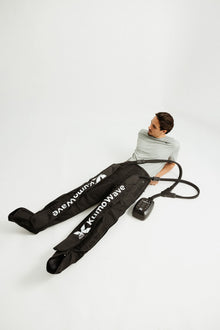
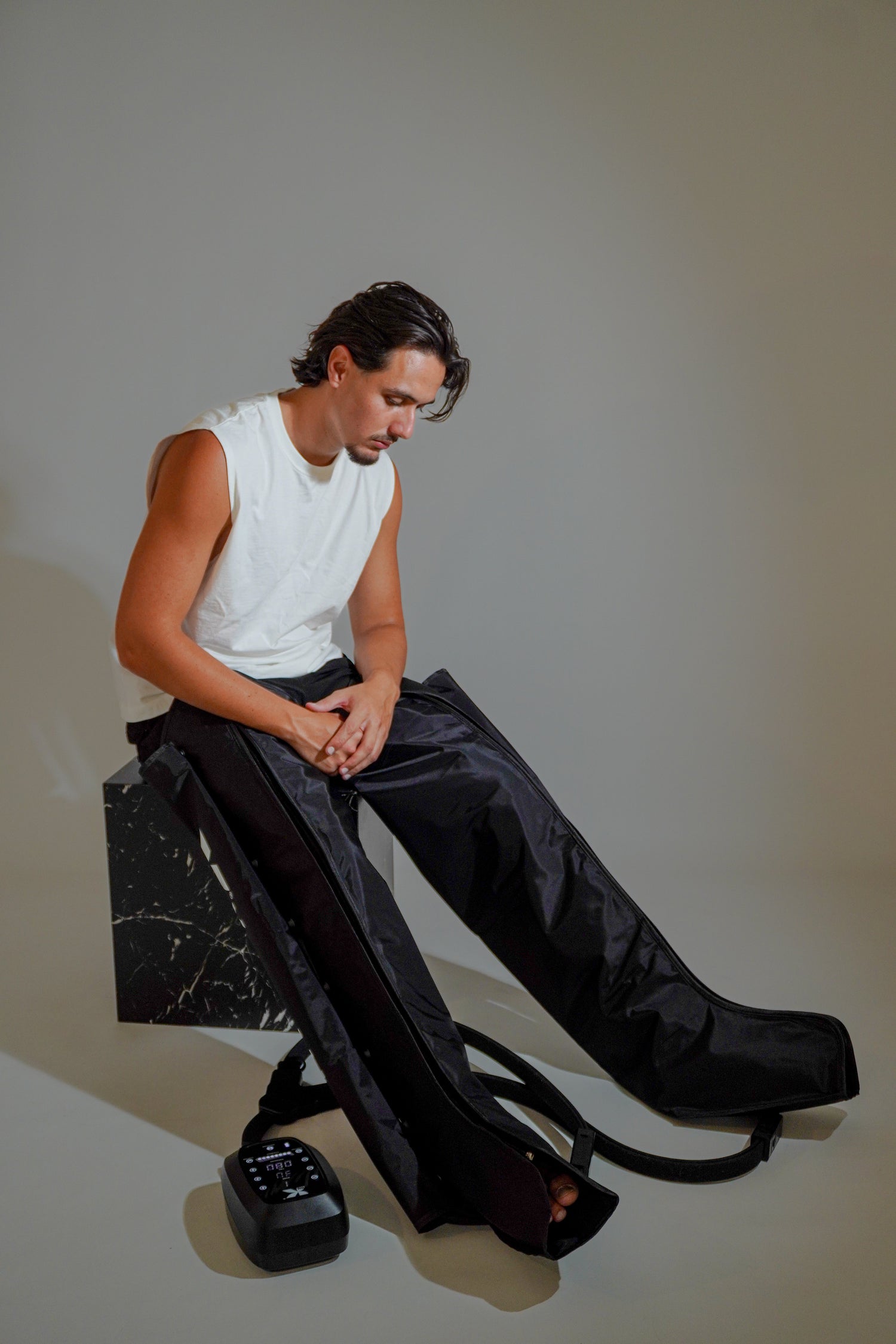
- Mechanical lymphatic drainage (pressotherapy): devices with boots or sleeves that inflate and deflate sequentially, gently compressing the limbs.
- Lymphatic self-care: movements, breathing and very gentle self-massage that anyone can learn as a complement to, not as a substitute for, professional treatment.
The goal in all cases is to support the natural function of the lymphatic system, never to force it or "squeeze" the tissues as if it were a sports massage.
on your first order when you join the newsletter
We send you the code instantly. No spam.
Lymphatic drainage and the immune system: how they connect
Removal of waste, pathogens and excess fluid
Each day, some blood plasma leaks into the tissues and must be collected and returned to the circulation. Most of it returns directly through the veins, but a significant percentage does so via the lymphatic system, which also carries proteins, cellular debris, and microorganisms to the lymph nodes for processing. ( pmc.ncbi.nlm.nih.gov )
If lymphatic flow slows down, fluid can accumulate (causing a feeling of swelling or heaviness), hindering local drainage. In the long term, a severely damaged lymphatic system can lead to serious health problems; the World Health Organization describes, for example, how diseases such as lymphatic filariasis, which damage this network, cause significant disabilities in millions of people worldwide. ( who.int )
Although lymphatic drainage is not a treatment for these pathologies, this reality illustrates the extent to which the integrity of the lymphatic system is essential for overall health and an effective immune system.
Inflammation, recovery, and a feeling of swelling
The lymphatic system actively participates in regulating inflammation . When there is an injury or intense exertion, the flow of blood and fluid to the area increases to repair the tissue, but afterward, this excess needs to be removed. Lymphatic and venous return contributes to:
- Reduce pressure on tissues.
- Accelerate the elimination of inflammatory mediators.
- Promote the arrival of nutrients and oxygen in a new balance.
That's why many people describe a subjective feeling of lightness , reduced swelling, and increased mobility in the treated area after lymphatic drainage. In athletes, when integrated into a comprehensive recovery protocol, it can help the body better manage physical stress, provided it is combined with rest, proper nutrition, and hydration.
What science says so far (without magical promises)
In recent years, studies have been published analyzing how certain interventions can modulate lymphatic flow and, thereby, indirectly influence immune function. For example, experimental research with photobiomodulation (light therapy) has observed that specific wavelengths can promote the relaxation of lymphatic vessels and improve drainage in animal models, particularly at the meningeal level (lymphatic drainage of the brain). ( pubmed.ncbi.nlm.nih.gov )
It is important to emphasize that much of this data comes from preclinical models or very specific contexts, so it cannot be extrapolated to promises of a "cure" or a "miracle immune boost." What it does support is the idea that caring for the lymphatic system , through movement, gentle massage, and certain well-applied technologies, is another piece in the puzzle of well-being and recovery.
Potential benefits of lymphatic drainage in daily life
Without getting into the realm of illness (which should always be handled by a healthcare professional), many people use lymphatic drainage within wellness programs for benefits such as:
- Feeling of light legs after standing or sitting for many hours.
- Reduction of mild swelling in ankles or hands associated with sedentary lifestyle, heat, or long journeys.
- Support for sports recovery , helping to manage muscle overload when combined with rest and good training planning.
- Improved perception of general well-being and relaxation , since the techniques are usually gentle, rhythmic and promote parasympathetic tone (relaxation).
- Skin care , by improving microcirculation and fluid drainage, which can influence the appearance of areas with fluid retention.
None of these effects replace a medical diagnosis or treatment, but they can be strategically integrated into self-care routines to support circulatory and lymphatic function.
Techniques and tools to promote lymphatic drainage
Movement, breathing, and simple habits
The lymphatic system doesn't have a "pump" like the heart. It depends on:
- Muscle contraction.
- Joint movements.
- Deep (diaphragmatic) breathing.
- Pressure changes within the thorax and abdomen.
Therefore, even before thinking about massages or devices, it is advisable to ensure a solid foundation:
- Walk several times a day, even if they are short distances.
- Incorporate gentle mobility exercises (ankles, hips, shoulders) if you spend many hours sitting.
- Practice deep breathing , bringing the air into the abdomen for 3–5 minutes several times a day.
- Maintain adequate hydration , as lymph is mostly water.
- Avoid wearing excessively tight clothing for many hours at a time.
These simple gestures already constitute a first physiological “drainage”, constant and respectful of your body.
Professional massage and pressotherapy
When more specific treatment is required, manual lymphatic drainage performed by a physiotherapist or specialized therapist is the standard. The professional assesses your situation, rules out contraindications, and applies techniques tailored to your specific case.
In parallel, pressotherapy uses air chambers that inflate and deflate sequentially, generating gentle compression from the feet upwards, which aids venous and lymphatic return. This type of technology is inspired by protocols used in clinical and sports settings for:
- To feel lighter legs after intense days.
- Promote recovery between workouts .
- Reduce the feeling of swelling after long journeys or standing for many hours.
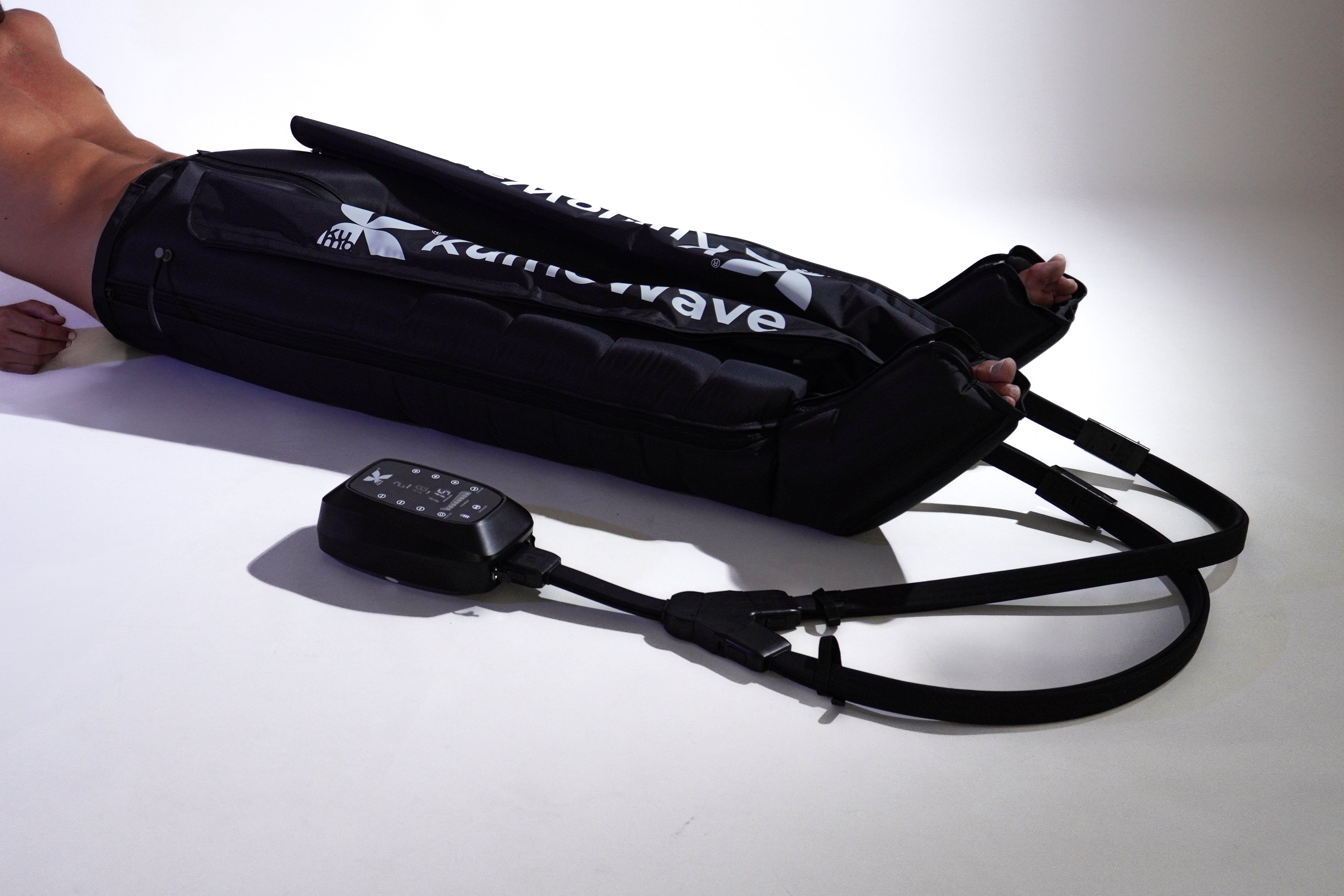
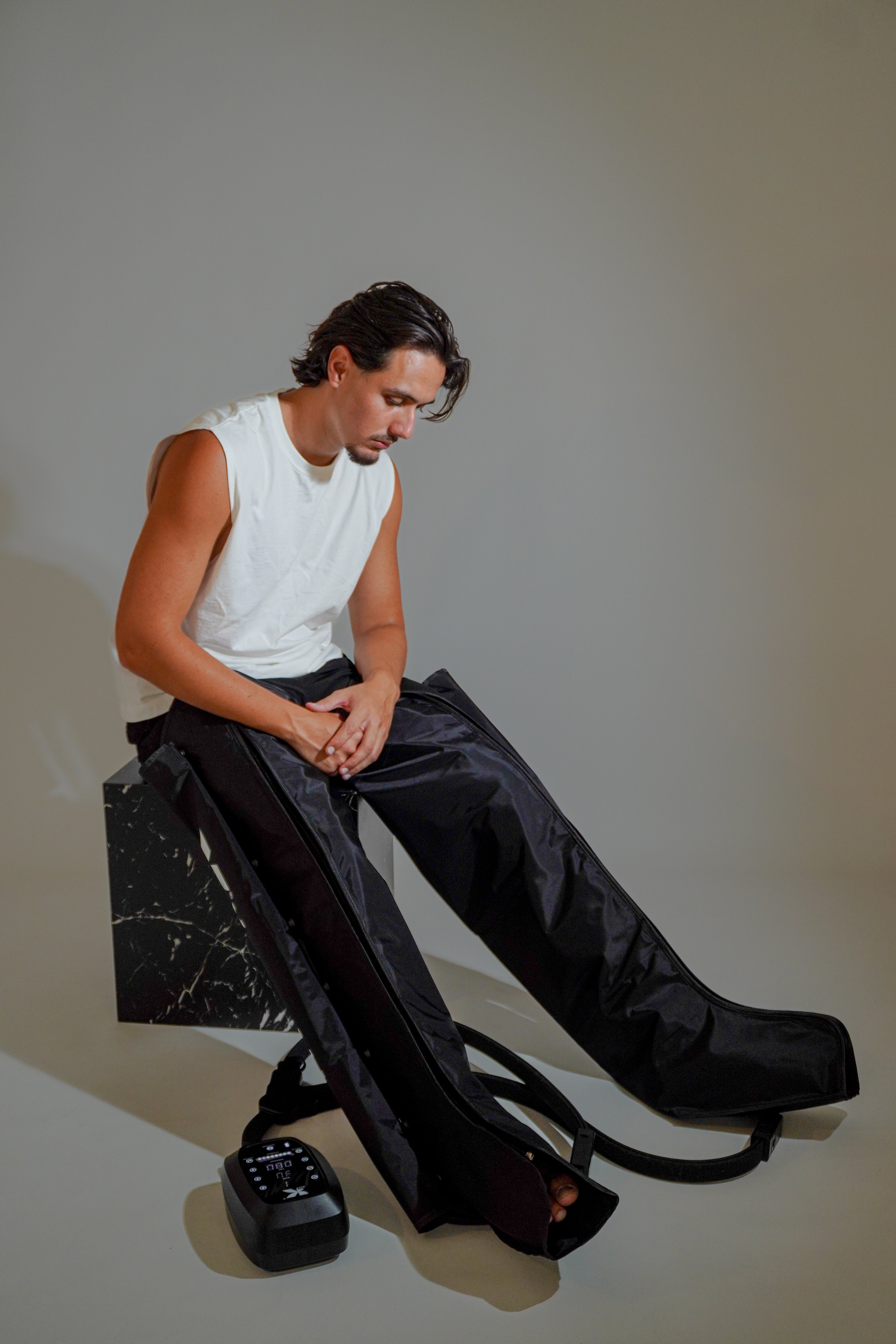
KUMO's compression boots are designed precisely to replicate this sequential massage at home, in a comfortable and adjustable way, always as a complement to movement, rest and a healthy lifestyle, and never as a substitute for medical advice.
Photobiomodulation and red light
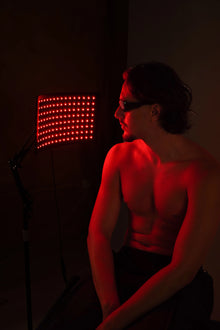
Photobiomodulation (PBM) is the use of red and/or near-infrared light to modulate biological processes. Several experimental studies have observed that certain wavelengths can:
- Relax lymphatic vessels and enhance their pumping capacity.
- Improve microcirculation.
- To support tissue repair mechanisms and reduce inflammation in very specific contexts. ( pubmed.ncbi.nlm.nih.gov )
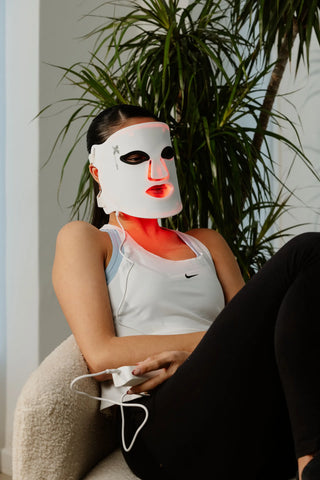
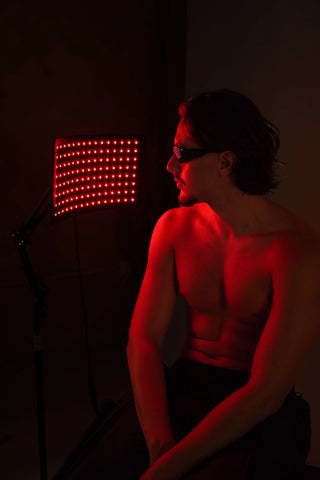
These findings have driven the use of LED devices on the skin to support muscle recovery, skin care, and, indirectly, lymphatic system function. If you're interested in this approach, you can explore our LED light therapy devices , designed to offer specific wavelengths, controlled power levels, and comfortable at-home sessions.
Again, it is important to understand PBM as a tool to support recovery and well-being, not as a medical treatment in itself.
Table: Complementary strategies to care for your lymphatic system
Below is a practical summary of different ways to support lymphatic drainage:
| Strategy | How it generally works | When it might be useful* | Basic precautions |
|---|---|---|---|
| Walk and move daily | It activates the muscle pump and promotes lymphatic return | Sedentary lifestyle, office work, long journeys | Avoid overexertion if there is pain or joint pathology |
| Diaphragmatic breathing | Pressure changes in the thorax/abdomen that "push" the lymph | Stress, anxiety, feeling of oppression | Sit upright; stop if it makes you dizzy. |
| Professional manual lymphatic drainage | Specific maneuvers towards lymph nodes | Mild functional swelling, mild fluid retention | Contraindicated in acute infections, thrombosis, active cancer, etc. |
| Pressotherapy | Sequential compression of the legs/arms | Tired legs, post-exercise recovery, travel | It requires supervision or advice if there are cardiovascular problems. |
| Photobiomodulation (red light/IR) | Modulation of microcirculation and inflammation, support for regeneration | Muscle recovery, skin care, general well-being | Do not use on unprotected eyes or on areas with unevaluated lesions |
| Gentle self-massage | Light mechanical stimulation of superficial tissues | A complement to at-home activities between professional sessions. | Follow gentle guidelines, without pain or excessive pressure. |
*Always in healthy people or those with problems already assessed by a healthcare professional.
Furthermore, tools like a well-used massage gun can help relax muscles, which indirectly also facilitates circulation and lymphatic drainage. One example is the KUMOPULSE Air massage gun , designed to relieve tension in specific muscle groups after exercise or long workdays.
Precautions, contraindications, and when to consult a doctor
Lymphatic drainage, while generally a gentle technique, is not harmless in all cases . You should avoid it or consult your doctor urgently before receiving it if:
- You have acute infections (fever, intense redness, localized pain).
- You have deep vein thrombosis or a history of blood clots.
- You suffer from decompensated heart failure or other serious cardiovascular problems.
- You are currently undergoing cancer treatment or have recently had cancer, without specific authorization from the medical team.
- You are a high-risk pregnancy or have obstetric complications.
In some cases, the doctor might recommend very specific drainage protocols (for example, in lymphedema secondary to surgery), but that already falls into the therapeutic realm and must be personalized.
As a general rule:
If you have a diagnosed illness, intense symptoms, or doubts about whether lymphatic drainage is right for you, your first stop should always be your doctor or specialist.
Remember that no wellness device (pressotherapy, LED light therapy, massage guns, etc.) is intended to diagnose, treat, cure, or prevent disease . Its role is to complement a healthy lifestyle and, where appropriate, a properly prescribed medical treatment plan.
Frequently asked questions about lymphatic drainage and the immune system
Does lymphatic drainage really strengthen the immune system?
Lymphatic drainage alone is not a “vaccine” or a substitute for other pillars of health (sleep, nutrition, exercise, stress management). However, by supporting lymph circulation, it can help lymph nodes better filter waste and pathogens, which is key for an efficient immune system. ( niaid.nih.gov )
Think of it as indirect support : if the lymphatic system is functioning properly, immune cells can more easily reach where they're needed. However, any promise of miraculously boosting your immune system should be viewed with skepticism.
How many sessions do I need to notice the effects of lymphatic drainage?
It largely depends on your starting point and your goals. Some people notice a feeling of lightness and reduced swelling after the first session, especially in their legs or hands. In other cases, a course of several sessions is recommended (for example, 1–2 per week for a few weeks) to integrate lymphatic drainage into a broader wellness plan.
If you use pressotherapy or recovery devices at home, the key is usually moderate regularity , not isolated sessions. Ideally, a professional should assess your specific case and recommend a frequency tailored to your physical condition, workload or training, and any potential risk factors.
Can I do lymphatic drainage at home safely?
You can incorporate many safe strategies at home to support drainage: walking daily, breathing deeply, stretching gently, and performing very light self-massages towards the main lymph nodes (groin, armpit, neck), always without pain or excessive pressure.
If you decide to use devices like compression boots or red light panels, it's important to carefully read the instructions , start with moderate intensities and durations, and, if you have a medical condition, consult your doctor beforehand. Home therapy tools are a useful complement, but they don't replace a professional diagnosis or follow-up care.
Is lymphatic drainage useful for athletes?
Yes, many athletes and active people incorporate lymphatic drainage into their recovery protocols. After intense exertion, it helps manage the feeling of heavy legs , mild swelling, and muscle stiffness. Combined with techniques such as compression therapy, muscle massage, and photobiomodulation, it can help the body better manage the training load. ( cancerrehabpt.com )
However, performance doesn't depend solely on passive recovery. Nighttime rest, training periodization, and nutrition are equally, if not more, important. Lymphatic drainage should be seen as one piece of the puzzle, not the sole solution.
Is lymphatic drainage the same as "detox"?
No. The concept of "detox" is used very loosely in marketing and often causes confusion. The body already has its own detoxification systems (liver, kidneys, lungs, intestines, and, in part, the lymphatic system). Lymphatic drainage does not replace any of these systems, nor does it miraculously "eliminate toxins."
What it does is facilitate the movement of fluids and waste products to where they can be processed and eliminated naturally. Therefore, it's more accurate to speak of supporting the physiological processes of cleansing and fluid balance , always within the context of healthy habits.
So what now?
If, after understanding the relationship between lymphatic drainage and the immune system, you want to take it a step further, the next step is to put theory into practice . Start with the basics: move more, breathe better, and stay hydrated. If you'd like to add recovery technologies to your routine, you can explore our pressotherapy , LED therapy , and percussive massage solutions, always as a complement to a healthy lifestyle.
And if you have specific questions about which tool would best suit you, or if you'd like more information about our products, you can contact us through the contact form . We'd be happy to help you design a recovery routine that fits your body, your daily life, and your goals.
KumoWave pressotherapy
Choose your at-home pressotherapy
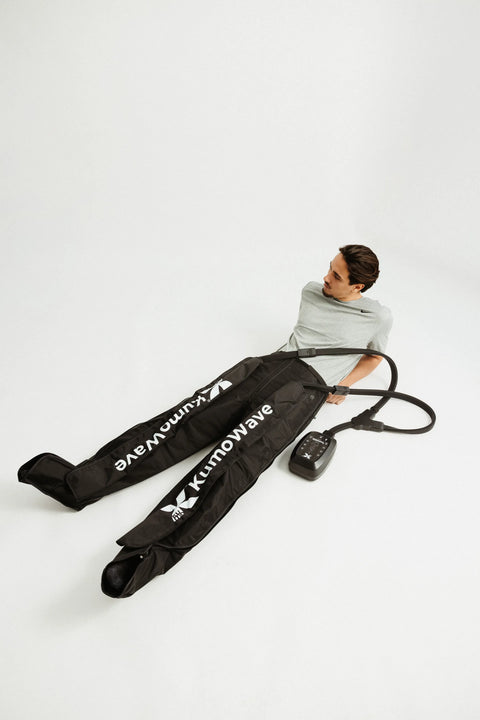
KumoWave Elite – Pressotherapy Pants
Full-coverage trousers. Ideal for lipedema, fluid retention and intensive use.
€799,00 €999,00
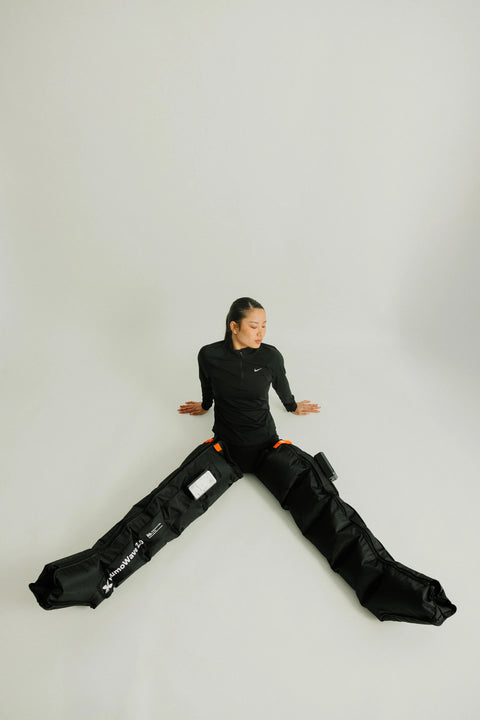
KumoWave 2.0 - Wireless Pressotherapy
Wireless, lightweight boots. Perfect for daily use and recovery.
€499,00 €599,00