The connection between lymphatic drainage and cellulite matters. A lot.
If you're wondering whether lymphatic drainage really helps improve the appearance of cellulite, the short answer is: it can be a helpful aid, but it's not a miracle cure or a one-size-fits-all solution . In this 2025 guide, we review what science says, how to integrate it into your routine, and how to combine it with modern recovery technologies like pressotherapy or LED light therapy.
Pressotherapy at home
End the day with light legs
★★★★★ 4,8/5 · rated by verified customers
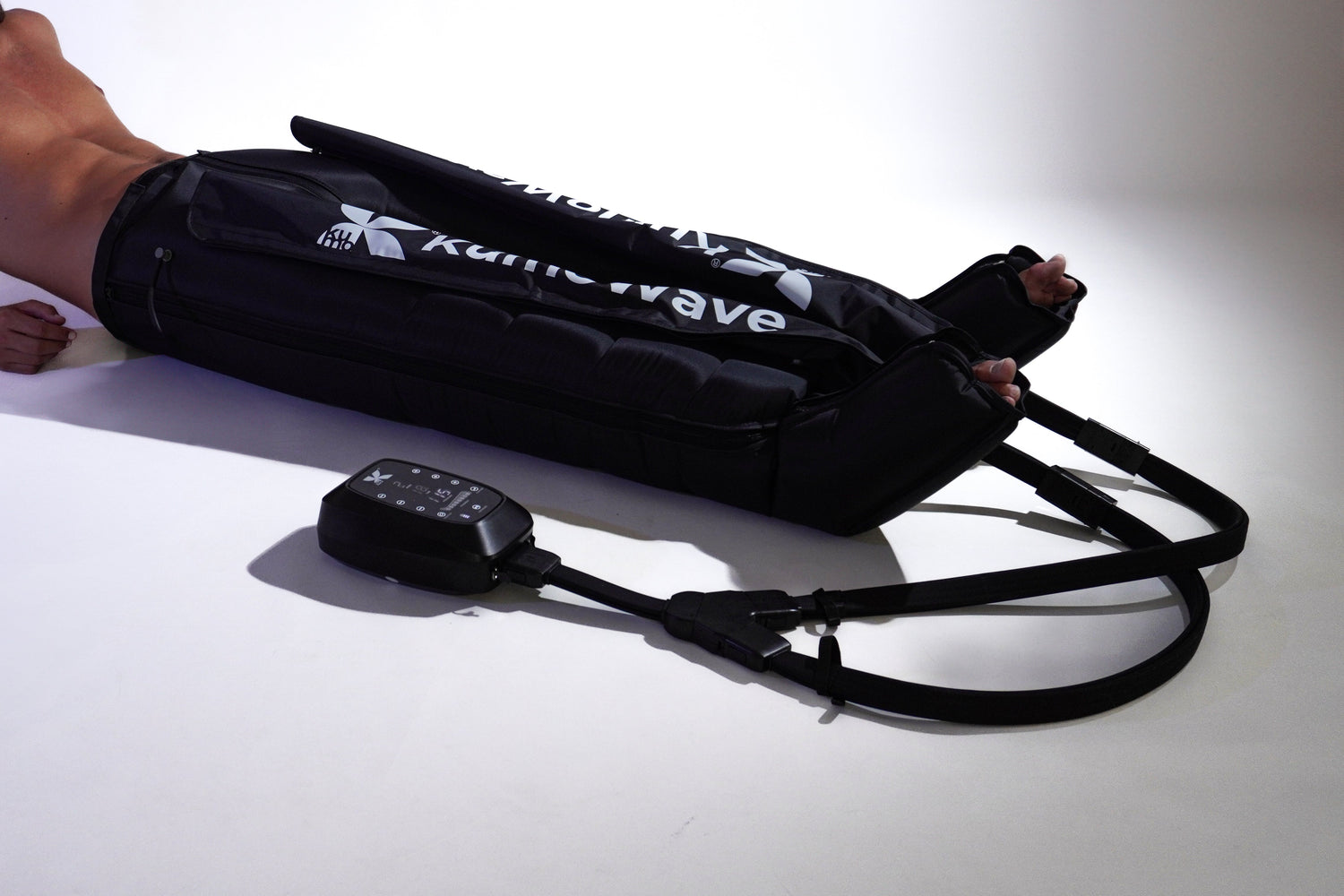
KumoWave pressotherapy boosts circulation and helps drain fluid with sequential compression, in 20-minute sessions at home.
- Boosts circulation and helps drain fluid
- Chamber-based compression, adjustable to you
- Sequential compression that mimics manual drainage
€799,00€999,00
−10% on your 1st order when you subscribe to the newsletter

What is lymphatic drainage and why is it related to cellulite?
Lymphatic drainage is a gentle technique designed to promote the flow of lymph, the fluid that carries waste products, proteins, and immune cells throughout the body. When this system slows down, fluid retention, swelling, and a feeling of heaviness in the legs are more likely to occur.
Many people with cellulite, especially in the thighs and buttocks, also experience some edema and congestion . Therefore, improving lymphatic circulation can help reduce inflammation, relieve discomfort, and, in some cases, slightly smooth the skin's appearance.
Personalized protocol · included with your purchase
Want us to tell you how to use it in your case?
With your purchase, our experts prepare a personalized usage protocol for your case: sport, circulation, fluid retention, pregnancy or lipedema.
Message us on WhatsAppOur experts reply · no obligation
The lymphatic system in a nutshell
- It is a network of vessels and nodes that "collects" fluids and waste products that the blood does not reabsorb.
- It does not have a central pump like the heart: it relies on muscle movement, breathing, and external compression to flow.
- Slow lymphatic flow is associated with heavy legs, swollen ankles , and a feeling of "retention".
Lymphatic drainage, whether manual or using compression devices, attempts to accelerate this return to reduce edema and improve the feeling of lightness.
Most common types of lymphatic drainage
-
Manual lymphatic drainage (MLD)
Extremely gentle massage, with superficial techniques, following the path of the lymphatic vessels. It is usually performed by a physiotherapist or other trained professional. -
Pressotherapy or intermittent pneumatic compression
Boots or sleeves that inflate and deflate sequentially, generating rhythmic compression that promotes venous and lymphatic return. It is one of the recovery technologies that facilitates integrating lymphatic drainage at home or in a clinical setting. -
Self-drainage and daily habits
Gentle mobilization, diaphragmatic breathing, leg elevation, and very light self-massage can support professional work, although they do not replace it.
Cellulite: what it really is and why it appears
Cellulite (gynoid lipodystrophy) is a structural change in the subcutaneous tissue that gives the skin a dimpled or "orange peel" appearance, particularly on the thighs and buttocks. It is estimated to affect 80 to 90% of women after puberty , regardless of body weight. ( pubmed.ncbi.nlm.nih.gov )
It is not a serious disease, but it is a frequent cause of aesthetic discomfort and, in some cases, pain or hypersensitivity to touch.
on your first order when you join the newsletter
We send you the code instantly. No spam.
Factors that contribute to the appearance of cellulite
- Hormones (estrogens, progesterone)
- Genetics and structure of connective tissue
- Changes in weight and body composition
- Sedentary lifestyle and low muscle activation
- Fluid retention and slowed venous or lymphatic circulation
- Habits such as smoking, insufficient sleep, and chronic stress
Cellulite is multifactorial: that's why no single treatment usually produces spectacular long-term changes.
Types of cellulite and their relationship to lymphatic drainage
Although there is no single universal classification, in aesthetics we usually talk about:
- Edematous cellulitis : with swelling, a feeling of heaviness, and often mild pain.
- Soft cellulite : more flaccid tissue, wavy with movement.
- Fibrous cellulite : firm, painful, very adherent nodules.
Lymphatic drainage is usually more helpful in edematous and mixed forms of cellulite, where fluid retention plays a significant role. In highly fibrous cellulite, results are typically more limited and slower.
Lymphatic drainage and cellulite: what the scientific evidence says
The evidence available up to 2025 indicates that lymphatic drainage:
- It is safe in healthy people, when properly indicated.
- It improves symptoms such as heaviness and edema.
- As a sole treatment , it usually has a modest impact on the visible appearance of cellulite .
Studies on manual lymphatic drainage
A longitudinal study with 20 women who received 14 sessions of manual lymphatic drainage on their legs and buttocks showed:
- Significant improvement in quality of life .
- Slight decrease in hip circumference (around millimeters).
- No significant changes were observed on ultrasound or in the clinical grade of cellulitis. ( pubmed.ncbi.nlm.nih.gov )
Authors' conclusion: manual drainage is safe, but was not effective as an isolated treatment for cellulite, recommending combining it with other strategies.
Other studies have compared lymphatic drainage with techniques such as mechanical massage or connective tissue manipulation, observing reductions in subcutaneous fat in all groups , but without lymphatic drainage clearly standing out as the most effective option aesthetically. ( pubmed.ncbi.nlm.nih.gov )
Lymphatic drainage after liposuction and secondary cellulite
Several trials have evaluated lymphatic drainage in cellulite that appears after liposuction . In a clinical trial with women with post-surgical grade 3 cellulite, both the Vodder and Casley-Smith techniques resulted in significant improvements in cellulite grade , with no difference between them. ( pubmed.ncbi.nlm.nih.gov )
Another study compared lymphatic drainage versus extracorporeal shock wave therapy, both combined with topical retinol, and found that both treatments reduced the degree of cellulite and the thickness of the subcutaneous fat layer , although shock waves showed greater reductions in skin folds. ( pubmed.ncbi.nlm.nih.gov )
This confirms that drainage can be a useful tool within a broader protocol , and not so much a standalone solution.
So, what can it contribute in practice?
In realistic terms, lymphatic drainage can:
- Reduce swelling and the feeling of tired legs .
- Improve skin texture and temperature by promoting microcirculation.
- It contributes to a slight improvement in contour in some people, especially if there is edema.
- Enhance results when combined with exercise, nutritional care, phototherapy, and other approaches .
But it's important to understand that it doesn't "eliminate" cellulite on its own , and that results are usually progressive and vary from person to person.
Current technologies that complement lymphatic drainage
By 2025, we have more tools than ever before to support circulatory health, muscle recovery, and skin quality. Several of these integrate easily with drainage protocols.
Pressotherapy: sequential compression for light legs
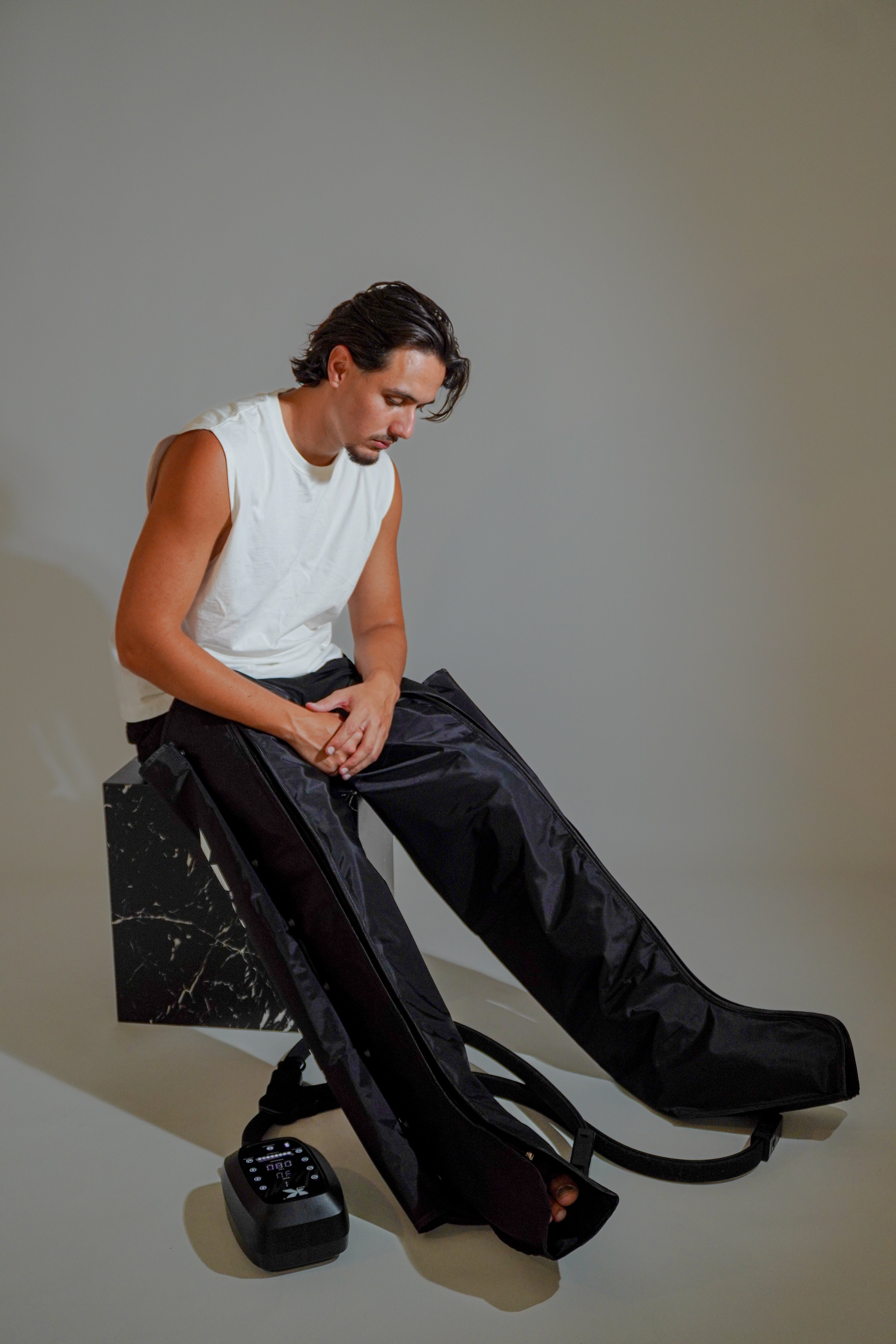
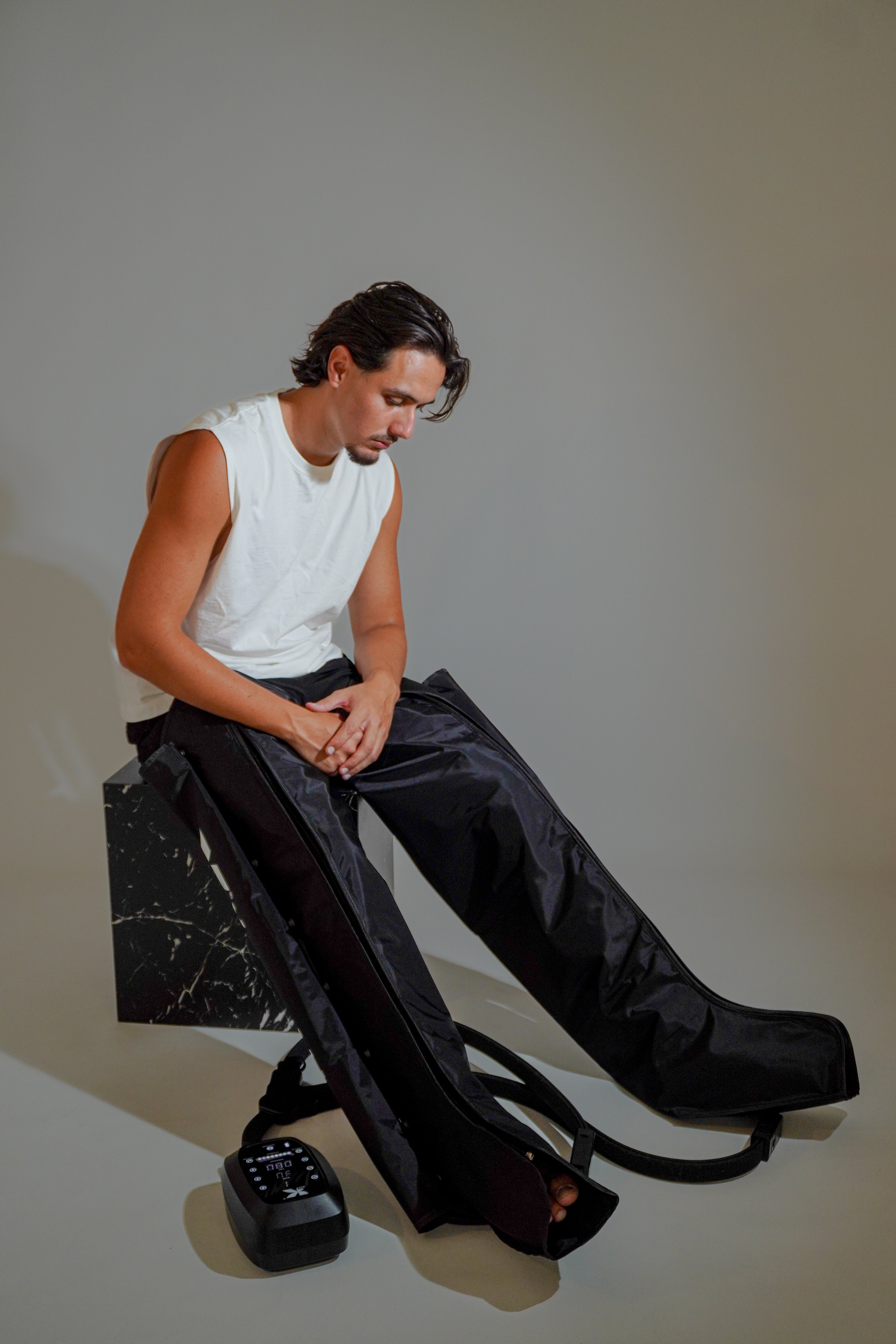
Pressotherapy uses pneumatic compression boots that inflate sequentially from the feet to the upper leg, generating a rhythmic pressure that boosts venous and lymphatic return.
This may:
- Reduce the feeling of bloating and heaviness after many hours of standing or sitting.
- Promote recovery after exercise.
- To be a useful complement in strategies to improve the appearance of the skin in people with fluid retention.
If you're interested in integrating this technology into your wellness routine, you can discover Kumo's pressotherapy boots in the pressotherapy collection .
LED light therapy and cellulite
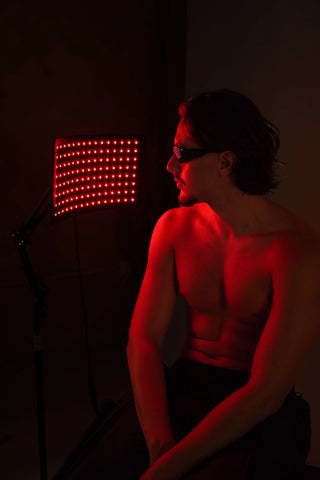
Photobiomodulation with LEDs (red and/or near-infrared light) has been studied for cellulite in combination with cosmetics and other approaches:
- A randomized study evaluated an anti-cellulite gel in conjunction with red LED (660 nm) and near-infrared (950 nm) light on thighs with grade II–III cellulite, finding that 8 of 9 treated thighs improved by one grade of cellulite and showed favorable changes on ultrasound and dermal biopsy after 3 months. ( pubmed.ncbi.nlm.nih.gov )
- More recent research using whole-body LED systems and topical gel has described improvements in elasticity and a reduction in the degree of cellulite in the treated areas compared to the control side. ( pubmed.ncbi.nlm.nih.gov )
- In 2024, a trial using 650 nm LED light in patients with moderate-to-severe cellulitis showed a reduction in skin temperature and pressure pain , suggesting a local anti-inflammatory effect. ( pubmed.ncbi.nlm.nih.gov )
Although the sample sizes are small, the data suggest that red/IR light may enhance other treatments on skin texture and comfort.
At Kumo, LED light therapy is used to promote skin regeneration and muscle recovery. You can view the available devices in the LED light therapy collection .
Deep tissue massage and massage guns: more for muscles than for lymphatic drainage
Massage guns are primarily designed for:
- Relax the muscles deeply .
- Reduce muscle soreness and stiffness after training.
- Improve mobility and make it easier for you to maintain an active routine (key to controlling cellulite).
They are not a lymphatic drainage method in the strict sense, but by helping you move more and better , they indirectly contribute to overall circulation and the balance of body composition.
If you're looking for an advanced device for muscle recovery, you can learn about the Kumo pistolet on the KumoPulse Air page.
Benefits and limitations of lymphatic drainage for cellulite
When deciding whether to introduce lymphatic drainage sessions into your strategy, it's important to be clear about what you can and cannot expect.
Potential benefits
- Symptom relief : less heavy legs, less swollen ankles.
- Improved skin comfort : some people notice softer, less tight skin.
- Post-training support or after standing for many hours .
- Possible slight improvement in contour in hips/thighs when there is significant edema.
- Subjective feeling of well-being and relaxation .
Clear boundaries
- The available evidence suggests that it does not drastically change the degree of cellulite when used alone, without other support. ( pubmed.ncbi.nlm.nih.gov )
- The results are usually temporary if they are not accompanied by movement, good weight management, and other care.
- It does not "break down" deep fibrous nodules nor does it replace physical activity and muscle strength .
- It requires consistency (several sessions) to notice changes.
Contraindications and precautions
Lymphatic drainage (manual or with devices) is not suitable in all cases. Generally, it is avoided or requires medical supervision in:
- Decompensated heart failure or serious heart disease.
- Current or recent deep vein thrombosis .
- Acute infections , fever, or severe local inflammation.
- Active cancer without authorization from the medical team.
If you have any relevant medical condition, always talk to your doctor before starting an intensive drainage or pressotherapy program.
Comparative table: common approaches to improving cellulite
Comparison of strategies for cellulite (practical vision 2025)
| Approach | How it primarily works | Summary evidence | Ideal for… | Main limitations |
|---|---|---|---|---|
| Manual lymphatic drainage | Improves lymphatic return, reduces edema | It is safe, it improves symptoms; isolated aesthetic impact is usually modest ( pubmed.ncbi.nlm.nih.gov ) | Heavy legs, edematous cellulite | Requires many sessions, results vary |
| Pressotherapy (compression boots) | Sequential venous and lymphatic compression | Good support for recovery and edema; less specific data on cellulite | Athletes, people with sedentary lifestyles or prolonged standing | Not suitable for certain vascular or cardiac conditions |
| LED/LLLT Phototherapy | Modulates inflammation, microcirculation and dermal matrix | Small trials show improvements in cellulite grade and elasticity combined with topical gels ( pubmed.ncbi.nlm.nih.gov ) | Skin care, combined non-invasive protocols | It requires consistency; gradual results |
| Exercise (cardio + strength) | Improves muscle mass, energy expenditure and circulation | Strong evidence in global health and body composition | The basis of any anti-cellulite plan | Visible effects require time and sustained routine. |
| Nutrition and lifestyle | It influences body fat, inflammation, and fluid retention. | Strong indirect evidence; key to maintaining results | Anyone seeking lasting change | It cannot "erase" cellulite alone, but it can modulate it. |
How to integrate lymphatic drainage into your wellness routine in 2025
The key is not to choose a single treatment , but to design a strategy that is consistent with your lifestyle, your available time, and your preferences.
1. Define your starting point
Before we begin:
- Observe whether your cellulite is more edematous (swelling, heavy legs) or fibrous (hard nodules).
- Assess your level of physical activity , your sleep, and your habits (tobacco, stress).
- If you have vascular or cardiac conditions, or are pregnant, always consult a healthcare professional.
2. Combines drainage with intelligent movement
- It includes walking daily (ideally 7,000–10,000 steps if your condition allows).
- Add 2–3 weekly strength training sessions, key to improving leg and gluteal tone.
- Use recovery tools such as pressotherapy or massage guns to reduce muscle soreness and be able to train regularly.
3. Design a “leg ritual” 2–3 times per week
An example of a combined routine could be:
- Pressotherapy session at home or in a center, 20–30 minutes, to promote venous and lymphatic return.
- Apply an anti-cellulite cosmetic with a gentle self-massage, always in the direction of the heart.
- Briefly apply red LED or infrared light to the affected area (if you have a device suitable for body use), always following the manufacturer's instructions. ( pubmed.ncbi.nlm.nih.gov )
This type of approach takes advantage of the synergy of different stimuli : circulation, dermal matrix and skin care.
Frequently asked questions about lymphatic drainage and cellulite
How many lymphatic drainage sessions do I need to notice changes in cellulite?
It depends on your starting point and whether you combine lymphatic drainage with other habits. In studies where approximately 10–14 sessions of manual lymphatic drainage were applied to the legs and buttocks, objective changes in cellulite were modest, although many women reported improved quality of life and a reduced feeling of heaviness . ( pubmed.ncbi.nlm.nih.gov )
In practice, an initial block of several weeks is usually recommended (for example, 1–2 sessions per week) followed by maintenance sessions, always accompanied by exercise, a balanced diet and, if desired, complementary technologies such as pressotherapy or LED phototherapy.
Does lymphatic drainage eliminate cellulite or only improve it temporarily?
With current evidence, it's more realistic to view it as a method that improves symptoms and can moderately smooth the skin's appearance , but doesn't permanently "eliminate" cellulite. In studies, improvements are usually modest and depend on consistency , and tend to reverse if treatment is completely abandoned and a very sedentary lifestyle is resumed. ( pubmed.ncbi.nlm.nih.gov )
Therefore, the ideal is to integrate it into a comprehensive strategy that includes movement, muscle strength, weight control, and other non-invasive support.
Can I do lymphatic drainage at home for cellulite?
You can support lymphatic drainage with gentle habits and self-massage : walking, elevating your legs for a few minutes a day, deep breathing, and gentle pressure towards the inguinal lymph nodes. There are also at-home technologies like compression boots , which make it easy to apply sequential compression effortlessly.
However, professional manual lymphatic drainage requires specific training to ensure proper lymphatic pathways and pressure. The most sensible approach is to combine professional sessions with simple at-home routines, and if using devices, always follow the manufacturer's recommendations and consult a doctor if you have any pre-existing conditions.
What's better for cellulite: lymphatic drainage or pressotherapy?
There is no single answer, because they work in similar but not identical ways. Manual lymphatic drainage allows for a highly personalized approach, useful in specific cases (for example, after certain procedures or when there are sensitive areas). Pressotherapy offers consistent and reproducible compression, ideal for tired legs, sports recovery, and regular home workouts.
In practice, many protocols combine both approaches , reserving manual drainage for occasional adjustments and using pressotherapy as frequent support along with exercise, phototherapy, and skin care.
Does lymphatic drainage have any side effects or risks?
In healthy individuals, when performed by trained professionals or using appropriate devices, lymphatic drainage is generally considered safe . The most common side effects are mild, such as a temporary increase in urination or drowsiness after the session.
However, it is contraindicated or requires medical supervision in cases of decompensated heart failure, recent deep vein thrombosis, acute infections, some kidney diseases, or active cancer without authorization from the medical team. If you have any doubts, it is essential to consult your doctor before starting an intensive drainage or pressotherapy program.
So what now? How to take the next step
If you want to integrate lymphatic drainage into your cellulite strategy, think of it as one piece of a puzzle that includes movement, strength, rest, and skincare. At Kumo , we've designed recovery technologies—like compression boots , LED light therapy devices, and the KumoPulse Air massage gun —to help you build that routine simply and aesthetically.
If you need more personalized guidance on which tools best suit your situation, you can contact us through our contact page and design a tailored approach, always as a complement to the advice of your healthcare professional.
KumoWave pressotherapy
Choose your at-home pressotherapy
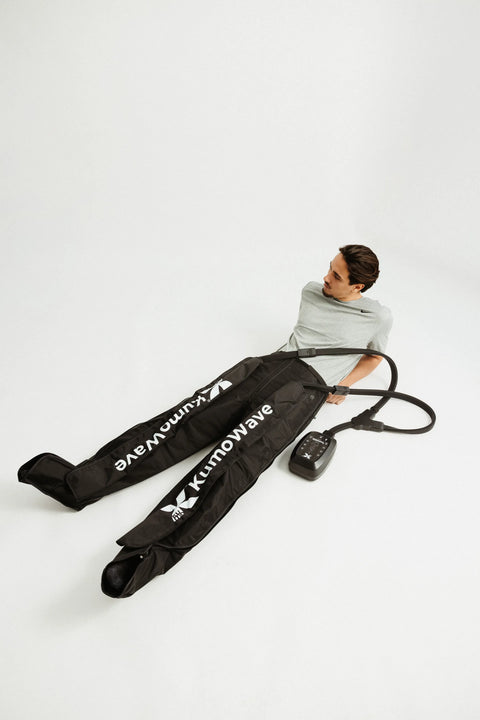
KumoWave Elite – Pressotherapy Pants
Full-coverage trousers. Ideal for lipedema, fluid retention and intensive use.
€799,00 €999,00
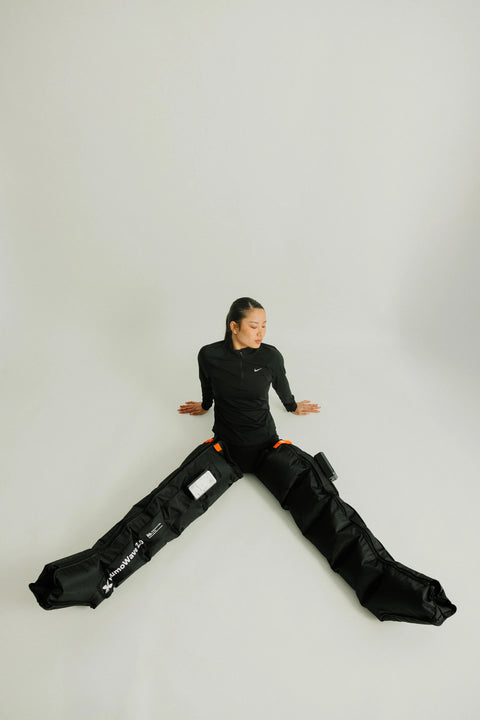
KumoWave 2.0 - Wireless Pressotherapy
Wireless, lightweight boots. Perfect for daily use and recovery.
€499,00 €599,00