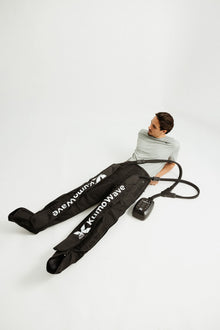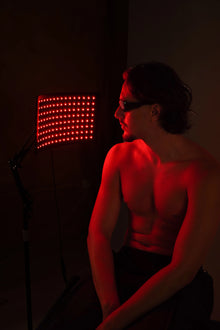


Pressotherapy boots have become a promising solution against cellulite.
But what does science really say about its effect on cellulite?
The intention behind this article is clear: to understand if compression boots can reduce the appearance of cellulite, how they might do so, what benefits are realistic, and how to intelligently integrate them into your body care routine. We'll also look at the role other recovery technologies, such as red LED light therapy or percussive massage, play within a holistic approach to wellness.
Pressotherapy at home
End the day with light legs
★★★★★ 4,8/5 · rated by verified customers
KumoWave pressotherapy boosts circulation and helps drain fluid with sequential compression, in 20-minute sessions at home.
- Boosts circulation and helps drain fluid
- Chamber-based compression, adjustable to you
- Sequential compression that mimics manual drainage
€799,00€999,00
−10% on your 1st order when you subscribe to the newsletter

At Kumo, a brand specializing in high-end recovery technologies, the goal isn't to sell "miracles," but to offer effective and user-friendly tools for daily body care, from pressotherapy and light therapy to massage guns, all integrated into a healthy lifestyle. You can learn more about the brand's philosophy on the Kumo homepage.
What is cellulite really (and why do almost all of us have it)
Cellulite is not a disease, but a very common cosmetic condition . It occurs when subcutaneous fat protrudes through the fibrous septa that connect the skin to the deeper layers, creating the typical orange peel or dimpled appearance, especially on the thighs, buttocks, hips, and abdomen. ( en.wikipedia.org )
Personalized protocol · included with your purchase
Want us to tell you how to use it in your case?
With your purchase, our experts prepare a personalized usage protocol for your case: sport, circulation, fluid retention, pregnancy or lipedema.
Message us on WhatsAppOur experts reply · no obligation
The figures are compelling: it is estimated that between 80 and 90% of post-pubertal women have some degree of cellulite, regardless of their weight. ( pubmed.ncbi.nlm.nih.gov ) In other words, the "abnormal" thing would be not to have it.
Today we know that cellulite is multifactorial :
- Distribution and volume of subcutaneous fat
- Connective tissue structure (fibrous septa)
- Microcirculation and local lymphatic drainage
- Hormonal influences (estrogens)
- Genetic factors and lifestyle (physical activity, diet, tobacco, stress, sleep) ( pubmed.ncbi.nlm.nih.gov )
Therefore, no single treatment (including pressotherapy) can permanently "erase" cellulite. However, in many cases, it is possible to improve its appearance and the associated feeling of heaviness or swelling.
on your first order when you join the newsletter
We send you the code instantly. No spam.
How do compression therapy boots work?
Intermittent pneumatic pressure: the basic principle
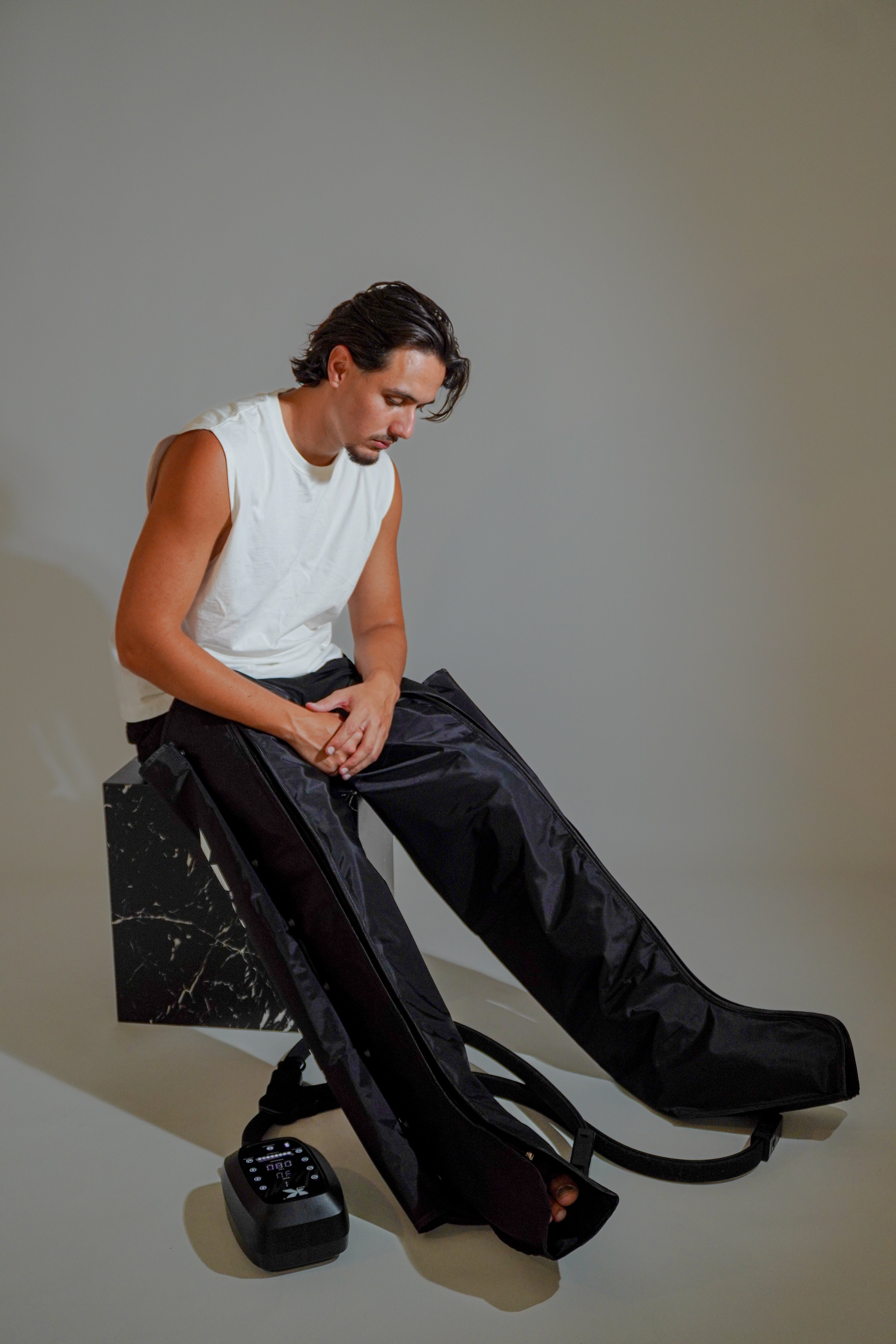
Compression therapy boots use the principle of intermittent pneumatic compression (IPC). This device consists of an air pump connected to inflatable chambers that wrap around the legs. These chambers inflate and deflate sequentially, exerting pressure from the ankle upwards. ( en.wikipedia.org )
This mechanical “massage” has several well-documented effects in the medical field:
- It increases venous return , pushing blood from the deep veins towards the heart. ( en.wikipedia.org )
- It promotes lymphatic drainage , helping to mobilize fluids and metabolites accumulated in the tissues. ( pubmed.ncbi.nlm.nih.gov )
- It reduces edema (swelling) in pathologies such as lymphedema or chronic venous insufficiency, as part of combination therapies. ( pubmed.ncbi.nlm.nih.gov )
In summary, compression boots are well established as a tool to improve circulation and fluid management in legs and feet, both in hospital medicine and in home-use devices.
From circulation to cellulite: the physiological bridge
What does this have to do with cellulite?
In recent years, several reviews on the pathophysiology of cellulite have indicated that, in addition to fat and connective tissue, there is a component of microcirculatory and lymphatic dysfunction and a low-grade inflammatory environment in the affected gluteofemoral fat. ( pubmed.ncbi.nlm.nih.gov )
This allows us to formulate a logical hypothesis:
If we consistently improve venous and lymphatic return, we could reduce fluid retention and tissue congestion, which in some people would slightly soften the appearance of cellulite, especially that linked to swelling.
Science, however, requires specific clinical trials . And here's the important point: direct evidence linking pressotherapy boots to cellulite is limited and of moderate quality. Let's look at it in detail.
What does science say about pressotherapy and cellulite?
Global review of treatments: where compression fits in
A comprehensive 2015 review of cellulite treatments analyzed 73 human studies and categorized therapies into topical, shockwave, radiofrequency, laser, massage, carbon dioxide, compression, infrared, etc. ( pubmed.ncbi.nlm.nih.gov )
The key piece of information for our topic:
- Only two studies focused on specific compression therapies .
- The results showed modest and temporary improvements in the appearance of cellulite.
- The designs were heterogeneous (devices, protocols, assessment scales), making it difficult to draw solid conclusions.
A more recent systematic review (2024), which included 24 randomized trials with 2,084 patients , reaffirmed that no modality—including mechanical ones—offers spectacular or permanent results. Most improvements are partial and require maintenance . ( pubmed.ncbi.nlm.nih.gov )
In other words: pressotherapy is not an exception within the ecosystem of anti-cellulite treatments.
Indirect evidence: mechanical massage and lymphatic drainage
Although there are few direct trials with pressotherapy boots for cellulite, there are studies with mechanical massage and lymphatic drainage , techniques that share the goal of improving circulation and fluid drainage .
A randomized trial with 60 women with cellulite compared three techniques:
- mechanical massage,
- manual lymphatic drainage,
- Connective tissue manipulation techniques. All participants showed a decrease in subcutaneous fat thickness after treatment, as measured by skinfold thickness and circumference. ( pubmed.ncbi.nlm.nih.gov )
The authors concluded that:
- All three techniques improved certain parameters of regional fat and contour.
- A long-term “cosmetic” outcome was not assessed, and follow-up was short.
Although they are not compression boots, this data supports the idea that mechanical stimulation and drainage can improve, at least temporarily, the appearance of the treated area.
What is clear: effect on fluids and sensation in the legs
If we look beyond cellulite, the role of pneumatic compression is much better defined:
- European clinical guidelines recommend intermittent pneumatic compression as an adjunct therapy in lymphedema, advanced venous insufficiency, and refractory edema, highlighting its ability to reduce volume and relieve symptoms when used correctly. ( pubmed.ncbi.nlm.nih.gov )
- Centers such as the Cleveland Clinic and Johns Hopkins Medicine use it extensively to improve venous return and prevent deep vein thrombosis in immobilized patients. ( hopkinsmedicine.org )
From this we can draw a reasonable conclusion for aesthetic use:
Pressotherapy boots can help reduce swelling , relieve leg heaviness and improve comfort, and in many people this translates into temporarily smoother skin , especially in cases of cellulite with a fluid retention component.
But they do not structurally remodel the fat or fibrous septa, which are a fundamental part of the problem.
Table: What the evidence says about pressotherapy and cellulite
| Type of therapy | Population / context | Effect on cellulite | Estimated duration | Level of evidence* |
|---|---|---|---|---|
| Compression boots | Few specific studies; indirect data from compression therapies ( pubmed.ncbi.nlm.nih.gov ) | Modest improvements linked to edema reduction | Weeks; requires maintenance | Low-moderate |
| Mechanical massage and lymphatic drainage | 60 women with cellulite (randomized trial) ( pubmed.ncbi.nlm.nih.gov ) | Reduction of fat thickness and regional contour | Short term; long-term effect unknown | Moderate |
| Red light therapy / LED | Small trials in women with gluteofemoral cellulite ( pubmed.ncbi.nlm.nih.gov ) | Improved elasticity and reduction of cellulite when combined with other treatments | It requires repeated sessions | Low-moderate |
| Shock waves (ESWT) | Meta-analysis of 11 studies, 297 women ( pubmed.ncbi.nlm.nih.gov ) | Improvement in the degree of cellulite in most studies | Short follow-up (<1 year) | Moderate |
| Topical creams and gels | Isolated controlled studies ( pubmed.ncbi.nlm.nih.gov ) | Slight improvement in appearance according to clinical scales | It depends on continued use | Low-moderate |
*Based on sample size, design, and methodological quality of the studies.
Realistic benefits of pressotherapy boots in an anti-cellulite plan
What you can expect (and what not to expect)
Used regularly and as part of a healthy lifestyle, compression boots can provide:
- Less swelling and a feeling of lighter legs.
- Subjective improvement in skin texture , especially right after the sessions.
- Greater comfort after exercise or long days on your feet, something key if you combine strength training and sedentary work.
What you can't expect, according to current evidence:
- That pressotherapy permanently eliminates cellulite.
- That it remodels the fat on its own or breaks down fibrous septa.
- That it replaces exercise, a balanced diet, or rest.
An honest way to look at it would be like this:
Compression boots are a support tool : they improve circulation, drainage, and comfort. This can visibly and temporarily smooth cellulite, but they don't completely change your anatomy.
How to integrate them into a smart anti-cellulite routine
Science is fairly consistent in showing that the best results come from combined strategies . ( pubmed.ncbi.nlm.nih.gov )
Some key pieces:
-
Strength training + aerobic activity
- Strength training stimulates muscle mass and improves skin tone over the muscle.
- Aerobic exercise promotes circulation and overall energy balance. -
Nutrition and body weight control
- You don't need an "anti-cellulite diet", but rather avoid large weight fluctuations, excess ultra-processed foods and salt, and prioritize fruits, vegetables, quality proteins and healthy fats. -
Sleep hygiene and stress management
Chronic stress and lack of sleep alter hormones involved in fat distribution and low-grade inflammation. ( pubmed.ncbi.nlm.nih.gov ) -
Support technologies
- Pressotherapy to activate circulation and relieve heavy legs. You can explore Kumo's pressotherapy boot options if you're looking for a high-performance, aesthetic device for home use.
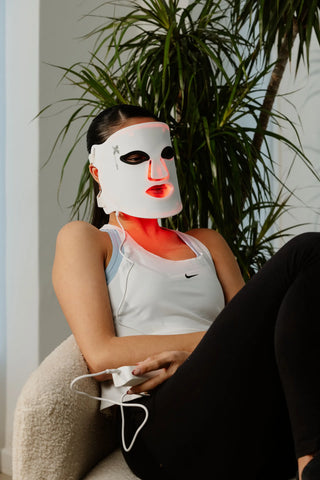
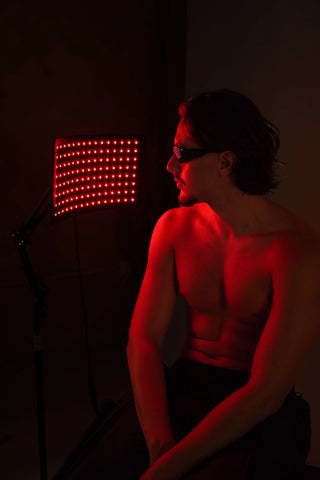
- Red LED light therapy : Several small studies have seen improvements in elasticity and moderate reduction in the appearance of cellulite when red/IR light is combined with other treatments (such as gels or exercise). ( pubmed.ncbi.nlm.nih.gov ) You can see devices intended for this purpose in the LED light therapy collection.
- Percussive massage : There is no strong specific evidence regarding massage guns and cellulite, but there is evidence of improved muscle recovery and reduced stiffness, which can help you maintain a consistent exercise routine. One example is the KUMOPULSE Air massage gun , designed to penetrate deep into muscle tissue after training.
The key is to understand that these technologies enhance what you already do well (move, eat better, rest), they don't replace it.
How to use compression therapy boots safely
General indications and contraindications
Although home-use compression boots usually employ lower pressures than hospital devices, it is advisable to respect basic safety principles.
According to clinical guidelines and reviews on intermittent pneumatic compression: ( pubmed.ncbi.nlm.nih.gov )
Generally appropriate (after medical evaluation if you have any doubts):
- Tired, heavy, or swollen legs at the end of the day.
- Athletes seeking to improve recovery after intense exertion.
- People with sedentary jobs or who spend many hours standing, without a diagnosed serious vascular disease.
Situations that require medical supervision or may be a contraindication:
- Deep vein thrombosis (current or recent) or suspected clot.
- Significant peripheral arterial disease.
- Active skin infections on the legs.
- Open ulcers or unhealed wounds in the application area.
- Decompensated heart failure.
- High-risk pregnancy or specific vascular pathologies (always consult with your doctor).
If in doubt, it is best to consult a healthcare professional before introducing regular pressotherapy sessions.
Frequency, duration, and expected sensations
There is no "universal recipe", but many domestic protocols fall within these indicative ranges:
- Duration per session: 20–30 minutes.
- Frequency: 2–5 times per week, depending on your activity level and how you feel.
- Intensity: It should feel like a firm massage, never painful or with a sensation of intense tingling or numbness.
Practical tips:
- Start with somewhat shorter sessions and moderate pressure, and only increase if the body responds well.
- Avoid wearing boots immediately after heavy meals or excessive alcohol consumption.
- Observe your skin when finished: slight transient redness is normal; pain, persistent spots or localized heat are not.
Frequently asked questions about pressotherapy boots and cellulite
Do pressotherapy boots eliminate cellulite or only improve it temporarily?
To date, there is no evidence that pressotherapy permanently eliminates cellulite . The few specific studies with compression therapies show moderate and short-term improvements in skin appearance, within a context of multiple treatment modalities. ( pubmed.ncbi.nlm.nih.gov ) In practice, many people report less swollen legs and a somewhat smoother texture after sessions, but if you stop using them and don't address other factors (exercise, diet, stable weight), cellulite will tend to reappear over time.
How long will it take for me to notice changes in the appearance of my cellulite?
The quickest effects are a feeling of lightness and reduced swelling , which can be felt even after the first few sessions. Visible changes in texture—if they occur—usually require weeks of regular use and depend heavily on your starting point, genetics, and lifestyle. Studies with other mechanical and light therapies typically show cosmetic improvements between 4 and 12 weeks of continuous treatment. ( pubmed.ncbi.nlm.nih.gov )
Is it better to use compression boots before or after exercise?
Both options can be useful, but with different effects:
- Before exercise: a short, gentle session can help "wake up" circulation in people with a lot of stiffness or morning swelling, although it is not essential.
- After exercise: this is probably when it makes the most sense, as pneumatic compression helps to promote venous and lymphatic return and relieve the feeling of heaviness after great exertion. ( pubmed.ncbi.nlm.nih.gov )
If your main goal is cellulite, the most sensible thing to do is prioritize post-exercise use, as part of a recovery routine.
Can I combine pressotherapy with red LED light therapy for cellulite?
Yes, and in fact, combining technologies is the norm in many clinical studies. Small trials have shown that red and near-infrared light , applied several times a week, can improve skin elasticity and moderately reduce the appearance of cellulite, especially when combined with other treatments (topical gels, massage, or exercise). ( pubmed.ncbi.nlm.nih.gov ) Pressotherapy, by improving circulation, could complement this approach well. However, we're talking about partial improvements , not completely eliminating cellulite.
How long is it safe to use compression boots at home?
In people without medical contraindications and who respect the pressure and duration ranges recommended by the manufacturer, pneumatic compression is generally considered safe in the long term , with infrequent adverse events when used correctly. ( pubmed.ncbi.nlm.nih.gov ) The key is:
- Listen to your body (avoid pain, intense tingling, or worrying color changes).
- Have your vascular health checked periodically by your doctor if you have a history of vascular problems (significant varicose veins, thrombosis, heart disease).
- Take breaks and do not exceed the daily usage recommendations.
So what now?
If you're interested in incorporating compression boots into a realistic plan to improve the appearance of your cellulite, the next step is to view them as part of a comprehensive strategy , not as the sole solution. You can explore Kumo's range of compression devices in the dedicated compression collection and combine them with complementary technologies such as LED light therapy or the KUMOPULSE Air massage gun to optimize your recovery and daily well-being.
If you have medical questions, pre-existing vascular conditions, or simply want personalized guidance on which device is best for you, you can contact us through our contact page . And if you'd like to learn more about the brand's philosophy and range of solutions, you can start on the Kumo homepage.
KumoWave pressotherapy
Choose your at-home pressotherapy
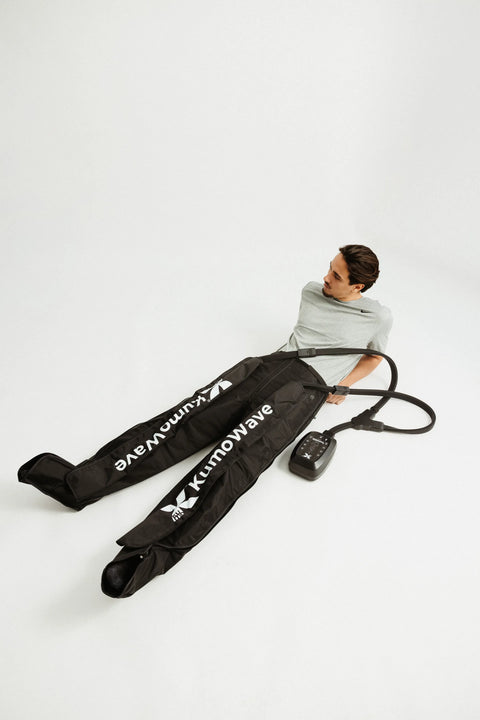
KumoWave Elite – Pressotherapy Pants
Full-coverage trousers. Ideal for lipedema, fluid retention and intensive use.
€799,00 €999,00
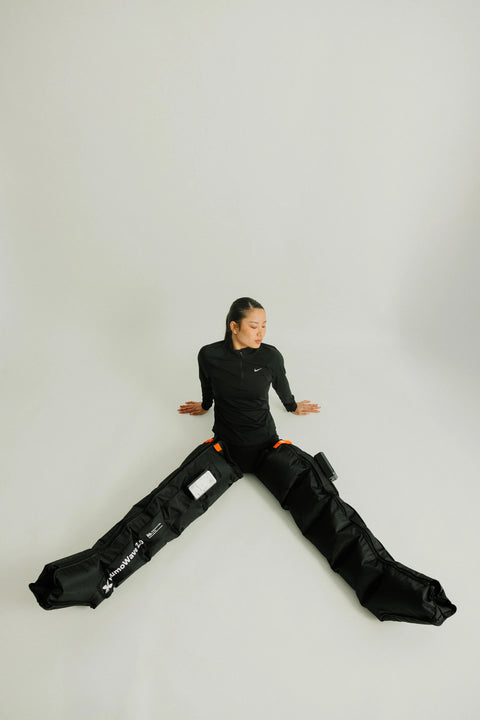
KumoWave 2.0 - Wireless Pressotherapy
Wireless, lightweight boots. Perfect for daily use and recovery.
€499,00 €599,00