
Making mistakes with lymphatic drainage is easier than it seems.
And, when we're talking about a system as delicate as the lymphatic system, these failures can cause the treatment to lose effectiveness... or even be counterproductive.
This article covers the most common mistakes when performing lymphatic drainage , both manually and with devices (pressotherapy, massage, etc.), how to avoid them, and when you should always seek professional advice. The goal: to help you integrate this technique safely, realistically, and consistently into your recovery and wellness routine.
Pressotherapy at home
End the day with light legs
★★★★★ 4,8/5 · rated by verified customers
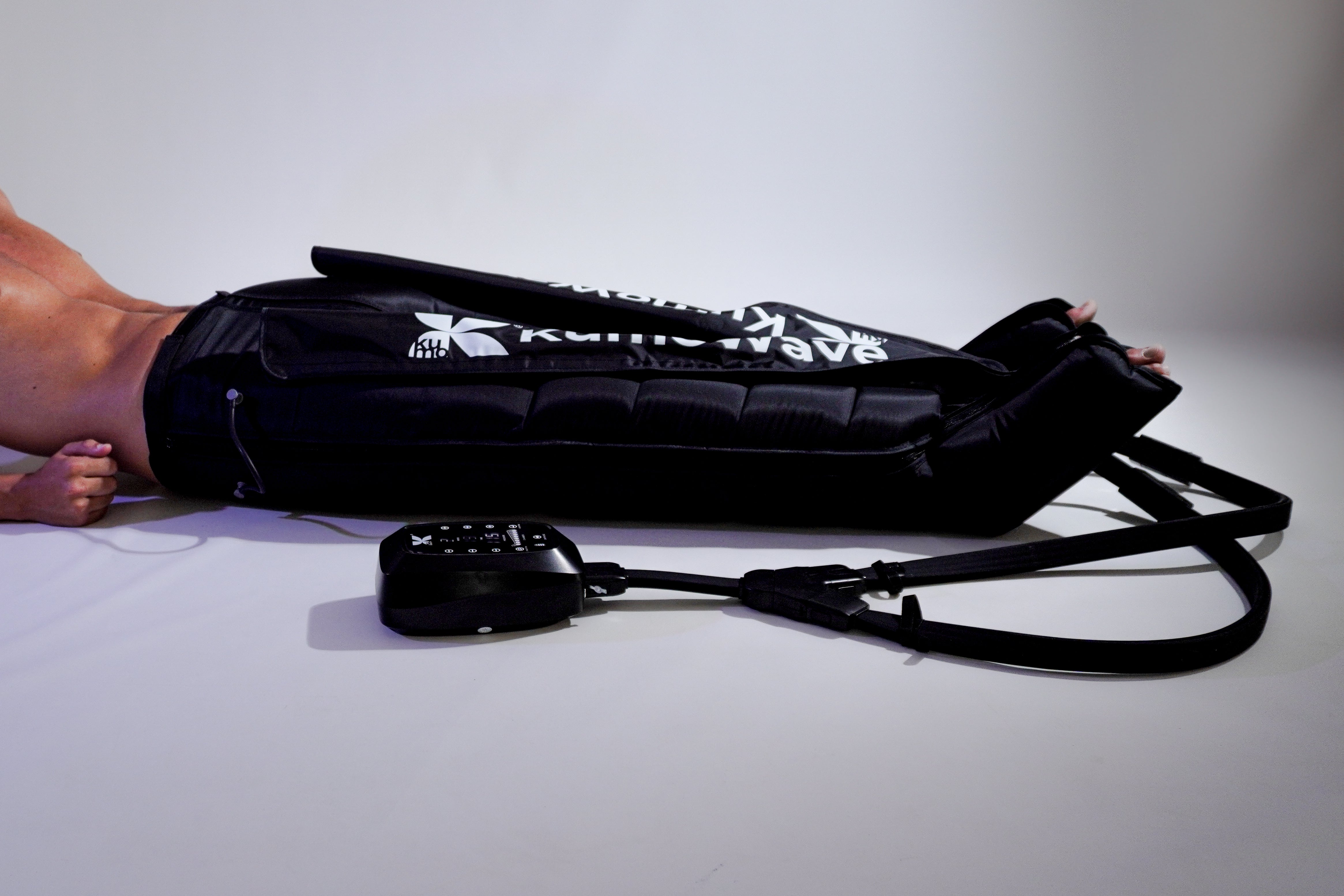
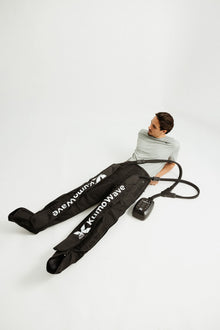
KumoWave pressotherapy boosts circulation and helps drain fluid with sequential compression, in 20-minute sessions at home.
- Boosts circulation and helps drain fluid
- Chamber-based compression, adjustable to you
- Sequential compression that mimics manual drainage
€799,00€999,00
−10% on your 1st order when you subscribe to the newsletter

Understanding lymphatic drainage: what it is and what it isn't
Lymphatic drainage (manual or device-assisted) is a gentle technique that aims to promote lymph flow and reduce the feeling of heaviness or swelling, especially in the extremities. It is frequently used as part of the treatment of lymphedema or tired legs, always within a plan supervised by healthcare professionals. ( cancer.gov )
However, it is not a classic sports massage nor a "miracle" cosmetic treatment. Guidelines from organizations such as the National Cancer Institute and MedlinePlus indicate that lymphatic drainage is a complement to other treatments (exercise, compression, skin care, etc.), not a cure or a standalone solution. ( cancer.gov )
Personalized protocol · included with your purchase
Want us to tell you how to use it in your case?
With your purchase, our experts prepare a personalized usage protocol for your case: sport, circulation, fluid retention, pregnancy or lipedema.
Message us on WhatsAppOur experts reply · no obligation
Before getting into the mistakes, it's important to remember:
Lymphatic drainage should always be adapted to each person's health status, goals, and activity level.
Mistake 1: Thinking that lymphatic drainage is just any old cosmetic massage
Many people approach lymphatic drainage as if it were simply a relaxing or "anti-cellulite" massage. The problem is that the main goal is not to reshape the body, but to promote lymphatic drainage and relieve the feeling of heaviness and edema associated with, for example, lymphedema or certain surgeries. ( cancer.gov )
on your first order when you join the newsletter
We send you the code instantly. No spam.
Why this approach is a mistake
- It leads to unrealistic expectations (rapid weight loss, permanent elimination of cellulite, etc.).
- It causes medical contraindications to be underestimated .
- It leads to choosing anyone to apply the technique, without verifying specific training in lymphedema or physiotherapy.
How to do it right
- Understanding lymphatic drainage as a support tool within a comprehensive health plan.
- Make sure the professional has specific training in lymphedema or drainage techniques.
- If you have had cancer, lymph node surgery, or radiation therapy, always follow the recommendations of your doctor or oncology team. ( cancer.gov )
Error 2: Ignoring medical contraindications
The lymphatic system is closely connected to blood circulation and the immune system. Therefore, there are situations in which lymphatic drainage should not be applied , or should only be done under strict medical supervision.
Sources such as the Mayo Clinic, MedlinePlus, and classic literature on manual lymphatic drainage agree that there are clear contraindications , such as: ( es.wikipedia.org )
- Decompensated heart failure or edema of cardiac origin.
- Acute renal failure or major organ failure .
- Acute infections (fever, severe inflammation, local erythema).
- Phlebitis or recent deep vein thrombosis .
- Active cancer in the treated area , unless specifically indicated by the medical team. ( pubmed.ncbi.nlm.nih.gov )
What to do before you start
- Discuss any chronic illnesses (heart, kidney, liver, previous thrombosis, cancer, etc.) with your doctor.
-
Inform the lymphatic drainage professional of:
- Usual medication (anticoagulants, for example).
- Recent surgeries.
- Episodes of skin infection (cellulitis, erysipelas). -
Stop any self-massage or use of devices if the following appears:
- Intense or acute pain.
- Sudden worsening of swelling.
- Fever, redness or local heat.
Error 3: Applying too much pressure or going too fast
Lymphatic drainage is not a deep massage . Technically, gentle, rhythmic, and slow pressures are used because the lymphatic vessels are located very superficially under the skin and respond poorly to aggressive maneuvers.
Risks of using excessive force
- To irritate already sensitive or inflamed tissues.
- Blocking the flow of lymph instead of stimulating it.
- To cause unnecessary muscle or joint discomfort.
This mistake is very common when trying to imitate internet videos, when using rollers or rigid tools without training, or when confusing drainage with "intense anti-stress" massage.
How to fix it
- Prioritize wide, slow, and light movements , always without pain.
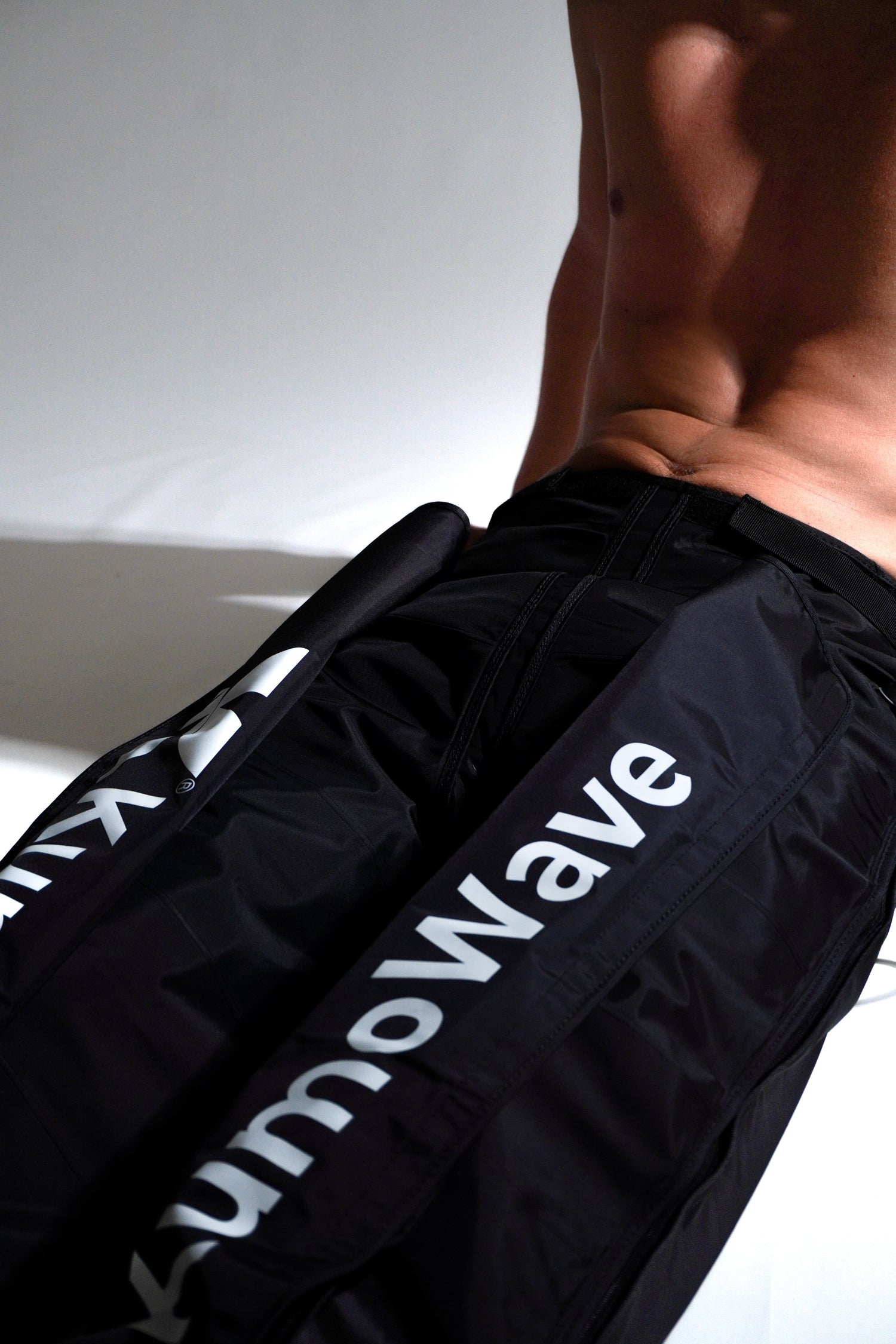
- If you use devices like compression boots , start with moderate pressure and short sessions, following the manufacturer's recommendations and, if possible, those of a professional. You can find inspiration in equipment specifically designed for recovery, such as KUMO compression boots , which allow you to adjust pressure and time gradually.
- When in doubt, less pressure is almost always safer than more.
Error 4: Not respecting the correct drainage order
Lymphatic drainage generally follows a clear logic: first, the lymphatic drainage areas are cleared (for example, proximal lymph nodes), and then the more distal areas (hands, feet, etc.) are addressed. If you only massage the inflamed areas without first "opening the pathway," the result may be poor.
Consequences of skipping this order
- Feeling like "it's useless."
- Swelling that shifts, but does not decrease overall.
- Unnecessary strain on the lymphatic system.
Practical recommendations
- When you are shown a drainage routine (manual or with devices), ask them to explain the reason for the order of the maneuvers.
- With sequential compression (pressotherapy), ensure that the device generates an ascending pattern (from distal to proximal) and that areas near the trunk are not blocked. ( arxiv.org )
Error 5: Not accompanying lymphatic drainage with basic habits
Another common misconception is that lymphatic drainage alone will resolve a complex problem like lymphedema or chronic leg heaviness. Leading lymphedema guidelines emphasize that the approach should include: ( cdc.gov )
- Adapted gentle movement and exercise .
- Appropriate compression (stockings, bandages or pneumatic devices, as appropriate).
- Thorough skin care to prevent infections.
- Weight control, when there is overweight.
How to boost results
- Incorporate gentle walks or exercises recommended by your physiotherapist after the sessions.
- Consider, together with your healthcare team, the use of:
- Compression garments.
- Quality pneumatic compression devices , such as those in the KUMO pressotherapy range, designed to promote venous and lymphatic return in recovery routines.
- Maintain proper hydration and avoid extremely tight clothing that cuts off circulation.
Error 6: Using devices without criteria or supervision
Recovery technology has advanced considerably: pressotherapy, massage guns, light therapy, etc. The risk lies in using this equipment as if it were a toy , without considering health status, appropriate intensity, or usage time.
Typical errors with devices
- Start directly at maximum pressures with compression therapy boots.
- Using a massage gun aggressively on edematous areas or areas with pronounced varicose veins.
- Apply prolonged light or heat without respecting the usage recommendations.
How to integrate technology intelligently
- Choose devices designed for recovery, such as:
- Pressotherapy boots within the KUMO recovery ecosystem.
- Percussive massage tools such as the KUMOPULSE Air massage gun are useful for releasing muscle tension that can influence venous and lymphatic return.
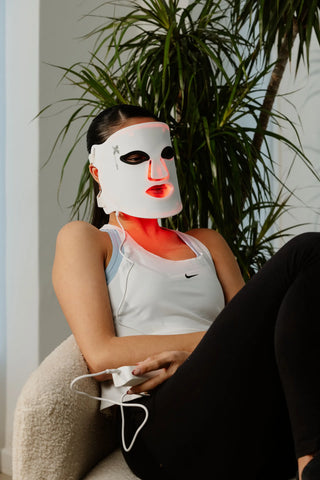
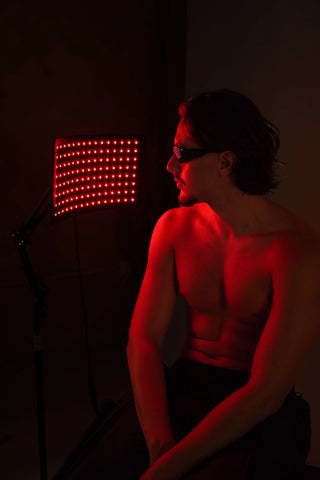
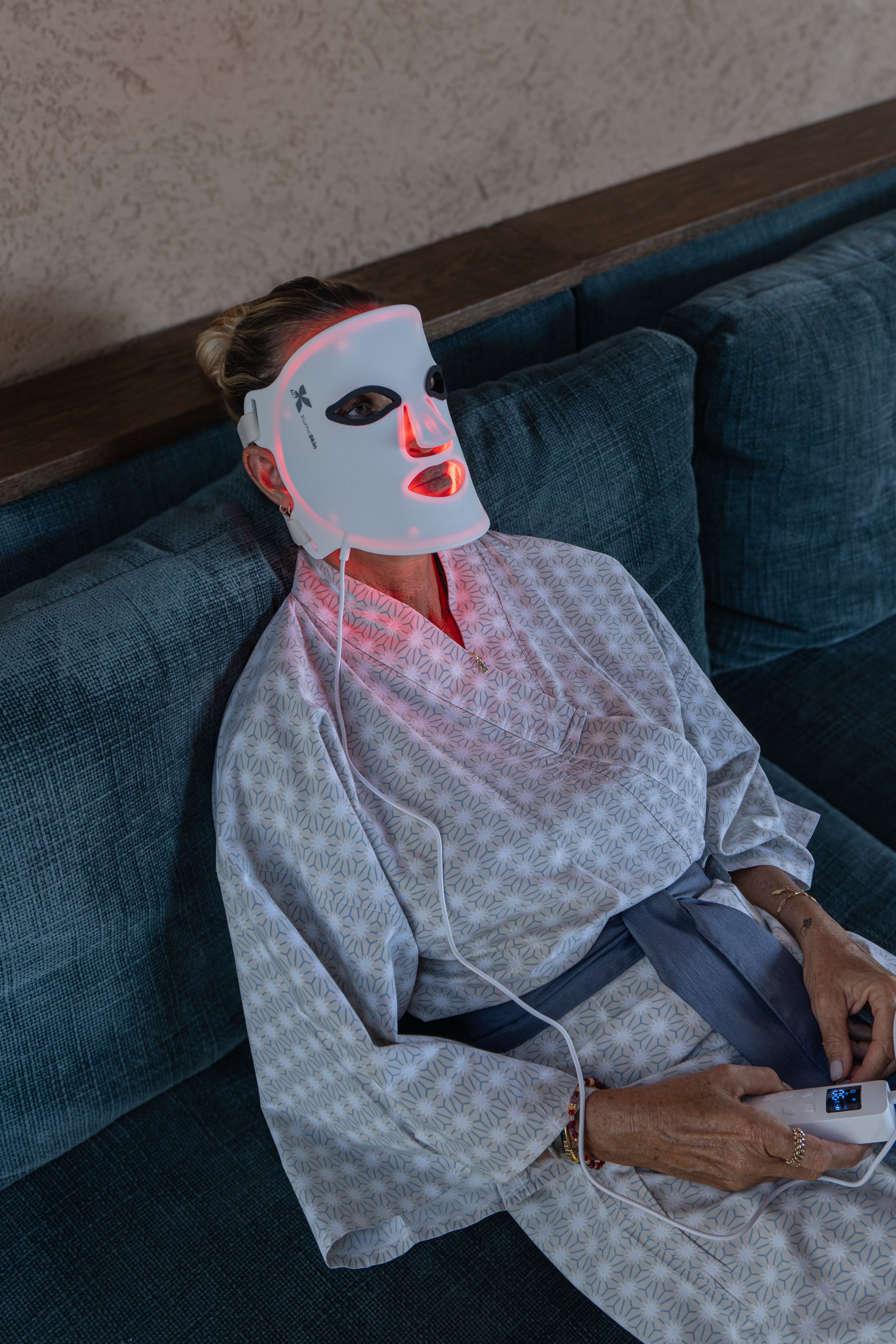
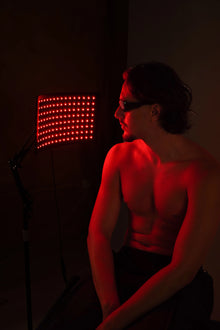
- Red and near-infrared LED light therapy , which can support muscle recovery processes and general well-being, is available in the KUMO range of LED devices .
- Always adjust intensity, frequency, and duration starting with the minimum effective setting.
- If you have a relevant medical history, discuss any concerns with a healthcare professional before using any device.
Mistake 7: Expecting miraculous and immediate results
In lymphedema and chronic circulatory problems, even organizations like the American Cancer Society and the CDC remind us that there is no single or curative treatment ; the goal is to control symptoms and prevent complications. ( cdc.gov )
Unrealistic expectations
- "With two sessions, the swelling will go away forever."
- "I'll lose several clothing sizes just with lymphatic drainage."
- "If I don't notice a change after the first time, it doesn't work."
What you can realistically expect
- A feeling of lightness and less tightness in the treated area.
- Progressive improvement in mobility and comfort, if consistency is maintained.
- In some cases of lymphedema, volume reduction occurs when drainage is combined with compression, exercise, and self-care, as noted in reviews and clinical guidelines. ( mayoclinic.org )
The key is to understand lymphatic drainage as a maintenance routine , not as an instant solution.
Error 8: Not listening to the alarm signals
Although lymphatic drainage is usually well-tolerated when properly indicated, it's important to know when to stop and seek medical advice. Organizations such as the Mayo Clinic advise that in the presence of skin infection, thrombosis, or active cancer in the limb, drainage should be avoided or postponed. ( mayoclinic.org )
Warning signs that require medical attention
- Appearance of fever, chills or general malaise after a session.
- Intense redness, heat and pain in the area (possible cellulite).
- Sudden worsening of swelling, with a feeling of extreme tension.
- Chest pain, difficulty breathing, or palpitations (medical emergency).
In these cases, stop any self-massage or use of devices and go to your doctor or the emergency room depending on the severity.
Table: Common mistakes in lymphatic drainage and how to avoid them
Table 1 – Common mistakes when performing lymphatic drainage and safe alternatives
| Common mistake | What can happen | How to do it better |
|---|---|---|
| Treat it like any other aesthetic massage | Unrealistic expectations, frustration, delay in seeking professional help | Understanding it as part of a comprehensive health plan, especially in lymphedema or other pathologies |
| Ignoring medical contraindications | Risk of worsening heart failure, infections, or thrombosis | Always consult a doctor if you have chronic illnesses or a history of cancer. |
| Apply a lot of pressure or go fast | Tissue irritation, blockage of lymphatic flow | Use gentle, slow, and painless movements; start with low intensities on devices |
| Skipping the order of the maneuvers | Reduced effectiveness, feeling of "it doesn't work" | Respect the proximal-distal-proximal sequence or the guided programs on devices |
| Do not combine with exercise and compression | Limited and short-lived results | Integrate movement, compression, and skin care as professionally indicated |
| Using technology without discernment | Overtreatment, discomfort, or ineffective use | Choose specific recovery equipment, adjust parameters, and respect maximum times. |
| Ignoring warning signs | Delay in the diagnosis of infections or complications | Stop treatment and see a doctor if you experience fever, severe pain, or sudden worsening of your condition. |
Frequently asked questions about lymphatic drainage
How often is it recommended to have lymphatic drainage?
The ideal frequency depends on your goal and your health status. In clinical settings (for example, lymphedema following cancer), manual lymphatic drainage is usually scheduled several times a week initially, gradually reducing the frequency based on your response and always under professional supervision. ( cancer.gov )
If you're using it for support with heavy legs or for sports recovery, many people incorporate it 1–2 times a week or on days with higher physical exertion, combining it with exercise, hydration, and pneumatic compression devices. The regimen should be individualized: if you have pre-existing conditions, always consult your doctor or physiotherapist before deciding on the frequency.
Does lymphatic drainage help with weight loss?
Lymphatic drainage can reduce fluid retention and bloating, sometimes resulting in a slight decrease in body measurements. However, it is not a fat-burning technique and does not replace a balanced diet or regular exercise.
In lymphedema, the primary goal is to control volume and prevent complications, not weight loss. Leading health organizations emphasize that weight management is based on lifestyle habits , and drainage can only be an occasional complement to overall well-being. ( cdc.gov )
Is manual lymphatic drainage better, or is it better with pressotherapy machines?
There is no single answer. Manual lymphatic drainage allows for very fine-tuning to each area, scar, or discomfort, and is fundamental to comprehensive decongestive therapy directed by a lymphedema specialist. ( cancer.gov )
Pneumatic compression therapy systems can be an excellent home-based complement to promote venous and lymphatic return, provided the individual has no contraindications and the pressure, duration, and frequency are correctly adjusted. The most effective approach is usually a combination of factors: professional assessment, self-care education, and well-chosen devices, such as KUMO compression therapy recovery boots, integrated into a comprehensive routine.
What should I do after a lymphatic drainage session?
After a well-performed lymphatic drainage session, it's normal to experience a feeling of lightness , a more frequent urge to urinate, or some fatigue. ( healthjade.net ) To get the most out of the session, the following is recommended:
- Drink water in small sips throughout the day.
- Do some gentle movement (walking, recommended exercises).
- Avoid very tight clothing or excessive heat in the area.
- Observe your skin: if you notice intense redness, pain, or worsening swelling, stop the next session and consult a professional.
If you are part of a lymphedema program, follow your healthcare team's instructions exactly.
Who shouldn't have lymphatic drainage?
It is not recommended, except under very specific medical indications, in people with decompensated heart failure, acute renal failure, active infection with fever, recent deep vein thrombosis, or active cancer in the area to be treated , among other conditions. ( es.wikipedia.org )
Furthermore, anyone with a relevant chronic illness (heart disease, severe circulatory problems, a history of cancer, etc.) should consult their doctor before starting manual lymphatic drainage or compression therapy at home. If you are unsure whether it is suitable for you, it is best to first obtain a professional assessment and then decide on the best treatment or recovery strategy.
So what now?
If you want to incorporate lymphatic drainage (manual or assisted) into your wellness routine, the first step is to do your research and make sure it's safe for you . Discuss any concerns with your doctor or physiotherapist, and if you've received the go-ahead, start building a recovery routine that aligns with your activity level and goals.
At KUMO, we've designed an ecosystem of recovery technologies—such as compression boots , LED light therapy devices , and the KUMOPULSE Air massage gun —designed to support this process in an aesthetically pleasing, comfortable, and effective way. If you need more personalized guidance, you can contact the KUMO team , who will help you find the solutions best suited to your recovery journey.
KumoWave pressotherapy
Choose your at-home pressotherapy
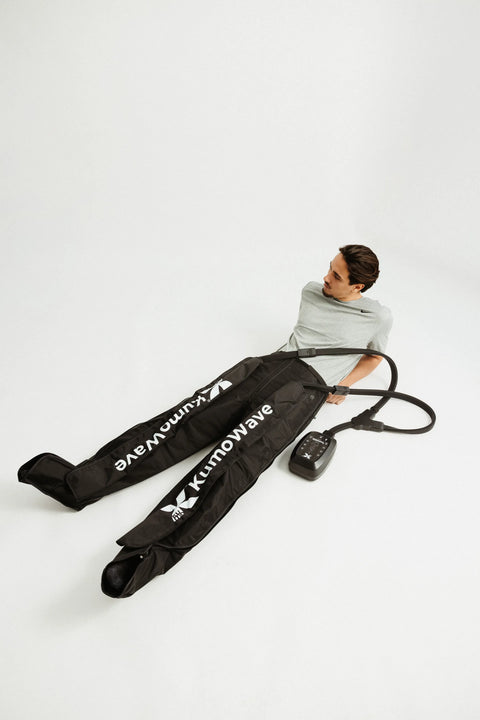
KumoWave Elite – Pressotherapy Pants
Full-coverage trousers. Ideal for lipedema, fluid retention and intensive use.
€799,00 €999,00
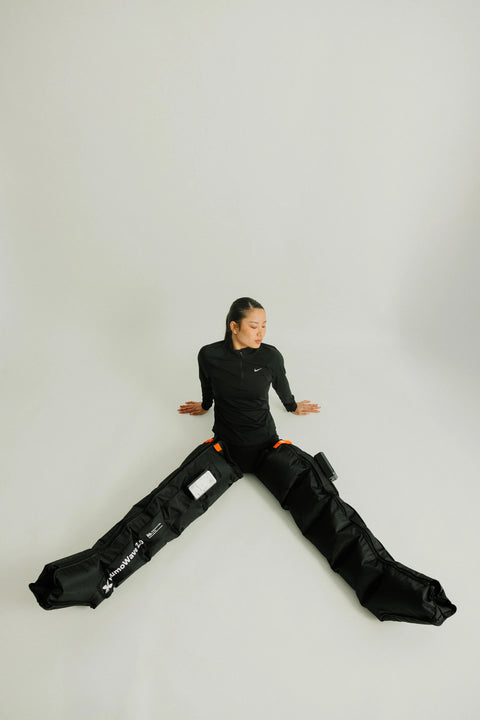
KumoWave 2.0 - Wireless Pressotherapy
Wireless, lightweight boots. Perfect for daily use and recovery.
€499,00 €599,00