Lymphatic drainage is gaining prominence. And that's no coincidence.
Lymphatic drainage is a technique that aims to stimulate the lymphatic system to promote the elimination of fluids and waste, relieve feelings of heaviness, and improve overall well-being. In this article, you will discover what it is, how it is applied, what benefits it can provide, who it is recommended for, and how to combine it with modern recovery technologies.
Pressotherapy at home
End the day with light legs
★★★★★ 4,8/5 · rated by verified customers
KumoWave pressotherapy boosts circulation and helps drain fluid with sequential compression, in 20-minute sessions at home.
- Boosts circulation and helps drain fluid
- Chamber-based compression, adjustable to you
- Sequential compression that mimics manual drainage
€829,00€999,00
−10% on your 1st order when you subscribe to the newsletter

What is lymphatic drainage?
Lymphatic drainage is a set of gentle, rhythmic movements designed to stimulate the circulation of lymph , the clear fluid that circulates through the lymphatic system. This system is key for:
- Fluid balance (prevention of edema).
- The transport of waste substances.
- How the immune system works.
Unlike a classic massage, lymphatic drainage does not seek to work the muscles in depth, but rather to activate and direct the lymph towards the lymph nodes to facilitate its filtering and evacuation.
Personalized protocol · included with your purchase
Want us to tell you how to use it in your case?
With your purchase, our experts prepare a personalized usage protocol for your case: sport, circulation, fluid retention, pregnancy or lipedema.
Message us on WhatsAppOur experts reply · no obligation
Difference between manual and mechanical lymphatic drainage
There are two main approaches:
-
Manual lymphatic drainage (MLD)
Performed by a trained professional, using very gentle, slow pressure directed towards the lymph nodes. Requires a precise knowledge of anatomy. -
Mechanical/assisted lymphatic drainage
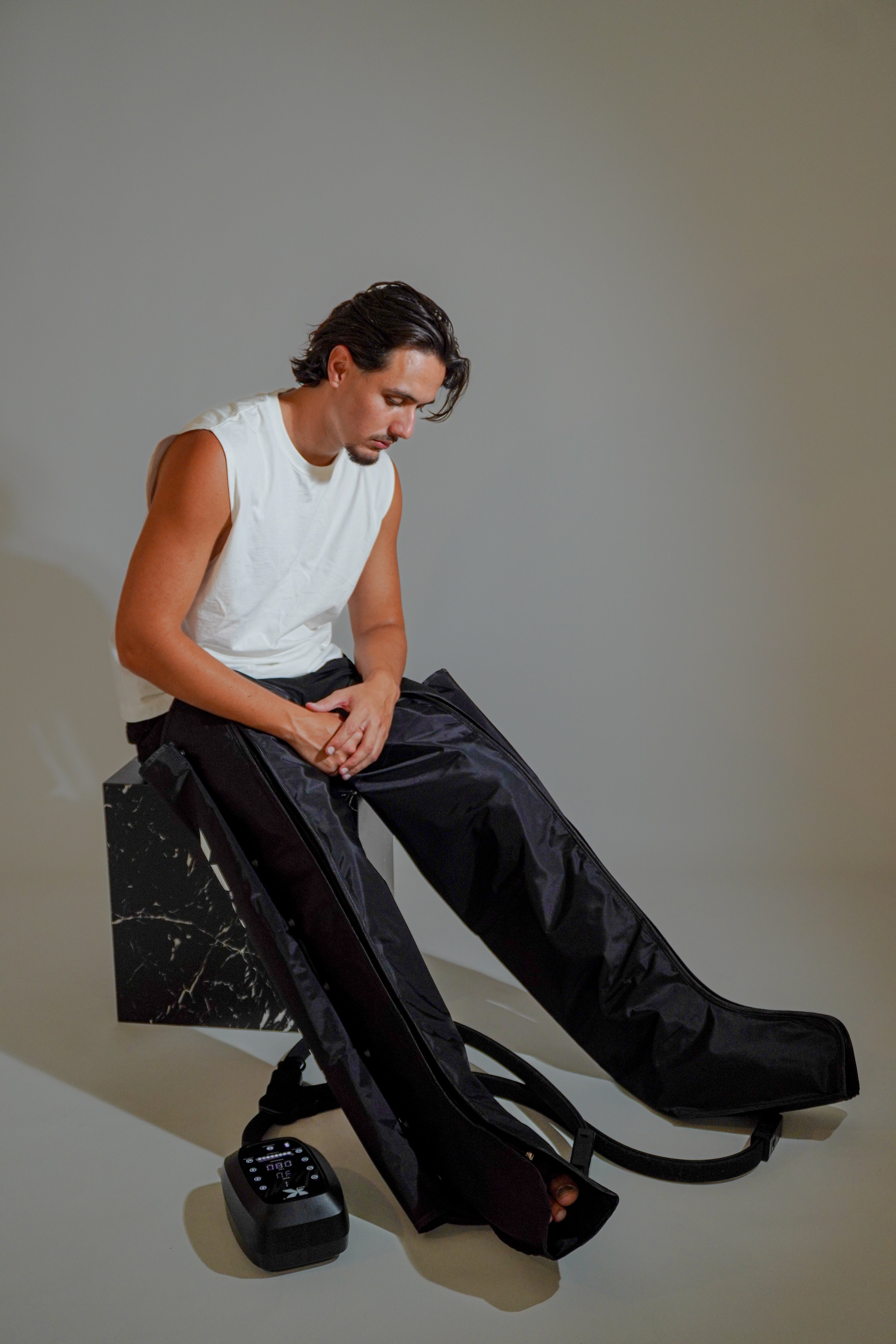
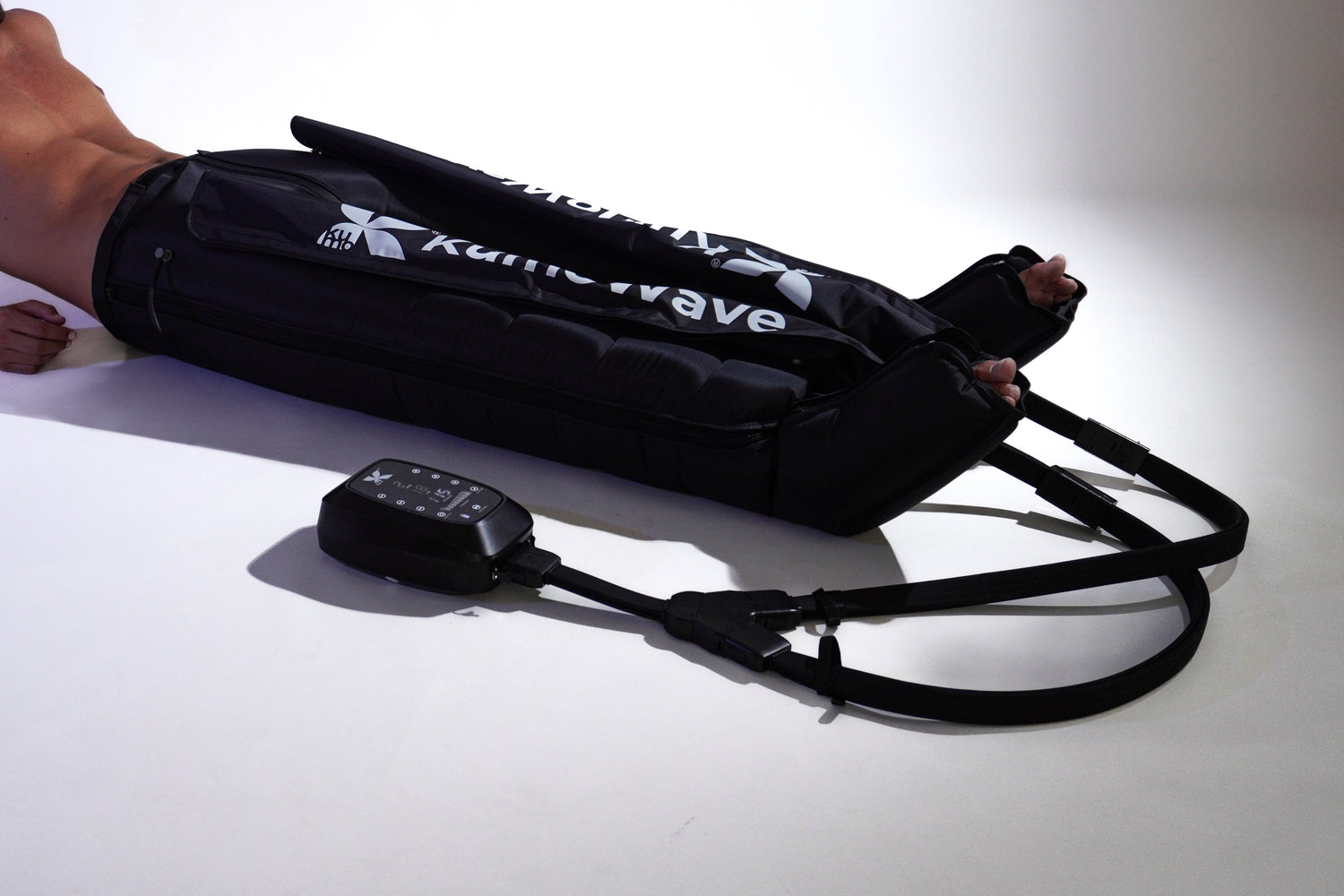
It is performed using devices such as compression boots , sleeves, or pneumatic suits that inflate and deflate sequentially. This type of compression can help mobilize fluids and relieve the feeling of tired legs, and is used in both medical and sports recovery settings.
In any case, the common goal is to promote lymphatic and venous return and reduce fluid congestion.
How the lymphatic system works (and why you should take care of it)
The lymphatic system runs throughout almost the entire body as a network of vessels, capillaries, and nodes. Broadly speaking, its role is:
on your first order when you join the newsletter
We send you the code instantly. No spam.
- Collect the excess interstitial fluid that does not return through the veins.
- To transport fats absorbed in the intestine.
- Filter and destroy microorganisms through the lymph nodes.
- Participate in the immune response.
When this system is overloaded or malfunctions (sedentary lifestyle, post-surgery, certain pathologies), the following may appear:
- Localized swelling (for example in legs, ankles or arms).
- Feeling of heaviness and tiredness.
- Skin tension.
Lymphatic drainage seeks to support this natural function so that the body can better eliminate excess fluid and metabolic waste.
Key benefits of lymphatic drainage
The effects of lymphatic drainage depend on the method, its regularity, and the individual's condition. It's not a miracle cure, but it can be a great aid to recovery and well-being when applied correctly.
Relief from fluid retention and the feeling of heavy legs
Many people turn to lymphatic drainage because:
- Swollen ankles at the end of the day.
- Tired legs after many hours of standing or sitting.
- Sensation of “pressure” or tension in the limbs.
By improving the return of lymph and venous blood, it is common to notice less swelling and greater lightness after several consistent sessions.
Support in muscle and sports recovery
After intense training or competition, metabolites accumulate and local inflammation can increase. Incorporate recovery strategies that improve circulation, such as:
- Sequential pressotherapy (pneumatic boots).
- Smooth mobility.
- Adequate hydration.
It can help accelerate the feeling of subjective recovery and reduce muscle soreness. Lymphatic drainage is not a substitute for rest or a proper training program, but it fits well into an overall recovery routine .
Lymphatic drainage does not "cure" injuries on its own, but it can complement physiotherapy treatment and recovery habits recommended by a health professional.
Contribution to general well-being and relaxation
Manual lymphatic drainage maneuvers are gentle, rhythmic, and repetitive, which generates:
- A feeling of calm and deep relaxation.
- Reduction of perceived stress.
- Subjective improvement of well-being.
Many people incorporate it into their self-care routine , just like a relaxing massage or a spa session, but with the added benefit of supporting lymphatic function.
Support in specific medical contexts (under supervision)
In some cases, lymphatic drainage is used therapeutically , always under medical and physiotherapy supervision, for example:
- Secondary lymphedema (for example, after certain surgeries).
- Post-operative care for specific surgeries (when indicated by the doctor).
- Mild venous disorders, as a complement.
In these contexts, it is essential to consult qualified healthcare professionals and follow an individualized treatment plan.
Summary table: drainage types and main objectives
Practical comparison of lymphatic drainage approaches
| Drainage type | How to apply | Main objective | Who might find this useful?* |
|---|---|---|---|
| Manual lymphatic drainage | Gentle maneuvers performed by a professional | Reduce swelling and support lymphatic function | People with mild fluid retention, post-operative patients (under indication) |
| Pressotherapy / mechanical drainage | Sequential compression boots or sleeves | Promote venous and lymphatic return | Athletes, people with tired legs or sedentary people |
| Gentle self-massage and movement | Light self-massage + walking, mobility | Keep your circulation active every day | Anyone without medical contraindications |
*Always consult a healthcare professional if you have any health problems, are pregnant, or have any questions.
Lymphatic drainage and modern recovery technologies
Lymphatic drainage is no longer confined to a therapist's table. Increasingly, people are integrating it with recovery technologies that allow them to care for their bodies at home or in a sports environment.
Pressotherapy: boots to stimulate circulation
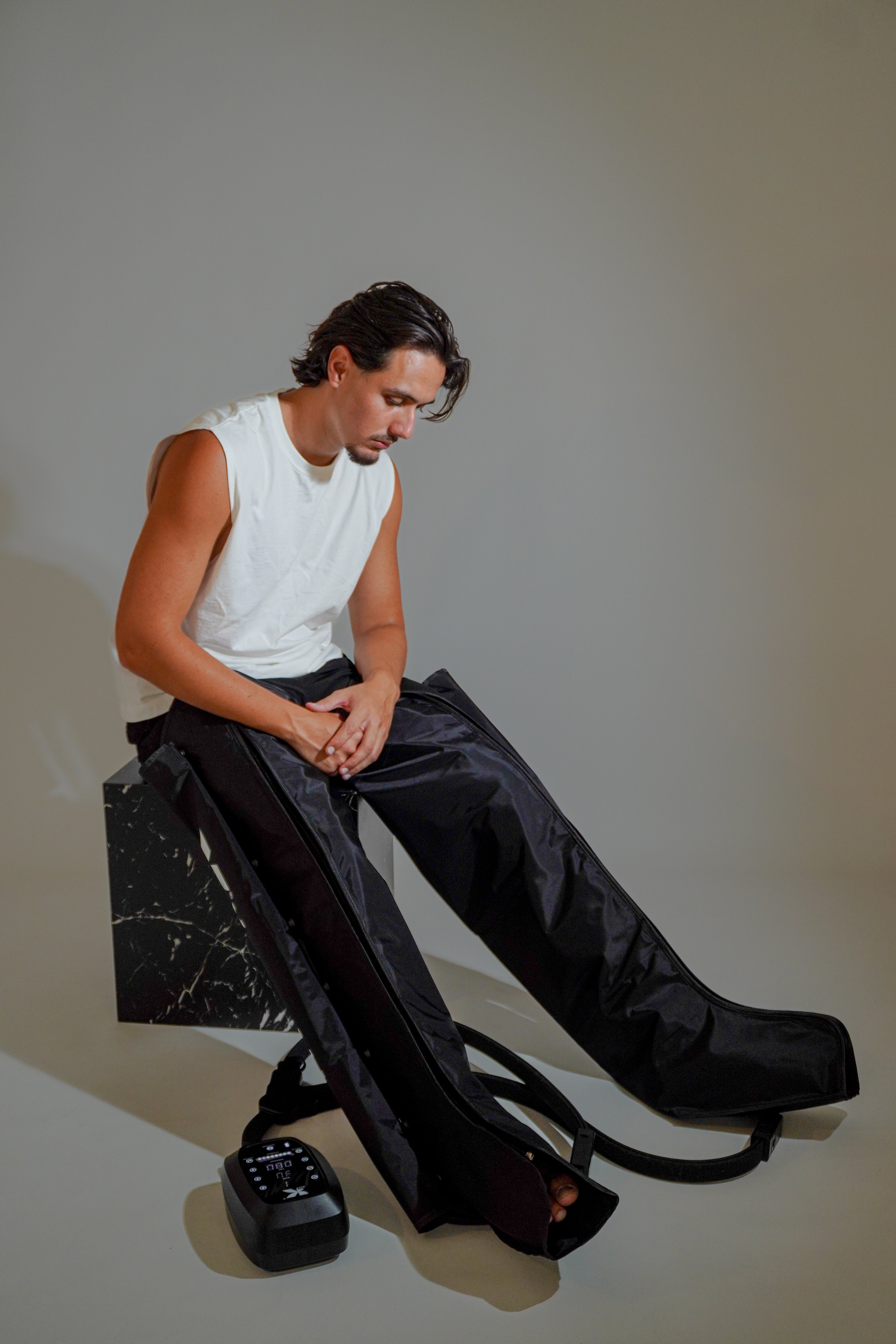
Compression therapy boots apply sequential pneumatic compression from the foot to the hip. This type of equipment aims to:
- Promote venous and lymphatic return.
- Reduce the feeling of heavy legs after standing or sitting for many hours.
- Support recovery after demanding training sessions.
If you are interested in incorporating this technology, you can discover the range of devices in the pressotherapy section.
LED light therapy and overall recovery
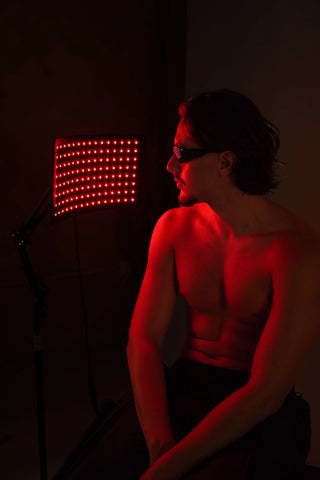
Although LED light therapy (such as red light) is not lymphatic drainage itself , it is being used in recovery protocols because it can:
- Support tissue regeneration.
- To help modulate inflammation.
- Promotes a feeling of muscle rest when integrated into a complete routine (sleep, nutrition, mobility).
If you're looking to complement your drainage routine with photobiomodulation technologies, you can explore the selection of LED light therapy .
Massage and drainage gun: how to combine them
Massage guns work more deeply on the muscles through percussion. They don't perform lymphatic drainage in the strictest sense, but they can:
- Help to relax tense muscles.
- Prepare the muscles before a stretching or drainage session.
- Be part of the recovery routine after training.
A common combination is to gently use a massage device on tense muscle areas and, at another time of day, have a session of pressotherapy or manual lymphatic drainage guided by a professional. If you're interested in this type of tool, you can learn more about the KumoPulse Air massage gun .
How is a lymphatic drainage session performed?
Developing a manual session
Although each practitioner has their own protocol, a typical manual lymphatic drainage session usually includes:
-
Initial assessment
The areas with the most fluid retention are identified, along with medical history and possible contraindications. -
Opening of lymph nodes
Gentle maneuvers on key lymph nodes (neck, armpits, groin) to "prepare" the lymphatic drainage pathways. -
I work in the affected areas
Rhythmic, pumping movements towards the lymph nodes, always with very light pressure. -
Final recommendations
Advice on hydration, gentle movement, possible use of compression stockings (if indicated) and frequency of sessions.
What do you usually feel during and after
During the session, the most frequent thing is:
- A feeling of deep relaxation .
- Gentle heat or "lightness" in the worked area.
- Increased need to urinate afterwards, due to the movement of fluids.
After several sessions, many people report:
- Reduction of swelling.
- Less feeling of tightness.
- Improvement of overall well-being.
When is lymphatic drainage recommended?
Lymphatic drainage can be a good option in situations such as:
- Mild fluid retention and tired legs.
- Sedentary lifestyle , many hours sitting or standing.
- Sports recovery : between demanding training sessions or after long trips.
- As a supplement to specific medical plans , when indicated by the doctor or physiotherapist.
It is important to emphasize that this does not replace medical treatment and that in case of sudden swelling, pain or unusual symptoms, the first thing to do is consult a health professional.
Contraindications and precautions
Although lymphatic drainage is generally considered a gentle technique, it is not suitable for everyone or at all times.
Common contraindications
In general, lymphatic drainage without medical supervision is not recommended in cases of:
- Acute infections (fever, active inflammatory processes).
- Known or suspected deep vein thrombosis.
- Decompensated heart failure.
- Some types of active cancer, unless expressly indicated by the medical team.
- Open or infectious skin problems in the area to be treated.
Good practices before starting
Before starting a drainage program (manual or with devices):
- Consult your doctor or physiotherapist if you have any medical condition, are pregnant, or are taking medication.
- Start with short sessions and see how your body responds.
- Stay properly hydrated and avoid very salty foods right before the session.
- If you use pressotherapy devices at home, always follow the manufacturer's instructions and respect the recovery times.
Daily habits that boost lymphatic drainage
Beyond specific sessions, the lymphatic system benefits greatly from small daily habits:
- Regular movement : walking, climbing stairs, gentle joint mobility.
- Deep breathing : the diaphragm acts as a “pump” that facilitates the return of lymph.
- Sufficient hydration : so that the lymph maintains an adequate viscosity.
- Avoid staying in the same position for many hours at a time; getting up and moving around for a few minutes every hour helps a lot.
- Take care of your sleep and stress levels, as the overall recovery of the body also affects the lymphatic system.
Recovery technologies, like those from Kumo, have a greater impact when integrated into this overall framework of healthy habits. You can discover the brand's philosophy and offerings on the Kumo homepage .
Frequently asked questions about lymphatic drainage
How many lymphatic drainage sessions are needed to see results?
It depends a lot on the individual and their goal. In cases of mild fluid retention or tired legs, some people notice a change from the first or second session, especially in terms of lightness. However, for more stable results, a course of several sessions spread over several weeks, adjusted by a professional, is usually recommended. Consistency, daily movement, and hydration are just as important as the number of sessions themselves.
Does lymphatic drainage help with weight loss?
Lymphatic drainage is not a weight-loss method . Its function is to mobilize fluids and promote lymphatic return, which can temporarily reduce swelling and circumference. This may give a feeling of being "slimmer," but it does not imply significant fat loss. To lose weight healthily, a balanced diet, physical activity, and, if necessary, guidance from healthcare professionals are key. Lymphatic drainage can be a complement to a wellness program, not a sole solution.
Is lymphatic drainage painful?
It shouldn't be. Manual lymphatic drainage is characterized by gentle, rhythmic, and superficial pressure . If you feel pain, it's advisable to immediately notify the practitioner so they can adjust the technique or assess whether it's the appropriate approach. In the case of pressotherapy, the sensation is one of progressive compression; it shouldn't be uncomfortable or cut off circulation. It's always best to start with moderate sessions and pressure, and only increase it if the body tolerates it well.
Is it possible to do lymphatic drainage at home?
Yes, but with some nuances. There are very gentle self-massage techniques and movement routines that can improve your lymphatic circulation at home. There are also home compression therapy devices that allow you to enjoy sequential compression without leaving your living room. Even so, it's advisable to consult a healthcare professional or physiotherapist beforehand, especially if you have any medical conditions, have had previous surgeries, or are pregnant. The key is to use these tools as a complement to, not a substitute for, professional assessment.
Is lymphatic drainage safe during pregnancy?
During pregnancy, many women experience swelling and heaviness in their legs and feet, and in some cases, lymphatic drainage is considered as a supportive treatment. However, it is a delicate stage, and not all techniques or devices are suitable . Before undergoing any type of lymphatic drainage (manual or machine-assisted), it is essential to consult with a gynecologist or midwife and ensure that the practitioner has specific experience with pregnancy. It should never be attempted independently without this confirmation.
So what now?
If you want to integrate lymphatic drainage into your life, you can start by taking care of your daily movement, hydration, and rest , and consider working with a professional to design a plan tailored to you. If you're interested in combining it with at-home recovery tools, explore the pressotherapy and LED light therapy sections, or discover Kumo's comprehensive offering on the homepage . And if you have specific questions about how these solutions can fit into your routine, you can contact us directly through the contact page.
KumoWave pressotherapy
Choose your at-home pressotherapy
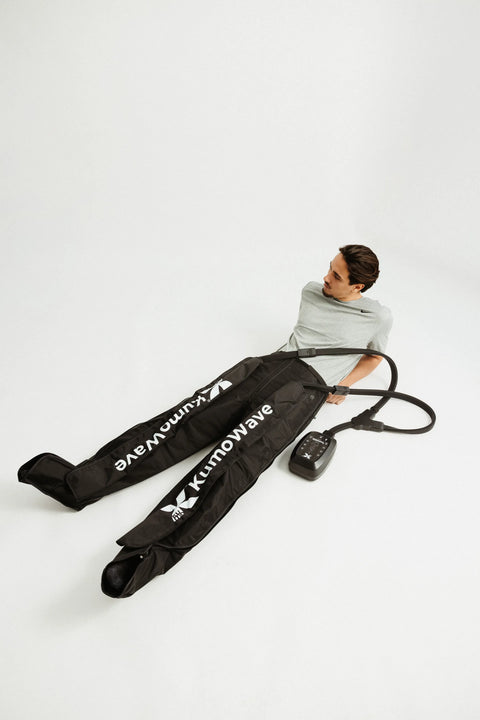
KumoWave Elite – Pressotherapy Pants
Full-coverage trousers. Ideal for lipedema, fluid retention and intensive use.
€829,00 €999,00
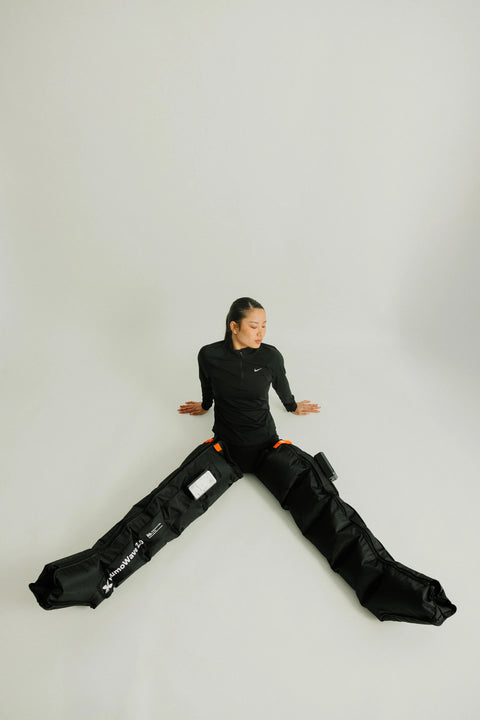
KumoWave 2.0 - Wireless Pressotherapy
Wireless, lightweight boots. Perfect for daily use and recovery.
€499,00 €599,00