
Spending hours sitting takes its toll. If you drive a truck, a taxi or for a rideshare service, a fixed posture, vehicle vibration and too few breaks can load your lower back and leave your legs heavy by the end of your shift. The WHO notes that low back pain is the leading cause of disability worldwide, and European ergonomics identifies prolonged driving as a risk scenario for the back and lower limbs. (who.int)
The good news is that you don't need to change everything to feel relief day to day. Setting up your driving position properly, moving often and letting your legs recover when you finish usually make more difference than putting up with the discomfort until the workday ends. The NHS also points out that staying in the same position for a long time can contribute to swollen legs and that gentle walking helps improve circulation. (nhs.uk)
Pressotherapy at home
End the day with light legs
★★★★★ 4,8/5 · rated by verified customers
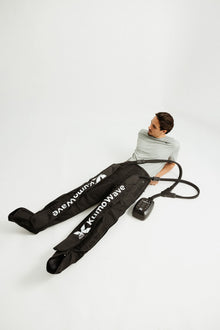
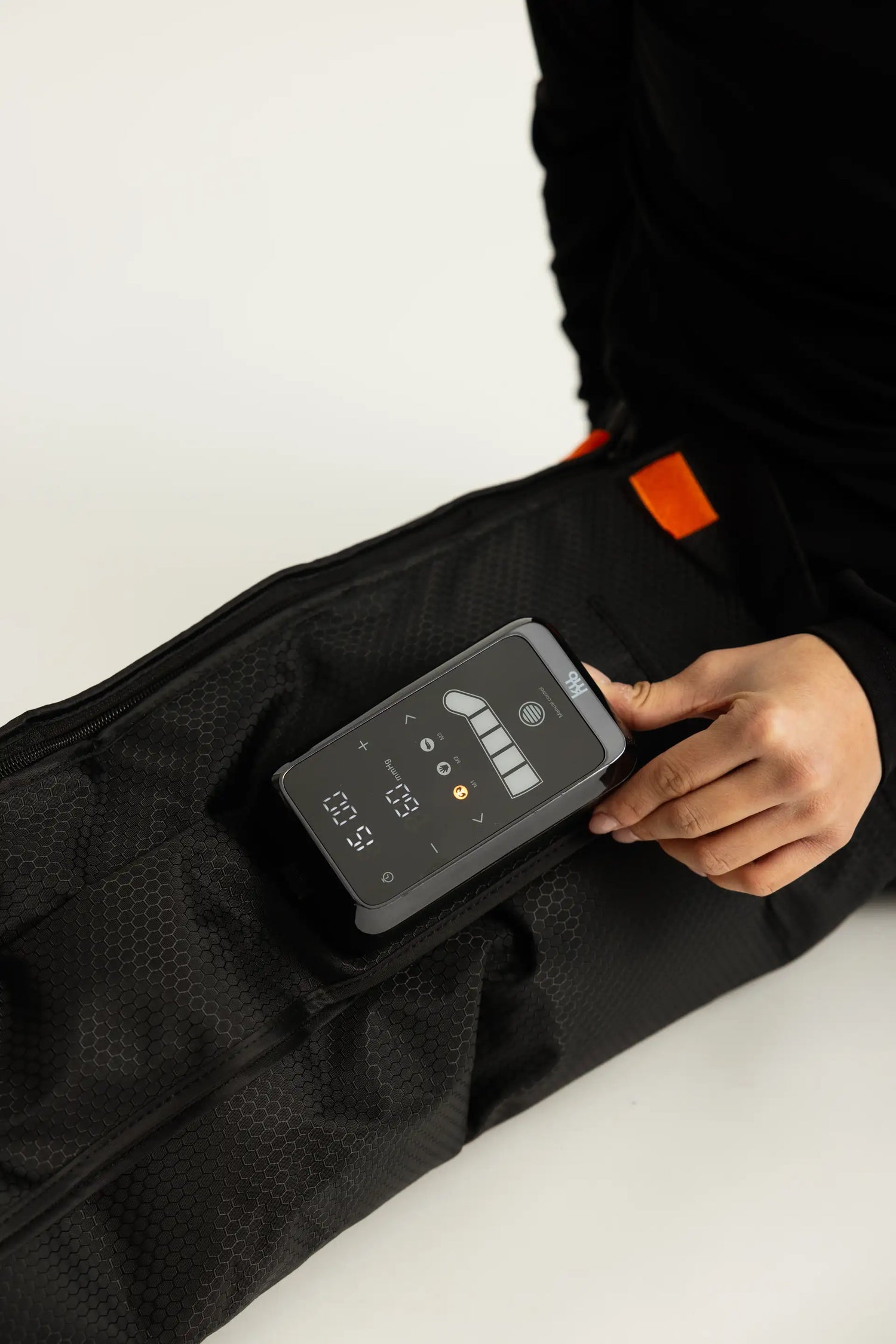
KumoWave pressotherapy boosts circulation and helps drain fluid with sequential compression, in 20-minute sessions at home.
- Boosts circulation and helps drain fluid
- Chamber-based compression, adjustable to you
- Sequential compression that mimics manual drainage
€799,00€999,00
−10% on your 1st order when you subscribe to the newsletter

In professional driving, the problem isn't just sitting, but piling up hours without changing position. Regular movement is still the simplest tool to take the load off your back and legs.
Why the driver's seat is so hard on your legs and back
Low back pain is no small matter. The WHO estimated that in 2020 it affected 619 million people worldwide and that the number will keep rising in the coming decades. For drivers, the risk doesn't come only from sitting, but from the combination of inactivity, vehicle vibration, repeated twisting to check mirrors and maneuver, and long stretches without leaving the seat.
Personalized protocol · included with your purchase
Want us to tell you how to use it in your case?
With your purchase, our experts prepare a personalized usage protocol for your case: sport, circulation, fluid retention, pregnancy or lipedema.
Message us on WhatsAppOur experts reply · no obligation
Your legs feel it too. When venous return slows down because you spend many hours in the same position, it's easier to notice a feeling of heaviness, tight calves or swollen ankles. The NHS warns that swelling can get worse if you sit or stand too long without moving your legs, and that gentle walking helps improve blood flow.
Helpful habits during your workday
The most solid strategy is simple: cut down the time you spend still and spread the effort. The European guidance for work at the wheel recommends a short break every hour, getting out of the vehicle when possible to walk and stretch, and taking frequent micro-breaks to change position. The CDC adds that brief hourly breaks reduce discomfort and that regular physical activity, with at least 150 minutes a week of moderate intensity, helps protect overall health.
Adjust your seat as if it were part of the job
Your driving position should help you keep your back long and your legs free of unnecessary pressure. EU-OSHA advises adjusting the backrest so it supports your whole back up to shoulder height, providing comfortable lumbar support, avoiding pressure behind the knees and positioning the steering wheel and pedals so you don't have to lean your torso forward. The CDC, for its part, stresses keeping the lower back supported and avoiding sustained, awkward postures.
on your first order when you join the newsletter
We send you the code instantly. No spam.
- Position the seat so your knees aren't bent too tightly and your pelvis isn't too far back.
- Bring the steering wheel just close enough that you're not hugging it or driving with raised shoulders.
- Check that the backrest doesn't force you to slouch or slide forward.
- On long routes, change position when the vehicle is stopped and safe.
If your legs feel very heavy when you finish your shift, a routine for tired legs at the end of the day may help, especially to organize your recovery better once you get home. (nhs.uk)
Short breaks, not heroics
When you drive for many hours, the goal isn't a workout but breaking up the stiffness. The European reference for professional drivers stresses moving, stretching and getting out of the vehicle at every safe break; the CDC also notes that adding up small breaks reduces the feeling of discomfort. If you can, use a stop to walk for a few minutes, do ankle pumps and loosen your shoulders.
If your lower back is very tight by the end of your shift, a quick guide on muscle knots in the back and how to relieve and prevent the pain can help you plan your cool-down better.
Practical routine before, during and after your shift
Combining posture, breaks and gentle recovery is the most realistic way to look after your legs and back behind the wheel. EU-OSHA and the CDC agree that regular breaks and changing position help reduce musculoskeletal load, while the WHO reminds us that low back pain is a very widespread problem that deserves everyday prevention.
| When | What to do | Goal |
|---|---|---|
| Before you set off | Adjust the seat, backrest and lumbar support so you're neither hunched nor too far forward. | Start with less tension in your back and hips. |
| At every safe stop | Get out of the vehicle, walk for a few minutes and move your ankles, calves and shoulders. | Get circulation going and break up built-up stiffness. |
| If you're stuck in traffic | Relax your shoulders, shift your position slightly and avoid gripping the wheel. | Reduce static load on your neck and lower back. |
| At the end of the workday | Take a gentle walk and spend a few minutes on leg and back recovery. | Ease the feeling of heaviness and support rest. |
If you'd like to complement that routine with a wellness aid, understanding the physical principle of sequential compression in what pressotherapy is and how it works and in how pressotherapy supports venous return and circulation will give you a clearer picture of how it fits into your daily care. (pmc.ncbi.nlm.nih.gov)
Where at-home pressotherapy fits in
Sequential compression can be a wellness support for people who end the day with heavy legs, especially when work means many hours sitting. Even so, it doesn't replace movement or fix poor posture on its own. The literature on medical compression notes that its use should be reviewed with particular care in cases of severe peripheral arterial disease, decompensated heart failure or active infection.
If you decide to add it to your routine, do it sensibly, comfortably and without chasing excessive pressure. A clear explanation like how to use pressotherapy at home step by step can help you organize that supportive practice better.
When to see a doctor: warning signs that need medical assessment
Not all pain behind the wheel is simple overload. See a professional if low back pain or heavy legs come on suddenly, don't improve or come with other warning symptoms. The WHO reminds us that low back pain can have other causes, and the NHS states that certain signs need urgent attention.
- Only one leg is clearly swollen, especially if it's also red, warm or painful to the touch.
- Back pain comes with weakness, numbness in both legs or changes in bladder or bowel function. (nhs.uk)
- You have severe back pain after a blow, fever, chills or feel generally unwell.
- Chest pain or shortness of breath appears along with leg swelling. (heart.org)
- The discomfort doesn't improve with relative rest or gets worse quickly.
At the same time, keep in mind the contraindications of sequential compression: it shouldn't be used if deep vein thrombosis is suspected, or with severe peripheral arterial disease, decompensated heart failure or an active infection in the area without prior medical assessment. If you want to go over the safety side, revisit the contraindications of pressotherapy at home before adding it to your routine.
FAQ
How often should I stop if I drive for many hours straight?
Ideally, don't string hours together without moving. EU-OSHA recommends a short break every hour for professional drivers and, when possible, micro-breaks to change position. The CDC also sees less discomfort when brief hourly breaks are added. If your route doesn't let you get out often, use safe stops to walk, move your ankles and relax your shoulders. The key isn't doing a lot, but not spending the whole workday motionless.
What simple exercises can I do after my route?
Walk for a few minutes, do calf raises, move your ankles, open your chest and roll your shoulders gently. EU-OSHA and the CDC stress combining breaks with movement and stretching because stiffness builds up with time spent sitting. If you do it daily, a short sequence is usually easier to stick with than a long, ambitious routine. What matters is that it leaves you feeling loose, not like you've added extra effort.
Can at-home pressotherapy help if my legs feel heavy after work?
It can be a wellness support, especially if the heaviness shows up at the end of the day, but it doesn't replace mobility or fix a medical cause. Evidence on medical compression shows it can help relieve edema and symptoms in selected situations, as long as safety criteria are met. If it feels uncomfortable, if you feel pain or if only one leg swells, stop and see a doctor. The priority is still to move, stay hydrated and check your posture.
When is back pain from driving no longer normal?
When it becomes more intense, lasts longer than usual, wakes you up at night or comes with weakness, tingling, fever or changes in bladder or bowel function. The NHS considers several of these signs urgent, and the WHO reminds us that low back pain can have causes other than postural overload. If you work behind the wheel, don't accept as normal a pain that already limits your movement, your rest or your ability to drive comfortably.
What now?
If you want to start today, head back to the Kumo Balance website and follow a simple routine: adjust your seat better, build in short breaks and set aside a few minutes to recover your legs and back when your shift ends.
KumoWave pressotherapy
Choose your at-home pressotherapy
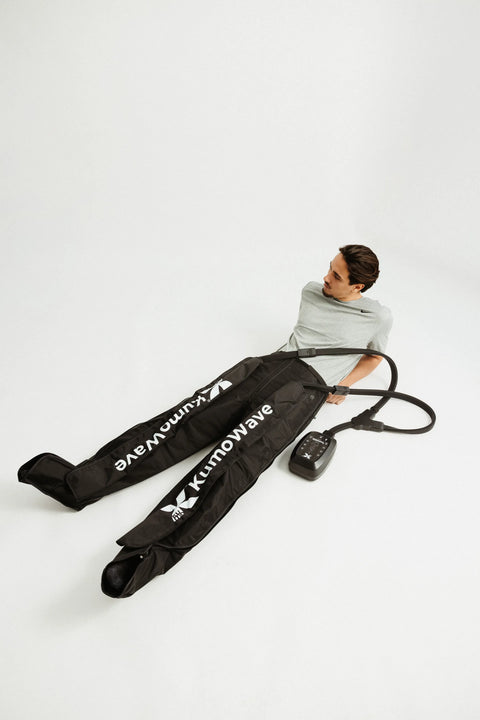
KumoWave Elite – Pressotherapy Pants
Full-coverage trousers. Ideal for lipedema, fluid retention and intensive use.
€799,00 €999,00
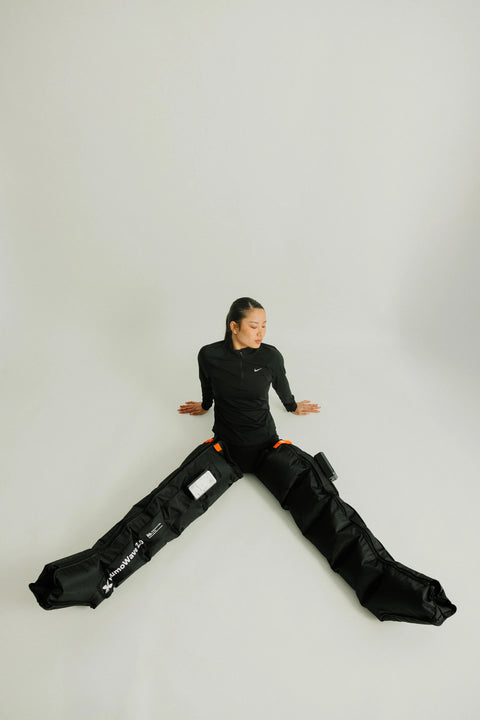
KumoWave 2.0 - Wireless Pressotherapy
Wireless, lightweight boots. Perfect for daily use and recovery.
€499,00 €599,00