Body acne is not random. It tends to show up on the back and chest because those areas have plenty of sebaceous glands; when sebum and dead cells block the follicle, comedones and inflamed spots appear.
It is usually not a hygiene problem. Friction, trapped sweat and some products or medicines can make it worse, and a consistent routine helps more than trying aggressive fixes.
Red & infrared light
Recover faster, at home
★★★★★ 4,8/5 · rated by verified customers
The KumoLux panel supports muscle recovery with full-body red and infrared light.
- 660 nm red + 850 nm infrared light
- Full-body muscle recovery
- Clinically validated biohacking protocols
€399,00€499,00
−10% on your 1st order when you subscribe to the newsletter

It is not a rare problem either: NICE estimates that acne affects around 80% of people between the ages of 11 and 30. So the realistic goal is to reduce breakouts and marks through consistency, not to look for aggressive shortcuts. (nice.org.uk)
Why it appears on the back and chest
The NHS explains that acne happens when the follicle becomes blocked, sebum mixes with dead cells and skin bacteria inflame the area. On the torso, the back and chest are especially common because they concentrate sebaceous glands and usually get more heat, sweat and pressure than other areas.
Personalized protocol · included with your purchase
Want us to tell you how to use it in your case?
With your purchase, our experts set up your red and infrared light sessions for your sport and goal.
Message us on WhatsAppOur experts reply · no obligation
Hormones matter too. The NHS explanation of the causes of acne notes that it can get worse during puberty, around your period, in pregnancy or when there are hormonal disorders, and that some medicines, smoking and a high glycemic index diet can act as triggers in specific people.
One myth worth dropping: acne does not appear because your skin is dirty. Washing more than necessary does not fix it and can actually irritate the skin barrier.
Common factors and habits that help
| Factor | What can happen | What to do |
|---|---|---|
| Sweat and heat | If sweat stays on the skin, the area can become irritated more easily. | Shower and change your clothes as soon as you can after sweating. |
| Repeated rubbing | Backpacks, straps or tight clothing increase friction on the back and chest. | Choose breathable fabrics and avoid sustained pressure. |
| Harsh cleansing | Scrubs, brushes and astringents can make inflammation worse. | Cleanse gently, without rubbing. |
| Occlusive products | Some rich or unsuitable formulas can block pores. | Choose non-comedogenic products. |
In other words, the aim is to bring down friction and irritation, not to punish the skin with more washing or exfoliation.
on your first order when you join the newsletter
We send you the code instantly. No spam.
Daily habits that limit breakouts
For the back, the AAD guidance on back acne insists on something very simple: after sweating, change your clothes as soon as possible, wash your workout gear after every use and cleanse the area gently.
- Shower and change after sweating so moisture does not sit on your skin for hours.
- Wear loose, breathable clothing when you train or spend long hours in the heat.
- Wash your workout gear after every use, especially shirts, tops and anything that touches your back.
- Cleanse with a gentle product and avoid brushes, rough sponges and scrubs.
- Choose non-comedogenic products without strong fragrance so you do not add more blockage or irritation.
- Do not squeeze spots, because that increases the risk of marks and scarring.
- Do not use tanning as a remedy: there is no conclusive evidence that sun or UV beds improve acne, and they can make it worse.
Diet does not explain every breakout, but it can play a part. The AAD review on diet and acne notes that a low glycemic load diet may help some people, and a randomized trial on low glycemic load diet and acne found an improvement in symptoms. If you notice that certain foods make things worse for you, watch it over a few weeks rather than making radical cuts.
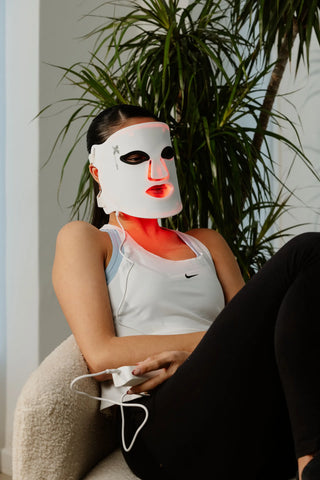
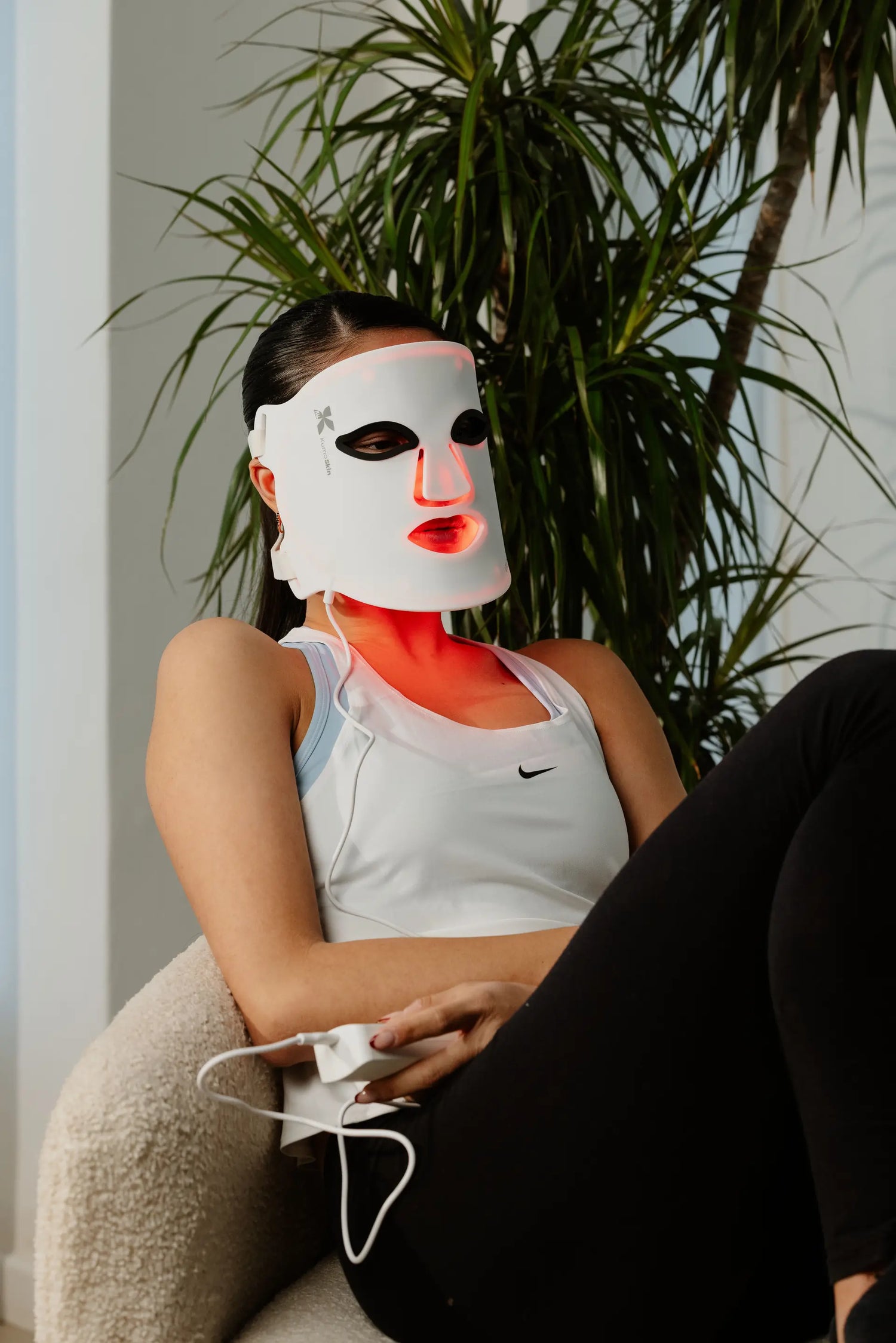
If you are also interested in facial light therapy, you can read the basic guide to red light therapy. In facial light therapy, the blue wavelength associated with acne is 470 nm; on the KumoSkin Mask it only appears in a face mask with full facial coverage, not the back or chest.
If your case also affects the face, the guide to red light therapy for acne and marks will help you place that kind of care within a careful facial routine.
The AAD on precautions with red light at home points out that it is not suitable for everyone: it may not be advisable if there is photosensitivity, lupus or medication that increases light sensitivity, and you should use eye protection if the device instructions require it.
Which treatments can go alongside daily care
If the breakout is mild, the pharmacy will usually point you towards benzoyl peroxide. When acne is moderate or severe, the NHS treatment guidance considers topical retinoids, azelaic acid, topical or oral antibiotics and, in some women, hormonal treatment. The important thing is to give the chosen plan time, because improvement usually takes several weeks or months.
When acne leaves marks, hurts a lot or affects the chest and back with many papules, pustules or nodules, the NHS recommends seeing a doctor to consider a more suitable approach and avoid further scarring.
When to see a doctor: signs that need medical assessment
It is worth asking for a medical assessment if any of these signs appear, even though acne is common:
- If painful nodules or cysts appear, ask for a medical assessment as soon as you can.
- If you already see scars or you notice marks starting to form, it is better not to wait. (aad.org)
- If you have many lesions on the chest and back, or you see no improvement after 6 to 8 weeks of consistent care, see a doctor.
- If acne is affecting your mood or causing anxiety, that deserves attention too.
- If it starts suddenly in adulthood, especially in women with irregular periods or more body hair, it may point to a hormonal imbalance. (nhs.uk)
If you use an LED face device, always read the small print. The AAD on precautions with red light at home warns that it is not suitable for everyone, especially if there is photosensitivity, lupus or medication that increases light sensitivity, and recommends eye protection when the manufacturer asks for it. On a mask like KumoSkin, the 470 nm blue wavelength also sits in a facial device with full facial coverage, not the back or chest.
Frequently asked questions
Why do I get spots on my back and chest, and which habits can prevent them?
Because those areas have plenty of sebaceous glands and the follicle blocks easily. Sweat, heat, rubbing from clothing or backpacks and, in some people, hormones or certain medicines also play a part. To prevent it, the most useful things are showering after sweating, changing clothes quickly, wearing breathable fabrics and not squeezing lesions. If you also notice a link with certain foods, watch it calmly before making drastic changes.
Which hygiene habits stop acne breakouts on the back and chest?
The hygiene that helps is the gentle kind, not the harsh kind. Wash the area up to twice a day with a mild cleanser, especially after sweating, and avoid scrubs, brushes, astringents and hard rubbing. Change sweaty clothes as soon as you can and wash workout gear after use. If you are going to leave your back or chest uncovered, choose a non-comedogenic sunscreen so you do not add more blockage.
Which diet can make back and chest acne worse or better?
A high glycemic load diet can make breakouts worse in some people, and the AAD also mentions associations with dairy in part of the literature. A low glycemic load pattern, on the other hand, has shown improvements in randomized studies. That does not mean everyone should cut out food groups, but rather that it is worth watching your personal triggers and keeping a balanced diet, without obsessing over a list of banned foods.
Which home and medical treatments exist for back and chest acne?
At home, benzoyl peroxide products are a common option for mild breakouts, always with consistency and without irritating the skin. If acne is more persistent, a doctor may consider topical retinoids, azelaic acid, topical or oral antibiotics, or hormonal treatment in selected women. If there is pain, nodules, scarring or no improvement after 6 to 8 weeks, it is worth asking for an assessment to adjust the approach.
What now?
If you want to keep fine-tuning your routine, go back to the Kumo Balance home page and look through the guide to facial light therapy at home and common mistakes so you can use any LED face device with more judgement and less improvisation.

Red & infrared light
KumoLux Panel – Red and Infrared LED Panel
★★★★★ 4,8/5 · rated by verified customers
- 660 nm red + 850 nm infrared light
- Full-body muscle recovery
- Clinically validated biohacking protocols
€399,00€499,00· pay in installments with seQura or Klarna