
Getting back into training after a break is possible. The key is to progress thoughtfully to regain fitness without risking injury, as highlighted by WHO physical activity guidelines, which prioritize consistent movement and a gradual, not sudden, increase in load. The WHO guidelines on physical activity and sedentary behavior set this general framework.
If you've been inactive for weeks or months, the best protection isn't intense training on day one, but a simple strategy: lower volume initially, controlled effort, sufficient rest, and clear signals to stop if your body protests. (nia.nih.gov)
Red & infrared light
Recover faster, at home
★★★★★ 4,8/5 · rated by verified customers
The KumoLux panel supports muscle recovery with full-body red and infrared light.
- 660 nm red + 850 nm infrared light
- Full-body muscle recovery
- Clinically validated biohacking protocols
€399,00€499,00
−10% on your 1st order when you subscribe to the newsletter

What changes in the body after a break
After a break, the body loses some of its tolerance to impact and repetition, so it's advisable to rebuild the foundation before demanding high paces, sets, or loads again. The NIA's recommendations for resuming movement after a break emphasize starting small and gradually increasing until adaptation occurs. (nia.nih.gov)
A good rule of thumb is to think about adaptation, not compensation: don't try to make up for a month of inactivity in one week. That approach increases the risk of overload, persistent pain, and frustration. If you want to delve into the physiological basis of returning to activity, you can consult our well-planned muscle recovery guide. (mayoclinichealthsystem.org)
Personalized protocol · included with your purchase
Want us to tell you how to use it in your case?
With your purchase, our experts set up your red and infrared light sessions for your sport and goal.
Message us on WhatsAppOur experts reply · no obligation
Before restarting: check these signals
If you're coming back from an injury, the return is even more individualized. The NIAMS guide on sports injuries explains that rehabilitation is often needed before resuming the activity that caused the problem, and the BJSM consensus on return to sport reminds us that progression should be functional and gradual. If this is your case, reading about recovery after a sports injury and its precautions may also help. (niams.nih.gov)
The CDC's guide on pain during and after exercise and the NIDDK's warning signs to stop and seek help assist in distinguishing normal discomfort from pain that should not be ignored. (archive.cdc.gov)
- If pain changes your technique, you limp, or you feel a sharp stab, reduce or stop the session. (nhs.uk)
- If swelling, bruising, or discomfort that worsens the next day appears, the tissue needs more time. (nhs.uk)
- If you feel chest pain, dizziness, or significant shortness of breath, do not normalize it and seek medical help.
- If fatigue accumulates and you don't recover well, reduce the load before the problem escalates.
How to organize the first few weeks
The most useful progression usually combines short sessions, an intensity that allows you to talk without gasping, and a gradual increase in duration or load. For adults, the WHO recommends 150 to 300 minutes per week of moderate aerobic activity, or 75 to 150 minutes of vigorous activity, plus strength training two or more days per week; but when returning after a break, the priority is to approach that level gradually. The NIH Physical Wellness Toolkit also emphasizes starting slowly and watching for signs of overload such as exhaustion or joint pain. (ncbi.nlm.nih.gov)
on your first order when you join the newsletter
We send you the code instantly. No spam.
Example of progressive restart
| Phase | Goal | What to do | When to advance |
|---|---|---|---|
| First few days | Reactivate without fatigue | Do gentle mobility sessions, light cardio, or basic technique, and finish feeling in control. | Advance if no acute pain or clear rebound appears the next day. |
| Building | Regain continuity | Add only one variable: more time, a few more repetitions, or a little more load, but not all at once. | Advance if fatigue decreases normally and technique remains clean. |
| Specific Readaptation | Return to your sport | Reintroduce technical movements, gentle changes of pace, or actions similar to your discipline. | Advance if no limping, inflammation, or discomfort that alters movement appears. |
| Consolidation | Prepare for a stable return | Maintain one easy session, one strength session, and one more demanding session only if everything is going well. | Advance if you sleep well and your body responds normally between sessions. |
This outline is a guide: it helps organize the return, not force it. If a symptom changes your technique or persists, take a step back and allow more time between sessions. (nia.nih.gov)
The keys that most reduce the risk of injury
Warm up and cool down
NIA recommendations for getting back to movement after a break include warming up before and cooling down after. In practice, a few minutes of mobility, activation, and a gentle transition are enough to prepare the body and exit the effort with more control. (nia.nih.gov)
Maintain strength, even if your goal is running
Strength is not an extra; it's part of the return. The WHO and NIH recommend working all major muscle groups at least two days a week in adults, because this improves load tolerance and helps protect joints and tissues.
Alternate impact and low impact
When you don't tolerate impact well yet, Mayo Clinic recommends gradual progression and relying on lower-impact options to maintain continuity without adding too much consecutive load. Mayo Clinic's tips for returning after a break are helpful if you're coming back from a long pause or a recent injury.
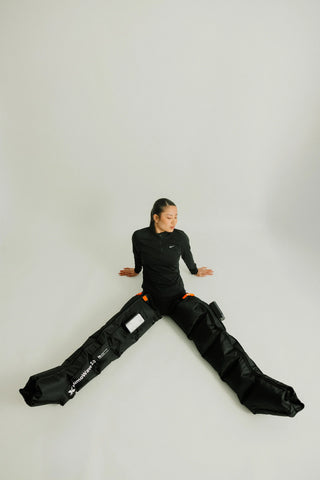
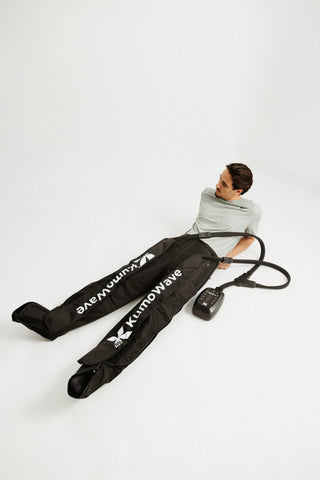
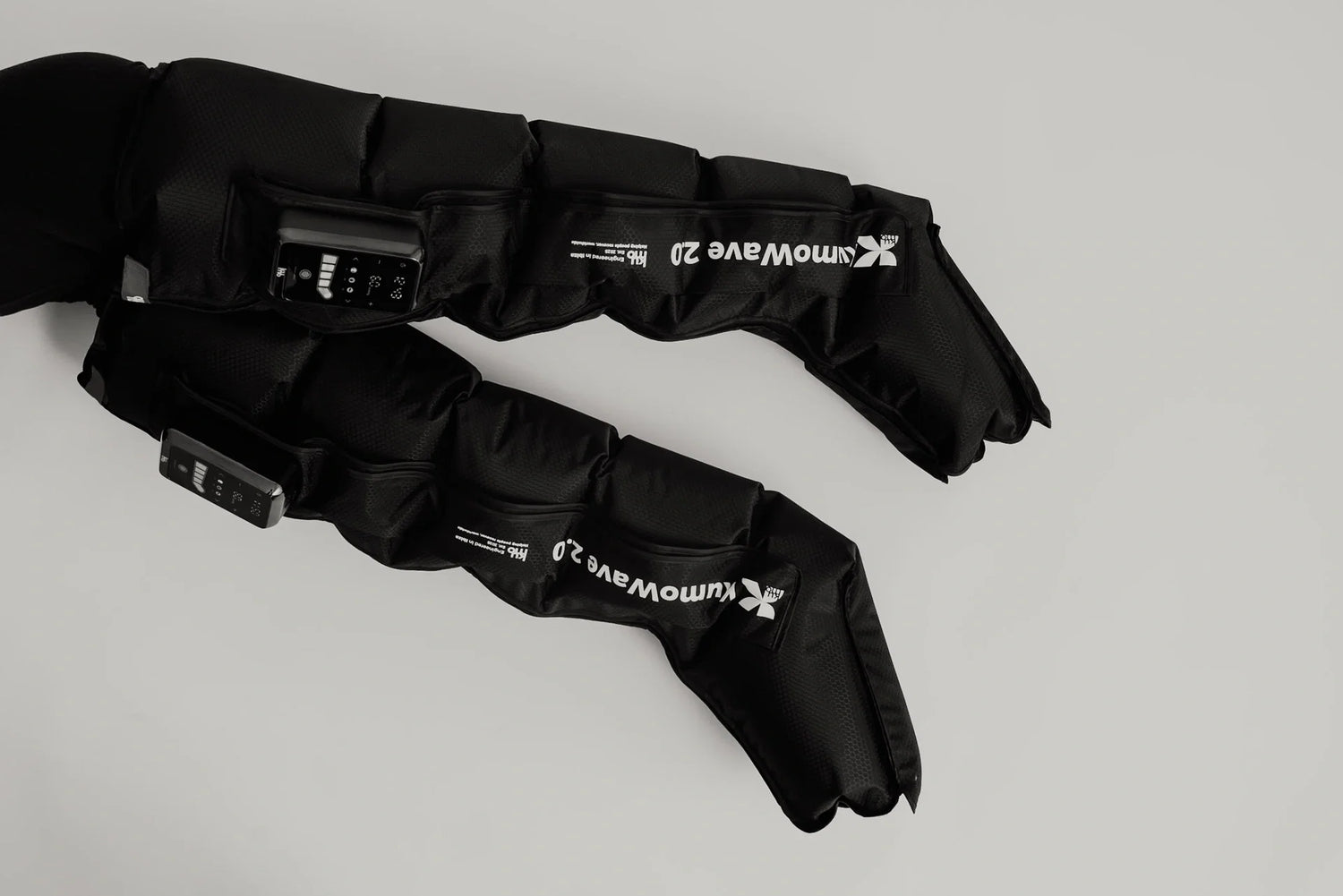
And if your return leaves you with heavy legs, at-home pressotherapy for heavy legs can fit as a complementary recovery tool within a well-dosed routine.
Recover outside of training too
Recovery also happens outside of the session. The NIA points out that physical activity can improve sleep and well-being, so taking care of rest, sleep, and regularity will help you better assimilate the work you've already done. The NIA summarizes this relationship between exercise, sleep, and health well. (nia.nih.gov)
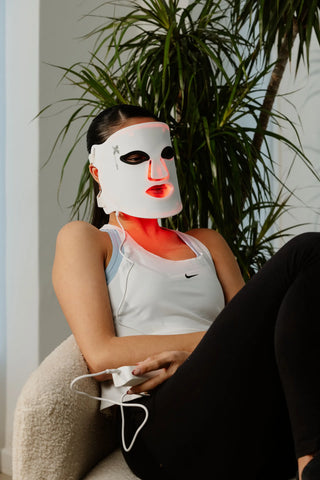
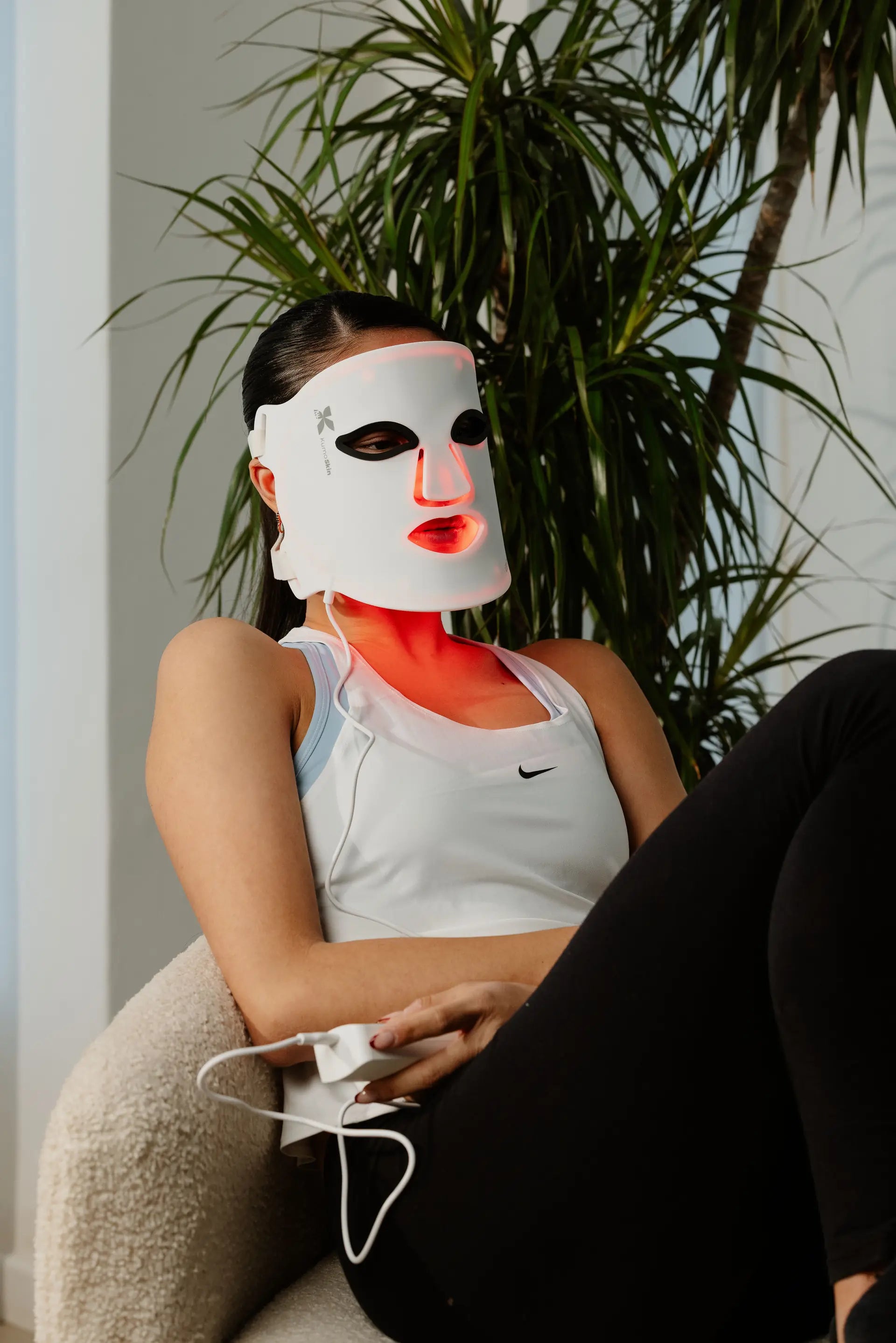
In a quiet nighttime routine, some people find it helpful to add a comfort gesture like red light therapy for post-workout recovery, always as a complement and not a substitute for proper effort dosing.
If your goal is to start running again
If your goal is to run again, don't start with distance: start with tolerance. A block of walking and gentle jogging, with intermediate days of rest or low impact, is usually smarter than a long run on the first weekend. If you're coming from running, you can use the logic of our runner's recovery after a long run as a reference: less impact at the beginning, more control afterward, and patience to avoid unnecessary fatigue buildup.
- Alternate walking and gentle jogging until breathing and technique remain stable.
- Allow an easy day between impact sessions for tissue adaptation. (nia.nih.gov)
- First, increase total time, and only then increase intensity or pace.
- If pain appears the next day or you change your running style, go back to the previous step.
FAQ: Returning to sports after a break
When is an athlete ready to return to practice?
An athlete is closer to returning when they can move the worked area without acute pain, there is no significant swelling, and they can safely perform specific movements of their sport. If the break was due to an injury, rehabilitation must be completed, and progression should be functional and individualized, as the BJSM reminds us. NIAMS also emphasizes not resuming the activity that caused the injury without that prior foundation.
How to return to running after a long break without getting injured?
Start with blocks of walking and gentle jogging, not a long run. Maintain at least one easy day between sessions, increase only one variable at a time, and observe how your body responds the next day. If pain changes your technique or lasts longer than normal, take a step back. Mayo Clinic and the NIA agree that progression should be gradual and adaptable.
What to do to resume sports practice after a break without getting injured?
The safest formula is simple: return with less volume, always warm up, maintain strength two or more days a week, and let rest do its part. The WHO recommends regular aerobic activity and strength training; the key when returning is to gradually approach that standard, not in a single week.
How to prevent exercise-related injuries when returning to activity?
Listen to early warning signs: acute pain, limping, swelling, worsening fatigue, or shortness of breath are not part of "good effort." The CDC guide on pain during exercise and the NIDDK's warning signs help distinguish normal adaptation from overload. Reducing impact, alternating easy sessions, and not increasing intensity and duration simultaneously are the most protective measures.
What now?
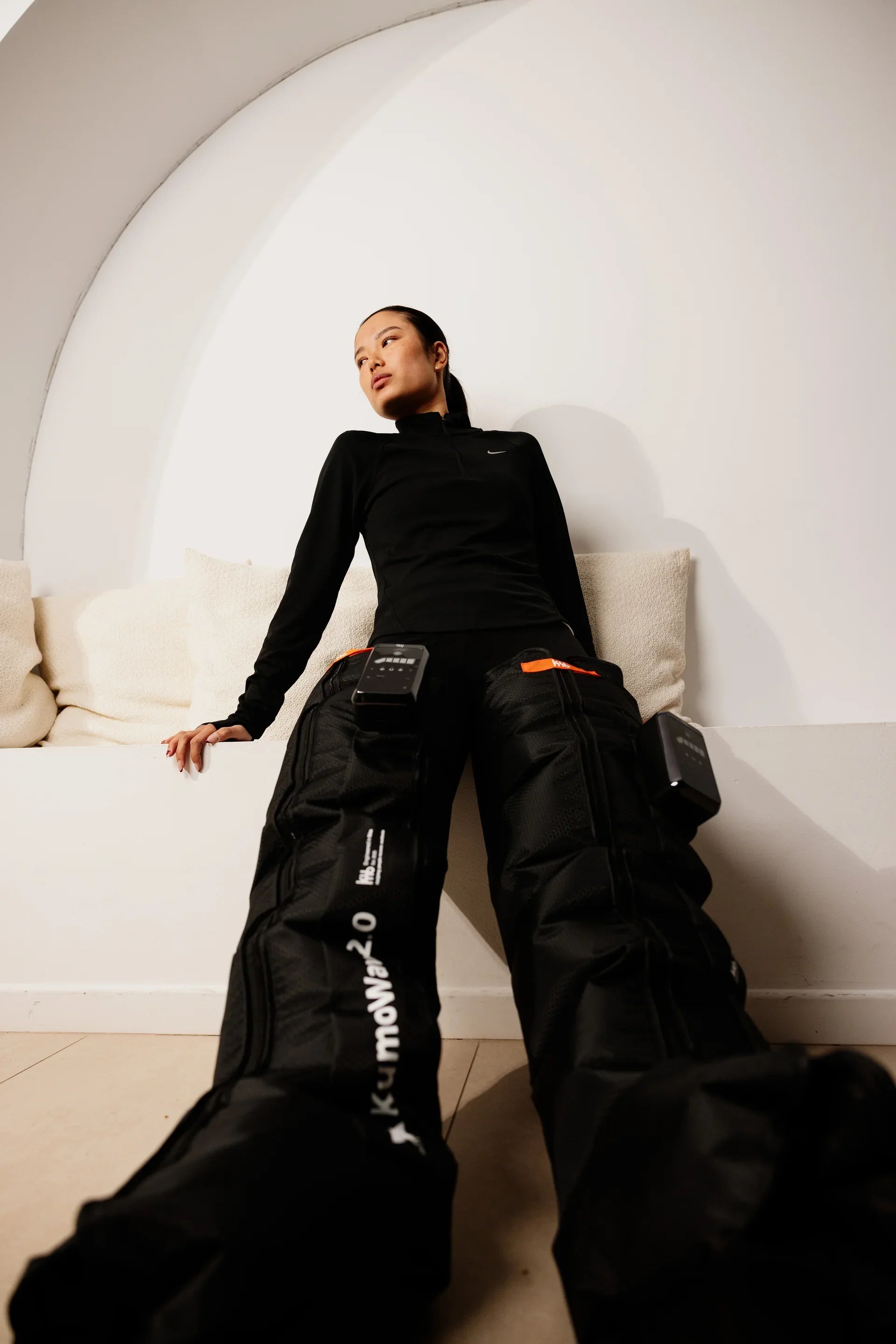
If you want to turn this return into a sustainable routine, start with a simple progression and rely on recovery tools that fit your daily life. You can explore KumoWave 2.0 for comfortable recovery sessions or revisit Kumo Balance's recovery approach to find the starting point that best suits you.

Red & infrared light
KumoLux Panel – Red and Infrared LED Panel
★★★★★ 4,8/5 · rated by verified customers
- 660 nm red + 850 nm infrared light
- Full-body muscle recovery
- Clinically validated biohacking protocols
€399,00€499,00· pay in installments with seQura or Klarna