
Yes, it can help. When swelling or heaviness comes from fluid buildup or from venous insufficiency, raising your legs supports venous return and can bring relief. If the pain gets worse when you lift the leg, it is worth considering another cause and asking for a medical opinion. MedlinePlus on edema and MedlinePlus on peripheral artery disease explain that difference.
The logic is simple: after many hours with your legs down, gravity makes it easier for blood and fluid to pool in the feet and ankles. That is why, in people with varicose veins or heavy legs, putting the legs up usually brings temporary relief. The NHS on varicose veins lists it as a basic relief measure. (nhs.uk)
Pressotherapy at home
End the day with light legs
★★★★★ 4,8/5 · rated by verified customers
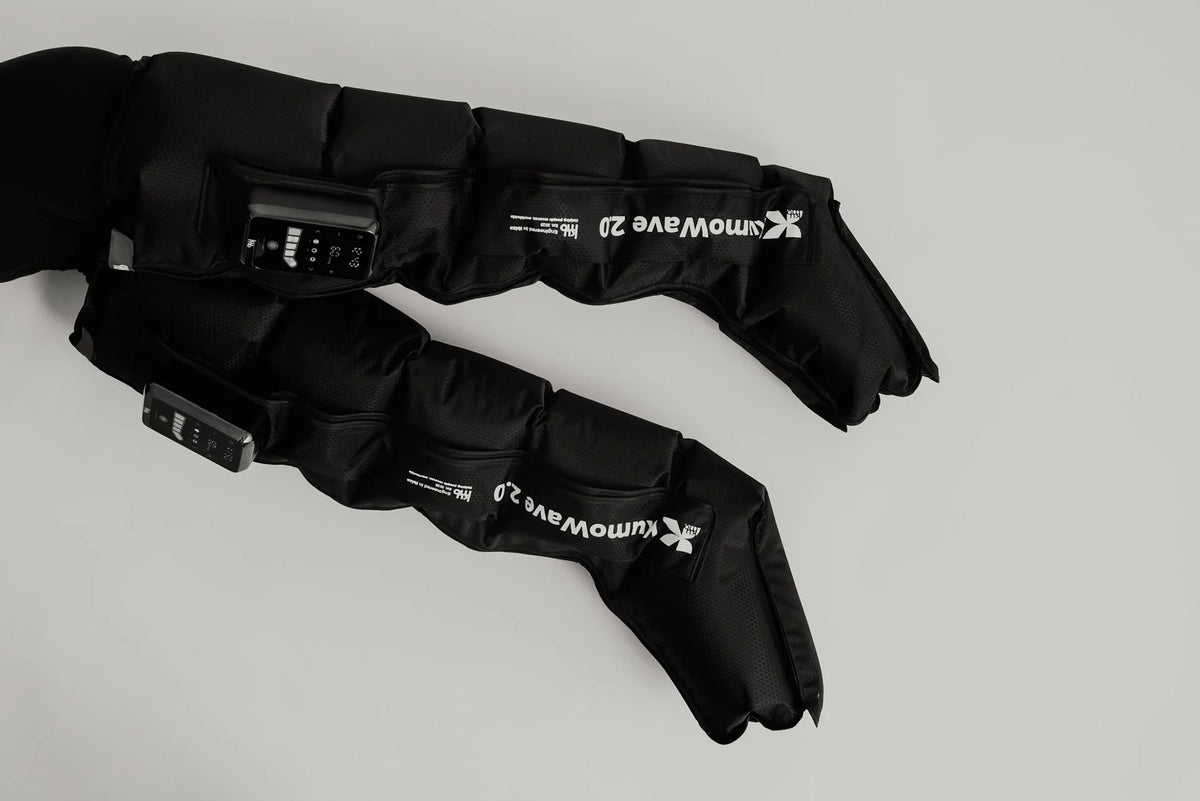
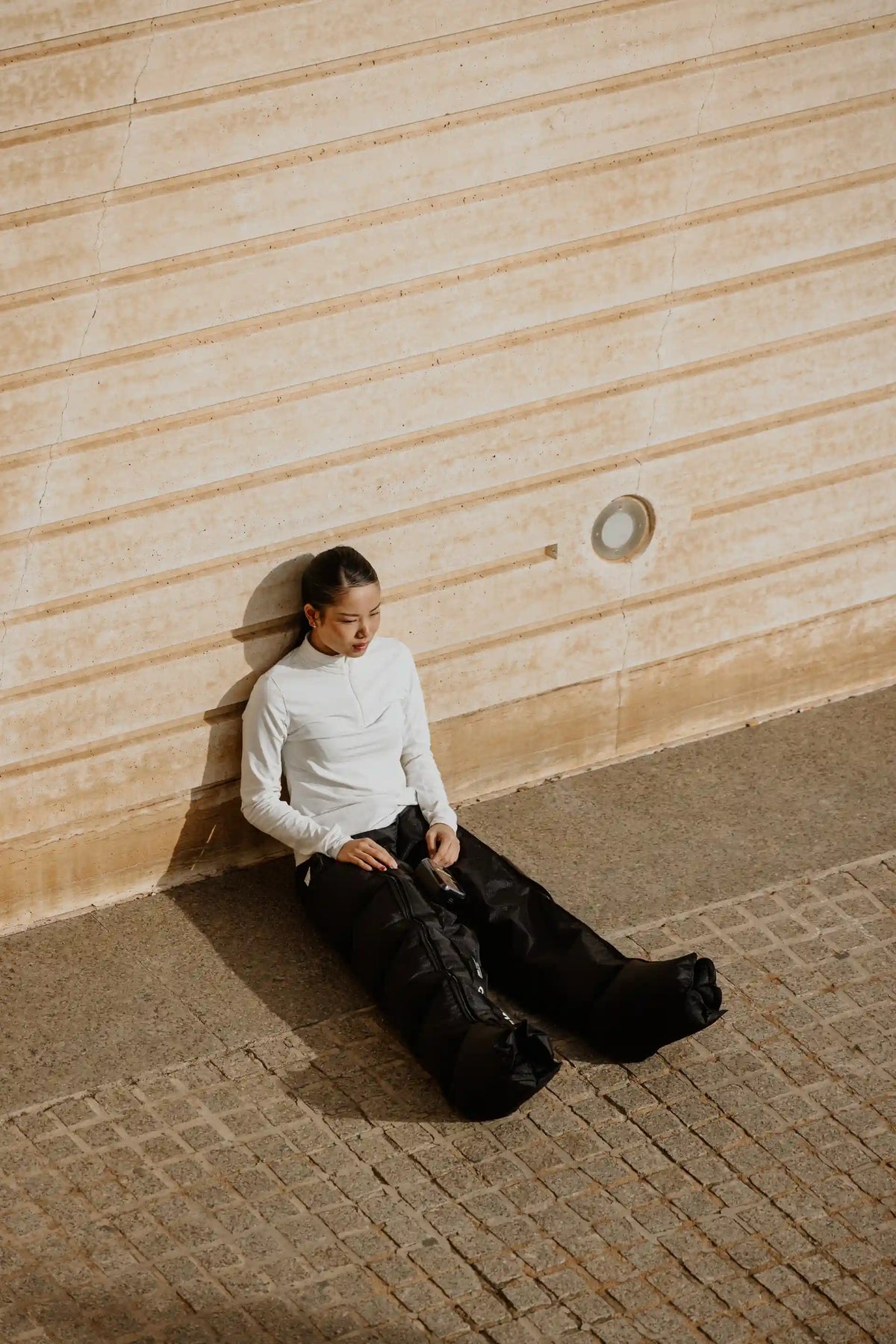
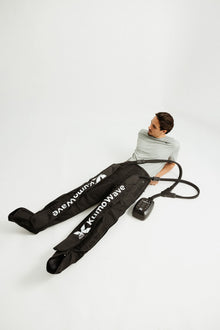
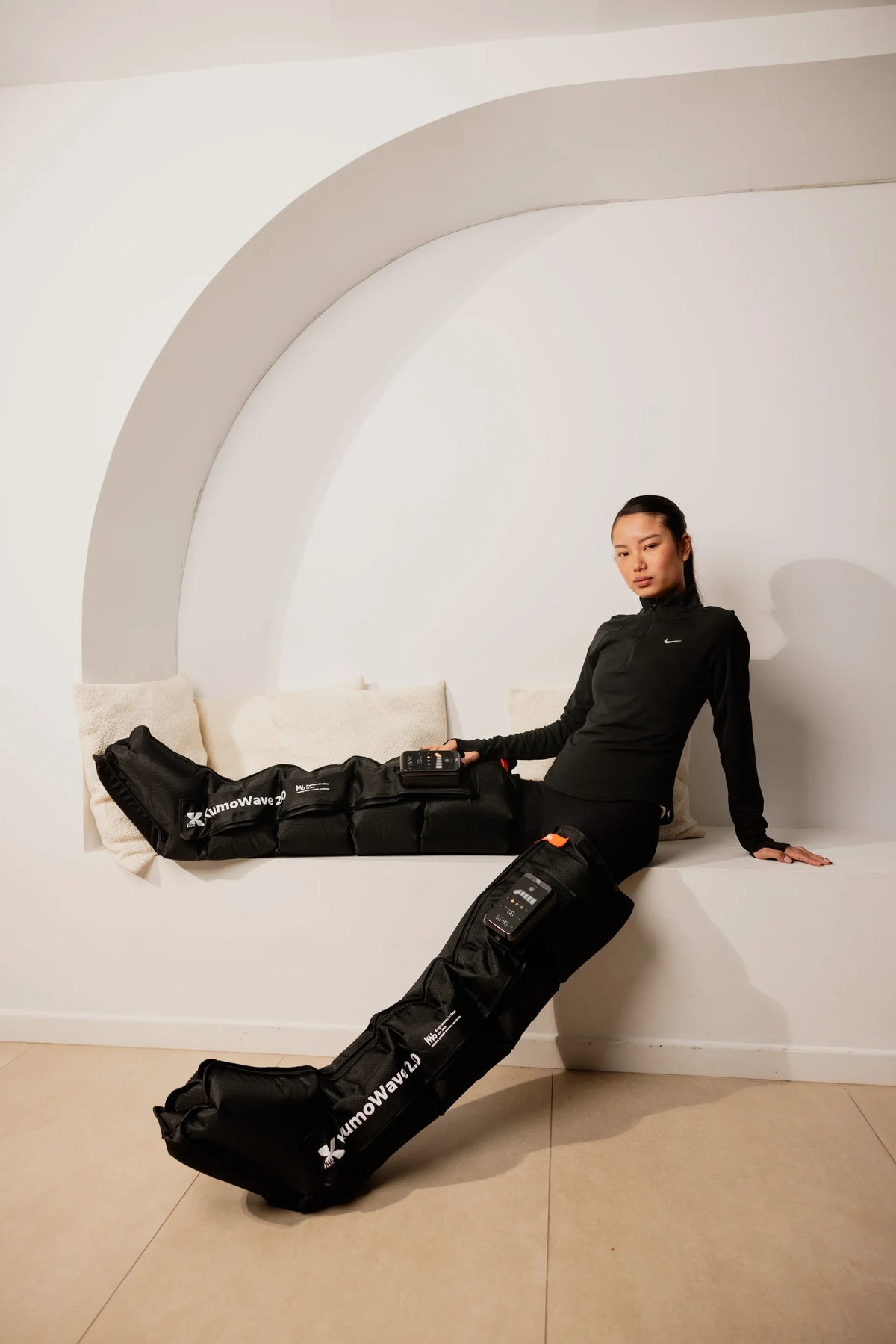
KumoWave pressotherapy boosts circulation and helps drain fluid with sequential compression, in 20-minute sessions at home.
- Boosts circulation and helps drain fluid
- Chamber-based compression, adjustable to you
- Sequential compression that mimics manual drainage
€799,00€999,00
−10% on your 1st order when you subscribe to the newsletter

When can it really help?
It can be useful if you notice swollen ankles, a feeling of heaviness, sock marks or edema that shows up after many hours of standing or sitting. Cleveland Clinic explains that, in edema, raising the legs above the heart helps drain fluid, and MedlinePlus recommends resting them on pillows when you lie down. Cleveland Clinic guide to pitting edema.
It also tends to fit mild venous insufficiency, which is common when the veins do not return blood to the heart properly. In those cases, raising the legs can lower the pressure in the veins and ease the feeling of load, although it does not replace an assessment if the problem keeps coming back. (medlineplus.gov)
Personalized protocol · included with your purchase
Want us to tell you how to use it in your case?
With your purchase, our experts prepare a personalized usage protocol for your case: sport, circulation, fluid retention, pregnancy or lipedema.
Message us on WhatsAppOur experts reply · no obligation
How to do it well at night
The practical reference is simple: aim for the feet to sit above heart level or, at the very least, clearly higher than the trunk. The guides consulted do not set exact centimeters; the common recommendation is to use pillows or a firm support to get a real and comfortable elevation.
Practical table: when to raise your legs and when not to
| Situation | Does it usually help? | What to do |
|---|---|---|
| Heavy legs at the end of the day | Yes. Elevation can move fluid out and ease the feeling of load. | Use pillows so your feet sit above the heart. |
| Varicose veins or venous insufficiency | It can help reduce pressure and swelling, above all as temporary relief. | Combine it with movement and get checked if the symptoms keep returning. |
| Pain that gets worse when you raise the leg | That is not the typical sign of simple venous edema. | Seek a medical assessment. |
| One leg only, swollen, red or warm | This should not be treated as a minor complaint. | Get urgent medical care. |
If you want to see how this fits into a wider context of leg care and recovery, you can read the 2025 starter guide to pressotherapy at home. It is a context resource, not a substitute for a medical assessment.
Simple steps for a more comfortable night
- Place one or more pillows under your calves and ankles so your feet stay high and the position stays stable.
- If the position feels comfortable, hold it for a few minutes before sleeping and adjust the height until you feel less tension and less heaviness.
- If you feel more pain when you raise the leg, change position and consider a medical consultation.
If you want to broaden the approach with a more global view of drainage and recovery, there is also the step-by-step guide to lymphatic drainage at home.
on your first order when you join the newsletter
We send you the code instantly. No spam.
When it is not advisable, or when to get checked
If the pain gets worse when you raise the leg, do not force it. That pattern can show up in peripheral artery disease, and MedlinePlus describes it as a characteristic sign that deserves a clinical review.
Seek prompt care if the swelling appears in one leg only, if the area is red or warm, if there is fever, chest pain, shortness of breath or a sudden onset of swelling. Mayo Clinic on foot or leg swelling and the MedlinePlus encyclopedia on swelling of the feet, legs and ankles flag those signs as reasons for urgent assessment.
It is also worth getting checked if you have heart, kidney or liver disease, or if you are pregnant and the swelling appears suddenly. In those settings, raising your legs may ease things a little, but it does not resolve the underlying cause.
- In pregnancy, after surgery or with known vascular disease, confirm the position with a health professional first.
- If the swelling does not improve, gets worse or keeps coming back, it deserves a medical assessment.
- If there is also intense pain, local warmth or shortness of breath, do not treat it as a simple nighttime complaint.
What else can help besides raising them
Moving your ankles, walking now and then, cutting back on salt and avoiding too many hours in a row in one position also help keep blood and fluid from settling in the legs. MedlinePlus sums this up as basic home measures for edema.
If you are interested in going deeper into a leg care and recovery routine, you can read the guide to pressotherapy at home on benefits and contraindications to understand the general approach.
Frequently asked questions
Is sleeping with your legs elevated good for varicose veins and heavy legs?
Yes, it usually helps when the problem is venous. The NHS notes that varicose veins can cause heaviness and swelling and get worse after long periods of standing, and that resting with your legs up can ease the symptoms. MedlinePlus also uses elevation as a home measure for edema. That said, it is temporary relief, not a cure for varicose veins, and it does not replace a diagnosis if the picture keeps repeating.
How do you raise your legs correctly while sleeping to support venous return?
Ideally your feet should sit above the heart. To get there, you can use one or more firm pillows under your legs so the whole lower part is well supported. Cleveland Clinic and MedlinePlus agree on that height reference because it makes fluid drainage easier. If the position forces you to tense your back or neck, adjust the support until you find a stable, comfortable setup.
When should you avoid sleeping with your legs elevated, or see a doctor?
You should avoid forcing it if the pain gets worse when you raise the leg, because that can fit peripheral artery disease. It is also worth getting checked if the swelling is in one leg only, if there is warmth, redness, fever, shortness of breath or a sudden change in swelling, especially during pregnancy. These are signs you should not manage with position and pillows alone.
Can sleeping with your legs elevated ease pain or nighttime swelling?
Yes, it can ease nighttime swelling and the feeling of tired, loaded legs, above all when the cause is edema or venous insufficiency. It is usually more noticeable after a day of standing or sitting for a long time. If the pain is arterial, on the other hand, elevation can make it worse. That is why the answer is not the same for every case, and the context of your symptoms matters a lot.
What height is recommended for raising the feet of the bed when sleeping with your legs up?
There is no universal figure in centimeters. The practical reference that the sources consulted repeat is that the feet should sit above the heart. If you cannot manage that comfortably, try several pillows or raising the foot of the bed. The goal is a real, stable and tolerable elevation, not a forced position that keeps you from sleeping well.
What now?
If the pain gets worse when you raise the leg, if the swelling is on one side only, or if warmth, redness or shortness of breath appear, see a health professional as soon as possible. If you want to keep reading about the general approach to recovery, you can go back to the Kumo Balance home page and review the guide to pressotherapy at home on benefits and contraindications as context, always without replacing a medical assessment.
To keep reading: Pressotherapy and rest: why light legs can help you sleep better, Pressotherapy at home for tired legs and Tingling in the legs: when circulation is behind it and when it is not.
KumoWave pressotherapy
Choose your at-home pressotherapy
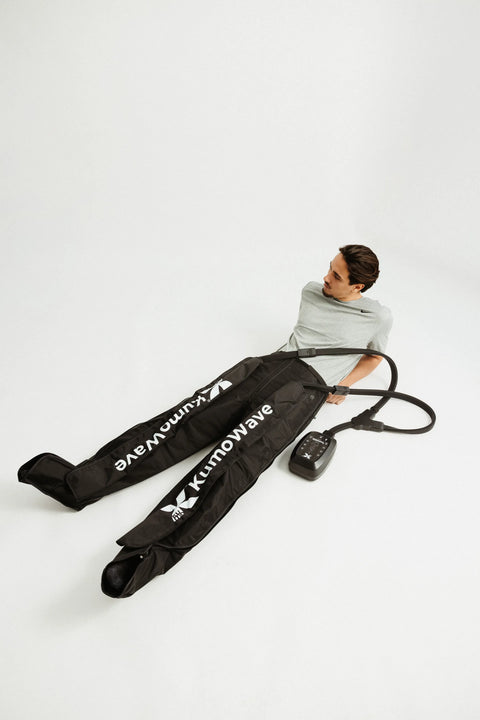
KumoWave Elite – Pressotherapy Pants
Full-coverage trousers. Ideal for lipedema, fluid retention and intensive use.
€799,00 €999,00
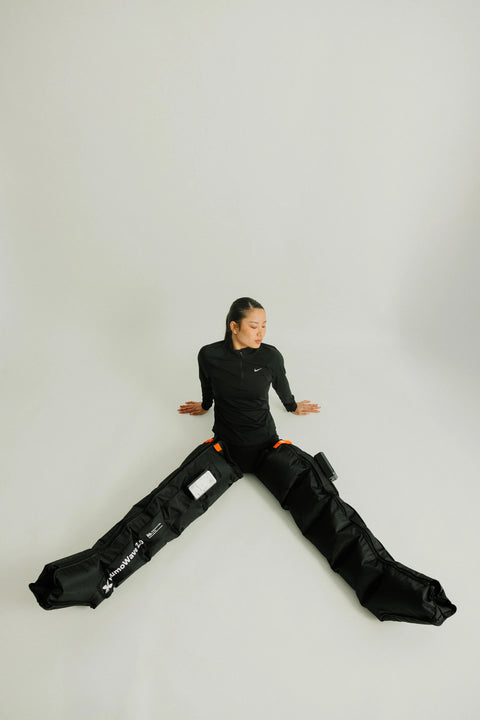
KumoWave 2.0 - Wireless Pressotherapy
Wireless, lightweight boots. Perfect for daily use and recovery.
€499,00 €599,00