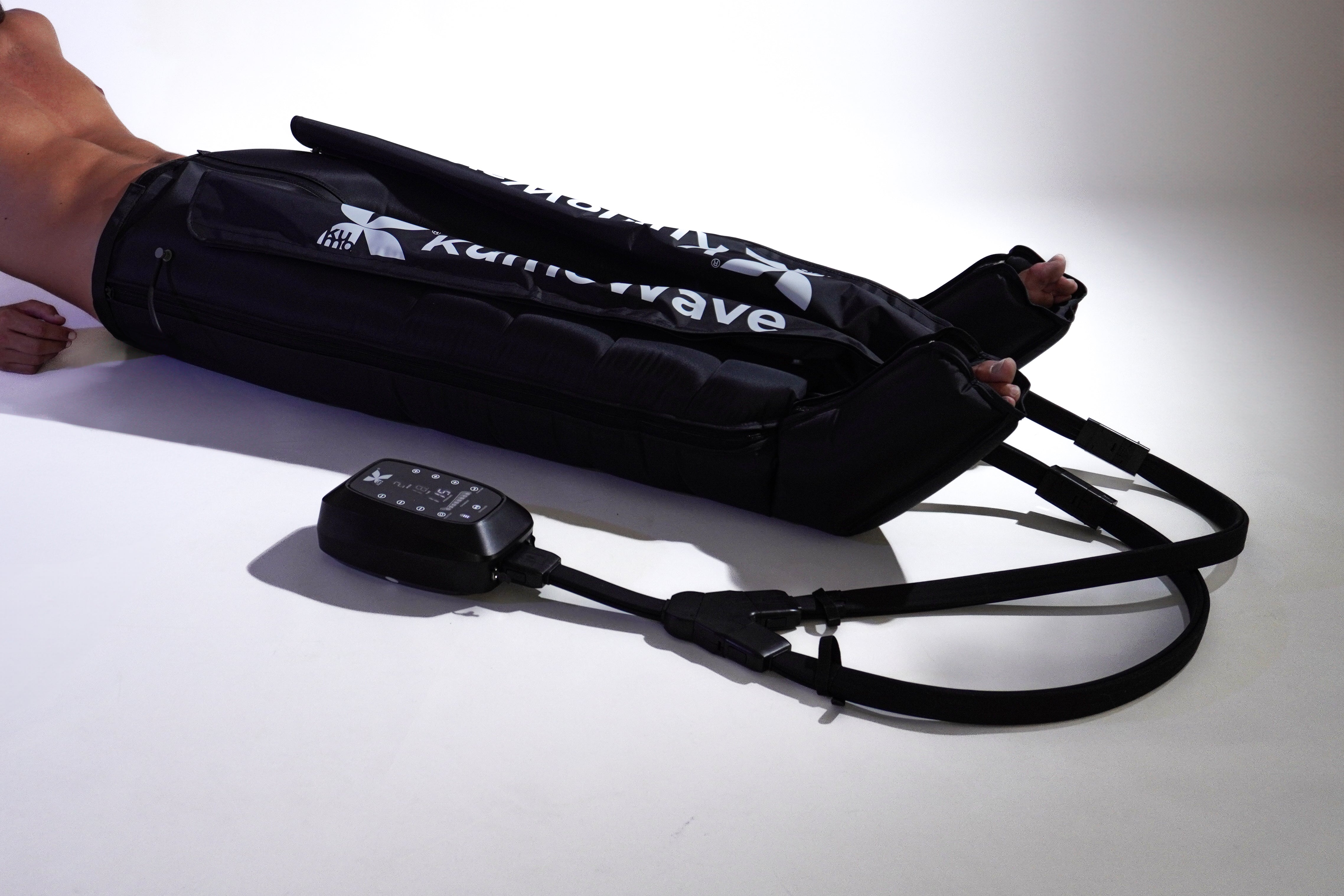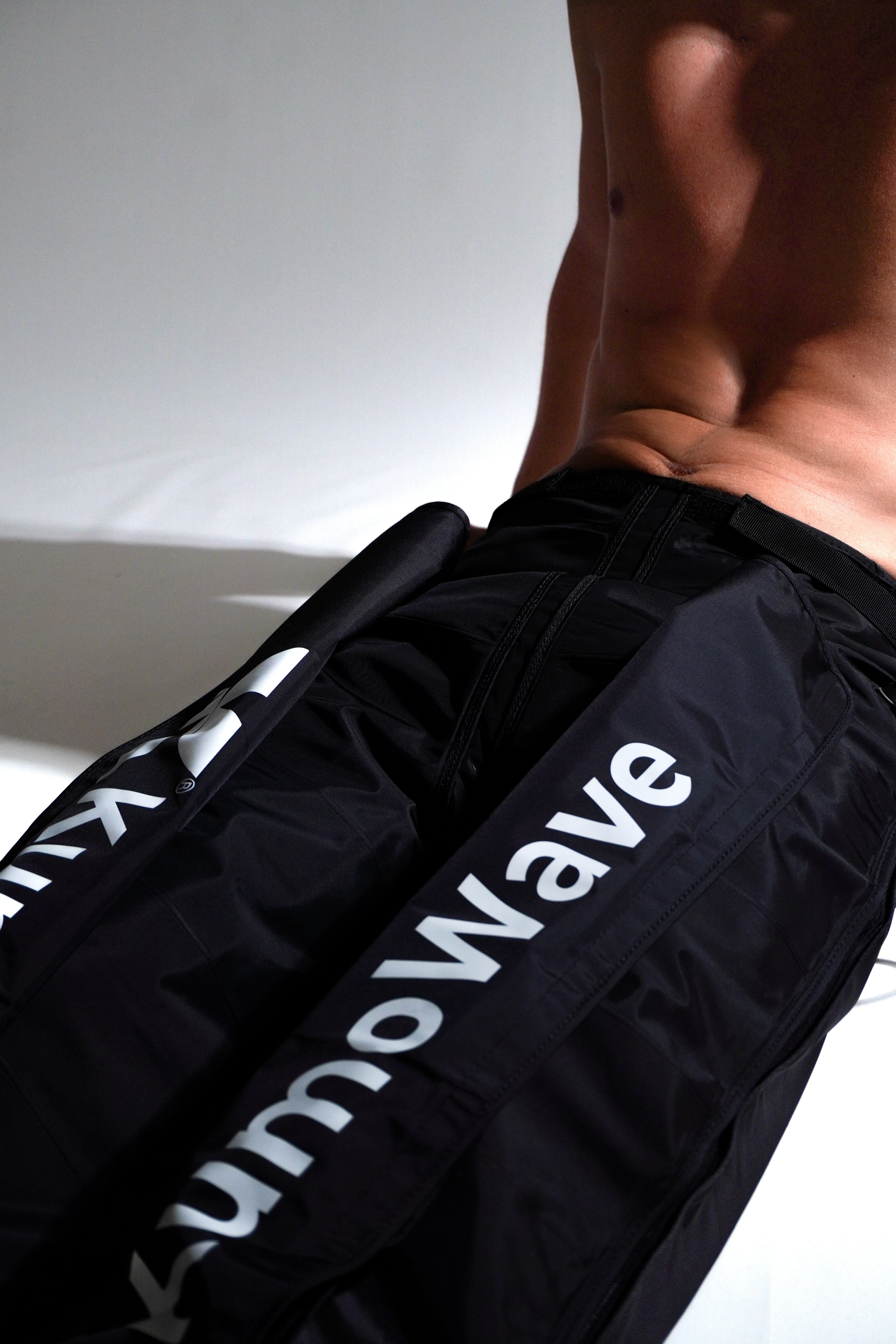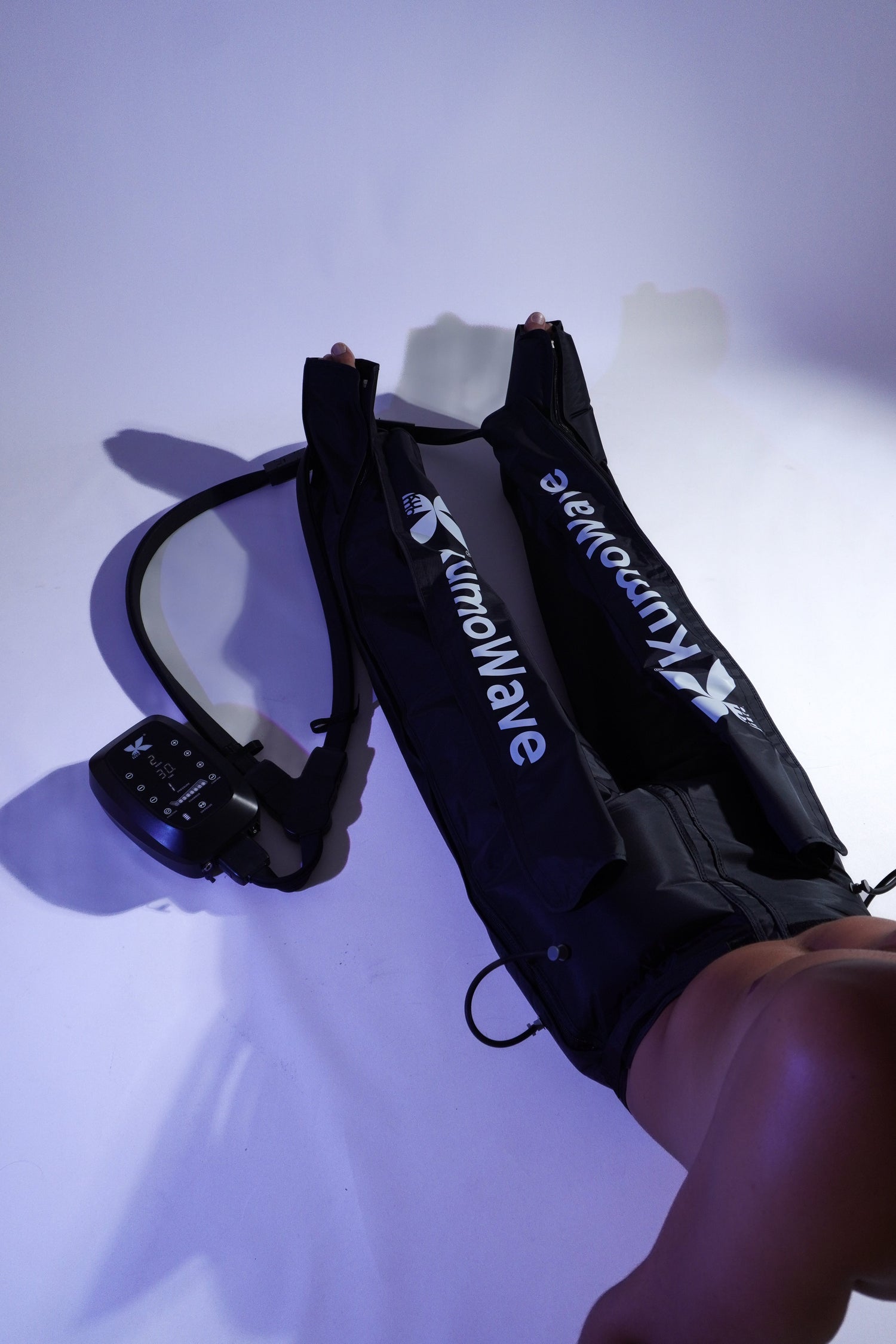
Sleeping well starts with your legs.
If you experience heaviness, swelling, cramps , or a restlessness that's hard to explain when you go to bed, your body may be asking for something very specific: better circulation and less accumulated tension . In this context, pressotherapy (pneumatic compression) has become an interesting tool for many people who want to go to bed with the feeling of "light legs" and, consequently, facilitate rest.
Pressotherapy at home
End the day with light legs
★★★★★ 4,8/5 · rated by verified customers
KumoWave pressotherapy boosts circulation and helps drain fluid with sequential compression, in 20-minute sessions at home.
- Boosts circulation and helps drain fluid
- Chamber-based compression, adjustable to you
- Sequential compression that mimics manual drainage
€799,00€999,00
−10% on your 1st order when you subscribe to the newsletter

In this article you will see why leg discomfort can disrupt sleep , what compression therapy does at a physiological level, what the evidence says about pneumatic compression devices, and how to safely integrate it into a nighttime routine with recovery technologies like Kumo 's.
Why “heavy” legs can sabotage your sleep
Sleep doesn't just depend on the mind; it also depends on bodily comfort. When that feeling of pressure, congestion, or pain appears in the legs, rest often worsens in three ways:
Personalized protocol · included with your purchase
Want us to tell you how to use it in your case?
With your purchase, our experts prepare a personalized usage protocol for your case: sport, circulation, fluid retention, pregnancy or lipedema.
Message us on WhatsAppOur experts reply · no obligation
- More micro-awakenings: the brain reacts to discomfort by changing posture or "activating" the body.
- Increased sleep latency: It's harder to unwind if you experience tingling, swelling, or the need to move your legs.
- Lower perceived quality: even after sleeping for hours, sleep may feel unrefreshing if there are nighttime discomforts.
Typical signs of “heavy legs” and their impact on rest
| Sensation | What's usually behind it (indicative) | How it affects sleep | What can help (practical approach) |
|---|---|---|---|
| Heaviness at the end of the day | Sitting/standing for long periods, muscle fatigue, slower venous return | Discomfort when finding a comfortable position | Gentle movement, leg lifts, recovery routine |
| Swelling (mild edema) | Fluid retention due to sedentary lifestyle, heat, travel, etc. | Sensation of local pressure and heat | Compression/recovery, hydration, active breaks |
| Nighttime cramps | Multifactorial; associated with sleep disturbance symptoms | Painful awakenings | Stretching, review of habits/medication with a professional if frequent |
| Need to move the legs (RLS type) | Restless legs syndrome (RLS) or other causes | Difficulty falling and staying asleep | Medical evaluation if persistent; some non-pharmacological therapies may support |
| Post-workout muscle soreness | Eccentric loading, micro-lesions, stiffness | Discomfort when turning over, less deep sleep | Massage, active recovery, red light therapy, pneumatic compression (depending on tolerance) |
A key fact: getting enough sleep is already a challenge for many people.
The CDC reminds us that adults (18–60) need 7 hours or more of sleep per night for good health, and offers population surveillance data on insufficient sleep duration in the U.S. (see their updated information at CDC – About Sleep and CDC – FastStats). When leg discomfort is also present, the recovery window is further reduced.
What is pressotherapy (pneumatic compression) and what is it supposed to do?
Pressotherapy usually refers to intermittent pneumatic compression systems: air chambers (for example, in boots) that inflate and deflate following a pattern. In the clinical setting, this is referred to as Intermittent Pneumatic Compression (IPC) or Sequential Compression Devices .
In simple terms, this rhythmic compression aims to:
on your first order when you join the newsletter
We send you the code instantly. No spam.
- Promote venous return (helping the blood to "flow" back to the heart).
- Reduce the feeling of congestion after many hours of standing/sitting or after training.
- Support fluid drainage (feeling of less bloating), especially in people prone to mild retention at the end of the day.
In hospitals, IPC is frequently used to help prevent thrombosis in people with reduced mobility. You can find an accessible explanation at Cleveland Clinic – Intermittent Pneumatic Compression and at Johns Hopkins Medicine – IPC devices .
When discomfort decreases, the body "negotiates" better with sleep: fewer changes in posture, less activation, and a more continuous feeling of rest.
What the evidence says (and how to interpret it without exaggerating)
It is important to distinguish between:
- Clinical evidence on IPC (studies with medical devices and defined protocols).
- The domestic use of pressotherapy boots as a wellness/recovery tool, where the experience may vary according to intensity, time, tolerance and objective.
Pneumatic pressure and restless legs syndrome (RLS): a controlled trial
Restless legs syndrome is relevant because it manifests primarily in the evening and can disrupt sleep. A systematic review and modeling estimated a global prevalence of RLS of 7.12% in 2019 (see article in PubMed Central ).
Regarding pneumatic compression, there is a randomized double-blind placebo trial (published in Chest , 2009) where daily use of a pneumatic compression device before the usual onset of symptoms was associated with improvements in severity scales and quality of life variables, including sleep quality (summary in PubMed – Lettieri & Eliasson, 2009 ).
How to apply it to your life: If you notice frequent nighttime restlessness, this could be a sign that addressing leg comfort before bed (with pneumatic compression or other strategies) might help. However, RLS has its own specific medical causes and approaches: if it persists, it's advisable to consult a doctor.
Venous discomfort and sleep: when the problem is not "just tiredness"
In people with more advanced venous disease, sleep can deteriorate. For example, in a cross-sectional study of patients with venous ulcers (2012), most were classified as “poor sleepers” according to the PSQI (summary in PubMed – Sleep Quality Among Patients With Venous Ulcers, 2012 ). This does not mean that all heavy sleep is disease, but it does indicate that venous health and sleep are frequently intertwined .
Nighttime cramps: very common and linked to symptoms of sleep disturbance
Nocturnal leg cramps can cause sudden awakenings and a fear of going back to sleep. A population-based study in the US (published in 2017) reported that frequent nocturnal leg cramps (>5 times/month) occurred in approximately 6% of adults and were associated with sleep disorder symptoms (see PubMed Central – Nocturnal leg cramps ).
An honest conclusion about “evidence and promises”
Pneumatic compression has a physiological basis and evidence in clinical settings. As a home remedy, it can be very useful for making legs feel lighter and, by extension, facilitating rest for those who go to bed with discomfort. However, it is not a universal treatment , nor does it replace diagnosis if there is intense pain, marked swelling, or other warning signs.
How to integrate Kumo pressotherapy into your nighttime routine (without “activating” the body)
The key to better sleep isn't "doing more," but doing just the right amount at the right time . If your goal is rest, aim for a calming sleep session, not an aggressive or stimulating experience.
At Kumo, pressotherapy is presented as part of a premium recovery approach: technology, aesthetics, and a healthy lifestyle. You can explore the line of boots in Kumo's pressotherapy collection and learn more about the brand's philosophy on the official Kumo website .
Simple (guideline) protocol for getting to bed with light legs
- When: between 60 and 120 minutes before going to sleep, so that the body can wind down afterwards.
- Duration: Start with 10–20 minutes . If you feel good, you can gradually increase the time.
- Intensity: moderate and comfortable. If it hurts or causes numbness, it's too much.
- Posture: sitting or semi-reclining, with legs supported.
- Final: 2–3 minutes of slow breathing or gentle calf/soleus stretches.
Concrete examples of use (real life)
- Office work + sedentary lifestyle: a short session upon arriving home to "reset" the feeling of heavy legs after 8-10 hours of sitting.
- For someone who trains in the afternoon: gentle pressotherapy + warm shower; avoid finishing right before getting into bed if you notice that it "wakes you up".
- Long journeys: a session at the end of the day can improve the feeling of swelling from being immobile for many hours (without replacing movement and hydration).
Combine pressotherapy with other Kumo technologies (without complicating your night)
If your focus is on sleeping better, less is more. Two useful combinations:
- Pressotherapy + red light (calming routine): Red light is often incorporated into nighttime rituals because many people perceive it as less "stimulating" than cool lights. If you're interested, check out our LED light therapy collection .
- Pressotherapy + localized massage (if there is muscle stiffness): in the calves or quadriceps, a brief massage can help reduce tension. Kumo offers the KumoPulse Air massage gun (use it gently at night).
Safety and contraindications: when NOT to use pressotherapy
Compression (in general) is safe for many people if used correctly, but it is not for everyone. An international consensus on the risks and contraindications of compression therapy underscores the importance of screening for risk conditions and ensuring a proper fit (see PubMed Central – International consensus statement, 2020 ).
In addition, institutions such as Johns Hopkins warn of a higher risk of problems in certain cases (e.g., damaged skin or peripheral vascular disease) and recommend consulting with a professional (see Johns Hopkins – risks of CPI ).
Avoid pressotherapy and consult a doctor first if:
- There is known or suspected deep vein thrombosis , or compatible symptoms (severe unilateral pain, heat, redness, marked increase in circumference).
- You have decompensated heart failure or problems handling volume changes (especially if there is significant edema and dyspnea).
- Severe peripheral arterial disease or poor perfusion is present (cold feet, pain when walking, weak pulses; requires evaluation).
- There is active skin infection , wounds, burns, ulcers, or significant skin pain in the area.
- If you notice pain, numbness , or a change in color during use: stop and check the setting/intensity.
Note: This content is for informational purposes only and is not a substitute for medical advice. If your symptoms are new, severe, or progressive, it is best to have them evaluated before making pressotherapy a routine practice.
Habits that enhance the "light legs" effect (and often improve sleep)
Pressotherapy can be one piece of the puzzle, but the results usually come from a system . Here are some simple and effective habits:
- Active breaks every 60–90 min: 2–3 minutes of walking or ankle flexion-extension helps venous return.
- Leg elevation 10 min: at the end of the day, with calves supported, without lumbar tension.
- Bedroom temperature: A cool environment often facilitates sleep (recurring public health recommendation; see habits at CDC ).
- Hydration and salt: extremes (too little water or too much alcohol/salt) can worsen the feeling of bloating in sensitive people.
- Slowing-down routine: warm light, slow breathing, and reducing screen time before bed.
FAQ: pressotherapy, sleep and Kumo
Can Kumo pressotherapy really help me sleep better?
It can help indirectly : if your main barrier to sleep is the feeling of heavy, swollen, or tense legs, getting into bed more comfortably often reduces changes in position and micro-awakenings. Pneumatic compression therapy (PCT) has clinical evidence in specific contexts and, in some conditions such as recurrent laryngeal syndrome (RLS), it has even been studied in controlled trials. Even so, the outcome depends on your primary cause of poor sleep. If there is snoring, sleep apnea, marked anxiety, or acute pain, it's advisable to address these issues concurrently.
How long before going to bed should I wear the compression boots?
As a general rule, try using it 1 to 2 hours before bedtime. This prevents the stimulation (pressure, warmth, or "activation") from coinciding with your sleep time. Start with 10–20 minutes at a comfortable intensity and adjust according to how you feel that night. If you feel more "awake" afterward, move the time earlier or reduce the intensity/duration. The goal is to end up feeling calm, not overstimulated.
Can I use pressotherapy if I have restless legs syndrome (RLS)?
Some people with RLS seek non-pharmacological strategies. There is research on pneumatic compression for RLS, including a placebo-controlled trial (2009) that showed improvements in severity and quality of life. That said, RLS can be related to iron, medication, or other causes, so a correct diagnosis is important . If your symptoms are frequent (several nights a week) or affect your daily life, the wisest approach is to combine lifestyle changes, clinical evaluation, and, if appropriate, recovery tools. If you notice worsening symptoms while using compression, discontinue use and consult a doctor.
Is it safe to do pressotherapy every day?
In many wellness routines, frequent use is well-tolerated if applied with moderate intensity , a good fit, and careful monitoring of the skin. However, compression is not without its drawbacks: there are contraindications (for example, known or suspected thrombosis, decompensated heart failure, skin infection, severe arterial disease). If your goal is sleep, short, consistent sessions without applying excessive pressure are often sufficient. If pain, persistent tingling, discoloration, or irritation occurs, it is advisable to stop and consult a healthcare professional.
Which "Kumo" routine makes the most sense if my main goal is to get better rest?
To prioritize sleep, maintain a simple routine: gentle compression therapy (10–20 min) followed by a screen-free calm phase. If you also tend to experience muscle stiffness, a brief, localized massage can help, avoiding high intensity close to bedtime. And if a warm light environment works well for you, light therapy can be integrated into your nighttime ritual. The idea isn't to "do everything," but rather to choose 1–2 stimuli that your body perceives as recovery, not as exercise.
So what now?
If you want to make recovery a habit (and go to bed with that feeling of light legs), explore Kumo's compression therapy and complement your routine with wellness technology from the official Kumo platform . If you have any questions about which approach is best for you, you can contact the team through the contact page .
KumoWave pressotherapy
Choose your at-home pressotherapy
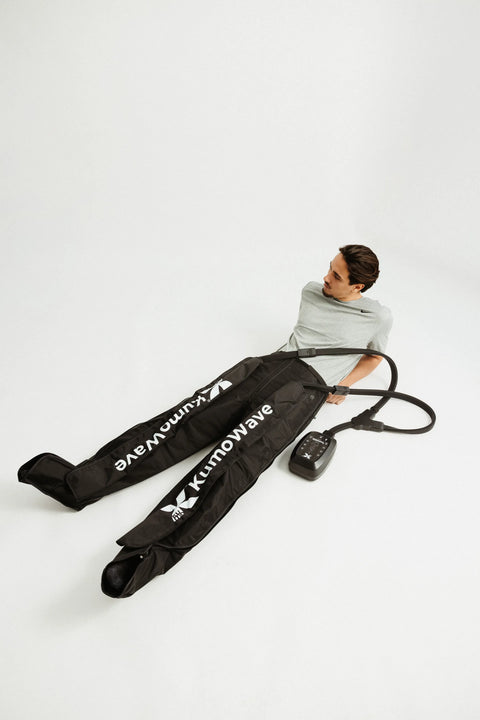
KumoWave Elite – Pressotherapy Pants
Full-coverage trousers. Ideal for lipedema, fluid retention and intensive use.
€799,00 €999,00

KumoWave 2.0 - Wireless Pressotherapy
Wireless, lightweight boots. Perfect for daily use and recovery.
€499,00 €599,00