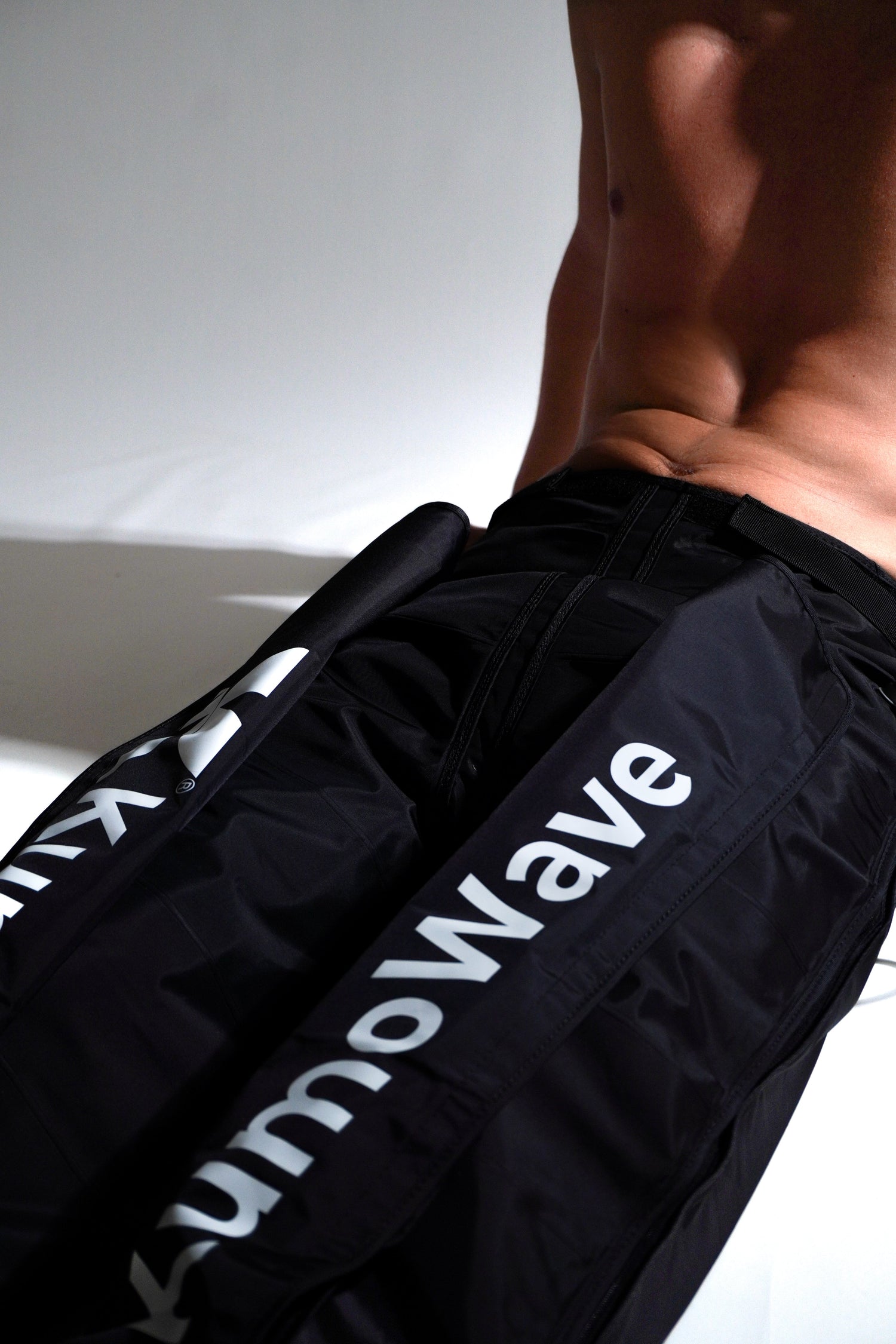
Muscle soreness (DOMS) can make moving around the next day a challenge.
If you've increased the intensity, tried a new exercise, or done many negative (eccentric) repetitions, it's normal to experience delayed onset muscle soreness ( DOMS). In this article, you'll find out exactly what DOMS is, how long it lasts, how to differentiate it from an injury, and, above all, practical (and realistic) habits to alleviate stiffness and improve recovery. You'll also see how recovery technologies like those developed by Kumo can fit into a wellness routine, without promising miracles.
Pressotherapy at home
End the day with light legs
★★★★★ 4,8/5 · rated by verified customers
KumoWave pressotherapy boosts circulation and helps drain fluid with sequential compression, in 20-minute sessions at home.
- Boosts circulation and helps drain fluid
- Chamber-based compression, adjustable to you
- Sequential compression that mimics manual drainage
€799,00€999,00
−10% on your 1st order when you subscribe to the newsletter

To learn about the brand's philosophy and recovery solutions, you can visit Kumo's official website .
What is DOMS (muscle soreness) and why does it occur?
Quick (and useful) definition
DOMS stands for Delayed Onset Muscle Soreness , which is muscle pain and stiffness that appears late after a strenuous or unusual workout. It usually starts 1 to 3 days later and gradually improves as the tissue recovers. The Cleveland Clinic describes it as a common phenomenon after "challenging" muscles with a stimulus they are not used to.
Personalized protocol · included with your purchase
Want us to tell you how to use it in your case?
With your purchase, our experts prepare a personalized usage protocol for your case: sport, circulation, fluid retention, pregnancy or lipedema.
Message us on WhatsAppOur experts reply · no obligation
The most typical cause: eccentric work
Muscle soreness is especially associated with exercises involving eccentric contractions (when the muscle generates force while lengthening): slowly lowering yourself in a squat, running down a hill, controlling the descent of a pull-up, etc. Modern research links it to ultrastructural damage induced by unfamiliar exercise and subsequent local responses, with a peak of symptoms typically occurring around 48–72 hours after exertion. This is summarized in scientific reviews on the pathophysiology and diagnosis of DOMS. PubMed (review, 2018)
It is not “accumulated lactic acid”
A classic myth: “I have muscle soreness because I haven’t ‘eliminated’ the lactic acid.” In reality, lactate doesn’t explain delayed onset muscle soreness (DOMS). Experts in performance and exercise physiology have clarified this in a clear and accessible way: lactate returns to normal levels relatively quickly, while DOMS appears much later. Hospital for Special Surgery (HSS), 2019
Key takeaway: DOMS is usually a normal response to a new or intense stimulus. The important thing is to manage recovery and recognize warning signs.
−10%on your first order when you join the newsletter
We send you the code instantly. No spam.
How long does DOMS last and how does it progress?
The most common symptoms are pain and stiffness:
- Start between 24 and 72 hours after training.
- They reach their peak around 48–72 hours .
- They gradually disappear in a few days (although the perception varies depending on the person, muscle, and load).
This temporal pattern appears in both clinical practice guidelines and reviews on the subject. Cleveland Clinic (updated 12/19/2025) PubMed (review, 2018)
DOMS vs. injury: how to know if it's "normal" or if you should be worried
Typical signs of DOMS
- Dull pain and stiffness when moving, with sensitivity when touching the muscle.
- Discomfort localized in the muscles worked (not in a specific joint).
- Gradual improvement day by day.
Warning signs (consult a professional)
Seek medical evaluation if any of these signs appear:
- Disproportionate, debilitating, or unrelieved pain .
- Marked swelling , extreme weakness, or severe limitation.
- Dark urine (tea/cola type) and significant discomfort after intense exercise, due to the risk of rhabdomyolysis .
Official agencies recommend immediate medical attention if symptoms consistent with rhabdomyolysis are present, such as severe muscle pain, weakness, and dark urine.CDC/NIOSH (2025)
How to relieve muscle soreness: habits that work (and what the evidence says)
1) Active recovery: move, but with intention
For many people, the best way to "unlock" stiffness is gentle activity : a 15–30 minute walk, very light cycling, joint mobility exercises, or a long, low-intensity warm-up. It doesn't instantly "erase" DOMS, but it usually improves the feeling of stiffness and helps you maintain the habit without causing further damage.
2) Heat and cold: the “when” matters
A meta-analysis review of 32 trials (published in 2021) found that:
- Applying cold in the first hour post-exercise can reduce pain in the first 24 hours (effect observed in the analysis).
- Heat showed a reduction in pain both before and after 24 hours in the set of studies analyzed.
In practice: if you're looking for quick pain relief, early cold can help; if you're looking to ease stiffness later, heat is usually more effective. PubMed (meta-analysis, 2021)
3) Foam rolling (self-massage): small to moderate, but consistent effect
Foam rolling isn't magic, but there is some interesting evidence to support it. A meta-analysis published in 2024 (16 studies, 515 participants) concluded that foam rolling reduces perceived muscle soreness at different time points (24, 48, and 72 hours, among others), with effect sizes ranging from small to moderate depending on the time point. PubMed (meta-analysis, 2024)
How to apply it without overdoing it: 30–60 seconds per muscle group, 1–2 passes, tolerable pressure (do not endure the pain "brutally").
4) Massage: It can relieve the feeling of muscle soreness, but it doesn't "improve performance" on its own.
A systematic review and meta-analysis on sports massage (29 studies, 1012 participants) observed that massage is associated with small improvements in delayed onset muscle soreness (DOMS) and flexibility, but not with clear improvements in strength, sprint speed, jumping ability, or endurance. In other words: as a tool for comfort and a sense of recovery, it may be useful; as a sole strategy for “performance,” less so. PubMed (meta-analysis, 2020)
In a modern routine, a massage gun can make self-massage easier and more practical. At Kumo, this idea is embodied in their percussion device, designed to work muscle tissue in a localized way: KumoPulse Air .
5) Stretching: useful for moving better, but don't expect it to "eliminate" muscle soreness.
Gentle stretching may improve your sense of mobility, but if your goal is to significantly reduce DOMS, the evidence is unfavorable. The Cochrane review (updated 2022) concludes that stretching before/after exercise does not produce clinically important reductions in delayed onset muscle soreness (DOMS). Cochrane (2022)
6) Sleep, hydration and food: the “ground” on which everything rests
When you have DOMS, your body is working on repair and adaptation. That's why it's important to take care of the basics:
- Sleep: prioritize regularity and sufficient hours. If you don't sleep enough, everything "weighs more," including pain.
- Hydration: it is not a direct treatment for DOMS, but it does help with general well-being and better tolerate the sessions.
- Nutrition: Consume sufficient protein and carbohydrates to support recovery and subsequent workouts.
72-hour practical plan: what to do depending on the moment
Quick guide (for guidance) to managing DOMS
| Moment | What does it usually feel like? | What to do (habits) | What to avoid |
|---|---|---|---|
| 0–12 h | Fatigue, muscle “burden” | Gentle walking, light mobility, wholesome food, hydration | Repeat the same intense stimulus if you are already very overloaded. |
| 12–24 h | The stiffness begins | Active recovery + gentle heat if it provides relief; tolerable self-massage | Aggressive and prolonged foam rolling |
| 24–72 h | Peak of usual muscle soreness | Low/moderate activity, brief foam rolling, massage, smart rest | Training the same muscle group with heavy weights will alter your technique |
| 72 hours and onwards | Progressive improvement | Gradually return to workloads, prioritize technique, maintain mobility | “Compensating” with excessive volume due to anxiety |
Recovery technologies: how they fit in (without replacing habits)
If you train regularly, recovery isn't an "extra": it's part of the system. This is where premium solutions like Kumo 's can help create consistency (which in the long run is often more important than any one-off trick).
Red light / photobiomodulation: what is known about DOMS
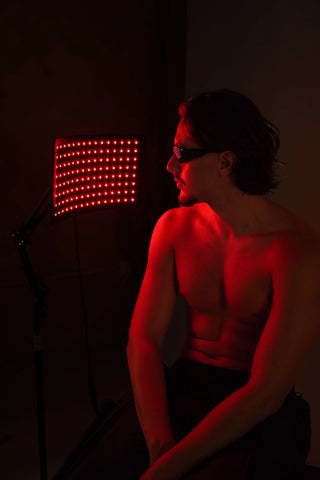
Photobiomodulation (often called “red light” in wellness contexts) is being investigated for its potential effects on pain and recovery markers. A meta-analysis published in 2025 on photomodulation therapy for DOMS found reductions in pain (VAS) at around 72 and 96 hours in the included studies (with a moderate overall effect at those time points), and improvements in strength at some time points. MDPI (meta-analysis, 2025)
At the same time, not all trials find benefits, and the response depends on various parameters (wavelength, dose, timing). If you're interested in incorporating it into your self-care routine, Kumo offers solutions in its LED light therapy collection.
Pressotherapy (intermittent pneumatic compression): mixed evidence in “muscle soreness”
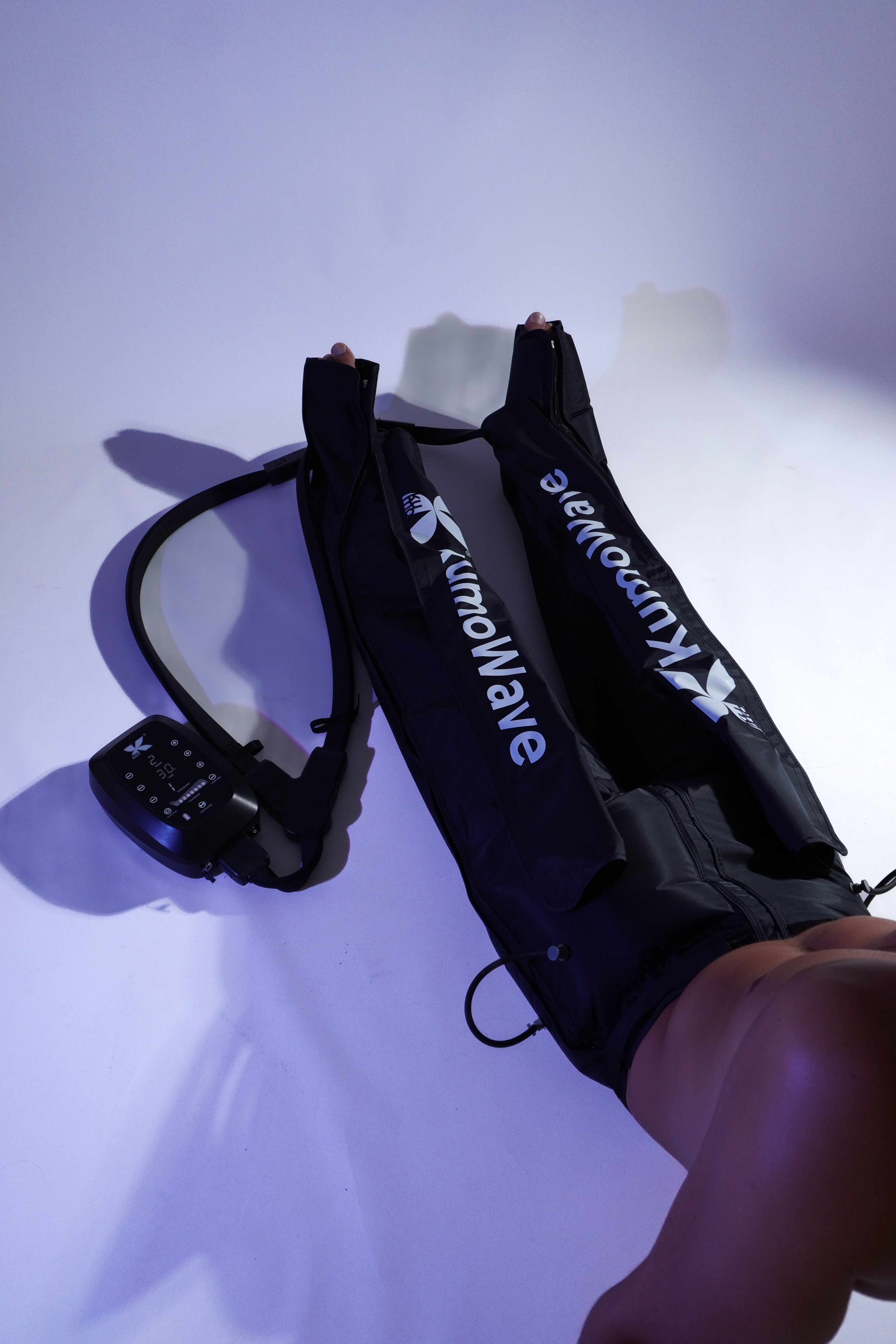
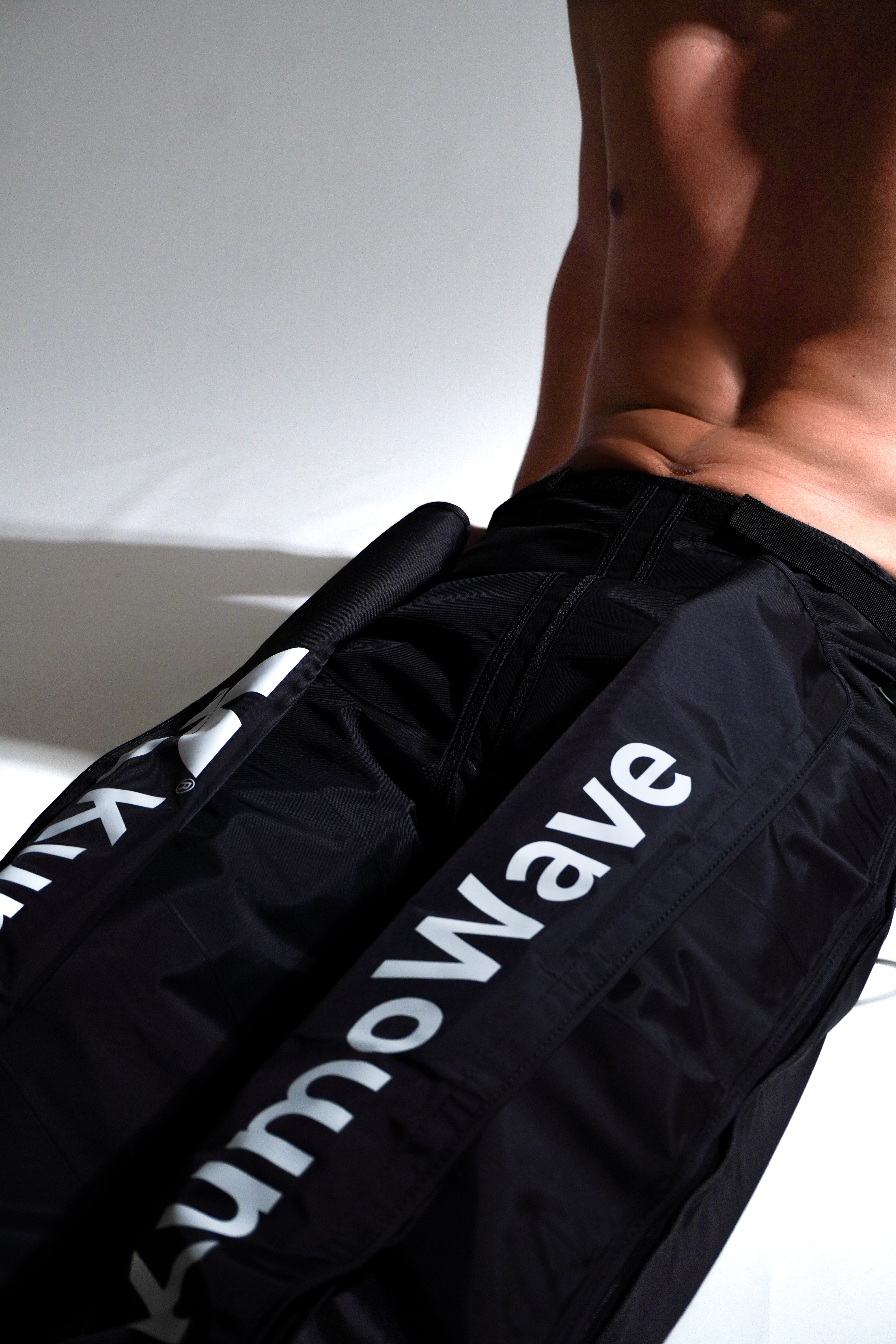
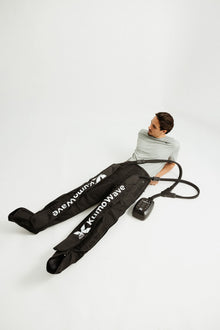
Pressotherapy aims to promote venous return and a feeling of lightness in the legs. Regarding DOMS (Delayed Onset Muscle Soreness), a systematic review with meta-analysis published in 2025 (on muscle recovery) concluded that, with moderate-certainty evidence, intermittent pneumatic compression applied after exercise did not reduce muscle soreness at 24 hours compared to a control group. PubMed (meta-analysis, 2025)
Does that mean it's "useless"? Not necessarily for everything: many people use it for comfort and relief, especially for tired legs. If you want to explore it as a wellness tool (beyond just DOMS), you can check out Kumo's pressotherapy collection .
Percussion and self-massage: from "I feel better" to a sustainable habit
The practical value of percussion lies in its flexibility : it allows you to perform short (3–8 minute) release sessions in key areas (quadriceps, calves, glutes, back) without needing appointments. If there is severe DOMS, prioritize tolerable pressure and avoid focusing on very painful spots or joints.
How to reduce DOMS in the future (while still making progress)
Intelligent progression: less “punishment”, more continuity
- Increase volume or intensity gradually: severe DOMS usually occurs when the load jump is large.
- Introduce eccentrics with care: if you're going to emphasize negatives, start with a few series.
- Respect the "repeated bout effect": progressively repeating a stimulus usually reduces muscle soreness over time (your body adapts). This is observed in research on the attenuation of damage markers and DOMS after repeated sessions. PubMed (2015)
Concrete examples (real life)
- You return to the gym after 3 weeks: instead of "getting back to your weight", reduce by 20-30% and leave 2-3 reps in reserve.
- First route with long descents: alternate sections of walking downhill and lower the total volume (the descents are very punishing for the eccentric).
- New WOD or HIIT: Limit the intense eccentric part (deep squats, lunges) on the first day and repeat a gentler version 3–5 days later.
Frequently Asked Questions about DOMS and recovery with Kumo
Does Kumo red light help with muscle soreness (DOMS)?
“Red light” is related to photobiomodulation, a field that has been studied in DOMS with varying results depending on the dose and protocol. A 2025 meta-analysis found pain reductions around 72–96 hours in the included studies, although not all trials show the same effect. If you want to incorporate it into your routine, think of it as a complement to basic habits (sleep, nutrition, progressive overload), not as a replacement. To explore options, check out Kumo’s LED therapy section.
When should I use Kumo compression therapy after training if I have stiff legs?
Pressotherapy is often used for the relief and well-being it provides to heavy legs. In DOMS (Delayed Onset Muscle Soreness), the evidence regarding pain reduction is mixed: a meta-analysis (2025) found no reduction in pain at 24 hours on average compared to the control group. Even so, many people incorporate it into their routines on days with heavy leg strain, travel, or long periods of sitting. If you find it relaxing and helps you stay consistent, it can be useful as a recovery habit, always avoiding overdoing it if there is acute pain or signs of injury.
How to use a Kumo massage gun to relieve stiffness without worsening the pain?
In DOMS, less is often more: work for 30–45 seconds per area at a moderate intensity, prioritizing sweeping motions across the muscle and avoiding extremely sensitive spots. Do not use it on joints or localized sharp pain. A short session can be combined with gentle walking and localized heat. For an option designed for convenient self-massage, consider the KumoPulse Air percussion device. If the pain is disproportionate or there is severe swelling, consult a healthcare professional.
What should I do if I have such severe muscle soreness that it changes my training technique?
If DOMS (Delayed Onset Muscle Soreness) is affecting your technique, the smartest thing to do is modify your workout : reduce the load, shorten the range of motion if you're stiff, switch to movements that don't irritate the muscles (for example, upper body exercises if your legs are too heavy), or do an active recovery session. Forcing an "unbalanced" technique increases the risk of injury due to poor mechanics. Prioritize regaining proper movement within 24–48 hours before resuming heavy lifting. And if you experience acute joint pain or significant asymmetries, seek medical evaluation.
So what now?
If you want to make recovery a simple routine (not an emergency solution), focus on basic habits and, if it suits you, on wellness technology. Discover Kumo's pressotherapy and LED therapy options, or complement your daily routine with self-massage. If you need guidance on which tool is best for you, you can contact us through our contact page .
KumoWave pressotherapy
Choose your at-home pressotherapy
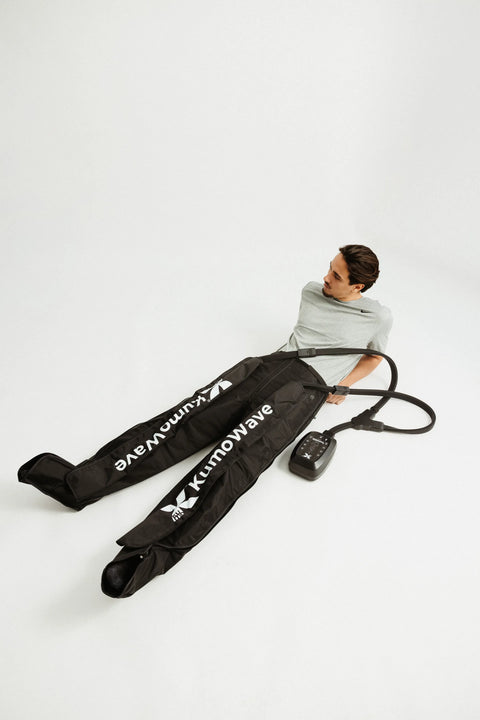
KumoWave Elite – Pressotherapy Pants
Full-coverage trousers. Ideal for lipedema, fluid retention and intensive use.
€799,00 €999,00
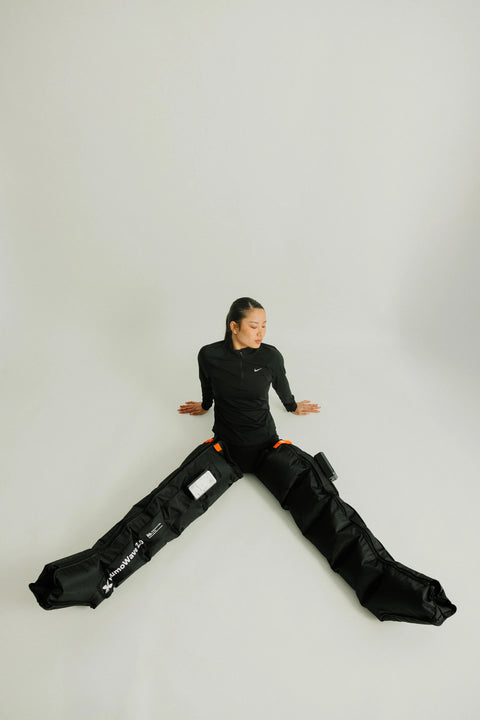
KumoWave 2.0 - Wireless Pressotherapy
Wireless, lightweight boots. Perfect for daily use and recovery.
€499,00 €599,00