
Relieving tired legs at home is easier than you think. Home compression therapy has become an effective tool for reducing heaviness, swelling, and pain in the legs, without the need to always go to a clinic. In this article, you'll see what it is, how it works, when it's safe, and how to integrate it into your daily routine to notice real results.
What is pressotherapy and how does it work?
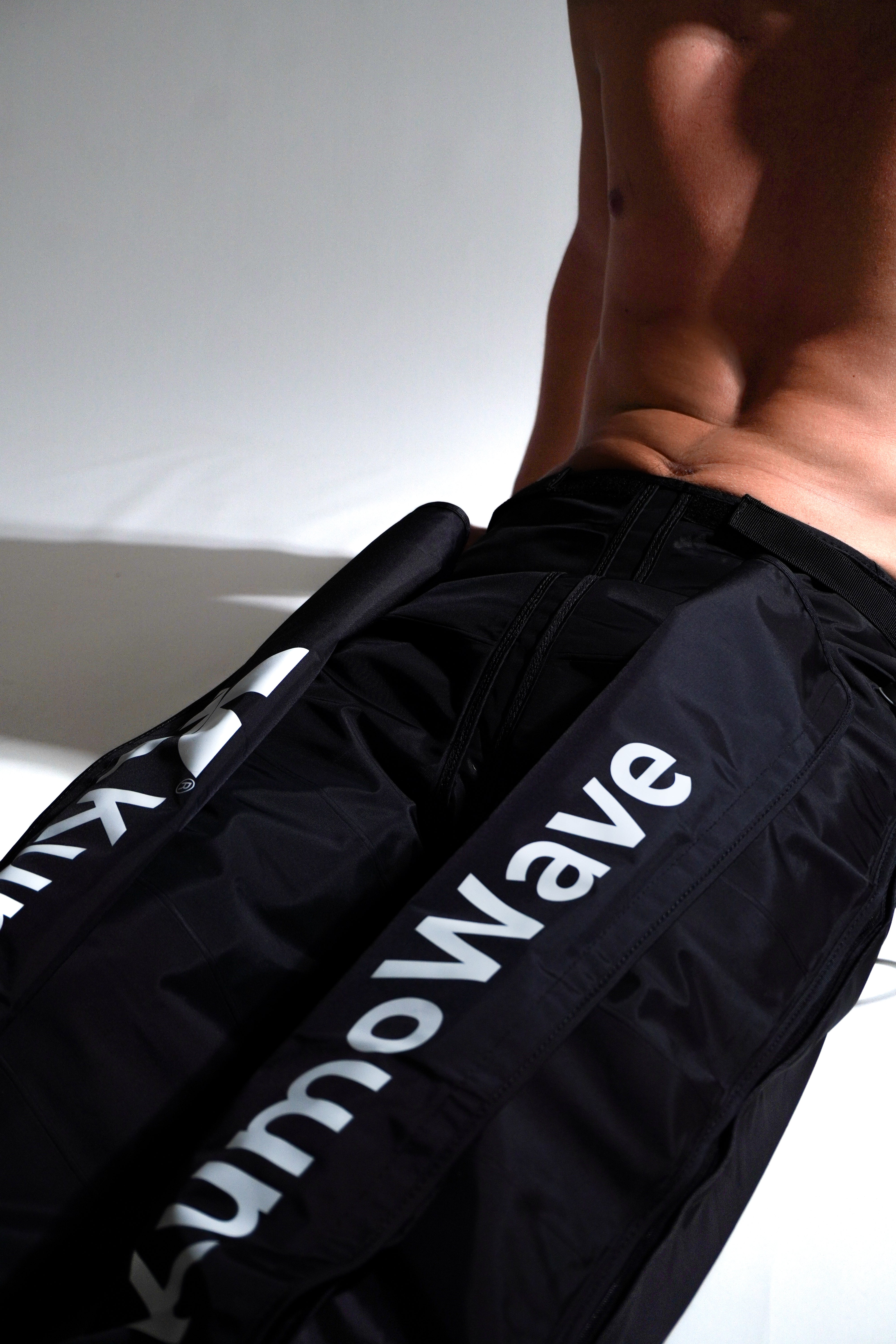
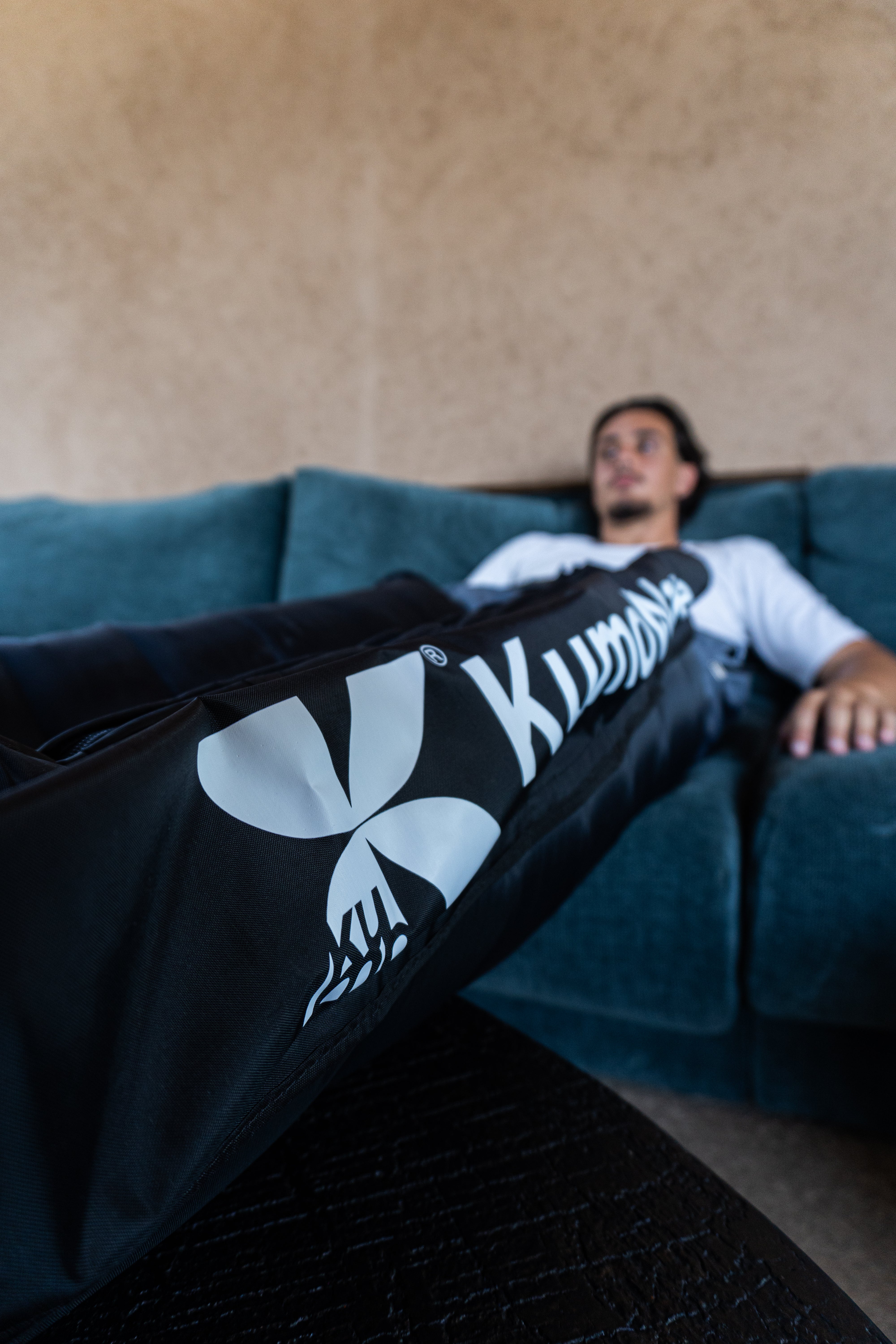
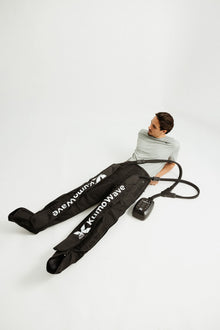
Pressotherapy is a technique that uses air chambers that inflate and deflate sequentially around the legs. This intermittent pneumatic compression system mimics the effect of a deep massage, pushing blood and lymph from the feet toward the heart to improve circulation and reduce fluid retention. ( en.wikipedia.org )
Pressotherapy at home
End the day with light legs
★★★★★ 4,8/5 · rated by verified customers
KumoWave pressotherapy boosts circulation and helps drain fluid with sequential compression, in 20-minute sessions at home.
- Boosts circulation and helps drain fluid
- Chamber-based compression, adjustable to you
- Sequential compression that mimics manual drainage
€799,00€999,00
−10% on your 1st order when you subscribe to the newsletter

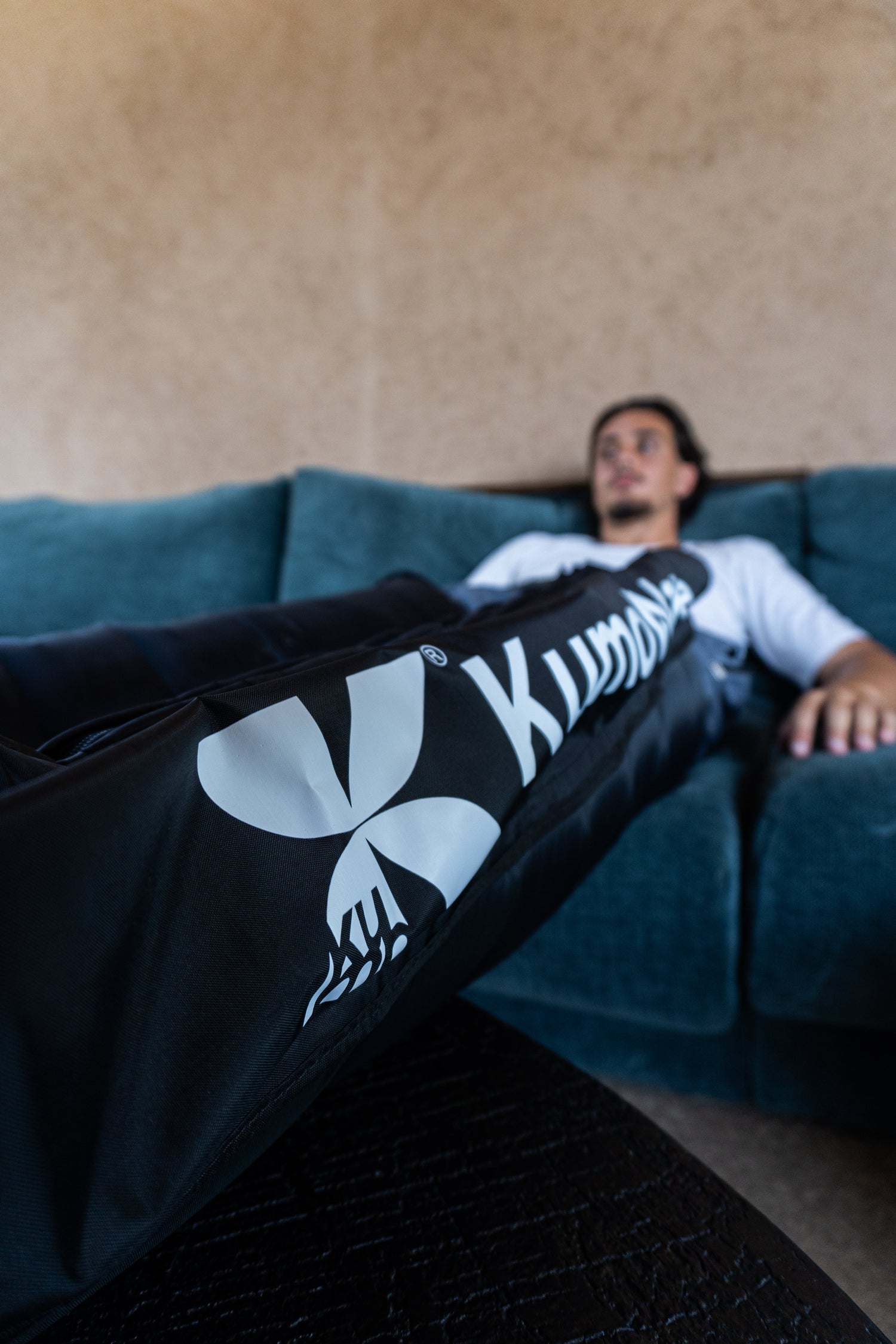
For years, this technology has been used in hospitals and clinics to prevent deep vein thrombosis and treat edema or lymphedema. Today, that same technology has been adapted into compression boots for home use , easy to use in your living room. At KUMO, this approach is combined with design and technology so that recovery becomes a natural part of your lifestyle.
Essentially, pressotherapy gently "squeezes" the legs so that blood and lymph move better and stop stagnating in the ankles and calves.
Personalized protocol · included with your purchase
Want us to tell you how to use it in your case?
With your purchase, our experts prepare a personalized usage protocol for your case: sport, circulation, fluid retention, pregnancy or lipedema.
Message us on WhatsAppOur experts reply · no obligation
Benefits of home pressotherapy for tired legs
Relief from heaviness and pain after many hours on your feet
If you spend your day standing, sitting, or with limited movement, it's normal to end up with heavy, aching legs . A clinical study of adults who worked long hours on their feet showed that 60 minutes of intermittent pneumatic compression significantly reduced pain and swelling compared to rest alone. ( pmc.ncbi.nlm.nih.gov )
Thanks to sequential air massage , compression boots relieve muscle tension, reduce the feeling of "burning legs" at the end of the day, and provide a quick sensation of lightness. Using them at home allows you to apply this effect precisely when you need it most: after work, after a workout, or before bed.
Improved venous and lymphatic circulation
Tired legs are often related to poor venous circulation or lymph that doesn't drain properly. Intermittent pneumatic compression is designed precisely to increase the flow of blood and lymph from the legs to the torso , helping to reduce venous and lymphatic stasis. ( en.wikipedia.org )
on your first order when you join the newsletter
We send you the code instantly. No spam.
For people with mild venous return problems or a tendency towards swelling, pressotherapy can be a useful complement to classic measures such as elevating the legs, walking daily, and weight management . It does not replace medical treatment when necessary, but it can reinforce the self-care measures recommended by your healthcare professional.
Reduction of swelling and fluid retention
Many people associate tired legs with swollen ankles, sock lines , or a balloon-like feeling at the end of the day. Pressotherapy promotes the drainage of fluids accumulated in the tissues , helping to reduce volume and the sensation of pressure. ( alchafisioterapia.es )
In chronic lymphedema and edema, home pneumatic compression devices have been shown to help maintain limb volume and improve quality of life when used as part of a supervised self-care program. ( pubmed.ncbi.nlm.nih.gov )
Deep relaxation and recovery after exercise
Beyond improving circulation, many people use pressotherapy at home as a recovery ritual after sports or intense workouts. The rhythmic massage helps to:
- Relax the muscles of your legs and feet.
- Accelerate the elimination of metabolites from exertion (such as lactate).
- Reduce the feeling of muscle soreness and stiffness.
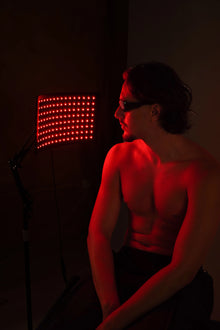
By combining your compression boot sessions with recovery technologies such as red light therapy or massage guns, you can create an optimal environment for muscle regeneration and rest.
Is it safe to do pressotherapy at home?
Contraindications and when you should NOT use it
Although pressotherapy is generally safe, it is not indicated in all cases . Physiotherapy and vascular medicine professionals remind us that it should be avoided or limited by people with the following conditions: ( alchafisioterapia.es )
- Acute deep vein thrombosis (DVT) or suspected DVT.
- Severe heart failure or decompensated heart problems.
- Active skin infections, open wounds, uncontrolled ulcers, or burns in the area.
- Severe peripheral arterial disease.
- Active cancer not evaluated by a specialist.
- Uncontrolled hypertension.
In case of pregnancy, diabetes, history of thrombosis or recent surgery, the rule is clear: always consult a doctor before using pressotherapy at home .
When to consult a healthcare professional
Seek prior medical evaluation if:
- You have sudden swelling in one leg, intense pain, or a change in color (it could be an emergency).
- You have very pronounced varicose veins, venous ulcers, or a diagnosed chronic venous insufficiency . ( es.wikipedia.org )
- You take anticoagulants or have a history of clotting problems.
- Have you recently undergone surgery (orthopedic, cosmetic, vascular, abdominal…)?
A specialist can tell you if home pressotherapy is suitable for you, what pressure to use, how long to use it, and how to combine it with other measures (compression stockings, medication, exercise, etc.).
How to do pressotherapy at home step by step
Prepare the environment and your body
- Light hydration : Drink a glass of water 15–30 minutes before the session to promote drainage, unless otherwise directed by your doctor.
- Comfortable clothing : it is usually recommended to wear thin stockings or very light trousers to put your legs into the boots.
- Proper posture : lie down or sit with your legs slightly elevated; avoid twisting your hips or knees.
- Avoid using greasy creams right before : they can damage the equipment materials or make you sweat excessively.
Properly adjust the compression therapy boots
- Position the boots so that there are no folds of fabric or excessively compressed areas.
- Make sure the closure does not press directly on the knee or bony prominences.
- Select a gentle initial program if it's your first time, gradually increasing according to tolerance and the manufacturer's instructions.
- Check that, during the session, the toes do not turn whitish or purple and that no sharp pain appears.
If you use specific boots for home use, such as those from the KUMO pressotherapy collection , always follow the manual and safety recommendations included with the product.
Duration, frequency, and time of day
Recommendations may vary depending on the device and your personal situation, but in general:
- Approximate duration : between 20 and 45 minutes per session for tired legs without serious pathology, unless otherwise indicated by your professional.
- Frequency : 3 to 5 times per week is usually sufficient for maintenance; during periods of higher workload (travel, long shifts, intense training) you can increase the frequency if you tolerate it well. ( alchafisioterapia.es )
- Best time : at the end of the day, after showering, or after training, when you notice the heaviness the most.
Always listen to your body: if you notice discomfort, dizziness, palpitations or unusual pain, stop the session and consult a doctor.
Integrate pressotherapy into a complete leg care routine
Habits that enhance the effects
Home pressotherapy works best when integrated into a comprehensive vascular care strategy :
- Walking daily (ideally 30 minutes) to activate the calf muscle pump. ( es.wikipedia.org )
- Avoid sitting or standing for long periods of time ; if you can't, take short breaks to move your ankles and knees.
- Elevate your legs for about 15–20 minutes at the end of the day.
- Maintain a healthy weight and a low-salt diet to reduce fluid retention.
- Use medical compression stockings when prescribed by a specialist.
Table: Common symptoms of tired legs and how home compression therapy can help
| Main symptom | What do you feel on a daily basis? | How does pressotherapy at home help? | Extra habits that enhance it |
|---|---|---|---|
| Heaviness at the end of the day | Hard legs, feeling like “bricks” | It improves venous and lymphatic return, relieving heaviness. | Walk, elevate your legs, avoid very tight clothing |
| Swollen ankles | Sock brand, shoes that pinch | It promotes the drainage of fluids accumulated in the feet and ankles. | Reduce salt, stay hydrated, avoid standing for long periods |
| Mild nighttime cramps | Punctures or "pulses" at night | It relaxes the muscles and improves peripheral circulation | Gentle stretching before bed, good hydration |
| Fatigue after training | Sore legs, muscle aches | It accelerates the elimination of waste products from muscle metabolism. | Warm-up and cool-down, massage and stretching |
| Mild tingling sensation | Tingling in feet and calves | It stimulates superficial and deep blood flow | Change posture frequently, ankle exercises |
Combining pressotherapy with other recovery technologies
Home pressotherapy can be the main focus of your routine for tired legs, but it doesn't have to be the only thing:
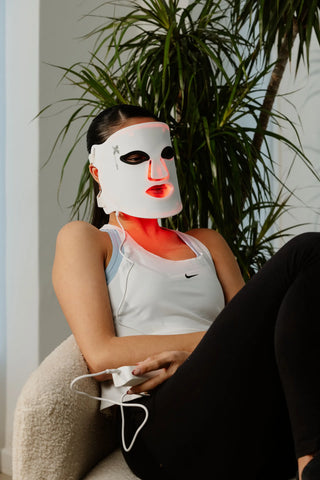
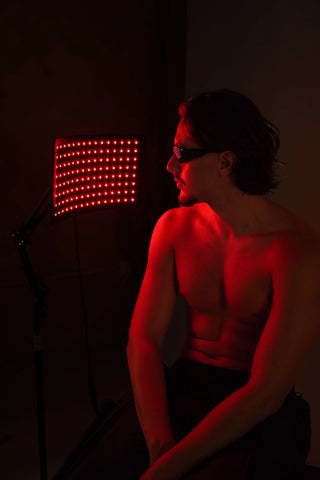
- Red LED light therapy can support tissue regeneration and muscle recovery; you can explore it in the LED therapy section of KUMO .
- A massage gun, when used correctly, helps to release localized tension points (gastrocnemius, soleus, plantar fascia); one example is KumoPulse Air , designed for convenient use at home.
- Manual massages and joint mobility exercises complement the effect of the boots, especially in areas where the air chambers do not reach (hips, buttocks).
Choosing the right combination will depend on your goals: aesthetics, athletic performance, relief from workload, preparation for long journeys, etc.
How to choose compression boots for home use
When choosing a home pressotherapy device, consider the following:
-
Design and ergonomics
- Boots that cover from the foot to the thigh or at least to the knee.
- Comfortable, breathable and easy-to-clean materials. -
Programs and pressure levels
- Several modes (sequential, waves, etc.) to suit your comfort level.
- Adjustable pressure range within the limits recommended by the manufacturer. -
Ease of use
- Intuitive panel, pre-configured session times, clear operating indicators.
- Quick assembly and storage so you can actually use it regularly. -
Safety and quality
- Appropriate health certifications according to your country.
- Clear manual with contraindications and advice for responsible use. -
Brand support and philosophy
- That the brand focuses on well-being, recovery and reliable technology , not just on the aesthetic aspect.
- At KUMO, for example, pressotherapy is part of a recovery ecosystem that includes LED light, massages and other devices aimed at improving daily well-being, available in their pressotherapy collection .
Frequently asked questions about home pressotherapy
How many times a week is it recommended to do pressotherapy at home?
For tired legs without serious underlying conditions , many people find relief using compression therapy 3 to 5 times per week, with sessions lasting 20–40 minutes. During periods of increased activity (such as peak work season, intense training, or long trips), you can increase the number of sessions if you tolerate them well. It's always advisable to start with a lower frequency and gradually increase it, observing how your body responds. If you have a diagnosed venous disease or lymphedema, follow the plan prescribed by your doctor or physiotherapist.
Does at-home pressotherapy replace exercise or compression stockings?
No. Pressotherapy is a complement , not a substitute. The primary treatment for chronic venous insufficiency remains regular exercise (walking), elevating the legs, and, when indicated, the use of medical compression stockings. ( es.wikipedia.org )
Compression therapy boots provide added relief and comfort, especially at the end of the day or after prolonged exertion. If your specialist has prescribed compression stockings or an exercise program, follow those instructions and add compression therapy as a supplement, never as a replacement for the prescribed treatment.
Can I use pressotherapy if I'm pregnant?
During pregnancy, it's common to experience swollen and heavy legs , but you shouldn't start compression therapy at home on your own. Although intermittent pneumatic compression is used in medical settings, pregnancy alters circulation and increases the risk of thrombosis, so it's essential that your gynecologist or vascular surgeon assesses your specific case. ( en.wikipedia.org )
Sometimes they may recommend simpler measures (gentle exercise, compression stockings, leg elevations). If you are ultimately authorized for pressotherapy, strictly adhere to the type of equipment, pressure, and duration specified.
How long does it take to notice relief from tired legs?
Many people notice an immediate feeling of lightness and reduced pressure from the first session, especially if their legs were very heavy. In studies with workers who spend many hours on their feet, pain and swelling were significantly reduced after about 60 minutes of pneumatic compression , compared to resting without the device. ( pmc.ncbi.nlm.nih.gov )
However, for more stable changes in leg volume and daily comfort, consistency over several weeks is usually necessary, combining pressotherapy with good habits (movement, hydration, weight control, etc.).
So what now?
If you want to make relieving tired legs at home a simple habit, the next step is to design your own routine: usage time, time of day, and the technologies you want to combine (pressotherapy, LED light, massage, etc.). You can discover KUMO's recovery approach by visiting their homepage and exploring their range of pressotherapy, LED light, and massage devices designed for home use. And if you still have questions about which device is best for you, you can contact the team through the contact page for personalized guidance.
KumoWave pressotherapy
Choose your at-home pressotherapy
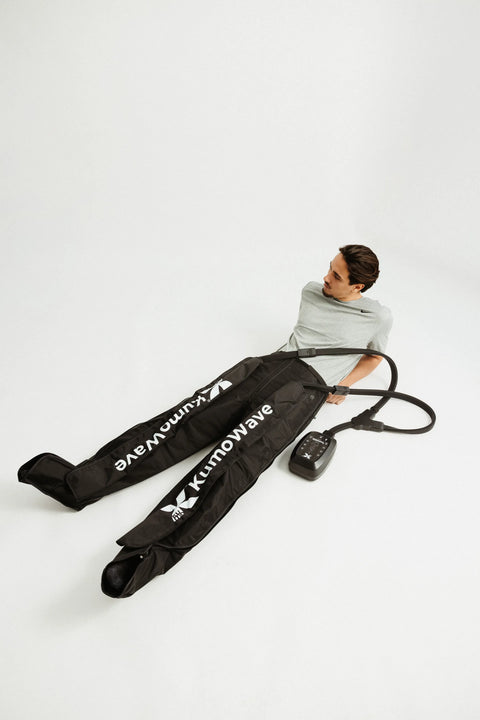
KumoWave Elite – Pressotherapy Pants
Full-coverage trousers. Ideal for lipedema, fluid retention and intensive use.
€799,00 €999,00
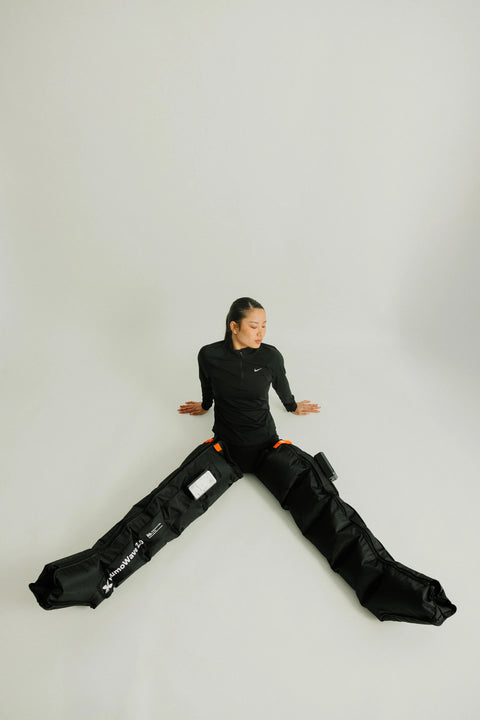
KumoWave 2.0 - Wireless Pressotherapy
Wireless, lightweight boots. Perfect for daily use and recovery.
€499,00 €599,00