
Home pressotherapy for cellulite.
Most people looking to reduce the appearance of cellulite want real, practical solutions that they can easily integrate into their daily routine. At-home pressotherapy has become one of the most effective tools for improving circulation, aiding fluid drainage, and consequently, smoothing the appearance of cellulite when combined with healthy habits.
Pressotherapy at home
End the day with light legs
★★★★★ 4,8/5 · rated by verified customers
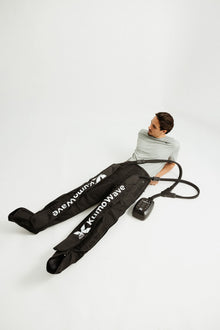
KumoWave pressotherapy boosts circulation and helps drain fluid with sequential compression, in 20-minute sessions at home.
- Boosts circulation and helps drain fluid
- Chamber-based compression, adjustable to you
- Sequential compression that mimics manual drainage
€799,00€999,00
−10% on your 1st order when you subscribe to the newsletter

What is pressotherapy and how is it related to cellulite?
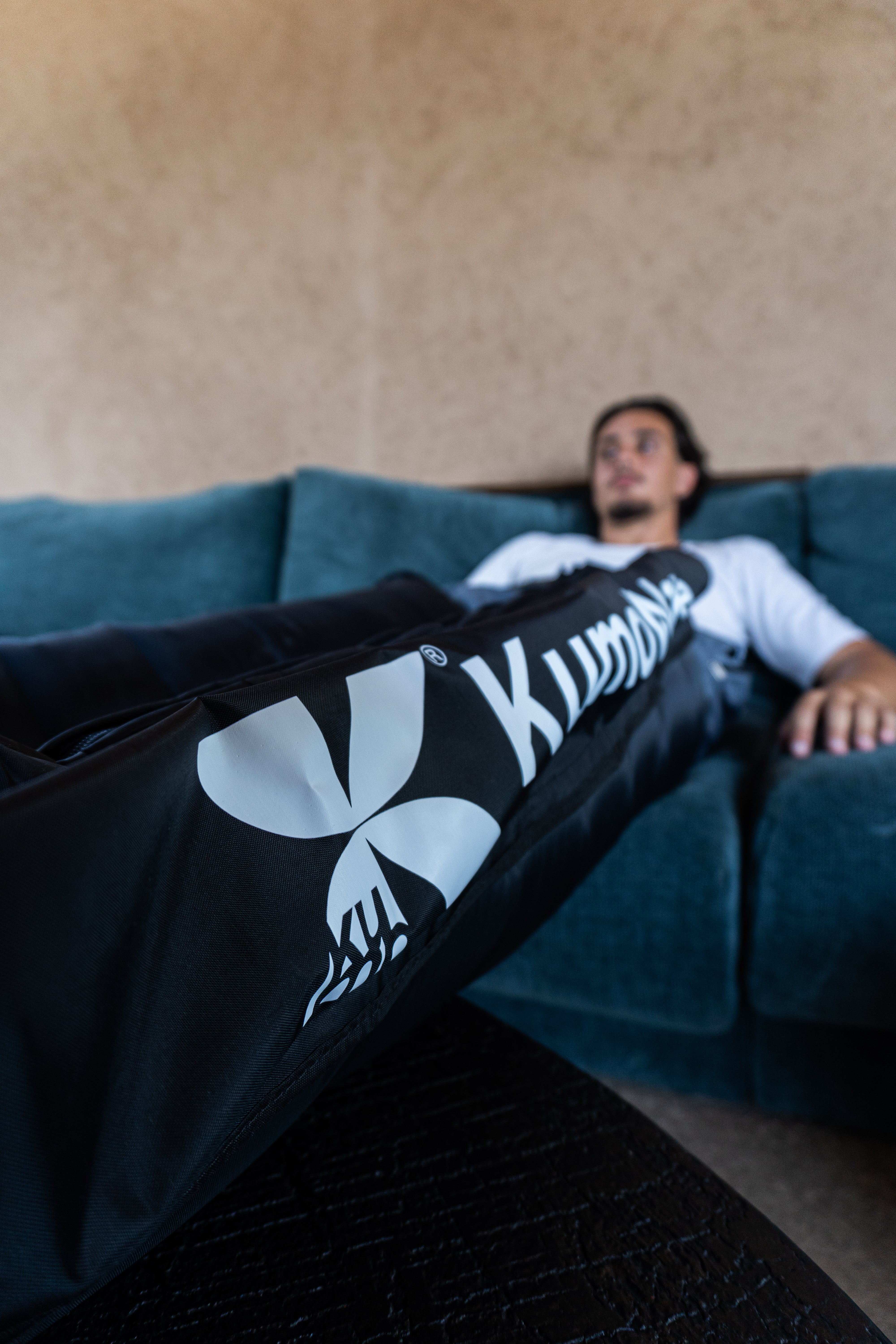
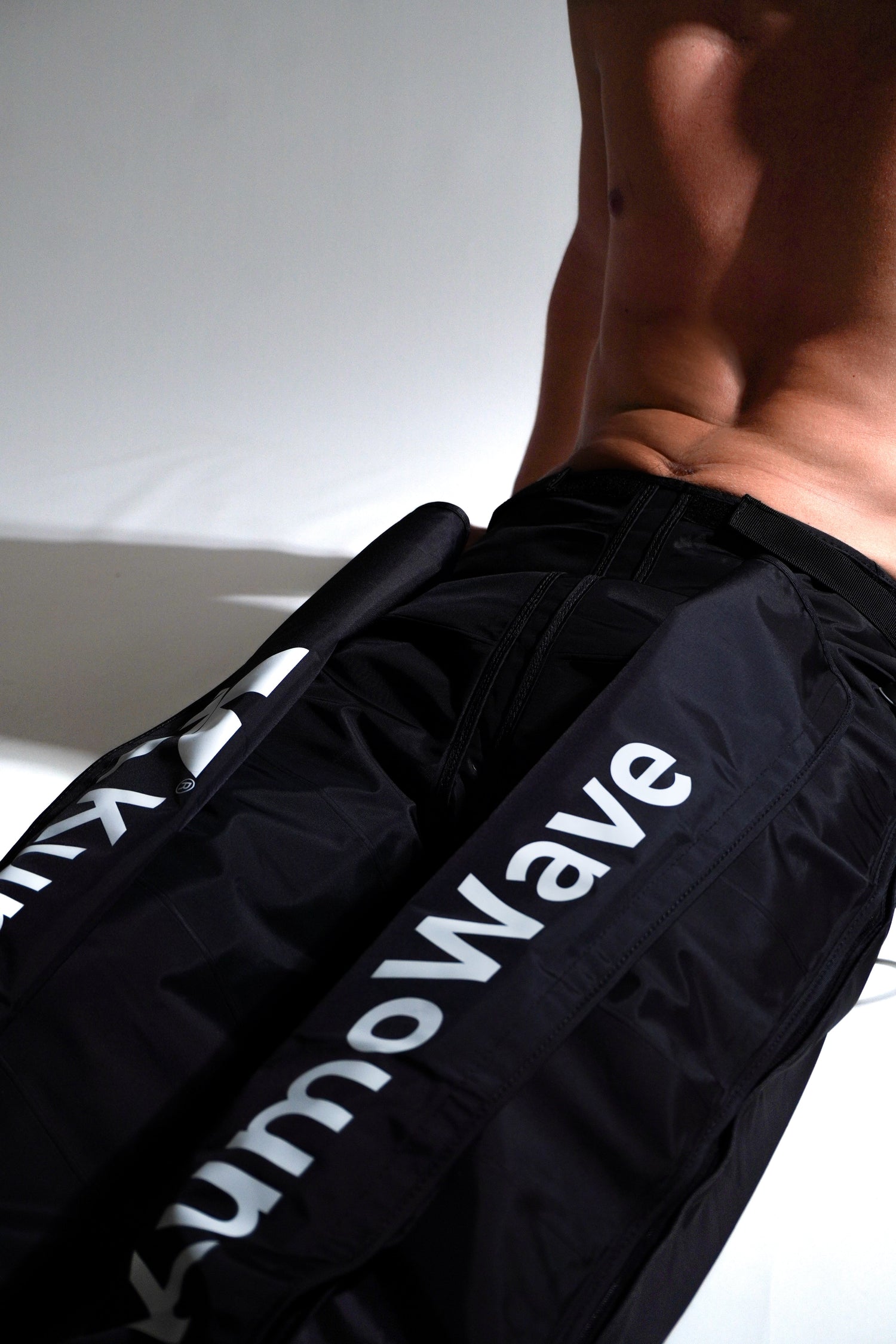
Pressotherapy is a technique that uses sequential pneumatic compression through boots or sleeves that inflate and deflate rhythmically. This movement exerts gradual pressure from the feet upwards, promoting venous return and lymphatic drainage. It is a technology widely used in medical settings to treat edema, lymphedema, and circulatory problems, and also in the prevention of deep vein thrombosis. ( my.clevelandclinic.org )
Aesthetic cellulite (gynecoid lipodystrophy) is a very common subcutaneous tissue disorder—it is estimated to affect between 85 and 95% of women throughout their lives—and is characterized by the classic orange peel appearance, especially on the thighs, buttocks and abdomen. ( cun.es )
Personalized protocol · included with your purchase
Want us to tell you how to use it in your case?
With your purchase, our experts prepare a personalized usage protocol for your case: sport, circulation, fluid retention, pregnancy or lipedema.
Message us on WhatsAppOur experts reply · no obligation
Although it is not a serious illness , it is related to factors such as fluid retention, microcirculation disorders, hormonal changes, sedentary lifestyle, and inadequate diet. ( saludsavia.com ) Therefore, any strategy that improves circulation and fluid drainage can be an ally in a comprehensive plan against cellulite.
Pressotherapy does not "cure" cellulite, but it can improve the circulatory and lymphatic environment of the tissues, and thus the appearance of the skin when integrated into a comprehensive approach.
Benefits of at-home pressotherapy for cellulite
Improved venous return and lymphatic drainage
The main effect of pressotherapy is mechanical : by inflating and deflating in sequence, the boots encourage venous blood and lymph to ascend towards the heart and lymph nodes.
on your first order when you join the newsletter
We send you the code instantly. No spam.
Studies on intermittent pneumatic compression show that this type of therapy helps mobilize fluid accumulated in tissues, reduce edema, and improve skin elasticity in the context of lymphedema and chronic edema. ( pubmed.ncbi.nlm.nih.gov )
In a body prone to cellulite—especially during edematous phases—this draining effect can contribute to:
- Reduce the feeling of heaviness and swelling in the legs.
- Reduce localized fluid retention .
- Create a more favorable environment for the skin to regain firmness.
Impact on the appearance of “orange peel”
It's important to be realistic: there is no single treatment that will permanently eliminate cellulite. The best results usually come from a combination of several approaches (movement, diet, skincare, aesthetic technologies). ( mayoclinic.org )
Home pressotherapy can help with:
- To smooth out minor irregularities associated with edema and poor circulation .
- Improves tissue oxygenation and nutrition , which promotes smoother skin.
- to enhance the visual effect of other treatments (cosmetics, exercise, massage).
The changes are usually gradual : first you notice relief and lightness; over time, and if accompanied by healthy habits, you can see an improvement in the contour and texture of the skin.
Well-being, recovery, and adherence to treatment
One of the great strengths of home pressotherapy is consistency . Being able to do the sessions at home makes it easier to maintain a care routine, which is key in a chronic problem like cellulite.
In addition, compression boots are also used for:
- Relieve tired legs after many hours of standing or sitting.
- Promote muscle recovery after sport or physical work.
- Incorporate a moment of relaxation into your day, which in the long run helps to manage stress, another factor that influences cellulite.
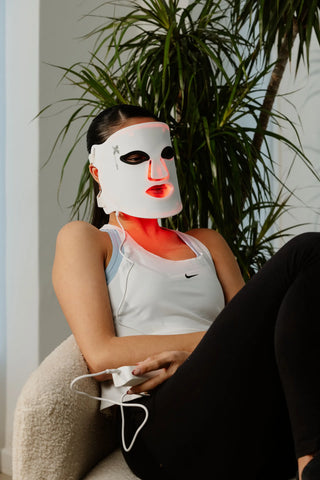
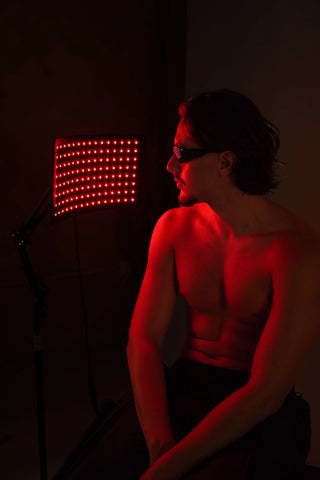
At KUMO, pressotherapy is integrated within a global philosophy of recovery and well-being, along with technologies such as red light therapy or massage guns, to make body care a daily habit.
Table: Key benefits of at-home pressotherapy against cellulite
Table: Anti-cellulite goals and how home pressotherapy helps
| Main objective | How does pressotherapy help? | What can you add? |
|---|---|---|
| Reduce fluid retention | Sequential compression that promotes drainage | Drink water, reduce salt, avoid sitting for long periods |
| Improve venous circulation | It increases the return of blood from the legs. | Walk daily, don't cross your legs |
| Soften orange peel | Less edema and more oxygenated tissues | Strength training, consistent cosmetic care |
| Relieve heaviness and tiredness in the legs | Reduces swelling and the feeling of heaviness | Active breaks, leg elevation |
| Maintaining long-term results | Facilitates regular sessions at home | Weekly routine, weight and stress control |
How to do pressotherapy safely at home
Before starting: consultation and contraindications
Although pneumatic compression devices are widespread and, when used correctly, are considered safe, they are not suitable for everyone . ( hopkinsmedicine.org )
In general, medical supervision is discouraged or required in cases of:
- Active deep vein thrombosis (DVT) or suspected clots.
- Decompensated heart failure or serious heart problems.
- Severe peripheral arterial disease.
- Skin infections, ulcers, open wounds or burns in the area.
- Certain neurological diseases with loss of sensation in the legs.
- Active cancer in the area to be treated (always consult with the specialist).
- Pregnancy, especially if the abdominal area is also to be treated: requires medical approval.
If you have any doubts, relevant medical history, or are taking medication, it is wise to consult your healthcare professional first .
Step-by-step guide to a home pressotherapy session
Each team has its own programs, but the general scheme is usually similar:
- Read the manufacturer's instructions carefully, especially the safety section.
- Get into a comfortable position (lying down or semi-reclined) where you can remain relaxed throughout the session.
- Put on the pressotherapy boots, making sure they close evenly, without wrinkles or excessive pressure points.
- Choose a gentle or beginner program the first few times, with moderate pressure. The sensation should be one of a firm massage, but never painful.
- During the session, pay attention to your sensations: if you notice pain, intense tingling, dizziness or shortness of breath , stop the treatment immediately.
- At the end, take off your boots calmly and move around a bit (flex your ankles and knees) to promote natural venous return.
- Clean surfaces in contact with the skin as directed by the manufacturer to maintain good hygiene .
Frequency and duration: how to organize your routine
There is no single protocol valid for everyone. In clinical settings, pneumatic compression is used in regular sessions over several weeks , adjusting the duration and intensity to the objective (edema, lymphedema, recovery, etc.). ( pubmed.ncbi.nlm.nih.gov )
At home, some general guidelines:
- Consistency (several days a week) is preferable to very sporadic sessions.
- Start with shorter sessions and moderate pressure, and assess how your body responds.
- Adjust the frequency according to your activity level, your job (many hours standing or sitting) and the rest of your care routine.
- If you are undergoing parallel medical treatment, always follow your healthcare professional's instructions .
Regarding results on cellulite, it is usual for visible changes to take several weeks to appear and depend a lot on how you combine pressotherapy with exercise, diet and rest.
A holistic approach: pressotherapy, exercise, nutrition and rest
Cellulite is multifactorial : genetics, hormones, habits, weight, stress level, and circulation, among other factors, all play a role. ( saludsavia.com ) Therefore, relying solely on one technology, however advanced it may be, often falls short.
Movement and muscle strength
Exercise is one of the best allies against cellulite:
- Walking daily improves venous return and helps control weight.
- Strength training (legs, glutes, core) increases muscle mass and improves skin tone.
- Avoiding prolonged periods of sitting or standing reduces venous stasis and, consequently, fluid retention.
An interesting approach is to reserve pressotherapy for after exercise, as a recovery and drainage tool, integrating it into a post-workout care routine.
Nutrition, hydration and lifestyle
Various medical and nutritional sources agree that a diet:
- Rich in fruits, vegetables and fresh foods ,
- moderate in salt, refined sugars and trans fats,
- accompanied by adequate hydration ,
It can help reduce fluid retention and maintain healthier connective tissue. ( consumer.es )
In addition, it is advisable to:
- Do not smoke (tobacco worsens microcirculation).
- Limit excessive alcohol consumption.
- Prioritize restful sleep , key to hormonal regulation and tissue recovery.
Synergies with other home care technologies
Pressotherapy can be combined with other tools to enhance skin and muscle system care:
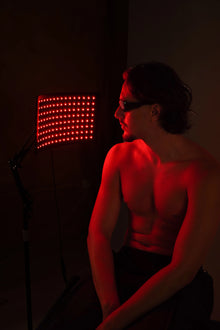
- Red LED light therapy is used to promote skin regeneration, collagen production, and muscle recovery. You can explore different devices in the LED light therapy section.
- Massage guns help release deep muscle tension, improve mobility, and prepare or relax muscles before or after exercise. One example is the KUMOPulse Air , designed to easily integrate into recovery routines.
The idea is to build a care ecosystem : movement, rest, nutrition, and well-chosen technologies that reinforce each other.
How to choose compression boots for home use
Key points to consider when choosing your equipment
Before deciding on a home pressotherapy device, consider the following:
- Areas to be treated : most devices work from feet to thighs; some include the abdominal or hip area.
- Number of chambers : more chambers usually allow for a more progressive and precise massage.
- Programs and pressure settings : it is useful to have several modes (drainage, relaxation, recovery) and to be able to adjust the intensity.
- Comfort and ergonomics : device weight, ease of putting on and taking off boots, cable length, noise level.
- Material quality and maintenance : durable covers, easy to clean and with a good finish on zippers/velcros.
- Support and clear information : manual in your language, customer service and warranties.
You can discover different options designed for home use in the pressotherapy collection , where the focus is on recovery, comfort and ease of use in everyday life.
Home pressotherapy vs. in-office pressotherapy
Both options can be complementary:
- In a professional treatment room , you usually have access to aesthetic or medical advice, personalized assessment and, sometimes, combination with other techniques (radiofrequency, massages, etc.).
- At home , the great benefit is frequency and adherence : you can perform more sessions over time, without depending on travel or external schedules.
A reasonable strategy for many people is to use pressotherapy at home for ongoing maintenance and support , reserving in-cabin sessions for periodic assessments or specific combined treatments.
Frequently asked questions about at-home pressotherapy and cellulite
How long does at-home pressotherapy take to improve cellulite?
There's no universal timeframe, because cellulite depends on many factors: genetics, hormones, weight, activity level, diet, and consistency with treatments. Some people notice less heaviness and swelling in their legs after the first few weeks of regular use. Visible changes in the skin (a slightly smoother, less "cushioned" texture) usually take several weeks or months and depend heavily on whether you combine pressotherapy with exercise, a balanced diet, stress management, and topical treatments. The most realistic approach is to think of pressotherapy as a sustained support , not a quick fix.
Does pressotherapy completely eliminate cellulite?
No. Cellulite is a chronic disorder of the subcutaneous tissue, and currently, there is no treatment that eliminates it permanently . There are methods that can noticeably improve its appearance, but the results are usually partial and temporary if skincare habits are abandoned. At-home pressotherapy can be a very useful tool for improving circulation, reducing edema, and promoting more even skin tone, but its role is complementary within a comprehensive approach that includes physical activity, diet, rest, and, if needed, other aesthetic and dermatological treatments.
Is pressotherapy or massage better for cellulite?
It's not so much a question of "better or worse," but rather of different and complementary tools . Manual massage (especially lymphatic drainage performed by trained professionals) allows for very specific action on certain areas, useful for certain types of cellulite and edema. Pressotherapy, on the other hand, offers uniform sequential compression across the entire limb, with the advantage of being easily repeatable at home. Many people combine both: regular pressotherapy for maintenance and recovery, and targeted massages at specific times. If you already use a massage gun or manual massage, pressotherapy can be a very interesting addition to your routine.
Can I use pressotherapy at home if I have varicose veins or circulatory problems?
It depends on the type and severity of the problem. Pressotherapy, and intermittent pneumatic compression in general, is used in medical settings to improve venous return and treat edema, but not all vascular conditions are the same . In cases of severe venous insufficiency, deep vein thrombosis, significant peripheral arterial disease, or ulcers , pressotherapy may be contraindicated or require very specific adjustments. Before using any device at home, it is essential that your vascular doctor or primary care physician assess your case , review your tests, and advise you on whether this type of compression is suitable for you and under what conditions.
Is home pressotherapy safe during pregnancy?
Pregnancy is a time when fluid retention and the feeling of heavy legs increase, making the idea of using compression therapy very tempting. However, there is no single answer that applies to everyone. In some situations, professionals may recommend specific compression measures; in others, they may advise against them or limit their use. Factors such as the risk of thrombosis, blood pressure, the presence of significant varicose veins, or obstetric complications have a significant influence. Therefore, it is safest not to start compression therapy on your own and always consult your gynecologist and/or doctor before using any device, specifying the particular model and how you intend to use it.
So what now?
If you want to incorporate at-home pressotherapy into a realistic cellulite-fighting plan, the next step is choosing tools that fit your lifestyle. At KUMO, you'll find a selection of at-home pressotherapy boots in our pressotherapy collection , as well as LED light therapy devices and solutions like the KUMO Pulse Air for deep muscle massage. If you're unsure what's best for you, you can contact us through our contact page, and together we can create a recovery and care routine that makes sense for you.
KumoWave pressotherapy
Choose your at-home pressotherapy
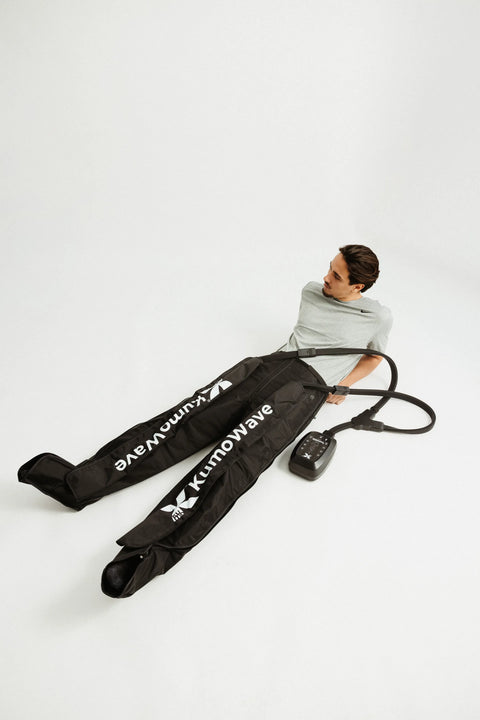
KumoWave Elite – Pressotherapy Pants
Full-coverage trousers. Ideal for lipedema, fluid retention and intensive use.
€799,00 €999,00
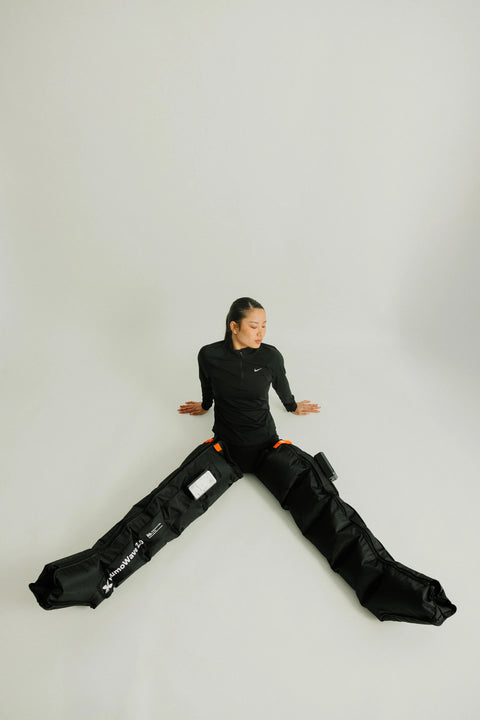
KumoWave 2.0 - Wireless Pressotherapy
Wireless, lightweight boots. Perfect for daily use and recovery.
€499,00 €599,00