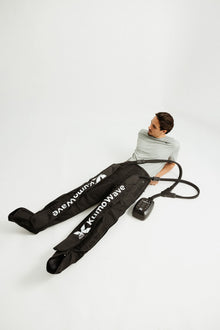

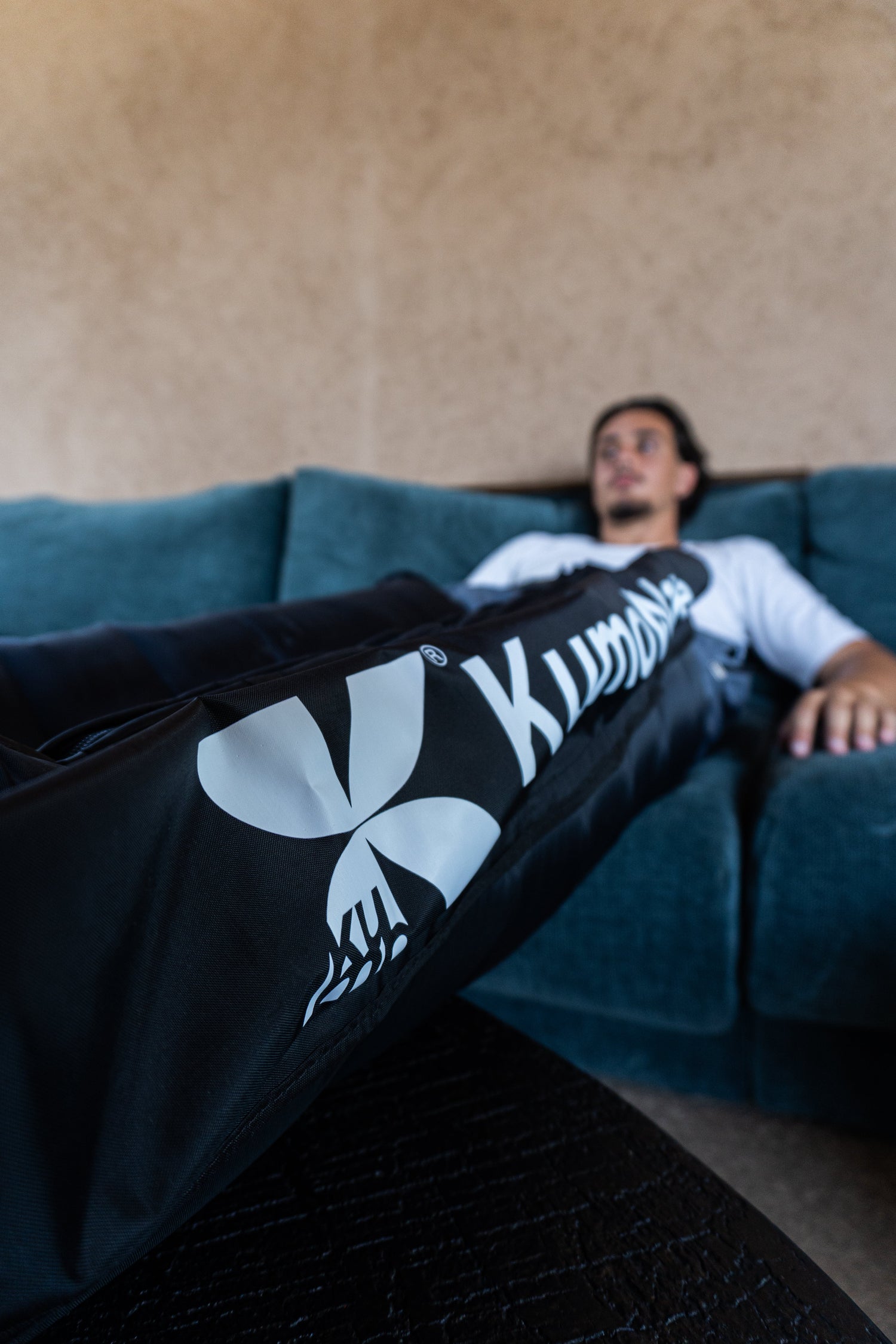
Pressotherapy at home can transform the health of your legs.
If you're looking to improve circulation, relieve heaviness, and support your daily recovery without leaving home, pressotherapy with pneumatic boots is one of the most effective and easy tools to incorporate into your routine.
In this article, you'll learn what pressotherapy is , how it affects venous and lymphatic return, how to use it safely at home , when to consult a doctor first, and how to combine it with other recovery technologies like LED light therapy or percussion massage. All with a practical, clear approach focused on real results.
Pressotherapy at home
End the day with light legs
★★★★★ 4,8/5 · rated by verified customers
KumoWave pressotherapy boosts circulation and helps drain fluid with sequential compression, in 20-minute sessions at home.
- Boosts circulation and helps drain fluid
- Chamber-based compression, adjustable to you
- Sequential compression that mimics manual drainage
€799,00€999,00
−10% on your 1st order when you subscribe to the newsletter

What is pressotherapy and how does it work?
Principle of pressotherapy (intermittent pneumatic compression)
Pressotherapy is based on intermittent pneumatic compression : boots or sleeves are inflated and deflated in programmed sequences, exerting gentle and progressive pressure from the foot to the thigh.
This mechanical effect mimics the action of the "muscle pump" in the legs when we walk:
Personalized protocol · included with your purchase
Want us to tell you how to use it in your case?
With your purchase, our experts prepare a personalized usage protocol for your case: sport, circulation, fluid retention, pregnancy or lipedema.
Message us on WhatsAppOur experts reply · no obligation
- It pushes venous blood towards the heart.
- It promotes lymphatic drainage.
- Reduces fluid retention in ankles and calves.
In clinical practice, this technology has been used for years to prevent deep vein thrombosis in immobilized patients and to improve venous return problems. Today, that same logic is being applied to safe devices adapted for home use. According to the Cleveland Clinic , this type of compression helps maintain circulation and reduce the risk of blood clots in people with limited mobility. ( my.clevelandclinic.org )
Effects on circulation and drainage
Several studies have observed that intermittent pneumatic compression increases blood flow in the legs during and after treatment, resulting in improved oxygen and nutrient delivery to the tissues. ( pubmed.ncbi.nlm.nih.gov )
Among the most relevant effects:
on your first order when you join the newsletter
We send you the code instantly. No spam.
- Improved venous return: sequential pressure partially empties the veins in the leg, reducing congestion.
- Stimulation of microcirculation: Vasodilation responses and increased blood flow have been observed even in muscles distant from the compressed area. ( pubmed.ncbi.nlm.nih.gov )
- Edema reduction: In chronic venous diseases, pneumatic compression has been shown to decrease leg volume and improve tissue oxygenation. ( mdpi.com )
In the domestic environment, these same mechanisms translate mainly into a feeling of lightness, a decrease in swelling and relief from tired legs .
Benefits of home pressotherapy
Lighter, less swollen legs
Many people use at-home pressotherapy to combat:
- Heaviness at the end of the day.
- Swelling of ankles after many hours of sitting or standing.
- Feeling of “heavy legs” after long journeys.
By promoting venous and lymphatic return, pressotherapy helps prevent excess fluid from accumulating. In a trial with people suffering from venous problems , significant reductions in ankle circumference and improved tissue oxygenation were observed after several weeks of intermittent pneumatic compression. ( mdpi.com )
In the context of home use, these changes are usually perceived as greater comfort in footwear, less tension on the skin, and relief from tingling .
Muscle recovery and sport
For athletes or active people, pressotherapy is a very interesting recovery tool:
- It increases blood flow after exercise, which can help remove waste metabolites. ( pubmed.ncbi.nlm.nih.gov )
- It provides a deep and relaxing massage sensation.
- It helps your legs feel fresh for the next workout.
An experimental study in healthy individuals showed that pneumatic compression of the leg increased blood flow in the femoral artery during and after exercise , suggesting a positive effect on local recovery. ( pubmed.ncbi.nlm.nih.gov )
Used regularly, home pressotherapy can be integrated as part of a comprehensive care protocol along with stretching, adequate rest, and tailored nutrition.
General well-being and self-care routine
Pressotherapy does not only act on a physical level:
- It requires setting aside time for conscious rest , lying down or reclining.
- It produces a subjective sensation of massage and relaxation.
- It integrates easily with other practices (guided meditation, deep breathing, reading).
At KUMO, the recovery philosophy focuses on transforming these moments into a new daily routine , combining technology, aesthetics, and well-being. You can discover this holistic approach to care on the KUMO homepage.
How to do pressotherapy safely at home
Choosing the right equipment
To achieve good results and minimize risks, it is important to choose quality compression boots , with:
- Segmented air chambers (for sequential compression).
- Adjustable intensity.
- Clear and easy-to-adjust programs.
- Comfortable and durable materials.
When using a pressotherapy device at home , simplicity and safety should take precedence over complex features that are never used. If you'd like to explore options specifically designed for home use, you can visit the pressotherapy section of KUMO .
It is always advisable to read the manual carefully and, if you have any doubts or a known circulatory condition, consult your healthcare professional before starting .
First sessions: step-by-step guide
A prudent way to begin might be:
- Choose a quiet time of day (for example, after arriving home from work or after training).
- Lie down or semi-reclined , with your legs supported and relaxed.
- Adjust the boots according to the manufacturer's instructions, without wrinkles or creases.
- Select a gentle program at the beginning, with moderate pressure.
-
During the session, notice how your legs feel:
- A firm but comfortable pressure is normal.
- Sharp pain, intense tingling, or numbness are not symptoms: in that case, stop the session. - When you finish, get up slowly and assess how your legs feel in the following hours.
If you have a history of cardiovascular problems, complicated varicose veins, poorly controlled diabetes, or recent surgeries, always seek your doctor's opinion before incorporating pressotherapy into your routine.
Frequency and indicative duration
There is no single guideline that works for everyone; the frequency depends on your health, activity level, and your doctor's recommendations. However, for home use, a balance is usually sought: enough regularity to notice effects, without overdoing it.
Some general ideas:
- For legs tired from sedentary work: regular sessions throughout the week, on alternate days.
- For sports recovery: more frequent sessions during periods of intense training, always respecting the body's sensations.
- For general maintenance: recurring use as part of a wellness routine (e.g., integrated into evening/night “sleep hygiene”).
The most important thing is to listen to your feelings and, if you are under medical treatment, adjust the regimen with professional support.
Table: Examples of home pressotherapy routines
The examples are for guidance only and do not replace individual medical advice.
| Main objective | Approximate frequency | Recommended time of day | Practical commentary |
|---|---|---|---|
| Relieve tired legs | Several times a week | Upon arriving home after the day | Focused on reducing swelling and accumulated heaviness. |
| Recovery after training | After demanding sessions | 1–2 hours after exercise | Combine with hydration, gentle stretching, and good nutrition. |
| General well-being and relaxation | Daily or almost daily | Late afternoon/evening, before going to sleep | It can be integrated with conscious breathing or guided meditation. |
| Support for standing/sitting jobs | Regular use, as needed | After long periods of inactivity | Useful after long journeys or very static days. |
Who is suitable for home pressotherapy?
People who usually benefit
In general terms, home pressotherapy can be beneficial for:
- People who spend many hours standing or sitting (office, retail, hairdressing, hospitality).
- Those who notice heaviness or mild and recurring swelling in the legs, without a diagnosed serious pathology.
- Athletes seeking to accelerate the feeling of recovery between training sessions.
- People who want to incorporate a self-care routine focused on circulation and rest.
In some cases of chronic venous problems, pneumatic compression is used as a complement to other medical treatments; in these contexts, the opinion of an angiologist or phlebologist is essential. ( mdpi.com )
Important contraindications and precautions
Although pressotherapy is generally considered safe, it is not suitable for everyone . The main situations in which it is usually avoided or used only under medical supervision include:
- Active or suspected deep vein thrombosis (DVT).
- Severe peripheral arterial disease.
- Skin infections or open wounds in the application area.
- Decompensated heart failure.
- Edema of unclear cause.
- Pregnancy with circulatory risk factors, unless expressly indicated by the gynecologist.
Centers like the Cleveland Clinic emphasize that pneumatic compression is an effective tool, but it must be adapted to each clinical case and always under supervision when there is an underlying medical condition. ( my.clevelandclinic.org )
If you have any doubts about your particular situation, the safest option is to discuss it with your primary care physician or specialist before starting.
How to enhance pressotherapy with other recovery technologies
Synergy with LED light therapy and red light
Combining pressotherapy with LED light therapy can provide complementary benefits:
- Red light and near-infrared light are being studied for their potential to promote muscle recovery and tissue regeneration by influencing mitochondrial function and microcirculation. ( pubmed.ncbi.nlm.nih.gov )
- Pressotherapy, for its part, mechanically improves flow and drainage.
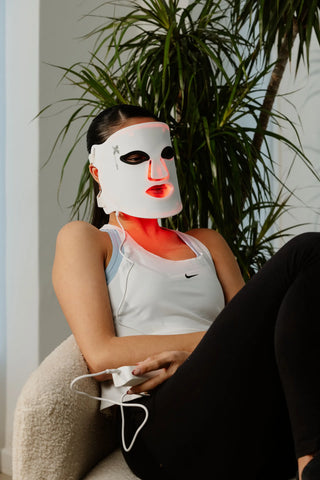
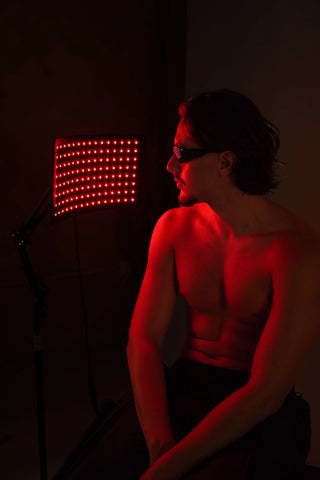
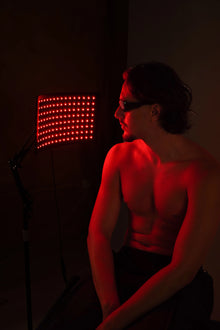
At home, this can be done in a two-phase routine: first, a pressotherapy session to activate venous return , and then a period of exposure to red or LED light on specific muscle areas. If you're interested in exploring light devices for skin care and recovery, you can visit KUMO's LED light therapy section.
Pressotherapy and percussion massage
Percussion massage with massage guns and pressotherapy work in different but complementary ways:
- Percussion massage works more deeply on specific points of muscle tension.
- Pressotherapy produces a global effect on the entire leg, focusing on circulation.
A practical option is to first use percussion massage on particularly stressed muscles (for example, with a KumoPulse Air type device) and then perform a pressotherapy session to facilitate tissue drainage.
Daily habits that boost results
Home pressotherapy will be more effective if it is integrated into a lifestyle that also takes care of:
- Regular movement throughout the day (break up long periods of sitting).
- Adequate hydration .
- A balanced diet that supports vascular health.
- Good posture , avoiding crossing your legs for many hours.
- Elevating legs during rest periods (for example, by resting them on a raised cushion).
Thinking of pressotherapy as one more piece of this “recovery ecosystem” is the best way to obtain sustained benefits.
Frequently asked questions about home pressotherapy
How long does it take to notice an improvement in circulation with at-home pressotherapy?
The time it takes to notice changes varies greatly from person to person. Some feel relief from heaviness and lightness in their legs from the very first sessions, especially if they started with intense fatigue. Others perceive clearer benefits after several weeks of regular use, combining pressotherapy with daily movement and healthy habits.
If you have a diagnosed venous condition, your doctor can advise you on the expected timeframe for seeing results in your specific case. It's recommended that you monitor how you feel in the short term (swelling, comfort) and have your symptoms reviewed periodically.
Is home pressotherapy safe for older people?
Many older adults benefit from intermittent pneumatic compression when they have reduced mobility or a tendency toward leg swelling; in fact, it is used in hospitals to prevent blood clots in immobilized patients. ( my.clevelandclinic.org )
However, cardiovascular disease, arterial problems, and anticoagulant treatment are also common in this age group. Therefore, before using compression therapy at home, it is essential to consult your doctor , who will assess the risks and benefits, determine appropriate pressure and duration adjustments, and even decide if another type of compression therapy is preferable. Never use this method on your own to replace a treatment prescribed by a specialist.
Is it possible to do pressotherapy at home every day?
In healthy individuals, some recovery routines utilize pressotherapy almost daily , especially during periods of high athletic activity or demanding work. The key is to respect two principles:
- Listen to your body's sensations (rest if discomfort, pain, or excessive tiredness appears).
- Avoid excessively long sessions or sessions with very high pressures without professional supervision.
If you are undergoing treatment for venous problems, heart conditions, or other medical conditions, the frequency of pressotherapy sessions should be determined by your doctor. In these cases, pressotherapy is a therapeutic complement , not purely a wellness practice.
Does at-home pressotherapy help you lose weight or eliminate cellulite?
Pressotherapy is not a weight-loss method in itself. Its action focuses on improving circulation and lymphatic drainage, which can reduce the feeling of swelling and, in some cases, make the skin appear smoother by decreasing fluid retention.
However, body fat loss depends primarily on diet, energy balance, and physical activity . Pressotherapy can be a pleasant addition to a comprehensive body care plan, but it shouldn't be seen as a sole solution for cellulite or weight. Maintaining realistic expectations is essential to avoid frustration.
So what now?
If you want to take the plunge and make at-home pressotherapy an ally for your circulation and daily recovery, you can explore the compression boot options in KUMO's pressotherapy collection and combine them with technologies like LED light or percussion massage within your own wellness routine.
If you have any questions about which type of device best suits your needs or how to integrate it into your daily life, you can write to us through the contact page and we will help you design an aesthetic, technological and effective recovery experience.
KumoWave pressotherapy
Choose your at-home pressotherapy
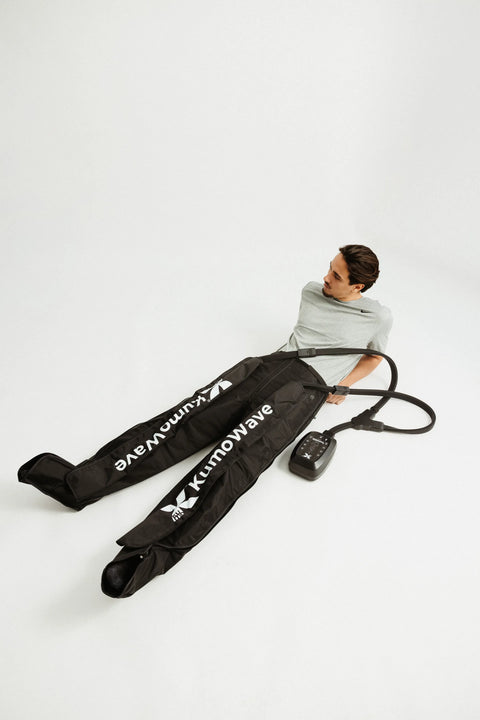
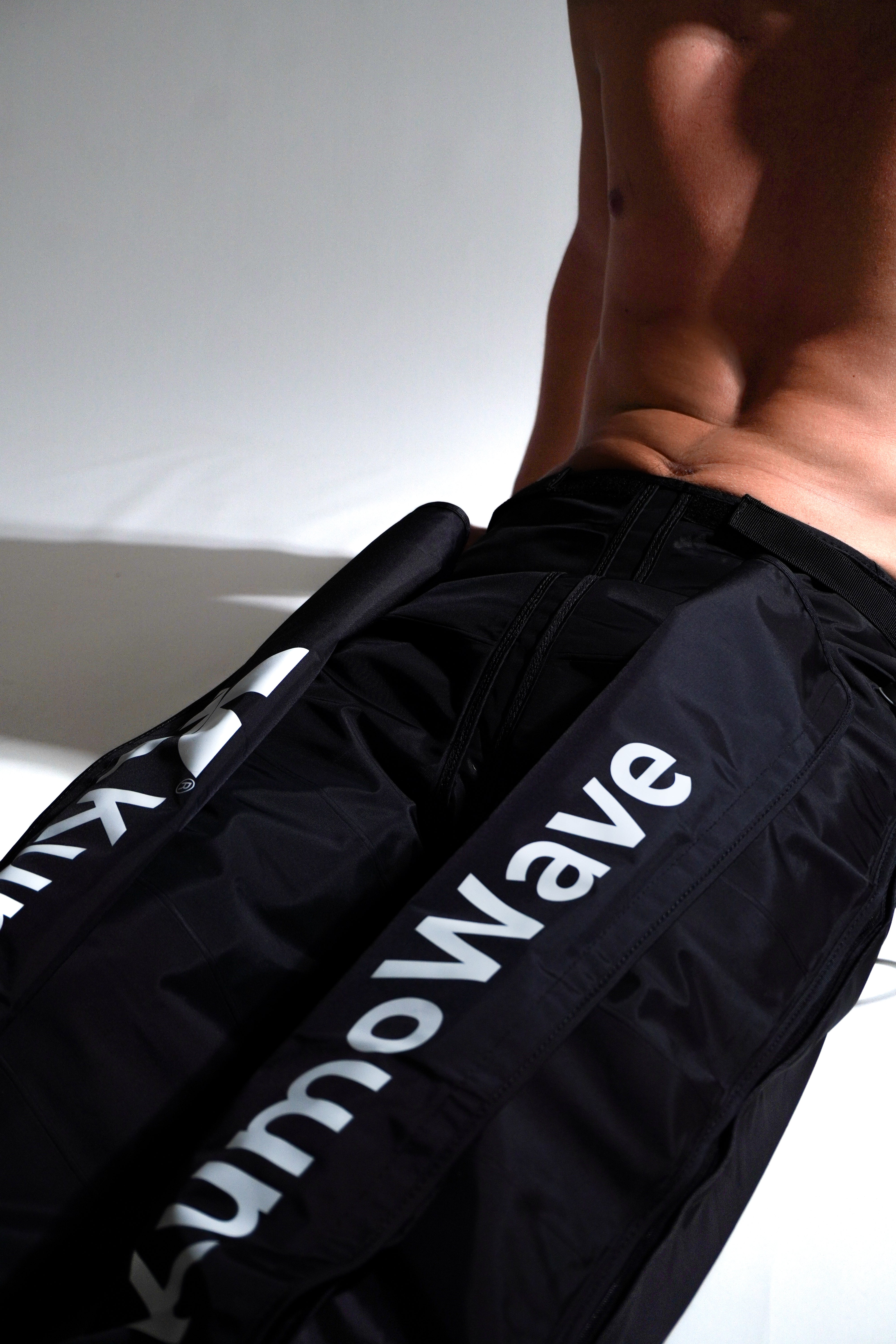
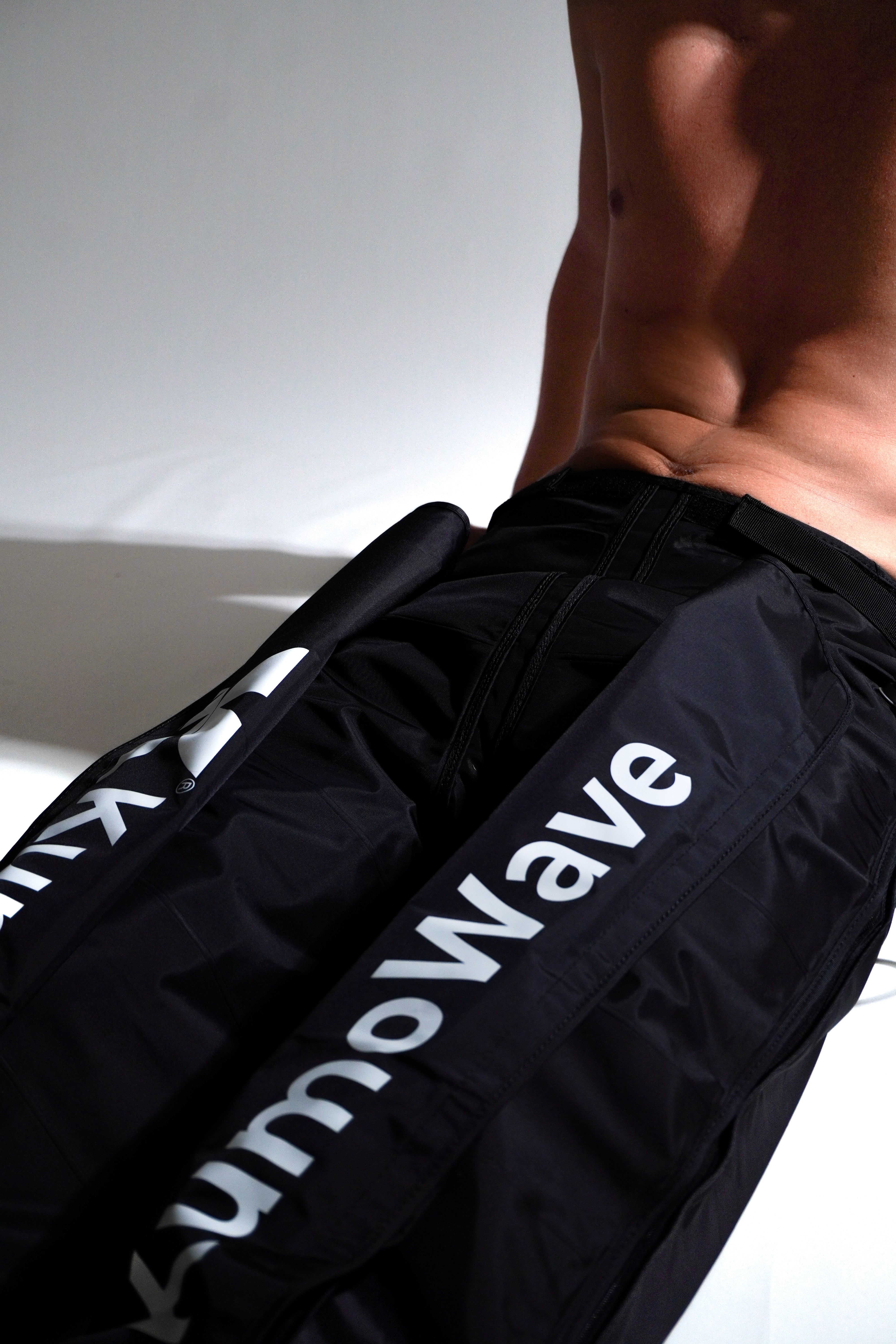
KumoWave Elite – Pressotherapy Pants
Full-coverage trousers. Ideal for lipedema, fluid retention and intensive use.
€799,00 €999,00
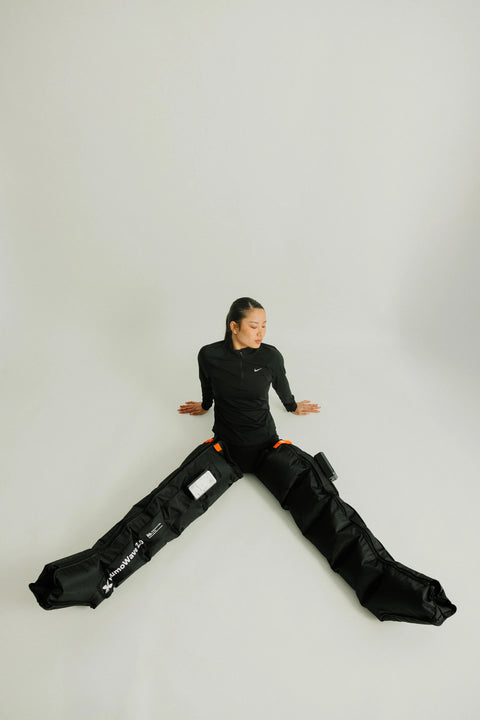
KumoWave 2.0 - Wireless Pressotherapy
Wireless, lightweight boots. Perfect for daily use and recovery.
€499,00 €599,00