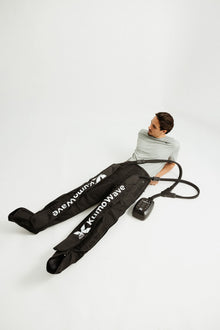

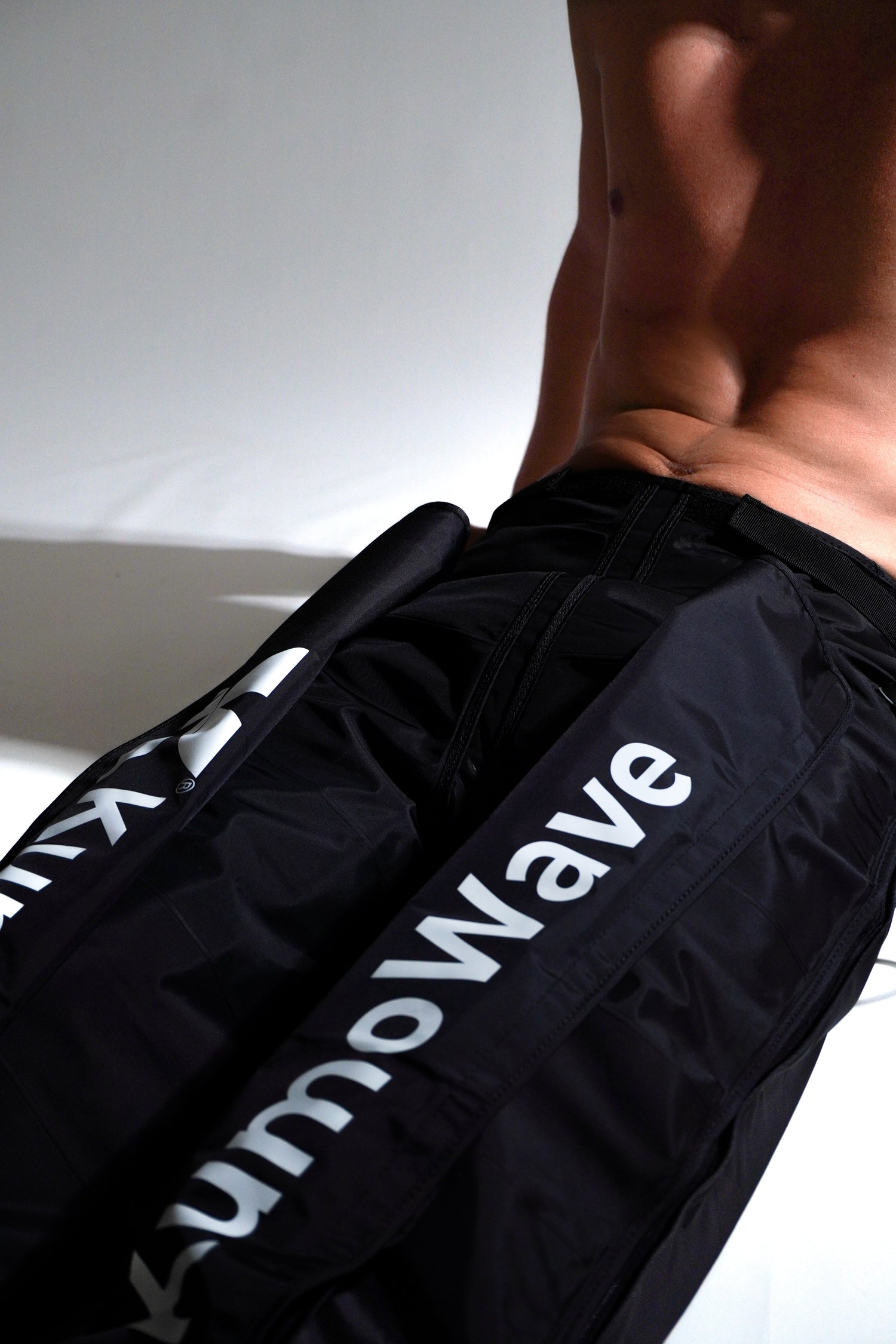
Pressotherapy at home is now an everyday reality.
If you train frequently, spend many hours sitting, or simply notice heavy legs, incorporating a home pressotherapy system can make a big difference in your muscle recovery and daily well-being.
In this article you will understand exactly what pressotherapy is , how it works when applied at home, what benefits it can provide to your muscles and circulation, how to combine it with other recovery technologies, and what precautions you should take before starting.
Pressotherapy at home
End the day with light legs
★★★★★ 4,8/5 · rated by verified customers
KumoWave pressotherapy boosts circulation and helps drain fluid with sequential compression, in 20-minute sessions at home.
- Boosts circulation and helps drain fluid
- Chamber-based compression, adjustable to you
- Sequential compression that mimics manual drainage
€799,00€999,00
−10% on your 1st order when you subscribe to the newsletter

What is pressotherapy and how does it work?
Pressotherapy is a technique that uses air chambers that inflate and deflate sequentially to exert controlled pressure on the legs (or, in a clinical context, also arms and other areas). This intermittent compression helps to:
- Promote venous return (blood returns more easily to the heart).
- Stimulate lymphatic drainage and fluid movement.
- Reduce the feeling of heaviness, swelling, and tension in the legs.
From a medical standpoint, this type of intermittent pneumatic compression has been used for years to improve circulation and prevent complications such as venous thrombosis in at-risk patients, as explained by leading centers such as the Cleveland Clinic .
Personalized protocol · included with your purchase
Want us to tell you how to use it in your case?
With your purchase, our experts prepare a personalized usage protocol for your case: sport, circulation, fluid retention, pregnancy or lipedema.
Message us on WhatsAppOur experts reply · no obligation
Benefits for circulation and tired legs
When we spend many hours sitting, standing, or exercising, blood and lymph tend to accumulate in the lower legs. Sequential compression:
- It increases the speed of venous flow and reduces stasis (the “stagnant blood”).
- It reduces edema (fluid retention) and the feeling of swelling.
- It relieves the feeling of heavy legs at the end of the day.
British health authorities say compression garments help improve circulation, reduce swelling and prevent blood clots, and may even contribute to muscle recovery , according to NHS Inform in a guide updated in 2025.
Role in muscle recovery and athletic performance
In the sports field, pressotherapy is increasingly used as a post-training recovery tool . Recent scientific literature indicates that:
on your first order when you join the newsletter
We send you the code instantly. No spam.
- Pneumatic compression can increase blood flow to the muscles during and after exercise, promoting the delivery of oxygen and nutrients.
- Several controlled trials have observed reductions in the perception of muscle soreness and pain after using intermittent pneumatic compression following intense training, although the effects on objective performance (strength, power) are more variable.
In other words: pressotherapy is not a "magic wand" that replaces rest, but it can be an ally to help you feel less fatigued and return to training sooner with good sensations .
Home pressotherapy in 2025: why it has become so popular
In 2025, home pressotherapy has gone from being something reserved for clinics and high-performance centers to becoming part of the routine for many athletes and active people. The main reasons:
- More people are training at home and taking care of their recovery as much as they take care of their training plan.
- There is increasing awareness of vascular health and sedentary lifestyles (teleworking, long journeys, many hours sitting).
- Technology has become more compact, quieter and more aesthetically pleasing , allowing advanced equipment to be used in the living room without resembling a medical office.
Brands specializing in recovery, such as KUMO, are committed to integrating design, technology, and performance so that pressotherapy ceases to be a one-off event and becomes a healthy lifestyle habit .
Differences between professional and home pressotherapy
Without going into comparisons of brands or prices, it is useful to understand the general differences:
- Usage environment
- Professional: clinics, physiotherapy centers, sports clubs, supervised by healthcare personnel.
- Domestic: autonomous use at home, following the manufacturer's instructions and medical recommendations when pathologies exist.
- Treatment parameters
- In the clinic, pressures and programs are adjusted in a highly personalized way.
- At home, high-end devices offer pre-configured programs (sports recovery, tired legs, gentle drainage…) designed for safe and easy use.
- Main objective
- Professional: to treat and prevent specific pathologies under medical indication.
- Domestic: well-being, muscle recovery and relief of minor discomfort associated with fatigue or sedentary lifestyle, provided there are no contraindications.
Who is home pressotherapy designed for?
Home pressotherapy may be beneficial for:
- Recreational or advanced athletes who train several times a week.
- People who spend many hours standing (healthcare workers, hospitality, retail) or sitting (office workers, drivers).
- Those who feel heavy legs at the end of the day and want to support their circulation with active habits.
- People who already use other recovery technologies (rollers, massage guns, red light) and want an additional passive system for the busiest days.
If you have cardiovascular disease, a history of thrombosis, sensitivity problems, or are pregnant, it is essential to talk to your doctor beforehand to assess whether pressotherapy is suitable for you.
How to integrate pressotherapy at home into your muscle recovery routine
The key to getting the most out of pressotherapy is not just having the equipment, but fitting it realistically into your weekly routine .
Before, during or after training
In practice, most users employ it:
-
After training
Ideal for promoting venous return and helping to eliminate metabolites after intense strength or endurance sessions. -
On active rest days
As a complement to a gentle walk or stretching, to relieve leg strain without adding more mechanical stress. -
Before training (occasionally)
With gentle programs, some people use it to "wake up" their legs and improve the feeling of lightness before exertion, always without replacing the warm-up.
Indicative frequency and duration
There are no universal rules, but, according to common recommendations in high-performance centers and summaries such as the one from Ohio State University , the following are usually used:
- Sessions of 20 to 30 minutes for general recovery.
- Between 1 and 5 times per week , depending on the training load and the subjective feeling of fatigue.
- During periods of high training load (marathon preparation, competitions, etc.) some people increase the frequency, always listening to their body.
If you notice tingling, pain, numbness, or any other unusual discomfort during the session, it is best to discontinue use and consult a professional.
Practical guide: how to safely use compression therapy boots at home
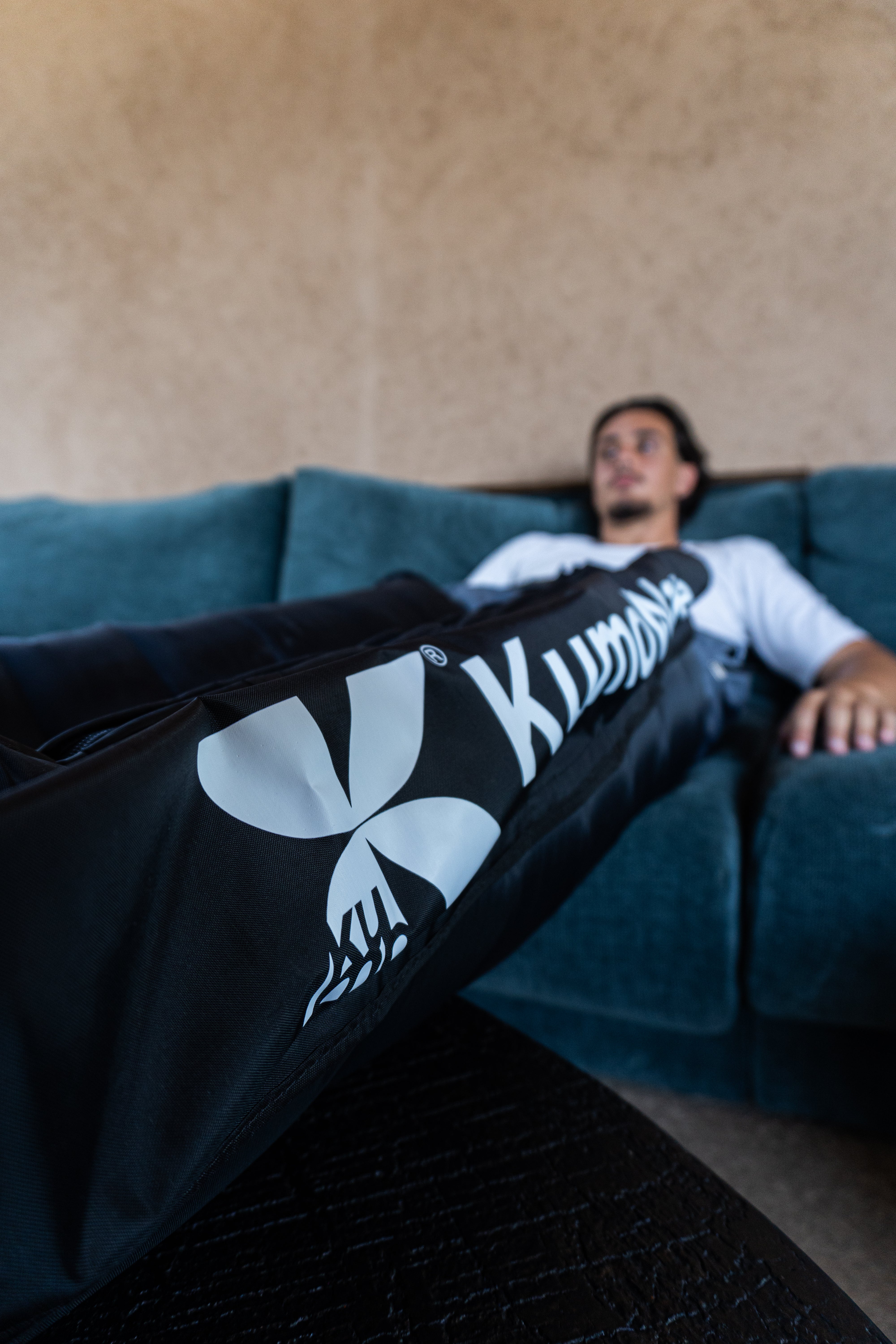
Compression therapy boots are the most common way to use this technology at home. Below is a general guide for use (always follow the specific instructions for your model).
Session preparation
- Choose a comfortable place where you can lie down or recline with your legs stretched out.
- Wear light clothing without thick seams on your legs (thin tights, shorts, etc.).
- Make sure you are well hydrated before and after the session.
- Check that the hoses and connections are secure and that nothing is restricting the flow of air.
- If you have open wounds, ulcers, or significant skin irritations on your legs, consult your doctor before using pressotherapy.
Basic steps for use
- Place the boots following the indicated orientation (usually the closed end towards the foot).
- Adjust zippers or fasteners without overtightening; compression is provided by the air, not the closure.
- Choose the appropriate program (recovery, drainage, sequential massage…) and the pressure level recommended by the manufacturer.
- During the session, you can read, watch a series, or practice mindful breathing to enhance relaxation.
- When you finish, wait a few seconds before getting up to notice how your legs feel.
Contraindications and when to consult a professional
Although intermittent pneumatic compression is safe in many contexts, there are situations in which it may be contraindicated or require medical supervision , such as:
- Deep vein thrombosis (past or current suspicion).
- Decompensated heart failure or other serious cardiovascular conditions.
- Infections or significant wounds in the application area.
- Severe sensory disturbances in the legs (you wouldn't notice if the pressure was excessive).
- Some cases of peripheral arterial disease.
If you identify with any of these situations, or if you are taking anticoagulant medication, it is responsible to consult with your doctor or physiotherapist before incorporating a pressotherapy device at home.
Combined routines: pressotherapy, red light and muscle massage
Modern recovery is not based on a single tool, but on intelligent synergies between several soft and non-invasive technologies.
In the KUMO ecosystem, pressotherapy can be combined with:
-
LED light therapy and red light
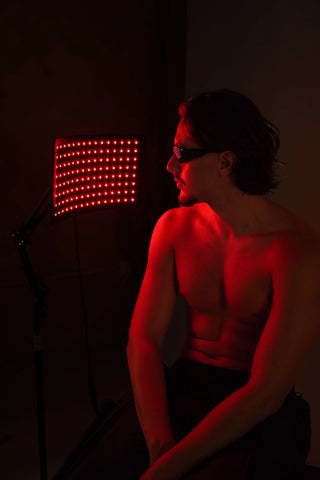
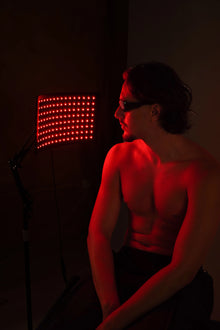
LED light therapy devices are used to promote tissue regeneration, muscle recovery, and improved sleep thanks to specific wavelengths. One option is to use red light during relaxation and reserve compression therapy for the legs after training. -
Muscle massage guns
A massage gun like the KUMOPulse Air allows you to work on specific tension points (calves, quadriceps, glutes) with percussion devices, while the pressotherapy then acts globally on the entire leg. -
LED face masks and general well-being
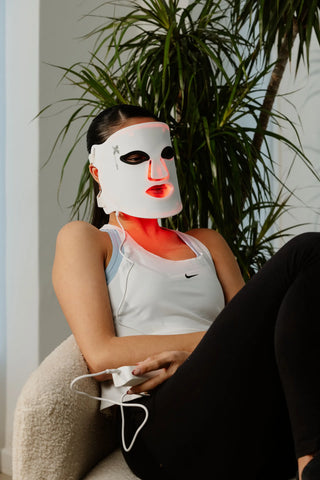
Although they focus on the skin of the face, the massages and facial LED light help to generate a "recovery mode" feeling that you can synchronize with your leg pressotherapy sessions.
The idea is not to do everything at once, but to create recovery rituals that fit with your available time and your level of physical activity.
Home recovery routine chart with pressotherapy
| Main objective | Ideal moment | Approximate duration | Technologies you can combine |
|---|---|---|---|
| Download after leg workout | 1–2 hours after training | 20–30 minutes | Pressotherapy + massage gun on specific points |
| Relieve tired legs from standing work | Evening, before dinner | 20 minutes | Pressotherapy + deep breathing / gentle stretching |
| Recovery during a week of high workload | Alternate days | 25–30 minutes | Pressotherapy + red light to promote rest and sleep |
| General well-being and a feeling of lightness | Weekend | 15–20 minutes | Gentle pressotherapy + light walk afterwards |
How to choose and get the most out of compression boots at home
Without talking about comparisons or prices, there are some general criteria to consider when thinking about incorporating this technology into your home.
Settings and programs
A device designed for muscle recovery at home typically offers:
- Sequential programs (from ankle to thigh) that mimic muscle pumping.
- Ability to select pressure levels and duration according to your sensitivity.
- Gentler modes for rest days and more intense ones for very tired legs.
The more customization you have, the easier it will be to adapt the pressotherapy to your body and your training schedule .
Comfort, design and maintenance
The user experience makes all the difference between your device becoming a habit… or something that gets stored away in a closet:
- Soft and easy-to-clean materials.
- Reasonable weight and size for storage and transport.
- Discreet design that you can use in the living room while watching a series.
In KUMO's pressotherapy collection you will find solutions designed precisely to combine performance, minimalist aesthetics and ease of daily use .
Frequently asked questions about home pressotherapy
How many times a week can I do pressotherapy at home?
The ideal frequency depends on your activity level and how your body responds. Many active people use pressotherapy two to four times a week during periods of normal training, and increase it slightly during periods of high-intensity activity. The important thing is to listen to your body: if after the sessions you notice lighter legs, better sleep, and less muscle soreness, you're probably within a suitable range. If, on the other hand, you experience discomfort, tingling, or unusual fatigue, reduce the frequency and consult a healthcare professional or physiotherapist.
Is it better to do pressotherapy before or after training?
For most users interested in muscle recovery , the best time is immediately after training or in the hours that follow. This supports venous return and the clearance of metabolites when muscles are most pumped. Some athletes use very light sessions before training to improve the feeling of lightness, but this does not replace an active warm-up. As a practical guideline, reserve your main sessions for after exercise or on active rest days, and maintain a comfortable intensity that does not cause discomfort.
Does at-home pressotherapy help with fluid retention and the feeling of heavy legs?
Intermittent pneumatic compression is specifically designed to promote the movement of blood and lymph , which can help reduce mild swelling and the feeling of heaviness in the legs. Organizations such as NHS Inform explain that compression improves blood flow and can relieve pain and edema in the legs. At home, its use should be combined with active habits: walking, getting up frequently if you work sitting down, staying well hydrated, and avoiding remaining in the same position for long periods. If the swelling is severe, asymmetrical, or appears suddenly, it is essential to consult a doctor.
Is home pressotherapy safe for everyone?
No. Although pressotherapy is safe for many healthy people, there are clear contraindications . If you have a history of deep vein thrombosis, serious heart disease, arterial problems in your legs, significant skin infections, open ulcers, or severe sensory disturbances, you need to be evaluated by a doctor before using any pneumatic compression device. Additionally, during pregnancy or if you are taking anticoagulants, it is advisable to exercise extreme caution and always seek professional advice. And in all cases, it is essential to follow the manufacturer's instructions and stop the session if you experience pain or unusual discomfort.
What results can I realistically expect from at-home pressotherapy?
The most common results reported by users are a feeling of lighter legs, less fatigue at the end of the day, and a subjective reduction in muscle soreness after intense workouts. Some recent studies have observed improvements in the perception of muscle pain with pneumatic compression, although changes in objective performance are more modest and depend on many factors (training, rest, nutrition). Therefore, it's best to view pressotherapy as a valuable complement within a comprehensive recovery strategy: good sleep, proper nutrition, training planning, and, if desired, other technologies such as red light therapy and massage guns.
So what now?
If you want recovery to become part of your lifestyle , the next logical step is to design your own wellness space at home. At KUMO , you'll find high-end technologies such as compression boots , LED light therapy , and massage guns designed to integrate seamlessly and stylishly into your daily routine. If you have any questions about which solution best suits your routine or activity level, you can contact us through our contact page, and we'll help you create a recovery routine tailored to your goals.
KumoWave pressotherapy
Choose your at-home pressotherapy
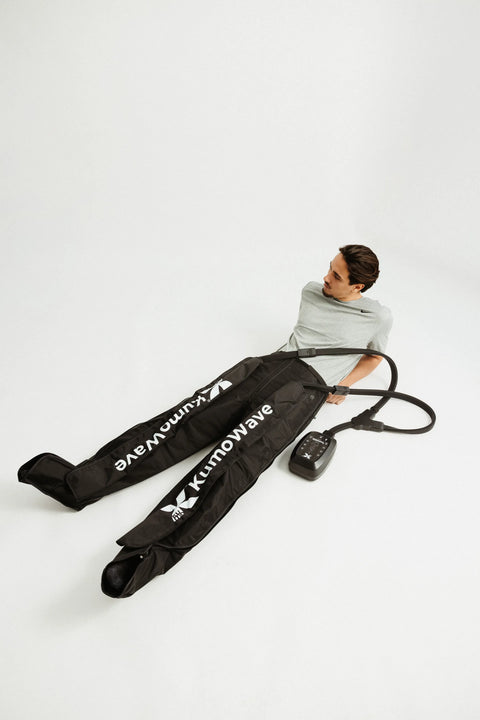
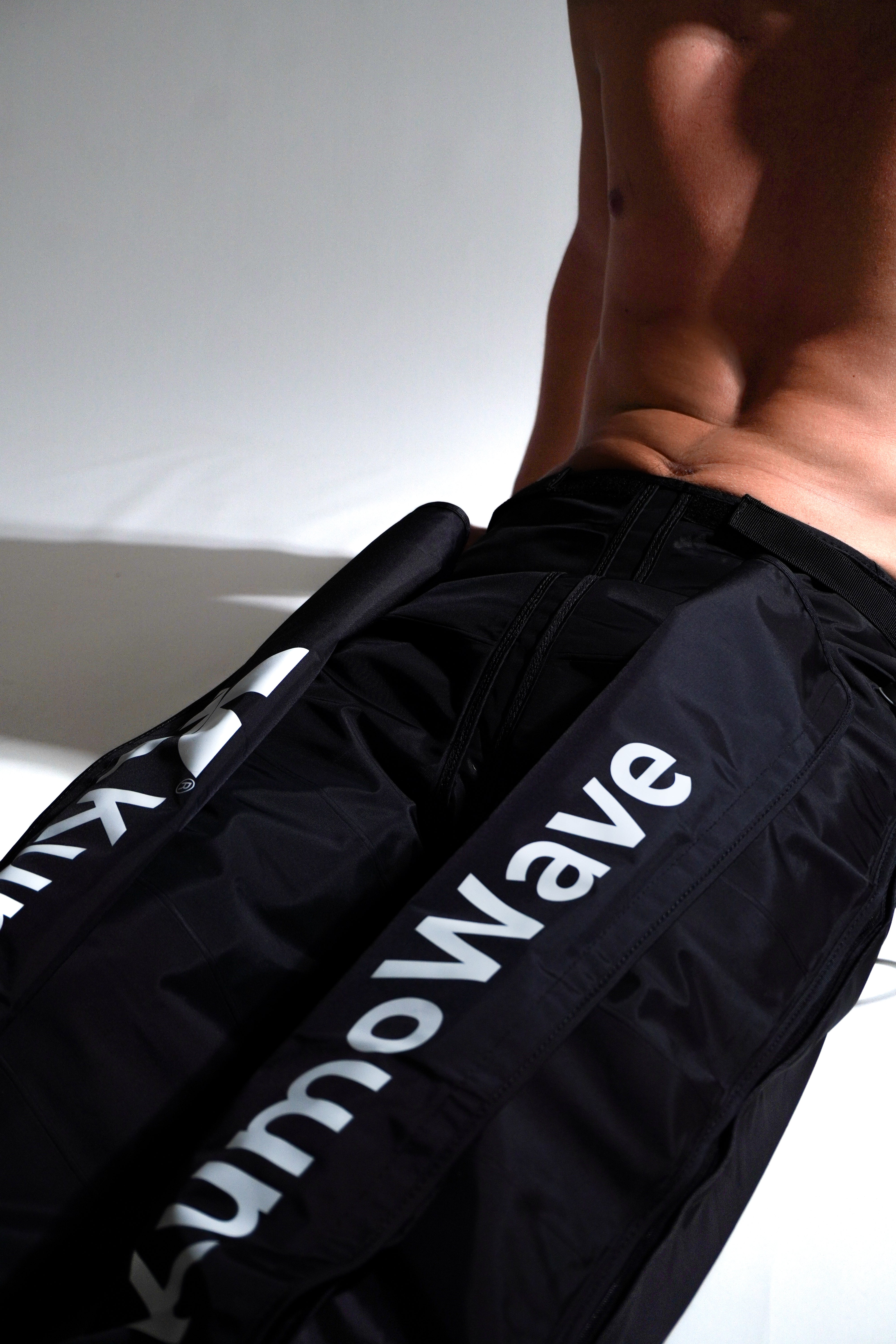
KumoWave Elite – Pressotherapy Pants
Full-coverage trousers. Ideal for lipedema, fluid retention and intensive use.
€799,00 €999,00
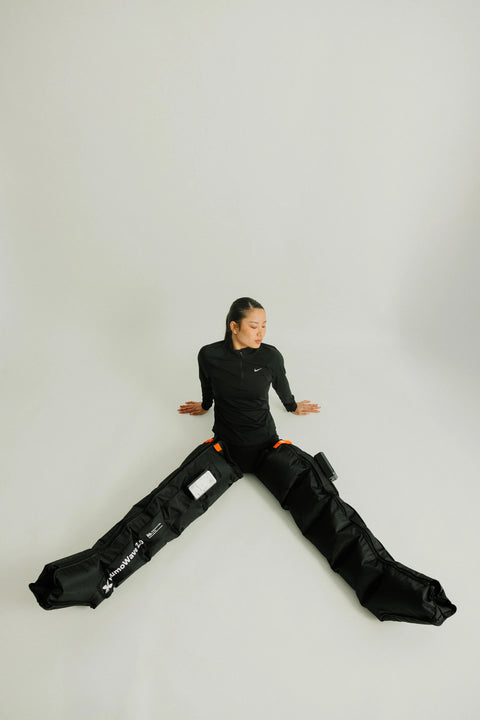
KumoWave 2.0 - Wireless Pressotherapy
Wireless, lightweight boots. Perfect for daily use and recovery.
€499,00 €599,00