
Swelling in the hands is not always serious. When it appears in the hands and fingers, it is most often due to fluid retention, heat, exercise, salt, or medication; even so, it can also be the first clue to a problem that needs to be reviewed.
The key lies in the context: if the swelling appears at the end of the day, improves when moving or raising the hand, and is not accompanied by other symptoms, it is usually transient; if it is sudden, painful, unilateral, or associated with fever, shortness of breath, or changes in pregnancy, medical causes should be considered.
Pressotherapy at home
End the day with light legs
★★★★★ 4,8/5 · rated by verified customers
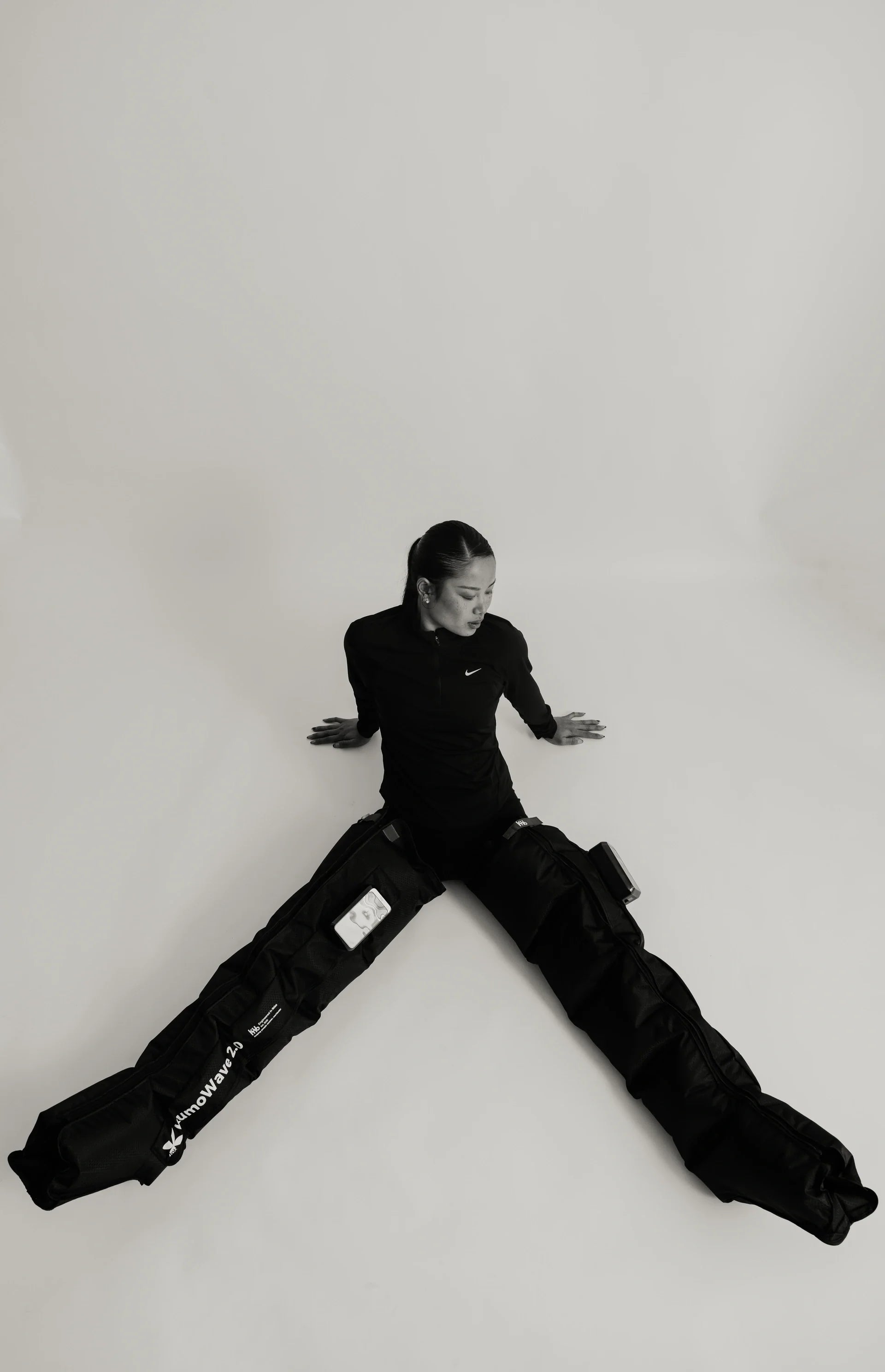
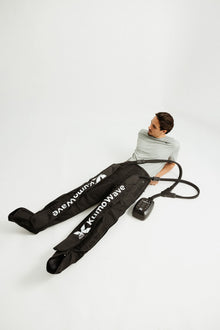
KumoWave pressotherapy boosts circulation and helps drain fluid with sequential compression, in 20-minute sessions at home.
- Boosts circulation and helps drain fluid
- Chamber-based compression, adjustable to you
- Sequential compression that mimics manual drainage
€799,00€999,00
−10% on your 1st order when you subscribe to the newsletter

What exactly is fluid retention in the hands and fingers?
According to MedlinePlus on edema, swelling is the result of fluid accumulated in the tissues. In hands and fingers, it is usually noticed as tighter rings, a feeling of heaviness, or a visible increase in volume that can worsen with heat, salt, or immobility.
If you want a more global view of the problem, you might also find it helpful to read fluid retention: causes, symptoms, and real solutions, because often hand swelling is part of a broader retention and not a single isolated trigger.
Personalized protocol · included with your purchase
Want us to tell you how to use it in your case?
With your purchase, our experts prepare a personalized usage protocol for your case: sport, circulation, fluid retention, pregnancy or lipedema.
Message us on WhatsAppOur experts reply · no obligation
When the area is very tense and a small mark remains after pressing it, it is called pitting edema. This data alone does not define the cause, but it does reinforce that there is fluid accumulation and not just a local discomfort. (mayoclinic.org)
Most common causes of swelling in hands and fingers
The cause can be as simple as a very salty meal or as significant as a systemic disease. The NHS on swollen arms and hands reminds us that swelling in this area can also be related to medications, injuries, pregnancy, or lymphatic system problems.
Quick summary of causes, clues and solutions
| Probable cause | How it usually presents | What usually helps |
|---|---|---|
| Excess sodium and general retention | Hands more swollen at the end of the day, a feeling of "full" fingers, and sometimes edema in other areas of the body. | Reduce ultra-processed foods, cook with less salt, and review total sodium intake. The AHA recommends not exceeding 2,300 mg per day and sets 1,500 mg as the ideal goal for most. |
| Exercise, heat, or prolonged effort | Temporary swelling during or after walking, training, or spending time in high temperatures. | Remove rings before training, move fingers, elevate hands, and maintain adequate hydration. |
| Medications | Inflammation that appears after starting or changing medications, especially some antihypertensives, contraceptives, antidepressants, and steroids. | Review treatment with a professional before discontinuing anything on your own. |
| Pregnancy and preeclampsia | Swelling of hands or face that may appear with headache, blurred vision, less urination, or pain in the upper right abdomen. (medlineplus.gov) | Prompt medical evaluation, especially if the increase in volume is sudden. |
| Joint inflammation or injury | In addition to swelling, there is usually pain, morning stiffness, local heat, or difficulty moving fingers and wrist. Rheumatoid arthritis frequently affects small joints of the hands and feet. (mayoclinic.org) | Rule out arthritis, sprain, overuse, or fracture if pain is clear or there is functional limitation. |
| Lymphedema, angioedema, or infection | Persistent, unilateral swelling or with tight skin; if there are also hives, itching, or shortness of breath, it could be angioedema. Mayo Clinic explains that lymphedema occurs when the lymphatic system is damaged or obstructed. (medlineplus.gov) | Requires clinical evaluation, as treatment depends greatly on the cause. |
How to interpret the swelling pattern
If the hand swells without much pain and improves with rest or elevation, it usually seems more like transient retention. If pain, morning stiffness, local heat, or limited finger movement predominates, an inflammatory cause such as arthritis or injury becomes more likely.
on your first order when you join the newsletter
We send you the code instantly. No spam.
How to relieve swelling at home
When swelling is mild and there are no warning signs, simple adjustments are often more helpful than extreme remedies. Mayo Clinic advises removing rings before they tighten, elevating hands above the heart, and frequently moving fingers and wrists; additionally, reducing sodium helps limit excess retained water.
- Remove rings, bracelets, or watches as soon as you notice pressure, to prevent swelling from getting them stuck.
- Elevate your hands several times a day above heart level, especially if you work sitting down or with your arms down.
- Open and close your fists, stretch your fingers, and move your wrists frequently to promote fluid return.
- Reduce cold cuts, snacks, prepared soups, and fast food, which tend to concentrate a good portion of daily sodium.
- Avoid spending too much time with your hands immobile or exposed to intense heat, as both factors can worsen the feeling of swelling.
Salt matters more than it seems: the AHA recommends not exceeding 2,300 mg of sodium per day and sets 1,500 mg as the ideal goal for most; it also reminds us that more than 70% of sodium usually comes from packaged foods and restaurants.
If you want to make these changes into a more sustainable routine, you can rely on habits, foods, and exercises that do help, which explains daily adjustments that usually work better than extremes.
If swelling appears mainly when walking, exercising, or spending time in the heat, Mayo Clinic explains that it is a fairly common and, in many cases, transient phenomenon. Their explanation of hand swelling during exercise adds practical measures such as loosening your watch, moving your arms, and elevating your hands.
When you should seek medical evaluation
Seek medical evaluation if swelling is sudden, affects mostly one hand, makes the skin very taut, or appears with pain, heat, redness, or fever. The NHS points to these situations as reasons for review, as they may indicate infection, injury, or a circulatory problem.
- If there are hives, itching, swelling of the lips or tongue, or shortness of breath, treat it as an emergency, as it could be angioedema. (medlineplus.gov)
- If you are pregnant and the swelling comes with headache, blurred vision, or pain in the upper right abdomen, preeclampsia should be ruled out.
- If it started after a bump, fall, or strain, and it hurts a lot or limits finger movement, it is advisable to rule out an injury or fracture. (mayoclinic.org)
- If it lasts for several days or recurs without a clear explanation, ask for a review to investigate the origin of the retention.
Relationship with the lymphatic system
Mayo Clinic on lymphedema describes it as swelling due to fluid accumulation when the lymphatic system is damaged or obstructed. Although it usually occurs in the arms or legs, it can also affect the hands and limit movement.
In this context, medical treatment typically combines compression, exercise, massage, and skin care, and in some cases may include sequential pneumatic pumping. If you want to better understand this approach, the guide to lymphatic drainage: what it is, benefits, and when to do it will help you place it within a broader strategy.
Frequently asked questions
Can fluid retention in the hands be related to diet and salt intake, and how does it influence it?
Yes. Sodium promotes water retention and can worsen swelling in the hands and fingers, especially if your diet is based on ultra-processed foods, soups, cold cuts, or prepared meals. The current AHA guideline recommends not exceeding 2,300 mg of sodium per day and sets 1,500 mg as the ideal goal for most adults; additionally, it reminds us that more than 70% of sodium usually comes from packaged products and restaurants.
Why do my hands swell more when I exercise or in the heat?
It is very common. Mayo Clinic explains that hand swelling during exercise does not always have a single cause: heat, blood flow, and the response of blood vessels are involved. In practice, it usually helps to remove rings before training, move your fingers, elevate your hands occasionally, and loosen watches or gloves. If there is also confusion or vomiting, the problem may be hyponatremia and requires urgent attention.
When can finger swelling be a sign of pregnancy or preeclampsia?
During pregnancy, swelling of the hands and face deserves more attention than at other stages. MedlinePlus notes that it can be part of preeclampsia, especially if it appears with headache, blurred vision, pain in the upper right abdomen, or less urination. Not all gestational swelling is dangerous, but a sudden increase or one accompanied by these symptoms should be evaluated promptly.
What is the difference between temporary fluid retention and lymphedema?
Lymphedema is not a temporary fluid retention. It occurs when lymph accumulates because the lymphatic system is damaged or obstructed, and it tends to be more persistent, with a feeling of heaviness, skin tension, and difficulty moving the area. It can appear in the arms and, sometimes, in the hands, especially after surgery, radiation therapy, or lymph node removal. Medical management usually includes compression, exercises, massage, and skin care.
What now?
If the swelling returns frequently, start with the Kumo Balance homepage and continue with fluid retention: causes, symptoms, and real solutions to delve deeper into the most common triggers. If you are looking for specific daily habits, how to eliminate fluid retention naturally will also be useful.
KumoWave pressotherapy
Choose your at-home pressotherapy
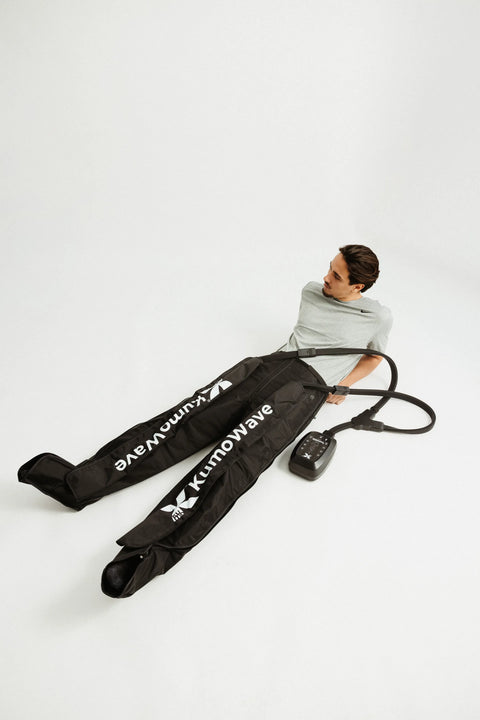
KumoWave Elite – Pressotherapy Pants
Full-coverage trousers. Ideal for lipedema, fluid retention and intensive use.
€799,00 €999,00
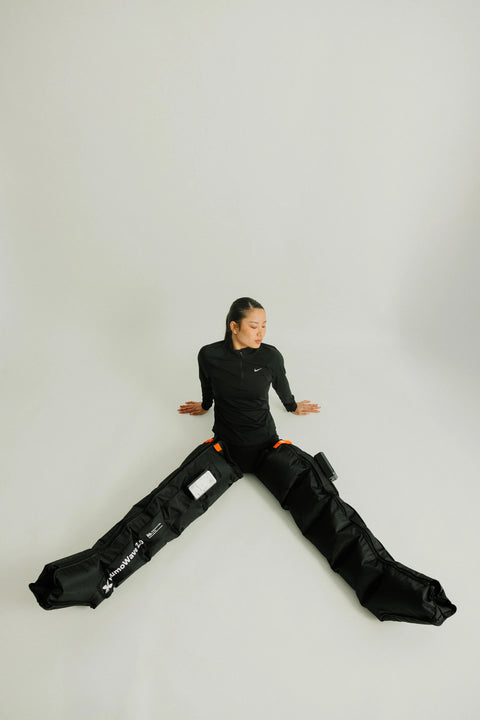
KumoWave 2.0 - Wireless Pressotherapy
Wireless, lightweight boots. Perfect for daily use and recovery.
€499,00 €599,00