
Lymphatic drainage: what it is, what benefits it provides, and when it is advisable to do it.
Lymphatic drainage is a gentle technique designed to mobilize fluids and relieve swelling. Here you'll understand how it works, its proven benefits, when it's appropriate, its contraindications, and how to integrate it into your recovery and wellness routine.
Pressotherapy at home
End the day with light legs
★★★★★ 4,8/5 · rated by verified customers
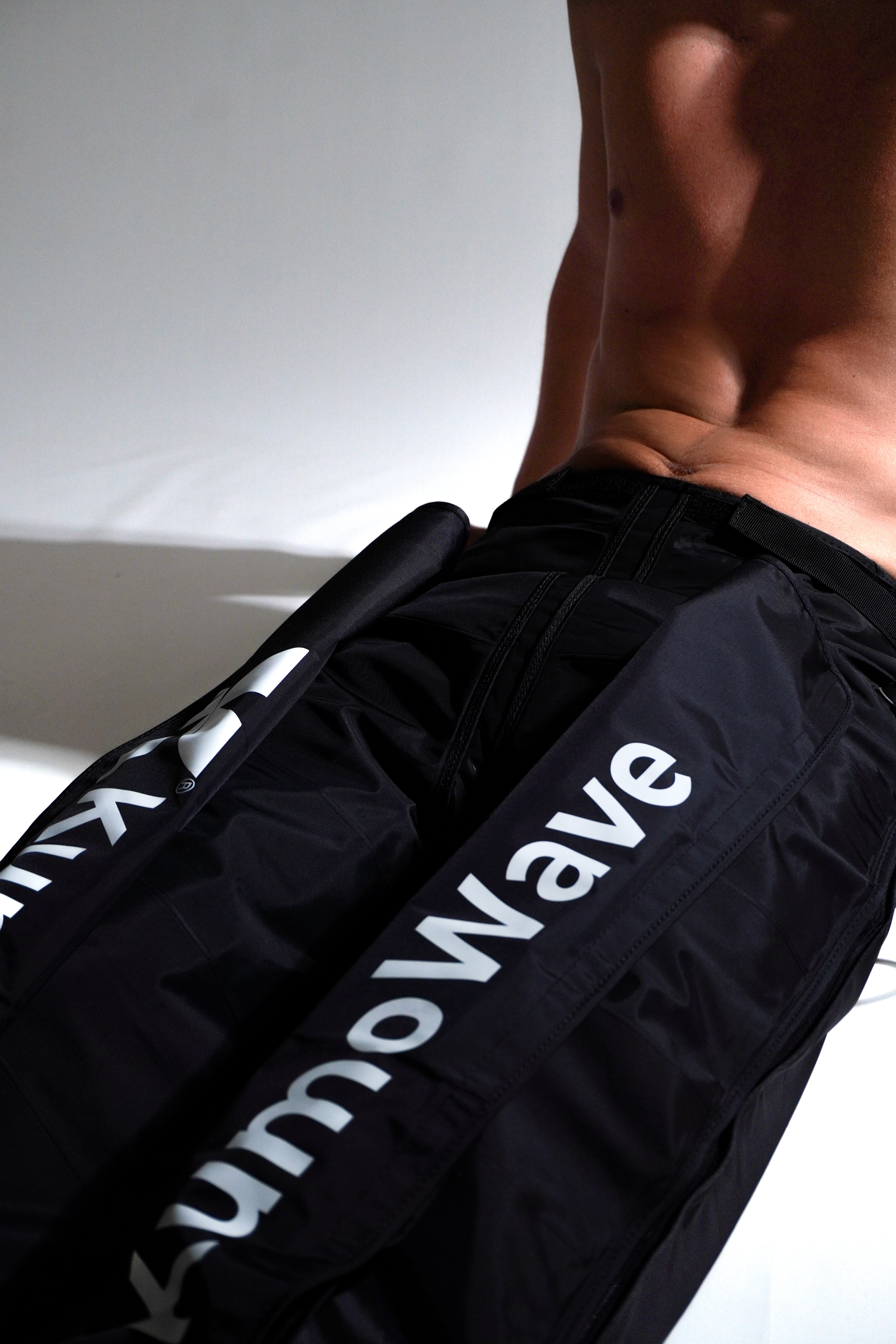
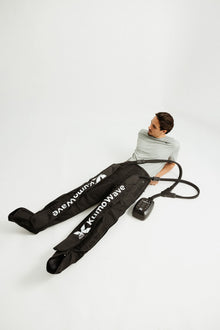
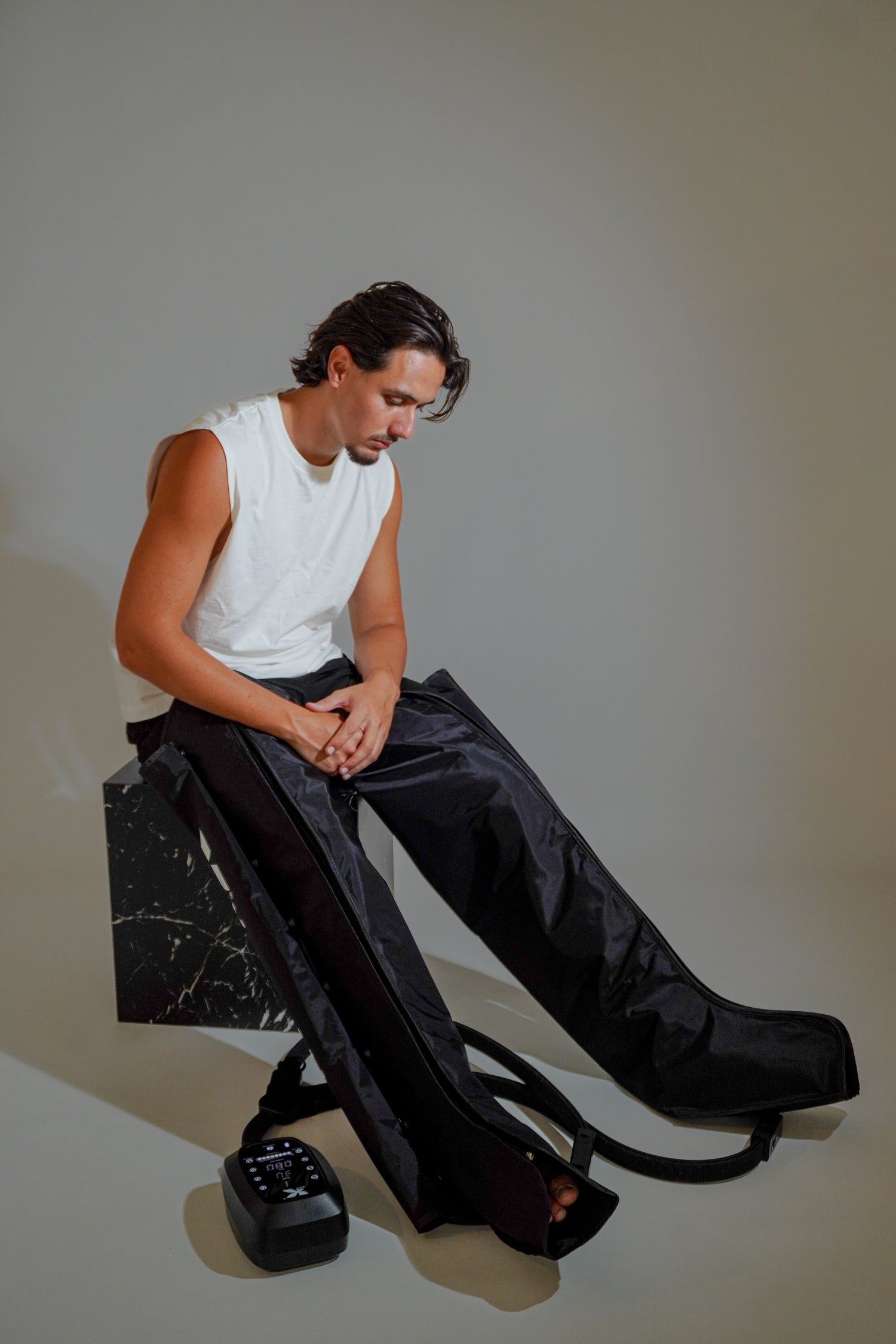
KumoWave pressotherapy boosts circulation and helps drain fluid with sequential compression, in 20-minute sessions at home.
- Boosts circulation and helps drain fluid
- Chamber-based compression, adjustable to you
- Sequential compression that mimics manual drainage
€799,00€999,00
−10% on your 1st order when you subscribe to the newsletter

In a little while
- Manual lymphatic drainage (MLD) is a gentle massage that stimulates the lymphatic system to reduce edema and heaviness.
- It is indicated primarily for lymphedema and fluid retention, and can complement recovery after surgery as directed by a doctor.
- Options include: professional manual lymphatic drainage, guided self-drainage, diaphragmatic breathing, and intermittent pneumatic compression (pressotherapy).
- It is not a weight loss method; it reduces fluids, not fat.
- Avoid it if you have an acute infection, thrombosis, decompensated heart failure, or uncontrolled kidney disease; consult your doctor first.
What is lymphatic drainage and how does it work?
Manual lymphatic drainage (MLD) is a series of very gentle, rhythmic movements applied to the skin to promote the movement of lymph towards the lymph nodes, where it is filtered and returned to the bloodstream. Unlike a deep tissue massage, it does not aim to "knead" the muscle, but rather to stimulate the superficial lymphatic capillaries.
The lymphatic system plays a role in fluid balance and the immune response. Diaphragm and muscle movement, gravity, and external pressure modulate its flow. Therefore, techniques such as manual lymphatic drainage (MLD), deep breathing, and external compression can help manage fluid retention and edema in certain cases. For a physiological overview of the system, you can review this open-access clinical synthesis: Physiology, Lymphatic System – StatPearls (2023) .
Personalized protocol · included with your purchase
Want us to tell you how to use it in your case?
With your purchase, our experts prepare a personalized usage protocol for your case: sport, circulation, fluid retention, pregnancy or lipedema.
Message us on WhatsAppOur experts reply · no obligation
Lymphatic drainage does not hurt: when done correctly, it is perceived as a light, specific, and relaxing touch.
Real benefits and what the evidence says
Lymphoedema and postsurgical edema
- Manual lymphatic drainage (MLD) is part of Complete Decongestive Therapy (CDT), along with compression bandaging, skin care, and therapeutic exercise. The International Society of Lymphology includes it in its consensus document (2020).
- In breast cancer-related lymphedema, systematic reviews indicate that manual lymphatic drainage (MLD) can provide relief in certain patients, especially when combined with compression, although the effects vary depending on severity and protocol. See Cochrane Review (2015) .
Tired legs and fluid retention
- Lymphatic stimulation and compression can relieve the feeling of heaviness and improve circumference in cases of mild functional edema. Clinical guidelines (e.g., NHS, 2023 ) recommend movement, elevation, skin care, and compression as cornerstones.
Well-being and recovery
- Many people report a feeling of lightness and relaxation after manual lymphatic drainage (MLD). For athletes, active recovery, gentle movement, and external compression can promote fluid return. Although specific evidence for MLD's impact on performance is limited, supporting microcirculation and controlling local edema can be beneficial in professionally supervised recovery phases.
Fur
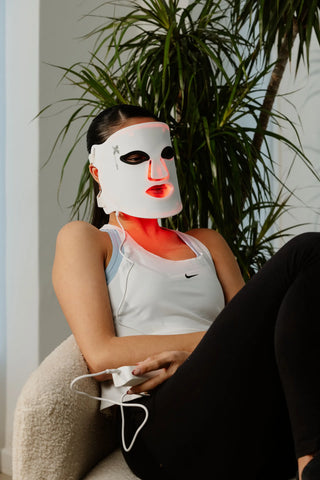
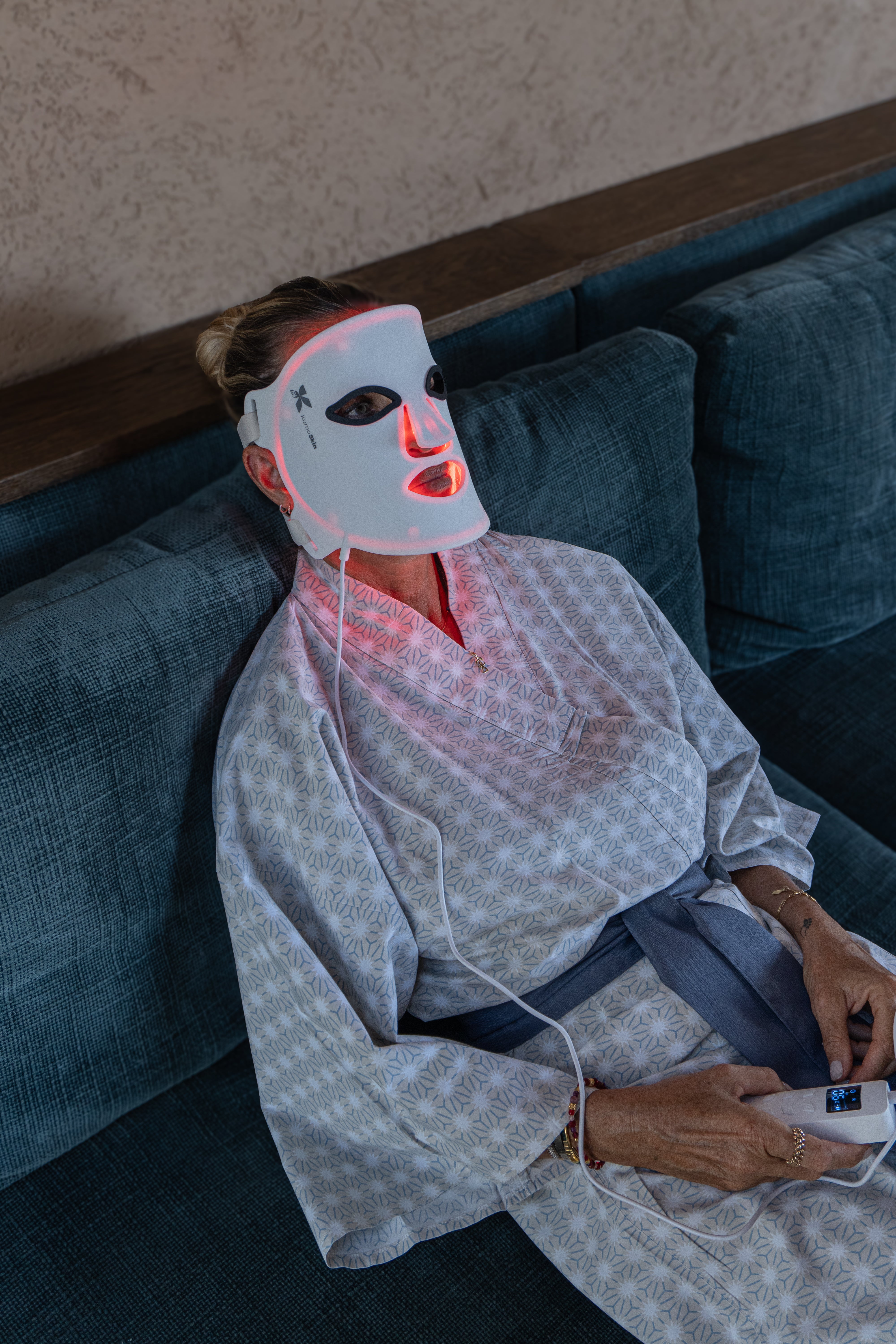
- On the face, lymphatic drainage can help reduce swelling in areas with fluid retention (e.g., in the morning). Regarding light technologies for the skin, LED therapy has evidence supporting its use for specific cosmetic purposes; see the American Academy of Dermatology for an overview.
When to do it and when to avoid it
Frequent indications
- Diagnosed lymphedema and postoperative edema, within a medical plan (TDC).
- Feeling of swelling or heaviness in the legs after long days of standing or prolonged journeys.
- Recovery and well-being: periods of accumulated training, days of fluid retention (non-pathological).
Precautions and contraindications
Avoid lymphatic drainage and consult your doctor if you experience:
- Acute infection (fever, cellulitis).
- Deep vein thrombosis or pulmonary embolism (current or recent).
- Decompensated heart failure.
- Severe uncontrolled kidney disease.
- Untreated active cancer or specific clinical concerns about the area. A guide for patients with indications and contraindications can be found at Cleveland Clinic (2022).
Types of drainage and complementary techniques
Manual lymphatic drainage (professional)
Performed by physiotherapists or therapists trained in manual lymphatic drainage (MLD). Indicated for lymphedema and localized edema, with maneuvers that follow the map of lymph nodes and collecting vessels.
on your first order when you join the newsletter
We send you the code instantly. No spam.
Self-drainage and breathing
Learning a simple self-drainage and diaphragmatic breathing routine can be helpful between professional sessions, provided there are no contraindications. Deep breathing mobilizes the lymphatic system's "thoracic engine."
Intermittent pneumatic compression (pressotherapy)
- and the ISL consensus (
What to expect in a session
- Duration: 30–60 minutes usually in consultation, depending on the area and objective.
- Sensations: gentle touches, slow rhythms, no pain. May produce relaxation and increased urination afterward.
- Frequency: 1 to 3 times per week initially in cases of edema, then maintenance; in wellness, according to need and individual response.
- Afterwards: hydrate, move gently and avoid very tight clothing immediately after the session.
Comparative table: drainage and circulation support options
| Option | How it works | When to use | Advantages | Precautions |
|---|---|---|---|---|
| Manual lymphatic drainage (professional) | Superficial maneuvers that stimulate capillaries and lymphatic vessels | Lymphedema, post-surgical edema, localized swelling | Customized, very soft, part of TDC | Avoid in acute infection, thrombosis, decompensated heart failure |
| Self-drainage + diaphragmatic breathing | Guided sequence of passes and deep breathing | Maintenance between sessions, well-being | Autonomy, low cost | It requires proper training; respecting contraindications |
| Intermittent pneumatic compression (pressotherapy) | Air chambers inflate/deflate to facilitate fluid return | Heavy legs, recovery, selected cases of edema | Coverage of large segments, feeling of lightness | Adjust pressure/time; consult vascular pathology |
| Movement and lifting | Walk, pump ankles, raise legs | Daily life, sedentary lifestyle, travel | Improves venous/lymphatic return, without equipment | It does not replace treatment in pathology |
Reference sources: Cleveland Clinic, NHS , ISL 2020, StatPearls .
How to integrate it into your recovery routine
- Move around daily: walks, joint mobility exercises, and active breaks if you work sitting down.
- Practice 5–10 minutes of diaphragmatic breathing daily.
- Hydrate and take care of your skin (hydration, avoid wounds).
- Consider regular manual lymphatic drainage (MLD) sessions if you tend to retain fluids, and follow your healthcare professional's instructions if lymphedema has been diagnosed.
- Support with quality recovery technologies (e.g., sequential compression for legs, red light for muscle recovery, percussive massage for relaxation) can complement your plan. Explore the KUMO recovery universe.
Lymphatic drainage and light technology: what role do they play?
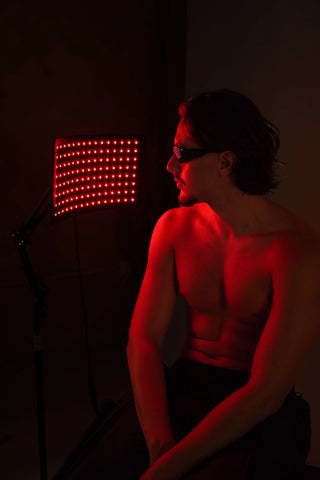
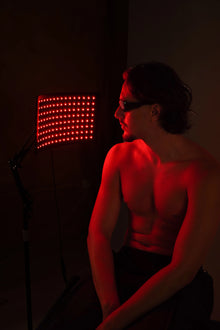
Photobiomodulation (red/near-infrared light) is being studied for its potential to modulate mitochondrial function, pain, and muscle recovery. In athletes, systematic reviews suggest benefits at certain doses and application times, although protocols are still being standardized. You can find more information in this open-access review: Photobiomodulation Therapy in Muscle Performance and Recovery (2019) . It does not replace lymphatic drainage, but it can be complementary in comprehensive recovery plans.
Basic self-drainage steps (guidelines)
- Preparation: diaphragmatic breathing 5–6 cycles, slow.
- Proximal clearance: gentle passes on the supraclavicular neck and armpits (if there are no contraindications).
- Affected limb: very slight movements, towards healthy lymph nodes, without pain.
- Closing: breathing and elevation for 5–10 minutes. Learning the technique with a professional is the best way to ensure safety and effectiveness. For daily lymphedema management, consult NHS clinical recommendations.
Signs that it might help you
- You feel more bloated at the end of the day, and it improves when you elevate your legs.
- You feel "marks" from your socks on your ankles.
- After a long trip, you notice heaviness or fluid retention.
- You are following a medical plan for managing lymphedema and need support between check-ups.
Frequently Asked Questions
How long does a session last and how often should I do it?
A typical session lasts between 30 and 60 minutes. In cases of lymphedema or post-surgical edema, the initial frequency may be 1–3 times per week as part of a comprehensive decongestive therapy program, later reducing to maintenance therapy based on progress and professional advice. If you are looking for well-being or relief from tired legs, many people notice an effect with one session per week or every two weeks, combined with habits such as walking, breathing exercises, and elevation. The ideal regimen depends on your individual case, response to treatment, and any pre-existing medical conditions.
Does it help with weight loss or cellulite reduction?
No. Lymphatic drainage does not eliminate fat. It can temporarily reduce fluid retention and swelling, sometimes resulting in a "slimmer" silhouette, but it is not a weight-loss method. Regarding cellulite, the main effect is to reduce inflammation; skin texture depends on multiple factors (connective tissue, fat, hormones). For aesthetic purposes, it is advisable to combine healthy habits (physical activity, rest, nutrition) and, if appropriate, technologies with specific evidence for skin application.
Can I do lymphatic drainage at home?
Yes, with caution and basic training. Self-drainage and diaphragmatic breathing are safe strategies for people without contraindications, and they complement movement, hydration, and leg elevation. Ideally, you should learn a personalized sequence with a physical therapist, especially if you have lymphedema or persistent edema. Avoid it if there is an infection, thrombosis, decompensated heart failure, or clinical doubts; in those cases, seek medical advice before starting.
Is it recommended after surgery?
It can be used, but only under medical supervision and at the appropriate time post-surgery. In some surgeries (e.g., breast augmentation, liposuction), it is used as part of the management of edema and fibrosis, following specific protocols. The start date, intensity, and areas to be treated depend on the type of surgery, the healing process, and the risk of complications. Always consult with your surgeon or physical therapist to personalize the plan and coordinate it with bandages/compression and exercises.
What is the difference between a regular massage and lymphatic drainage?
Classical or deep tissue massage works the muscles with deeper pressure to release tension. Lymphatic drainage is a much gentler, more superficial technique designed to stimulate lymphatic capillaries and direct lymph toward the lymph nodes. Their objectives also differ: the former aims to relax and improve muscle function; the latter focuses on managing edema, fluid retention, and providing a feeling of lightness. Both can be complementary if properly indicated.
Reliable resources and guides
- Cleveland Clinic: Manual Lymphatic Drainage
- NHS: Lymphoedema Treatment
- International Society of Lymphology – Consensus 2020
- Cochrane Review: MLD after Breast Cancer Surgery
- StatPearls: Physiology, Lymphatic System
- American Academy of Dermatology: LED Light Therapy
- Photobiomodulation and Muscle Recovery (2019, open access)
To go
- Lymphatic drainage is gentle, targeted, and useful for managing edema and fluid retention.
- The evidence is solid in TDC for lymphedema; in wellness and recovery, it acts as a complement to healthy habits.
- Avoid this practice in cases of infections, thrombosis, and decompensated pathologies; prioritize safety and professional advice.
- Combine it with movement, breathing, skincare, and, if it suits you, evidence-based recovery technologies.
- If you're looking to integrate these tools into your daily routine, discover KUMO 's recovery approach and consult with a professional to personalize your plan.
KumoWave pressotherapy
Choose your at-home pressotherapy
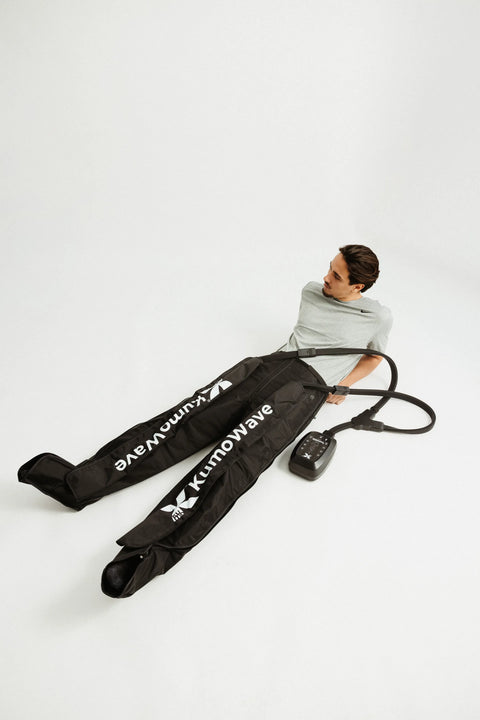
KumoWave Elite – Pressotherapy Pants
Full-coverage trousers. Ideal for lipedema, fluid retention and intensive use.
€799,00 €999,00
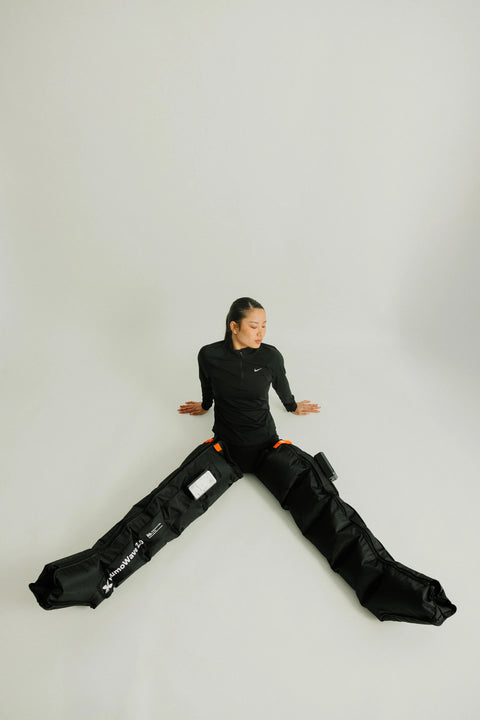
KumoWave 2.0 - Wireless Pressotherapy
Wireless, lightweight boots. Perfect for daily use and recovery.
€499,00 €599,00