


Your face can swell for many reasons. When the cause is fluid retention, the swelling is usually more noticeable upon waking and improves within a few hours; if it appears suddenly, is painful, or affects breathing, it should not be treated as a mere discomfort.
In this article, you will learn how to recognize the most common facial swelling, what causes it, and what safe measures you can try at home. The idea is to distinguish temporary retention from conditions that require medical evaluation.
Facial red light
Bring your skin back to life
★★★★★ 4,8/5 · rated by verified customers
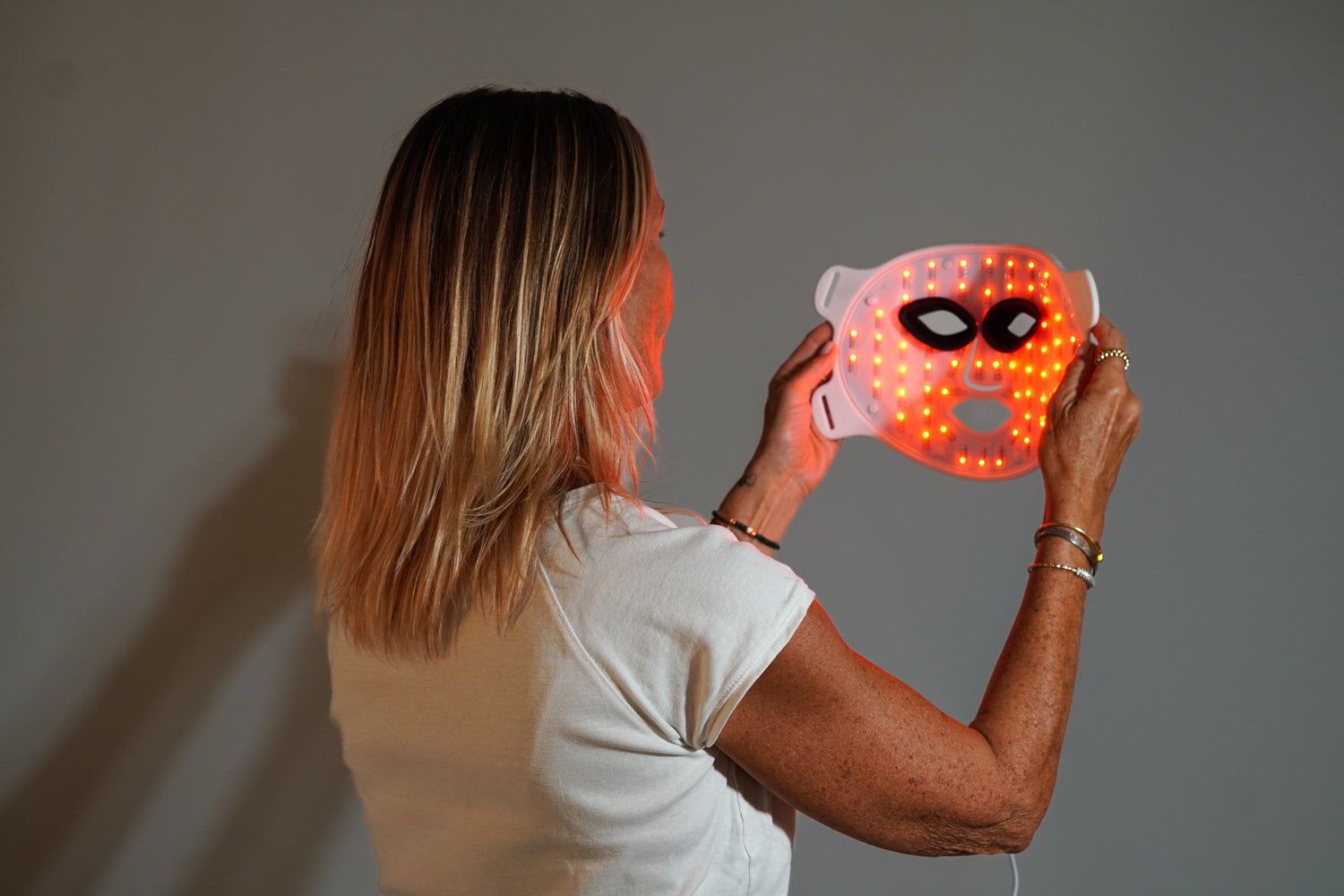
The KumoSkin LED mask helps repair and calm your skin in short sessions at home.
- 250 LEDs in flexible medical silicone
- Red light to boost collagen and glow
- 4 lights: red, infrared, blue and yellow
€299,00€429,00
−10% on your 1st order when you subscribe to the newsletter

What is fluid retention in the face?
Fluid retention in the face occurs when fluid accumulates in the facial tissues. It can be seen in the eyelids, cheeks, lips, or under the eyes, and sometimes affects only one side of the face. The Cleveland Clinic's clinical guide on facial swelling also notes that slight swelling upon waking may be temporary, while persistent swelling requires examination.
Most common causes of facial swelling
Not everything that looks like a "swollen face" is fluid retention. The MedlinePlus summary on edema explains that swelling can be related to too much salt, some medications, heart failure, kidney disease, liver problems, pregnancy, or lymphatic system disorders. In the face, allergies, infections, and drug reactions are also common. If you want to expand on the general overview, the guide on fluid retention: causes, symptoms, and real solutions can help.
Personalized protocol · included with your purchase
Want us to tell you how to use it in your case?
With your purchase, our experts prepare the ideal LED protocol for your skin type and goal (acne, wrinkles, dark spots...).
Message us on WhatsAppOur experts reply · no obligation
Practical summary of causes, signs, and first response
| Probable cause | How it usually looks | What to do first |
|---|---|---|
| Allergies and angioedema | Itching, hives, swollen lips or eyelids, congestion, or sudden onset after food, an insect bite, or medication. | Avoid the trigger and seek urgent help if lips, tongue, or breathing are affected. |
| Infections, sinusitis, or dental problem | Pain, fever, redness, and often more localized or unilateral swelling. | Requires medical evaluation to treat the cause. |
| Reaction or side effect of a medication | Swelling appears after starting a new drug or changing the dose. | Discuss it with a healthcare professional as soon as possible. |
| Excess salt, poor rest, or nocturnal retention | Face looks more "puffy" upon waking and improves with hours. | Elevate your head, reduce salt, and observe if it recurs. |
| Kidney, heart, liver problems, or pregnancy | Swelling is usually persistent and may be accompanied by edema in other areas. | Seek medical evaluation. |
The Cleveland Clinic guide, updated on August 15, 2024, distinguishes between mild swelling that improves on its own and sudden, persistent, or painful swelling, which warrants attention.
How to safely reduce facial swelling
If the swelling is mild and there are no warning signs, the most useful thing is to reduce the inflammation without irritating the area. The MedlinePlus medical encyclopedia on facial swelling and Cleveland Clinic agree on simple measures such as elevating the head and applying a cold compress. If you are also interested in a gentle facial routine, you can read the guide on facial lymphatic drainage to reduce swelling and dark circles.
- Sleep with your head elevated. Helps reduce fluid accumulation in the face, especially if you wake up with swollen eyelids.
- Apply a cold compress. Cold can reduce inflammation and provide relief when swelling is mild.
- Reduce salt for one or two days. Excess sodium promotes fluid retention, so it's worth moderating if swelling coincides with very salty meals.
- Observe if there is a clear trigger. Itching, hives, congestion, a new food, or recent medication are more indicative of an allergy than simple retention.
When facial swelling requires medical attention
Medical help should be sought if the face swells suddenly, if the swelling is unilateral and painful, or if it appears with fever, redness, hoarse voice, difficulty swallowing or breathing. The MedlinePlus report on anaphylaxis indicates that swelling of the face, eyes, or tongue with respiratory symptoms is an emergency.
on your first order when you join the newsletter
We send you the code instantly. No spam.
- Swollen lips, tongue, or throat. These are signs consistent with a severe allergic reaction or angioedema.
- Difficulty breathing or swallowing. If swelling affects the airway, go to the emergency room without delay.
- Fever, severe pain, or redness. These may indicate infection, sinusitis, cellulitis, or a dental problem.
- Persistent swelling with edema in other areas. When the problem is not limited to the face, it may point to a systemic cause.
Frequently Asked Questions
What are the most common causes of fluid retention in the face and how to quickly reduce swelling?
The most frequent causes are allergies, sinus or dental infections, medication reactions, and nocturnal retention due to salt or insufficient rest. To quickly reduce swelling, elevate your head, use a cold compress, and reduce salt; if there is itching, hives, or difficulty breathing, it is no longer a home case. Cleveland Clinic precisely distinguishes between mild swelling upon waking and swelling that persists or progresses.
How to know if facial swelling is due to fluid retention or if it requires medical attention?
It is usually retention if it improves in a few hours, is more noticeable in the morning, and does not come with fever, severe pain, or allergic symptoms. It requires attention if it is sudden, unilateral, painful, recurrent, or appears after a new food or medication. It also warrants review if accompanied by swelling in other parts of the body.
What signs indicate that facial swelling could be related to a serious medical problem?
Alarm signs are difficulty breathing or swallowing, swollen lips, tongue, or throat, hoarse voice, generalized hives, dizziness, or fainting. MedlinePlus indicates that anaphylaxis is an emergency and that facial swelling can be part of that picture. If there is also a high fever, severe pain, or the eye is affected, consult quickly.
What home remedies or habits help reduce facial swelling due to fluid retention?
Simple measures help: sleeping with your head elevated, applying a cold compress, reducing salt intake, and checking for a clear trigger such as new medication, an insect bite, or a food that caused an allergy. If swelling recurs, it is advisable to investigate the underlying cause instead of just treating the symptom.
What now?
If the swelling is mild but recurs, start with the guide on how to eliminate fluid retention naturally and then return to the Kumo Balance homepage to continue exploring wellness and recovery solutions.

Facial red light
KumoSkin Mask – LED Facial Mask
★★★★★ 4,8/5 · rated by verified customers
- 250 LEDs in flexible medical silicone
- Red light to boost collagen and glow
- 4 lights: red, infrared, blue and yellow
€299,00€429,00· pay in installments with seQura or Klarna