Cold hands are not always normal. When cold or stress triggers a sudden narrowing of the blood vessels in the fingers, with pallor, a bluish color, numbness or tingling, the picture fits Raynaud's phenomenon. (medlineplus.gov)
It is worth telling it apart from simple cold sensitivity, because the secondary form can be linked to lupus, scleroderma, rheumatoid arthritis, some medications or occupational exposure to vibration. (medlineplus.gov)
Red & infrared light
Recover faster, at home
★★★★★ 4,8/5 · rated by verified customers
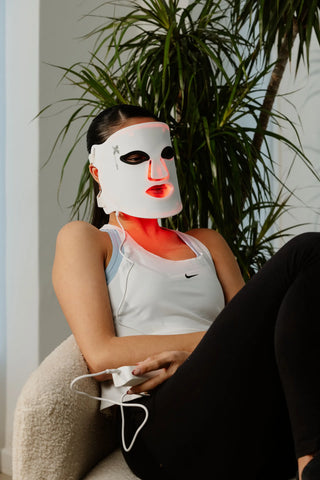
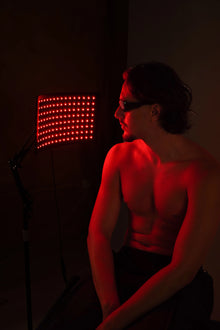
The KumoLux panel supports muscle recovery with full-body red and infrared light.
- 660 nm red + 850 nm infrared light
- Full-body muscle recovery
- Clinically validated biohacking protocols
€399,00€499,00
−10% on your 1st order when you subscribe to the newsletter

What Raynaud's phenomenon is
Raynaud's phenomenon is an exaggerated response of the small blood vessels to cold or stress. During an episode, less blood reaches the area and the fingers can look white or bluish, feel cold and go numb. When the flow returns, it is common to notice tingling, throbbing or redness.
It usually affects the fingers and toes, although it can also show up on the nose, ears, lips or nipples. In the secondary form, symptoms tend to be more intense and skin sores or infections can appear.
Personalized protocol · included with your purchase
Want us to tell you how to use it in your case?
With your purchase, our experts set up your red and infrared light sessions for your sport and goal.
Message us on WhatsAppOur experts reply · no obligation
Why some people have colder hands than others
Not every cold hand is Raynaud's. Sometimes the cause is a cold environment, a sudden temperature change, air conditioning or a normal response of the body as it lowers peripheral warmth. In Raynaud's, by contrast, the change is usually more striking and repeated, and it is set off more easily by specific triggers.
Emotional stress, nicotine, caffeine, some drugs that narrow the blood vessels and certain jobs with repeated vibration, such as frequent use of vibrating tools, also play a part. (nhs.uk)
Practical differences between everyday cold hands and a Raynaud's episode
| Situation | What usually happens | What to watch for |
|---|---|---|
| Cold, the freezer or air conditioning | Hands get cold, but they recover once you wrap up. | If white or bluish color changes, tingling or numbness appear, think of Raynaud's. |
| Emotional stress | It can bring a feeling of coldness or tension. | If stress sets off repeated episodes in the fingers, the pattern fits Raynaud's. |
| One side only or late onset | This is not the typical pattern of primary Raynaud's. | Asymmetry or onset in adulthood makes a secondary cause worth considering. (mcpress.mayoclinic.org) |
| Sores, infection or severe pain | This should not be part of simply having cold hands. | It is a warning sign that calls for medical assessment. (mayoclinic.org) |
If you are also interested in how circulation is understood in the context of heavy legs and venous return, you can read the link between pressotherapy and venous return and what pressotherapy is and how it works. Even so, those pointers do not replace medical assessment when Raynaud's is suspected. (pmc.ncbi.nlm.nih.gov)
on your first order when you join the newsletter
We send you the code instantly. No spam.
Precautions that really help day to day
When the phenomenon is mild, many people manage the attacks better by cutting down exposure to cold and to triggers. The key is to protect body temperature and to react calmly at the first signs.
- Dress in layers and protect the trunk, hands and feet above all when it is cold.
- If you have an episode, look for gentle warmth, such as lukewarm water, and avoid excessive heat or sudden temperature changes.
- Avoid smoking and, if you notice it makes things worse, cut back on caffeine. Nicotine narrows the blood vessels and caffeine can trigger symptoms in some people.
- Review with your doctor the medications that can worsen Raynaud's, especially some beta blockers, migraine drugs or ADHD treatments.
- Manage stress where possible, because it can also set off an episode.
- Do not use direct cold as if it were a fix for discomfort in the fingers, because cold therapy can make Raynaud's worse.
If your interest lies more in general leg wellness than in cold hands, it helps to understand the logic of compression properly. You can review how to set the pressure in mmHg without overdoing it to see why caution matters when compression is involved.
When to seek advice and which signs call for medical assessment
Seek advice promptly if the episodes are intense, last too long, bring sores or infection, or the pain is significant. Medical assessment is also worthwhile if symptoms start in one hand or one finger only, or if the pattern changes from what is usual for you.
If you notice persistent loss of sensation, color changes that never quite settle, or you suspect another condition behind it, do not improvise with compression devices. The literature on compression therapy advises caution, or avoiding it, in advanced peripheral arterial disease, decompensated heart failure and in the presence of active infection or broken skin.
At this point it is also worth reviewing the contraindications and precautions of lymphatic drainage to understand why safety must always come before comfort.
How Raynaud's is investigated
Diagnosis starts with the clinical history and the physical examination. After that, the professional may order blood tests to look for a secondary cause and examine the nail fold with capillaroscopy. In some cases, the cold stimulation test helps confirm the suspicion. (medlineplus.gov)
There is no single test that diagnoses every case. If a secondary form is suspected, it may be necessary to assess a connective tissue disease or refer to rheumatology.
How compression fits into a cautious approach
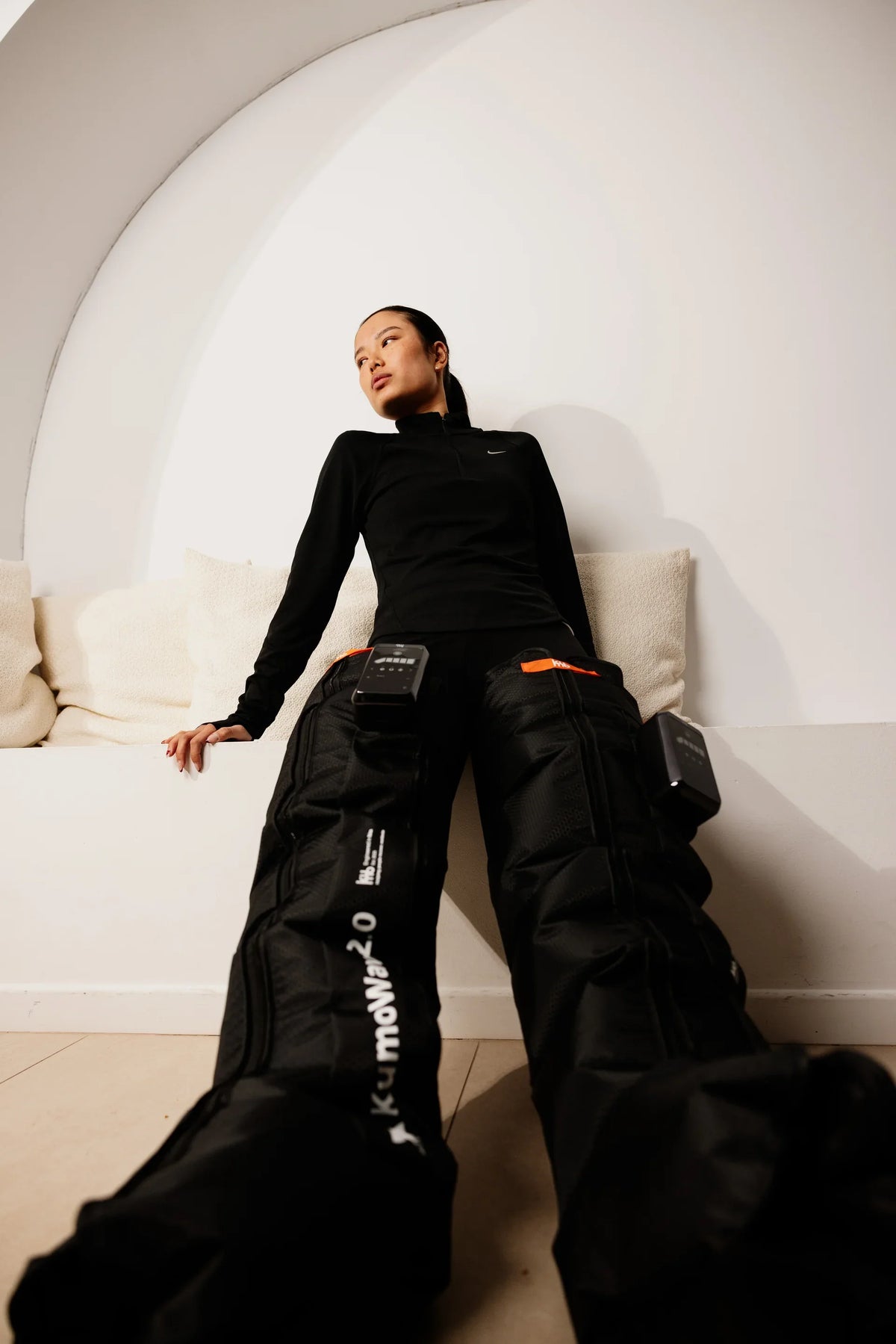
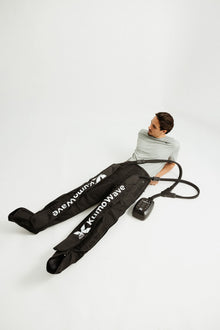
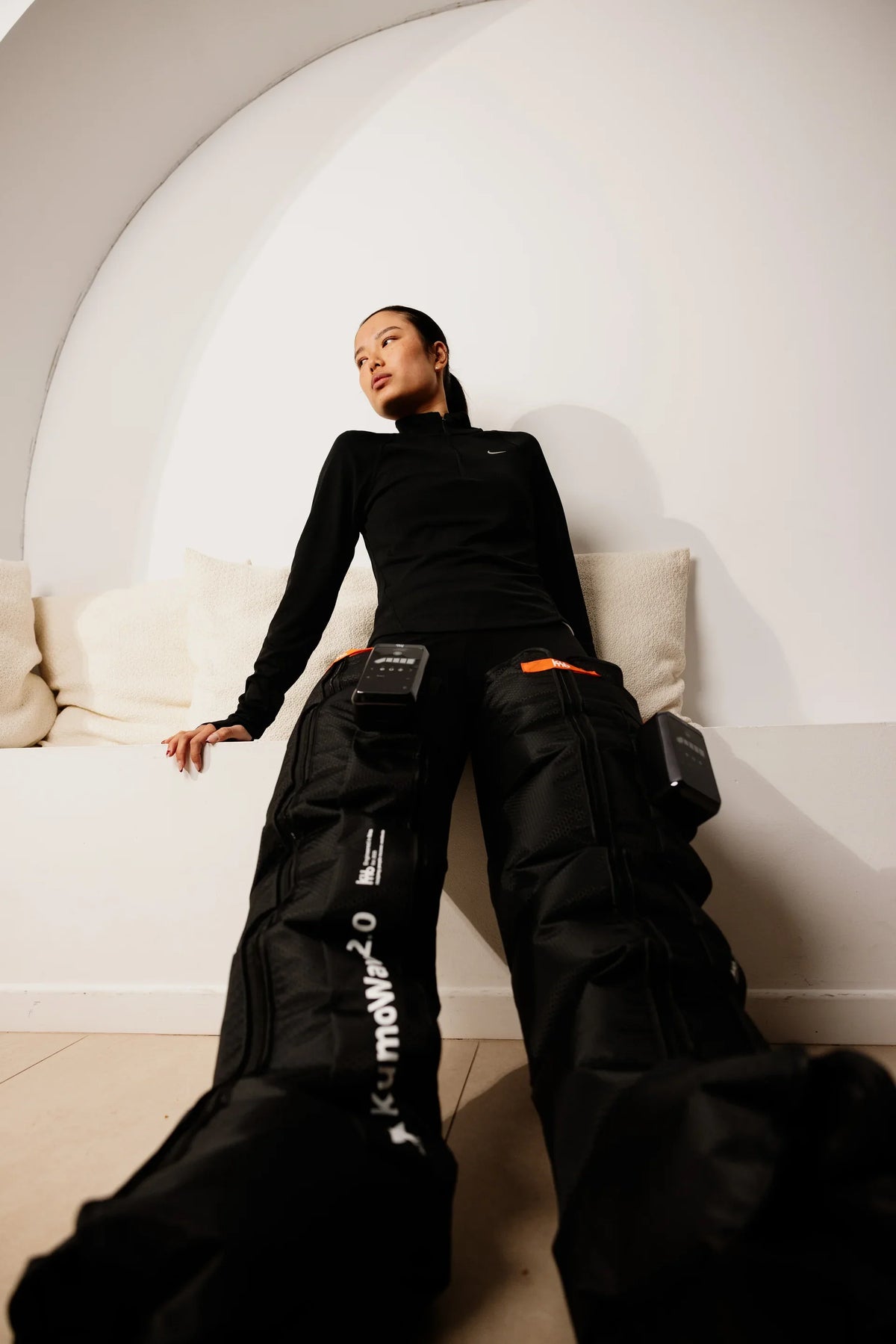
Compression and pressotherapy are mostly associated with leg wellness, recovery and venous return, not with managing cold hands where Raynaud's is suspected. That is why, if the main issue is vascular, you first have to understand where the symptom comes from and only then decide, with judgment, whether any compression tool belongs in the picture.
If you are looking for context on the responsible use of these systems, it may help to read about how pressotherapy can support venous return and about what pressotherapy is and how it works. The main idea stays the same: support wellness, never replace medical assessment when there are warning signs.
Frequently asked questions
How do I tell normal cold hands from a Raynaud's episode?
Everyday cold hands usually improve as soon as you warm up and do not change color much. In a Raynaud's episode, the most typical thing is for cold or stress to trigger pallor, a bluish color, numbness and then tingling as the flow returns. It can also happen when you touch something very cold or walk into an air-conditioned place. If the episodes keep coming back or are painful, it is worth getting them checked.
Can air conditioning or taking something out of the freezer set it off?
Yes. MedlinePlus explains that attacks often appear in the cold, even when taking something out of the freezer or walking into an air-conditioned building on a mild day. That does not mean every reaction to cold is Raynaud's, but it does mean these triggers are very typical. If it happens to you, protect your hands, avoid sudden temperature changes and watch for the pattern of color change and tingling.
Which habits make Raynaud's symptoms worse?
Smoking is one of the clearest, because nicotine narrows the blood vessels. In some people caffeine can also worsen symptoms, and emotional stress can trigger attacks. On top of that, certain medications, such as some beta blockers or migraine and ADHD drugs, can play a part. If you suspect a treatment is making things worse, do not stop it on your own; talk to your doctor first.
Can I use pressotherapy if I have cold hands or suspected Raynaud's?
Not as an automatic answer. Pressotherapy and compression serve other wellness goals, and the literature on compression is a reminder that there are important contraindications, such as advanced peripheral arterial disease, decompensated heart failure, active infection or broken skin. If you have vascular doubts, a professional needs to assess you first. After that, and only if it is appropriate, you can decide whether a compression tool makes sense in your case.
What now?
If you want to keep exploring circulatory wellness and recovery with a cautious approach, visit the Kumo Balance home page and the guide to the contraindications and risks of pressotherapy at home. And if your cold hands come with pain, striking color changes or sores, make medical assessment the priority.

Red & infrared light
KumoLux Panel – Red and Infrared LED Panel
★★★★★ 4,8/5 · rated by verified customers
- 660 nm red + 850 nm infrared light
- Full-body muscle recovery
- Clinically validated biohacking protocols
€399,00€499,00· pay in installments with seQura or Klarna