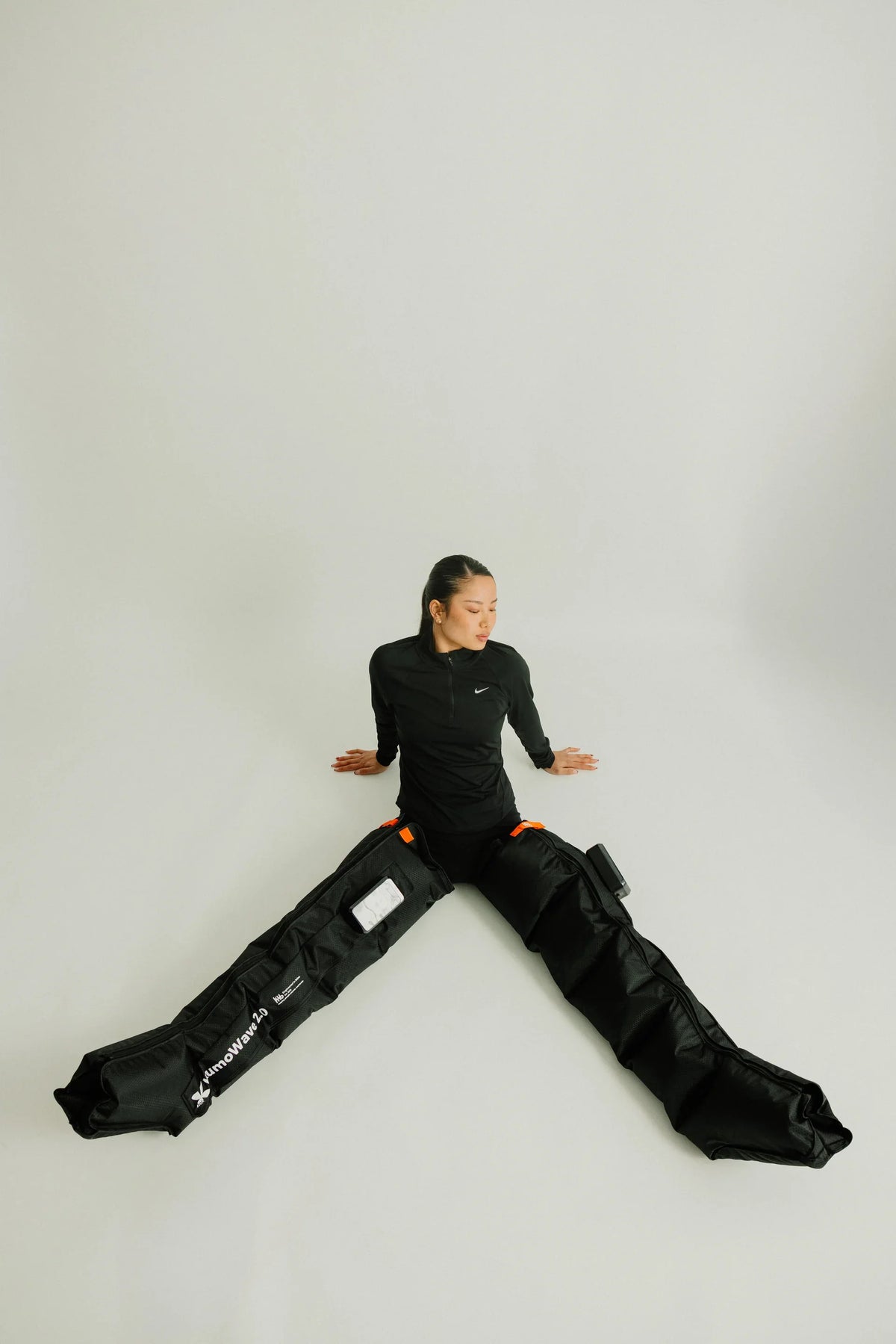
Outer knee pain can cut any run short.
In iliotibial band syndrome, the band that runs along the outside of the thigh becomes irritated and can cause pain on the outer side of the knee, especially in runners and cyclists. It usually gets worse with repeated knee-bending movements and with sudden changes in training load.
Pressotherapy at home
End the day with light legs
★★★★★ 4,8/5 · rated by verified customers
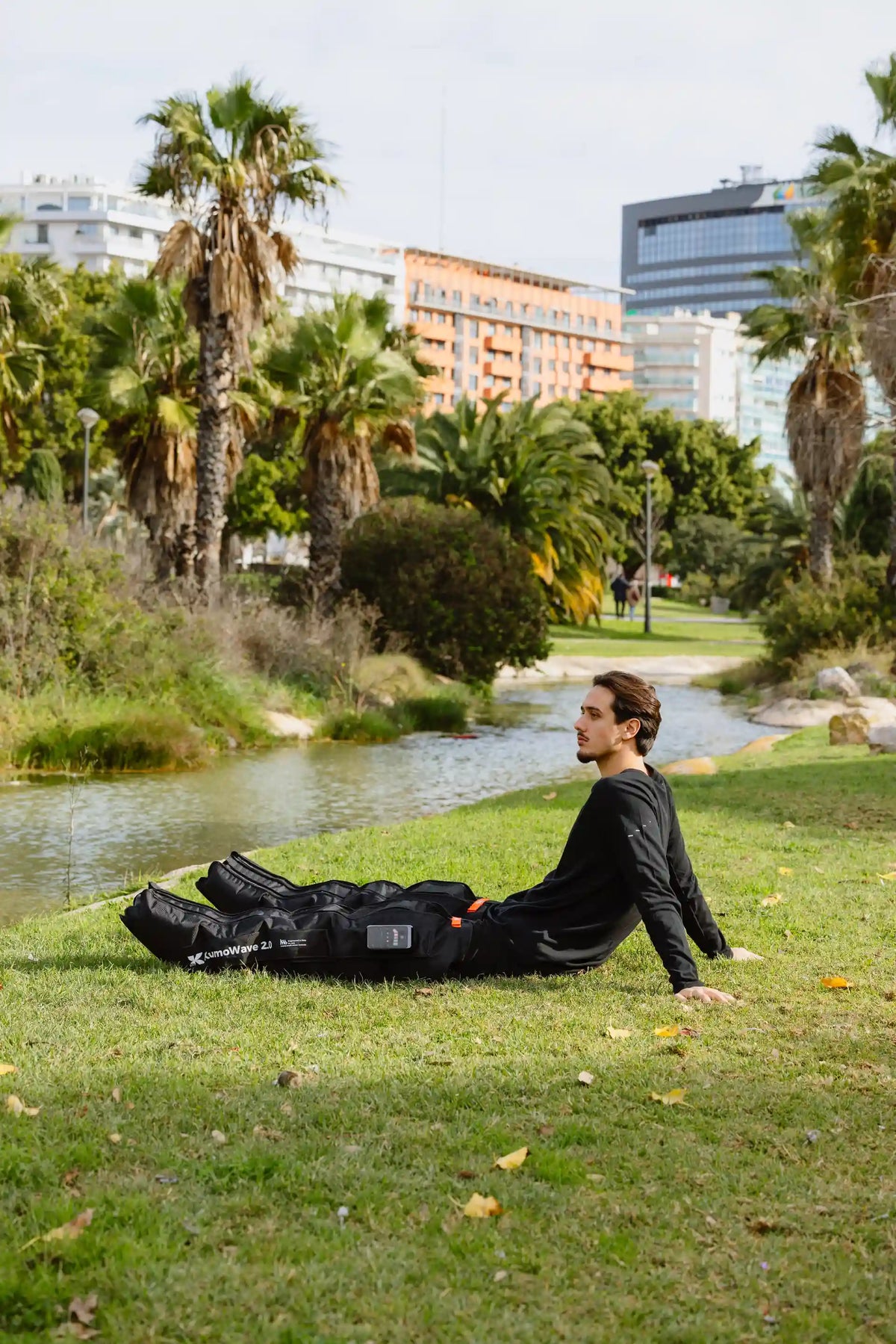
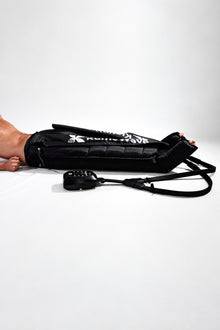
KumoWave pressotherapy boosts circulation and helps drain fluid with sequential compression, in 20-minute sessions at home.
- Boosts circulation and helps drain fluid
- Chamber-based compression, adjustable to you
- Sequential compression that mimics manual drainage
€799,00€999,00
−10% on your 1st order when you subscribe to the newsletter

What it is exactly and why it shows up
The iliotibial band runs from the hip down to the outer side of the knee and helps stabilize the leg when you walk and run. When it becomes irritated by repeated friction, it can hurt on the outer side of the knee, sometimes at the hip as well, and it is a very typical picture in runners and cyclists.
The MedlinePlus page on iliotibial band syndrome describes a very recognizable pattern: discomfort when the activity starts, partial relief once you warm up, and worsening if you push through. Running downhill, raising your volume all at once, or keeping the knee bent for a long time usually makes the symptoms worse.
Personalized protocol · included with your purchase
Want us to tell you how to use it in your case?
With your purchase, our experts prepare a personalized usage protocol for your case: sport, circulation, fluid retention, pregnancy or lipedema.
Message us on WhatsAppOur experts reply · no obligation
There is usually no single cause. In practice, training errors, too little rest, a lack of strength in the glutes and abductors, stiffness along the lateral chain and, sometimes, an anatomical alignment that increases load all play a part. Assessment is usually clinical, based on the history and the physical exam.
- The pain usually starts on the outer side of the knee while running and can improve as you warm up.
- Downhills, longer strides, and spending a long time with the knee bent tend to make it worse.
- The discomfort can go from diffuse to sharper and more localized as the minutes or miles add up. (aafp.org)
- Tenderness when you press on the outer side of the knee is also common.
What to do in the first few days
Lower the load and, if you need to, stop running for a few days. MedlinePlus and the NHS recommend reducing the demand on the knee, using ice briefly, and reassessing if the pain does not improve within a few weeks. In this phase it also helps to stay active with options that do not irritate the area, such as swimming, as long as they do not increase the symptoms.
If you feel like organizing your post-training recovery better, you can lean on a post-running protocol for runners with pressotherapy as part of a recovery routine, not as a substitute for an assessment if the pain changes.
on your first order when you join the newsletter
We send you the code instantly. No spam.
It also tends to help to apply gentle heat before moving or doing strength work, and to save the ice for afterwards if you notice inflammation or irritation. The idea is to calm the tissue, not to force it.
The priority is to lower the friction and regain tolerance to load. Going back to running too soon usually reactivates the pain and drags the problem out.
A practical recovery plan
This sequence sums up a conservative approach consistent with MedlinePlus, the AAOS, and the 2005 AAFP review. The logic is simple: first you take the irritation away, then you rebuild strength and, at the end, you reintroduce running with progression.
| Phase | What to prioritize | What to avoid | Clinical basis |
|---|---|---|---|
| Active pain | Cut distance, elevation, and intensity, use ice if you tolerate it, and keep only the activity that does not increase the symptoms. | Intervals, hills, downhills, long runs, and carrying on running with clear pain. | MedlinePlus, NHS. |
| Strength work | Rebuild the gluteus medius, hip abductors, core, and hamstrings with tolerable exercises and good technique. | Sticking only to stretching without strengthening the hip or controlling the load. | AAFP, AAOS, and UCSF. (aafp.org) |
| Return to running | Reintroduce it on flat ground, at an easy pace, on alternate days at first and raising distance before intensity. | Coming back with hills, sudden jumps in volume or speed, and the painful movement showing up again. | AAOS, MedlinePlus, and AAFP. |
Exercises physical therapists usually prescribe
The AAOS guide to the iliotibial band and the 2018 AAFP review on common running injuries agree on something important: the focus should be on strengthening the hip abductors and the gluteus medius, as well as improving the flexibility of the lateral chain and adjusting training load.
A UCSF clinical protocol for the iliotibial band lists exercises that come up very often in the clinic, always adapted to each runner's tolerance.
- Side-lying hip abduction helps activate the gluteus medius and the abductors without overloading the knee.
- The clamshell exercise is useful for working on hip stability with pelvic control and good technique.
- Lateral band walks and standing hip abduction are usually part of the strength progressions for the glutes and hips.
- Bridges and controlled step-downs can come in later to bring together strength, stability, and sporting movement. (sportsrehab.ucsf.edu)
Watch out for a very common mistake: stretching is not the same as solving the problem. The 2005 AAFP review pointed out that stretching on its own has not been shown to speed up recovery, so it is best combined with strength, load control, and technique.
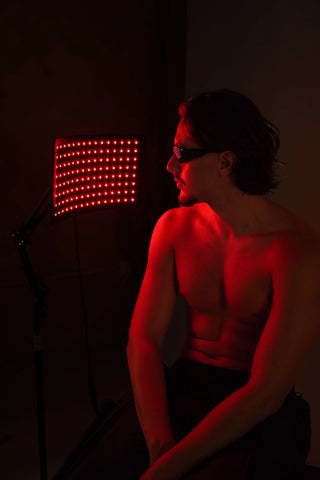
If you want to take that idea home with a simple sequence, an at-home recovery routine with pressotherapy, red light therapy, and percussion massage can help, always as a complement to your strength plan and not as a substitute for the active work.
When to see a health professional and what precautions to take
Outer knee pain is not always the iliotibial band, so it is worth getting it checked if it appeared after a fall or a hard twist, if you cannot put weight on it, if the knee locks or looks deformed, or if there is fever, heat, redness, significant swelling, or calf pain. The NHS page on knee pain and MedlinePlus recommend asking for an assessment if it does not improve within a few weeks or if warning signs appear. (medlineplus.gov)
If you are thinking about using pressotherapy or sequential compression, remember that it should not be used on a leg with suspected deep vein thrombosis, acute infection, arterial ischemia, or cardiac decompensation. A hospital guide on compression therapy points to exactly those situations as reasons to stop and ask for an assessment. If you want to review the pressure range before using compression at home, you can look at how to set the pressure in mmHg without overdoing it.
Going back to running should depend on being able to do strength work and basic movements without pain, not on being in a hurry. If the discomfort comes back, it is time to step back.
Frequently asked questions
What exactly is iliotibial band syndrome and why does it cause outer knee pain when running?
It is an overuse injury in which the iliotibial band, a thick tissue running along the outside of the thigh, becomes irritated as it rubs repeatedly over the lateral area of the knee. The pain usually appears while running, especially on long sessions or with downhills, and can range from diffuse discomfort to a more localized pain. The physical exam and the clinical history are usually enough to point to it.
How can runners ease outer knee pain from the IT band without surgery?
The key is usually a combination of relative rest, ice, load adjustment, and physical therapy. MedlinePlus and the AAOS recommend temporarily reducing the activity that irritates the area, working on strength and mobility, and coming back gradually when the pain allows it. Surgery is uncommon and is usually reserved for cases that do not respond to a well-run conservative plan.
Which specific hip and thigh strengthening exercises do physical therapists recommend for the iliotibial band in runners?
The most common ones are side-lying hip abduction, the clamshell, lateral band walks and, later on, bridges or controlled step-downs. These exercises aim to improve the strength of the gluteus medius and the hip abductors, plus pelvic control, which are key to unloading the knee while running. What matters is doing them with clean technique and without the pain increasing the next day.
How long does recovery from iliotibial band syndrome usually take with conservative treatment in runners?
The AAOS states that many runners recover and get back to running in around 6 weeks with conservative treatment, although the real duration depends on how severe it is and how long you have had symptoms. The AAFP also stresses that the course improves when activity limits are respected and strength, flexibility, and load control are combined. If the pain persists or gets worse, it is worth reassessing the plan.
When is it safe to run again after IT band syndrome?
It is safer to come back when you can do the strength exercises without pain and walk, climb stairs, or jog easily without the symptoms returning. The comeback should be on flat ground, at an easy pace, and with a gradual increase in distance and intensity. If the pain returns during or afterwards, or if it gets worse the next day, it is time to slow down and take a step back. Rushing usually lengthens recovery rather than shortening it.
So what now?
If you want to turn all of this into a simple routine for your heavier days, start with an at-home recovery routine with pressotherapy, red light therapy, and percussion massage, round out the picture with the complete recovery routine for athletes, and head back to the Kumo Balance home page to keep organizing your recovery calmly and consistently.
KumoWave pressotherapy
Choose your at-home pressotherapy
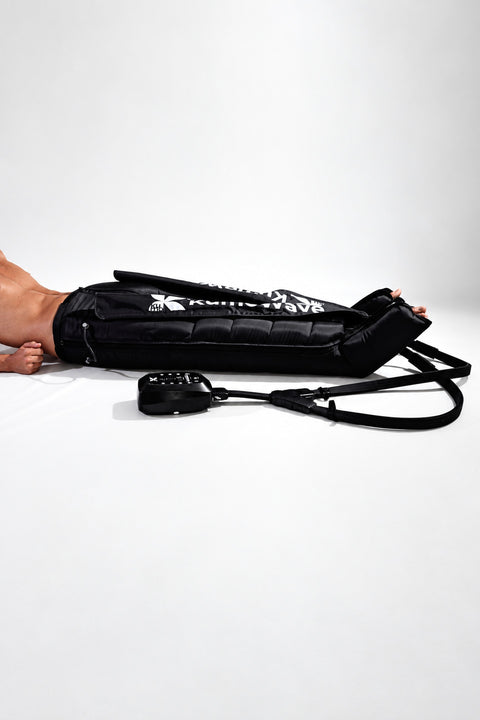
KumoWave Elite – Pressotherapy Pants
Full-coverage trousers. Ideal for lipedema, fluid retention and intensive use.
€799,00 €999,00
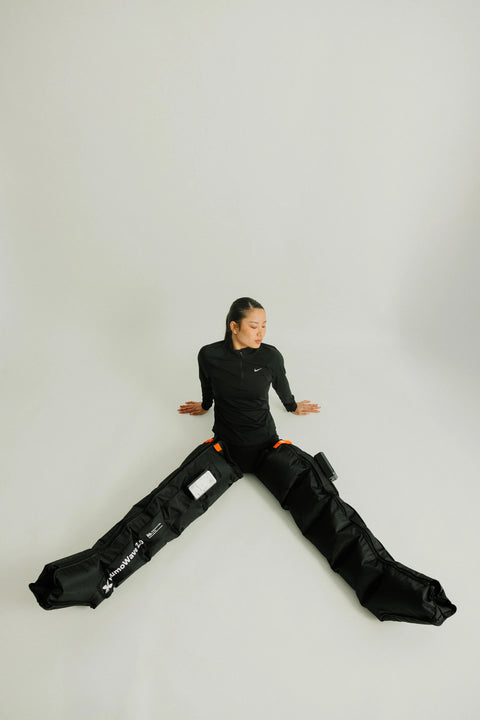
KumoWave 2.0 - Wireless Pressotherapy
Wireless, lightweight boots. Perfect for daily use and recovery.
€499,00 €599,00