

Sugar ages your skin too.
When glucose reacts with structural proteins such as collagen and elastin, AGEs form that stiffen the dermis and speed up the loss of firmness. The result is usually less elastic, duller skin where fine lines show up sooner.
Facial red light
Bring your skin back to life
★★★★★ 4,8/5 · rated by verified customers
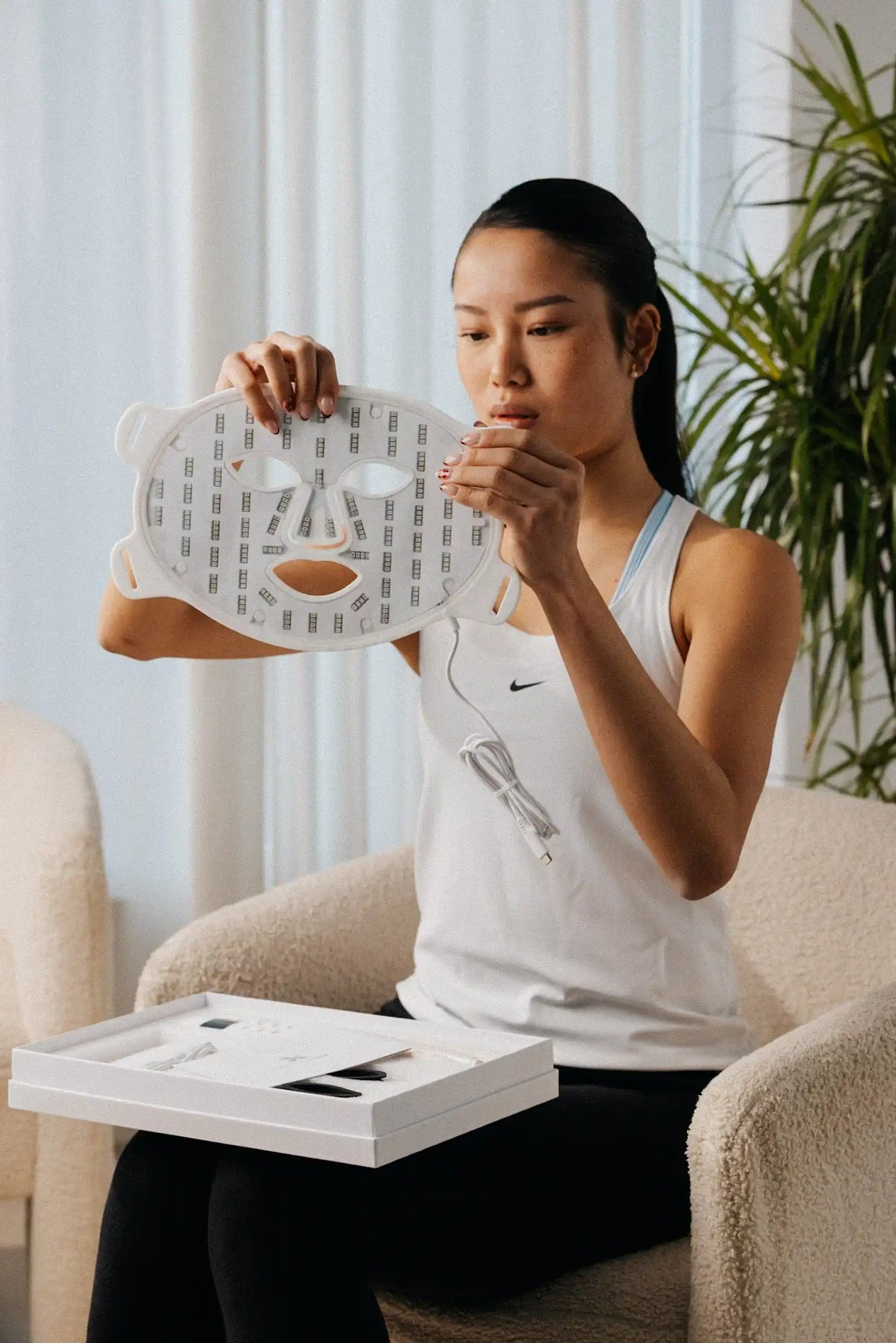
The KumoSkin LED mask helps repair and calm your skin in short sessions at home.
- 250 LEDs in flexible medical silicone
- Red light to boost collagen and glow
- 4 lights: red, infrared, blue and yellow
€299,00€429,00
−10% on your 1st order when you subscribe to the newsletter

Diet is not acting alone. Sun, tobacco and certain cooking methods can also raise the glycation load, so the useful approach is broad, simple and consistent.
What skin glycation is and why it matters
Glycation is a non-enzymatic reaction between reducing sugars and the body's proteins. In skin it happens mostly in the extracellular matrix, where collagen and elastin hold up the structure of the tissue. When cross-links form, those fibers lose flexibility and turnover becomes less efficient.
Personalized protocol · included with your purchase
Want us to tell you how to use it in your case?
With your purchase, our experts prepare the ideal LED protocol for your skin type and goal (acne, wrinkles, dark spots...).
Message us on WhatsAppOur experts reply · no obligation
In a reconstructed skin model, glycation of collagen produced changes consistent with an aged phenotype, including poorer organization of the epidermis and alterations of the dermal matrix. The in vitro study on glycated collagen and aged skin shows the phenomenon is not just theoretical, but biologically measurable.
In research, one way to track that buildup is skin autofluorescence, a non-invasive marker tied to AGE load and to age. In population studies it is also linked to smoking, waist circumference and certain dietary patterns.
How it damages collagen and elastin
Collagen provides support and elastin lets skin snap back after stretching. As AGEs accumulate, these proteins become stiffer, change their organization and respond worse to mechanical and oxidative stress. A study on reconstructed skin also found signs of cellular stress and apoptosis in fibroblasts exposed to collagen modified by glycation products.
on your first order when you join the newsletter
We send you the code instantly. No spam.
Combining glycation and UVA makes the picture worse. In an experimental model, UVA exposure alongside glycated dermis intensified inflammatory markers and favored an environment consistent with elastosis, meaning a breakdown of the elastic network. Research on UVA and dermal glycation helps explain why the sun accelerates visible aging so much.
Which visible signs tend to go with it
- Loss of elasticity and firmness, because cross-links make the dermis stiffer.
- Rougher or duller texture, with less bounce and less radiance.
- Fine lines and expression lines that show more when age, sun and glycation combine.
- Slower skin recovery, especially in skin carrying a higher AGE load.
Which factors speed up AGE formation
Not everything is explained by dietary sugar. Sustained high blood glucose, ultraviolet radiation, tobacco and very intense cooking can raise the AGE load or amplify its effect in skin tissue.
Practical table: factor, effect and what to do
| Factor | What happens | What to do |
|---|---|---|
| Sustained high glucose | Favors greater endogenous glycation and more damage to skin collagen. | If you have diabetes or prediabetes, medical glucose control is the foundation. |
| UVA radiation | Boosts oxidative damage and elastosis when it coincides with glycation. | Use daily sun protection and reapply it whenever needed. |
| Tobacco | Linked to more AGEs in the skin and a worse profile of visible aging. | Quitting smoking has a real impact on skin and on overall health. |
| Very intense cooking and ultra-processed foods | Increase exposure to dietary AGEs, especially in patterns heavy on dry heat and heavily browned foods. | Favor boiling, steaming and lightly browned dishes. |
Skin ages faster when glycation, sun and tobacco combine, not because of one isolated habit.
How to reduce skin glycation without magic promises
The most useful strategy is to lower the total AGE load and reduce glucose spikes. In a Rotterdam cohort study, higher dietary intake of carboxymethyl-lysine was associated with more skin autofluorescence in specific subgroups, and a randomized crossover trial observed that cooking with methods such as boiling or steaming lowered serum AGEs compared with higher-AGE diets. The trial on cooking and AGEs offers a clear clue: how you cook counts too.
There is no need to turn eating into a list of bans. What changes the risk most is how often glucose spikes and high-AGE meals repeat. That is why it helps to think in weekly patterns, not in a single meal.
- Choose moist cooking, such as boiling, steaming or gentle stews, and save heavy browning for occasional meals.
- Cut back on sodas, pastries, sweets and ultra-processed foods, because they raise the glycemic load and with it the ground for forming AGEs.
- Increase vegetables, legumes, whole fruit and whole grains, since a pattern richer in minimally processed foods usually comes with fewer dietary AGEs.
- Do not smoke, because tobacco is linked to more AGEs in the skin and a worse profile of visible aging.
- Use daily sun protection, because UVA damage and glycation reinforce each other in the dermis.
- If you have diabetes, prediabetes or kidney disease, check with a health professional before making major changes to your diet or supplements.
If you have diabetes or kidney disease, are pregnant or take medication long term, get professional guidance before changing your diet drastically or starting supplements. In these cases the goal is not to test strategies at random, but to fit the plan to your clinical situation.
What role LED light can play in a facial routine
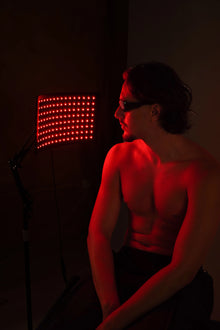
LED light does not correct glycation on its own, but it can be part of a cosmetic routine aimed at the look of your skin. Studies on LED light therapy and skin aging have observed improvements in overall skin quality and in parameters tied to photoaging, even though sun protection and habits remain the foundation.
If you want to go deeper into how technology fits into daily care, you can read the guide to photobiomodulation for the skin and the complete guide to the LED face mask. Both help you understand when adding light makes sense and when other basics should come first.
If you have a skin condition, light hypersensitivity or medical doubts, the prudent move is to seek professional guidance before adding any light device at home.
FAQ on glycation and skin
How does glycation caused by sugar accelerate skin aging?
Glucose and other sugars react with support proteins and generate AGEs. Those compounds create cross-links in collagen and elastin, harden the skin matrix and make skin repair itself worse. In reconstructed skin models this process produces a measurable aged phenotype, with poorer tissue organization and more signs of structural damage. On top of that, when it coincides with UV radiation the effect intensifies.
Can sugar really age your skin faster, and why?
Yes, but not only from eating sweets. What weighs most is the combination of sustained high blood glucose, an AGE-rich diet, tobacco and sun exposure. Higher skin autofluorescence has been linked to age, waist circumference, tobacco and the intake of meat and meat products in healthy adults. That is why it helps to think about the whole set of habits, not one isolated food.
Which glycation mechanisms affect collagen and elastin?
AGEs stiffen collagen, alter fibroblast signaling and increase oxidative stress. In an experimental model, combining glycation and UVA raised inflammatory markers and favored an environment consistent with elastosis. That explains why skin loses elasticity, looks more aged and responds worse to environmental damage.
How can you reduce skin glycation to slow down skin aging?
The foundation is lowering the AGE load and glucose spikes. Gentle cooking, fewer ultra-processed foods, not smoking, protecting yourself from the sun and keeping medical control if you have diabetes or prediabetes all help. In a crossover trial, boiling or steaming lowered serum AGEs compared with higher-AGE patterns. What matters is consistency, not a quick fix.
Which foods or habits increase or decrease skin glycation?
Heavily browned, fried and barbecued foods, sweets and sugary drinks increase it, while patterns with more vegetables, legumes, whole grains and lightly browned preparations usually help. It is not about banning one isolated food, but about repeating more often the options that generate fewer AGEs and fewer glycemic spikes. The sum of small changes is usually more useful than one extreme measure.
What now?
If you want to care for your skin with realistic logic, start on two fronts: less AGE load from your diet and more protection from the sun. Then, if adding a cosmetic routine with technology interests you, explore the Kumo Balance website and continue with how to rejuvenate skin with a combined LED technology routine. That is how you build a coherent strategy, without miracle promises and with a focus on consistency.

Facial red light
KumoSkin Mask – LED Facial Mask
★★★★★ 4,8/5 · rated by verified customers
- 250 LEDs in flexible medical silicone
- Red light to boost collagen and glow
- 4 lights: red, infrared, blue and yellow
€299,00€429,00· pay in installments with seQura or Klarna