September is an invitation to get moving again.
After weeks of less activity, your body appreciates a gradual return rather than an abrupt start. The goal is to rebuild the habit, the mobility and the energy with a workload you can sustain. (nhs.uk)
Red & infrared light
Recover faster, at home
★★★★★ 4,8/5 · rated by verified customers
The KumoLux panel supports muscle recovery with full-body red and infrared light.
- 660 nm red + 850 nm infrared light
- Full-body muscle recovery
- Clinically validated biohacking protocols
€399,00€499,00
−10% on your 1st order when you subscribe to the newsletter

WHO and NHS guidance agree on one simple idea: start small, build up little by little and look for consistency before intensity. The official WHO recommendation on physical activity sums it up well.
What happens to your body when movement drops
If you moved less over the summer, it is no surprise to feel stiffer in the morning, to run out of steam on the stairs or to feel less willing to train. WHO points out that adults benefit from accumulating 150 to 300 minutes of moderate activity a week, or 75 to 150 minutes of vigorous activity, plus strength work; when you drift far from that pattern, the adaptation shows.
Personalized protocol · included with your purchase
Want us to tell you how to use it in your case?
With your purchase, our experts set up your red and infrared light sessions for your sport and goal.
Message us on WhatsAppOur experts reply · no obligation
That is why getting back into exercise should not start at your maximum, but at what is sustainable. The NHS recommends starting with small steps and building over weeks, especially if you are coming from a period of inactivity or very irregular schedules.
How to reactivate it without overloading it
1. Start with easy movement
Brisk walking, easy cycling or 10 to 20 minutes of joint mobility are simple ways to wake the body up. If it feels “asleep”, use short, frequent sessions instead of one long block that leaves you empty the next day.
2. Rebuild strength before chasing cardio
Strength work helps you feel stable again in your legs, glutes, back, core, shoulders and arms. The NHS recommends working the major muscle groups at least two days a week and starting gradually over several weeks. The NHS guide to strength and flexibility is a good practical reference.
on your first order when you join the newsletter
We send you the code instantly. No spam.
- Bodyweight squats to reactivate your legs and hips.
- Glute bridge to wake up the posterior chain without impact.
- Resistance band row to rebuild your back and your posture.
- Short plank or bird dog to regain trunk control with little volume.
3. Leave room for recovery
Sleep, hydration and easy days are part of the plan too. If you try to make up for the summer with too much load in the first week, it is easier to accumulate fatigue and lose consistency. The return that works is the one you can repeat. (uhsussex.nhs.uk)
A 7-day plan to restart your routine
This example follows a simple logic: start with low volume, alternate stimuli and leave room for muscles and joints to adapt.
| Day | Goal | Simple example |
|---|---|---|
| 1 | Wake the body up | 20 minutes of walking and 8 minutes of mobility. |
| 2 | Rebuild tone | Bodyweight squats, glute bridge and band row in an easy session. |
| 3 | Active recovery | A short walk and calm stretching. |
| 4 | Step it up a little | Short moderate cardio, without reaching your limit. |
| 5 | Back to strength | Repeat a full-body session with less volume than at your best. |
| 6 | Choose recovery | Walking, hydrating and sleeping well. |
| 7 | Check in with yourself | Decide what to keep next week based on how you felt. |
Smart recovery: when to add extra support
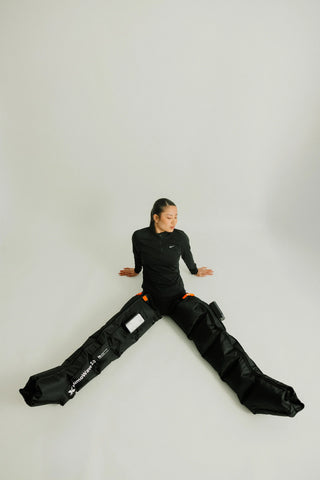
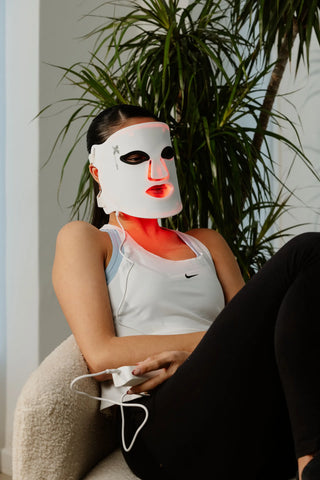
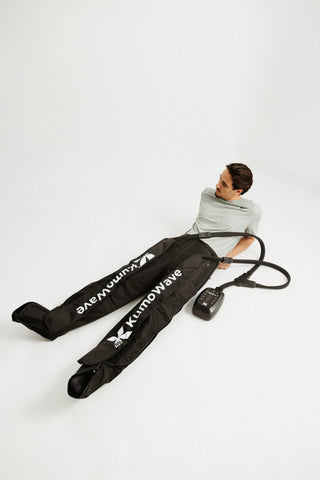
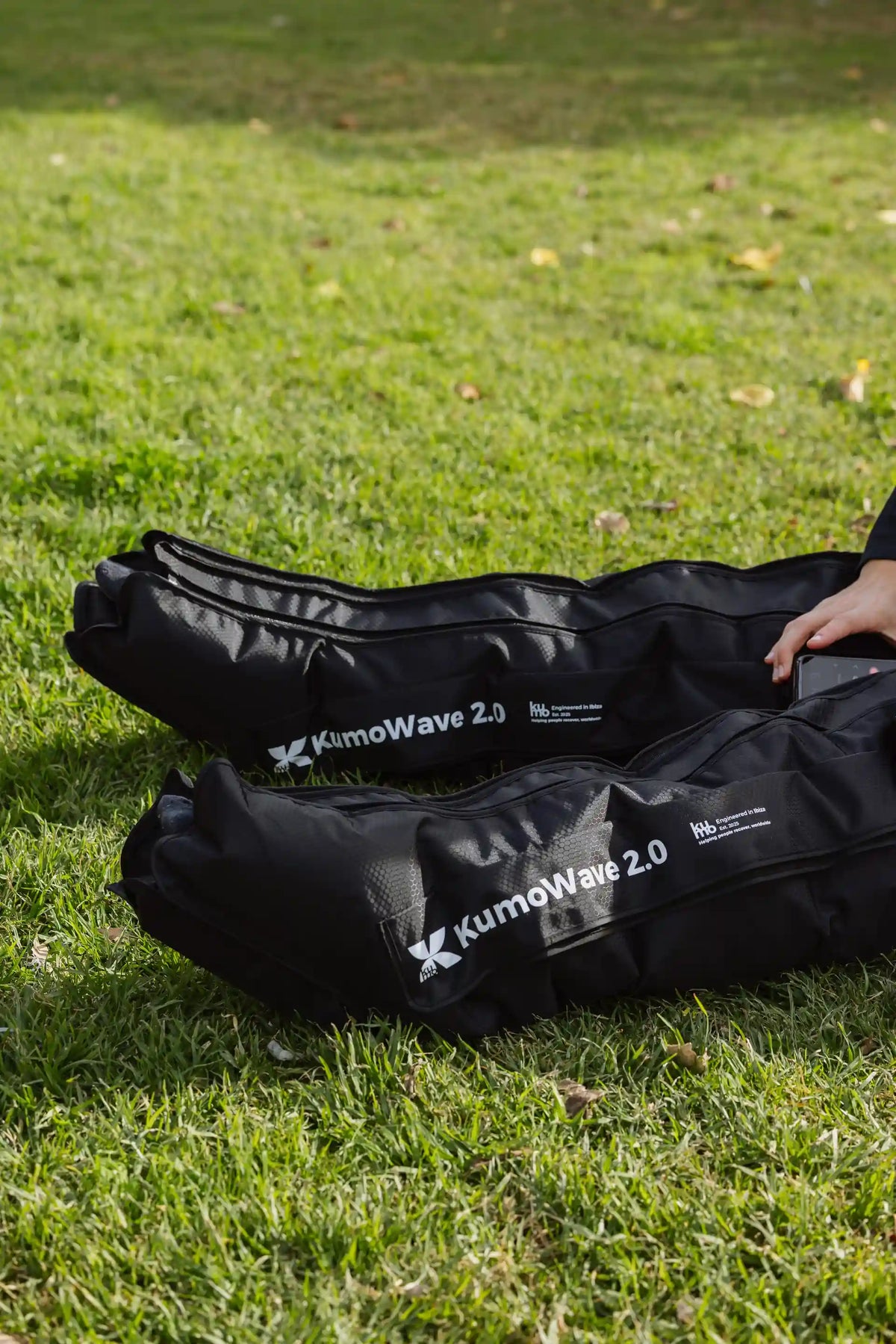
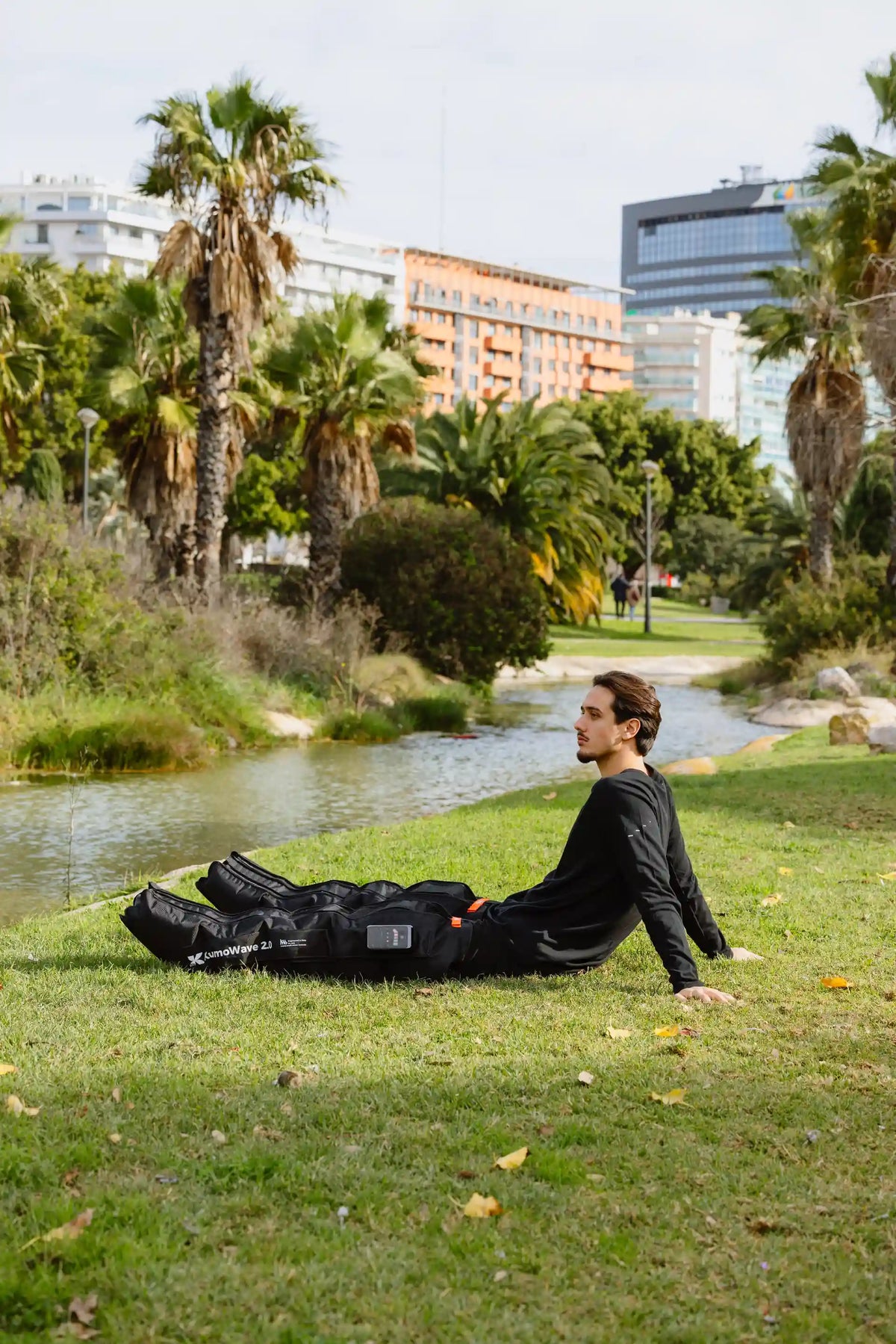
Once you have your movement habit back, some wellness tools can support the routine. If you want to see how these options fit into a broader approach, you can explore the compression, LED and percussive massage technology or pressotherapy at home as part of a daily recovery ritual.
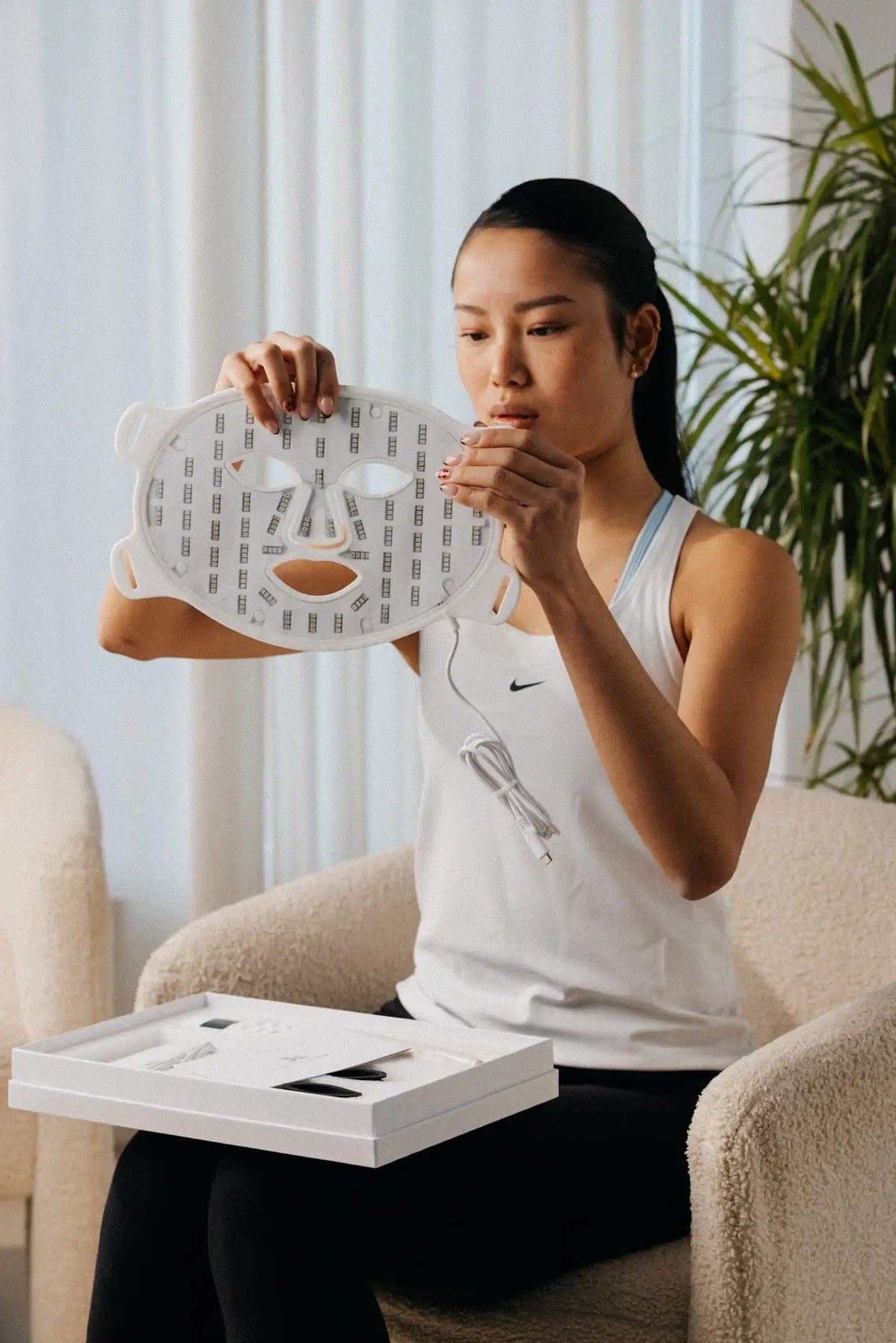
If a short gesture at the end of the day appeals to you, LED therapy at home can fit into a care ritual. The American Academy of Dermatology describes red light therapy as a noninvasive option with usually mild effects, and reminds you to protect your eyes and check photosensitivity or medication before using it. The AAD safety guide on red light therapy details these precautions.
Percussive massage can also be part of a recovery routine, always on muscle and with care. The Hospital for Special Surgery advises against using it if there is a recent injury with swelling or significant pain, and against insisting on bones, joints or irritated areas. The HSS guide to using a massage gun explains safe, sensible use.
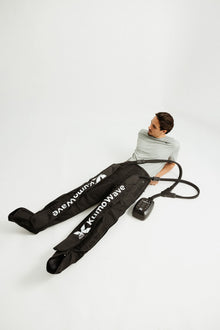
For tired legs after many hours on your feet or after a more sedentary summer, sequential compression can support that feeling of lightness, but it is best not to use it without first checking whether a contraindication exists. The Oxford Health practical guide on compression flags caution with severe arterial insufficiency, acute infection or suspected deep vein thrombosis, and adds that in people with heart failure the decision has to be individualized. The Oxford Health guide on compression sets out those criteria.
When to see a health professional
Stop the routine and seek medical assessment if you develop pain that worsens, swelling in one leg only, intense heat or redness, fever, shortness of breath, chest pain, dizziness or a clear sense of getting worse after exertion. In health, progress should add well-being, not alarms. (ouh.nhs.uk)
With pressotherapy, do not improvise if there is suspected deep vein thrombosis, acute infection, ischemia, decompensated heart failure or significant arterial disease. With red light therapy, it is worth checking photosensitivity, medication and eye protection, because the AAD warns that it is not suitable for everyone. And with percussive massage, if the area is inflamed, bruised or acutely painful, it is better to stop and ask a professional.
Remember too that these wellness tools support the routine, but they do not replace a medical assessment and should not be used as if they cured a condition.
Frequently asked questions about getting back into exercise in September
How do you get back into your routine after the summer?
Start by setting a realistic time to move and by running a small version of your plan, not the ideal one. A brisk walk, 10 minutes of mobility or a short strength session are enough to break the inertia. The NHS recommends building over weeks rather than on bursts, while WHO insists on moving regularly and progressing little by little. What helps most at the beginning is repeating, not impressing.
Which exercises help reactivate your body when you come back from vacation in September?
The most useful ones are usually the basics: brisk walking, taking the stairs calmly, bodyweight squats, glute bridge, hip and shoulder mobility, and a little trunk work. The key is that your body tolerates load again without feeling that everything happens at once. The NHS recommends working the major muscle groups at least two days a week and starting gradually over several weeks.
How do you plan a return to the gym in September to avoid injuries?
The best strategy is to lower the volume at first, warm up well and leave room between demanding sessions. If you have spent weeks moving less, go back to a slower pace and build from there. The NHS and several NHS services point out that progress should happen over weeks, not days, and that small adaptation niggles should not turn into persistent pain. If something forces you to compensate or change your technique, it is time to slow down.
When does it make sense to use pressotherapy, LED therapy or percussive massage as support?
It can make sense once the basics are in place, that is, walking, moving and training again with progression. LED therapy can be part of a care ritual, compression can support the feeling of tired legs and percussive massage can serve as occasional support on muscle. Even so, every tool has its limits: the AAD asks for caution with red light therapy, Oxford Health details contraindications for compression and HSS advises care with the massage gun.
So what now?
If you want to turn this restart into a routine that is easier to keep, discover the Kumo Balance website, explore pressotherapy at home and write to our team if you need help choosing the support that fits you best.

Red & infrared light
KumoLux Panel – Red and Infrared LED Panel
★★★★★ 4,8/5 · rated by verified customers
- 660 nm red + 850 nm infrared light
- Full-body muscle recovery
- Clinically validated biohacking protocols
€399,00€499,00· pay in installments with seQura or Klarna