
Introduction: Why is there so much talk about the LED face mask?
Light can transform your skin.
LED face masks have gone from being a futuristic gadget to a real skincare tool, backed by clinical studies and used both in dermatology clinics and at home. Beyond smoothing wrinkles or helping with acne, light therapy is increasingly integrated into a holistic approach to skin wellness , where sleep, stress, muscle recovery, and skin barrier health form a single system.
Red & infrared light
Recover faster, at home
★★★★★ 4,8/5 · rated by verified customers
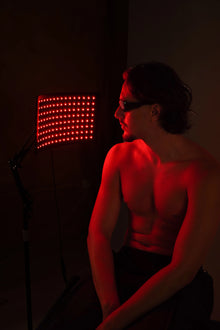
The KumoLux panel supports muscle recovery with full-body red and infrared light.
- 660 nm red + 850 nm infrared light
- Full-body muscle recovery
- Clinically validated biohacking protocols
€399,00€499,00
−10% on your 1st order when you subscribe to the newsletter

In this guide you will see exactly what an LED light mask is, how it works on cells, what the latest scientific evidence says, how to integrate it into your routine and what criteria to consider when choosing a quality device, consistent with a holistic vision of well-being such as the one proposed by KUMO .
What is an LED face mask and how does it work?
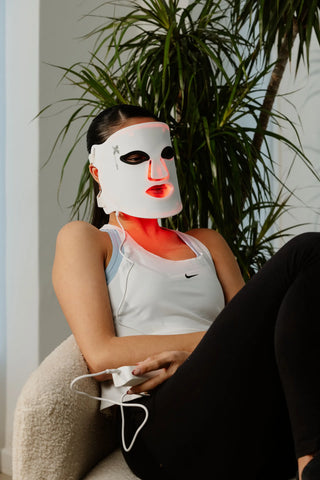
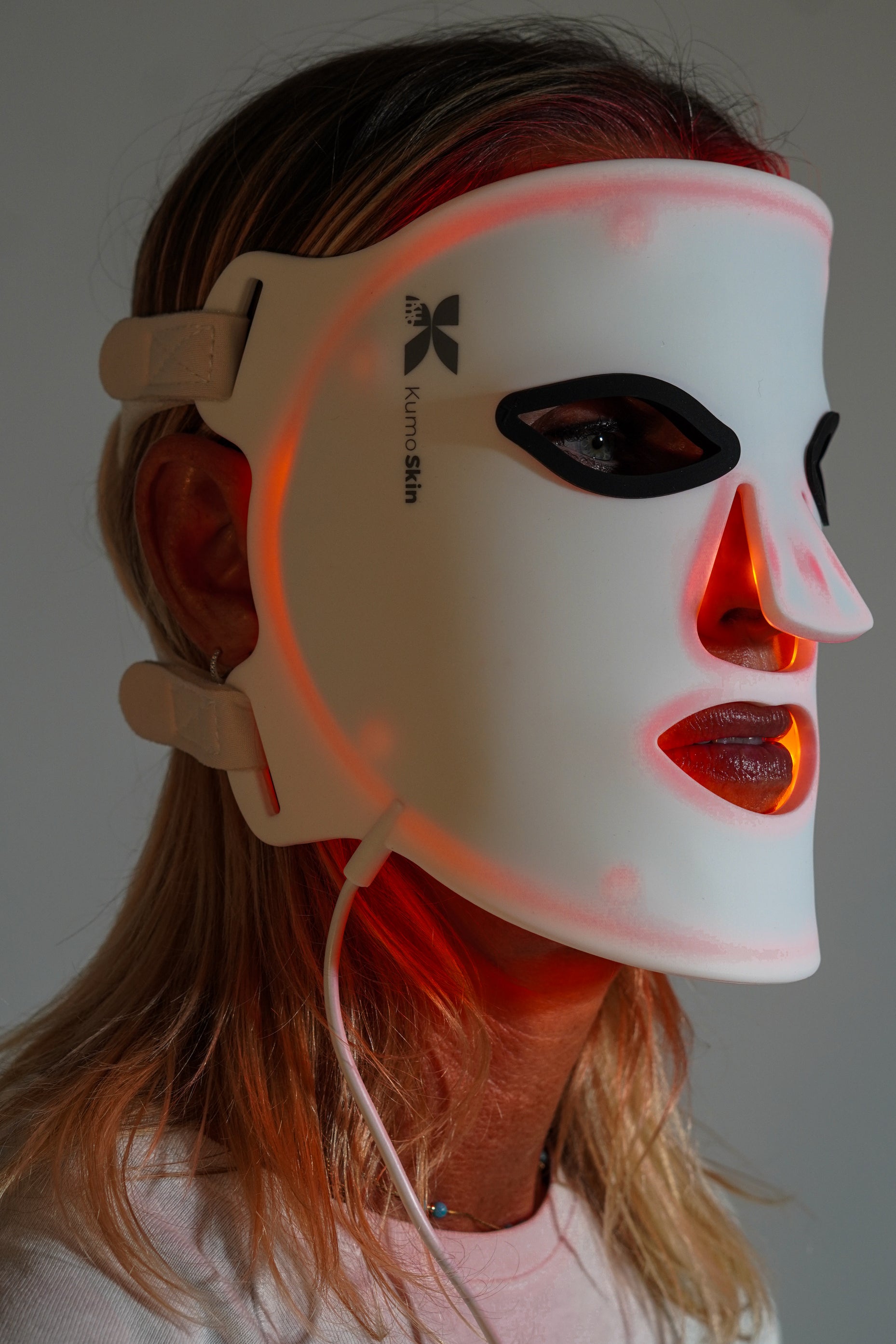
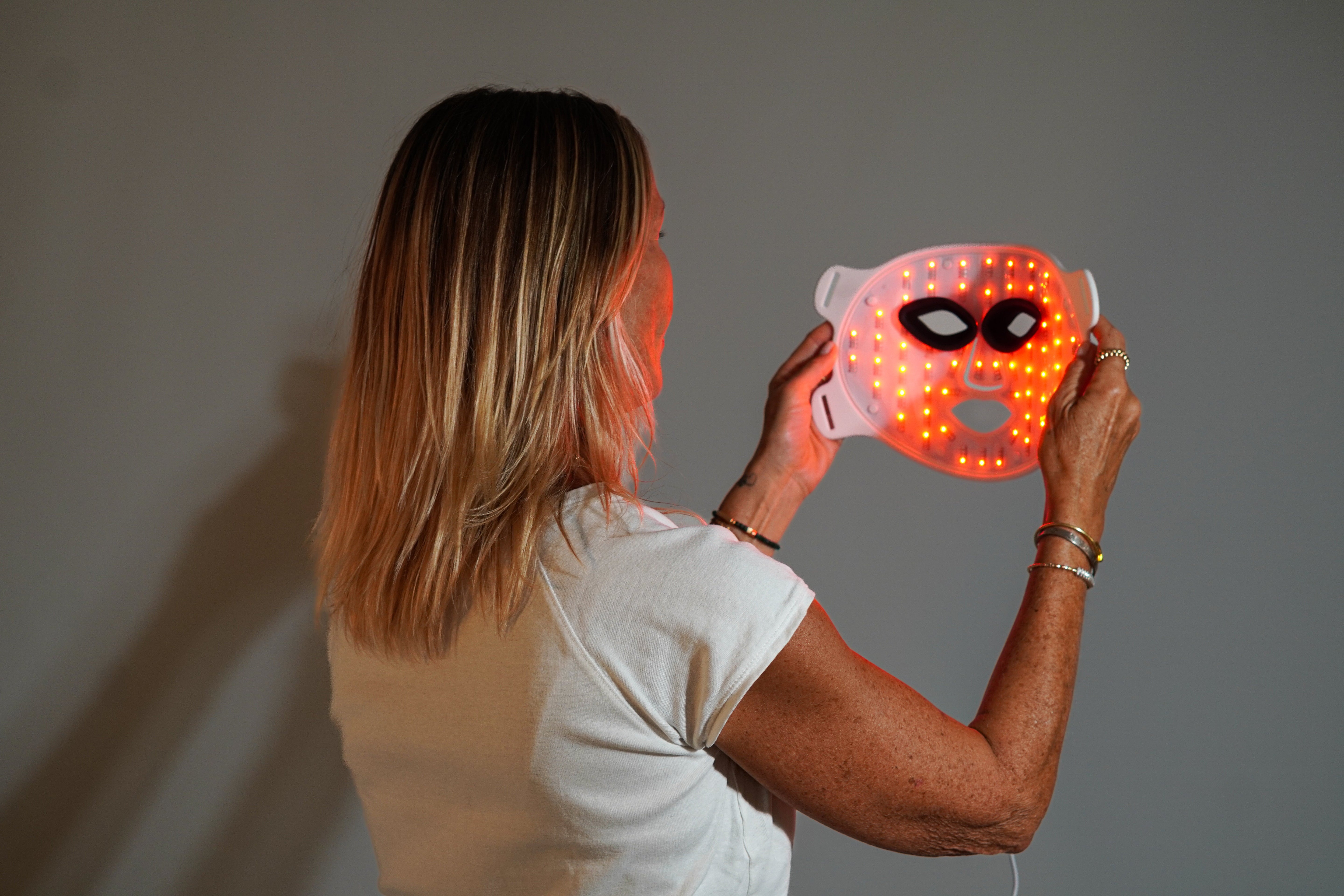
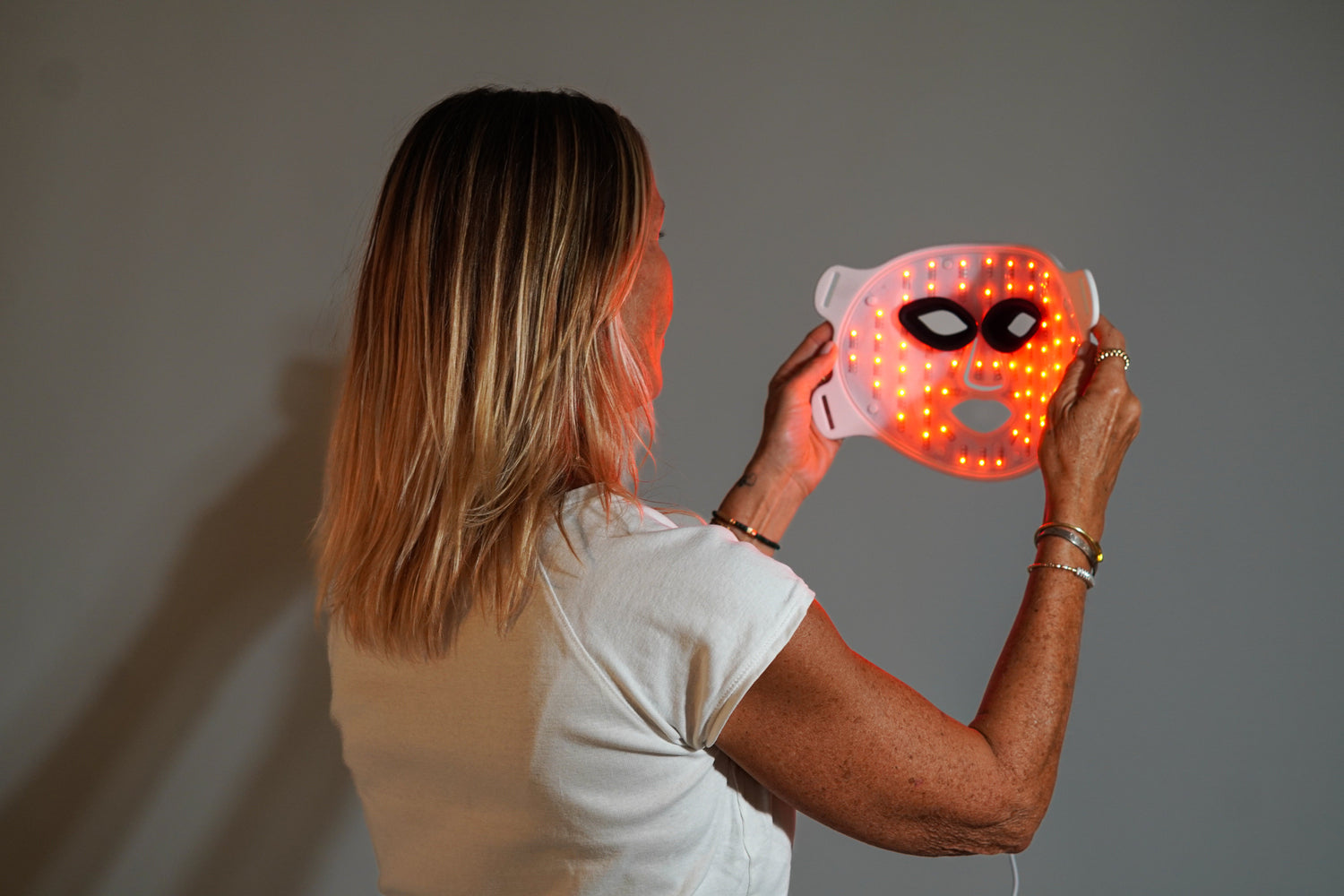
An LED face mask is a device that is placed on the face and emits low-intensity light at specific wavelengths (red, blue, near-infrared, amber, etc.). It does not heat or burn the skin; its purpose is to trigger a biological response in the cells, a process known as photobiomodulation .
Personalized protocol · included with your purchase
Want us to tell you how to use it in your case?
With your purchase, our experts set up your red and infrared light sessions for your sport and goal.
Message us on WhatsAppOur experts reply · no obligation
Simply put, red and near-infrared light photons are absorbed by internal cell structures, especially mitochondria. This can modulate the production of ATP (cellular energy), reactive oxygen species, and intracellular calcium, activating pathways that influence cell proliferation and repair. ( ovid.com )
In the blue light range, wavelengths around 415 nm act on Cutibacterium acnes (formerly P. acnes ), the bacteria involved in inflammatory acne, and may help reduce lesions in combination with red light. ( pubmed.ncbi.nlm.nih.gov )
Photobiomodulation: the language of light in the skin
Recent dermatology literature defines photobiomodulation as the use of light in the red (approx. 620–700 nm) and near-infrared (700–1440 nm) spectrum to modulate biological processes without damaging tissue. ( ovid.com ) In the skin, this translates, according to various studies, into:
on your first order when you join the newsletter
We send you the code instantly. No spam.
- Increased synthesis of collagen and elastin .
- Modulation of inflammation.
- Improved tissue repair and microcirculation.
- Adjuvant effects in acne, scars and photoaging.
The combination of these effects is what places the LED face mask at the center of a global skin wellness approach, beyond a one-off aesthetic result.
Benefits of the LED facial mask for overall skin health
Cell regeneration and signs of aging
One of the most studied uses of LED therapy is skin rejuvenation . A randomized clinical trial with 76 patients, comparing different parameters of red (633 nm) and near-infrared (830 nm) light, observed up to a 36% reduction in wrinkles and a 19% increase in skin elasticity after several weeks of treatment, along with an increase in collagen and elastin fibers in skin biopsies. ( pubmed.ncbi.nlm.nih.gov )
Other in vitro studies have shown that the combination of red and near-infrared light can directly stimulate collagen and elastin expression and increase ATP production in human fibroblasts, supporting its potential anti-aging benefits. ( pubmed.ncbi.nlm.nih.gov )
In practice, this translates to:
- Fine lines and softer wrinkles.
- Skin with a more even texture .
- Gradual improvement of firmness and luminosity.
Acne, inflammation and skin barrier balance
In acne, the combination of blue light (around 415 nm) and red light (633 nm) has been shown to significantly reduce inflammatory lesions and even some non-inflammatory lesions in patients with mild to moderate acne. In a study of 24 patients treated twice a week for 4 weeks, inflammatory lesions were reduced by approximately 78% at the end of the follow-up period. ( pubmed.ncbi.nlm.nih.gov )
A 2021 systematic review on blue light for acne concluded that, although parameters are not yet standardized, most clinical trials showed clear improvements in inflammation and a favorable safety profile. ( pmc.ncbi.nlm.nih.gov )
By reducing inflammation, the LED face mask also helps to:
- Reduce redness and the feeling of heat in active outbreaks.
- Promote a more orderly recovery, with less risk of post-inflammatory marks.
- Supporting the balance of the skin barrier is key to less reactive skin in the long term.
Mood, sleep, and overall well-being
Although the LED face mask focuses on the face, its use is part of a broader relationship between light, the nervous system, and circadian rhythms. Exposure to intense blue light at night —such as from screens—can suppress melatonin and disrupt sleep, while strategic light management (less blue light at night, dim red light if illumination is needed) promotes deep rest. ( health.harvard.edu )
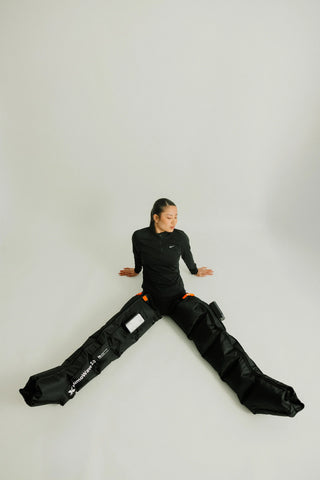
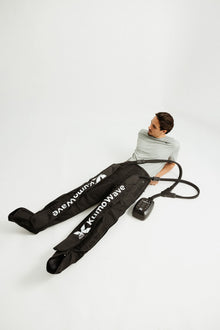
In this context, recovery technologies such as red light therapy for sleep and muscle recovery , pressotherapy boots to activate circulation , or the KUMOPulse Air massage gun fit in with the use of an LED facial mask within a comprehensive wellness ecosystem : better skin, better sleep, better physical recovery.
Types of light in an LED face mask and their effects
Not all LED masks emit the same colors or wavelengths. Each type of light has different effects on the skin, and many devices can combine them in a single treatment.
Comparative table of LED light colors and skin benefits
| Light color | Wavelength range (approx.) | Main action on the skin | Usual indications |
|---|---|---|---|
| Blue light | 400–490 nm (e.g., 415 nm) | Antibacterial effect on C. acnes , sebum regulation | Mild to moderate inflammatory acne, oily skin |
| Red light | 620–700 nm (e.g., 633 nm) | It stimulates mitochondria, collagen, and elastin; it modulates inflammation. | Fine lines, uneven texture, mild redness, acne as an adjunct |
| Near infrared | 700–900 nm (e.g., 830 nm) | Deeper penetration, support for tissue repair and microcirculation | Photoaging, recovery after procedures, mild pain |
| Amber/yellow light | ≈570–610 nm | Gentle action on redness and dullness | Sensitive skin, uneven tone, luminosity |
| Combinations (red + blue, red + NIR) | Multispectrum within 400–900 nm | Synergies: anti-aging + acne or inflammation control | Combination skin with signs of aging and occasional breakouts |
The specific ranges depend on each device, but most of the evidence in photobiomodulation focuses on the ranges indicated for red and near-infrared. ( ovid.com )
What recent science says about LED face masks
Anti-aging and skin quality
In addition to the aforementioned 633/830 nm trial, recent reviews on photobiomodulation in dermatology highlight the potential of red and infrared light to treat photoaging, scars, wounds, and other conditions, with an overall favorable safety profile and modest but significant effects on skin quality. ( ovid.com )
Harvard Health, citing the American Academy of Dermatology, notes that red light therapy can help reduce fine lines, smooth skin texture, lighten dark spots, and accelerate the healing of certain wounds, although it is not a miracle cure and requires consistent use for months. ( health.harvard.edu )
Acne and LED devices for home use
Interest in at-home LED masks has grown, especially in the treatment of mild to moderate acne. A 2025 analysis in JAMA Dermatology and a subsequent review by researchers at Mass General Brigham, which together included several trials with more than 200 participants, conclude that at-home LED devices that emit red and/or blue light may be a safe and effective option as an adjunct treatment for this type of acne. ( jamanetwork.com )
A 2021 systematic review published in MDPI agrees that blue light offers significant improvements in inflammatory lesions, although it underlines the need for more homogeneous trials to define optimal parameters (duration, frequency, dose). ( pmc.ncbi.nlm.nih.gov )
Security: what we know until 2026
According to the American Academy of Dermatology, low-intensity red light therapy appears to be safe in the short term, with generally mild adverse effects such as transient redness or slight irritation. The AAD recommends prioritizing FDA-cleared devices (authorized as low-risk) and consulting a dermatologist for very sensitive skin, photosensitizing medications, or conditions that are aggravated by light. ( aad.org )
A 2021 review of at-home dermatological devices found that LED acne devices have a good safety profile , with few significant adverse effects reported, although more is needed on their very long-term safety. ( pubmed.ncbi.nlm.nih.gov )
How to integrate the LED face mask into your wellness routine
Frequency and duration: typical ranges
There is no single protocol valid for all devices, but many clinical trials and recommendations agree on an approximate range of 10–20 minutes per session, between 2 and 5 times per week for several weeks or months, always following the manufacturer's and/or professional's instructions. ( health.com )
Practical tips:
- Start with the minimum recommended frequency and increase only if your skin tolerates it well.
- Avoid excessively long sessions (>30 min) if they are not prescribed; they do not accelerate results and increase the risk of irritation.
- Conduct a monthly photo review to objectively assess changes.
Time of day and its relationship to sleep
Although the intensity of an LED face mask is relatively low compared to screens or light bulbs, it makes sense to use it as part of a consistent light hygiene routine for your sleep:
- If your device primarily uses red and near-infrared light , it's generally reasonable to use it in the late afternoon or early evening, as these wavelengths have less impact on melatonin than blue light. ( health.harvard.edu )
- If it incorporates intense blue light , it is preferable to use it in the morning or early afternoon, avoiding just before going to sleep.
Thus, the LED face mask becomes a self-care ritual that can be integrated with other habits that promote rest, such as gentle meditation or light stretching.
Synergies with other recovery habits
Your skin doesn't exist in isolation: it reflects your stress, your rest, and your level of systemic inflammation. Integrating the LED mask with other recovery tools can enhance overall well-being.
- Muscle recovery and red light therapy for the body: complementing facial care with LED light therapy devices for the body can help modulate muscle pain and facilitate restful sleep.
- Circulation and light legs: Pressotherapy boots support venous return and the feeling of tired legs, improving overall comfort after training or long hours on your feet.
- Myofascial release: a well-used massage gun reduces muscle tension that can indirectly manifest as bruxism, tension in the neck and face, etc.
KUMO 's proposal is based precisely on this vision: combining light, pressure and massage so that recovery becomes a new way of life, not just a temporary fix.
Precautions, contraindications and safe use
Although LED face masks are generally considered safe, they are not for everyone or in every circumstance. Before incorporating one into your routine, keep the following in mind:
- Prior dermatological consultation is recommended if you suffer from photosensitive diseases (lupus, certain porphyrias), have had skin cancer, or are taking medication that increases sensitivity to light (some antibiotics, systemic retinoids, etc.). ( aad.org )
- Eye protection: If indicated by the manufacturer, always use the safety glasses supplied; do not substitute with ordinary sunglasses.
- Very dark skin or skin prone to hyperpigmentation: The AAD notes that darker skin tones can be more sensitive to visible light, which, if not properly managed, could lead to dark spots. Consult a professional if this applies to you. ( aad.org )
- Avoid areas with open wounds, severe active infections, or suspicious lesions that have not been evaluated by a dermatologist.
- Pregnancy and breastfeeding: specific evidence is limited; in the absence of robust data, it is prudent to discuss the use of the device with your doctor.
If you experience worsening of a skin condition, persistent pain, worsening redness, or pigmentation changes, discontinue use and consult a specialist.
How to choose a quality LED face mask
Given the proliferation of options, it is advisable to apply clear criteria to choose an LED face mask that is aligned with your skin and with a vision of comprehensive well-being.
- Clarity of wavelengths: Look for devices that transparently state which nm ranges they use (e.g., around 630 nm for red, 415 nm for blue, 830 nm for near infrared).
- Authorizations and safety: The mention of “ FDA-cleared ” (not just “approved” or “certified”) indicates that the device has been evaluated as low risk for its intended use. ( aad.org )
- Ergonomic design and comfort: proper fit to the face, lightweight and materials that allow regular sessions without discomfort.
- Timer and programs: predefined treatment modes facilitate consistent use, key to seeing results.
- Support and coherence: that it forms part of an ecosystem designed for well-being (like KUMO's in LED therapy ), where light, muscle recovery and rest are understood as pieces of the same puzzle.
And above all, be wary of unrealistic promises (“results in a few days”, “replaces all your facial care”) and always value professional support when you have doubts.
Frequently Asked Questions about the LED Face Mask
How long does it take to see the effects of an LED face mask?
Changes with an LED face mask are usually gradual. In rejuvenation studies using red and near-infrared light, assessments were conducted after several weeks and up to 3 months of follow-up, with wrinkle reduction and improved elasticity observed in the medium term, not overnight. ( pubmed.ncbi.nlm.nih.gov ) In practice, many people report somewhat brighter and smoother skin after 4–6 weeks of consistent use (2–3 times per week), while results in wrinkles and firmness require months of regular use.
Is it safe to use an LED mask every day?
Safety depends on the total light dose , not just the frequency. Recent reviews indicate that 10–20 minute sessions, several times a week, are well tolerated in most studies, but there is no consensus on prolonged daily use for all skin types. ( ovid.com ) If your device allows daily use, it is advisable to start with the manufacturer's standard guidelines (e.g., 3–4 times/week) and only increase the frequency under professional supervision, especially if you have sensitive skin, a high phototype, or are taking photosensitizing medication.
Does the LED face mask help with hormonal acne?
Blue and red light can help reduce inflammation and bacterial load in mild to moderate acne, but hormonal acne involves internal components (hormonal changes, pilosebaceous unit response) that light alone cannot correct. Recent systematic reviews and meta-analyses consider at-home LED devices an effective and safe option, especially as an adjunct to other topical or systemic therapies. ( pmc.ncbi.nlm.nih.gov ) In cases of severe or persistent acne, dermatological evaluation is essential to adjust hormones, medications, and overall care.
Can I use the LED mask if I have sensitive skin or rosacea?
Many people with sensitive skin tolerate low-intensity red light well, which can even soothe some redness. However, in rosacea or skin prone to post-inflammatory hyperpigmentation, the response is highly variable. The AAD reminds us that darker or more reactive skin tones may respond differently to visible light and recommends caution and professional advice. ( aad.org ) If you decide to try it, start with short sessions, low frequency (1–2 times/week initially), and discontinue at the first sign of persistent irritation or a flare-up.
What other cosmetic treatments can I combine with the LED mask?
In many studies, LED therapy is used as an adjunct to topical retinoids, antioxidants, gentle peels, or dermatological treatments (such as microneedling or laser) to enhance results and improve recovery. ( ovid.com ) At home, it typically combines well with gentle cleansers, restorative moisturizers, and simple serums (hyaluronic acid, niacinamide). It's best to avoid applying harsh exfoliating acids, potent retinoids, or other irritating active ingredients right before the session, especially if you have sensitive skin. If in doubt, prioritize your dermatologist's recommendation.
So what now? Integrate light into your wellness strategy
The LED face mask is not just an aesthetic accessory: well chosen and used judiciously, it can become a long-term ally in your comprehensive skin wellness strategy, supporting regeneration, calming inflammation and fitting into a routine that also takes care of sleep, muscles and mind.
If you'd like to explore how to integrate light therapy into a cohesive recovery ecosystem, you can discover KUMO's offerings in the LED light therapy collection , combine it with pressotherapy and massage solutions, or ask your questions directly through the contact page. In this way, your facial care routine ceases to be an isolated gesture and becomes a daily investment in your overall well-being.

Red & infrared light
KumoLux Panel – Red and Infrared LED Panel
★★★★★ 4,8/5 · rated by verified customers
- 660 nm red + 850 nm infrared light
- Full-body muscle recovery
- Clinically validated biohacking protocols
€399,00€499,00· pay in installments with seQura or Klarna