Good skin is built with daily habits.
If you're looking for a clear, organized skincare routine tailored to your skin type, here you'll find all the essential steps: what to do morning and night, how to choose products based on your skin type (dry, oily, combination, sensitive, or mature), and how to safely incorporate technologies like LED masks to enhance results. All with a focus on overall well-being and body recovery, the inspiration behind the Kumo Balance universe.
Facial red light
Bring your skin back to life
★★★★★ 4,8/5 · rated by verified customers
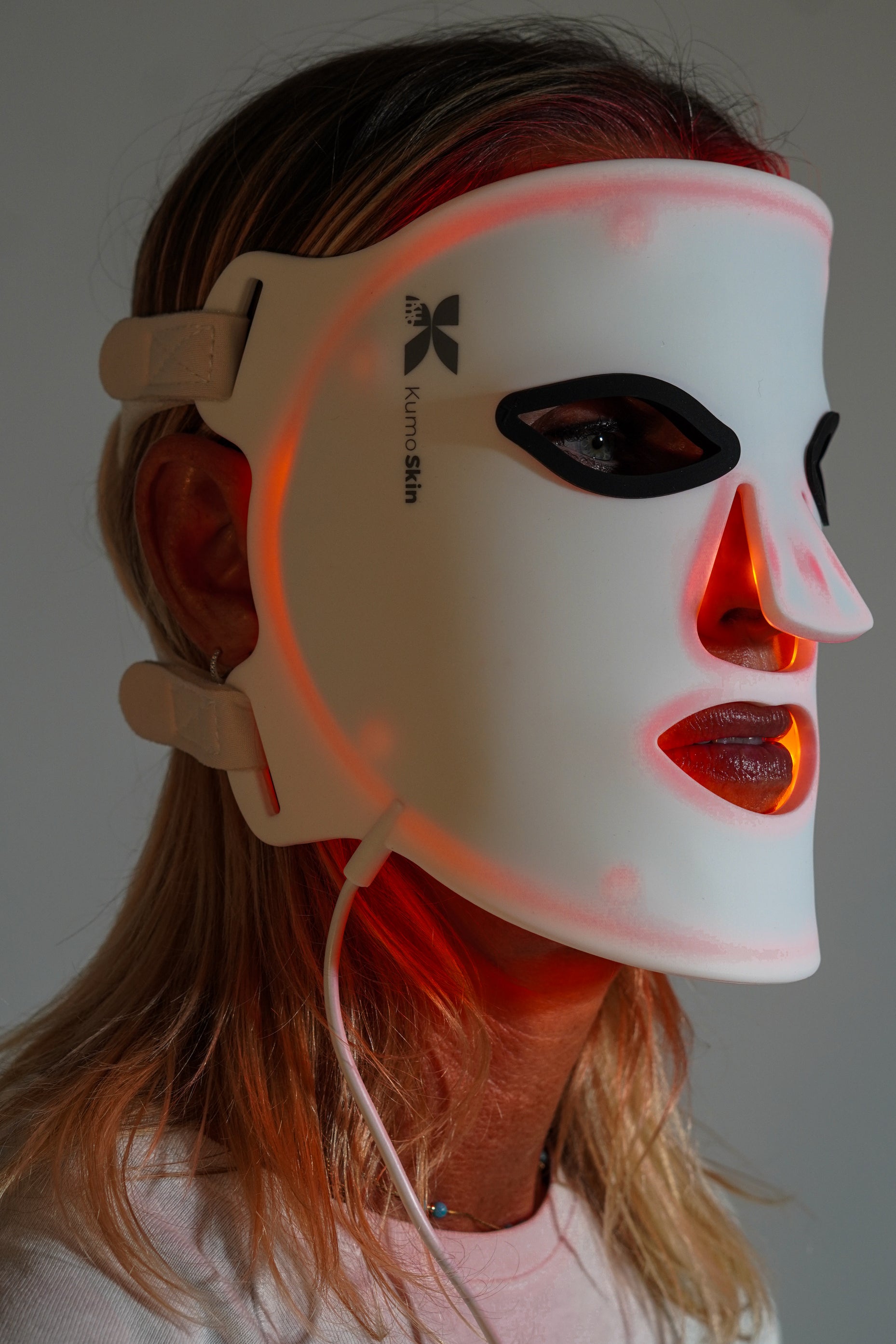
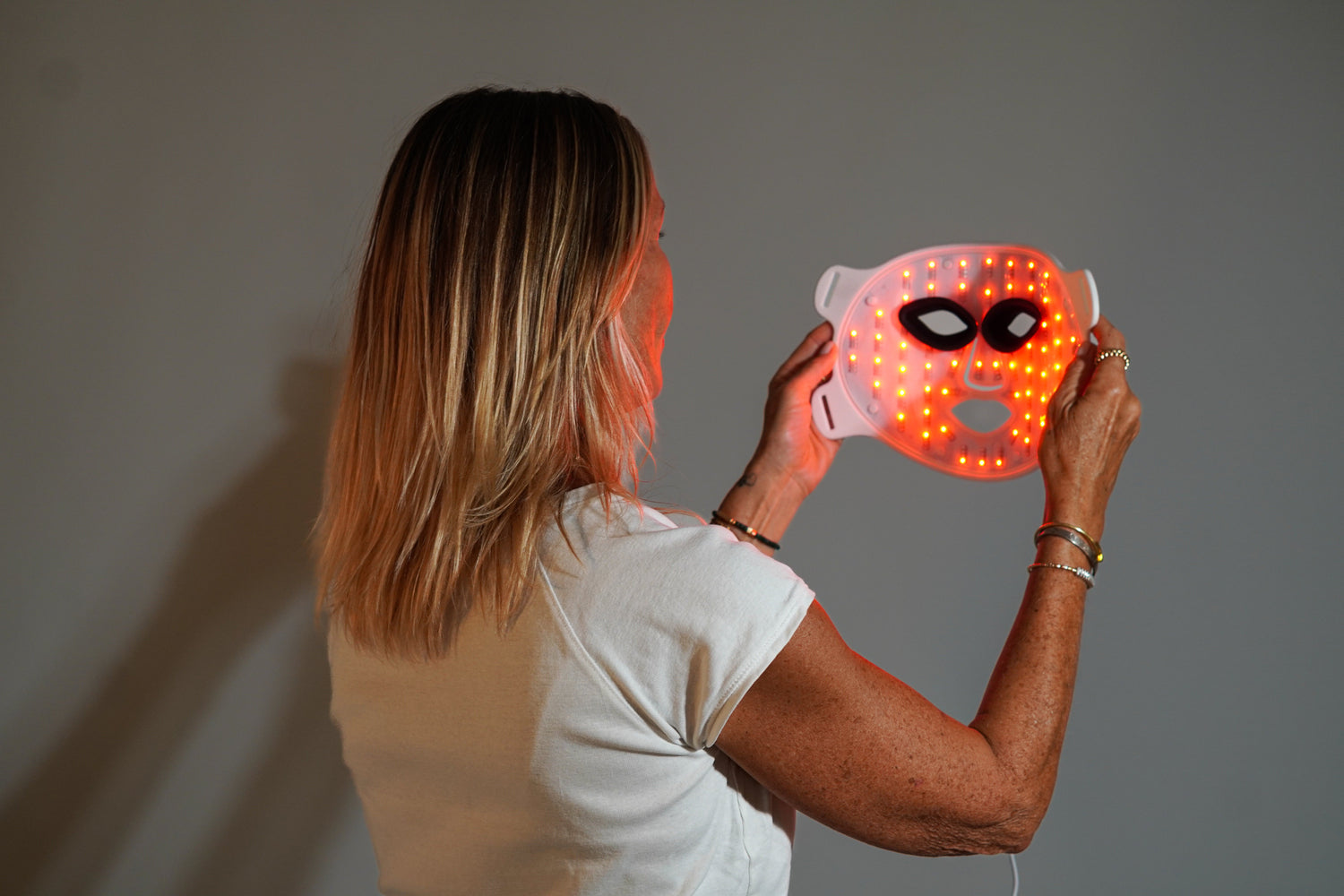
The KumoSkin LED mask helps repair and calm your skin in short sessions at home.
- 250 LEDs in flexible medical silicone
- Red light to boost collagen and glow
- 4 lights: red, infrared, blue and yellow
€299,00€429,00
−10% on your 1st order when you subscribe to the newsletter

What is a skincare routine and why does it matter so much?
A skincare routine is the sequence of products and actions you repeat every day to cleanse, treat, moisturize, and protect your skin. It's not about having 15 steps, but about creating a consistent system that strengthens your skin barrier, prevents premature aging, and keeps problems like acne, sensitivity, or blemishes at bay.
Dermatological evidence shows that daily sun protection and consistent care help reduce the risk of skin cancer and the wrinkles and age spots associated with photoaging. Organizations such as the American Academy of Dermatology (AAD) recommend broad-spectrum sunscreen with SPF 30 or higher every day, even on cloudy days. ( aad.org )
Personalized protocol · included with your purchase
Want us to tell you how to use it in your case?
With your purchase, our experts prepare the ideal LED protocol for your skin type and goal (acne, wrinkles, dark spots...).
Message us on WhatsAppOur experts reply · no obligation
Even so, the behavioral data is clear: a study published in 2022 found that only 13.5% of adults surveyed in the US use sunscreen daily, while 11% never use it. ( pubmed.ncbi.nlm.nih.gov ) This gap between what experts recommend and what we do daily shows why a well-designed routine makes all the difference.
The 4 pillars of an effective daily skincare routine
1. Cleanliness: the foundation of everything
Cleansing removes sweat, sebum, pollution, makeup residue, and sunscreen that accumulate on the skin's surface. If you don't cleanse properly, any serum or cream you apply afterward won't work as well.
Keys to a good cleaning:
on your first order when you join the newsletter
We send you the code instantly. No spam.
- Use a gentle cleanser , according to your skin type (gel for oily skin, milks or balms for dry skin, fragrance-free formulas for sensitive skin).
- Avoid excessively hot water: it dries out and disrupts the skin barrier.
- At night, if you wear makeup or water-resistant SPF, double cleanse (oil/balm + water-based cleanser).
2. Hydration: strengthening the skin barrier
Well-hydrated skin is more elastic, better able to defend itself against external aggressors, and shows fewer fine lines. Hydration isn't just for dry skin: oily skin also needs water, just in lightweight textures.
- Moisturizing ingredients : hyaluronic acid, glycerin, aloe, panthenol.
- Barrier repair ingredients : ceramides, cholesterol, fatty acids.
- Textures : gel or gel-cream for oily/combination skin, cream or balm for dry/sensitive skin.
3. Sun protection: the non-negotiable step
Ultraviolet (UV) radiation is the main cause of photoaging (wrinkles, age spots, loss of firmness) and a key factor in skin cancer. The AAD recommends that everyone use a broad-spectrum, water-resistant sunscreen with SPF 30 or higher , applied to all exposed skin. ( aad.org )
In 2020, CDC data showed that only 12.3% of adult men and 29% of adult women in the U.S. always use sunscreen when they are in the sun for more than an hour on a clear day. ( cdc.gov ) Introducing SPF into your daily routine is, therefore, one of the habits with the greatest long-term impact.
4. Specific treatments: where you personalize your routine
Based on cleansing + hydration + SPF, specific treatments allow you to address specific needs:
- Antioxidants (vitamin C, E, niacinamide): protect against oxidative damage, provide luminosity and help with blemishes.
- Retinoids : improve texture, tone, wrinkles and acne; used at night and with gradual introduction.
- Exfoliating acids (AHA/BHA): refine texture, unclog pores, help with blemishes.
- Red LED light masks : a non-invasive technology that, according to centers like the Cleveland Clinic , can stimulate collagen production and improve circulation, contributing to firmer skin and less inflammation when used correctly. ( my.clevelandclinic.org )
Step-by-step morning skincare routine
The morning routine focuses on protecting and preparing your skin for the day. You can follow this general sequence and adapt it according to your skin type.
-
Gentle cleaning
In the morning, a gentle cleanser is enough to remove sweat and residue from the night. If you have very dry skin, you can even rinse with just lukewarm water or use milky cleansers.
-
Toner or mist (optional)
If you use them, choose alcohol-free formulas with soothing ingredients (allantoin, centella asiatica) or moisturizing properties. They are complementary, not essential.
-
Treatment serum
Tomorrow is the best time for antioxidants :
- Dull or blemished skin: stabilized vitamin C + niacinamide.
- Sensitive skin: formulas with lower concentrations and mild antioxidants (resveratrol, green tea).
- Oily skin/acne: niacinamide, zinc, less irritating vitamin C derivatives.
-
Eye contour (optional)
Use it if you need extra hydration or specific ingredients (caffeine for bags, peptides for firmness). Apply it with gentle taps, without dragging.
-
Moisturizer adapted to your skin
- Dry/mature skin: richer textures with ceramides, non-comedogenic oils.
- Oily/combination skin: light, oil-free and non-comedogenic gels.
- Sensitive skin: short formulas, no perfume, no drying alcohol.
-
Broad spectrum sunscreen SPF 30 or higher
Apply a generous amount (approximately 2 fingers' worth of product for face and neck). The AAD estimates that most adults need about 1 ounce (about 30 ml) to cover the entire body when exposed to sunlight. ( aad.org ) Remember to reapply every 2 hours if you are outdoors or if you sweat heavily.
Step-by-step nighttime skincare routine
Nighttime is the ideal time to regenerate and work with powerful active ingredients. While you sleep, your skin's repair processes increase, so a good nighttime routine makes a big difference.
-
Double cleanse (if you use makeup or resistant SPF)
First step: Cleansing oil or balm to dissolve makeup, physical sunscreens, and dirt. Massage onto dry skin and emulsify with water.
Second step: gentle aqueous cleanser to remove residue without leaving skin feeling tight. -
Nighttime treatment (serums and active ingredients)
This is the "heart" of your nighttime routine. Examples:
- Retinoids : for wrinkles, texture, and acne. Start 2–3 nights per week and increase according to tolerance.
- AHA/BHA : for pores, texture, and blemishes. Do not combine them on the same night with retinoids if you are a beginner.
- Niacinamide : a great all-rounder for redness, pores and skin barrier.
-
Red LED light mask (as indicated and for days)
Red light therapy has been studied as a complementary treatment to improve fine wrinkles, blemishes, and texture, both in the clinic and with at-home devices. ( aad.org ) General recommendations from recent reviews suggest sessions of 10–20 minutes, between 2 and 5 times per week , following the manufacturer's instructions and without exceeding the recommended times to avoid irritation or burns. ( health.com )
It's important to understand it as a complement to, not a substitute for, sun protection or treatments prescribed by a dermatologist. Before starting, consult a professional if you have photosensitive conditions (such as lupus) or are taking medication that increases sensitivity to light. ( aad.org )
-
Moisturizer or barrier cream
Finish with a cream suited to your skin type. At night you can use richer textures, especially if you use active ingredients like retinoids or acids that tend to be drying.
How to adapt your skincare routine to each skin type
Oily or acne-prone skin
Objective: to control excess sebum without destroying the barrier.
- Gel cleansers, with mild surfactants and physiological pH.
- Light, oil-free moisturizers with niacinamide or zinc.
- Active ingredients: BHA (salicylic acid), retinoids, azeloglycine.
- Avoid: harsh “drying” cleansers, high concentration alcohol, excessive exfoliation.
Dry or dehydrated skin
Objective: to restore lipids and retain water.
- Creamy or balm cleansers, without harsh sulfates.
- Light layers of moisturizers + sealing cream with ceramides.
- Active ingredients: hyaluronic acid, glycerin, low concentration urea, non-comedogenic oils.
- Avoid: frequent exfoliants, very hot water, alkaline bar soaps.
Combination skin
Objective: to balance oily areas (T-zone) and dry areas (cheeks).
- Use a single gentle cleanser, and adjust hydration by zones (gel on T, light cream on cheeks).
- Regulating actives such as niacinamide that work well all over the face.
- You can apply exfoliants or purifying masks only to the T-zone.
Sensitive skin or skin prone to rosacea
Objective: to minimize irritation and strengthen the barrier.
- Short formulations, without fragrances or drying alcohol.
- Soothing actives: allantoin, bisabolol, madecassoside, colloidal oatmeal.
- Prioritize mineral sunscreens (physical filter) if you don't tolerate chemicals well. ( aad.org )
- Introduce any new active ingredient (including red light) very gradually and test it on a small area first.
Mature skin
Objective: to work on firmness, wrinkles and blemishes without damaging the barrier.
- Consistent routine with antioxidants during the day + retinoids at night.
- Moisturizers with peptides, ceramides and niacinamide.
- The combination of retinoids, mild depigmenting agents, and supervised red light therapy can improve texture and radiance in weeks to months, according to clinical studies. ( aad.org )
- Daily sunscreen, preferably with a cosmetic finish that you like to ensure its consistent use.
Table: Example of a daily skincare routine according to your level
| Level | Tomorrow | Evening | Comment |
|---|---|---|---|
| Beginner (3 steps) | Gentle cleansing + moisturizing + SPF 30+ | Cleansing + Moisturizing | Ideal if you've never followed a routine; prioritize consistency. |
| Intermediate (4–5 steps) | Cleanser + antioxidant serum + moisturizer + SPF 30+ | Double cleansing (if wearing makeup) + serum (retinoid or AHA/BHA) + moisturizer | Perfect for treating one or two concerns (blemishes, pores, first wrinkles). |
| Advanced (6+ steps) | Cleanser + gentle toner + antioxidant serum + eye cream (optional) + moisturizer + SPF 30+ | Double cleansing + rotating combination of active ingredients (retinoids, acids, depigmenting agents) + LED mask every other day + barrier cream | For those who understand their skin, tolerance to active ingredients, and can adjust according to their sensations. |
Common mistakes in your facial care routine
1. Change products every week
Skin needs time to respond. Many active ingredients take between 4 and 12 weeks to show visible results. Constantly changing creams or serums makes it difficult to assess whether something is working and increases the risk of irritation from an overload of ingredients.
2. Over-exfoliating
Excessive exfoliation (whether with physical scrubs or AHA/BHA) damages the skin barrier, leading to redness, flaking, and reactive acne breakouts. For most skin types, 1–3 chemical peels per week are sufficient, and never on the same day you introduce a strong retinoid if you are a beginner.
3. Relying solely on makeup with SPF
Foundations and tinted moisturizers with SPF are rarely applied in the amount necessary to achieve the protection indicated on the label. Organizations like the AAD insist on using a standalone sunscreen and considering makeup with SPF as an extra layer of protection, not the sole source. ( aad.org )
4. Do not reapply sunscreen
Even if you apply SPF correctly in the morning, sweat, friction, and time reduce its effectiveness. The usual recommendations are to reapply every 2 hours when outdoors, or more frequently if you swim or sweat. ( aad.org ) Stick, powder, or mist formats can make reapplication throughout the day easier.
5. Using too many powerful active ingredients at once
Mixing strong retinol, various acids, and acidic vitamin C in the same routine often leads to irritation. It's better to choose a "retinoid night," another "acid night," and also dedicate nights to hydration alone to allow your skin to recover.
Technology and recovery: integrating red light into your skincare routine
Potential benefits of red light therapy
Red light therapy (or photobiomodulation) uses red and near-infrared wavelengths. Studies reviewed by centers such as the American Academy of Dermatology and UCLA Health suggest that, when used correctly, it can:
- Stimulates the production of collagen and fibroblasts, improving firmness and elasticity. ( uclahealth.org )
- Reduces mild inflammation and redness; useful as an adjunct in mild acne or rosacea under medical supervision. ( my.clevelandclinic.org )
- To support skin repair after certain dermatological procedures.
In a study cited by the AAD, more than 90% of patients who received 8 red light sessions over 4 weeks noticed improvements in skin smoothness and minor blemishes. ( aad.org ) However, dermatologists themselves insist that further studies are still needed to define optimal parameters and long-term safety. ( aad.org )
How to safely use an LED mask in your routine
If you decide to incorporate an LED mask into your routine:
- Prioritize devices with clear indications, preferably with mention of authorization or sanitary registration in your region.
- Follow the manufacturer's instructions regarding distance, duration, and frequency (often between 10 and 20 minutes, up to 3–5 days a week). ( health.com )
- Start with less time and frequency if your skin is sensitive.
- Protect your eyes with suitable goggles if the mask does not have built-in protection.
- Stop use and consult a dermatologist if severe burning, worsening of spots, or persistent irritation occurs.
LED facial masks that use red light align with KUMO's philosophy of intelligent recovery : aesthetic and technological devices designed to make care and regeneration a daily habit, not just a one-off treatment in a salon.
Beyond the face: skin, muscles and overall well-being
A solid skincare routine is another piece of a recovery-oriented lifestyle. The condition of your skin is influenced by stress, sleep quality, exercise, and circulation . From this holistic perspective, it makes sense to integrate body recovery tools alongside facial care.
- Compression therapy boots to improve venous return, relieve the feeling of heavy legs and promote recovery after intense training.
- Red light therapy devices for the body, which help to relax muscles and prepare for nighttime rest.
- A deep massage with tools like the KUMOPULSE Air massage gun releases muscle tension, reduces stiffness, and promotes more restful sleep, closely linked to nighttime skin regeneration.
When your body recovers better, you sleep more and manage stress better, your skin reflects it too: less inflammation, fewer breakouts and a more even tone.
Frequently asked questions about the daily skincare routine
What steps are essential in a basic skincare routine?
If you want to start simple, focus on three essential steps: cleanse, moisturize, and protect . In the morning: a gentle cleanser, a moisturizer suited to your skin type, and a broad-spectrum sunscreen with SPF 30 or higher. At night: cleanse (ideally twice if you wear makeup or high SPF) and apply a good moisturizer. From there, you can add specific serums (antioxidants, retinoids, depigmenting agents) depending on your goals: dark spots, acne, wrinkles, etc. The key isn't the number of steps, but daily consistency.
In what order should skincare products be applied?
A simple rule is to go from lightest to heaviest texture . After cleansing (and toner/mist, if you use them), apply water-based serums first, then richer serums, followed by eye cream, then moisturizer, and in the morning, always finish with sunscreen. At night, the last step is usually a slightly richer barrier cream if you use active ingredients like retinoids or acids. If you incorporate an LED mask, always use it on clean skin (before applying highly occlusive creams) and following the device's instructions.
How often should I exfoliate my skin?
It depends on your skin type and the type of exfoliant. For normal to combination skin, 1–3 times a week with gentle chemical exfoliants (AHA/BHA) is usually sufficient. Sensitive skin types should start with once a week and observe their response. Exfoliation should not cause intense burning, lasting redness, or excessive peeling; if this occurs, reduce the frequency or concentration. Avoid combining multiple exfoliants in the same routine, and don't use a strong acid on the same night you apply a potent retinoid, especially if you're just starting out.
Can I use an LED face mask every day?
Most clinical studies and expert recommendations suggest red light therapy as a recurring treatment, but not necessarily daily , with typical sessions of 10–20 minutes, 2 to 5 times per week. ( health.com ) Using it every day with long sessions can increase the risk of irritation or discomfort, especially if you have sensitive skin or use other potent active ingredients. It's best to follow the manufacturer's instructions, start with the minimum effective frequency, and consult a dermatologist if you have any concerns, skin conditions, or are taking photosensitizing medication.
Which sunscreen is best if I have oily skin?
Look for formulas labeled “oil-free,” “non-comedogenic,” and broad-spectrum SPF 30 or higher . ( aad.org ) Gel, fluid, or “mattifying” textures tend to work well on oily or acne-prone skin. Modern chemical filters are usually lighter and less visible, while some mineral filters can leave a white cast, although micronized or tinted versions are now available that blend in better. The important thing is to find a texture you like and be willing to apply a sufficient amount and reapply as needed: the best sunscreen is the one you actually use every day.
So what now?
If you already have a clear understanding of your skincare routine, the next level is transforming it into a holistic recovery ritual: caring for your skin while helping your body rest and regenerate. To explore how to integrate technologies like LED masks, pressotherapy, or percussion massage into your daily life, you can discover KUMO's LED light therapy collection and other advanced recovery solutions on their website. And if you need personalized guidance on which device best suits your lifestyle, contact them through the contact form and take the next step toward more balanced skin and body.

Facial red light
KumoSkin Mask – LED Facial Mask
★★★★★ 4,8/5 · rated by verified customers
- 250 LEDs in flexible medical silicone
- Red light to boost collagen and glow
- 4 lights: red, infrared, blue and yellow
€299,00€429,00· pay in installments with seQura or Klarna