Recovery is no longer a luxury, it's a daily necessity.
In 2026, recovery therapy will be understood as the set of methods, habits, and technologies designed to help the body and mind regenerate after physical and mental stress: training, intense work, long hours of sitting, lack of sleep, etc. Its aim is to accelerate natural repair processes, reduce pain and fatigue, and improve long-term performance and well-being.
Red & infrared light
Recover faster, at home
★★★★★ 4,8/5 · rated by verified customers
The KumoLux panel supports muscle recovery with full-body red and infrared light.
- 660 nm red + 850 nm infrared light
- Full-body muscle recovery
- Clinically validated biohacking protocols
€399,00€499,00
−10% on your 1st order when you subscribe to the newsletter

Unlike classic rehabilitation (focused on the injury) or clinical physiotherapy, recovery therapy lies between performance and prevention: it is designed for athletes as well as active or sedentary people who want to keep their body in balance.
Why recovery therapy is key in 2026
Data from the World Health Organization shows that, in 2022, around 31% of adults worldwide did not meet the recommended levels of physical activity, that is, about 1.8 billion people. ( paho.org ) This sedentary lifestyle is combined with long working hours, chronic stress and an aging population: a cocktail that triggers fatigue, muscle pain and sleep problems.
Personalized protocol · included with your purchase
Want us to tell you how to use it in your case?
With your purchase, our experts set up your red and infrared light sessions for your sport and goal.
Message us on WhatsAppOur experts reply · no obligation
In this context, recovery ceases to be "something that happens on its own" and becomes a process that can be proactively optimized . Technologies such as red light therapy, pressotherapy, and massage guns allow for better use of rest periods, both at home and in the gym locker room.
Specialized brands like KUMO Balance have focused precisely on this point: making recovery simple, aesthetic and easy to integrate into the daily routine.
Benefits of good recovery therapy
A well-planned recovery strategy can bring benefits in both the short and long term:
on your first order when you join the newsletter
We send you the code instantly. No spam.
- Less fatigue and muscle soreness after exercise.
- Improved performance in training and competitions.
- Reduction of the risk of overuse injuries .
- Improved sleep quality and nervous system regulation.
- Relief from heavy legs and improved circulation.
- Skin recovery after sun exposure, stress or pollution.
For example, several systematic reviews have observed that compression garments can modestly but significantly improve the recovery of strength and power after intense exertion, and reduce markers of muscle damage and pain perception. ( pubmed.ncbi.nlm.nih.gov )
In parallel, studies on photobiomodulation (red and infrared light) show modest improvements in performance and fatigue when applied with appropriate parameters, although the evidence continues to evolve and the results depend heavily on the specific protocol used. ( pubmed.ncbi.nlm.nih.gov )
Important: recovery therapy does not replace the basic pillars (sleep, nutrition, stress management and movement), but rather complements and enhances them.
Main types of recovery therapy
1. Pressotherapy and pneumatic compression
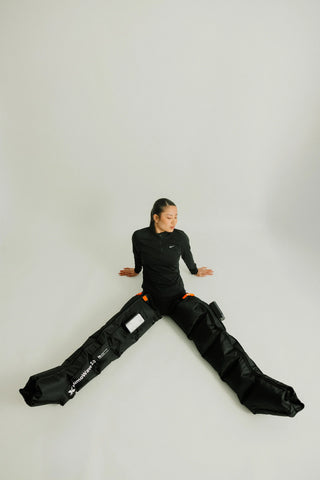
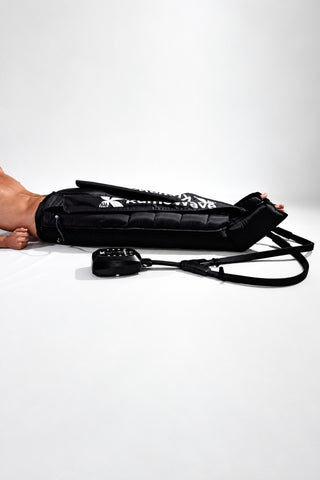
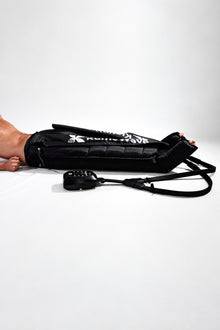
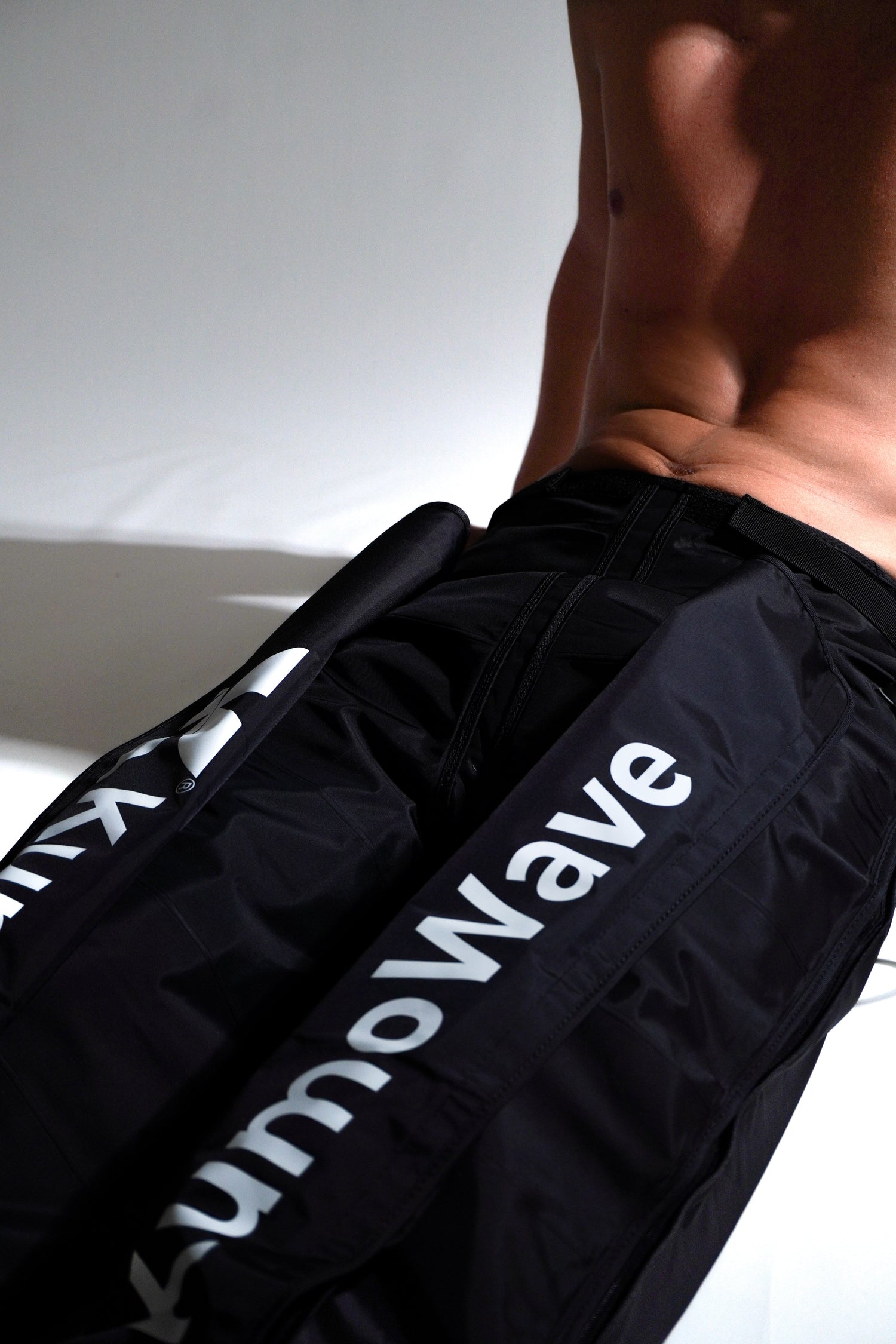
Pressotherapy uses boots or sleeves that inflate and deflate sequentially to apply controlled pressure to the legs (or arms). The goal is to promote venous and lymphatic return, reduce edema, and relieve the feeling of heaviness or swelling.
Evidence on compression in sports recovery indicates that this type of stimulus can:
- Partially accelerate the recovery of strength and power after intense exertion.
- To decrease certain markers of muscle damage and the perception of post-exercise pain. ( pubmed.ncbi.nlm.nih.gov )
- To generate a pleasant sensation of "light legs" in people who spend many hours standing or sitting.
The new generation of pressotherapy boots integrates independent air chambers, automatic programs and simple controls so you can use the technology at home without depending on a clinic, always respecting safety guidelines.
2. Red light therapy and photobiomodulation
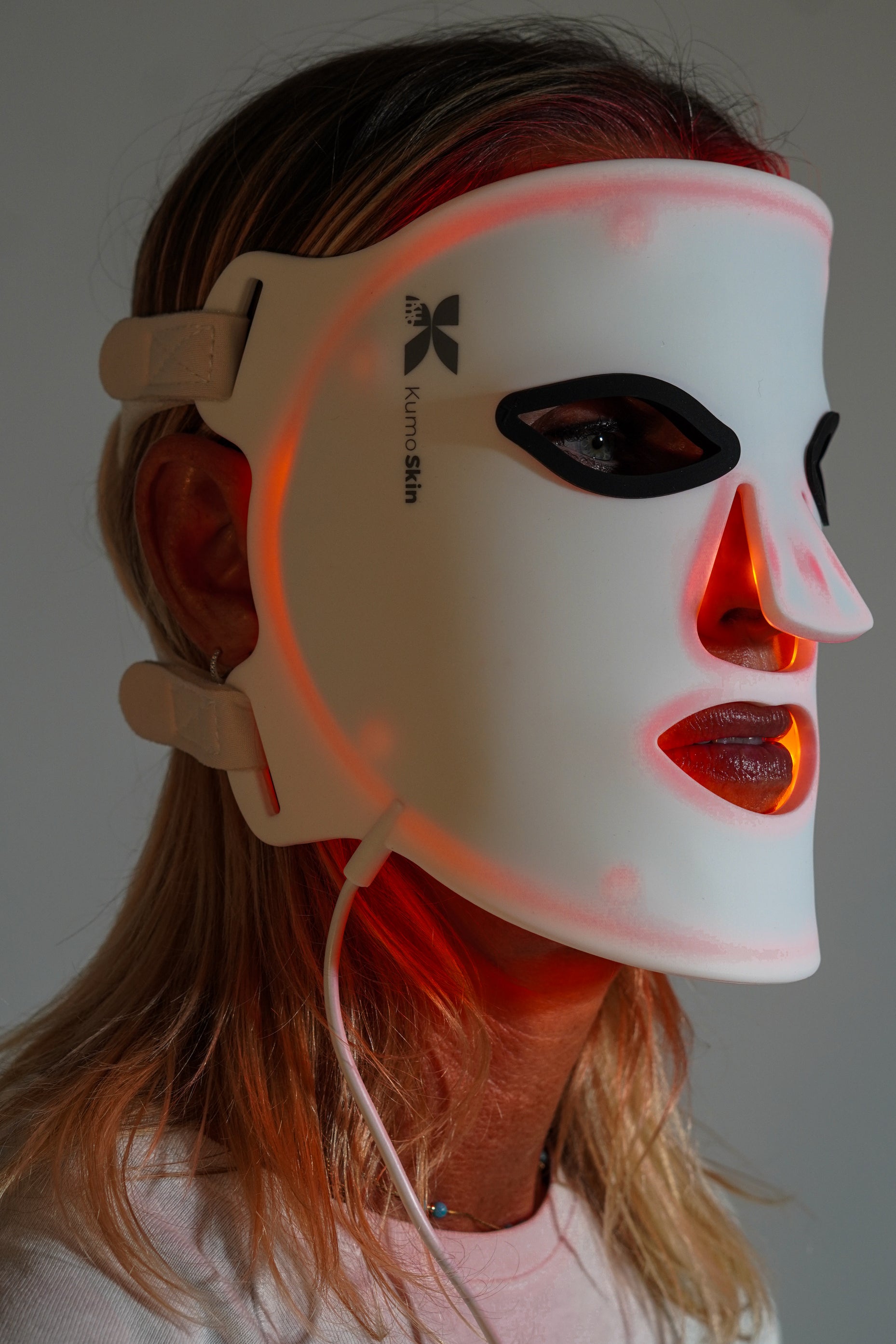
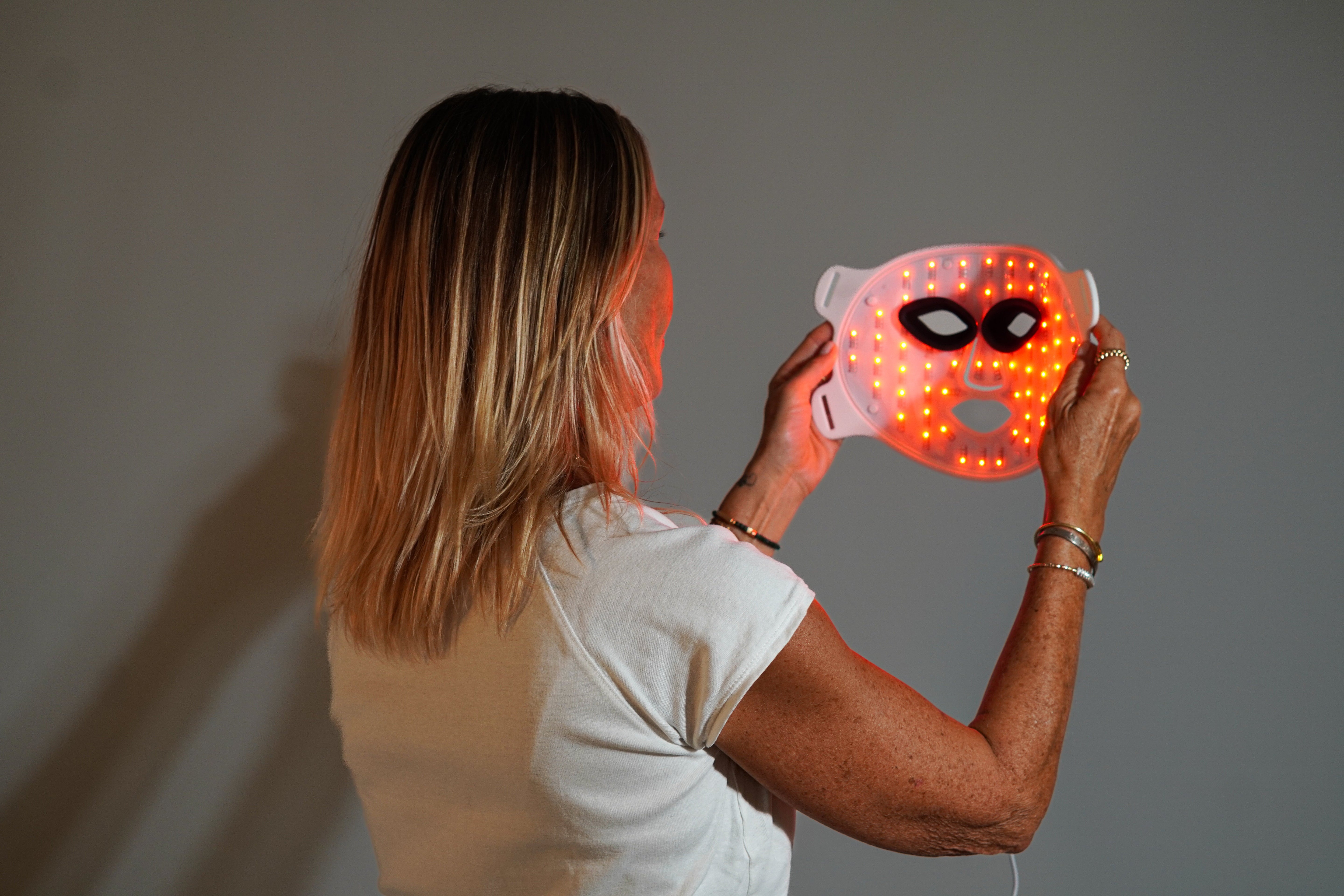
Photobiomodulation (PBM) encompasses devices that emit low-intensity red and infrared light (LEDs or lasers) to modulate cellular processes. At the muscular and soft tissue level, this light can:
- Stimulate mitochondrial activity and energy production (ATP).
- Modulating inflammation and oxidative stress.
- Promote tissue repair and skin quality.
A systematic review and meta-analysis on phototherapy and exercise found that, in many studies, applying red or infrared light before exercise increased time to exhaustion and the number of repetitions, with somewhat faster recovery and lower levels of certain markers of muscle damage. ( pubmed.ncbi.nlm.nih.gov )
In elite athletes, a trial in rugby players observed that pre-exercise photobiomodulation improved sprint performance and reduced the perception of fatigue and the increase in blood lactate, under a very precise protocol of dose and wavelength. ( pubmed.ncbi.nlm.nih.gov )
In the domestic sphere, LED masks and red light therapy devices allow the application of safe and controlled doses to the skin of the face or specific muscle areas, both for aesthetic purposes and for well-being and recovery.
3. Massage guns and percussive therapy
Massage guns apply quick, low-amplitude strokes to muscle tissue. Potential effects include:
- Transient increase in local blood flow .
- A feeling of relief and muscle relaxation .
- Improved range of motion when combined with gentle stretching.
Scientific evidence is still limited and inconsistent, but many users report less discomfort and stiffness after exercise when using these devices moderately. It's crucial to avoid direct pressure on joints, acute injuries, or areas with obvious inflammation.
Devices like the KumoPulse Air massage gun are designed for short sessions (5–10 minutes) on the most stressed muscle groups, easily integrated after training or at the end of the day.
4. Basic habits that enhance any protocol
Beyond technology, there are pillars of recovery that remain irreplaceable:
- Sleep: 7–9 hours of quality sleep, with regular schedules.
- Light daily movement: walking, joint mobility, active breaks at work.
- Adequate nutrition: sufficient protein, hydration, and micronutrients.
- Stress management: breathing exercises, brief meditation, and limits on screen time before bed.
Recovery technologies work best when they are built on these foundations.
How to start your recovery therapy routine in 2026
Step 1: Evaluate your starting point
Before you rush out to buy devices or follow advanced protocols, answer honestly:
- What is your current level of physical activity (sedentary, active, amateur athlete, high performance)?
- Do you have chronic pain, previous injuries, or diagnosed illnesses (cardiovascular, thrombosis, cancer, autoimmune diseases, etc.)?
- Under what situations does your fatigue spike (training, work, lack of sleep)?
If you have a significant illness, are pregnant, or take medication chronically, it is advisable to discuss any new recovery technology with your doctor or physiotherapist before starting, especially in the case of pressotherapy and photobiomodulation.
Step 2: Define specific objectives
The more specific your goals, the easier it will be to choose tools and measure results. Some examples:
- “I want to wake up less stiff and sleep better.”
- “I want to be able to strength train 3–4 times a week without feeling wrecked by the third day.”
- “I spend many hours on my feet and need to relieve the feeling of swollen legs at the end of the day.”
- “I want to improve the appearance of my skin while taking care of my muscle recovery.”
With this clear map you can decide what type of therapy makes the most sense to prioritize (red light, pressotherapy, percussive massage, or a combination).
Example of a weekly recovery therapy routine
The following table provides a sample plan for an active person who does strength or cardio training 3–4 times per week and wants to improve their energy levels and reduce muscle soreness. It is not a medical prescription, but a starting point that you should adapt to your individual circumstances and, if necessary, discuss with a healthcare professional.
Table: Suggested weekly recovery therapy routine
| Day | Tomorrow | Afternoon/Evening | Suggested technology |
|---|---|---|---|
| Monday (training) | 5–10 min mobility + breathing | 5–10 min massage gun on worked muscles | Massage gun |
| Tuesday (active rest) | 10–20 min brisk walk | 20–30 min of leg pressotherapy | Pressotherapy |
| Wednesday (training) | Mobility + adequate hydration | 10–15 min red light on muscle area or face | Red light therapy / LED |
| Thursday (rest) | Gentle stretching 5–10 min | Short session combining LED light + breathing exercises for sleep | LED + sleep hygiene |
| Friday (training) | Mobility and muscle activation | 5–10 min massage gun + 10–20 min pressotherapy | Massage gun + pressotherapy |
| Saturday (free activity) | Walking, gentle cycling, or recreational activity | Optional: LED light on charged areas or face | Red light therapy / LED |
| Sunday (reset) | Global mobility + breathing | Short skincare routine with LED mask | LED Facial Care |
Practical tip: Start with less time and intensity than you think you need. If you feel better after 2–4 weeks, you can gradually increase the frequency or duration of the sessions.
Safety tips and best practices
- Always read the manual for each device and respect the manufacturer's contraindications.
- Do not use pressotherapy if you have deep vein thrombosis, decompensated heart failure, active leg infections , or if your doctor advises against it.
- In photobiomodulation, avoid applying light directly to unprotected eyes , active tumors, or areas with burns.
- When using massage guns, do not apply pressure to joints, fractures, open wounds , or highly inflamed areas.
- If you notice unusual pain, dizziness, persistent tingling, or worsening of your symptoms, stop the session and consult a healthcare professional.
How to integrate recovery technology into your lifestyle
The key to successful recovery therapy is making it a sustainable routine , not a once-a-month gadget marathon. Some ideas:
- Stack it on top of existing habits: for example, using the LED mask while reading at night, or pressotherapy while answering emails.
- Think in micro-sessions: 5–10 minutes of massage gun or red light therapy can be more effective in the long run than very long but sporadic sessions.
- Record sensations: write down in a journal how you sleep, your energy level and pain (0–10) to see if your protocol is working.
- Adjust according to your schedule: in busy work weeks, prioritize techniques that relax you the most; in weeks with more sport, prioritize those that improve your legs and muscle recovery.
Remember that scientific evidence is constantly evolving, and many studies on pressotherapy and photobiomodulation show promising effects, but there is still variability in dosage and protocols. ( pubmed.ncbi.nlm.nih.gov ) That's why it's important to combine the best available knowledge with observing your own response.
Frequently asked questions about recovery therapy
How many times a week should I use pressotherapy?
In healthy individuals with no medical contraindications, many practical routines involve 2 to 5 weekly sessions of 20–30 minutes for legs, depending on the level of physical exertion. If you train intensely several days in a row, it may make sense to use it after the most strenuous sessions. If your goal is to relieve heavy legs from standing or sitting for long periods, you can opt for alternate days. Always start with less pressure and shorter duration, and gradually increase if it feels good. If you have vascular or lymphatic conditions, consult your doctor first.
Does red light therapy really help with muscle recovery?
Studies on photobiomodulation with red and infrared light suggest moderate improvements in performance and fatigue reduction when applied at certain doses and wavelengths, particularly before exercise. ( pubmed.ncbi.nlm.nih.gov ) Benefits in pain perception and muscle function have also been observed in some patient groups. However, not all trials find clear effects, and the results depend heavily on the protocol used. In practice, it can be a useful complementary tool, especially if you are already managing your sleep, nutrition, and training load.
Can I combine pressotherapy, red light therapy, and a massage gun on the same day?
In people without significant health conditions, it's common to combine several technologies in a single day, provided they are used for moderate durations and are well-tolerated. For example, you could have a short massage gun session after training, followed by a pressotherapy session while you rest. Red light therapy can be used at another quiet time (evening or morning) on specific skin or muscles. The key is not to overwhelm the body: if you feel more fatigued or experience new discomfort the next day, reduce the number or intensity of the sessions.
Does rehabilitation therapy replace a physiotherapist or doctor?
No. Home rehabilitation therapy is a wellness supplement , not a substitute for professional diagnosis or treatment. If you have persistent pain, loss of strength, significant swelling, fever, or other unexplained symptoms, it is essential to consult your doctor or physiotherapist to determine the cause. Once you have a clear diagnosis, you can incorporate rehabilitation technologies, always following the professional's instructions and respecting the contraindications specific to each device.
How long does it take to see the effects of a recovery routine?
Some people notice immediate changes in the feeling of lighter legs, relaxation, or improved sleep quality after the first few sessions. However, more lasting benefits (less accumulated fatigue, better performance, fewer chronic discomforts) are usually seen after 2–4 weeks of consistent use. Ideally, you should assess your progress using small indicators: how you sleep, your energy levels upon waking, your pain level from 0 to 10, or how refreshed your legs feel at the end of the day. If you don't notice any differences after a month, review your schedule, intensity, and consistency.
What now? Next steps to improve your recovery
If you want to make recovery as natural a habit as working out or brushing your teeth, the next step is to design your own protocol, tailored to your body, your schedule, and your goals. In the KUMO universe, you'll find LED therapy , pressotherapy , and percussive massage solutions that combine technology and design to make self-care easy and enjoyable.
If you have specific questions about which device is best for you or how to integrate it into your routine, you can contact the team through the contact page and receive personalized advice based on your needs and activity level.

Red & infrared light
KumoLux Panel – Red and Infrared LED Panel
★★★★★ 4,8/5 · rated by verified customers
- 660 nm red + 850 nm infrared light
- Full-body muscle recovery
- Clinically validated biohacking protocols
€399,00€499,00· pay in installments with seQura or Klarna