Introduction: What you can expect from facial LED therapy
LED facial therapy works, but it's not instant magic.
It involves exposing the facial skin to low-intensity lights of different colors (primarily blue, red, and near-infrared) to modulate processes such as inflammation, sebum production, and collagen synthesis. It is mainly used as a support treatment for mild to moderate acne and to improve texture, radiance, and fine lines, with a generally good safety profile when used correctly. ( dermnetnz.org )
Facial red light
Bring your skin back to life
★★★★★ 4,8/5 · rated by verified customers
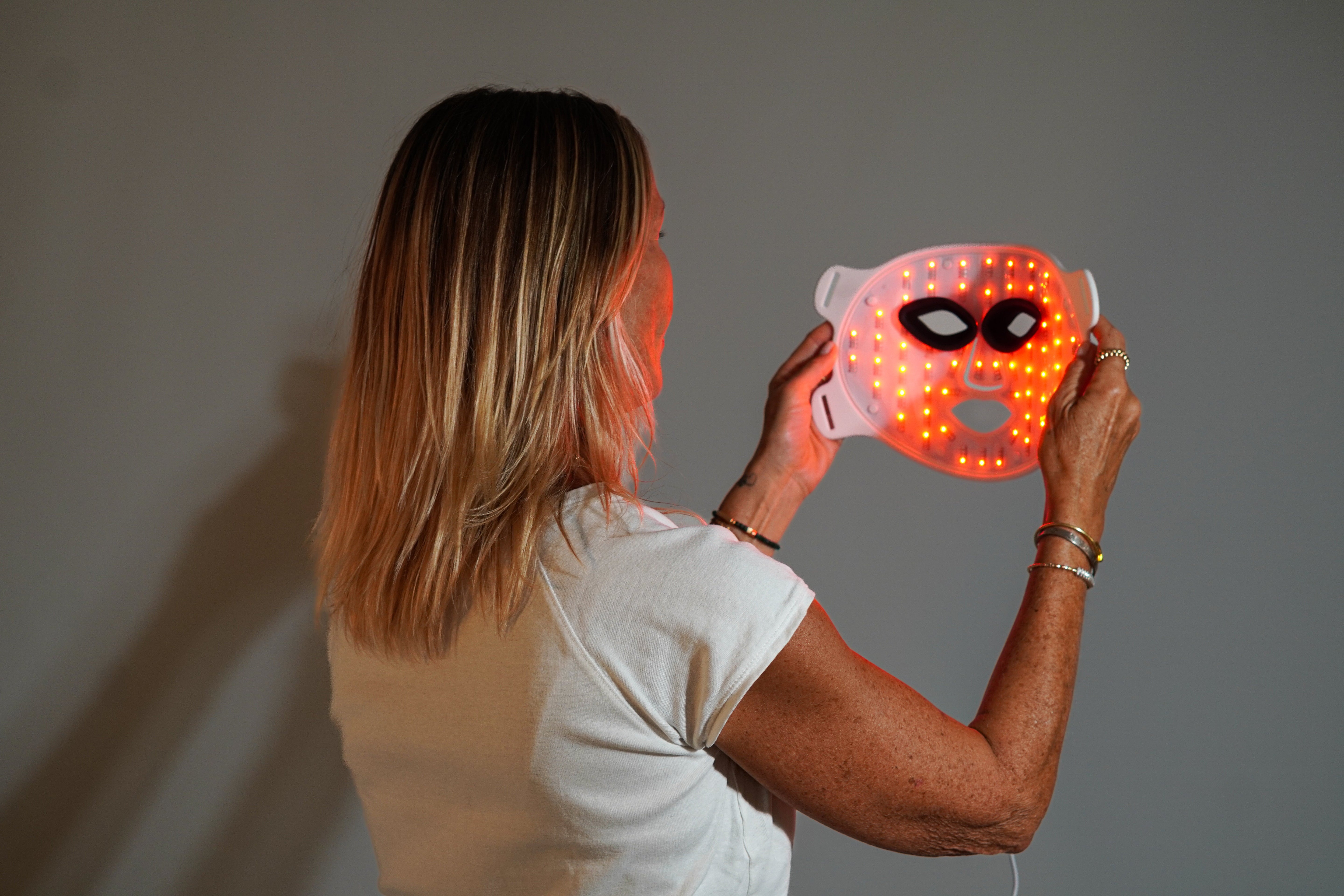
The KumoSkin LED mask helps repair and calm your skin in short sessions at home.
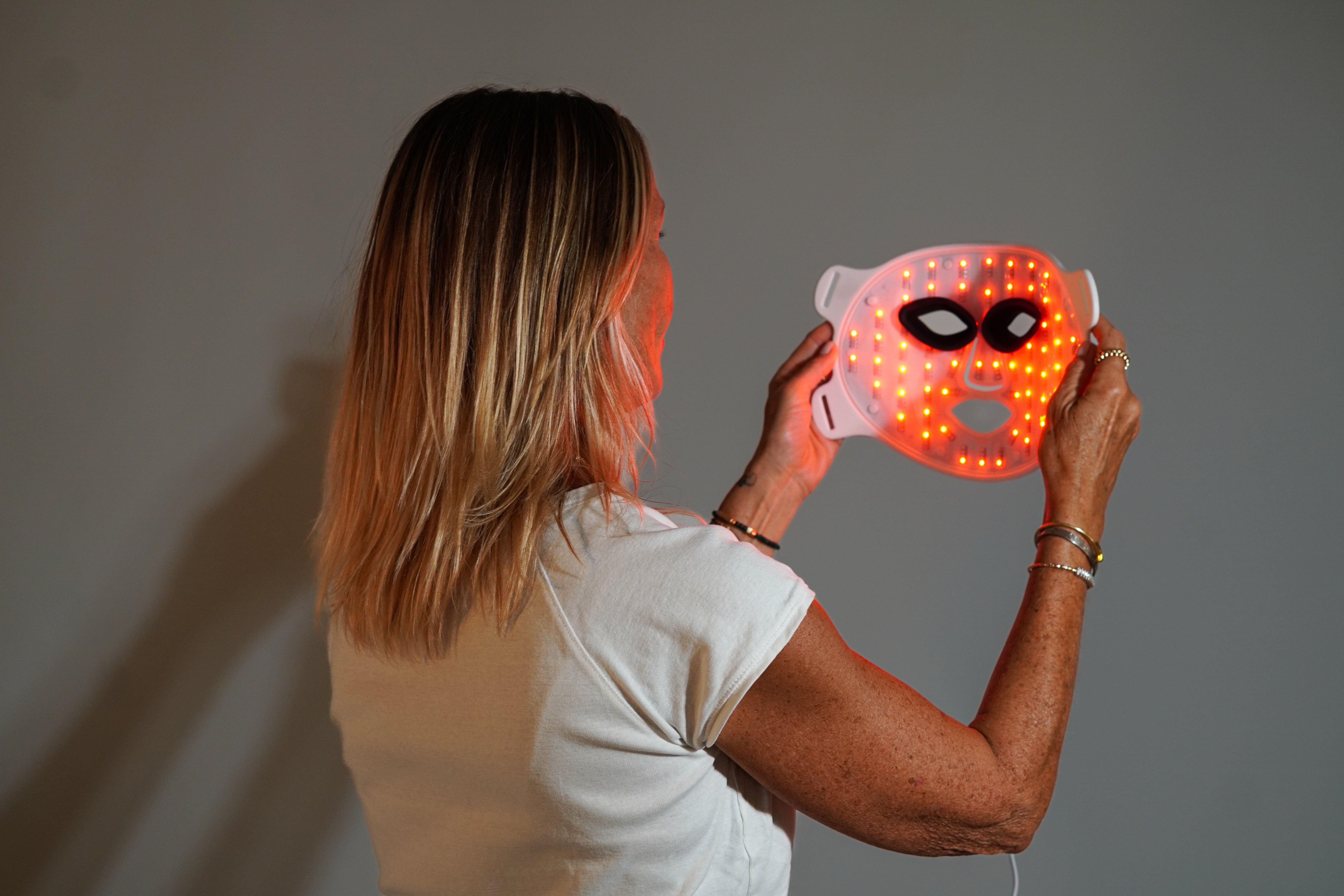
- 250 LEDs in flexible medical silicone
- Red light to boost collagen and glow
- 4 lights: red, infrared, blue and yellow
€299,00€429,00
−10% on your 1st order when you subscribe to the newsletter

In this article you will see for whom it makes the most sense to invest in an LED light mask or panel, what results you can expect according to scientific evidence, and how to integrate it into a care and recovery routine consistent with KUMO's wellness approach.
How does facial LED therapy work?
Photobiomodulation: light that “trains” your cells
LED facial therapy is based on photobiomodulation: light, at low power and without significant heat, interacts with receptors in skin cells and triggers biological changes (less inflammation, more repair, better barrier function…). ( dermnetnz.org )
Personalized protocol · included with your purchase
Want us to tell you how to use it in your case?
With your purchase, our experts prepare the ideal LED protocol for your skin type and goal (acne, wrinkles, dark spots...).
Message us on WhatsAppOur experts reply · no obligation
Shorter wavelengths (approximately 390–600 nm, such as blue) penetrate more superficial layers, while longer wavelengths (600–1100 nm, such as red and near-infrared) reach deeper into the dermis, where fibroblasts and blood vessels are located. ( dermnetnz.org )
The goal is not to "burn" or exfoliate the skin, but to gently stimulate it repeatedly to promote its self-repairing ability.
Light colors and main objectives
Each light range has distinct and complementary functions:
on your first order when you join the newsletter
We send you the code instantly. No spam.
- Blue light (~415 nm) : acts on acne-associated bacteria (Cutibacterium acnes) by activating internal porphyrins that generate reactive oxygen species and selectively damage these microorganisms. It also has a certain anti-inflammatory effect. ( dermnetnz.org )
- Red light (≈630–650 nm) : penetrates deeper, reduces inflammatory mediators, and promotes healing. It is used for both inflammatory acne and photoaging (fine lines, uneven texture). ( dermnetnz.org )
- Near-infrared light (~800–850 nm) : is not visible, but can increase mitochondrial activity and collagen and elastin production when combined with red light, as observed in fibroblast models and human skin explants. ( pubmed.ncbi.nlm.nih.gov )
- Amber/yellow light (≈570–590 nm) : is being studied in combination with red and infrared light to treat photoaging and improve tone and texture, with promising results in recent small trials (2024–2025). ( pubmed.ncbi.nlm.nih.gov )
Summary table: light colors and common uses
| Light color | Approx. wavelength | Main depth | Most frequent facial uses | What the evidence says |
|---|---|---|---|---|
| Blue | ≈415 nm | Superficial epidermis | Mild-moderate inflammatory acne | Small trials show significant reductions in lesions, especially when combined with red; studies typically last up to 12 weeks. ( pubmed.ncbi.nlm.nih.gov ) |
| Red | ≈630–650 nm | Superficial-mid dermis | Fine lines, redness, scarring | Improvements in texture, roughness, and collagen density in controlled photorejuvenation studies. ( pubmed.ncbi.nlm.nih.gov ) |
| Red + near-infrared | ≈640 + 830 nm | Deeper dermis | Photoaging, firmness, collagen support | In 2021, an increase in collagen and elastin markers was observed in fibroblasts and human skin in vitro with this combination. ( pubmed.ncbi.nlm.nih.gov ) |
| Blue + red | ≈415 + 630–650 nm | Epidermis + dermis | LED mask for acne for home use | Trials with combination masks show improvements in both inflammatory and non-inflammatory lesions and good tolerance. ( dermnetnz.org ) |
Who is facial LED therapy for?
People with mild to moderate acne
The most supported indication is mild to moderate inflammatory acne (pimples, papules, pustules), especially in those who do not tolerate certain topical or oral treatments well, or who are seeking a complementary option. A 2000 clinical trial with 107 patients showed average improvements of up to 76% in inflammatory lesions after 12 weeks of daily treatment. ( pubmed.ncbi.nlm.nih.gov )
Societies such as the American Academy of Dermatology consider light therapies "promising" as a supportive treatment, but note that they rarely clear acne completely and require consistency and multiple sessions. ( medicalnewstoday.com )
Skin with signs of aging or photoaging
If you're concerned about fine lines, loss of radiance, or uneven texture , red light and near-infrared light can be valuable allies. In a controlled study with 136 volunteers, twice-weekly red/polymorphic light sessions for 30 treatments significantly improved skin roughness, collagen density, and aesthetic evaluation compared to the control group. ( pubmed.ncbi.nlm.nih.gov )
Another study from 2021 showed that combining 640 nm (red) and 830 nm (near-infrared) light increased the expression of collagen and elastin genes in human fibroblasts, supporting its role as an anti-aging tool. ( pubmed.ncbi.nlm.nih.gov )
Sensitive or redness-prone skin: potential benefit, but with caveats
The low intensity of LED therapy means that many sensitive skin types tolerate it better than peels or ablative lasers, and there is evidence of reduced inflammation and improved barrier function with red light. ( dermnetnz.org ) However, cases have been described in which the use of LED masks has worsened melasma and other hyperpigmentation, probably due to accumulated heat and the melanogenic response in medium and high phototypes. ( harpersbazaar.com )
If you have a history of melasma, heat spots, or highly reactive skin, it's key to start with short sessions, observe the response, and have the supervision of a dermatologist.
People focused on performance, recovery, and well-being
Beyond aesthetics, many people who train intensely or live under high stress use light as part of their overall recovery routine . An LED facial mask can be integrated into rest periods, along with other recovery practices (breathing exercises, gentle stretching) or body devices such as compression boots or massage guns, aligning with KUMO's philosophy of making recovery a daily ritual, not an occasional luxury.
What results does facial LED therapy produce (according to the evidence)
Acne results
Scientific literature reports several positive impacts, especially in mild to moderate acne:
- Studies using blue light at home (twice a day for 4–8 weeks) show reductions in lesions of around 60–65% in some patient groups, although trials are usually small and short-term. ( medicalnewstoday.com )
- A trial with 107 people published in 2000 found that the blue + red combination, used for 15 minutes daily for 12 weeks, reduced inflammatory lesions by an average of 76%, compared to smaller improvements with blue light alone, white light, or benzoyl peroxide. ( pubmed.ncbi.nlm.nih.gov )
- A Korean trial using a combined blue-red face mask for home use observed improvements of around 24% in inflammatory lesions and almost 20% in non-inflammatory lesions after 12 weeks in mild-to-moderate acne. ( dermnetnz.org )
Realistic conclusion: LED therapy can noticeably reduce inflammatory outbreaks and improve the overall appearance of the skin, but it is not a substitute for a complete medical plan for moderate-to-severe acne, and its effects are maintained with continued use.
Results in fine wrinkles, texture and firmness
In photorejuvenation, results are measured by changes in roughness, elasticity, dermal density, and patient satisfaction:
- A controlled study with 136 volunteers treated with red light or red + broad spectrum (570–850 nm) twice a week found significant improvements in texture, roughness, and collagen density compared to controls after 30 sessions. ( pubmed.ncbi.nlm.nih.gov )
- In vitro studies from 2021 show that red + near-infrared (640 + 830 nm) light increases the expression of collagen I and III and elastin in fibroblasts and human skin, supporting its continued use to maintain firmness and dermal support. ( pubmed.ncbi.nlm.nih.gov )
In practice, many people notice more radiance and "juicier" skin after 4–8 weeks of consistent use, while changes in fine lines and firmness usually require several months of consistency.
Results in skin blemishes and tone
Red light and certain combinations with yellow and infrared have been tested in photoaging (sunspots and dullness), with improvements in overall parameters of sun damage and texture after 6–8 weeks of frequent treatment. ( pubmed.ncbi.nlm.nih.gov )
However, the specific case of melasma is more complex: dermatologists have reported patients in whom LED masks, especially those with infrared components and long sessions, worsen pigmentation, possibly due to the heat and melanocytic stimulation in prone skin. ( harpersbazaar.com ) Therefore, if your main problem is hormonal spots or melasma, it is best to have a dermatologist design a strategy and assess whether LED therapy fits into your plan.
How long does it take to notice changes?
Most guidelines and studies agree that LED therapy requires dose accumulation over time :
- For acne: 2–3 sessions per week for 4–6 weeks are often recommended as an initial phase, followed by maintenance sessions spaced according to response. ( healthline.com )
- For photorejuvenation: many trials use 2 weekly sessions for 8–12 weeks, with progressive and maximum results at 2–3 months. ( pubmed.ncbi.nlm.nih.gov )
With home devices, the energy per session is usually lower than in a treatment room, so this is compensated for by using them more frequently (for example, 3–5 days a week, according to the manufacturer's instructions). ( dermnetnz.org )
Safety, side effects and contraindications
Low-power LED therapy is generally considered safe and well-tolerated when certified devices are used and instructions are followed. Reactions described in the literature are usually mild and transient.
- Dryness or tightness
- Temporary redness
- Mild itching, tingling, or irritation
- Headache in some users sensitive to bright light
These discomforts usually subside shortly after treatment. ( dermnetnz.org )
However, there are situations where it is advisable to avoid or exercise extreme caution :
- Photosensitive diseases such as porphyria or lupus, where exposure to light can trigger flare-ups. ( medicalnewstoday.com )
- Use of photosensitizing drugs (some antibiotics, oral retinoids, certain diuretics, etc.). ( medicalnewstoday.com )
- History of melasma or severe hyperpigmentation: possible worsening with heat/energy accumulation. ( harpersbazaar.com )
- Photosensitive epilepsy, except for flicker-free devices and under medical supervision.
If you have an active skin condition, are pregnant, are in advanced breastfeeding, or are undergoing systemic medical treatment, it is wise to consult a dermatologist before including facial LED therapy in your routine.
How to integrate facial LED therapy into your care and recovery routine
Before, during and after each session
To get the most out of at-home LED facial therapy:
- Clean, dry skin : remove makeup and wash with a gentle cleanser; avoid physical or chemical exfoliants right before.
- Eye protection : Always wear the glasses or pads supplied if indicated by the device.
- Respect times and frequencies : more is not better; following the manufacturer's protocol minimizes the risk of irritation.
- Next, light hydration : apply a calming serum or cream without photosensitizing ingredients.
- Daily sunscreen : essential, especially if you are also working on photoaging or blemishes.
Combine facial LED therapy with other recovery habits and technologies
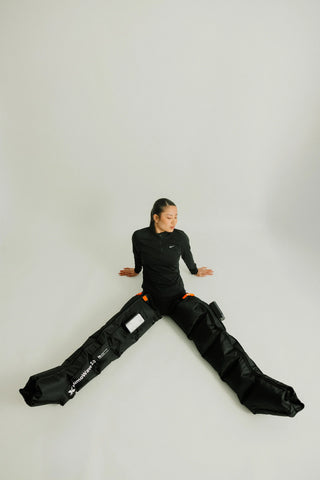
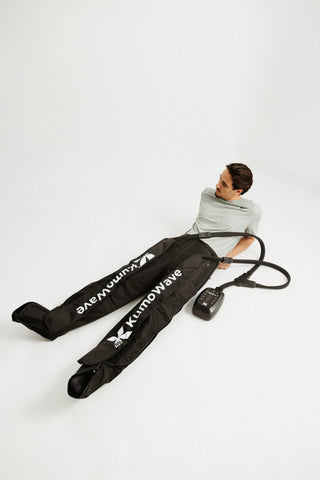
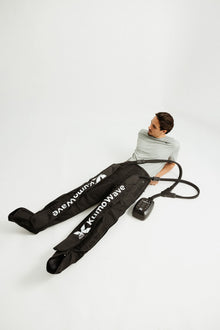
Facial LED therapy is most effective when integrated into a coherent recovery ecosystem : sufficient sleep, good hydration, stress reduction, and daily movement. In terms of technology, it pairs well with body tools that support circulation and muscle relaxation, such as compression boots or a KUMOPULSE Air massage gun , and with red light therapy applied to the body to promote muscle recovery and restful sleep, always following safe protocols.
On the face, using an LED light therapy mask for a few minutes a day can become a relaxing ritual that benefits both the skin and your overall sense of well-being.
Frequently asked questions about facial LED therapy
How many LED facial therapy sessions do I need to see results?
It depends on your goal and the type of device. For mild to moderate acne, studies and guidelines typically recommend 2 to 3 weekly sessions for about 4–6 weeks as an initial phase; after that, maintenance sessions are spaced further apart depending on how the skin responds. ( healthline.com ) For photorejuvenation, many protocols recommend at least 8–12 weeks of consistent use to see changes in texture and fine lines. With at-home masks, the energy per session is lower than in a professional setting, so consistency is key rather than intensity.
Does facial LED therapy help with hormonal acne?
LED light therapy can help reduce inflammation and visible lesions associated with acne, including breakouts that worsen at certain times of the cycle, but it doesn't address the underlying hormonal causes . ( dermnetnz.org ) In practice, it's often used as an adjunct to a medical treatment plan that may include topical retinoids, azelaic acid, systemic treatments, or other approaches tailored to your hormonal profile. It can improve redness, pain, and the healing time of breakouts, but if your acne is deep, nodular, or leaves significant scarring, it's essential that a dermatologist manage your treatment.
Can I use an LED facial mask if I have sensitive skin or rosacea?
Many sensitive skin types tolerate low-intensity red light well, and a calming effect and support for the skin barrier have even been observed. ( dermnetnz.org ) However, those with rosacea and those prone to intense redness or photosensitive migraines should proceed with particular caution : start with reduced exposure times (for example, half the recommended time), maintain a distance if using a panel, and observe the reaction in the following hours. If you notice a persistent worsening of redness, heat, or discomfort, discontinue use and consult your dermatologist before resuming therapy.
Is facial LED therapy safe during pregnancy?
Most studies on facial LED therapy haven't been specifically designed for pregnant women, so the data is limited. Because it works with visible light and doesn't use UV or intense heat, many dermatologists consider it potentially less problematic than other procedures, but as a precaution, individualization is usually recommended. ( dermnetnz.org ) If you are pregnant or trying to conceive, it's wise to discuss this with your gynecologist and dermatologist, review any medications or cosmetics you're using, and assess together whether a basic skincare routine, sun protection, and lifestyle changes wouldn't be sufficient during these months.
What is the difference between an LED mask at home and a treatment in a clinic?
The main differences are power, medical supervision, and customization . Clinical devices typically operate at higher energy levels and with very precise settings, allowing for more intensive protocols but requiring professional supervision and a limited number of sessions. ( dermnetnz.org ) Home masks use lower power levels and smaller treatment areas, so they rely on frequent and consistent use. They are more convenient and accessible for maintenance and mild acne, but their results depend heavily on the quality of the device and the user's adherence.
So what now?
If facial LED therapy aligns with your skin and recovery goals, the next step is choosing a reliable device and building a realistic and sustainable routine. In KUMO's LED light therapy collection, you'll find options designed to seamlessly integrate into your daily life alongside other recovery technologies. And if you have any questions about which tool best suits your lifestyle or how to combine it with other habits, you can contact us through the contact form for personalized, non-medical guidance on using our products.

Facial red light
KumoSkin Mask – LED Facial Mask
★★★★★ 4,8/5 · rated by verified customers
- 250 LEDs in flexible medical silicone
- Red light to boost collagen and glow
- 4 lights: red, infrared, blue and yellow
€299,00€429,00· pay in installments with seQura or Klarna