
Forearm pain after a climbing session does have a solution.
After a climbing or bouldering session, the most useful thing is usually to lower the load, move gently, and avoid gripping again with the same muscle group. In recent studies with climbers, active recovery by walking came out better than repeating hangs or easy climbing for maintaining performance, and forearm compression showed no clear improvements in strength or performance.
Red & infrared light
Recover faster, at home
★★★★★ 4,8/5 · rated by verified customers
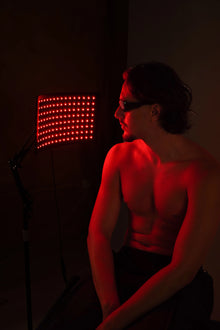
The KumoLux panel supports muscle recovery with full-body red and infrared light.
- 660 nm red + 850 nm infrared light
- Full-body muscle recovery
- Clinically validated biohacking protocols
€399,00€499,00
−10% on your 1st order when you subscribe to the newsletter

Why forearms get so pumped
The sensation appears because the forearm works for a long time in a sustained grip and repeats short, intense efforts. That creates local fatigue, a feeling of hardness, and the typical "pump" many people know after a route or a long boulder. The idea is not to chase more tension, but to change gear so the tissue stops accumulating effort.
If the sensation drops quickly and there is no unusual pain, it usually fits an acute overload response. If, on the other hand, the discomfort persists, gets worse, or starts to resemble elbow, wrist, or nerve trouble, it should no longer be treated as simple pump. (niams.nih.gov)
Personalized protocol · included with your purchase
Want us to tell you how to use it in your case?
With your purchase, our experts set up your red and infrared light sessions for your sport and goal.
Message us on WhatsAppOur experts reply · no obligation
What to do right after the session
If you only feel overload, there is no need to dramatize. The general guidance for muscle or overuse discomfort is to stop the activity that causes pain, give the area a short rest, and move on to gentle mobility. If the discomfort does not improve or gets worse, it is time for a medical assessment.
- Walk for five to ten minutes and breathe calmly. The idea is to bring your heart rate down and take the forearm out of the effort, not to keep working the same grip pattern.
- Open and close your hands, and move your wrists and fingers without forcing. Gentle, repeated movement helps keep the area from getting stiffer.
- Do gentle stretches of the forearm flexors and extensors, without pain and without bouncing. Do not look for intensity, only to recover a sense of length and control.
- If there is also discomfort or a feeling of irritation, apply cold briefly with fabric in between. The NIAMS guidance recommends ice in short intervals, and the NHS suggests 10 to 15 minutes every few hours to relieve arm or elbow pain.
- If the forearm no longer hurts and only a sense of load remains, avoid repeating hard attempts that same day. The 2024 study with climbers indicates that using the same muscle group during active recovery is not the best idea compared with walking.
Quick table: what helps and what is better avoided
Quick unloading routine
| What to do | How | Why |
|---|---|---|
| Gentle walking | 5 to 10 minutes | Helps lower the load without repeating the same pulling motion. |
| Finger and wrist mobility | 1 to 2 minutes | Allows a shift from stiffness to gentle movement. |
| Brief cold | 10 to 15 minutes with fabric | Useful if there is irritation or a feeling of overload. |
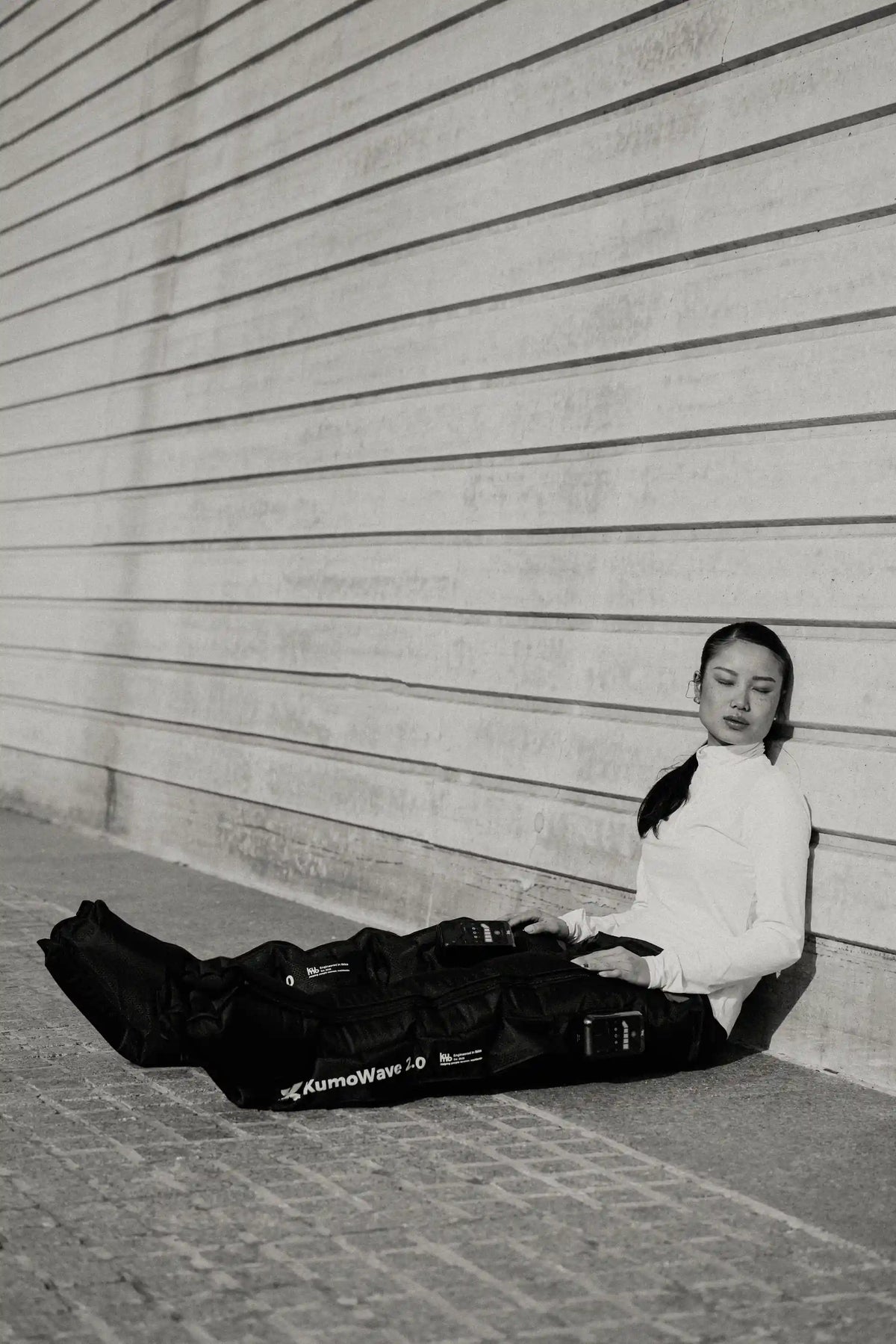
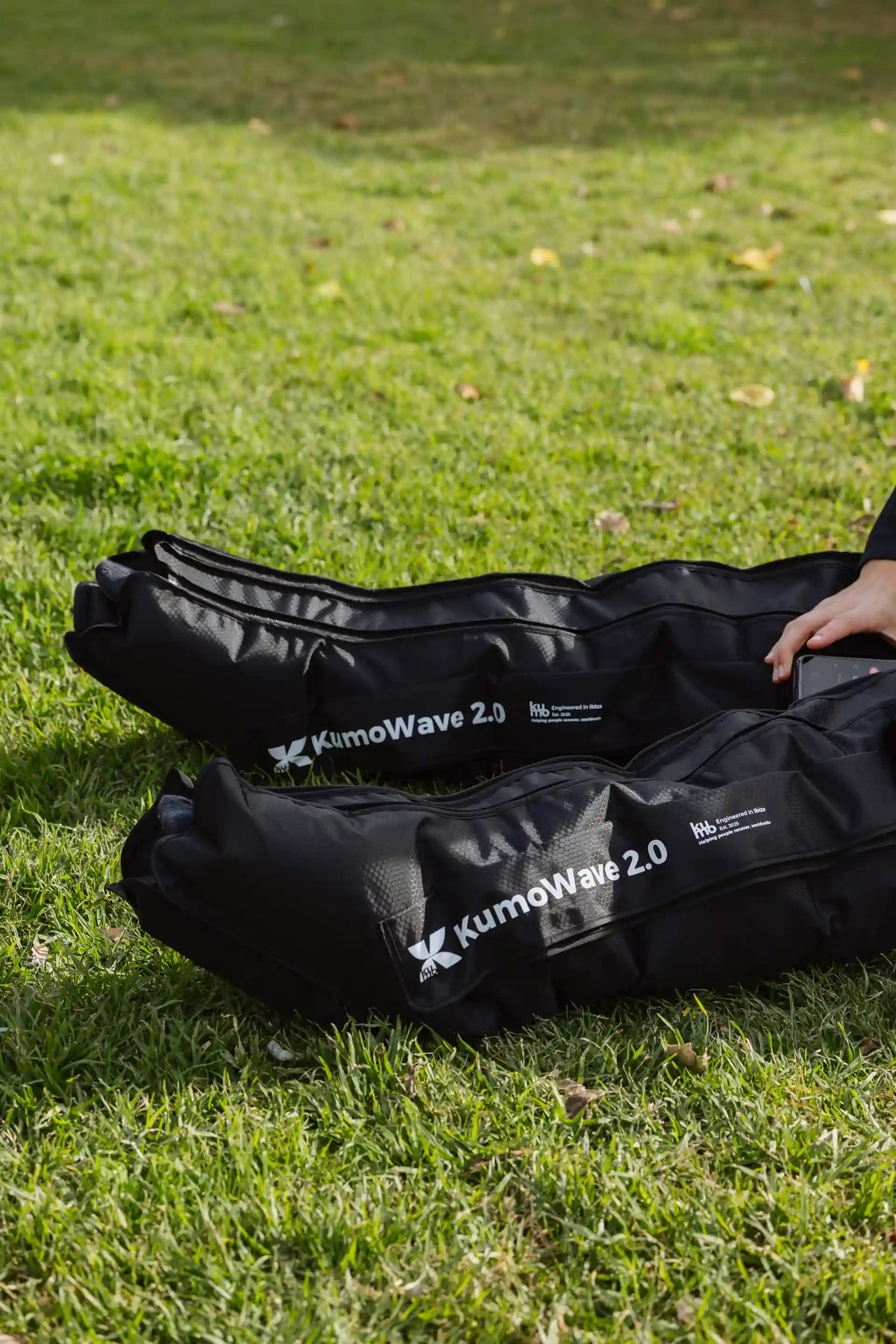
| Compression sleeve | Optional and not tight | May give support, but does not clearly improve strength or climbing performance. |
| More hangs or more bouldering | Avoid it if the pump persists | The same muscle group was not the best active recovery option. |
When the discomfort looks like something else
If the pain concentrates on the outer part of the elbow, it may resemble epicondylitis; if what you notice is tingling, numbness, or clumsiness in the hand, it is also worth considering a possible wrist or nerve problem. There is no need to self-diagnose, but it helps to recognize the pattern so you do not keep pushing on an irritated area. You can look into more signals in the guide on forearm epicondylitis and in the explanation of carpal tunnel syndrome when working with screens. (nhs.uk)
More complete recovery if you climb often
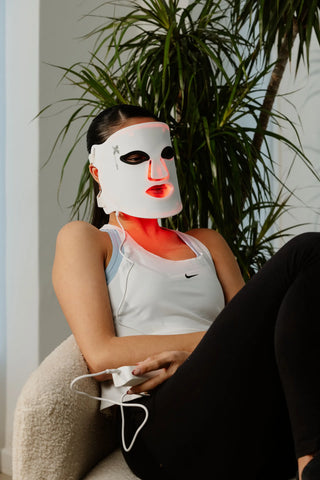
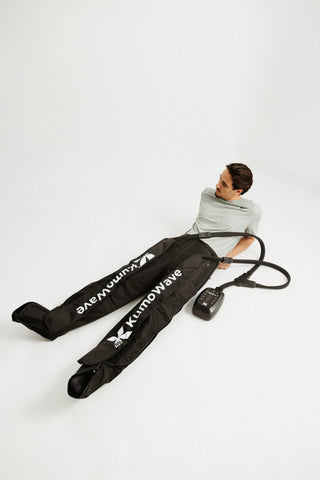
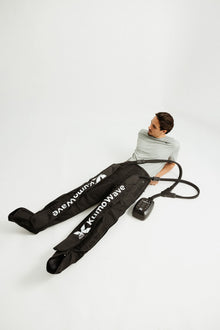
If bouldering is part of your week, a simple full-body sequence can help, not just a forearm one. Photobiomodulation has been studied as support around exercise and can fit within a broader routine, such as how to build an at-home recovery protocol with pressotherapy, red light therapy, and a massage gun. In any case, it is best seen as a complement and not a shortcut.
on your first order when you join the newsletter
We send you the code instantly. No spam.
To fine-tune your technique, the massage gun guide by muscle group will help you dose each area better and avoid turning a support tool into another source of tension.
If you decide to use a massage gun, do it with light pressure and for a short time. The HSS guide on percussive massage and the Cleveland Clinic precautions advise against using it over open wounds, bruises, local inflammation, suspected fractures, thrombosis, altered sensitivity, local infection, or an implanted cardiac device. They also recommend stopping immediately if the application hurts or becomes uncomfortable.
When to seek care, with the signals that require medical assessment
Warning signs that should not be normalized
Ask for an assessment if the discomfort does not ease after a few days, gets worse, comes with significant swelling, bruising, deformity, clear loss of strength, tingling or numbness, or if it hurts to move the arm normally. The NHS recommends seeking care if arm pain does not go away within a few weeks, if there is numbness, or if the pain appears with exercise and improves with rest; NIAMS also advises against continuing to train through pain.
If the pain comes with fever, significant stiffness, or a change in color, do not treat it as simple pump. These are signals that deserve a medical review.
If you are going to use a massage gun
Do not use a massage gun if there are wounds, bruises, local inflammation, a suspected fracture, thrombosis, altered sensitivity, local infection, or an implanted cardiac device. The Cleveland Clinic and HSS also recommend stopping immediately if the application hurts or becomes uncomfortable. (my.clevelandclinic.org)
Frequently asked questions
Is forearm pump normal after a bouldering session, and what should you do?
Yes, if the sensation is a load that drops with rest and there are no unusual symptoms. In climbing and bouldering, the forearm works with repeated grips and can accumulate local fatigue. The most useful thing at the end is to walk gently, move fingers and wrist, and not repeat more hangs or more boulders if the forearm is still very full. If sharp pain, tingling, or loss of strength appears, it should no longer be treated as simple pump.
How long should the feeling of a loaded forearm last?
It usually eases after a few hours and does not settle in for many days. If it is the same the next day or does not improve with at-home care, reduce the load and keep an eye on it. The NHS recommends booking an appointment if arm pain does not go away within a few weeks, and Mayo Clinic notes that it is worth seeking care if the pain does not improve with self-care.
Do cold, heat, or stretching help?
Brief cold is useful when there is irritation or a feeling of slight inflammation, while gentle heat is saved for later and not right after an injury. Gentle stretches help recover mobility, but they should not hurt or replace rest. If a movement makes the discomfort worse, stop. The idea is to support recovery, not to force the forearm to let go ahead of time.
Can I keep training if it only hurts a little?
If the discomfort is mild and goes away with rest, you can lower the intensity and cut the session short. If pain appears when you grip, increases across attempts, or comes with numbness, it is time to stop. In 2024, active recovery by walking worked better than continuing to use the same muscle group, so it makes little sense to keep loading the forearm when it is already saturated.
When is it worth thinking about a massage gun or red light therapy?
As support, not as the main solution. Photobiomodulation has been studied around exercise and can fit into a broader routine, but results are not the same for everyone. Forearm compression, for its part, did not clearly improve strength or climbing performance. If there are wounds, bruises, intense pain, or altered sensitivity, it is better not to use the massage gun.
What now?
If you want to keep fine-tuning your recovery, start with the Kumo Balance home page and, if the order of use between tools interests you, also check out pressotherapy and massage gun after sport, in what order to use them. The simpler and more consistent your routine, the easier it will be to reach the next session feeling good.

Red & infrared light
KumoLux Panel – Red and Infrared LED Panel
★★★★★ 4,8/5 · rated by verified customers
- 660 nm red + 850 nm infrared light
- Full-body muscle recovery
- Clinically validated biohacking protocols
€399,00€499,00· pay in installments with seQura or Klarna