Spending many hours standing can be tiring. Prolonged static posture promotes fatigue, pain, and swelling of the legs and ankles, so it is advisable to interrupt it with frequent movement. (cdc.gov)
The explanation is simple: when you remain still for a long time, blood and fluid tend to accumulate more in the lower part of the body. If the swelling is new, affects only one leg, or appears with pain, redness, warmth, shortness of breath, or chest pain, it ceases to be a trivial nuisance and warrants evaluation.
Pressotherapy at home
End the day with light legs
★★★★★ 4,8/5 · rated by verified customers
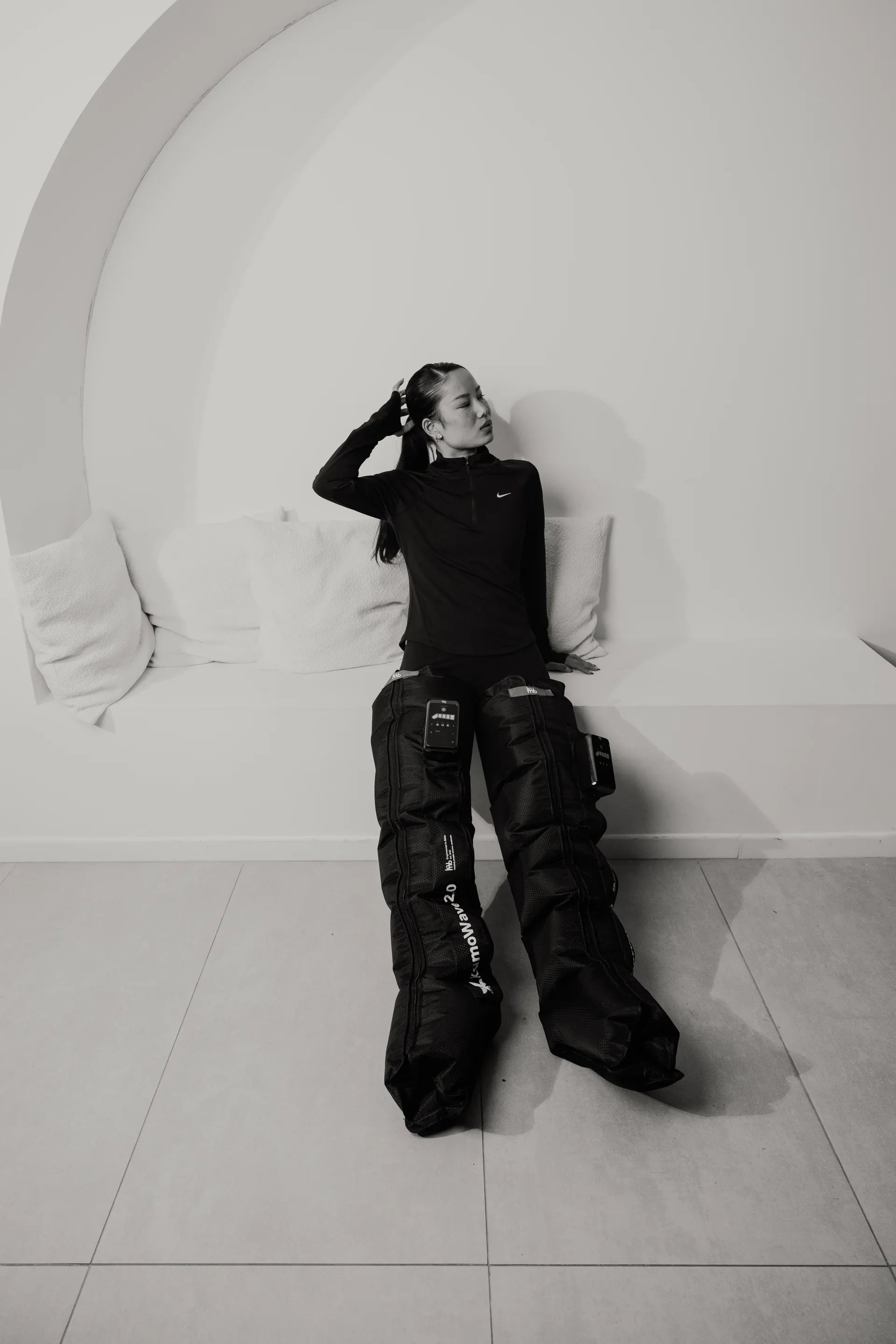
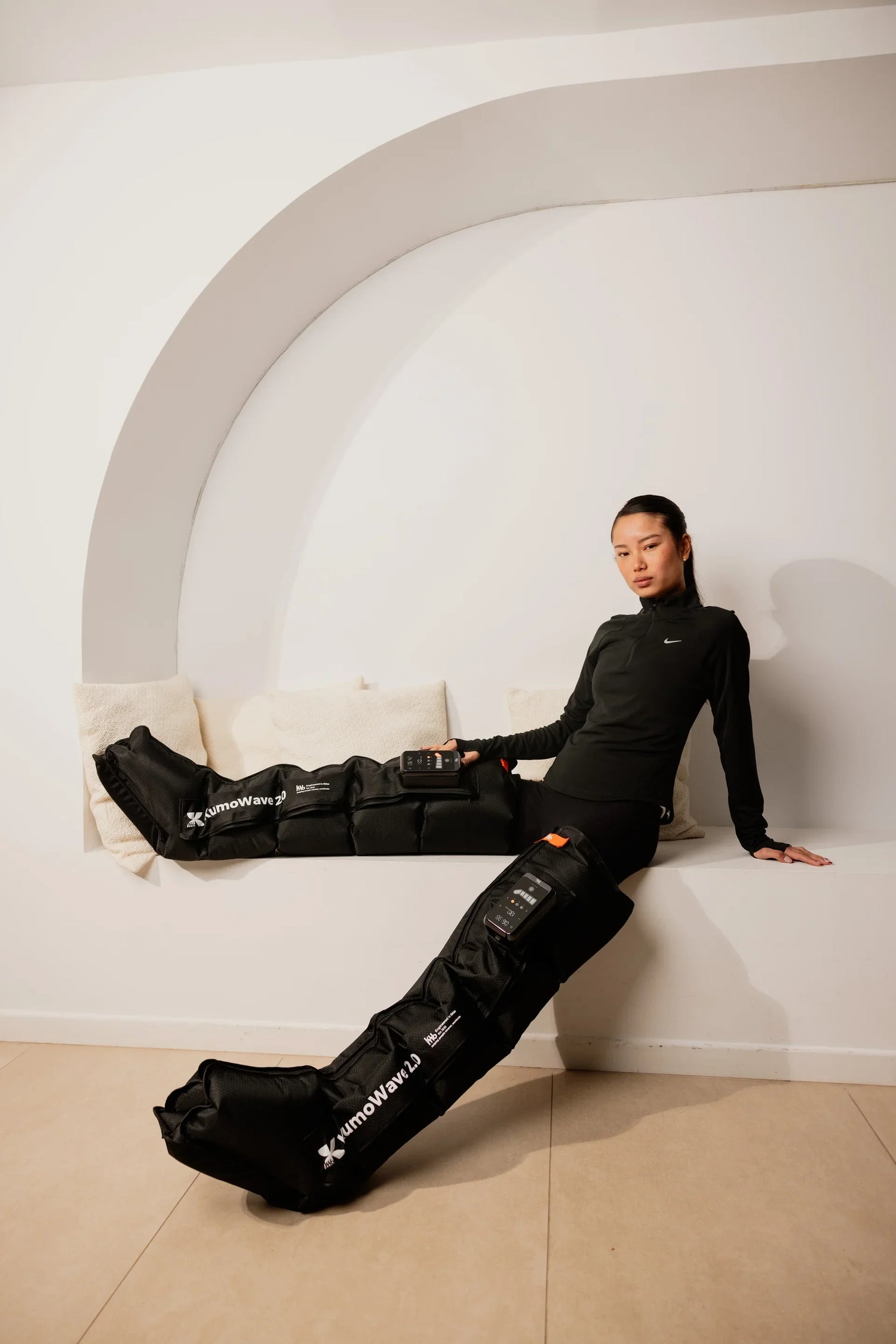
KumoWave pressotherapy boosts circulation and helps drain fluid with sequential compression, in 20-minute sessions at home.
- Boosts circulation and helps drain fluid
- Chamber-based compression, adjustable to you
- Sequential compression that mimics manual drainage
€799,00€999,00
−10% on your 1st order when you subscribe to the newsletter

Why heaviness and swelling appear
Remaining still for a long time causes the calf muscle pump to work less efficiently and venous return to be less effective. NIOSH summarizes that prolonged standing is associated with physical fatigue, muscle pain, leg swelling, and tiredness; MedlinePlus adds that standing for long periods often produces edema in the feet and ankles. If venous insufficiency also exists, the veins can remain full of blood, especially when standing.
The key is not to endure longer, but to break the motionless posture before heaviness and inflammation appear. Brief, repeated movement usually helps more than a single long break.
Personalized protocol · included with your purchase
Want us to tell you how to use it in your case?
With your purchase, our experts prepare a personalized usage protocol for your case: sport, circulation, fluid retention, pregnancy or lipedema.
Message us on WhatsAppOur experts reply · no obligation
What to do during the workday
If you work standing, do not try to "resist" without changes. The combination of micro-breaks, short displacements, and ergonomic adjustments is usually the most useful basis for preventing discomfort. OSHA reminds us that prolonged static postures strain the legs and that hard surfaces, such as concrete, increase discomfort; it also describes high stools, anti-fatigue mats, and opportunities to change position as useful. (osha.gov)
Practical measures for a long shift
| Measure | How to apply it | Why it helps |
|---|---|---|
| Shift support | Distribute weight evenly between both legs and take small steps when the workstation allows. | Breaks static posture and reduces fatigue and blood pooling in the legs. |
| Move ankles and calves | Flex and extend ankles during each short break. | Activates the calf muscle pump and promotes venous return. |
| Elevate feet during rest | Rest them on a stool or cushion when possible. | Helps move accumulated fluid and reduces the feeling of pressure. |
| Use ergonomic support | Consider an anti-fatigue mat, supportive footwear, or a high stool. | OSHA describes these measures as useful for reducing stress from standing on hard surfaces. |
For people prone to venous insufficiency, even slight leg movement helps keep blood circulating; that's why MedlinePlus recommends not sitting or standing for too long, exercising the legs, and wearing compression stockings when indicated. (medlineplus.gov)
Common mistakes that aggravate swelling
- Remaining immobile for hours, because a fixed posture promotes fatigue, pain, and edema.
- Working on hard floors without support, because it increases discomfort and swelling of the lower limbs.
- Ignoring swelling in only one leg or swelling that appears with warmth, redness, or chest pain.
- Waiting until the ankle is very swollen to start moving, when frequent breaks usually help sooner.
If you want to turn these guidelines into an organized routine, the explanation on how to use pressotherapy at home step by step can serve as a practical reference.
on your first order when you join the newsletter
We send you the code instantly. No spam.
Routine upon returning home
At the end of the day, the goal is to aid venous return and reduce accumulated pressure. MedlinePlus recommends elevating the legs, exercising them, reducing salt intake when there is fluid retention, and using compression stockings if indicated; the NHS also advises gentle walking and avoiding prolonged standing or sitting.
- Elevate your legs when resting, ideally above heart level if comfortable.
- Walk gently or move your ankles for a few minutes to reactivate circulation and relieve the feeling of heaviness.
- Use compression stockings only when clearly indicated or recommended by a professional.
- Reduce salt intake if you tend to retain fluids, as it can help reduce swelling.
To better adjust the duration of each session and avoid improvising, the guide on ideal frequency and times for at-home pressotherapy is a good complement. And if you want to understand the general leg recovery approach proposed by the brand, you can read the benefits of at-home pressotherapy for legs.
When to consult a doctor
Most discomfort related to prolonged standing improves with simple measures, but some patterns require review. MedlinePlus, the NHS, and Mayo Clinic agree that swelling in only one leg, red or warm skin, rapid worsening, shortness of breath, and chest pain require medical attention.
- Consult if one leg is more swollen than the other.
- Seek evaluation if there is redness, local warmth, or fever.
- Seek urgent help if shortness of breath, chest pain, or a choking sensation appears.
- Go if pain or swelling does not improve with rest, elevation, and frequent breaks.
If the pattern repeats daily, a professional can assess for venous insufficiency, fluid retention, medication side effects, or other causes that should not be overlooked.
Frequently Asked Questions
Swollen feet during air travel: should I be concerned?
During a long flight, immobility promotes fluid accumulation in the feet and ankles. Mayo Clinic explains that, in healthy individuals, this swelling is usually common and not very concerning, but it should be reviewed if it appears in only one leg, persists, or is accompanied by pain, redness, or shortness of breath. Walking when possible, moving the ankles, and wearing compression stockings can help. Mayo Clinic on swollen feet during flights.
Leg pain after standing or sitting for a long time: should I be concerned?
Yes, especially if the pain is new and persistent. Mayo Clinic links it to a possible chronic venous disease: blood accumulates in the legs and feet, which can cause pain, heaviness, and swelling. If you notice cramps, burning, varicose veins, or worsening at the end of the day, it's advisable to consult a doctor. Compression stockings and changes in posture can provide relief, but they do not replace an evaluation if the symptom is continuous. Mayo Clinic on leg pain after standing or sitting.
Mild leg swelling: is it always benign?
Not always. Mayo Clinic News Network points out that mild, bilateral swelling can be common, but it can also be related to salt, prolonged sedentary lifestyle, medications, or vascular problems. It should be checked if it worsens, if it's new, if it affects only one leg, or if it appears with shortness of breath, swollen abdomen, or high blood pressure. It's not about being alarmed by everything, but about recognizing when a common symptom no longer fits a normal pattern. Mayo Clinic note on mild leg swelling.
Swelling of ankles, feet, and legs: what can I do at home?
MedlinePlus recommends elevating the legs, moving them to activate the muscle pump, following a low-salt diet, and using compression stockings when indicated. It also suggests taking frequent breaks when traveling and avoiding overly tight clothing. If the skin is red or warm, if the swelling worsens in only one leg, or if chest pain or difficulty breathing appears, consult a doctor without delay. MedlinePlus on swelling of ankles, feet, and legs.
What now?
If heaviness and swelling appear every day, it is worth combining posture changes with a recovery routine that you can sustain. Explore the at-home pressotherapy collection and return to the Kumo Balance homepage to see which approach best suits you.
KumoWave pressotherapy
Choose your at-home pressotherapy
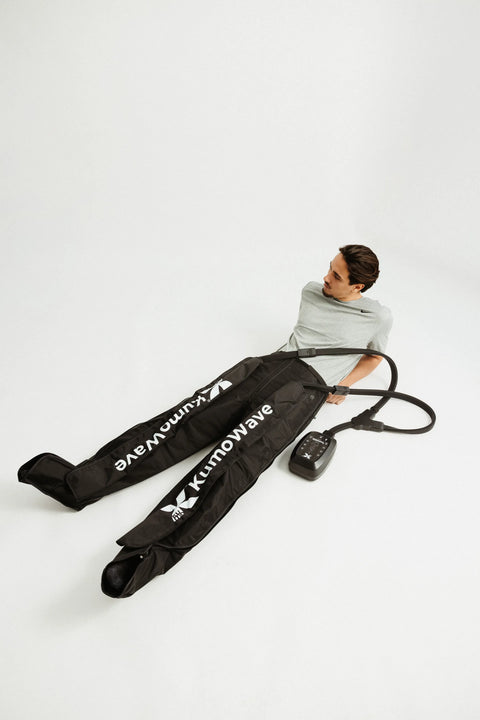
KumoWave Elite – Pressotherapy Pants
Full-coverage trousers. Ideal for lipedema, fluid retention and intensive use.
€799,00 €999,00
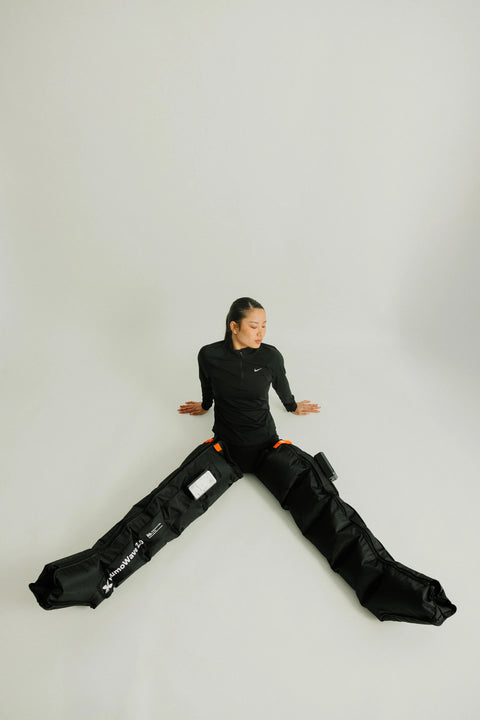
KumoWave 2.0 - Wireless Pressotherapy
Wireless, lightweight boots. Perfect for daily use and recovery.
€499,00 €599,00