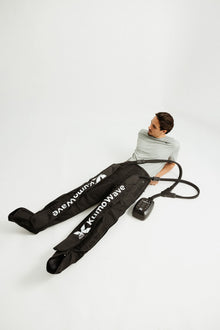

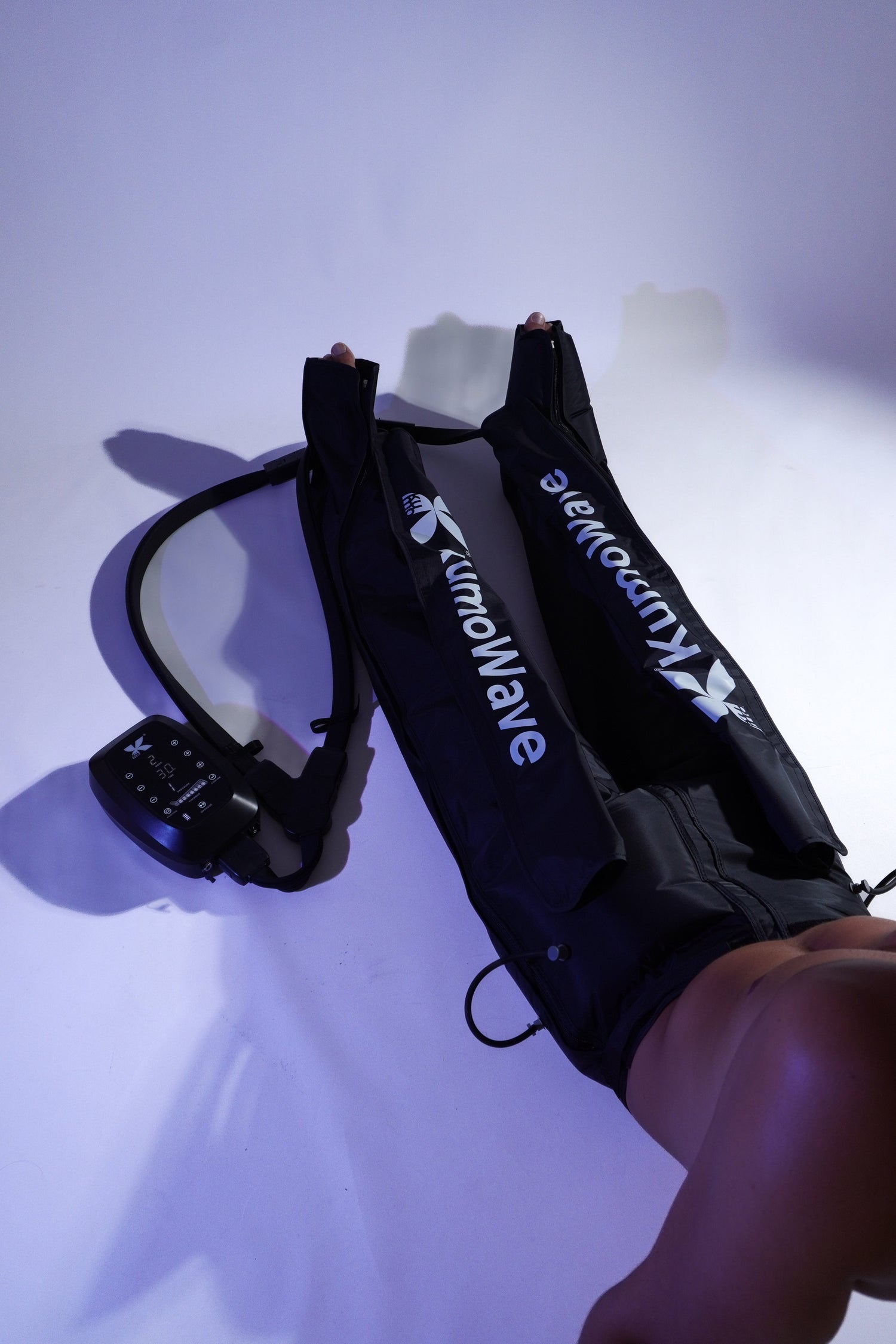
At-home pressotherapy to relieve leg pain and speed up recovery. It's a pneumatic compression technique that, when used correctly, helps activate circulation, reduce the feeling of heaviness, and promote fluid drainage—all without leaving your living room.
In a little while
- It improves venous return and lymphatic drainage, relieving tired and heavy legs.
- Useful after workouts to reduce the feeling of fatigue and muscle soreness.
- Regular guided sessions (of short to medium duration) are usually sufficient to notice changes.
- It does not replace physical activity, hydration and healthy habits; it complements them.
- Avoid it if you have active vascular disease or medical concerns; consult a doctor before starting.
What is pressotherapy and how does it work?
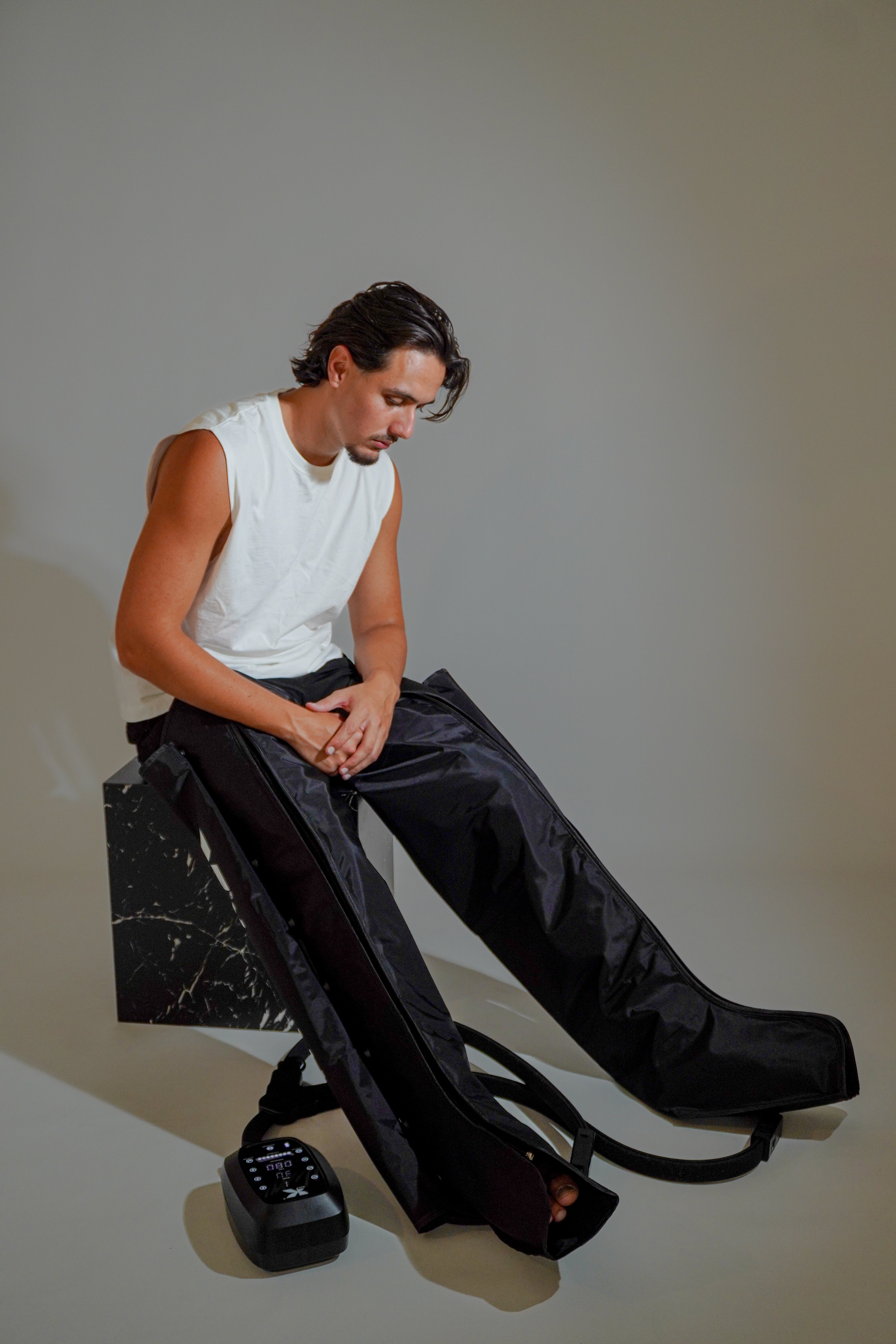
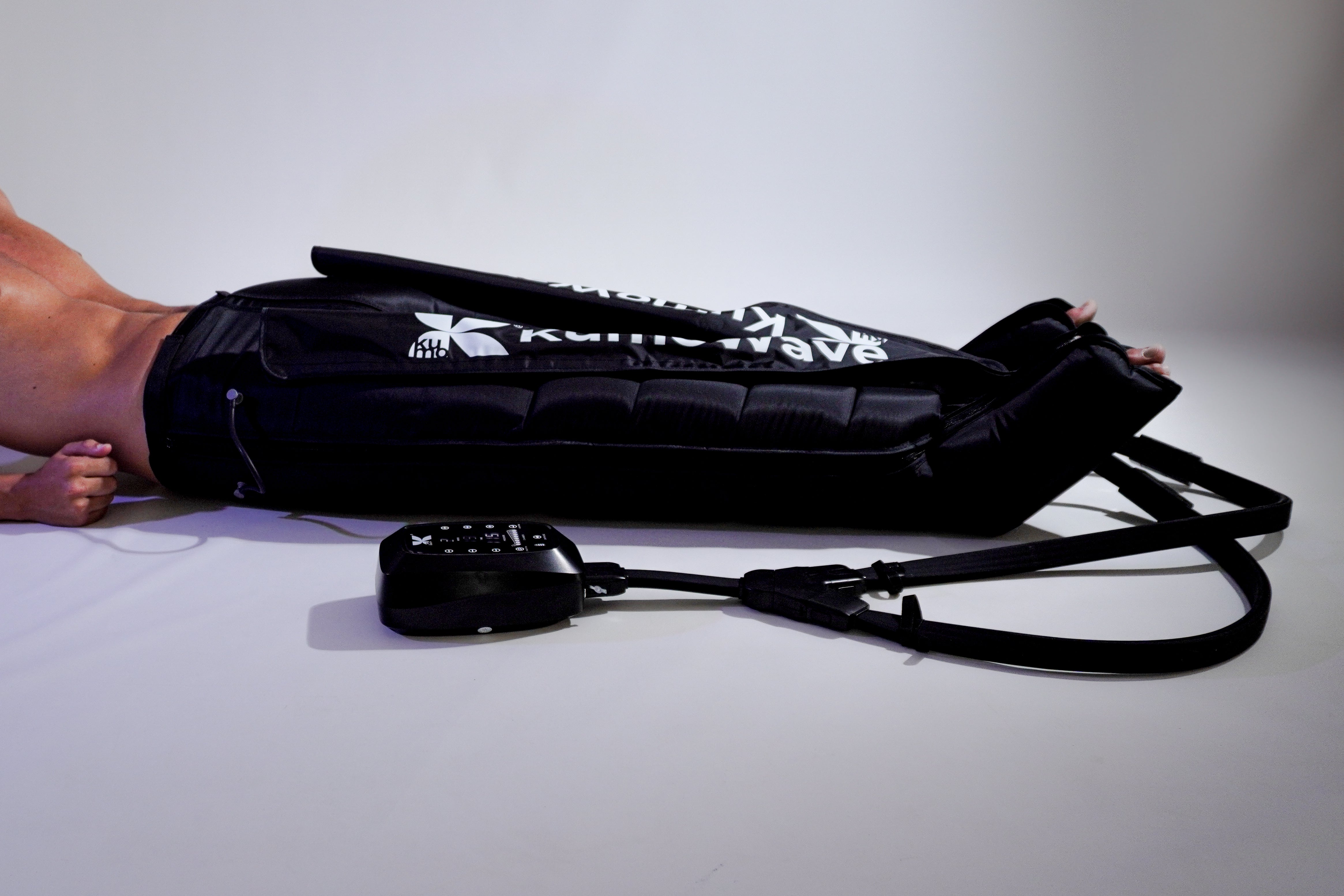
Pressotherapy uses compression boots that inflate and deflate in cycles. This pattern, called intermittent pneumatic compression (IPC), exerts gradual pressure from the foot to the thigh, promoting the return of blood and lymph to the torso.
Pressotherapy at home
End the day with light legs
★★★★★ 4,8/5 · rated by verified customers
KumoWave pressotherapy boosts circulation and helps drain fluid with sequential compression, in 20-minute sessions at home.
- Boosts circulation and helps drain fluid
- Chamber-based compression, adjustable to you
- Sequential compression that mimics manual drainage
€799,00€999,00
−10% on your 1st order when you subscribe to the newsletter

- In physiological terms, CNI increases microvascular flow and venous emptying, which can reduce mild swelling and the feeling of congestion after prolonged standing or sitting. Research in healthy volunteers shows increased blood flow with controlled external compression (see study on microvascular flow ).
- In clinical settings, pneumatic compression is used to prevent venous stasis and support the management of edema; its mechanism is well described by reference centers such as the Cleveland Clinic and guidelines from organizations such as NICE .
Benefits for your legs when using it at home
Relief from heaviness and tired legs
If you spend many hours sitting or standing, rhythmic compression helps mobilize fluids and relieve the feeling of swollen legs. This relief is usually felt at the end of the session and can be maintained by combining it with active breaks and gentle movement throughout the day. The goal is to unblock venous and lymphatic return comfortably and safely.
Recovery after exercise
Many athletes use compression boots to accelerate perceived recovery between training sessions. Controlled trials of post-exercise recovery describe improvements in subjective markers (less pain and stiffness) and, in some cases, better metabolite clearance, although the effects on subsequent performance vary depending on the protocol and the athlete's level. Evidence suggests that compression boots can be helpful, especially when combined with adequate sleep and nutrition.
Personalized protocol · included with your purchase
Want us to tell you how to use it in your case?
With your purchase, our experts prepare a personalized usage protocol for your case: sport, circulation, fluid retention, pregnancy or lipedema.
Message us on WhatsAppOur experts reply · no obligation
Mild fluid retention and circulatory well-being
In non-pathological cases of fluid retention (long journeys, sedentary periods), pressure cycles promote distal-proximal drainage. Reviews and clinical guidelines have documented the role of pneumatic compression in the management of edema and venous return, with nuances depending on the individual's profile and the context (Cochrane review on pneumatic compression ).
Feeling rested and better sleep
The relaxation following the air massage and the release of tension in the calves and thighs can promote restful sleep. Using it at the end of the day, with slow breathing and legs slightly elevated, enhances this feeling of well-being.
Quick tip: hydrate before and after, and combine the session with diaphragmatic breathing. Small habits multiply the perceived benefits.
−10%on your first order when you join the newsletter
We send you the code instantly. No spam.
Who is it suitable for?
Sedentary professionals and teleworking
Those who spend many hours sitting may notice lighter legs with regular exercise sessions. Even so, the key remains breaking the sedentary habit: the WHO recommends active breaks and frequent movement throughout the day (2020 guidelines ).
Athletes and active people
After races, strength training sessions, or high-intensity workouts, pressotherapy can be an additional recovery tool, especially during periods of heavy weekly training. Use it as a complement, not as a substitute for cool-down, mobility exercises, or sleep.
Long journeys and days on your feet
If you spend hours on airplanes or working on your feet, post-work compression helps to "squeeze" accumulated fluids in the distal part of the leg and relieve the feeling of stiffness.
Precautions and contraindications
Avoid unsupervised compression therapy if deep vein thrombosis, decompensated heart failure, active skin infection, open wounds, or significant peripheral arterial disease are suspected. If you experience sudden pain, redness, local heat, or a sudden increase in volume, immediately consult the CDC's Warning Signs and Thrombosis section and seek medical evaluation. If you are pregnant or postpartum, seek professional advice before using compression devices.
How to safely use pressotherapy at home
Preparation and posture
- Hydrate and empty your bladder before you begin.
- Get into a comfortable position, preferably with your legs aligned and a slight elevation from heel to hip.
- Adjust the boots without creases to avoid pressure points.
Program selection and intensity
- Start with gentle programs, with ascending cycles from foot to thigh.
- Increase gradually according to tolerance: during the session you should feel firm compression, never pain or numbness.
- If you notice tingling, numbness, or cold, stop and readjust.
Duration and frequency
- Prioritize consistency: short to medium sessions several days a week are usually more effective than one long, sporadic session.
- After training, many people prefer to use it in the 2-3 hours afterwards or at night to promote relaxation.
Safety sign: The skin should maintain normal color and temperature. If it becomes excessively red, painful, or persistent itching develops, reduce the intensity or stop use and consult a doctor.
Red flags and when not to continue
Sharp calf pain, marked unilateral swelling, sudden shortness of breath, or changes in skin color require immediate medical attention. If you have any questions, consult public health resources on edema and when to seek NHS guidance on leg swelling .
How to integrate it into a modern recovery routine
Pressotherapy is especially effective when combined with complementary habits and technologies:
- Light movement (walking, joint mobility) throughout the day to keep the muscle pump active.
- Sleep and nutrition: the true pillars of recovery.
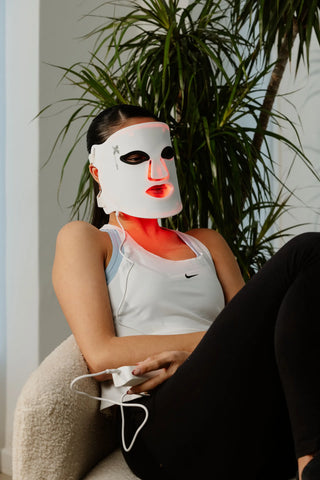
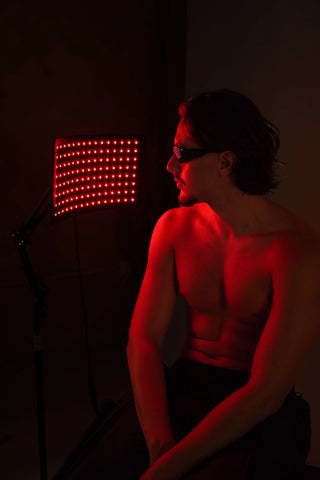
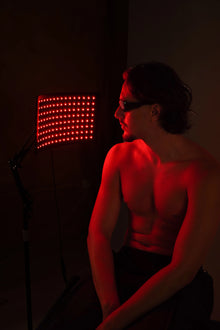
- Wellness technologies such as red light therapy for relaxation or massage guns to release tension before compression. Discover KUMO's holistic approach on our homepage .
Scientific evidence: what we know (and what we don't)
- Mechanism: Intermittent pneumatic compression increases venous return and may improve microvascular flow in peripheral tissues ( microcirculation study ).
- Clinical use: well established in the prevention of venous stasis and support for the management of edema in specific contexts. Summary of IPC devices and NICE guidelines .
- Sports recovery: small trials report improvements in perceived pain and feeling of recovery; effects on subsequent performance are heterogeneous and depend on protocols, population, and outcome measure.
- Important: This is not a treatment for conditions without medical indication. For wounds, ulcers, infections, or unexplained pain, consult a doctor first. For edema of unclear cause, seek medical evaluation (related Cochrane review ).
Table of indicative use
| Aim | Approximate duration | Suggested intensity | Ideal moment | Signs of a good response | Precautions |
|---|---|---|---|---|---|
| Relieve heavy legs after a sedentary day | Short to half sessions | Soft to medium, firm feel without pain | Late evening | Immediate lightness, less swelling | Avoid folds and pressure on bone ridges |
| Recovery after training | Average sessions | Medium, progressive according to tolerance | 2–3 hours post-exercise or before bed | Less stiffness and muscle soreness the next day | Do not use on acute injuries without prior evaluation |
| Long journeys (recovery) | Short sessions | Gentle | Upon arrival and the following day | More convenient unloading and mobility | If there is pain or marked asymmetries, consult a doctor. |
| Well-being and rest | Short sessions | Gentle, relaxing rhythm | Night, with slow breathing | A feeling of calm and warm legs | Stop if numbness or paleness occurs |
Note: These ranges are guidelines only. Always follow the manufacturer's instructions and adjust them to your specific needs. If you have any pre-existing medical conditions, consult a healthcare professional.
Myths and realities
- "It makes you lose weight on its own": false. Pressotherapy does not replace diet or exercise; it helps to mobilize fluids and restore sensations, not to lose localized fat.
- “The stronger, the better”: no. Excessive pressure can be counterproductive. Firm comfort and gradual progression are key.
- “It works for any swelling”: no. Edema has multiple causes; if you experience any warning signs or have any doubts, prioritize a medical evaluation.
Frequently Asked Questions
How many times a week is it recommended to use pressotherapy at home?
For most healthy people, consistency is key: several short to medium sessions per week work well for maintenance. If you train frequently, you can add extra days during heavy training weeks. Adjust the intensity to feel firm but comfortable compression. Remember that compression therapy complements, not replaces, movement, sleep, and hydration. If you experience skin sensitivity, numbness, or pain, reduce the pressure or duration and consider consulting a doctor.
Is pressotherapy safe if I spend many hours sitting down?
Yes, when applied correctly, it can be helpful in relieving the feeling of heavy legs associated with a sedentary lifestyle. Even so, the most important habit is to break up periods of inactivity with active breaks, stretching, and walking, as recommended by WHO public health guidelines. Pressotherapy adds a mechanical "push" to venous return at the end of the day. Avoid it if you have risk factors or signs of thrombosis; if in doubt, consult a doctor.
What should you feel during a session?
A rhythmic, enveloping pressure that progresses from feet to thighs, without sharp pain or tingling. The skin should maintain its normal color and comfortable temperature. If numbness, paleness, coldness, or pain occurs, stop the session, readjust the boots to eliminate creases, and reduce the intensity. Persistent discomfort or asymmetries (one leg being much more swollen or painful) require medical evaluation to rule out vascular problems. Signs and risks of DVT, CDC .
Can I use pressotherapy during pregnancy?
Pregnancy alters circulation and can increase fluid retention, but it also changes the indications for compression. Before using pneumatic compression devices at home, consult your obstetrician or midwife. In many cases, simple measures such as leg elevation, hydration, and adapted physical activity are recommended. Any sudden swelling, pain, or changes in skin color should be evaluated immediately by a healthcare professional (general NHS guidance) .
Does it replace compression stockings?
No. They are different, and sometimes complementary, tools. Compression stockings provide sustained compression throughout the day; compression boots apply intermittent compression in sessions. People who wear stockings for daily activities may benefit from occasional compression therapy sessions to relieve tension after the day. In specific clinical contexts, their use is decided on a case-by-case basis by professionals following guidelines such as those from NICE .
The essentials
- Home pressotherapy promotes venous return and drainage, relieving heaviness and improving the perception of recovery.
- Use it with progressive programs and intensities, prioritizing comfort and safety.
- Combine it with daily exercise, sleep, and good hydration for consistent results.
- Avoid using it if you have any signs of vascular alarm or active pathologies; when in doubt, consult a doctor first.
- Integrate other wellness tools for a 360° recovery. Learn about the KUMO approach at kumobalance.com .
Ready to make recovery your new wellness routine? Take the first step and explore how to integrate pressotherapy and other KUMO technologies into your daily life.
KumoWave pressotherapy
Choose your at-home pressotherapy
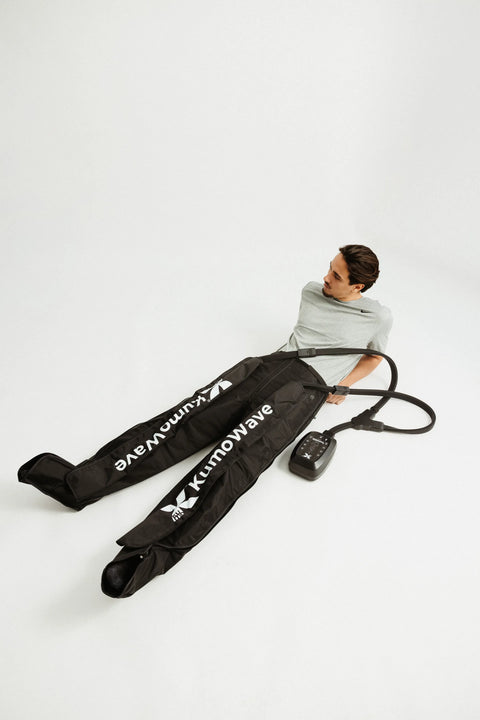
KumoWave Elite – Pressotherapy Pants
Full-coverage trousers. Ideal for lipedema, fluid retention and intensive use.
€799,00 €999,00
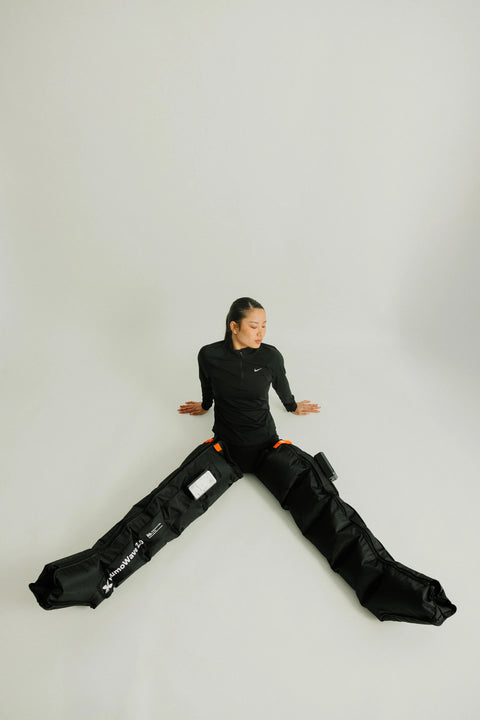
KumoWave 2.0 - Wireless Pressotherapy
Wireless, lightweight boots. Perfect for daily use and recovery.
€499,00 €599,00