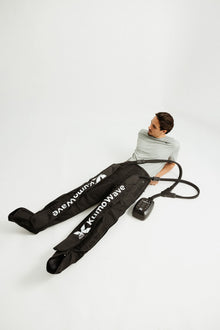

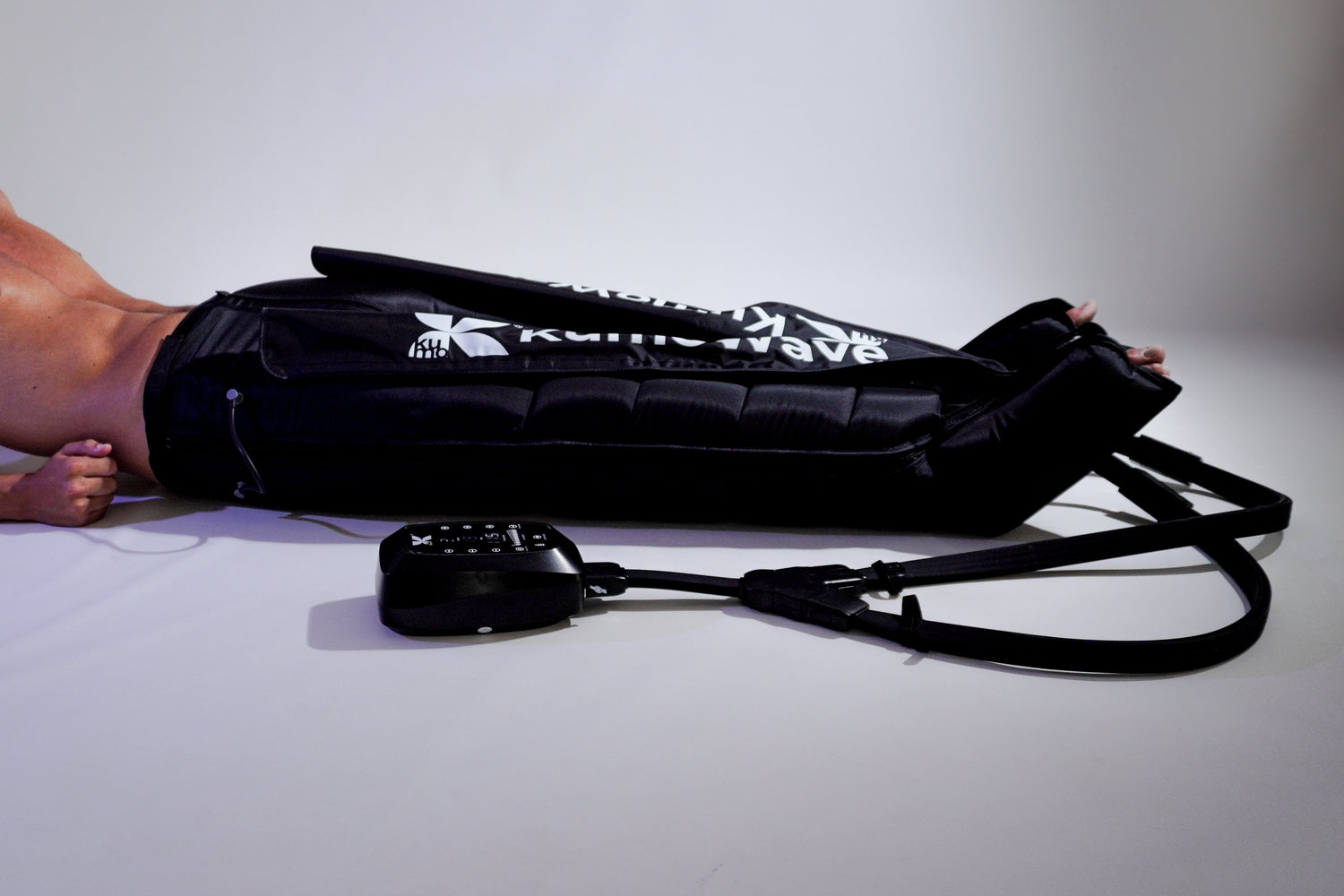
Pressotherapy at home, explained clearly and practically for 2025. If you're looking to relieve heavy legs, optimize recovery after exercise, or support lymphatic drainage from your living room, here's a complete, safe, and straightforward guide to get you started today.
In a little while
- Compression boots apply sequential pressure to promote venous and lymphatic return.
- Useful for tired legs, mild edema, post-workout recovery and general well-being.
- Suggested sessions: 20–30 minutes, 3–5 times/week, with comfortable and progressive pressure.
- Avoid use if there is active deep vein thrombosis, skin infection, or decompensated heart failure.
- Complement with hydration, mobility, leg elevation and rest habits.
What is pressotherapy and how does it work?
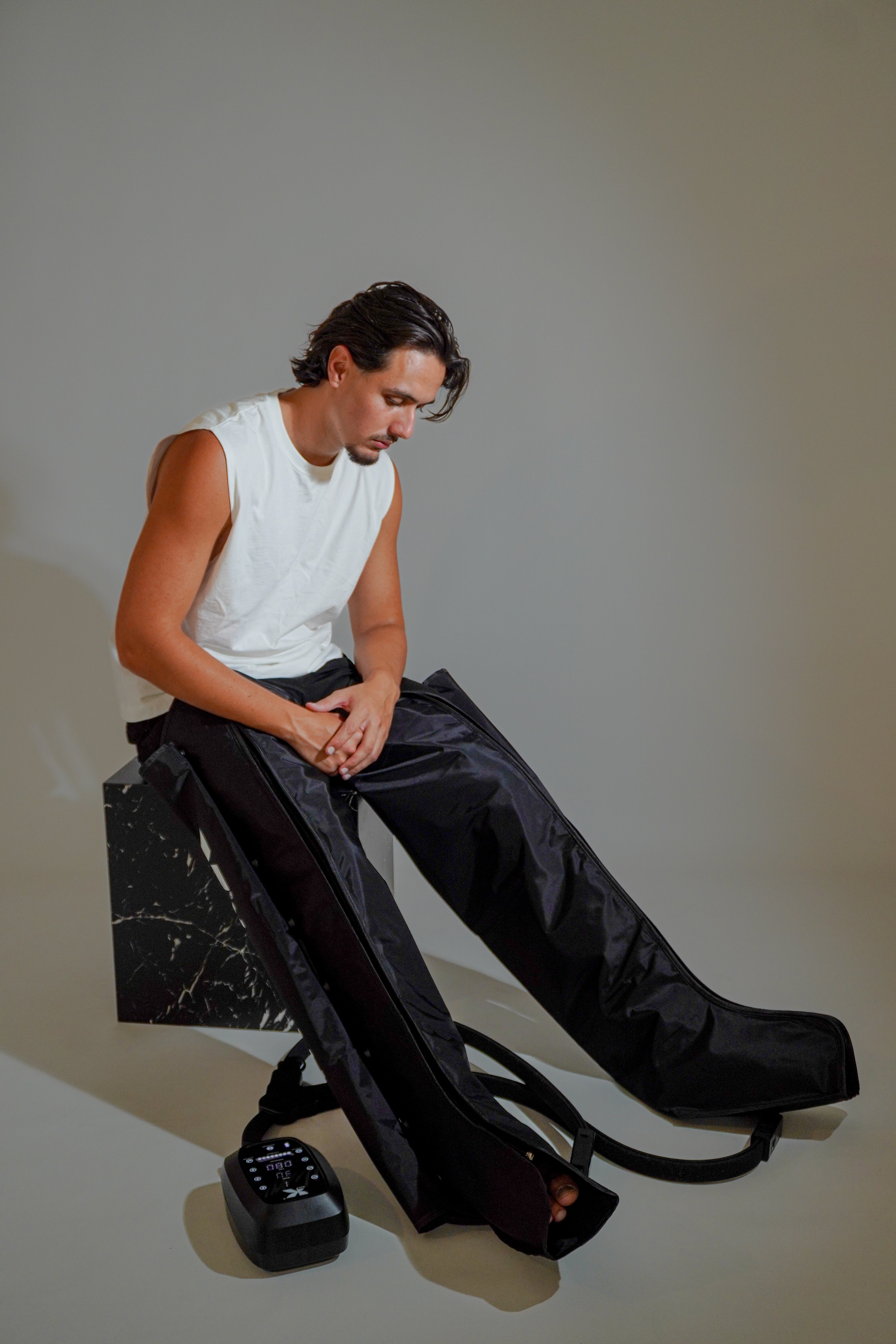
Pressotherapy (intermittent pneumatic compression) is a mechanical therapy that uses air chambers that inflate and deflate in segments, usually from the foot to the thigh. This sequential pattern promotes venous return, mobilizes interstitial fluids, and can relieve the feeling of heaviness in the legs.
Pressotherapy at home
End the day with light legs
★★★★★ 4,8/5 · rated by verified customers
KumoWave pressotherapy boosts circulation and helps drain fluid with sequential compression, in 20-minute sessions at home.
- Boosts circulation and helps drain fluid
- Chamber-based compression, adjustable to you
- Sequential compression that mimics manual drainage
€799,00€999,00
−10% on your 1st order when you subscribe to the newsletter

- Key mechanism: Intermittent external pressure gently compresses tissues, increases the pressure gradient, and facilitates venous/lymphatic drainage.
- At home, “compression boots” are used with pre-designed pressure and time programs.
For a clinical overview of pneumatic compression devices, see the Cleveland Clinic resource on their use and benefits in lymphedema and circulation in this medical guide.
Quick tip: always prioritize "effective but comfortable" pressure. If it hurts, it's too much.
Personalized protocol · included with your purchase
Want us to tell you how to use it in your case?
With your purchase, our experts prepare a personalized usage protocol for your case: sport, circulation, fluid retention, pregnancy or lipedema.
Message us on WhatsAppOur experts reply · no obligation
Supported benefits (and limitations of the evidence)
- Circulation and edema: Sequential compression can help reduce mild swelling and improve venous return. The NHS includes pneumatic devices as part of the approach to lymphedema, along with skin care and gentle exercise (see lymphedema treatment ).
- Ulcers and venous disease: a Cochrane review (2014) found benefit of intermittent pneumatic compression as an adjunct in venous ulcers versus no treatment, although the quality of evidence varies (Cochrane review ).
- Sports recovery: Dynamic external compression may relieve the perception of pain and post-exercise fatigue in some situations; performance results are mixed according to multicomponent recovery synthesis reviews in Sports Medicine.
- Comfort and well-being: many people report a feeling of lightness and less heavy legs after several sessions, especially if they spend many hours standing or sitting.
To understand the context of lymphedema and its management, MedlinePlus offers a solid and neutral basis of information about lymphedema .
Who is it suitable for?
- People with tired legs, heaviness at the end of the day, or mild transient edema.
- Those seeking additional support for healthy habits (mobility, hydration, rest).
- Athletes who wish to modulate the perception of fatigue between training sessions.
It does not replace medical treatment for venous or lymphatic conditions. If you have diagnosed lymphedema, complicated varicose veins, or chronic venous disease, consult your healthcare professional to integrate pneumatic compression into your treatment plan.
Results you can expect
- First sessions: feeling of lightness, less tension and local well-being.
- Weeks 2–4: consistent improvements in comfort and management of leg fatigue when combined with habits (mobility, elevation, hydration).
- Sport: the evidence on performance improvements is heterogeneous; the benefit is usually perceived in subjective recovery rather than in objective metrics, according to the reviews mentioned.
The answer is individual. Record how you feel before and after (pain, heaviness, sleep quality) to adjust parameters.
on your first order when you join the newsletter
We send you the code instantly. No spam.
How to use a pressotherapy system at home: step by step
Preparation and adjustment
- Hydrate and empty your bladder before the session.
- Place the boots over thin clothing or socks for better hygiene.
- Measure your leg circumference and choose the right size to avoid creases.
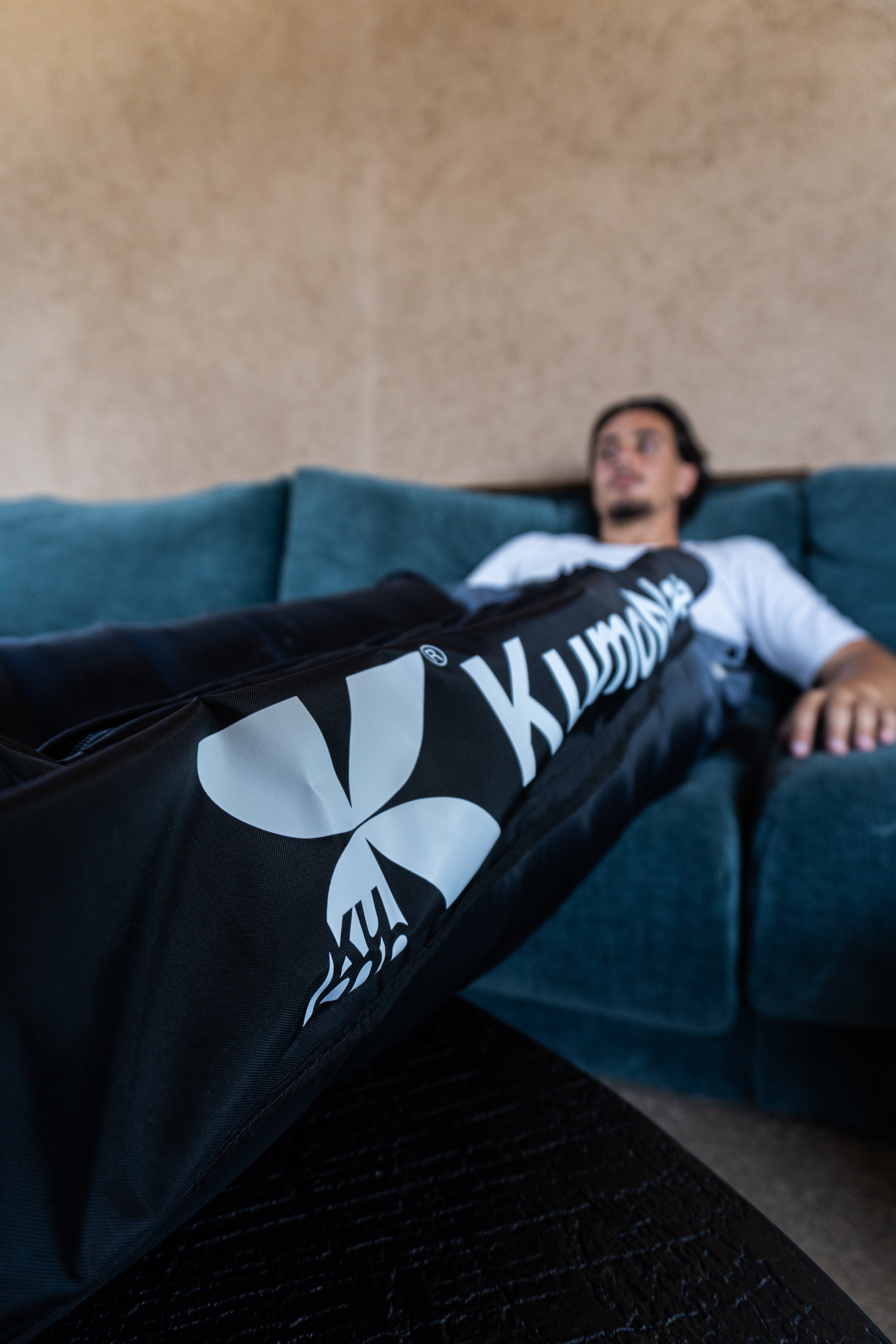
- Lie down or sit with your legs extended; if possible, raise your feet slightly.
Programs and indicative pressure
- Choose sequential programs from distal to proximal (foot → thigh) to promote return.
- Start with low/medium intensities and gradually increase according to tolerance.
- Always maintain a comfortable pressure, without pain, intense tingling, or numbness.
For safe home use of devices, the FDA offers safety guidelines and considerations for home use of pneumatic compression devices.
Frequency and duration
- 20–30 minutes per session is a practical reference to start with.
- 3–5 sessions per week are usually sufficient; during periods of high training load, you can use it after training or at the end of the day.
- Evaluate your personal response and adjust: less is more if you notice discomfort afterward.
Safety: contraindications and precautions
Avoid pressotherapy and consult a doctor immediately if you experience:
- Recent or active deep vein thrombosis (DVT) or pulmonary embolism.
- Decompensated heart failure, severe arterial ischemia, chest pain.
- Skin infections, cellulitis, open wounds or untreated ulcers.
- Severe neuropathies with loss of sensation or unexplained pain.
- High-risk pregnancy or vascular complications: mandatory prior consultation.
MedlinePlus and the NHS offer accessible information on warning signs of lymphedema and vascular problems (NHS and MedlinePlus guide ).
How to enhance the effects (habits that add up)
- Hydration and moderate salt: promotes fluid balance.
- Gentle mobility: walking, ankle pumping and stretching activate the “muscle pump”.
- Leg elevation: 10–20 minutes after the session to consolidate venous return.
- Skin care: hydration and monitoring for irritations, especially if there is edema.
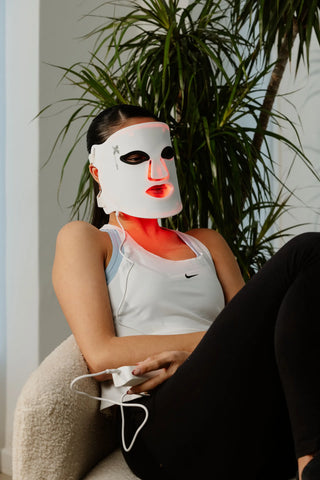
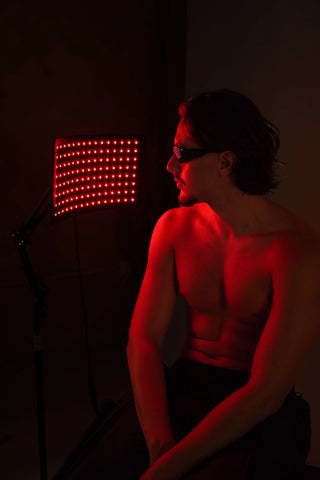
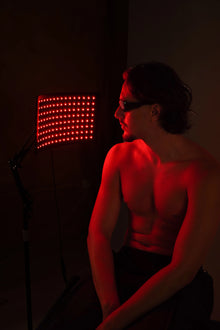
- Complementary tools: gentle percussion massage for tense areas and red light therapy to promote muscle recovery and restful sleep, integrated into an aesthetic, technological, and effective recovery routine. Discover KUMO's recovery philosophy here .
Equipment maintenance
- Cleaning: Wipe with a soft cloth and neutral soap solution after each use; air dry.
- Storage: Roll up without excessive folding; avoid heat and humidity.
- Inspection: Check zippers, hoses, and connections; if you notice an air leak, suspend use until resolved.
Common mistakes in home pressotherapy and how to fix them
| Common mistake | Symptom or sign | How to fix it |
|---|---|---|
| Pressure too high | Pain, numbness, intense tingling, reddened skin | Reduce the intensity, shorten the session, and gradually increase the intensity again. If the problem persists, consult a doctor. |
| Incorrect boot size | Folds, uneven pressure, uncompressed areas | Check measurements and fit; avoid wrinkles and close zippers evenly. |
| Use with wounds or infections | Local worsening, pain, redness | Stop use; treat the injury first with a healthcare professional. |
| Very long sessions without adaptation | Later fatigue, discomfort | Start with 15–20 minutes and increase according to tolerance. |
| Inadequate posture | Lower back or hip discomfort | Lie down with lumbar support and legs aligned; elevate feet slightly. |
To delve deeper into the clinical evidence on venous ulcers and pneumatic compression, review the Cochrane synthesis (2014) here .
Special cases: sports, office and travel
- Athletes: Integrate pressotherapy after intense training sessions or on high-intensity days to modulate the perception of fatigue. The literature suggests subjective benefits rather than direct performance improvements (review in Sports Medicine).
- Office/teleworking: if you spend hours sitting down, alternate pressotherapy with active breaks, ankle pumping and leg elevation.
- Long trips: do not replace DVT prevention guidelines; prioritize moving, hydration and consulting medical recommendations when appropriate.
For safe use and approval of home devices, the FDA provides helpful advice; see FDA guide.
Frequently Asked Questions (FAQ)
How many times a week can I use pressotherapy at home?
As a general guideline, 3–5 sessions per week of 20–30 minutes work well for most people. If you're in a phase of intense training or spend many hours on your feet, you can use it daily for short periods, always listening to your body. Avoid the temptation to increase the pressure too much or make the sessions excessively long; consistency, not intensity, usually yields better results. If you have a diagnosed vascular or lymphatic condition, ask your healthcare professional for a personalized plan.
What pressure is "right" for me?
The “correct pressure” is the pressure that provides relief without pain or numbness. Start with low to medium levels and gradually increase. The sensation should be one of even compression and comfort. If you experience pain, intense tingling, or numbness, immediately reduce or stop the session. In specific clinical cases (e.g., lymphedema), the setting and progression should be determined by a healthcare professional. The FDA recommends always following the manufacturer's instructions for safe home use.
Does pressotherapy replace compression stockings?
No. They are complementary tools. Compression stockings exert sustained pressure throughout the day and help maintain venous return in an upright position; compression therapy provides sequential compression in specific sessions to mobilize fluids and relieve heaviness. In venous or lymphatic disease, it is common to combine them with exercise and skin care, as described by the NHS in its approach to lymphedema (see NHS resources ).
Is it helpful for muscle soreness after exercise?
It may help reduce the perception of pain and stiffness in some users, especially when combined with adequate sleep, nutrition, and hydration. However, the effects on objective performance (strength, power) are variable and generally modest, according to recovery synthesis reviews in Sports Medicine. Your personal experience is key: try it for 2–3 weeks and assess changes in how you feel and recover.
What signs indicate that I should stop the session and consult?
Stop the session if you experience severe pain, persistent tingling, mottled or very cold skin, sudden worsening of swelling, difficulty breathing, or chest pain. If you suspect deep vein thrombosis (warm, painful leg with asymmetrical swelling), seek urgent medical attention. For more information on lymphatic conditions and warning signs, MedlinePlus offers validated information here .
The essentials
- Pressotherapy at home helps relieve heaviness and mobilize fluids with sequential compression.
- Use it for 20–30 minutes, 3–5 times a week, with comfortable and progressive pressure.
- Respect contraindications and warning signs; if in doubt, consult a professional.
- Combine it with habits: mobility, hydration, leg elevation and good rest.
- Evidence supports benefits in comfort and mild edema; impact on performance is variable.
Take the next step towards an aesthetic, technological, and effective recovery routine. Start by learning about KUMO's philosophy and solutions on our homepage .
KumoWave pressotherapy
Choose your at-home pressotherapy
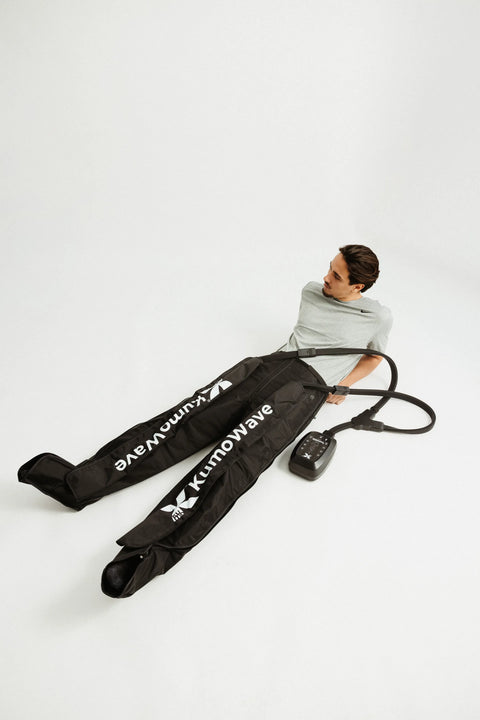
KumoWave Elite – Pressotherapy Pants
Full-coverage trousers. Ideal for lipedema, fluid retention and intensive use.
€799,00 €999,00
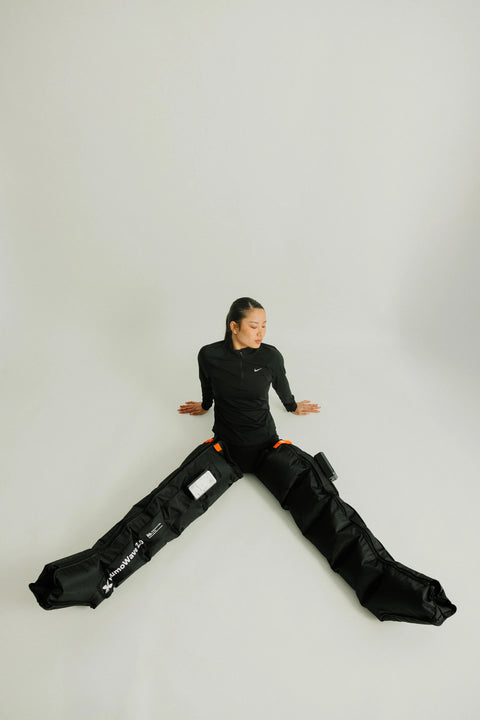
KumoWave 2.0 - Wireless Pressotherapy
Wireless, lightweight boots. Perfect for daily use and recovery.
€499,00 €599,00