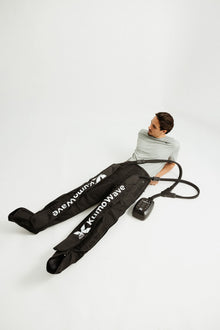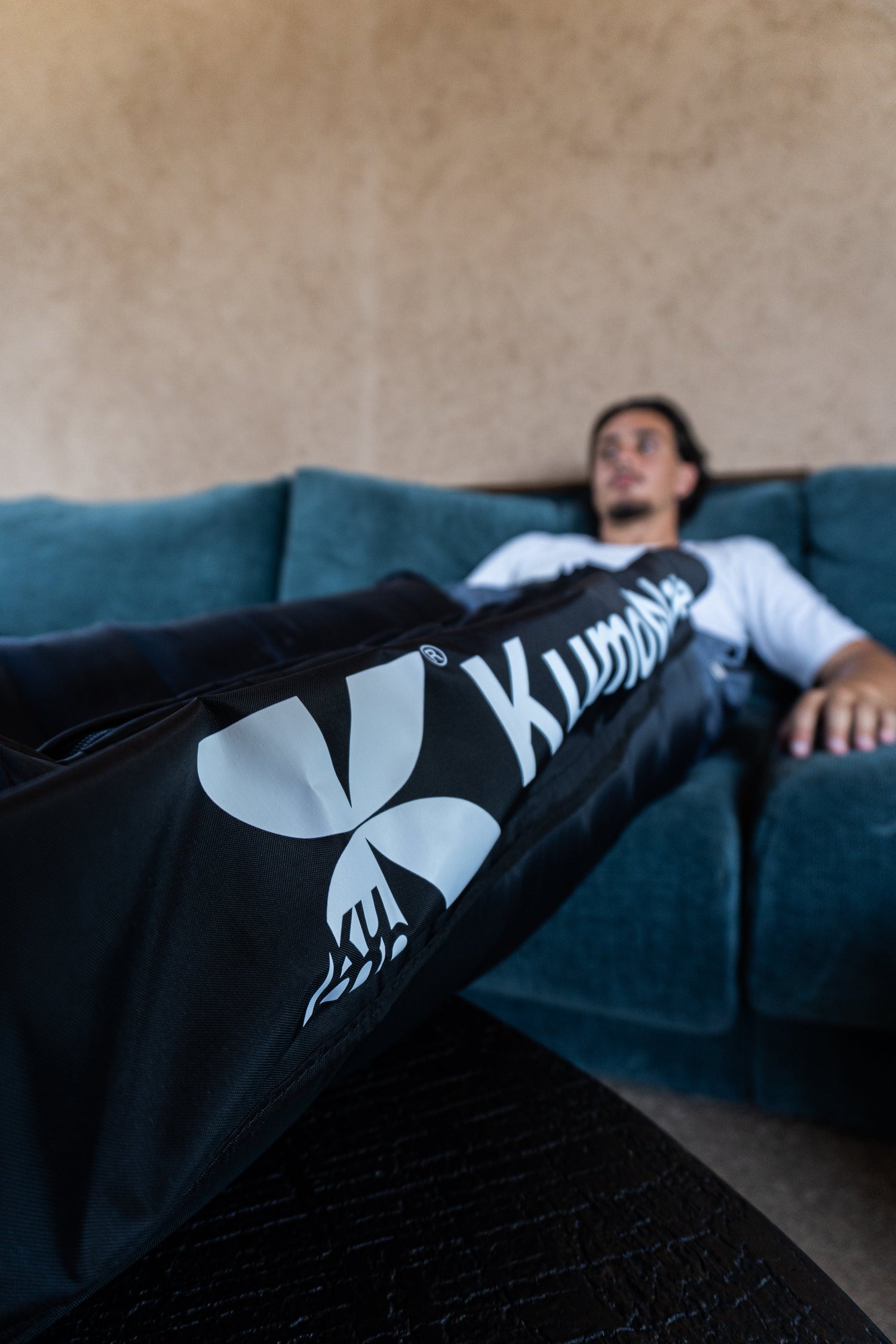
Pressotherapy at home: common mistakes and clear solutions.
If you use compression boots as part of your recovery routine, this guide will help you avoid common mistakes and get the most out of them safely. You'll learn what not to do, how to adjust pressure, time, and positioning, and when to consult a professional. You'll also find a practical plan, a troubleshooting chart, and answers to frequently asked questions.
Pressotherapy at home
End the day with light legs
★★★★★ 4,8/5 · rated by verified customers
KumoWave pressotherapy boosts circulation and helps drain fluid with sequential compression, in 20-minute sessions at home.
- Boosts circulation and helps drain fluid
- Chamber-based compression, adjustable to you
- Sequential compression that mimics manual drainage
€799,00€999,00
−10% on your 1st order when you subscribe to the newsletter

In a little while
- Start gently: gradually adjust pressure and time without pain.
- Prioritize the fit: the size and even closure of the boots make all the difference.
- Posture and preparation: feet elevated, hydration and clean skin to avoid discomfort.
- Respect contraindications: if there is acute pain, numbness, infection or suspicion of DVT, stop and consult.
- Plan: regular sessions and equipment maintenance for consistent results.
What is home pressotherapy and how does it work?
Pressotherapy (intermittent pneumatic compression) uses air chambers that inflate and deflate sequentially to promote venous return and lymphatic drainage. When applied correctly, it can relieve tired legs, support muscle recovery, and complement the management of edema under medical supervision.
Clinical evidence supports its use in specific contexts, especially in the prevention of venous thrombosis in hospitalized patients and as an adjunct in lymphedema, always within medical criteria. Consult reviews and guidelines such as Cochrane (2016), NICE (2018, updated), NHS, and the International Lymphoedema Framework to understand its indications and limitations.
Personalized protocol · included with your purchase
Want us to tell you how to use it in your case?
With your purchase, our experts prepare a personalized usage protocol for your case: sport, circulation, fluid retention, pregnancy or lipedema.
Message us on WhatsAppOur experts reply · no obligation
- Intermittent pneumatic compression for preventing VTE (Cochrane, 2016)
- NICE NG89: Prevention of venous thromboembolism (2018)
- Lymphedema treatment (NHS)
- Best practices in lymphedema (ILF)
- ESVS: Guide to Chronic Venous Disease (2022)
Golden rule: no pain, no numbness, no persistent tingling. If any of these signs appear, stop the session.
Common mistakes and how to fix them
1) Choosing an incorrect size or fit
An incorrect fit creates creases, uneven pressure zones, and poor results.
- Solution:
- Measure circumferences (ankle, calf, thigh) and leg length following the manual.
- Position the zippers straight, without twisting, and adjust the flaps for a uniform closure.
- If there are air pockets or creases, readjust before starting the cycle.
2) Using excessive (or too low) pressure
High pressures can compress nerves/tissues; very low pressures do not stimulate venous return.
on your first order when you join the newsletter
We send you the code instantly. No spam.
- Solution:
- Start with the gentlest program and gradually increase according to tolerance.
- Look for a feeling of a "firm embrace", never pain or numbness.
- If after 5–10 minutes your legs go numb, stop, lower the intensity and reposition.
3) Sessions that are too long or too frequent at the beginning
Excessive consumption can cause discomfort, tissue overload, or irritation.
- Solution:
- Stepped progression: short sessions at the beginning and gradual increase according to response.
- Introduce rest days if there is residual sensitivity.
- Follow the equipment manual and, if you have venous or lymphatic pathology, adjust with your healthcare professional.
4) Poor posture during the session
Sitting with knees bent too far or feet pointing downwards hinders venous return.
- Solution:
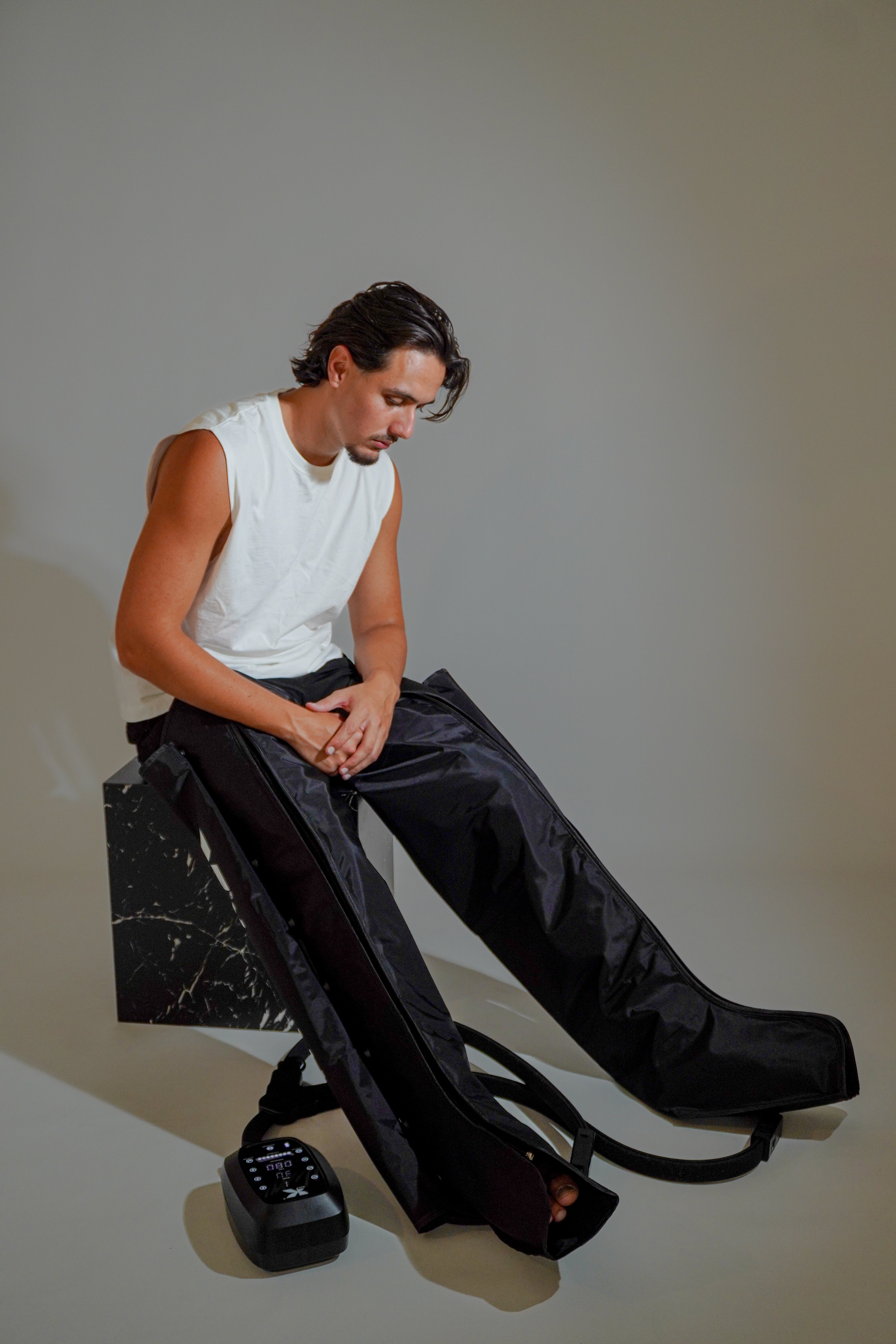
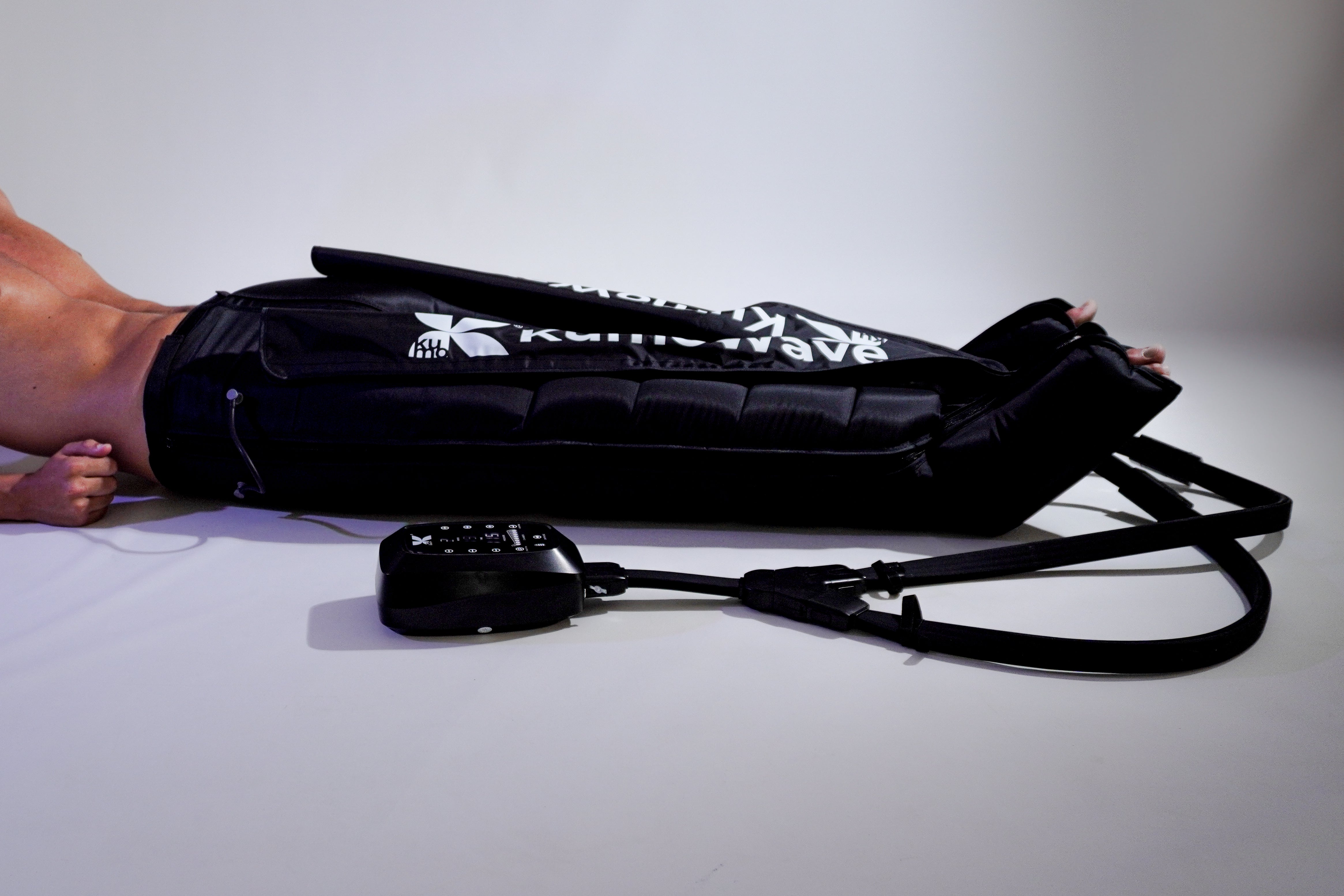
- Lie down or sit with your legs elevated to heart level.
- Avoid crossing your legs; maintain hip-knee-ankle alignment.
- Place a thin towel under your heels for comfort and to avoid pressure points.
5) Ignoring contraindications and warning signs
Pressotherapy is not for all cases or all times.
- Solution:
- Avoid using it if you suspect deep vein thrombosis, active skin infection, uncovered open wounds, decompensated heart failure, or severe peripheral arterial disease, unless otherwise directed by a doctor. Consult guidelines such as NICE NG89 and the NHS .
- Signs to stop: sharp pain, cold/pale color change, persistent tingling, dizziness.
6) Skipping basic skin and body preparation
Dirty, dehydrated skin or skin with heavy creams can become irritated, and excessive sweating is uncomfortable.
- Solution:
- Clean, dry skin; avoid oily creams right before.
- Hydrate with water before and after the session.
- If you exercise, do a light cool-down before putting on your boots.
7) Not aligning expectations with objectives
Expecting "miracle" results in days leads to frustration.
- Solution:
- Define realistic goals: relief of heaviness, post-workout recovery, support in edema management along with primary treatment.
- Keep a simple record of sensations (heaviness, circumference, nighttime rest) to assess progress.
8) Neglecting cleaning and maintenance of equipment
Sweat and flaking skin accumulate and shorten the lifespan of the material.
- Solution:
- Clean the inner tubes and liners according to the manufacturer's instructions, and allow to air dry after each use.
- Check zippers, hoses, and valves weekly.
- Store in a dry place, without forced folding.
9) Using the wrong program for your goal
Not all modes of inflation are the same.
- Solution:
- For drainage/lightness: sequential, gentle, and continuous.
- For muscle recovery: rhythmic cycles with rest periods, always progressive.
- If you have a pathology, follow the advice of your specialist and references such as the International Lymphoedema Framework .
Quick Troubleshooting Table
| Signal during session | Probable cause | What to do immediately |
|---|---|---|
| Tingling or numbness | High pressure or poorly fitted boot | Stop, loosen, reposition, and reduce intensity |
| Sharp pain | Contraindication, excessive pressure, or previous injury | Stop and consult a professional |
| Coldness/change of color | Compression or improper posture | Elevate your legs, lower your blood pressure; if it persists, stop and consult a doctor. |
| Uneven inflation | Leaks, loose hose, folds | Check connections, smooth the fabric, restart |
| Lack of effect after weeks | Inadequate program/timing or expectations | Adjust parameters, record sensations, consult clinical guide |
How to plan a safe protocol at home
A simple and flexible plan maximizes benefits and reduces risks:
- Personal evaluation
- Main objective: post-training recovery, tired legs, support in edema under medical guidance.
- Check contraindications and medication with your doctor if you have any doubts.
- Initial parameters
- Gentle program, moderate pressure, short time. Evaluate tolerance during and after (2–12 h).
- Progression
- Increase one parameter at a time (first time, then pressure).
- Maintain 48 hours without discomfort before moving up a level.
- Environment and posture
- Quiet place, legs at heart level, relaxed breathing.
- Stay hydrated and avoid large meals right before.
- Integration during the week
- After hard training: a light session after the cool-down.
- Sedentary days: mid-afternoon session to activate venous return.
To understand where compression fits into vascular health management, review the European Society for Vascular Surgery guideline (2022) .
Evidence and security: the essentials
- Thrombosis prevention: A Cochrane review (2016) concludes that intermittent pneumatic compression reduces the incidence of thrombotic events in hospitalized adults, especially when used correctly and continuously according to clinical protocol. Cochrane Library
- Lymphedema and chronic edema: NHS and ILF resources indicate their use as a complement to, not a substitute for, the main therapy (exercise, skin care, static compression).
- Clinical practice: guidelines such as NICE NG89 (2018) indicate when and how to integrate mechanical devices into prevention and treatment plans, and when to avoid them.
Correct technique and consistency are more important than intensity.
If you're interested in turning recovery into an aesthetic, technological, and effective habit, discover the KUMO philosophy and our resources at kumobalance.com .
Frequently Asked Questions
How long and how many times a week can I use pressotherapy at home?
It depends on your goal and tolerance. As a general rule, prioritize progression: start with short, comfortable sessions, assess how you feel over the next 12–24 hours, and gradually increase the intensity. For post-workout recovery, many people find a regular routine helpful on their heavier training days. In cases of lymphedema or venous disease, the plan should be individualized with your healthcare professional, as suggested by NHS resources and the International Lymphoedema Framework .
What pressure is right for me?
There is no single setting that works for everyone. The rule of thumb is "firm but comfortable": no pain, no tingling, and no numbness. Start with the gentlest setting on the device, allow it to stabilize over several uses, and only then increase the intensity. If you experience discomfort or changes in skin color, reduce the intensity immediately. If you have vascular disease, neuropathy, or complex edema, follow your doctor's recommendations and guidelines such as NICE NG89 .
Is pressotherapy safe during pregnancy?
The sensation of heavy legs is common during pregnancy, but any mechanical compression should be evaluated by your healthcare provider. It's crucial to rule out risks such as thrombosis or uncontrolled hypertension. Prioritize conservative measures (leg elevation, active breaks, hydration) and only use devices if clinically approved. Consult reliable sources such as the NHS and your obstetrician's guidelines.
Can I use pressotherapy if I have varicose veins or lymphedema?
It can be helpful as a complement, but it does not replace the primary treatment. In symptomatic varicose veins or lymphedema, vascular/lymphological evaluation is essential to determine the pressure, frequency, and combination with static compression, exercise, and skin care. Review the ILF recommendations and the ESVS guidelines (2022) , and coordinate the plan with your specialist.
Is it better before or after exercise?
After exercise, following a light cool-down, it's usually more comfortable and consistent with the recovery goal. Before exercise, if used, it should be gentle and brief, prioritizing active movement. Observe your response: if you notice heaviness or decreased performance, reduce the intensity or limit its use to post-workout. Stay hydrated and listen to your body's signals.
To remember
- Correct fit and proper posture multiply effectiveness.
- Gradual progression: increase one parameter at a time and without pain.
- Warning signs (pain, numbness, change in color) imply stopping and checking.
- Keep your skin clean and your equipment in good condition for safer sessions.
- Integrate pressotherapy into a comprehensive plan: movement, rest, and habits.
- Want to make recovery a way of life? Explore resources and philosophy at kumobalance.com .
KumoWave pressotherapy
Choose your at-home pressotherapy
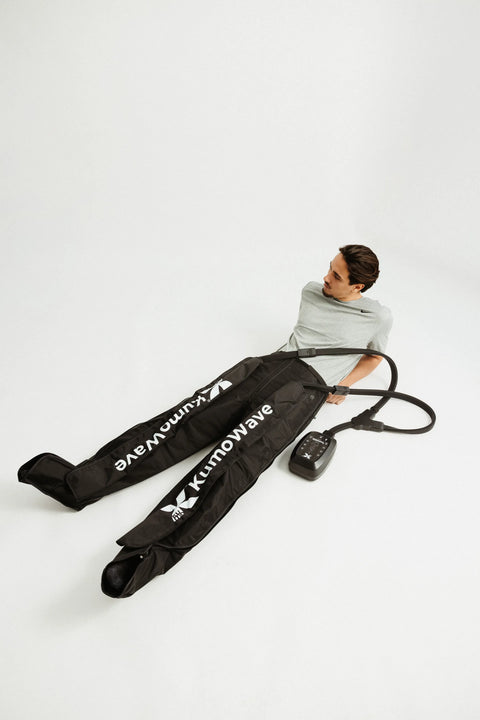
KumoWave Elite – Pressotherapy Pants
Full-coverage trousers. Ideal for lipedema, fluid retention and intensive use.
€799,00 €999,00
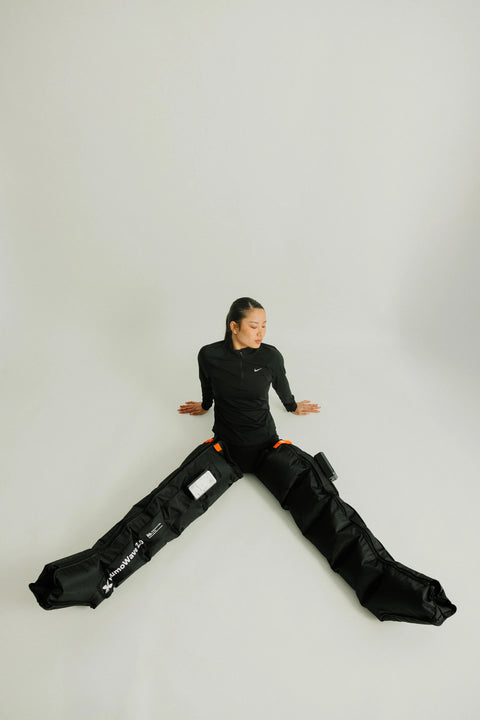
KumoWave 2.0 - Wireless Pressotherapy
Wireless, lightweight boots. Perfect for daily use and recovery.
€499,00 €599,00