
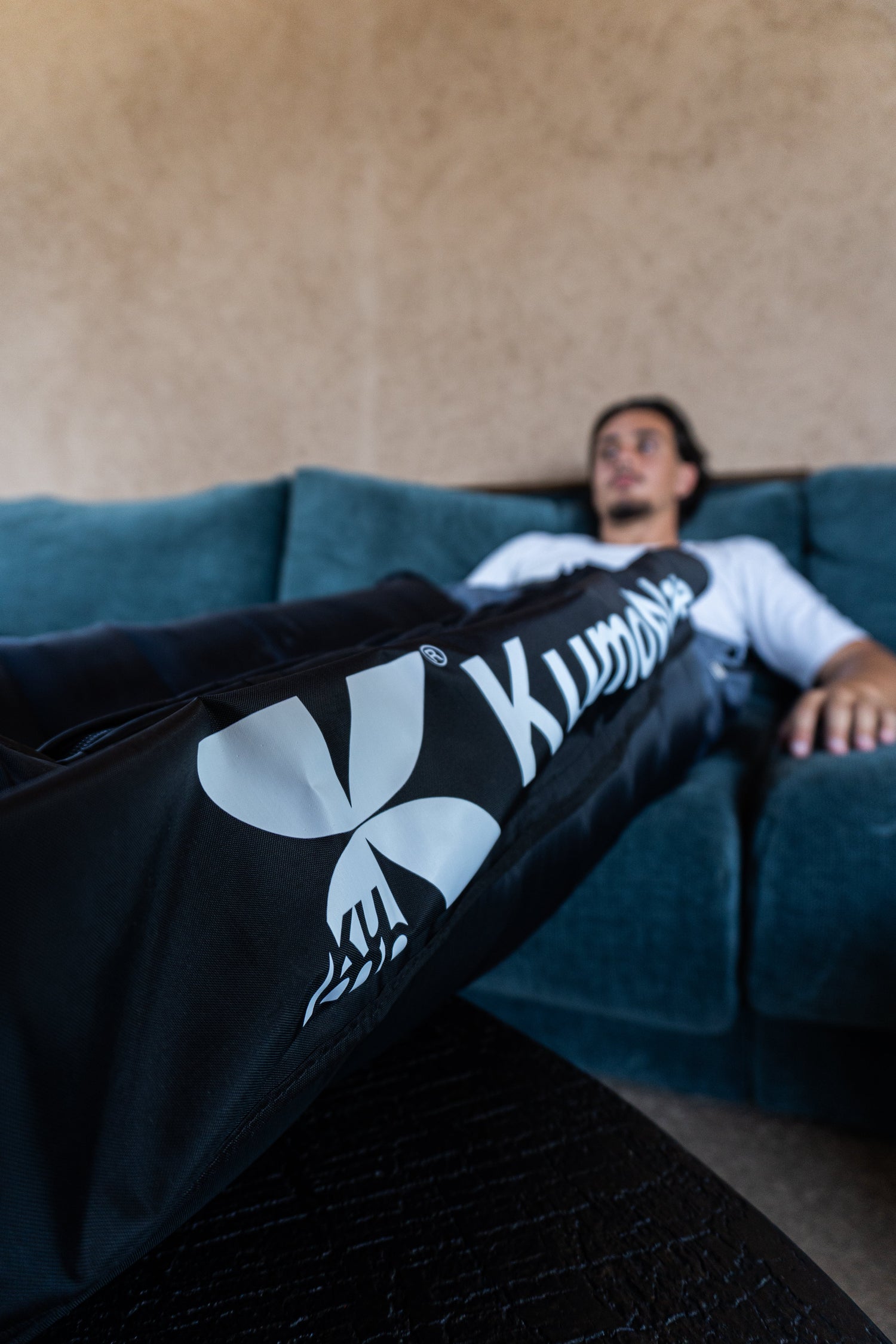
Pressotherapy at home: when and how much? We give you the ideal guidelines for achieving real results without overdoing it or falling short. In this guide, you'll learn how to determine the weekly frequency, session duration, and best time of day based on your goal (wellness, sports, circulation), with safe and easy-to-apply recommendations.
In a little while
- 3–5 sessions per week of 15–30 minutes work for most wellness goals and tired legs.
- After training: 20–30 minutes within 1–3 hours afterwards, with moderate pressure.
- For gentle drainage or mild fluid retention: 20–40 mmHg for 20–25 minutes, preferably in the afternoon/evening.
- Signs of adjustment: tingling, numbness or redness that lasts >15 min after the session indicates excessive pressure or too long a time.
- Avoid use if you have active venous thrombosis, decompensated heart failure, skin infections, or severe peripheral arterial disease; consult a health professional.
What is pressotherapy (and how does it work)
Pressotherapy—also called intermittent pneumatic compression—uses air chambers that inflate and deflate sequentially to promote venous and lymphatic return. This “pneumatic massage” helps mobilize fluids, reduce the feeling of heavy legs, and support muscle recovery after exertion. Hospitals and clinics have used it for decades to improve circulation and prevent venous stasis. You can read a clear clinical explanation in the Cleveland Clinic guide.
Pressotherapy at home
End the day with light legs
★★★★★ 4,8/5 · rated by verified customers
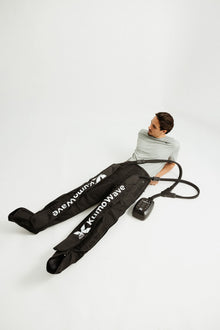
KumoWave pressotherapy boosts circulation and helps drain fluid with sequential compression, in 20-minute sessions at home.
- Boosts circulation and helps drain fluid
- Chamber-based compression, adjustable to you
- Sequential compression that mimics manual drainage
€799,00€999,00
−10% on your 1st order when you subscribe to the newsletter

Tip: Think of pressotherapy as a temporary “external pump” that assists your veins and lymphatic vessels to rhythmically empty and recharge tissues.
Expected benefits when you use it at home
- Circulation and leg relief: Sequential compression promotes the return of blood and lymph, resulting in less heaviness and swelling at the end of the day. Organizations such as the International Lymphoedema Framework describe its usefulness as a complement to lymphedema management.
- Post-exercise recovery: Recent literature indicates modest but consistent benefits in pain and fatigue perception after intense exertion, with improved "leg feel" for future sessions. Review in Frontiers in Physiology (2018) on non-pharmacological recovery strategies.
- Prevention of venous stasis during sedentary periods: although clinical guidelines (e.g., NICE NG89 updated in 2023 ) focus on the hospital setting, the principle of intermittent compression to promote venous return is the same.
- General well-being: By decompressing tissues and improving drainage, many people report lighter legs and better quality of rest.
Ideal frequency and timing according to your goal
Adjust three variables: weekly frequency, session duration, and pressure. Start low and progress according to tolerance and results.
Personalized protocol · included with your purchase
Want us to tell you how to use it in your case?
With your purchase, our experts prepare a personalized usage protocol for your case: sport, circulation, fluid retention, pregnancy or lipedema.
Message us on WhatsAppOur experts reply · no obligation
Well-being and tired legs
- Frequency: 3–5 times per week.
- Duration: 15–25 minutes.
- Recommended pressure: 40–80 mmHg (comfort without pain).
- Time: afternoon/evening, after the workday or after standing for a long time.
- Signs of a good dose: lighter legs and less pressure in calves after 24 hours.
Athletes (running, strength, cycling)
- High load days: 20–30 minutes, within 1–3 hours post-workout.
- Light days or rest: 15–20 minutes for maintenance.
- Pressure: moderate-high as tolerated (60–100 mmHg), without pain or numbness.
- High load weeks: 4–6 sessions; unloading weeks: 2–4 sessions.
- Evidence: meta-analyses and reviews indicate small reductions in muscle pain and post-exercise fatigue perception; see synthesis in Frontiers in Physiology (2018) .
Mild fluid retention and prolonged travel
- Frequency: daily or every other day during periods of greater retention.
- Duration: 20–25 minutes.
- Pressure: 20–40 mmHg (gentle drainage mode).
- Timing: at the end of the day or upon returning from prolonged travel/sedentary periods.
- Important: If there is persistent or asymmetrical swelling, consult a healthcare professional. The ILF recommends clinical evaluation when there are signs of lymphedema.
Teleworking or sedentary lifestyle
- Frequency: 3–4 times per week.
- Duration: 15–20 minutes as a “circulatory restart”.
- Pressure: 40–60 mmHg.
- Bonus: Combine it with active breaks and ankle mobility exercises.
Post-operative care and medical conditions
- Use pressotherapy at home only with professional guidance. Guidelines such as NICE (2023) and Cochrane reviews ( 2014) focus on thrombosis prevention in hospitalized patients, do not replace individual assessment.
Recommended frequencies and times per objective
| Aim | Weekly frequency | Duration per session | Indicative pressure (mmHg) | Best time | Practical note |
|---|---|---|---|---|---|
| Well-being/lightness | 3–5 | 15–25 min | 40–80 | Late evening | Firm but comfortable feel |
| Post-intense workout | 4–6 | 20–30 min | 60–100 | 1–3 hours after exercise | Do not use if there is an acute injury. |
| Gentle drainage | 4–7 | 20–25 min | 20–40 | Latest news of the day | Relaxed rhythm and deep breathing |
| Sedentary lifestyle/teleworking | 3–4 | 15–20 min | 40–60 | Midday or afternoon | Combine with short walks |
| Long trip | As needed | 15–25 min | 40–60 | Upon arrival | Hydration before and after |
Source of physiological principles and safety: Cleveland Clinic, NICE NG89 (2023) , ILF .
How to set up your routine at home
- Choose the appropriate mode: sequential/peristaltic for general drainage; if your equipment offers "hold" (pressure pause), keep it short for greater comfort.
- Comfort scale: from 1 to 10, stay at 6–7 (firm, no pain or tingling).
- Progression: Start with 15 minutes at moderate pressure; if all goes well for 3–4 sessions, increase by 5 minutes or 10 mmHg.
- Breathing and hydration: inhale deeply and exhale slowly during the session; drink water before and after to support drainage.
- Hygiene and skin: Inspect feet and legs before/after; do not use on open wounds or dermatitis. Safety review in PM&R KnowledgeNow (2023).
Safety: when not to use it
Avoid unsupervised pressotherapy if you have:
- Deep vein thrombosis (DVT) or suspected DVT.
- Decompensated heart failure.
- Severe peripheral arterial disease.
- Skin infections, active cellulitis, or open wounds in the area.
- Severe neuropathy with marked loss of sensation.
- and Cochrane review (
- If you are pregnant or have been diagnosed with lymphedema, consult your specialist beforehand (see resources from the International Lymphoedema Framework).
Examples of weekly schedules
- Amateur runner (2 quality sessions + 1 long run): Mon and Thu 25 min at 70 mmHg post-training; Sun 20 min at 60 mmHg in the afternoon.
- Office/teleworking (8 hours sitting): Mon, Wed, Fri 20 min at 50 mmHg at 7:00 PM; Sat 15 min in the morning to activate.
- Mild retention in summer: Mon–Fri 20 min at 30–40 mmHg late in the day; Sat/Sun rest or active walk.
Signals to adjust the dose
- Reduce the pressure or time if you notice: tingling, numbness, pain, or redness that persists >15 minutes after the session.
- Increase gradually if: there is no discomfort and the feeling of lightness lasts less than half a day; add 5 minutes per session or 10 mmHg and reassess.
- Stalled progress? Change the time of day or alternate days of light pressure with days of moderate pressure.
How to combine it with other recovery tools
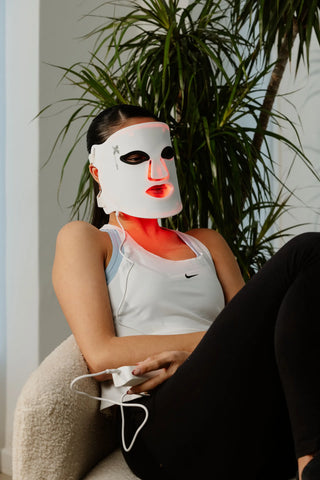
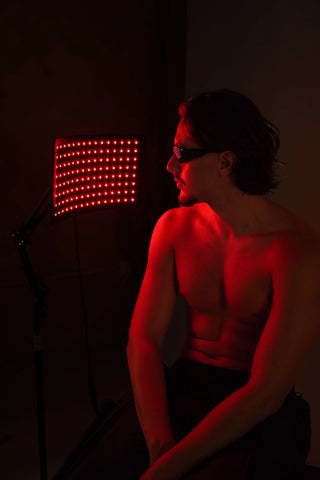
- Red light and LED: can promote relaxation and sleep when used at night, complementing the muscle release effect.
- Percussion massage: use it before pressotherapy at low-medium intensity to "loosen" tissue; avoid recently sore areas.
- Mobility and breathing: 5 minutes of ankle mobility and diaphragmatic breathing enhance venous return.
- Sustainable routine: consistency is key. Integrate the session into a fixed time slot of the day.
To discover recovery solutions designed to integrate into your routine, visit KUMO .
on your first order when you join the newsletter
We send you the code instantly. No spam.
Frequently Asked Questions
How many times a week should I do pressotherapy at home to see results?
For most people, 3–5 weekly sessions of 15–30 minutes each lead to improved leg lightness and a feeling of recovery within 2–3 weeks. If your goal is to relieve heaviness at the end of the day, start with 4 sessions and adjust as needed. Athletes during high-intensity weeks may need 5–6 sessions, prioritizing their most demanding days. Always keep the pressure within a comfortable range, avoiding numbness. If you have a medical condition, consult a healthcare professional for personalized guidance.
How long should each session last and what is the appropriate pressure?
A safe and effective range for home use is 15–30 minutes per session. As a reference, 40–80 mmHg is generally comfortable for overall well-being; for gentle drainage, 20–40 mmHg; and for sports recovery, 60–100 mmHg, depending on tolerance. The best guide is comfort: firm without pain or tingling. Start low and gradually increase the pressure. If the skin becomes very red or you experience numbness, reduce the pressure or time. Always inspect the skin before and after.
Is it better to use it before or after training?
For recovery, it's most effective to use it afterward: 20–30 minutes within 1–3 hours helps reduce stiffness and fatigue in the next session. Before training, you can use 10–15 minutes with gentle pressure if you're looking for a feeling of activation, but it doesn't replace a warm-up. Avoid pressotherapy immediately after acute injuries, sprains, or blows; in these cases, prioritize assessment and guidance from your physiotherapist.
Does pressotherapy help with fluid retention or varicose veins?
It can relieve the feeling of bloating and heaviness associated with mild fluid retention by increasing venous and lymphatic return. In the presence of venous insufficiency or varicose veins, pneumatic compression can provide temporary comfort, but it does not replace medical management or prescribed compression stockings. If you have a vascular diagnosis, consult your vascular specialist. Clinical guidelines such as NICE (2023) reserve formal indications based on the clinical context.
Who shouldn't use pressotherapy at home?
Do not use if you suspect deep vein thrombosis, have decompensated heart failure, severe peripheral arterial disease, an active skin infection, or open wounds in the area. Use with special caution during pregnancy, in cases of severe neuropathy, and after recent surgery: in these cases, seek medical authorization. For lymphedema or other chronic conditions, follow comprehensive treatment plans as recommended by organizations such as the International Lymphoedema Framework .
To go
- The winning dose for most: 3–5 sessions/week, 15–30 minutes, comfortable pressure.
- Post-intense training: 20–30 minutes in 1–3 hours, moderate-high pressure without pain.
- For gentle drainage: 20–25 minutes at 20–40 mmHg in the afternoon/evening.
- Adjust if there is persistent tingling, pain, or redness.
- Avoid using it if you have medical contraindications and consult a doctor if you have any doubts.
Ready to make recovery a habit? Start today and create your routine with the support of KUMO .
KumoWave pressotherapy
Choose your at-home pressotherapy
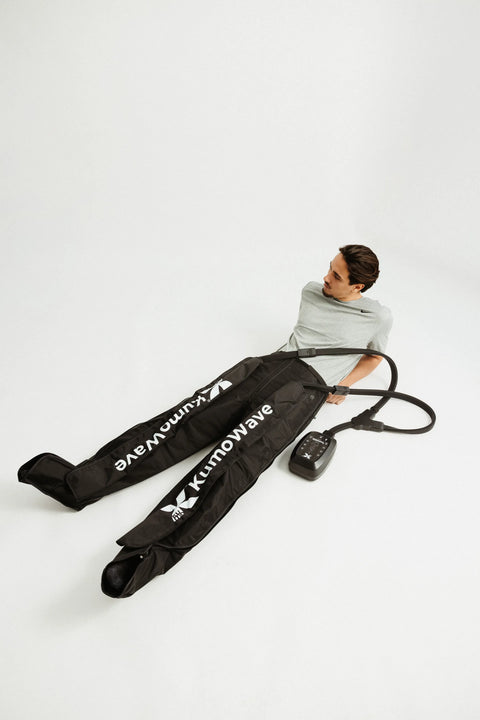
KumoWave Elite – Pressotherapy Pants
Full-coverage trousers. Ideal for lipedema, fluid retention and intensive use.
€799,00 €999,00
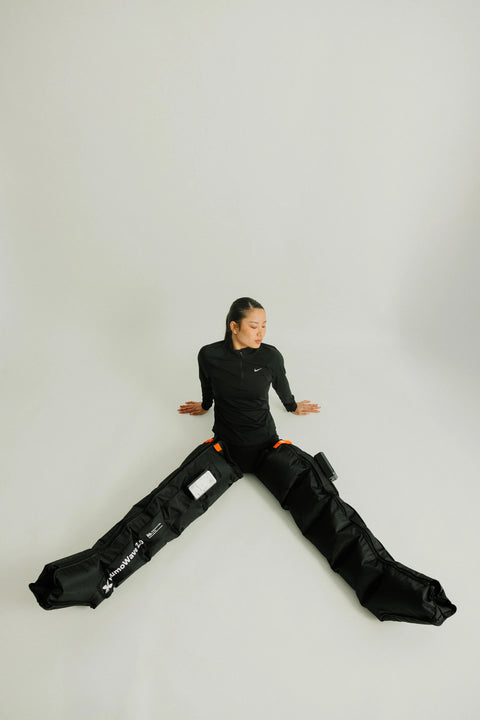
KumoWave 2.0 - Wireless Pressotherapy
Wireless, lightweight boots. Perfect for daily use and recovery.
€499,00 €599,00