Bruising easily is not always harmless.
Most bruises show up after a minor knock, but if they appear with no clear cause, are large, hurt a lot or come with bleeding, the cause is worth checking. Age, some medications, vitamin C or K deficiencies and certain clotting disorders can all increase the tendency to bruise.
Pressotherapy at home
End the day with light legs
★★★★★ 4,8/5 · rated by verified customers
KumoWave pressotherapy boosts circulation and helps drain fluid with sequential compression, in 20-minute sessions at home.
- Boosts circulation and helps drain fluid
- Chamber-based compression, adjustable to you
- Sequential compression that mimics manual drainage
€799,00€999,00
−10% on your 1st order when you subscribe to the newsletter

What a bruise is and why it appears
A bruise, also called a contusion or ecchymosis, forms when small blood vessels break and blood becomes trapped under the skin. Over the following days the body reabsorbs it and the mark changes color until it fades.
Common causes of easy bruising
Age, thin skin and minimal knocks
With age, skin becomes thinner and loses part of its natural cushioning, so a small bump can leave a mark. Mayo Clinic also notes that corticosteroids and some supplements, along with medications that reduce clotting, can make bruising more likely. Mayo Clinic on easy bleeding with age.
Personalized protocol · included with your purchase
Want us to tell you how to use it in your case?
With your purchase, our experts prepare a personalized usage protocol for your case: sport, circulation, fluid retention, pregnancy or lipedema.
Message us on WhatsAppOur experts reply · no obligation
Medications that promote bleeding
Aspirin, ibuprofen, naproxen, warfarin, apixaban, rivaroxaban or clopidogrel can make bleeding from a capillary last longer, which then shows up as a bruise. MedlinePlus advises against adjusting or stopping these treatments on your own. MedlinePlus on bruises.
Vitamin C or vitamin K deficiency
Vitamin C helps build collagen and keeps blood vessels healthy; when it is lacking, bleeding gums, slower healing and easy bruising can appear. Vitamin K is needed for clotting, and a significant deficiency can cause bleeding and bruises. MedlinePlus on vitamin C and the NIH fact sheet on vitamin K.
Platelet or clotting factor disorders
When the problem lies with platelets or clotting factors, the body takes longer to form a clot. That can show up as spontaneous bruising, nosebleeds, gums that bleed easily or prolonged bleeding after a small wound. MedlinePlus on bleeding disorders. (medlineplus.gov)
on your first order when you join the newsletter
We send you the code instantly. No spam.
Quick summary of causes and signals
The table below sums up the most useful clues to help you get your bearings. It does not replace a medical consultation, but it helps tell an ordinary knock from a signal that deserves review.
| Situation | Usual clues | What to do |
|---|---|---|
| Age or fragile skin | Bruises after light contact, especially on arms or legs. | Watch how it develops and check in with a doctor if you notice a sudden change. |
| Anticoagulant or antiplatelet medication | Larger or more frequent bruises after small knocks. | Talk to your doctor before changing the dose or combining drugs. |
| Vitamin C or K deficiency | Easy bruising, bleeding gums or poor wound healing. | Confirming it requires clinical assessment and, sometimes, lab tests. |
| Platelet or clotting problem | Bruises with no knock, repeated bleeding or bleeding after a minor wound. | Ask for a medical review to find the cause. |
| Very painful bruise or one under strong pressure | Intense pain, marked swelling or local tightness. | Seek prompt care, especially if the area is large or very tender. |
When to see a healthcare professional
Key idea: if a bruise appears with no explanation, keeps coming back or comes with bleeding, it deserves a medical review.
- If you often get large bruises, especially on the face, abdomen, back or chest.
- If you also bleed easily from the nose, the gums or after a small cut.
- If you started a new medication and have had more bruises since then.
- If you notice fever, pus, red streaks or worsening pain around the bruise.
- In children, if the bruise is large after a light knock or appears with no known cause.
In pediatrics, HealthyChildren, the portal of the American Academy of Pediatrics, states that a very large bruise after a minor injury or several bruises with no clear cause also warrant a consultation. HealthyChildren guide to warning signs in children.
Massage and manual pressure precautions
Massage should not be applied directly over a recent or very painful bruise. The AAOS states that the injured area should not be massaged, and a clinical guideline from University Hospitals Coventry and Warwickshire NHS Trust warns that massage during the first 72 hours can increase bleeding and swelling. AAOS on muscle contusion and the UHCW NHS clinical guideline.
- Avoid deep pressure on any area that is bruised, warm or swollen.
- If you take anticoagulants or antiplatelet drugs, ask for guidance before a firm massage.
- Do not use massage to try to break up a bruise that is spreading, throbbing or hurting more and more.
- If pain increases or you feel strong local tightness, stop the session and check in with a professional.
To understand why pressure has to be adapted to the tissue, it can help to read the percussion massage guide by muscle group. And if you want to tell supportive approaches apart, how to choose between pressotherapy and manual lymphatic drainage helps show why the same complaint is not handled the same way in every case.
What the doctor can do
Assessment usually starts with a medical history and a physical exam. Depending on the case, the professional may order a complete blood count, a platelet count and clotting tests to look for the cause of the easy bleeding.
Frequently asked questions
Why do I bruise easily without noticing?
It is usually a combination of factors. Sometimes there was a small knock you do not remember, and sometimes age, thinner skin, anticoagulants, antiplatelet drugs, some anti-inflammatories or supplements that affect clotting play a part. Vitamin C or K deficiencies and platelet or clotting factor disorders can also be involved. If the change is new or clearly more intense than before, it is worth asking for a medical review.
What are the possible causes of frequent bruising in adults and in children?
In adults, the most common causes are age, blood-thinning medication, anti-inflammatories, supplements and, less often, a clotting or platelet disorder. In children, many bruises appear after knocks or normal activity, but if they are very large, appear with no explanation or keep showing up in unusual places, a review is needed. HealthyChildren recommends a consultation when that pattern appears.
When should you see a doctor about a bruise?
See a doctor if bruises are large, frequent, on the face, abdomen, back or chest, or if they come with nosebleeds, bleeding gums or bleeding after a small cut. It is also important to ask for a review if they appear suddenly after a new medication, if there is fever, pus or spreading redness, or if pain and pressure are very intense.
What precautions should you take before a massage if you have recent or frequent bruises?
Before a massage, avoid any intense pressure on a recent bruise. The AAOS advises against massaging the injury, and an NHS guideline warns that during the first 72 hours massage can increase bleeding and swelling. If you take anticoagulants or antiplatelet drugs, ask for medical guidance before firm work. If pain increases, stop the session.
Can a vitamin C or vitamin K deficiency explain easy bruising, and how is it checked?
Yes. Vitamin C helps form collagen and keeps blood vessels healthy, while vitamin K takes part in clotting. If either is clearly lacking, easy bruising and bleeding can appear. Medical checking usually combines history, examination and, if needed, blood tests to review platelets and clotting, along with an assessment of diet and other factors.
What now?
If bruises are frequent, large or appear with no clear knock, ask for a medical review. To keep reading about warning signs and the limits of manual techniques, you can start with the contraindications of lymphatic drainage and go back to the Kumo Balance home page.
KumoWave pressotherapy
Choose your at-home pressotherapy
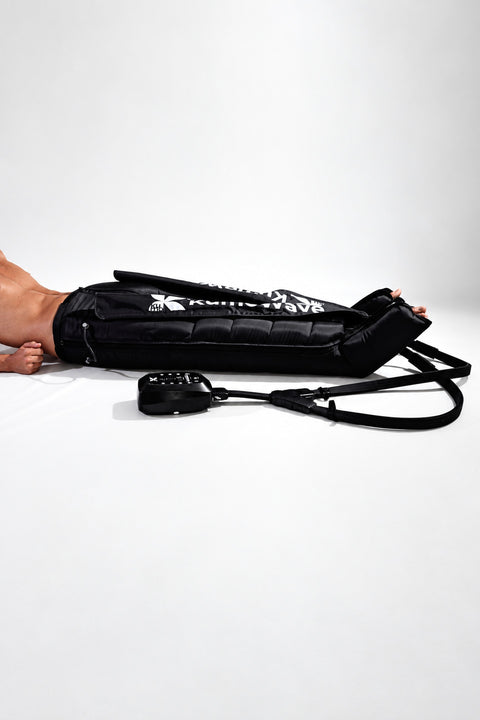
KumoWave Elite – Pressotherapy Pants
Full-coverage trousers. Ideal for lipedema, fluid retention and intensive use.
€799,00 €999,00
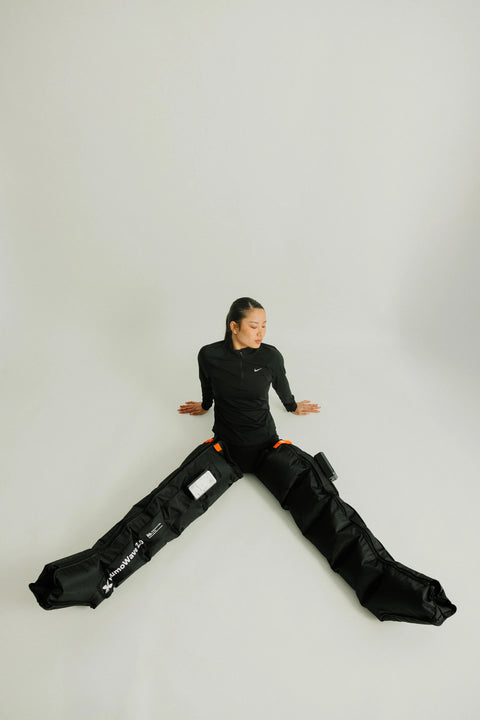
KumoWave 2.0 - Wireless Pressotherapy
Wireless, lightweight boots. Perfect for daily use and recovery.
€499,00 €599,00