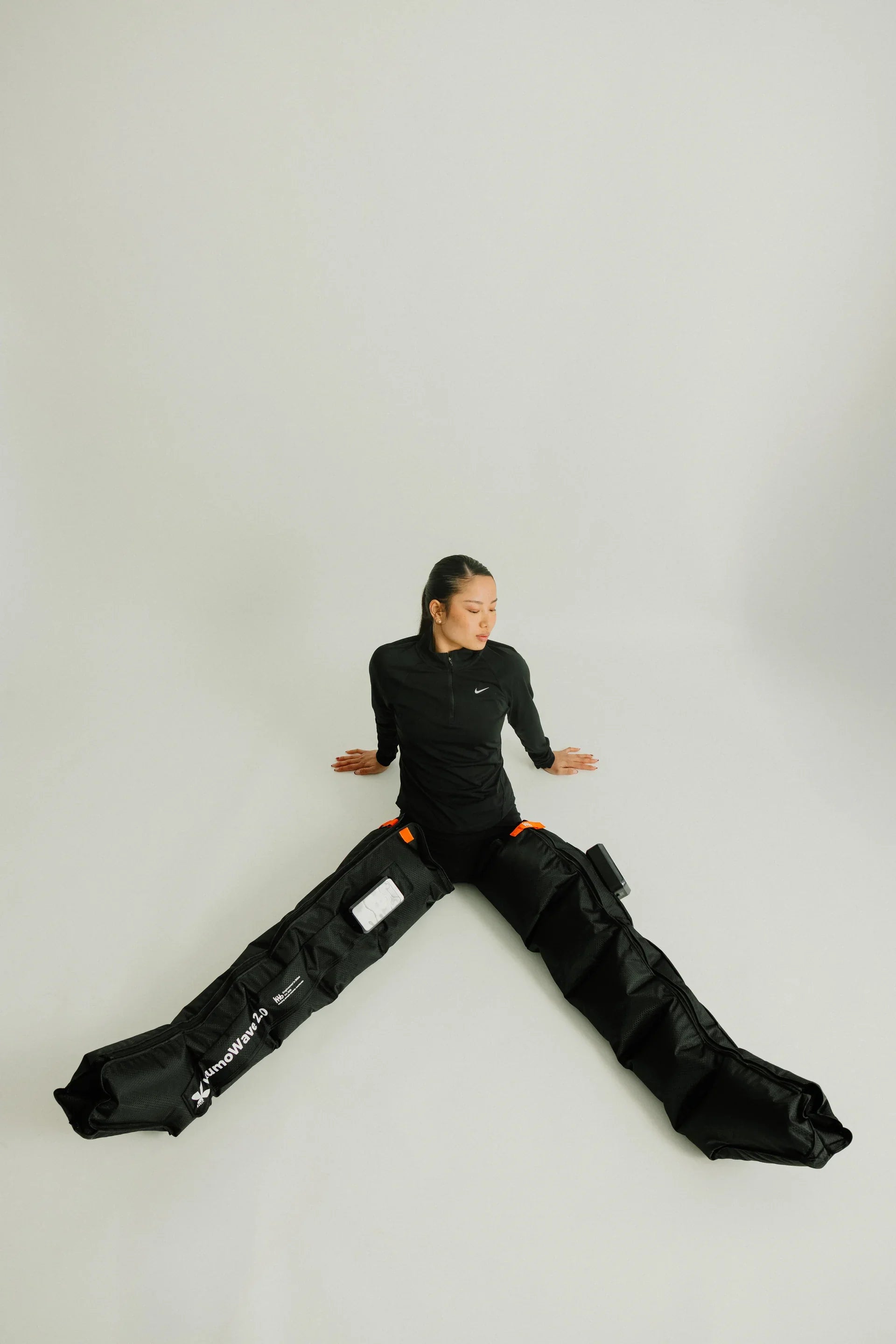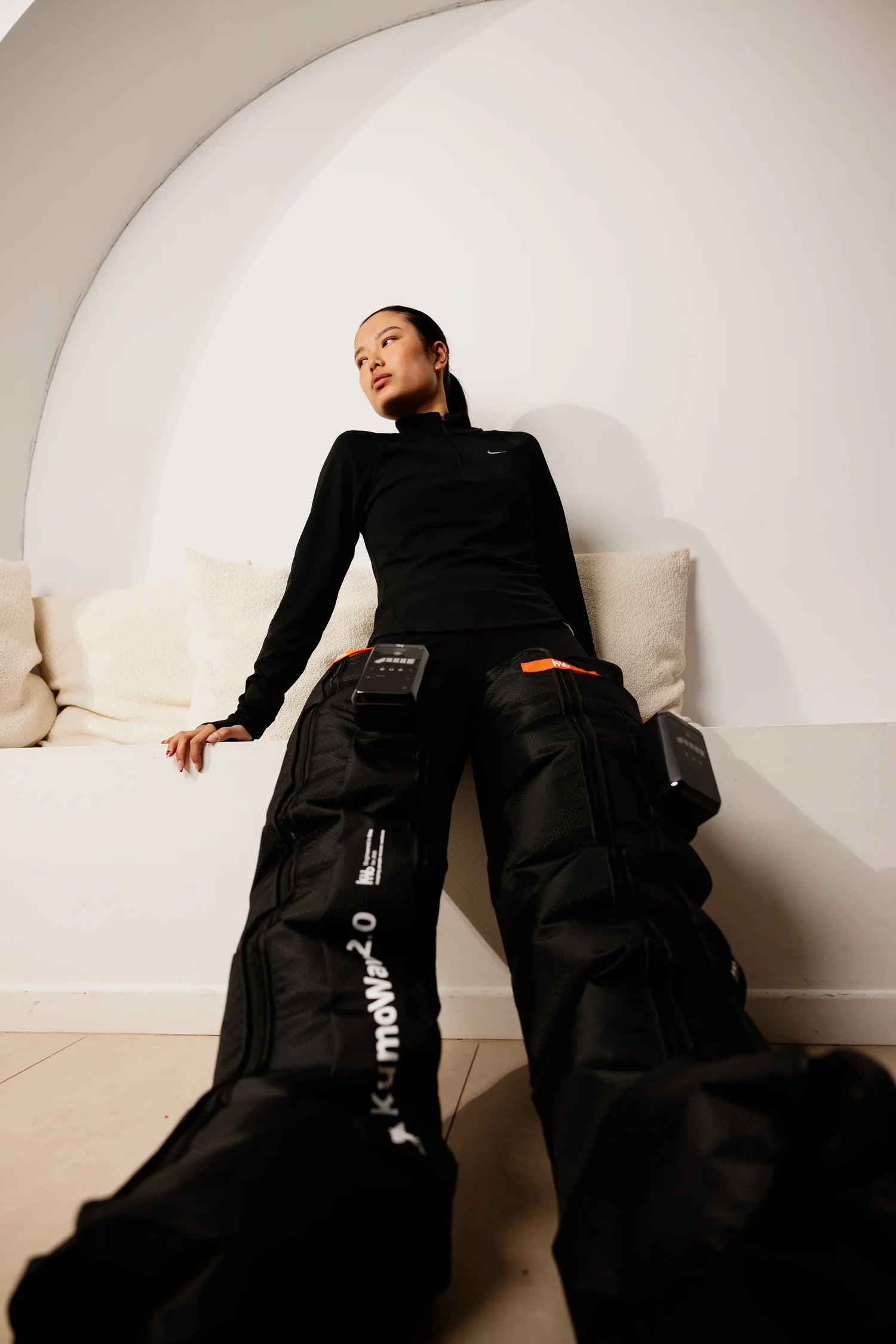
Pressotherapy or manual lymphatic drainage: the decision depends on the goal.
If you are looking for repeatable mechanical assistance for heavy legs, mild edema, or home maintenance, pressotherapy is usually a better fit. If you need clinical precision, manual examination, and an intervention more tailored to the tissue, manual lymphatic drainage is usually the most suitable option. In lymphedema, the reference is not an isolated technique, but a plan with compression, exercise, skin care, and, depending on the case, manual drainage or pneumatic compression. (mayoclinic.org)
Pressotherapy at home
End the day with light legs
★★★★★ 4,8/5 · rated by verified customers
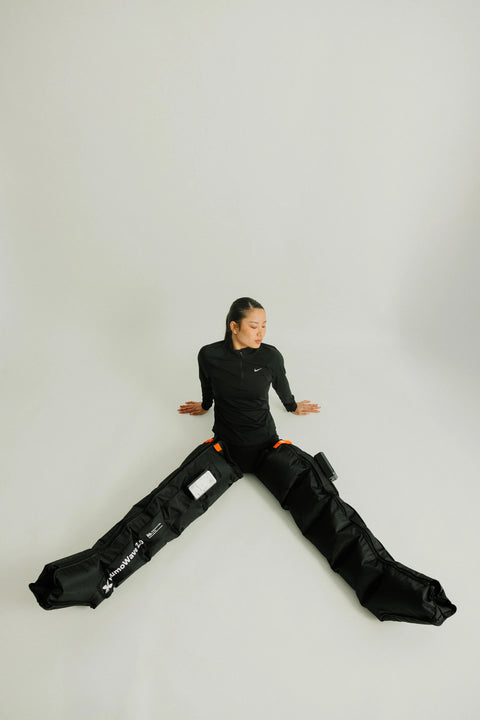
KumoWave pressotherapy boosts circulation and helps drain fluid with sequential compression, in 20-minute sessions at home.
- Boosts circulation and helps drain fluid
- Chamber-based compression, adjustable to you
- Sequential compression that mimics manual drainage
€799,00€999,00
−10% on your 1st order when you subscribe to the newsletter

The Mayo Clinic's clinical approach to lymphedema describes complex decongestive therapy as the standard of care, while the NCI distinguishes between manual drainage and sequential pneumatic compression as distinct tools within treatment.
What each technique does
Before comparing advantages, it is important to understand a key point: they do not do exactly the same thing. The ISL 2023 consensus on peripheral lymphedema reminds us that the evidence remains heterogeneous and that the choice must be adapted to the clinical picture, the evolutionary stage, and the patient's response.
Personalized protocol · included with your purchase
Want us to tell you how to use it in your case?
With your purchase, our experts prepare a personalized usage protocol for your case: sport, circulation, fluid retention, pregnancy or lipedema.
Message us on WhatsAppOur experts reply · no obligation
Pressotherapy
Pressotherapy applies sequential pneumatic compression to promote fluid return and relieve the feeling of heaviness. It is usually useful when you want an easy-to-repeat home routine and constant mechanical support. If you want to see the mechanism in more detail, you can use pressotherapy: what it is and how it works. The 2012 systematic review on intermittent pneumatic compression found that it can reduce the volume of the affected limb in lymphedema, alone or as a complement, although there is no consensus on the ideal parameter for use. (pubmed.ncbi.nlm.nih.gov)
Manual lymphatic drainage
Manual lymphatic drainage is a gentle technique, performed by a trained professional, which aims to direct lymph towards areas with better drainage. To understand the basic sequence, you can review the technique and steps of manual lymphatic drainage. The 2021 systematic review observed possible utility in early stages after breast surgery, but did not confirm consistent improvements in volume or quality of life for all patients. (pubmed.ncbi.nlm.nih.gov)
Practical differences that do matter
Quick decision-making table
| Situation | Pressotherapy | Manual drainage | What usually weighs on the decision |
|---|---|---|---|
| Heavy legs, mild retention, or home routine. | Sequential compression is comfortable and easy to maintain. | Can help if there is a lymphatic component, but requires more time and professional presence. | Pressotherapy usually wins for practicality and adherence. |
| Lymphedema or complex edema. | Usually works best as a complement. | Part of the complex decongestive approach. | Combination usually makes more sense than substitution. |
| Need for manual assessment and fine-tuning. | Provides less direct clinical exploration. | Allows adapting direction, path, and work areas. | Manual drainage has an advantage when the case requires clinical precision. |
| Infection, thrombosis, or decompensation. | Should be postponed and reviewed by a professional. | It can also be contraindicated in several of these scenarios. | First safety; then technique. |
Another important nuance is the dosage. The literature does not offer a universal protocol for pressure, duration, or periodicity, so individualizing use is advisable; if you want to fine-tune the rhythm, you can read pressotherapy: how often and for how long per session.
on your first order when you join the newsletter
We send you the code instantly. No spam.
When to combine them
In many cases, the best answer is not to choose just one technique but to combine them. Manual drainage can be useful for preparing tissues and pressotherapy can help sustain the effect between sessions. This logic fits within the framework of complex decongestive therapy and the way in which the literature presents pneumatic compression as a complement. If you want to see how both are articulated, you can read pressotherapy and lymphatic drainage: how they complement each other.
When not to choose a technique without medical review
- If you have a skin infection, known thrombosis, or active cancer in the affected area, do not use manual lymphatic drainage without medical supervision.
- If you suspect deep vein thrombosis, decompensated heart failure, or significant fluid retention related to cardiac, renal, or hepatic problems, pressotherapy also requires prior evaluation. (wsh.nhs.uk)
- If edema appears suddenly, is unilateral, or is accompanied by pain, heat, or redness, urgent causes must first be ruled out.
In summary: pressotherapy for maintenance and practicality; manual drainage for clinical precision; combination when the clinical picture requires it.
FAQ
Pressotherapy or manual lymphatic drainage: which is better for fluid retention in the legs?
If the retention is mild and you are looking for a comfortable home solution, pressotherapy is usually the most practical option. If the edema has a more lymphatic component, is irregular, or appears along with fibrosis or scars, manual drainage can provide more precision. The key is to identify the cause and rule out warning signs, such as intense pain, redness, or a sudden increase in only one leg.
Manual lymphatic drainage vs. pressotherapy: which option is more suitable for lymphedema?
In lymphedema, the literature does not suggest an absolute victory of one technique over the other. The reference approach continues to be complex decongestive therapy, with compression, exercise, skin care, and, depending on the case, manual drainage; pneumatic compression can be used as a complement or maintenance in selected patients. Therefore, in established lymphedema, the most sensible decision is usually to individualize and, often, to combine.
How to choose between pressotherapy and manual lymphatic drainage according to your symptoms?
Think about two questions: what you feel and what you need to maintain. If heaviness, tired legs, or the desire for a simple home routine predominate, pressotherapy usually fits better. If there are asymmetries, harder tissue, post-surgery, or the need for manual assessment, manual drainage gains importance. If you also notice pain, heat, fever, or rapid worsening, do not choose on your own and seek medical evaluation.
Can pressotherapy replace manual lymphatic drainage: what does the evidence say and when?
Not universally. The systematic review on pneumatic compression found utility in selected patients, even as a home option, but without clear consensus on optimal parameters. In turn, the 2021 review on manual drainage showed mixed results: possible benefit in early stages after breast surgery and less certainty for volume or quality of life. Therefore, substitution only makes sense in specific contexts and under professional supervision.
What are the benefits and risks of pressotherapy compared to manual lymphatic drainage?
Pressotherapy stands out for its ease of use, repeatability, and good fit in home routines. Manual drainage stands out for its personalization, its ability to adapt to tissue, and its value in complex cases. On the other hand, pressotherapy should not be used without reviewing contraindications such as thrombosis or decompensated insufficiency, and manual drainage is also not suitable if there is a skin infection, clots, or certain oncological scenarios. The correct decision is clinical, not just for comfort.
What now?
If you want to move from theory to a real routine, start with home pressotherapy, discover KumoWave 2.0 or go back to the Kumo Balance main site to see which solution best fits your goal. If your case is more complex, it is ideal to have a professional evaluation before choosing the technique and frequency.
KumoWave pressotherapy
Choose your at-home pressotherapy
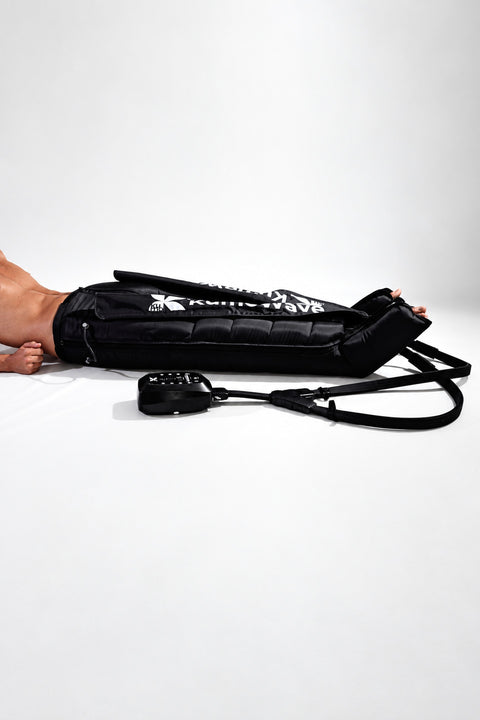
KumoWave Elite – Pressotherapy Pants
Full-coverage trousers. Ideal for lipedema, fluid retention and intensive use.
€799,00 €999,00
KumoWave 2.0 - Wireless Pressotherapy
Wireless, lightweight boots. Perfect for daily use and recovery.
€499,00 €599,00