
Lymphatic drainage: when to avoid it and when it can be dangerous. If you're wondering if this massage or pressotherapy is right for you, here you'll find absolute and relative contraindications, warning signs, and safe alternatives.
Coming soon
- Avoid if there is acute infection, deep vein thrombosis or decompensated heart failure.
- Pregnancy, anticoagulants or thyroid disorders require medical adaptation and approval.
- Pressotherapy shares practically the same precautions as manual massage.
- Stop the session if severe pain, dizziness, local heat, or abnormal redness occurs.
- Consult your doctor first if you have recently been diagnosed, have had surgery, or have unexplained symptoms.
Quick reference table
| Situation | Type of contraindication | Recommendation |
|---|---|---|
| Acute infection (fever, cellulitis) | Absolute | Postpone until medical resolution |
| Deep vein thrombosis or thrombophlebitis | Absolute | Contraindicated; requires specific treatment |
| Decompensated heart failure/pulmonary edema | Absolute | Avoid; prioritize cardiac stabilization |
| Pregnancy (abdominal area) | Relative | Avoid abdomen; prioritize extremities with medical approval |
| Anticoagulants, capillary fragility | Relative | Very gentle pressure or avoid according to clinical criteria |
| Cancer under treatment/post-surgery | Relative | Use by specialists and with oncology coordination |
What is lymphatic drainage and how does it work?
Manual lymphatic drainage (MLD) is a gentle technique that promotes lymphatic return, helping to reduce edema and feelings of heaviness. It provides benefits for primary or secondary lymphedema, post-surgical care, and general well-being, when properly prescribed. Pressotherapy (sequential pneumatic compression) pursues a similar goal using air chambers that inflate and deflate in a controlled manner. In both cases, moving fluids requires knowing when not to do so to avoid aggravating underlying conditions.
Pressotherapy at home
End the day with light legs
★★★★★ 4,8/5 · rated by verified customers
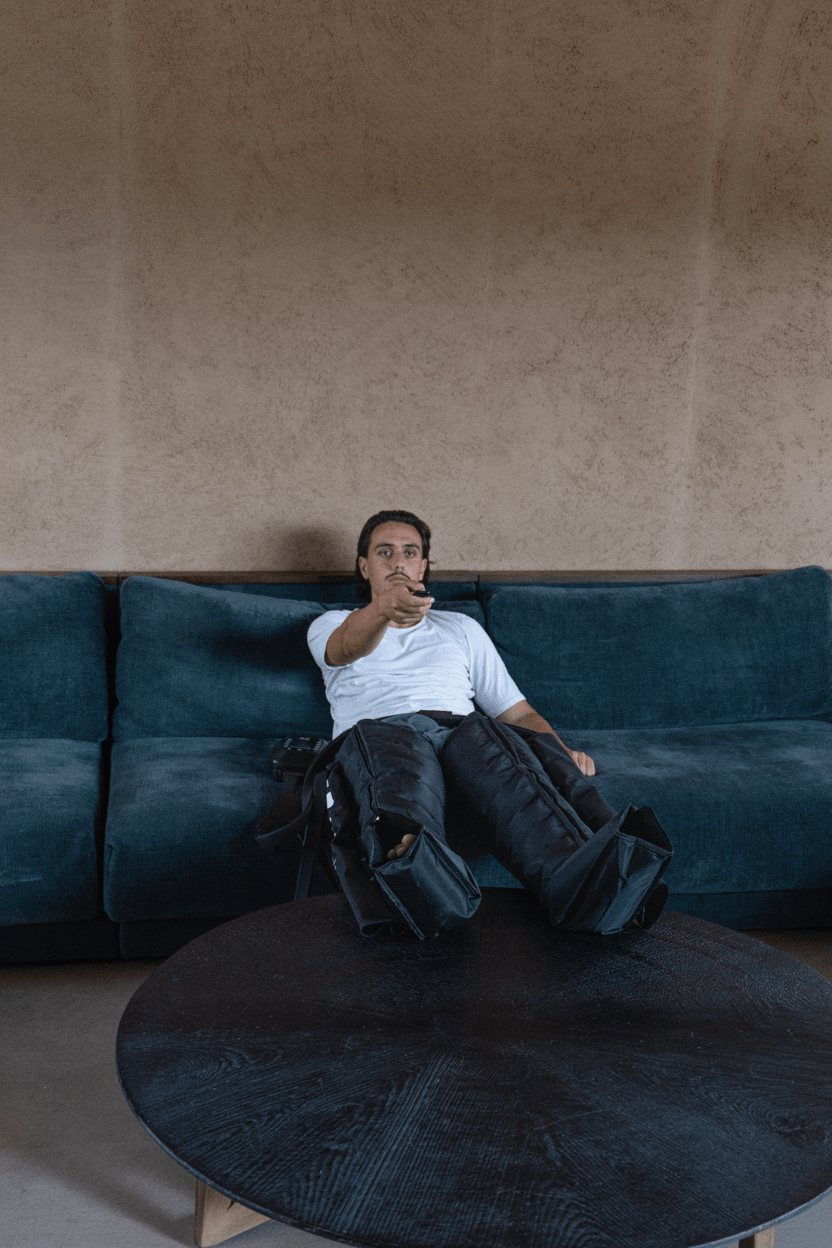
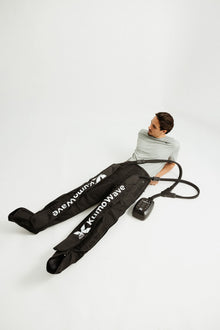
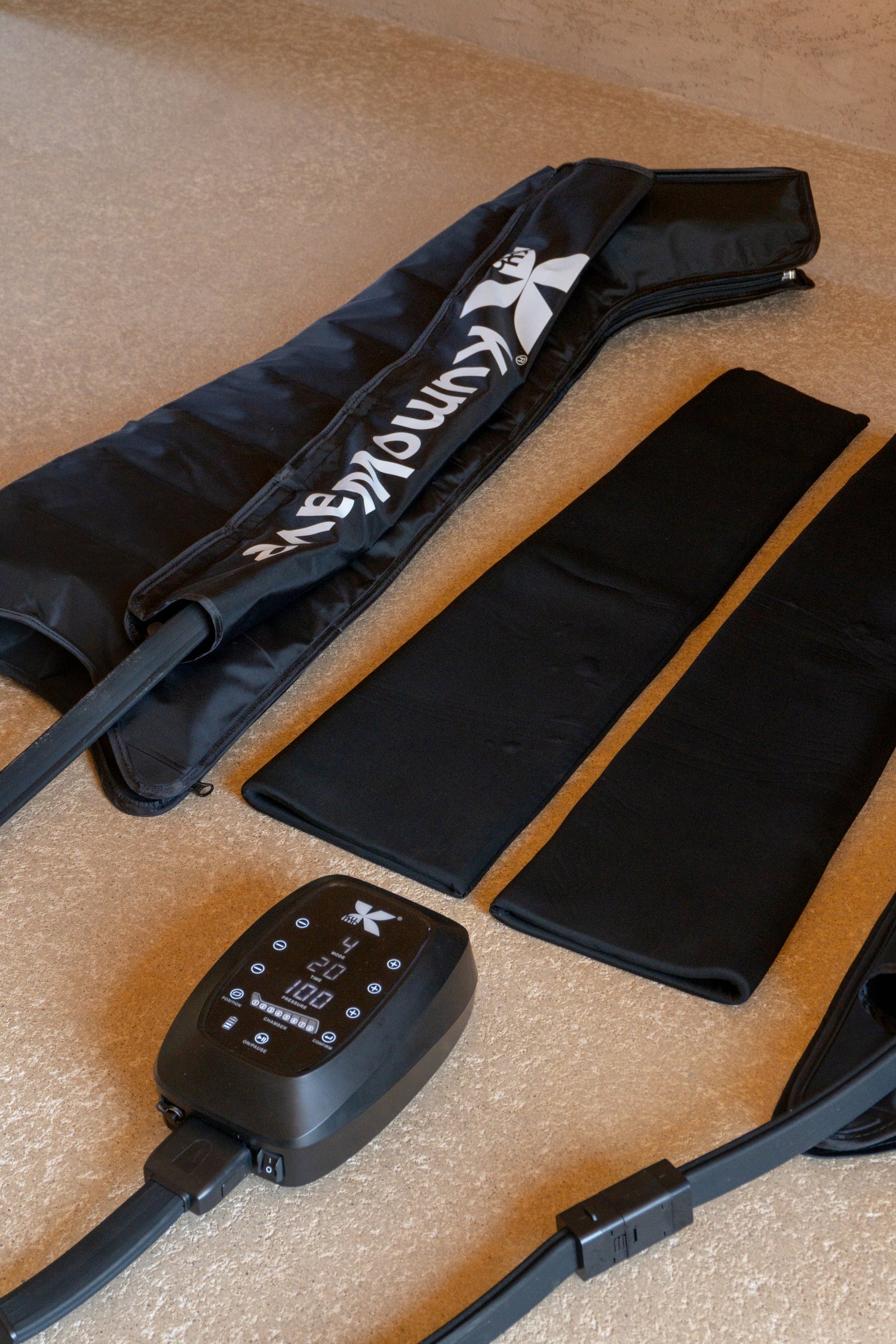
KumoWave pressotherapy boosts circulation and helps drain fluid with sequential compression, in 20-minute sessions at home.
- Boosts circulation and helps drain fluid
- Chamber-based compression, adjustable to you
- Sequential compression that mimics manual drainage
€799,00€999,00
−10% on your 1st order when you subscribe to the newsletter

Rule of thumb: If there's heat, pain, redness, or fever, don't move fluids; seek medical diagnosis first.
Absolute contraindications: when you should not do lymphatic drainage
These situations are considered, by clinical consensus, reasons to postpone or avoid drainage until stabilization and medical discharge.
Personalized protocol · included with your purchase
Want us to tell you how to use it in your case?
With your purchase, our experts prepare a personalized usage protocol for your case: sport, circulation, fluid retention, pregnancy or lipedema.
Message us on WhatsAppOur experts reply · no obligation
Acute cutaneous or systemic infections
Cellulitis, erysipelas, or fever suggest active infection. Massage may disseminate pathogens by increasing lymphatic flow. Public health service guidelines recommend discontinuing MLD if there are signs of infection in the affected extremity and restarting after antibiotic treatment and clinical clearance. Reference: NHS – Lymphedema Treatment .
Deep vein thrombosis (DVT) or thrombophlebitis
Moving fluids and compressing an extremity with active DVT increases the risk of embolism. DVT is a diagnostic and therapeutic emergency; LMD or pressure therapy should not be used until resolution. General resource on LMD and precautions: Cleveland Clinic – Manual Lymphatic Drainage.
Decompensated heart failure and pulmonary edema
Excessive fluid return can overload an unstable heart. In acute/decompensated heart failure, drainage is contraindicated until stability is achieved. Cardiologic evaluation is a priority.
on your first order when you join the newsletter
We send you the code instantly. No spam.
Acute decompensated kidney/liver failure
If the body cannot handle the fluid and protein load, promoting lymphatic return can worsen symptoms. Stabilizing kidney/liver function and following your specialist's guidelines are essential.
Active bleeding, extensive wounds, or unstable fractures
Any situation involving bleeding, recent traumatic injury, or unstabilized fracture contraindicates massage or compression maneuvers in the affected area.
Relative contraindications and precautions: cases requiring adaptation
Drainage doesn't always have to be ruled out, but technique, area, and intensity should be adjusted, and preferably, medical approval should be obtained.
Pregnancy
Gentle drainage of the legs can relieve heaviness; however, the abdomen and any elevated pressure should be avoided. Pressotherapy should be used at low levels and only if there are no obstetric risk factors. Discuss your case with your midwife or obstetrician.
Anticoagulant treatment or bleeding disorders
Increases the risk of bruising. Prioritize extremely gentle maneuvers, avoid high pressure, and monitor the response. If there is repeated bruising, discontinue.
Thyroid disorders (neck) and vascular problems
In hypothyroidism or hyperthyroidism, direct drainage in the cervical region is usually avoided. Painful varicose veins, capillary fragility, or peripheral arterial disease require low blood pressure and monitoring.
Active cancer or cancer undergoing treatment
MLD is part of the management of cancer-related lymphedema when applied by trained and coordinated oncology personnel. Evidence and consensus, such as that of the International Society of Lymphology (2020), support its use in appropriate settings. It avoids maneuvers on untreated tumors or venous access devices.
Post-surgical and post-liposuction
MLD is common after surgery to control edema and fibrosis, but the exact timing depends on the procedure. Before starting, confirm the schedule, area, and allowable pressure with your surgeon.
Warning signs during or after a session
- Stabbing or increasing pain.
- Redness, local heat or appearance of fever.
- Dizziness, nausea, rapid heart rate or shortness of breath.
- Sudden worsening of edema or noticeable asymmetries. If any of these symptoms appear, stop the session and seek medical attention. Properly applied MLD is usually painless and relaxing; any adverse reaction warrants review.
Pressotherapy: Does it share the same contraindications?
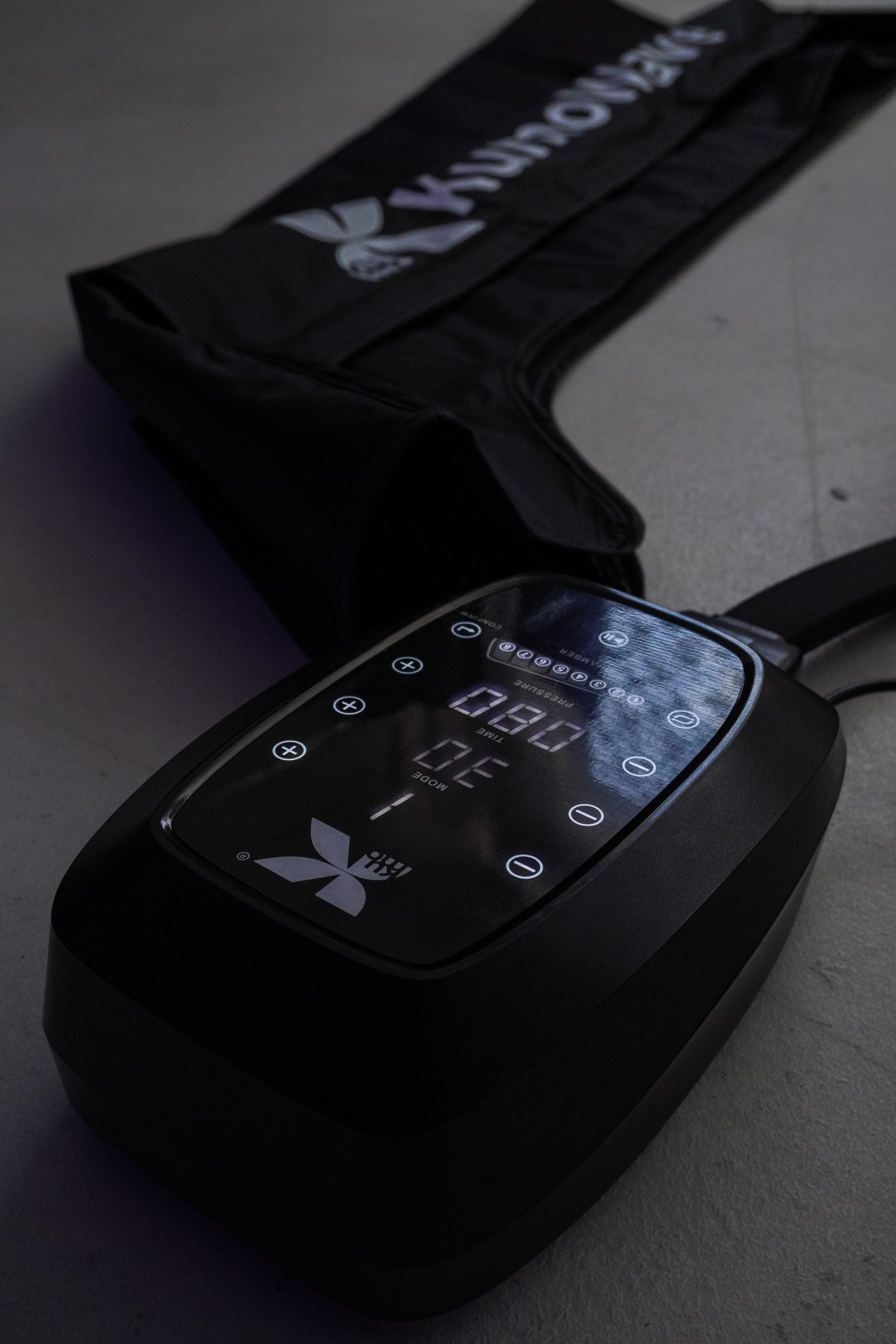
Yes, sequential pneumatic compression shares most of the precautions: DVT, infection, decompensated heart failure, and acute pain are reasons to avoid it. Adjust pressure, cycles, and duration to your profile. Compression boots with precise controls help customize your session. If you're looking for an at-home solution, explore our options. sequential compression boots and requests prior guidance when there is pathology.
To integrate drainage into a broader and safer recovery routine, learn about Kumo's philosophy at our home page .
Safe alternatives and add-ons (depending on your profile)
- Gentle mobility and diaphragmatic breathing: promote venous-lymphatic return with low risk.
- Leg elevation and compression stockings (if indicated).
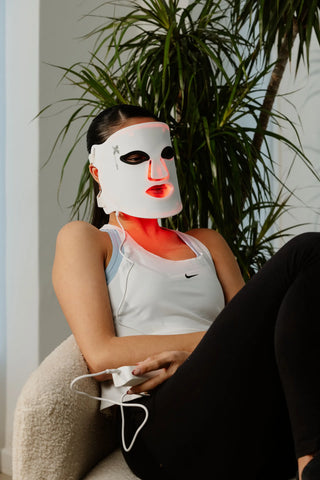
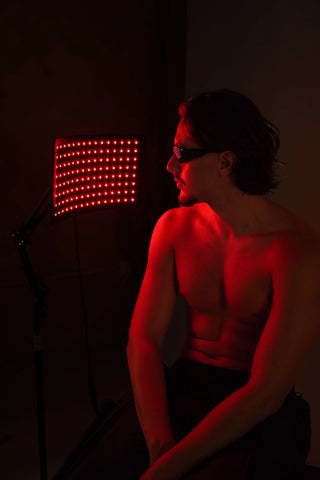
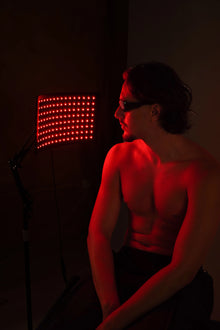
- Low mechanical load therapies: the red/LED light therapy can support skin and muscle recovery without pressure, taking into account photosensitivity or other precautions.
- Muscle pain without complicated edema: consider an adjustable percussion massager such as the KumoPulse Air , avoiding inflamed or contraindicated areas.
- Therapeutic education and follow-up: Evidence suggests that tailored combinations (MLD, exercise, compression) improve lymphedema, especially in the oncology setting, when appropriately indicated. Useful review: Cochrane – DLM in lymphedema after breast cancer .
How to prepare safely
1) Pre-screening: If you have heart disease, a history of DVT, active cancer, or recent surgery, ask for medical clearance.
2) Qualified professionals: look for specific training in DLM/lymphedema.
3) Progression: start with short sessions and low intensities, assessing tolerance.
4) Stop signs: if you experience warning signs, stop and consult.
5) Comprehensive plan: Combines recovery with appropriate habits and technology; if you need help choosing, contact our team .
Who benefits and who should wait
Drainage is useful for diagnosed lymphedema, mild fluid retention, tired legs, or after certain cosmetic procedures, always with the appropriate indication. However, if you have recurrent infections, cardiac decompensation, or blood clots, you should prioritize basic treatment. For an overview of safety, also consult clinical resources such as the Cleveland Clinic and NHS .
FAQ
Who should not have lymphatic drainage?
Avoid it if you have an acute infection (cellulitis, fever), deep vein thrombosis, or decompensated heart failure. It is also postponed in cases of active bleeding, extensive wounds, and unstable fractures. In severe kidney/liver failure, drainage is only considered after stabilization. Conditions such as pregnancy, anticoagulant therapy, thyroid disorders, or cancer treatment require individual evaluation and adjustments. For any recent diagnosis or unexplained symptoms, consult your doctor first.
Is lymphatic drainage safe during pregnancy?
It can be effective if performed by a professional, avoiding the abdomen and using low pressure, primarily on the legs and feet to relieve heaviness. Pressotherapy should be set at gentle levels and should not be used if there are obstetric risk factors (gestational hypertension, preeclampsia, bleeding, or threatened premature labor). As a rule, coordinate this with your midwife or obstetrician, who will assess the risks and benefits in your case.
Can lymphatic drainage be performed on people with cancer?
Yes, drainage is part of complex decongestive therapy for cancer-related lymphedema when performed by trained and coordinated oncology personnel. No maneuvers are performed on untreated tumors or venous access devices, and the pressure is adjusted. The 2020 consensus document of the International Society of Lymphology supports its clinical use in appropriate settings and with monitoring.
Does pressotherapy have the same contraindications as manual massage?
Generally speaking, yes: active DVT, infection, decompensated heart failure, and acute pain are contraindications. Furthermore, with anticoagulants or capillary fragility, very low pressures are chosen. During pregnancy, the abdomen should be avoided and the intensity reduced. If in doubt, request a prior evaluation and use equipment with precise pressure and cycle control.
How do you know if your blood pressure is too high?
Lymphatic drainage should not hurt. If you experience pain, numbness, persistent tingling, distal coldness, or noticeable color changes, the pressure is excessive or the area cannot tolerate the stimulation. Reduce the intensity, review the adjustment, and if symptoms persist, discontinue the session. If you have a history of vascular disease, are on anticoagulation therapy, or are postoperative, always start with conservative parameters and obtain medical clearance.
To take into account
- Lymphatic drainage is contraindicated in infections, DVT and cardiac decompensation.
- Pregnancy, anticoagulants, thyroid disorders, and cancer treatment require expert staff and adaptation.
- Pressotherapy shares practically the same precautions as DLM.
- If pain, fever or worsening of edema occurs, stop and consult.
- Integrate drainage into a safe, personalized recovery plan. Ready to thoughtfully design your recovery routine? Get inspired by Kumo's approach and discover solutions like pressotherapy and LED therapy , or consult us to choose the best approach for you.
KumoWave pressotherapy
Choose your at-home pressotherapy
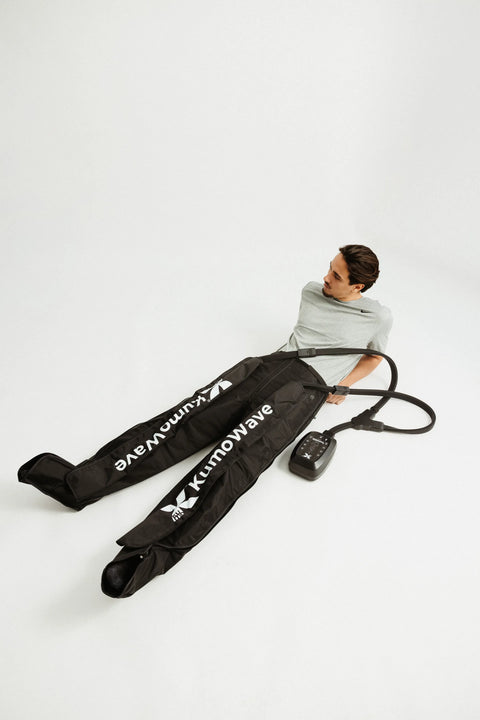
KumoWave Elite – Pressotherapy Pants
Full-coverage trousers. Ideal for lipedema, fluid retention and intensive use.
€799,00 €999,00
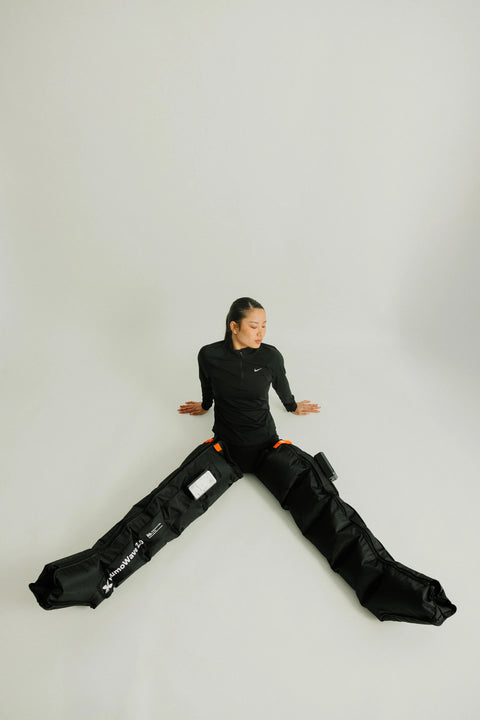
KumoWave 2.0 - Wireless Pressotherapy
Wireless, lightweight boots. Perfect for daily use and recovery.
€499,00 €599,00