
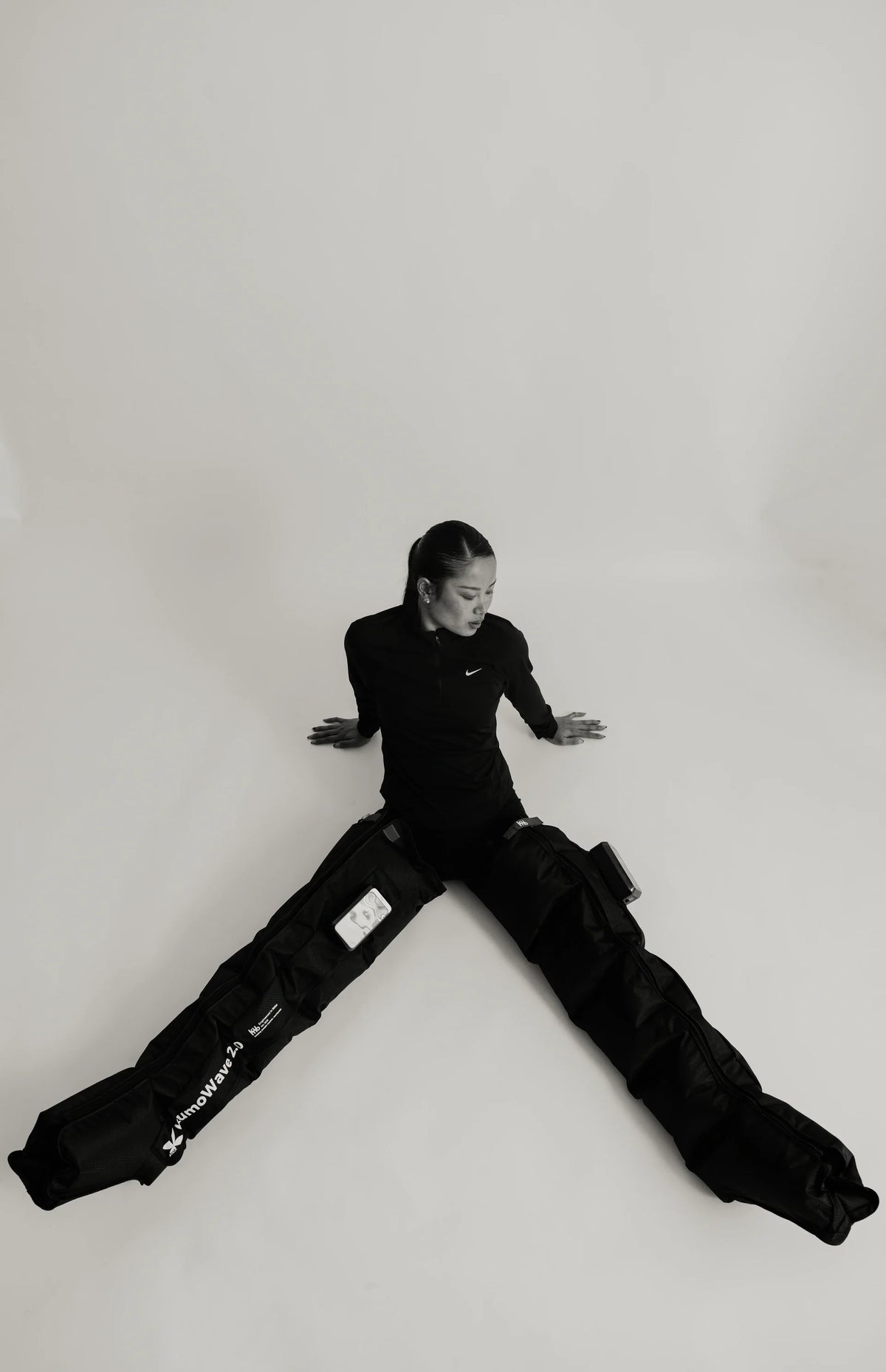
Cold feet at night are common. If they keep coming back, they can be a normal response to cold, but they can also point to sluggish circulation, anemia, Raynaud's, an underactive thyroid or the nerves. Cleveland Clinic notes that they may show up at particular times of day, such as at night, and MedlinePlus links cold intolerance to anemia, Raynaud's and an underactive thyroid. (my.clevelandclinic.org)
Most of the time they improve with simple measures, such as warm socks, a temperate room, gentle movement and moderate heat. It is also worth avoiding excessive direct heat and warming your feet without burning the skin. (nhs.uk)
Pressotherapy at home
End the day with light legs
★★★★★ 4,8/5 · rated by verified customers
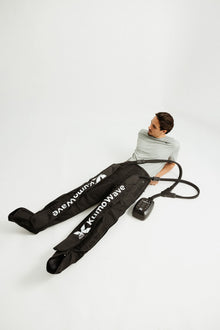
KumoWave pressotherapy boosts circulation and helps drain fluid with sequential compression, in 20-minute sessions at home.
- Boosts circulation and helps drain fluid
- Chamber-based compression, adjustable to you
- Sequential compression that mimics manual drainage
€799,00€999,00
−10% on your 1st order when you subscribe to the newsletter

What lies behind cold feet at night
At night, the body prioritizes keeping core heat and may send less flow to the extremities. MedlinePlus explains that, in the cold, circulation to the hands and feet slows down to protect the vital organs, and Cleveland Clinic points out that some people notice it at specific times, such as at the end of the day. (medlineplus.gov)
If you want to follow the thread of venous return, you can go deeper with pressotherapy and circulation.
Personalized protocol · included with your purchase
Want us to tell you how to use it in your case?
With your purchase, our experts prepare a personalized usage protocol for your case: sport, circulation, fluid retention, pregnancy or lipedema.
Message us on WhatsAppOur experts reply · no obligation
Common causes and clues to guide you
| Possible cause | Usual clues | First useful step | Source |
|---|---|---|---|
| Normal response to cold or to being still | You notice it when going to bed or in a cool room, and it improves when you move or wrap up. | Warm socks, a light blanket and gentle movement. | Cleveland Clinic and MedlinePlus. |
| Peripheral artery disease | There may be pain when walking, cold skin, a weak pulse, color changes or wounds that do not heal. | Do not put it down to warmth alone, ask for a medical assessment. | CDC. (cdc.gov) |
| Raynaud's syndrome | Episodes appear with fingers turning white, blue and then red, triggered by cold or stress. | Avoid abrupt temperature changes and keep your feet and body warm. | MedlinePlus Genetics and NHS. (medlineplus.gov) |
| Iron deficiency anemia | Fatigue, pallor, shortness of breath, brittle nails or cold feet and hands. | Ask for a blood test before taking iron on your own. | Mayo Clinic and MedlinePlus. (mayoclinic.org) |
| Underactive thyroid | General chilliness, tiredness, dry skin, constipation, sluggishness and sometimes a hoarse voice. | A TSH blood test helps guide the diagnosis. | MedlinePlus and Mayo Clinic. (medlineplus.gov) |
| Neuropathy or medication effects | Tingling, burning, numbness or medication that worsens vasoconstriction. | Review neurological symptoms and discuss your medication with a professional. | Mayo Clinic and Cleveland Clinic. (mayoclinic.org) |
If the cold is occasional and improves when you move or wrap up, it usually fits a normal reaction to your surroundings. If it persists, changes color, hurts or appears on one side only, it deserves a medical assessment.
Ways to warm up without overdoing it
Start with the simple things: wool or thermal socks, a light layer over your feet and a few minutes of movement help the feeling of warmth come back. Cleveland Clinic and the NHS agree that keeping your feet warm, moving regularly and avoiding abrupt temperature changes are useful steps; MedlinePlus adds that, in the cold, the body also needs enough food and fluids.
- Put on thick or thermal socks before getting into bed, ideally in a fabric that holds heat well without squeezing.
- Move your feet for a minute or two, flex your ankles and toes or take a short walk around the house to get circulation going again.
- Avoid smoking and go easy on caffeine if you notice it makes your episodes worse, especially if the pattern resembles Raynaud's.
- Warm up with lukewarm water, never very hot, and do not use a direct heat source if the skin is numb or has little sensation.
- Stay hydrated and eat a balanced dinner, because the body tolerates cold less well when it is short on energy and fluids.
If you want to understand what sequential compression feels like before adding it to a routine, you have what sequential compression means and how it feels.
on your first order when you join the newsletter
We send you the code instantly. No spam.
And if you are reviewing habits that can worsen the feeling of cold or heavy legs, you can read mistakes when using compression boots and how to avoid them.
When to seek advice and which signs call for a medical assessment
Most cases are not urgent, but a check-up is worthwhile if the symptom keeps coming back, gets worse or does not improve with warmth and movement. The NHS recommends seeking advice if it appears for the first time after age 30, affects one side only or comes with joint pain, a rash or weakness, and Cleveland Clinic adds that numbness, severe pain and wounds that do not heal should also be assessed.
- Persistent cold with color changes, a weak pulse, pain when walking or wounds that do not close.
- Tingling, burning or weakness that progresses in the feet and hands.
- Tiredness with pallor, shortness of breath or brittle nails, which may fit iron deficiency anemia.
- Symptoms on one side only, or a first episode after age 30 if you are thinking of Raynaud's.
If you use compression boots, these contraindications matter
Pneumatic compression should not be used without professional assessment if there is known or suspected deep vein thrombosis, recent pulmonary embolism, cellulitis, decompensated heart, kidney or liver failure, ischemic vascular disease, severe neuropathy, pulmonary edema or open wounds. The West Suffolk hospital leaflet also recommends stopping if sudden pain, shortness of breath, dizziness or new numbness in the leg appears. (wsh.nhs.uk)
If you want to keep looking after your routine with practical information, you can read compression boots, benefits and key uses.
Frequently asked questions
Why do I have cold feet at night and what does circulation have to do with it?
At night, the body tries to conserve core heat and cuts part of the flow to the hands and feet, so the extremities cool down sooner. When the problem comes back often, there may also be slower arterial circulation, Raynaud's, anemia or an underactive thyroid behind it. Cleveland Clinic and MedlinePlus explain that this pattern deserves attention once it stops being occasional, and the CDC point out that peripheral artery disease can cause cold feet, even without clear pain when walking.
Which habits or practical steps help warm up the feet at night without medication?
The most useful approach is usually to combine warmth and movement. It works well to put on wool or thermal socks, raise the room temperature a little, flex your feet and ankles, take a few steps around the house and use lukewarm water, not hot. It also helps not to smoke, not to overdo caffeine and to stay well hydrated. The NHS and Cleveland Clinic agree that these habits reduce episodes and improve the feeling of warmth without needing medication.
Can iron deficiency cause cold feet at night and how do you detect it?
Yes. Iron deficiency anemia can cause cold feet and hands, tiredness, pallor, dizziness, shortness of breath or brittle nails. Mayo Clinic explains that these symptoms can be very mild at first, which is why they sometimes go unnoticed for a while. MedlinePlus adds that anemia can also cause tingling in the hands and feet. The right move is to confirm it with a blood test and look for the cause, rather than starting iron on your own.
Can Raynaud's syndrome explain cold feet at night and what can you do about it?
Yes, it can explain it. Raynaud's is an exaggerated spasm of the small vessels, usually triggered by cold or stress, and MedlinePlus Genetics estimates that it affects 3 to 5 percent of adults worldwide. Typically the fingers turn white, then blue and then red as they warm up. Keeping your body and feet warm, avoiding abrupt temperature changes, not smoking and going easy on caffeine usually helps. If it appears for the first time after age 30 or gets worse, it is worth seeking advice.
Which warning signs tell normal cold feet apart from a serious circulatory problem at night?
It is more concerning when the cold does not improve with warmth, appears in one foot only, comes with pain when walking, wounds that do not heal, color changes or loss of sensation. Cleveland Clinic and the CDC point out that these signs may indicate a vascular or neurological problem that needs assessment. If there is also shortness of breath, sudden pain or dizziness, especially after using compression, you should stop and seek medical help.
What now?
If cold feet come back every night, start by adjusting habits, watching the triggers and reviewing the warning signs. To keep going deeper into a calm routine for your legs, you can visit compression boots, benefits and key uses and then return to the Kumo Balance site to explore more blog content.
KumoWave pressotherapy
Choose your at-home pressotherapy
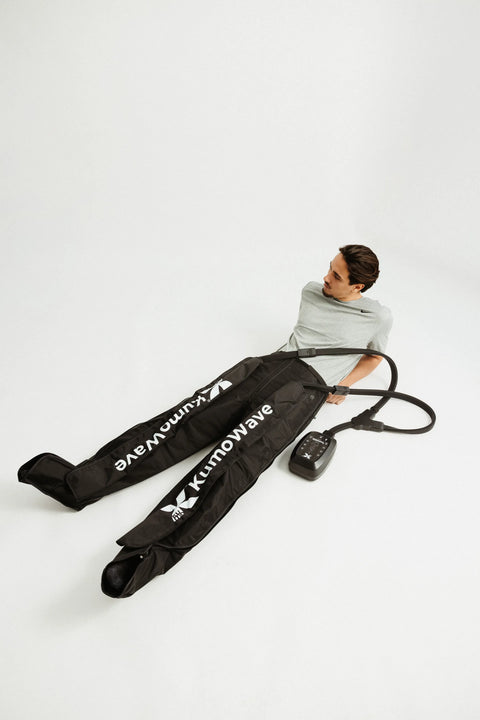
KumoWave Elite – Pressotherapy Pants
Full-coverage trousers. Ideal for lipedema, fluid retention and intensive use.
€799,00 €999,00
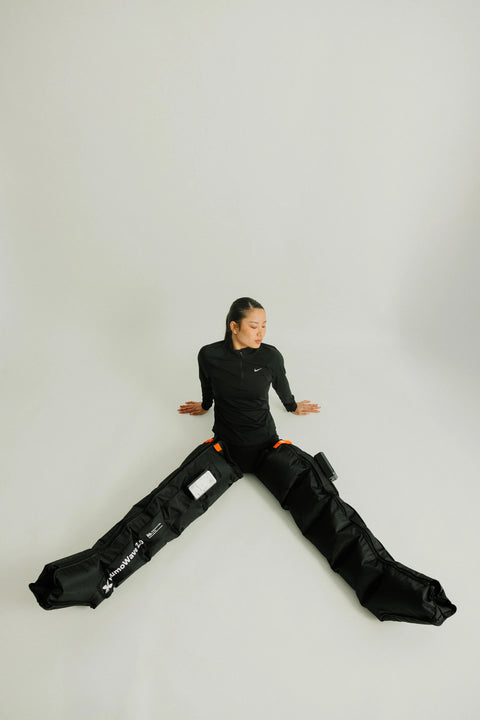
KumoWave 2.0 - Wireless Pressotherapy
Wireless, lightweight boots. Perfect for daily use and recovery.
€499,00 €599,00