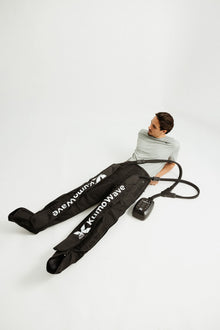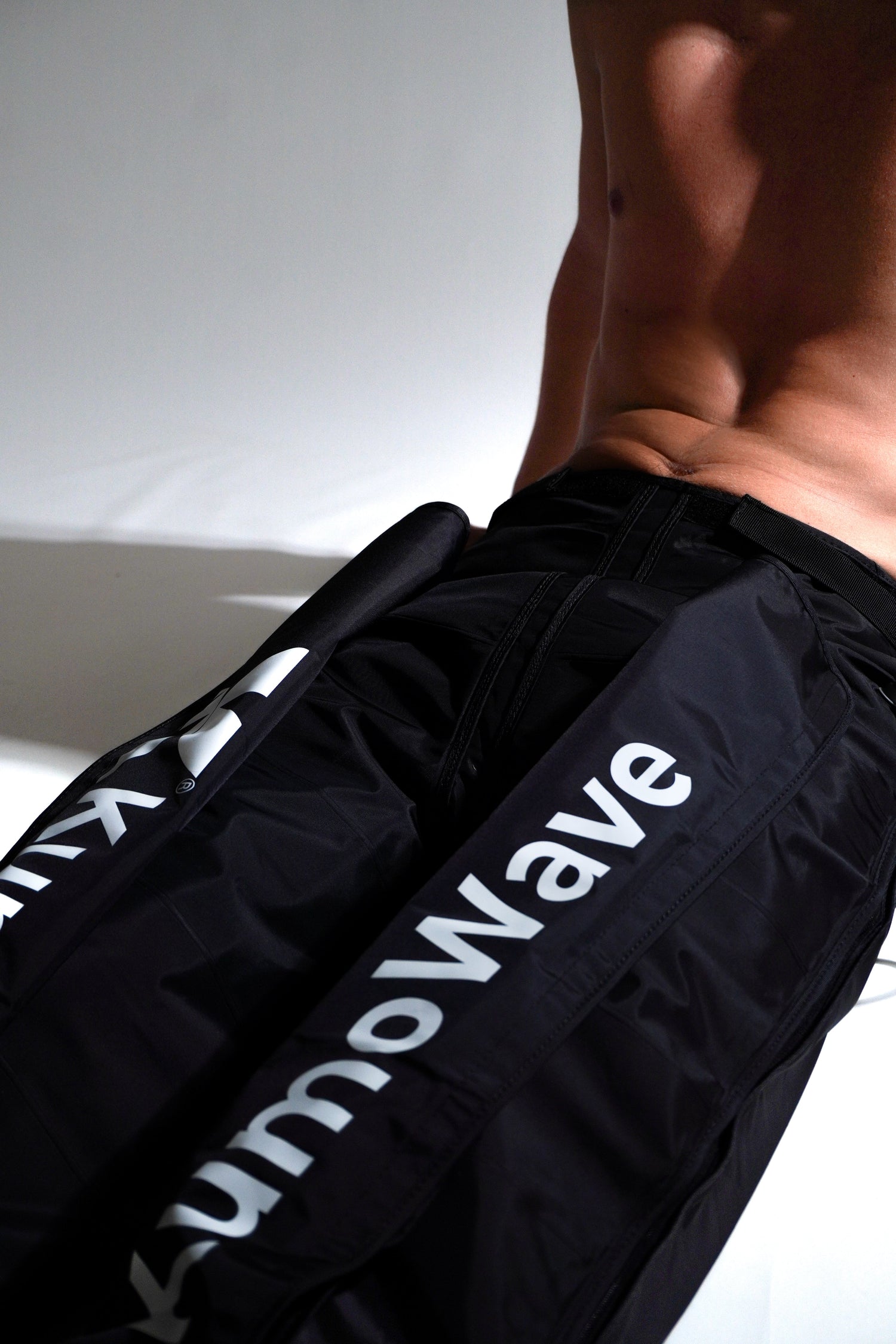
Recovery is also something you can train for. Today we're talking about compression boots : what they are, how they work, and when they can really help you.
Pressotherapy has become one of the most widely used recovery technologies, both in clinics and at home. The pneumatic boots that inflate and deflate in sections promise lighter legs, improved circulation, and faster muscle recovery. In this article, you'll learn what they are for , what benefits they offer according to scientific evidence , how to use them correctly , and in what cases you should avoid them or consult a professional first .
Pressotherapy at home
End the day with light legs
★★★★★ 4,8/5 · rated by verified customers
KumoWave pressotherapy boosts circulation and helps drain fluid with sequential compression, in 20-minute sessions at home.
- Boosts circulation and helps drain fluid
- Chamber-based compression, adjustable to you
- Sequential compression that mimics manual drainage
€799,00€999,00
−10% on your 1st order when you subscribe to the newsletter

What are compression boots and how do they work?
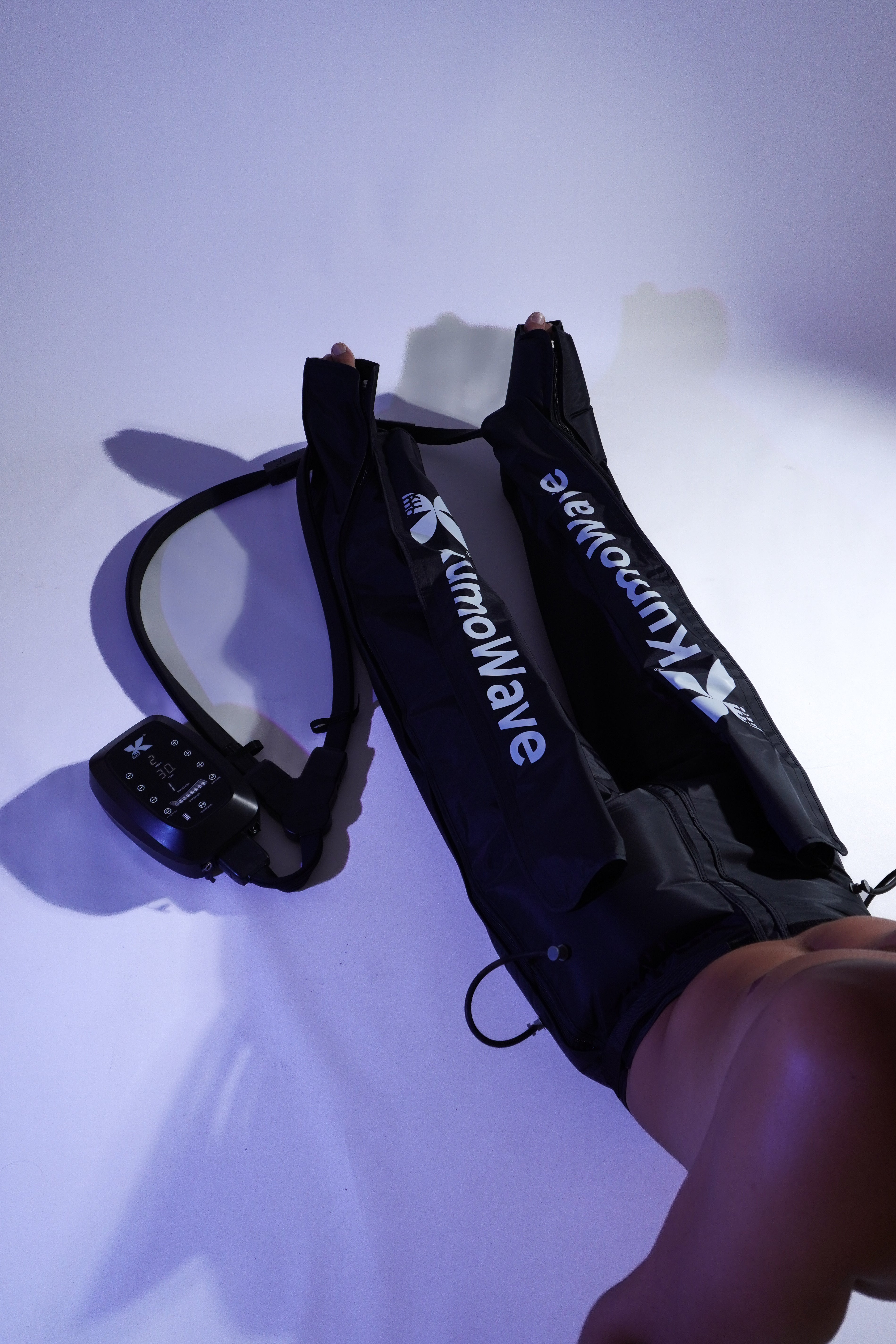
Compression therapy boots are devices that wrap around the legs (and sometimes also the feet and hips) and inflate and deflate sequentially. This movement generates intermittent pneumatic compression that mimics the venous return that occurs when walking.
- They consist of several independent air chambers .
- A compressor controls the pressure, duration, and order of inflation.
- The air gently pushes the fluids (venous blood and lymph) from the feet towards the heart.
In practice, it's like a uniform and programmable "compression massage," designed to improve circulation and facilitate the elimination of metabolic waste.
Personalized protocol · included with your purchase
Want us to tell you how to use it in your case?
With your purchase, our experts prepare a personalized usage protocol for your case: sport, circulation, fluid retention, pregnancy or lipedema.
Message us on WhatsAppOur experts reply · no obligation
Main benefits of compression therapy boots
Improved venous return and a feeling of light legs
The best-known benefit of compression boots is the relief of heaviness and swelling in the legs . By promoting venous return:
- It reduces blood stagnation in the veins of the legs.
- It reduces the feeling of tired legs at the end of the day.
- It can help reduce mild edema related to standing or sitting for long periods.
This type of sequential pneumatic compression is inspired by technologies used in the medical field to treat venous and lymphatic problems, always under professional supervision.
Support for muscle recovery in athletes
More and more endurance, strength, and team sports athletes are including pressotherapy in their recovery routine:
on your first order when you join the newsletter
We send you the code instantly. No spam.
- It facilitates the drainage of metabolites (such as lactate) generated during intense exercise.
- It helps reduce the feeling of stiffness and muscle soreness after training.
- It promotes a faster return to training load , especially in cycles with a high frequency of sessions.
It does not replace rest, nutrition, or warm-up and cool-down, but it can be an effective complement to recovery and performance programs.
Well-being and deep relaxation
Beyond performance, pressotherapy boots offer a strong component of overall well-being :
- Sensation of an enveloping, uniform and rhythmic massage.
- A benefit for those who spend many hours standing or sitting, or who travel often.
- Possible subjective improvement in sleep quality by reducing accumulated tension in the legs.
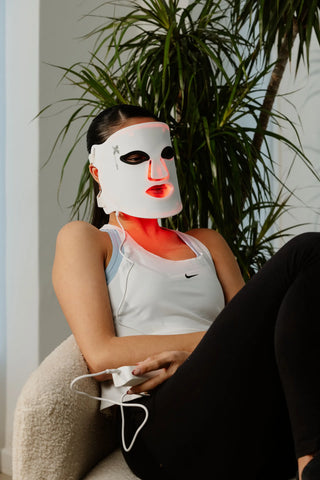
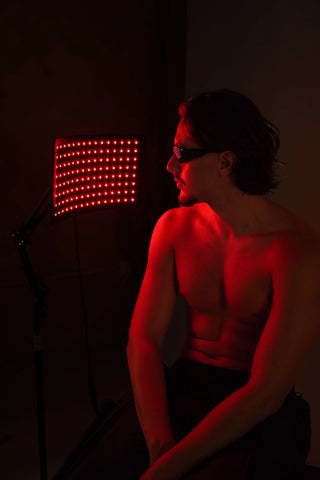
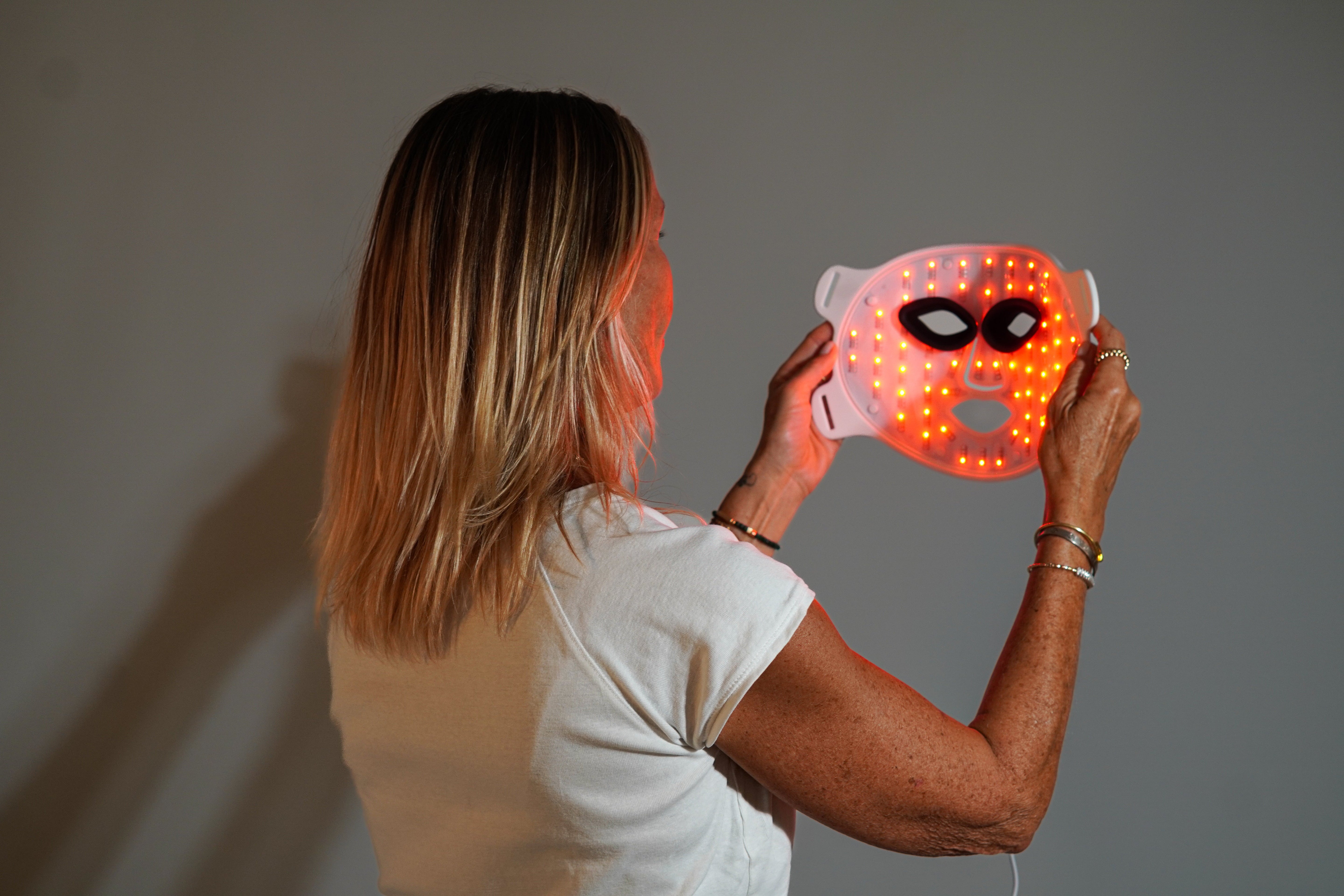
Combined with relaxing environments, deep breathing, or red light therapy to regulate the circadian rhythm, they can become a true recovery ritual at the end of the day. If you're interested in this type of holistic approach, you might want to take a look at LED light therapy .
Key uses of compression boots in everyday life
After training or competition
For amateur and professional athletes, one of the most common uses is after a demanding session :
- Heavy strength training (legs, cross-training).
- Long runs, series, road or mountain biking.
- High-intensity matches or competitions.
It's generally recommended to apply them 1 to 3 hours after exertion , once you've done some light exercise, hydrated, and eaten. The idea is to help the body "release" the accumulated workload from the leg muscles more quickly.
In sedentary jobs or jobs that involve many hours of standing
Those who spend the day sitting in front of a computer or standing (healthcare workers, hospitality, retail, etc.) accumulate tension and fluid in the lower body. Here, compression boots are used for:
- Activate the muscle pump that has been little (or too) active during the day.
- Reduce the appearance of swelling in ankles and calves.
- Improve the feeling of energy in the legs at the end of the day.
You can integrate them as a 20–30 minute ritual when you get home , while you read, watch a series, or practice mindful breathing.
In wellness and self-care routines
Pressotherapy also fits into a comprehensive personal care routine:
- As a complement to other recovery habits: stretching, massage, hot/cold baths, meditation.
- For people looking to optimize their daily well-being , not just recover from sporting exertion.
- For those who experience a recurring sensation of "heavy legs" due to the pace of life.
In combination with a quality massage gun for specific areas such as calves, hamstrings or glutes, you can build a very complete recovery protocol from home.
How to use compression therapy boots correctly
Duration and frequency of sessions
There is no single recipe that works for everyone, but there are common usage ranges:
- Frequent duration : between 15 and 30 minutes per session for general well-being.
- In sports contexts: sometimes it reaches 45–60 minutes, depending on tolerance and objective.
- Frequency : from 2-3 times per week to almost daily use during periods of high load (always listening to the body's sensations).
Always start with shorter, low-intensity sessions, and gradually adjust.
Pressure: neither too low nor too high
Pressure is one of the key parameters:
- Too low a pressure can be too mild and have little effect.
- Excessive pressure can cause discomfort, tingling, or worsen certain circulatory problems.
Ideally, you should aim for a firm but comfortable compression that allows you to relax without pain or numbness. If you experience discomfort, reduce the pressure or shorten the wearing time.
Posture and time of day
Some practical tips:
- Use the boots while sitting or lying down , with your legs slightly elevated if possible.
- Avoid using them immediately after overeating or under the influence of alcohol.
- You can combine them with red or near-infrared light to create an environment more conducive to recovery and rest; at Kumo you will find it in the LED light therapy section.
Summary table: benefits and uses of compression boots
Benefits and practical applications of compression boots
| Main objective | How does pressotherapy help? | When to use it | Recommended accessories |
|---|---|---|---|
| Lighter legs and less swelling | It improves venous return and fluid drainage. | At the end of the day, after many hours on my feet | Smooth mobility, leg lift |
| Sports recovery | It promotes the elimination of metabolites and muscle relaxation | 1–3 hours after intense training | KumoPulse Air massage gun , stretching |
| Well-being and relaxation | Sensation of a deep and continuous massage | Evening or weekend routine | Deep breathing, calm environment, soft music |
| Sedentary lifestyle | It activates circulation in inactive legs | 3–4 times/week upon arriving home | Active breaks during the day, short walks |
| Comprehensive recovery approach | It integrates compression, light, and targeted massage. | On days of high physical or mental strain | Kumo light therapy , hydration, sleep |
Who can benefit most from compression boots?
Athletes of all levels
Whether you're running your first half marathon or training daily, pressotherapy can help you:
- Better manage accumulated fatigue .
- Feel your legs less stiff between sessions.
- Build a structured recovery routine and don't leave it "for when there's time".
When combined with other tools such as massage guns, foam rollers, or contrast baths, the perceived effect on recovery is usually greater.
People with demanding lifestyles
You don't have to be an athlete to notice the difference:
- Professions with many hours spent standing (hospitality, healthcare, retail).
- Office jobs with long hours in front of the computer.
- Parents with little time to attend in-person massages or treatments.
Pressotherapy boots allow you to bring recovery technology home , integrating it into real moments of the day—reading time, watching series, or even working from home.
Users seeking to enhance their well-being and self-care
If you are interested in overall well-being (sleep, stress management, muscle recovery, skin health), pressotherapy is very well complemented by other technologies such as LED facial masks or red light therapy for relaxation and circadian rhythm, available at Kumo Balance .
Precautions and contraindications: when to consult first
Although pressotherapy is a widespread and generally well-tolerated technology, it is not suitable for everyone or in all situations. You should always consult a healthcare professional before using it if:
- You have severe venous disease (deep vein thrombosis, previous pulmonary embolism, etc.).
- You have uncontrolled heart failure .
- You suffer from acute infections in your legs or skin (cellulitis, open wounds).
- You are in a high-risk pregnancy or with circulatory complications.
- You have a diagnosed lymphatic disorder that requires specialized supervision.
If in doubt, or if you notice pain, sudden changes in skin color, or abnormal swelling, discontinue use and consult your doctor.
How to integrate pressotherapy into a modern recovery routine
Combine compression, massage and light
Effective recovery is usually multimodal . In addition to compression boots, you can use:
- Massage guns for localized areas and trigger points (for example, the KumoPulse Air ).
- Red and near-infrared light therapy to support muscle recovery and sleep.
- Simple techniques such as gentle stretching, diaphragmatic breathing, and active breaks.
The goal is not to use "more gadgets," but to create a sustainable routine that you can maintain week after week and that truly makes a difference in how you feel.
Create a realistic ritual (that will last over time)
Some practical ideas:
-
After training in the afternoon
- Warm shower → recovery snack → 20–30 min with compression boots → 5–10 min of stretching. -
After a long day of work
- Arrive home → put on comfortable clothes → 20 min of pressotherapy with dim light → reading or meditation. -
Before bed (2–3 times per week)
- Gentle pressotherapy + relaxed environment → reduce screen stimuli → consistent sleep schedule.
Where to find quality compression therapy boots
If you're considering incorporating this technology into your routine, it's important to choose:
- Devices with clear pressure controls and programs .
- Comfortable and easy-to-clean materials.
- A design conceived for both efficiency and user experience .
At Kumo Balance you will find a specialized selection of high-level recovery solutions , including a section dedicated to pressotherapy , as well as light therapies and complementary massage tools.
Frequently asked questions about compression therapy boots
How long should I wear the compression boots in each session?
For most people, 15 to 30 minutes per session is a good starting point. If you're an athlete in a period of high training intensity, some people extend the session to 45–60 minutes, as long as it feels comfortable and pain-free. It's best to start with 15–20 minutes and assess how you feel the next day. If you notice lighter, pain-free legs, you can gradually adjust the duration.
Is it better to use pressotherapy before or after exercise?
In practice, most users get the most benefit after training , once the muscles have done their main work. Using it beforehand can help to slightly activate circulation, but it should never replace a good dynamic warm-up. After exercise, it helps promote the drainage of fluids and metabolites, reduces stiffness, and prepares the legs for the next session. Ideally, at least 30–60 minutes should pass after training.
Can I wear compression boots every day?
It depends on your health, activity level, and how you feel. Many people use them daily or almost daily without problems, as long as the pressure isn't excessive and there are no medical contraindications. If you're just starting out, it might be a good idea to limit use to 3–4 times a week for the first few weeks and see how your body responds. If you have a history of circulatory, heart, or lymphatic problems, consult your doctor before starting daily use.
Do compression boots replace a traditional massage?
No, compression boots are not a substitute for a professional manual massage , but they can complement it. Traditional massage allows for very specific work on muscles, fascia, and specific points, while compression therapy offers uniform and programmed compression across the entire leg. Many people combine both approaches: massage or a massage gun for specific areas and compression therapy for overall venous return and a feeling of lightness in the legs.
What pressure is suitable for safely using compression therapy boots?
The ideal pressure is one that provides a firm but comfortable sensation : you clearly feel the compression, but without pain, intense tingling, or numbness. It's best to start with low or medium levels and stay there for a few days before increasing the pressure, if you feel it's necessary. If at any point you experience pain, unbearable pressure, worrying changes in skin color, or unusual swelling, you should stop the session and consult a healthcare professional to assess your specific situation.
So what now?
If you want recovery to be part of your lifestyle—not just something you do when you're already exhausted—compression boots can be a powerful tool. At Kumo Balance, you'll find a selection of recovery technologies, including compression boots , LED light therapy , and the KumoPulse Air massage gun , all designed to fit seamlessly into your daily routine.
If you have specific questions about which option is best for you, you can contact us through the contact page and receive personalized advice.
KumoWave pressotherapy
Choose your at-home pressotherapy
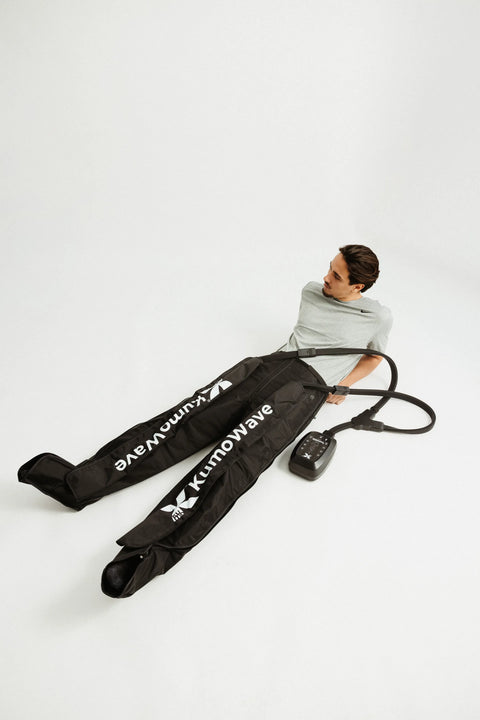
KumoWave Elite – Pressotherapy Pants
Full-coverage trousers. Ideal for lipedema, fluid retention and intensive use.
€799,00 €999,00
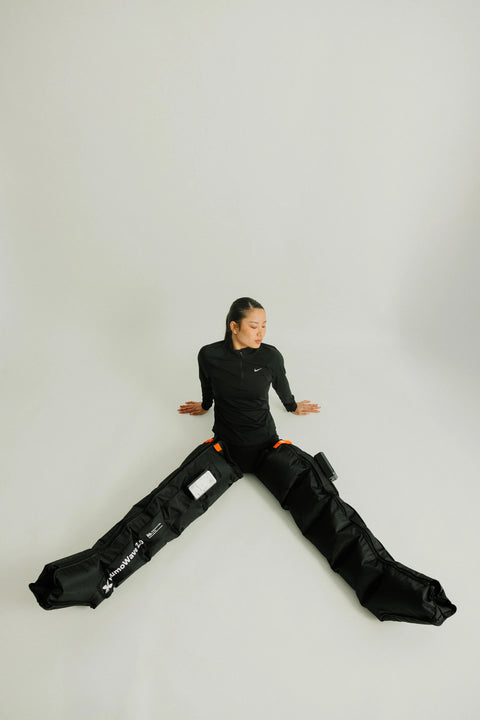
KumoWave 2.0 - Wireless Pressotherapy
Wireless, lightweight boots. Perfect for daily use and recovery.
€499,00 €599,00