Light can be an ally against acne.
In this article you will discover how red light therapy can help improve active blemishes, redness and certain scars, what science says, how to use it sensibly and how to integrate it into your skincare routine without unrealistic expectations.
Red light therapy (also called photobiomodulation or red LED therapy) uses specific wavelengths of low-intensity light to modulate cellular processes without damaging the skin. It is not an aggressive laser or a "miracle cure," but it is a useful tool to complement dermatological treatments, especially for mild to moderate acne and for improving recent scarring.
Red & infrared light
Recover faster, at home
★★★★★ 4,8/5 · rated by verified customers
The KumoLux panel supports muscle recovery with full-body red and infrared light.
- 660 nm red + 850 nm infrared light
- Full-body muscle recovery
- Clinically validated biohacking protocols
€399,00€499,00
−10% on your 1st order when you subscribe to the newsletter

What exactly is red light therapy?
Red light therapy uses low-power LEDs or lasers that emit visible red light, generally between 620 and 700 nm, with widespread use around 630–660 nm. These wavelengths penetrate the superficial and mid-dermis, where fibroblasts, blood vessels, and some sebaceous glands are located. ( mdpi.com )
It's called "low-intensity therapy" because the energy is sufficient to activate biological pathways, but not enough to heat or burn the skin. That's why it's perceived as a comfortable light, without the burning sensation typical of other, more aggressive procedures.
Personalized protocol · included with your purchase
Want us to tell you how to use it in your case?
With your purchase, our experts set up your red and infrared light sessions for your sport and goal.
Message us on WhatsAppOur experts reply · no obligation
KUMO specializes in these high-end recovery and wellness technologies, with LED therapy devices designed for regular home use as part of a comprehensive care routine. You can explore their range on the KUMO homepage or in their dedicated LED light therapy collection.
How red light works on acne and scars
At the cellular level: energy, inflammation, and collagen
Red light is absorbed primarily in the mitochondria, the cell's "powerhouses." This can temporarily increase the production of ATP, the cell's "energy currency," which promotes repair and regeneration processes. ( pubmed.ncbi.nlm.nih.gov )
In fibroblasts (key cells of connective tissue), several in vitro studies have shown that photobiomodulation at 630–660 nm can:
on your first order when you join the newsletter
We send you the code instantly. No spam.
- Increase collagen and elastin synthesis. ( mdpi.com )
- Decrease the expression of metalloproteinases (MMPs), enzymes that degrade the extracellular matrix. ( pubmed.ncbi.nlm.nih.gov )
- Modulate signaling pathways related to oxidative stress and inflammation.
Although these studies are conducted in a laboratory, they support the use of red light to improve texture, firmness, and certain healing processes, including the remodeling of post-acne marks.
Red, blue, and combined lights: what each one does
In acne, three approaches are usually distinguished:
- Blue light (≈ 405–420 nm)
- It acts on Cutibacterium acnes (formerly Propionibacterium acnes ), a bacterium involved in acne. ( mdpi.com )
- More useful on superficial inflammatory lesions, but may cause more irritation in some people.
- Red light (≈ 630–660 nm)
- Penetrates deeper: modulates inflammation, promotes circulation and tissue repair. ( mdpi.com )
- It is usually better tolerated and can also help reduce redness and improve the overall appearance of the skin.
- Blue + red combination
- It seeks to combine the antibacterial effect of blue and the anti-inflammatory/repairing effect of red.
- Trials with home LED devices (415 nm blue + 633–660 nm red) have shown significant reductions in inflammatory lesions after several weeks of regular use. ( pubmed.ncbi.nlm.nih.gov )
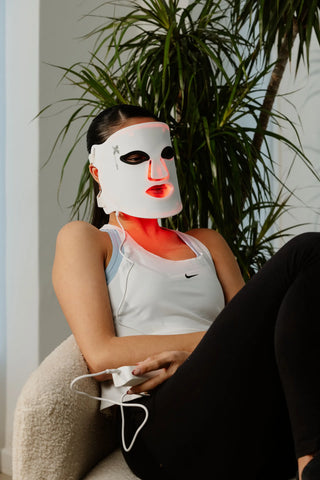
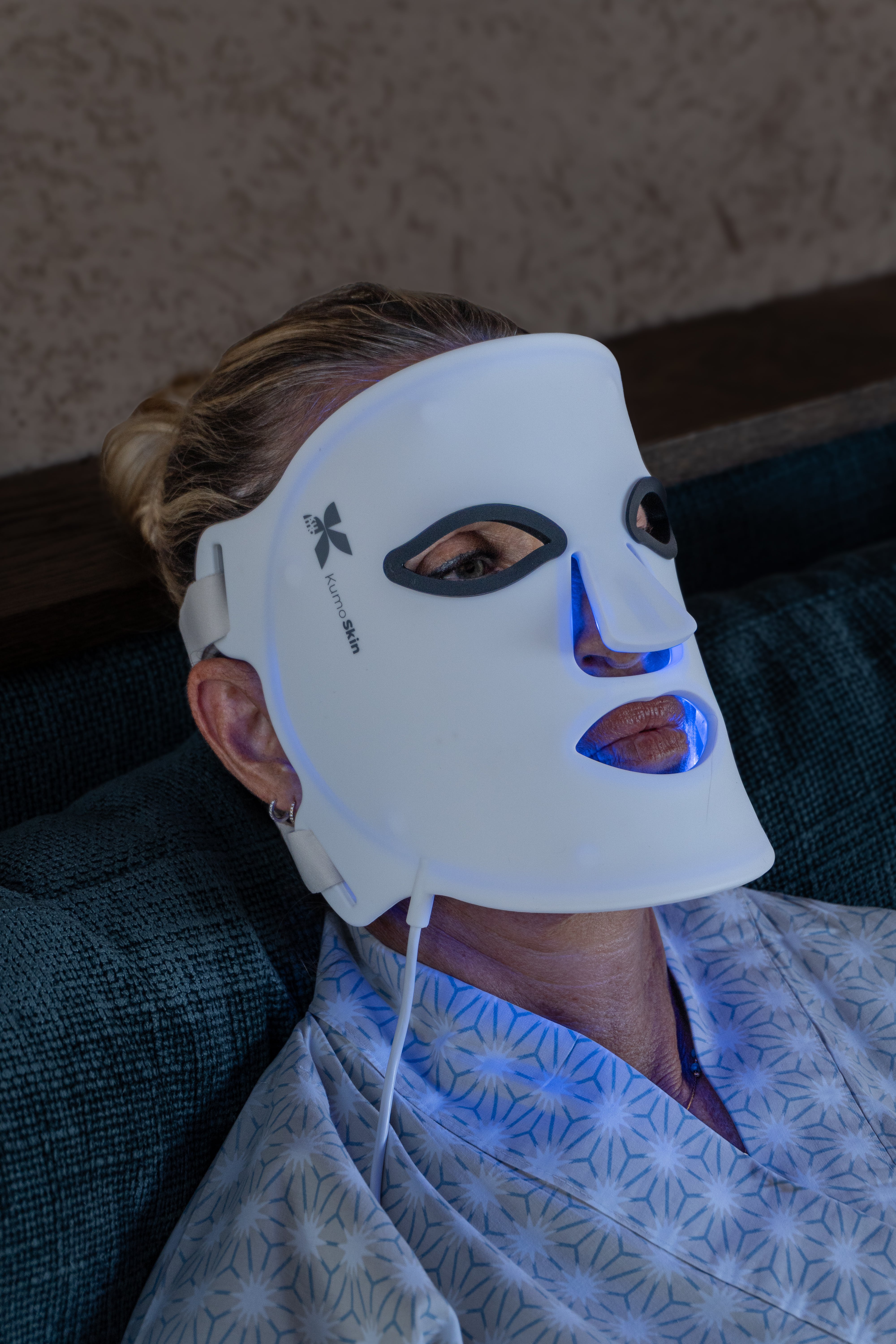
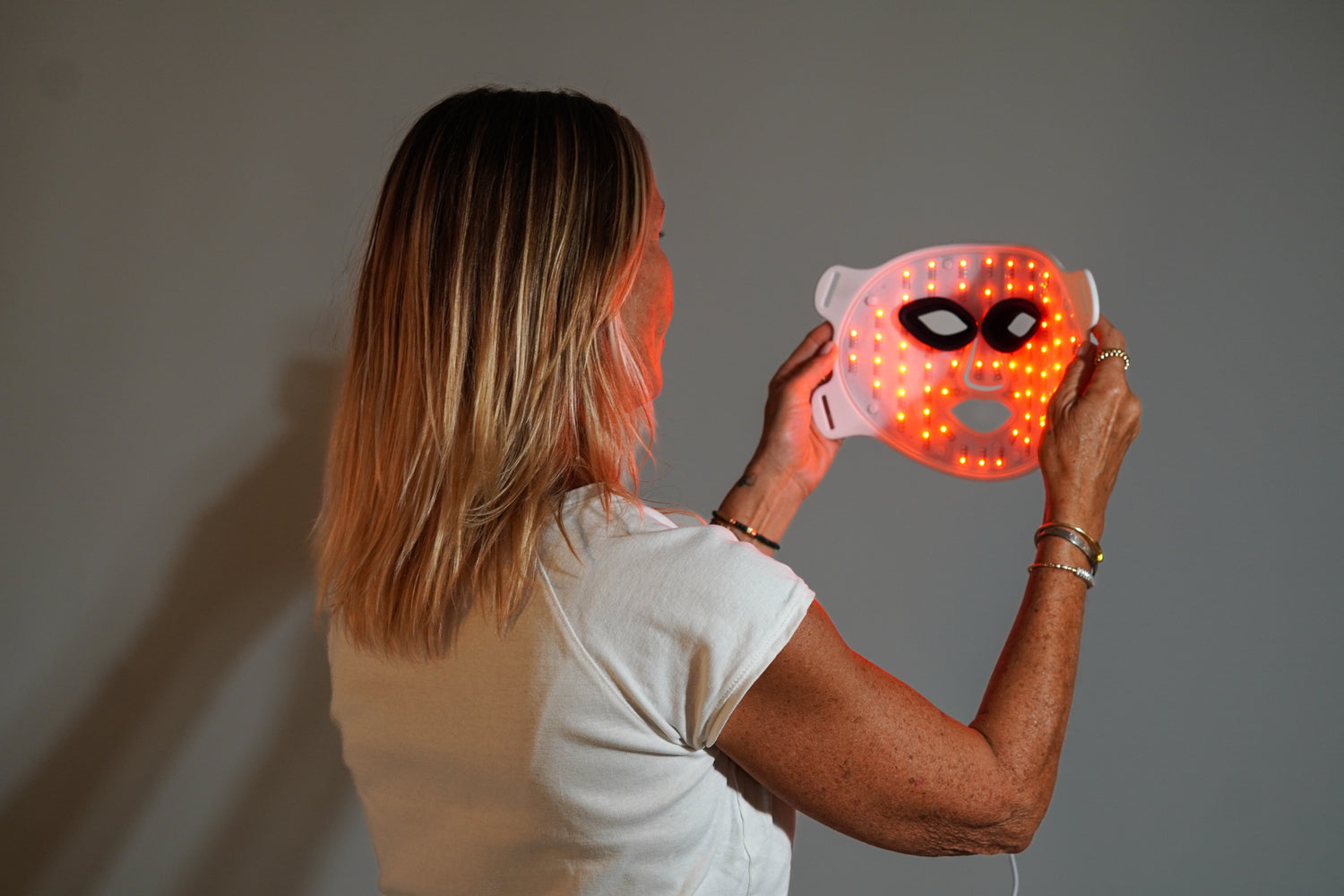
In practice, many quality LED mask devices incorporate both types of light to optimize results on active pimples and recent marks.
What science says about red light for acne
Evidence in mild to moderate active acne
Current evidence is based primarily on studies with small sample sizes and follow-up periods of weeks to a few months, so we must be cautious, but there are positive signs:
- A controlled clinical trial compared red light versus blue light in 28 patients with mild-to-moderate acne. Both groups improved, with an overall reduction in lesions of approximately 30–36% and a better response in inflammatory lesions. Red light had fewer side effects than blue light. ( pubmed.ncbi.nlm.nih.gov )
- In a randomized, double-blind study using a home device that alternated blue (420 nm) and red (660 nm) light twice daily for 4 weeks, a 77% reduction in inflammatory lesions and a 54% reduction in non-inflammatory lesions were observed at 12 weeks in the treated group compared to a placebo device. ( pubmed.ncbi.nlm.nih.gov )
- Recent systematic reviews of at-home LED devices conclude that combinations of blue and red light can improve mild-to-moderate acne, with a generally good safety profile, although they stress the need for larger, long-term studies. ( jamanetwork.com )
Both the American Academy of Dermatology (AAD) and academic centers such as Yale Medicine point out that light and laser therapies can be helpful as part of a comprehensive plan, but they are rarely the only solution and their results are variable. ( aad.org )
Evidence and potential in acne scars and marks
When we talk about “scars”, we need to differentiate:
- Post-inflammatory red or pink marks (post-acne erythema)
- Post-inflammatory hyperpigmentation (brown spots)
- Atrophic scars (dimples)
- Hypertrophic/keloid scars
The red light alone has more support in:
- Improve residual inflammation and redness.
- Supporting dermal regeneration by increasing collagen and modulating MMP/TIMP in fibroblasts and repairing tissue. ( mdpi.com )
Specific clinical studies on acne scars using red light alone are still limited. It is more frequently used in combination with:
- Fractional lasers.
- Microneedling.
- Chemical peels.
For deep, old scars, invasive dermatological procedures remain the standard. Red light therapy can play a supportive role in the recovery and maintenance phase, but it does not typically produce a dramatic "filling" of the dimples on its own.
Potential benefits and actual limitations
Possible benefits of red light therapy
Used consistently and as a complement, red light can offer:
- Reduction of inflammation and redness in inflammatory acne.
- Moderate improvement in the number of lesions in mild-to-moderate acne, especially when combined with blue light or topical treatment. ( pubmed.ncbi.nlm.nih.gov )
- Supports skin repair and collagen synthesis, useful for recent marks and dull skin. ( mdpi.com )
- Good tolerance in sensitive skin that reacts badly to retinoids or peroxides, always under supervision if there is an underlying pathology.
In addition, approved residential LED devices generally have a favorable safety profile when used according to instructions and without looking directly at the LEDs. ( aad.org )
Important limitations to consider
Despite the enthusiasm, it's important to be aware of its limitations:
- It is not a definitive or universal cure : the response varies greatly from person to person. ( aad.org )
- It requires consistency : most protocols recommend 2–3 sessions per week for 4–6 weeks (always consult your device's manual). ( aad.org )
- It is most effective on mild-to-moderate inflammatory acne ; it does not work as well on closed/open comedones (blackheads and whiteheads) or severe nodulocystic acne. ( aad.org )
- Home devices are less powerful than office medical equipment, so results are usually more subtle and slower. ( aad.org )
- According to the updated AAD guidelines (2024), the evidence for laser and light procedures remains insufficient for strong recommendations compared to classic topical and systemic treatments. ( aad.org )
Comparative table: types of light used in acne
Comparison of different types of light for acne
| Type of light | Approx. wavelength | Main mechanism | Injuries where it helps most | Key limitations |
|---|---|---|---|---|
| Blue LED light | 405–420 nm | Phototoxicity on C. acnes | Superficial papules and pustules | Less effective on comedones and nodules; may irritate the skin more. ( mdpi.com ) |
| Red LED light | 630–660 nm | It modulates inflammation and stimulates fibroblasts/collagen | Inflammation, redness, recent marks | Indirect antibacterial effect; modest results when used alone. ( mdpi.com ) |
| Blue and red light combined | 415 + 630–660 nm | It combines antibacterial and anti-inflammatory effects. | Mild-moderate inflammatory acne | Data is still limited and short-term. ( pubmed.ncbi.nlm.nih.gov ) |
| Near-infrared (NIR) | 800–850 nm approx. | Deeper photobiomodulation (pain, repair) | Tissue recovery, possible support in scars | Less specific evidence for acne; more used for pain and rehabilitation. ( mdpi.com ) |
How to integrate red light therapy into your routine
Before you begin: when to seek medical advice and precautions
Even though it's a "gentle" technology, it's advisable to talk to a dermatologist before starting if:
- You have severe acne, nodules, or cysts.
- Are you pregnant or breastfeeding and already taking medication for acne?
- You take photosensitizing drugs (some antibiotics, oral retinoids, diuretics, etc.). ( healthline.com )
- You suffer from photosensitive diseases (for example, lupus) or have a history of skin cancer. ( axios.com )
It is also important:
- Always use the device according to the manual.
- Avoid looking directly at the lights; wear protective eyewear if indicated by the manufacturer.
- Do not apply potentially irritating products (acids, retinoids) just before the session unless expressly indicated by the specialist.
Example of a guideline protocol at home
Each device has its own scheme, but, based on trials and recommendations from dermatological societies, many protocols fall within this range: ( aad.org )
- Frequency : 2–5 sessions per week.
- Duration per session : 3–20 minutes depending on the power and area treated.
- Duration of the initial cycle : 4–8 weeks before assessing results.
- Maintenance : one or more weekly sessions if there has been improvement.
Basic steps:
- Gently cleanse your face and dry without rubbing.
- Place the mask or LED panel at the recommended distance.
- Activate the red light program (or combined program) and relax for the indicated time.
- Apply a soothing moisturizer and broad-spectrum sun protection in the morning.
KUMO designs its LED therapy devices with consistency in mind: comfortable, stable, and easy to integrate into a daily wellness routine. Discover their specific LED light therapy solutions for skin and muscle recovery.
Comprehensive care: beyond the skin
Acne isn't just visible; it's also felt. Stress, sleep quality, muscle fatigue, and lifestyle habits influence overall health and, indirectly, the skin.
Recovery technologies such as:
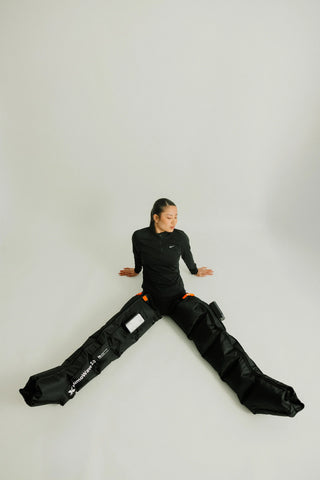
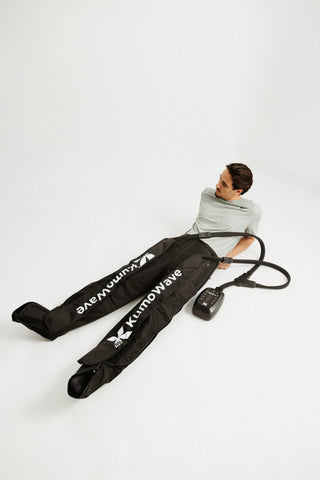
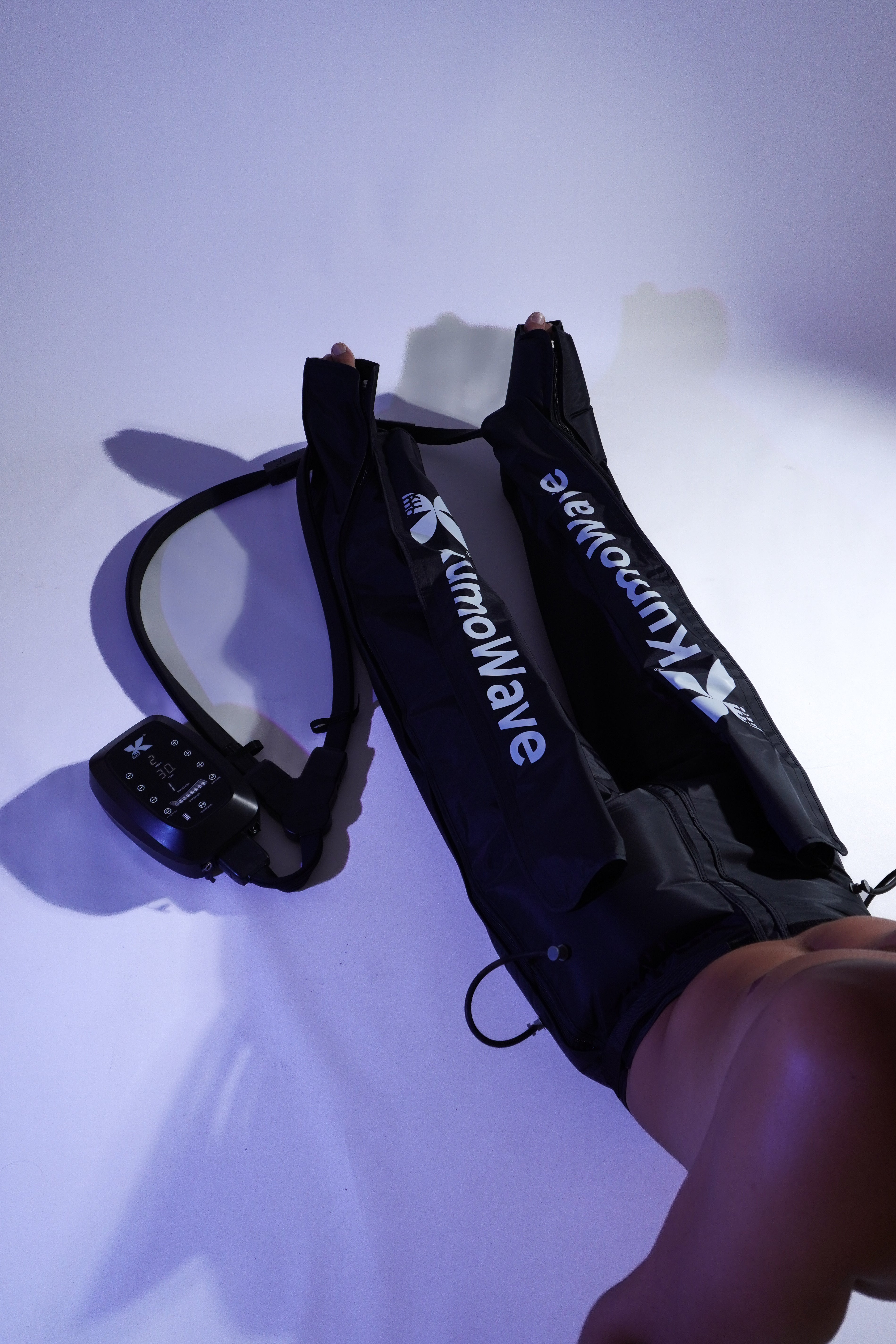
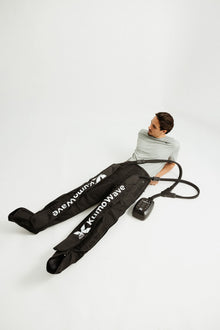
- Pressotherapy boots to activate circulation and relieve heavy legs, useful in intense sports routines or standing work ( pressotherapy collection ).
- Massage guns to relieve tense muscles, such as the KUMOPulse Air model, help improve rest and perception of well-being.
They can be part of a comprehensive approach where skin care coexists with physical recovery and stress management, factors that many people with acne point to as triggers or aggravating factors.
Frequently asked questions about red light therapy for acne
How long does it take to see improvement with red light therapy?
Most studies and guidelines agree that light therapy (red, blue, or a combination of both) does not offer immediate results. It typically requires several weeks of consistent use. Typical protocols include 2–3 sessions per week for 4–6 weeks to begin seeing a noticeable reduction in inflammatory lesions. ( aad.org )
With at-home devices, improvement is usually gradual and more subtle than with medical office equipment, so it's advisable to take regular photos under the same lighting conditions for comparison. If you don't see any change after about 8–12 weeks, it's worth reassessing your treatment plan with your dermatologist.
Does red light therapy work on old acne scars?
In very old and deep scars (pronounced pits), red light alone has a limited impact. The evidence is stronger in early repair processes: it helps modulate inflammation, improve microcirculation, and promote collagen synthesis during the active healing phase, and can soften the appearance of recent red marks. ( mdpi.com )
For established atrophic scars, the most widely accepted treatments are fractional laser, microneedling, or fillers, usually performed by dermatologists. Red light therapy can be used to support recovery and maintain skin quality, but it does not replace these techniques.
What side effects can red light therapy have?
Phototherapy with red and blue light is generally considered safe when used at appropriate doses. The most common side effects are mild: temporary redness, slight warmth, dryness, or a brief feeling of tightness. ( healthline.com )
In highly sensitive individuals or those taking photosensitizing medication, more pronounced irritation or hyperpigmentation may occur if adequate sun protection is not used. Caution is also advised for patients with photosensitive conditions or a history of skin cancer, and they should avoid looking directly at lights without eye protection. If severe pain, burning, or a clear worsening of acne occurs, discontinue use and consult a doctor.
Can I replace my acne medication with red light therapy?
It is not recommended to do this on your own. The updated guidelines from the American Academy of Dermatology (2024) continue to prioritize treatments with strong evidence, such as benzoyl peroxide, topical retinoids, certain antibiotics, and, in severe cases, oral isotretinoin. ( aad.org )
According to the AAD, light and laser devices are promising options, but still insufficient to replace standard treatments for most patients. Red light can be an excellent complement, especially for sensitive skin or to reduce residual inflammation, but always within a plan designed with your dermatologist.
Is red light therapy safe if I have brown or dark skin?
Visible light LEDs (blue and red) appear to be relatively safe in different skin types, and there are specific studies with skin type IV patients treated with combined blue and red light with good results and no serious complications. ( pubmed.ncbi.nlm.nih.gov )
However, some more intense technologies, such as certain lasers or intense pulsed light (IPL), can increase the risk of hyperpigmentation in darker skin tones if the parameters are not adjusted. That's why it's essential that any in-office treatment be performed by a professional experienced with your skin type, and that you use broad-spectrum sunscreen daily, regardless of your skin tone.
So what now?
If you're interested in incorporating red light therapy into your routine to improve acne and blemishes, the next sensible step is to discuss your case with a dermatologist and define together what role it can play within your overall treatment plan. Afterward, you can choose a quality device, such as those in KUMO's LED light therapy range, and integrate it consistently into your daily routine, along with healthy lifestyle habits and, if needed, other recovery solutions like pressotherapy or deep tissue massage.
If you have specific questions about which technology best suits you, you can contact the team directly through the contact page and receive personalized, non-medical guidance aligned with your wellness and performance goals.

Red & infrared light
KumoLux Panel – Red and Infrared LED Panel
★★★★★ 4,8/5 · rated by verified customers
- 660 nm red + 850 nm infrared light
- Full-body muscle recovery
- Clinically validated biohacking protocols
€399,00€499,00· pay in installments with seQura or Klarna