
Spider veins on the legs are usually small, but they do not show up by chance. When they become visible, they are almost always telling a story about venous return.
In most cases they form because blood moves less easily through surface vessels and the vein valves no longer push blood toward the heart properly. That is why they look like thin red, blue or purple lines, and they are more common with age, in women, during pregnancy, and with family history, obesity or many hours spent standing or sitting. (mayoclinic.org)
Pressotherapy at home
End the day with light legs
★★★★★ 4,8/5 · rated by verified customers
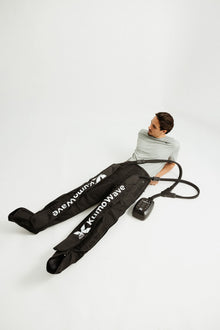
KumoWave pressotherapy boosts circulation and helps drain fluid with sequential compression, in 20-minute sessions at home.
- Boosts circulation and helps drain fluid
- Chamber-based compression, adjustable to you
- Sequential compression that mimics manual drainage
€799,00€999,00
−10% on your 1st order when you subscribe to the newsletter

What spider veins actually are
The basic explanation is well summarized in the MedlinePlus medical encyclopedia entry on varicose veins: when the vein valves fail, blood pools, the vein widens and becomes visible under the skin. Spider veins, also called telangiectasias, are a finer and more superficial form of that same venous picture.
Spider veins and varicose veins are not the same thing
| Feature | Spider veins | Varicose veins |
|---|---|---|
| How they look | They usually appear as thin red, blue or purple lines, very close to the surface. | They look bulkier, twisted and clearly marked under the skin. |
| Relief | They are often flat or barely raised. (medlineplus.gov) | There is usually a clear ridge and a vein you can feel. |
| Symptoms | They are often mainly a cosmetic concern, though they can coexist with heaviness or mild discomfort. (ncbi.nlm.nih.gov) | More often linked to heaviness, pain, cramps, itching or swelling. |
| Clinical importance | Their presence can be superficial and does not always mean serious disease, but it is worth watching for changes or discomfort. | They can be part of broader venous insufficiency and deserve assessment if they get worse or hurt. (nhs.uk) |
Why they appear on the legs
The legs are the most affected area because blood has to climb against gravity. That work depends on the vein valves and on what is known as the calf muscle pump. When the valves weaken, blood pools, pressure rises in small veins and surface vessels become visible. The news magazine Bulging Veins from NIH News in Health noted that by age 50, close to 40% of women and 20% of men have a meaningful vein problem in their legs.
Personalized protocol · included with your purchase
Want us to tell you how to use it in your case?
With your purchase, our experts prepare a personalized usage protocol for your case: sport, circulation, fluid retention, pregnancy or lipedema.
Message us on WhatsAppOur experts reply · no obligation
Factors you cannot change
- Age raises the risk because valves and vein walls lose efficiency over time. (medlineplus.gov)
- Family history carries a lot of weight, because there is a clear hereditary tendency.
- Being female and hormonal changes, including puberty, pregnancy and menopause, make visible veins more likely.
- Pregnancy increases blood volume and pressure on the venous system of the legs, so spider veins are more common at this stage. (womenshealth.gov)
Factors you can change
- Spending many hours standing or sitting can slow venous return and make fine surface veins more visible.
- Lack of movement reduces the calf's work and worsens the feeling of heaviness. (medlineplus.gov)
- Obesity or weight gain raises pressure on the leg veins.
- Prolonged heat, such as very hot baths or long heat sessions, can widen the vessels further and make them look worse.
What makes them worse in daily life
Everyday factors and how to limit them
| Factor | Why it can make them worse | What helps |
|---|---|---|
| Many hours sitting or standing | Blood pools more easily in the leg veins. | Get up from time to time, take a few steps and move your ankles often. |
| Prolonged heat | Vessel widening can make surface veins stand out more. | Shorten very hot baths and avoid continuous heat on the legs. |
| Little exercise | The calf muscle pump works less and venous return slows down. | Walking, swimming or moving every day helps get circulation going. |
| Excess weight | It raises venous pressure and can worsen the feeling of heaviness. | Gradual weight control, together with physical activity, can ease the load on the legs. |
What you can do to care for them without making them worse
If you feel heaviness on top of the spider veins, the most useful approach usually comes from habits, not shortcuts. A daily self-care routine for tired legs can help you organize the small things that really add up: moving often, resting with your legs raised and avoiding long stretches of stillness.
- Walk or move your ankles several times a day to activate the calf pump.
- Raise your legs when you rest, ideally in short, repeated stretches.
- Avoid crossing your legs for long periods and break up long stretches of sitting.
- Wear loose clothing if you notice that pressure on your waist or thighs makes the discomfort worse.
- If a professional advises it, compression stockings can help improve venous flow and reduce swelling. (medlineplus.gov)
If you want to understand how compression and venous return are connected, you can read the guide to pressotherapy and circulation. And if you want to review the basic precautions to keep in mind with varicose veins at home, this piece on precautions with varicose veins will be useful.
Important: compression should not be used without assessment if peripheral artery disease, decompensated heart failure or ischemic pain is suspected, because in those cases external pressure can be harmful. (leedscommunityhealthcare.nhs.uk)
on your first order when you join the newsletter
We send you the code instantly. No spam.
When to see a professional and what treatments they may suggest
It is worth seeing a professional if the spider veins hurt, get worse, bleed, or come with swelling, skin changes, ulcers or a hard, painful vein. Sudden swelling in just one leg also deserves attention, because it can point to another venous problem that is not simply a cosmetic matter.
When treatment is needed, the professional usually assesses the skin and circulation first, and sometimes orders an ultrasound to see venous flow. The most common options include sclerotherapy, some laser treatments and other minor procedures for small veins. The AAD guide to leg veins sums up these alternatives well, and Mayo Clinic explains that sclerotherapy can cause inflammation, bruising, color changes or, rarely, deep vein thrombosis.
FAQ about spider veins on the legs
Why do spider veins appear on the legs and what can I do to prevent them?
They appear when blood has more trouble returning to the heart and pools in surface vessels. You cannot always avoid them completely, because age, genetics and hormones all play a part, but you can lower the risk with regular movement, breaks if you spend a lot of time standing or sitting, a healthy weight and, where appropriate, compression stockings advised by a professional.
What factors make spider veins on the legs worse and how can I limit them?
The ones that tend to make them worse are stillness, many hours standing or sitting, prolonged heat and excess weight. To limit them, try to walk daily, move your ankles regularly, take active breaks and avoid very hot baths or long heat sessions on your legs. If you often feel heaviness, a self-care routine can help you organize these habits.
Do hormones and pregnancy affect how spider veins appear on the legs?
Yes. Hormonal changes can weaken or relax the vein walls, and during pregnancy blood volume and pressure on the leg veins also rise. That is why spider veins and varicose veins are more common at this stage. They sometimes improve after birth, but if they cause you pain, swelling or doubts, the best thing is to talk it over with your doctor or obstetrician.
How can I tell spider veins from varicose veins, and when should I see someone?
Spider veins are finer and closer to the surface, while varicose veins tend to bulge, look twisted and cause more symptoms. Seek advice if you get pain, swelling, color changes, intense itching, bleeding, hardened skin or a hard, painful vein. Sudden swelling in just one leg should also be checked, because it may suggest a different problem that needs medical assessment.
What treatments exist to remove spider veins on the legs and what are the risks?
The most common treatments are sclerotherapy and certain types of laser. They are usually offered after a medical assessment, especially if there are symptoms or if the person is looking for a cosmetic result. Sclerotherapy can leave bruising, inflammation, small skin ulcers or color changes, and in rare cases trigger deep vein thrombosis. That is why it is not a decision to make on your own, particularly if you have a vascular history.
So what now?
If you notice new spider veins, pain, swelling in just one leg or changes in your skin, see a professional before trying any routine on your own. And if you want to keep learning about venous return and daily leg care, you can start with what pressotherapy is and how it works, or head back to the Kumo Balance home page to discover more content on self-care and circulation. (medlineplus.gov)
KumoWave pressotherapy
Choose your at-home pressotherapy
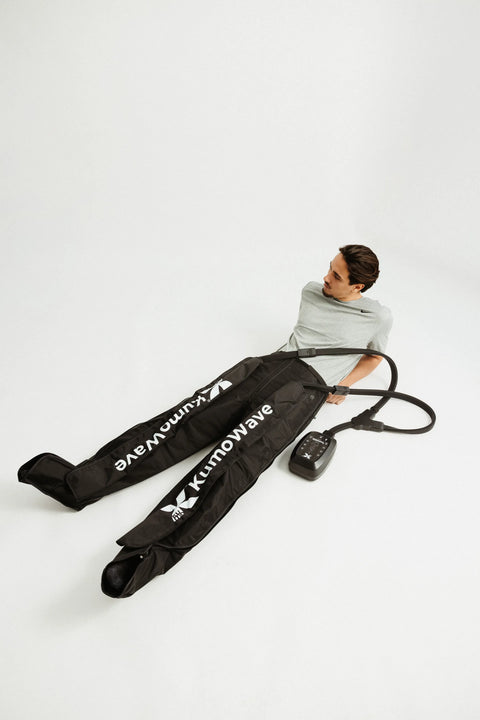
KumoWave Elite – Pressotherapy Pants
Full-coverage trousers. Ideal for lipedema, fluid retention and intensive use.
€799,00 €999,00
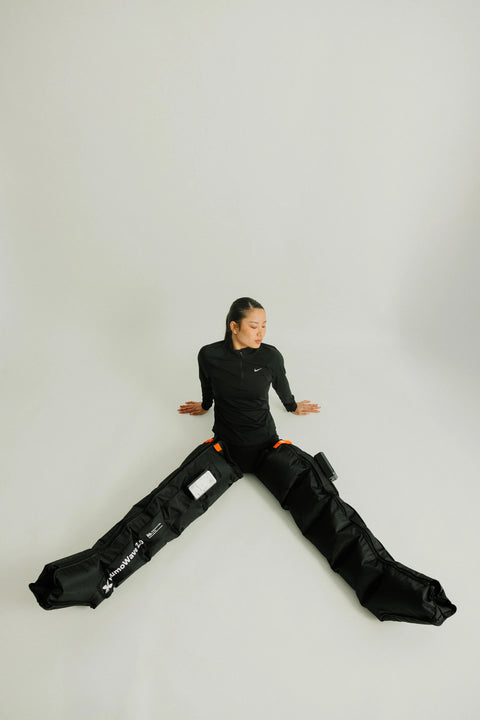
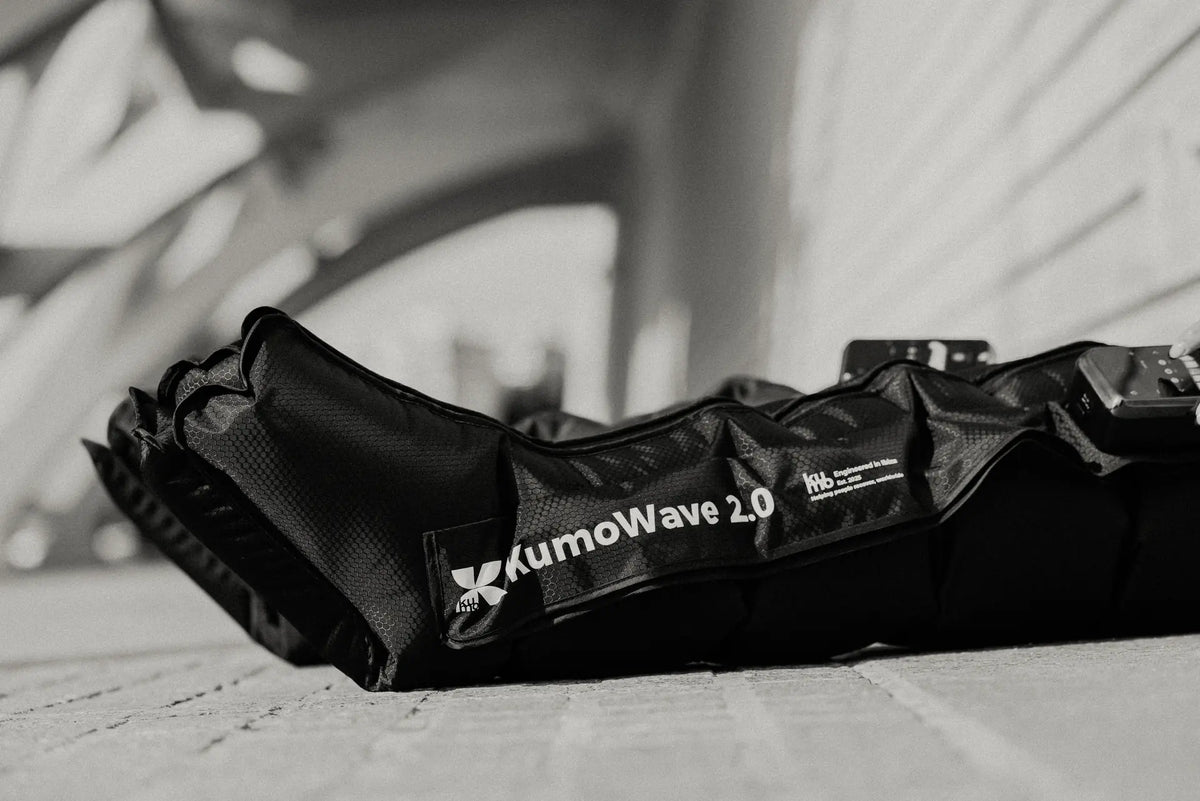
KumoWave 2.0 - Wireless Pressotherapy
Wireless, lightweight boots. Perfect for daily use and recovery.
€499,00 €599,00