
Varicose veins are not a minor detail.
If you have varicose veins (or "spider veins") and are considering using at-home pressotherapy, the key is to combine common sense, clear warning signs, and basic medical criteria. Pressotherapy (intermittent pneumatic compression) can be pleasant for tired legs and for a certain feeling of heaviness, but it does not "cure" varicose veins and, in some cases, may not be advisable. In this guide, I will explain how to use it prudently and when it is best to consult a doctor.
Pressotherapy at home
End the day with light legs
★★★★★ 4,8/5 · rated by verified customers
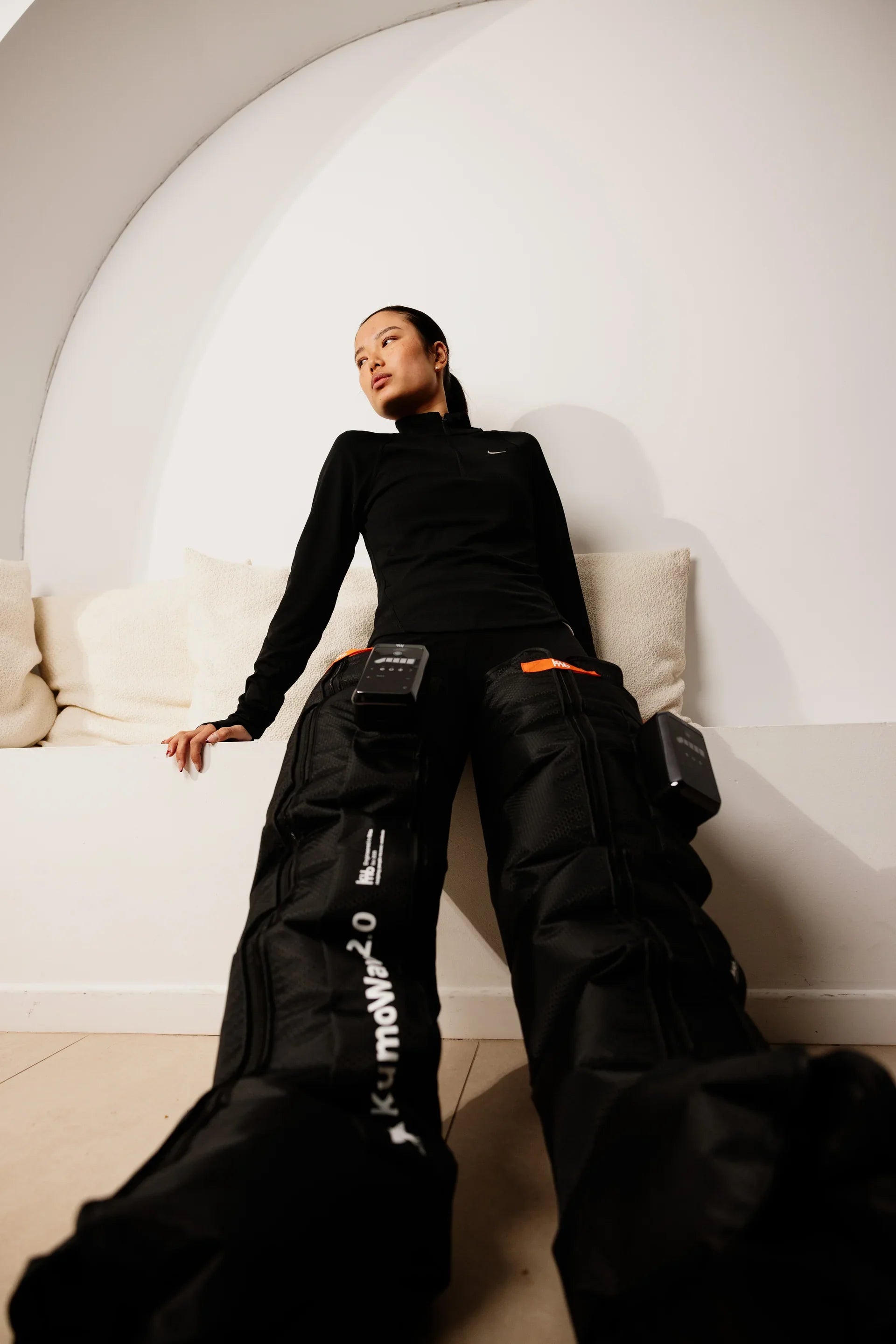
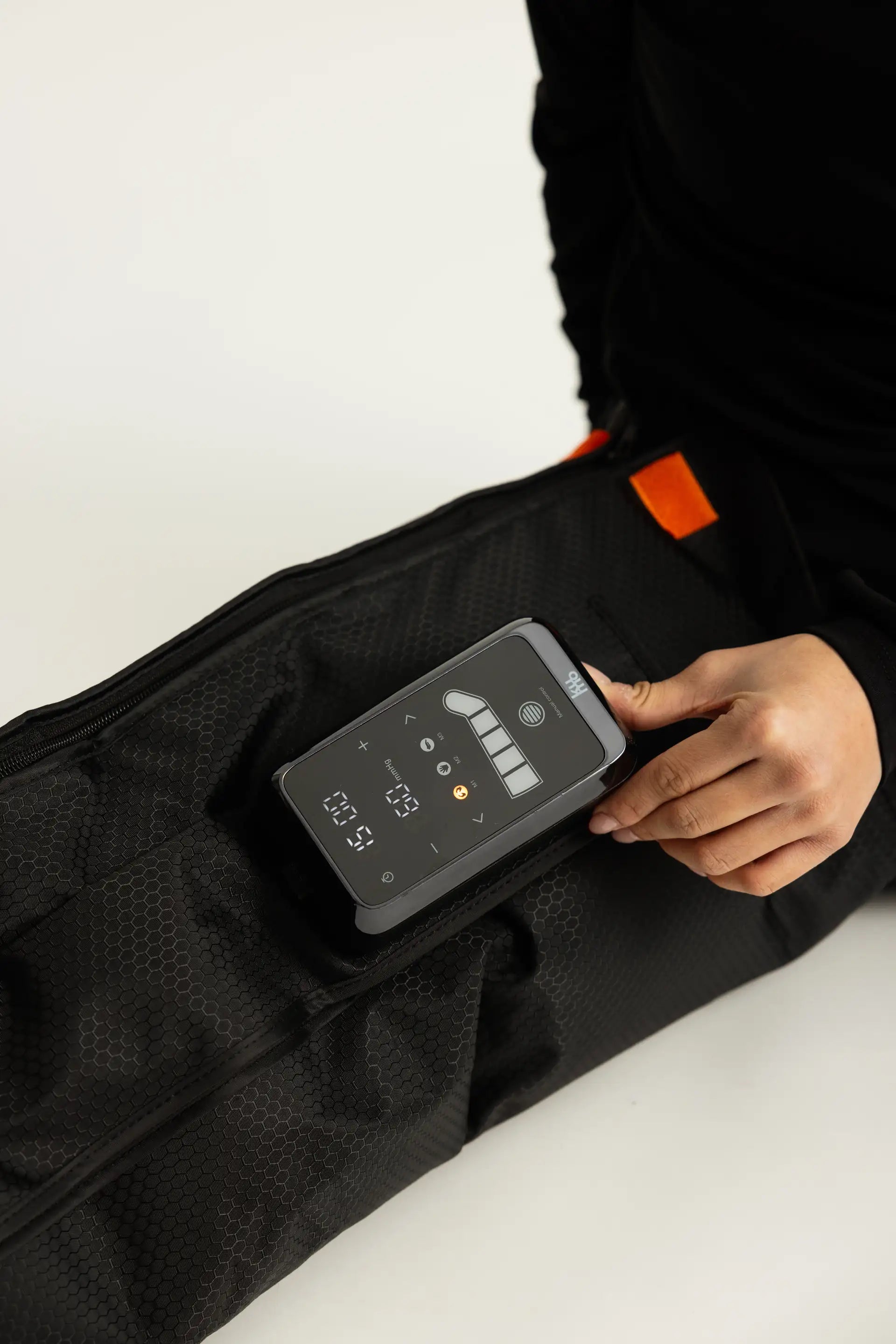
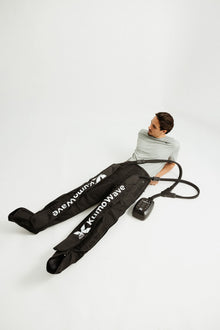
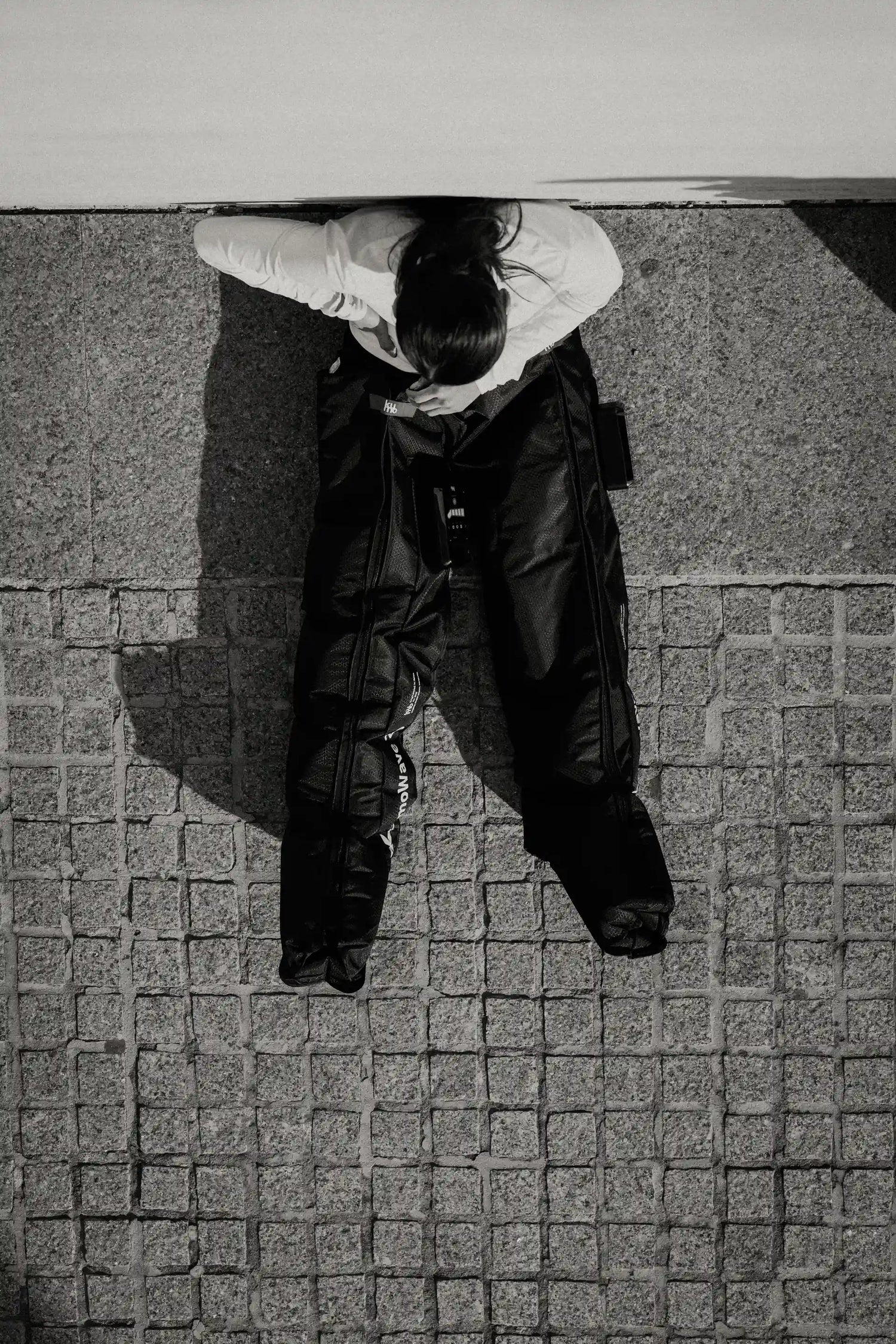
KumoWave pressotherapy boosts circulation and helps drain fluid with sequential compression, in 20-minute sessions at home.
- Boosts circulation and helps drain fluid
- Chamber-based compression, adjustable to you
- Sequential compression that mimics manual drainage
€799,00€999,00
−10% on your 1st order when you subscribe to the newsletter

At Kumo, we design recovery technology to create sustainable habits: from pressotherapy boots to promote circulation, to red/LED light and muscle massage. You can learn more about the brand on Kumo's official website.
Varicose Veins: What They Are and Why They Matter
What Happens in the Vein
Varicose veins appear when the valves in the veins do not close properly, and blood tends to pool, increasing venous pressure and deforming the vein (dilation and tortuosity). This can be accompanied by heaviness, pain, itching, edema (swelling), and skin changes if chronic venous insufficiency exists. (nhsinform.scot)
Personalized protocol · included with your purchase
Want us to tell you how to use it in your case?
With your purchase, our experts prepare a personalized usage protocol for your case: sport, circulation, fluid retention, pregnancy or lipedema.
Message us on WhatsAppOur experts reply · no obligation
Complications to Keep in Mind (Without Alarmism)
Most people do not develop serious problems, but it is worth knowing that varicose veins can be associated with complications such as venous eczema, discoloration, phlebitis/superficial thrombophlebitis, bleeding, or venous ulcers. An NHS decision support document (2023) indicates that between 1 and 5 out of 100 people with varicose veins will develop an ulcer during their lifetime. (england.nhs.uk)
Useful Fact: Prevalence Varies Greatly by Study
Estimates of varicose vein prevalence vary widely between studies, populations, and measurement methods. A report compiled in NCBI (Institute of Health Economics, 2014) shows broad ranges (e.g., from low percentages to high values depending on sex and sample), which reinforces a practical idea: they are common, but management should be individualized. (ncbi.nlm.nih.gov)
What Pressotherapy Is and What It Can (and Cannot) Do If You Have Varicose Veins
Pressotherapy = Intermittent Pneumatic Compression
In healthcare, pressotherapy is associated with intermittent pneumatic compression (IPC) devices: boots or sleeves that inflate in segments to promote venous return and reduce stasis. They are used in clinical settings, for example, in thrombosis prevention in immobile patients and in some scenarios of edema/venous insufficiency under supervision. (my.clevelandclinic.org)
on your first order when you join the newsletter
We send you the code instantly. No spam.
What You Can Expect (Realistic Expectations)
If you have mild to moderate varicose veins, pressotherapy can provide symptomatic relief (a feeling of lightness, rest after standing or sitting for many hours), but it does not eliminate dilated veins or replace vascular evaluation. In clinical guidelines on varicose veins, definitive treatment is usually medical/interventional when indicated; in fact, NICE advises against using compression as a permanent "treatment" for varicose veins unless intervention is not appropriate. (nice.org.uk)
NICE (CG168): “Do not offer compression hosiery to treat varicose veins unless interventional treatment is unsuitable.” (nice.org.uk)
Pressotherapy vs. Compression Stockings: They Are Not the Same
Stockings exert constant graduated compression (more pressure at the ankle and less upwards), while pressotherapy is intermittent and uses chambers. Stockings are prescribed or recommended for conditions of poor venous circulation, varicose veins, or specific situations, but they require correct sizing and compression, and not everyone should use them without medical advice. (nhsinform.scot)
Before Using At-Home Pressotherapy: Basic Precautions (Essential)
1) Rule out “Red Flags” (When NOT to Use It and Consult)
There are situations where pressotherapy is not a good idea without medical evaluation. An IPC technology assessment report (HIQA) lists relevant contraindications such as congestive heart failure, suspected deep vein thrombosis or pulmonary embolism, and some severe limb infections (e.g., cellulitis) or other conditions. If you suspect any of these, prioritize medical attention. (hiqa.ie)
2) Be Careful with Peripheral Artery Disease (PAD): ABI Matters
A common mistake when talking about compression (whether stockings or devices) is to forget about arterial circulation. In people with peripheral artery disease, inappropriate compression can worsen perfusion. Therefore, in clinical contexts, the ankle-brachial index (ABI) is used to guide the safety of compression. The AHA (summary in AAFP) uses ABI ≤ 0.9 as a threshold to confirm PAD, and other guidelines suggest adjustments/precautions with compression when the ABI drops. (aafp.org)
3) If You Have Neuropathy, Fragile Skin, or Diabetes: Extra Caution
Beyond varicose veins, some profiles benefit from professional review before using compression due to the risk of skin injury or reduced sensitivity (e.g., neuropathy), or associated vascular problems. Recent medical outreach reminds us that people with PAD, diabetes with neuropathy, or very reduced blood flow should avoid or, at a minimum, consult before using compression. (time.com)
Practical Table: Warning Signs and What to Do
| Sign | Why it Matters | What to Do Before Using Pressotherapy |
|---|---|---|
| Sudden swelling of one leg, pain, warmth, redness | Could suggest thrombosis (not always, but it's a red flag) | Do not use. Urgent consultation/medical evaluation |
| Shortness of breath, chest pain, dizziness (with or without leg pain) | Emergency: possible pulmonary embolism or other serious cause | Do not use. Urgent medical attention |
| Very cold foot, resting pain, non-healing wounds | There may be an arterial problem (PAD) | Do not use intense compression; seek evaluation (ABI) |
| Cellulitis, active infection, very irritated or oozing skin | Compression can worsen pain/injury or spread infection | Do not use until clinical control |
| Pain that increases during the session, numbness or tingling | Sign of excessive pressure or poor tolerance | Stop, reduce intensity, check adjustment; if it persists, consult |
How to Use At-Home Pressotherapy If You Have Varicose Veins (Step-by-Step and Wisely)
Golden Rule: Less Is More at First
With varicose veins, the goal at home is usually comfort and recovery, not "squeezing hard." Start with the lowest intensity and short sessions, observing your body's response (sensation, skin, pain, swelling). If your device allows adjusting chambers or programs, prioritize gentle and progressive sequences. The idea is to finish the session with lighter legs, not with discomfort.
Quick Checklist Before Each Session
- Skin: no active infection, no significant open wounds (if present, consult a doctor).
- Sensation: no new intense pain, persistent tingling, or numbness.
- Symmetry: if one leg is much more swollen than the other and it's new, do not use pressotherapy.
- Time of day: many people tolerate it better after walking a bit and drinking water.
- After: plan 2–5 minutes of gentle walking to "seal" venous return.
During the Session: Signs That You Should Adjust or Stop
- Sharp pain over a specific varicose vein.
- Sensation of a "tourniquet," especially behind the knee or in the ankle.
- Noticeable change in color (marked pallor, cyanosis) or coldness of the foot.
- Tingling or loss of sensation.
After the Session: What Does Help
Simple measures are supported by self-care recommendations for venous symptoms: walking and elevating the legs can relieve the accumulated feeling of the day, even if it does not eliminate varicose veins. (england.nhs.uk)
What Habits Enhance Results (Without Promising Miracles)
Movement and "Calf Pump"
Calf contraction when walking acts as a "pump" that promotes venous return. If your day is sedentary, pressotherapy may feel good, but it does not replace the minimum dose of movement. Think of it as a complement to basic habits.
Manage Heat and Prolonged Pressure
Many people notice more venous heaviness with heat, very hot baths, or standing still for hours. If you are going to use pressotherapy, it is reasonable to avoid long sessions after intense heat exposure and prioritize a cool, comfortable environment.
Integral Recovery with Kumo (Without Confusing Objectives)
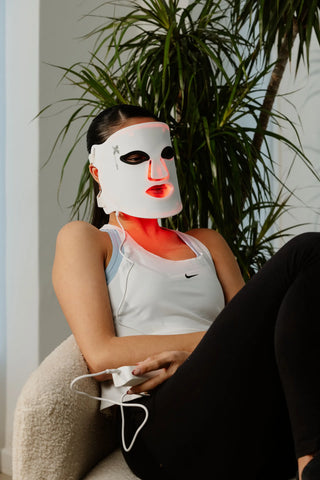
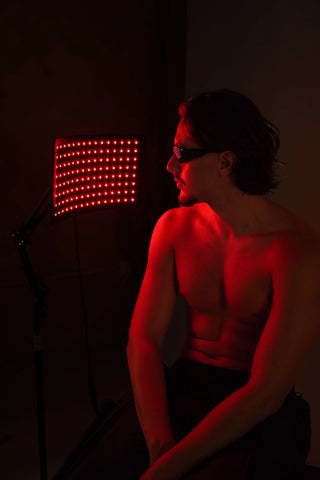
If, in addition to circulation, you are interested in a complete recovery routine, you can combine wellness tools sensibly: for example, red/LED light for skin routine or rest, and muscle massage to relieve tension, without presenting these technologies as varicose vein treatment. From Kumo, you can explore the pressotherapy collection, LED light therapy, or the KumoPulse Air massage gun for muscle recovery.
When Is a Professional Evaluation Worthwhile (and What to Ask)
Consult a healthcare professional (family doctor, specialized nurse, angiology/vascular surgery) if you have:
- Persistent pain, significant edema, or progressive worsening.
- Skin changes (brown pigmentation, eczema), bleeding, or wounds/ulcers.
- History of thrombosis or suspected PAD (arterial symptoms, risk factors).
NICE recommends clear criteria for referral and management of varicose veins and emphasizes that compression should not be the permanent "solution" when appropriate interventional options are available. (nice.org.uk)
If you need guidance on using devices in your recovery routine (without replacing medical advice), you can write to the team from Kumo's contact page.
FAQ: Pressotherapy, Varicose Veins, and Kumo
Does Kumo pressotherapy eliminate varicose veins?
No. Pressotherapy can provide well-being and help some people feel less "heavy" after a long day, but it does not eliminate dilated veins or correct venous reflux on its own. In clinical guidelines, when varicose veins are symptomatic or complicated, the approach may include ultrasound evaluation and medical/interventional treatments; in fact, NICE indicates that compression should not be offered as a treatment for varicose veins unless interventional treatment is not appropriate. (nice.org.uk)
If I have spider veins, can I use Kumo pressotherapy boots at home?
In general, spider veins (telangiectasias) are usually a more superficial condition than large varicose veins, and many people tolerate gentle recovery routines well. However, the same caution applies: start with low intensity, avoid pain, and observe your skin. If you have new unilateral swelling, severe pain, local warmth, or noticeable color changes, do not use pressotherapy and seek evaluation. And if you suspect peripheral artery disease, an ABI measurement helps determine compression safety. (aafp.org)
What should I do if a varicose vein feels more painful or "hard" after a session?
Stop pressotherapy and do not "compensate" by increasing pressure. A painful, hardened varicose vein could indicate local irritation or other processes (e.g., superficial phlebitis) and requires clinical judgment if it persists or worsens. If there is also marked redness, warmth, significant swelling, or pain when walking, consult with priority. In case of signs compatible with deep vein thrombosis (sudden swelling of one leg, severe pain), avoid compression without indication and seek medical attention. (hiqa.ie)
Is pressotherapy safe if I have poor arterial circulation (PAD)?
It depends on the degree. In therapeutic compression, the ankle-brachial index (ABI) is used as a reference to estimate arterial perfusion before applying significant compression. A low ABI suggests PAD and requires adjusting or even avoiding certain compressions. Clinical guidelines on compression indicate precautions when the ABI is below certain thresholds (e.g., avoid high compression if it is <0.8 and exercise extreme caution if there is mixed disease). If you have arterial symptoms (cold foot, resting pain, non-healing wounds), consult before using pressotherapy. (journals.lww.com)
Can I combine pressotherapy with Kumo muscle massage or LED light?
Yes, as a recovery routine (not as varicose vein treatment), many people combine tools: gentle pressotherapy for leg rest, muscle massage to relieve calves/quads (avoiding direct pressure on painful varicose veins) and LED/red light as part of well-being. The key is the order and tolerance: always prioritize not causing pain, stay hydrated, and keep sessions reasonable. If there are signs of inflammation, infection, thrombosis, or clear worsening of venous symptoms, pause the routine and consult a doctor. (hiqa.ie)
What Now?
If your goal is to care for your legs at home with a prudent approach, you can explore Kumo's pressotherapy boots as a complement to basic habits (movement, elevation, and rest). And if you are looking for more complete recovery, you also have options like LED light or muscle massage. For questions about your usage routine, contact the Kumo team via Kumo's contact page.
KumoWave pressotherapy
Choose your at-home pressotherapy
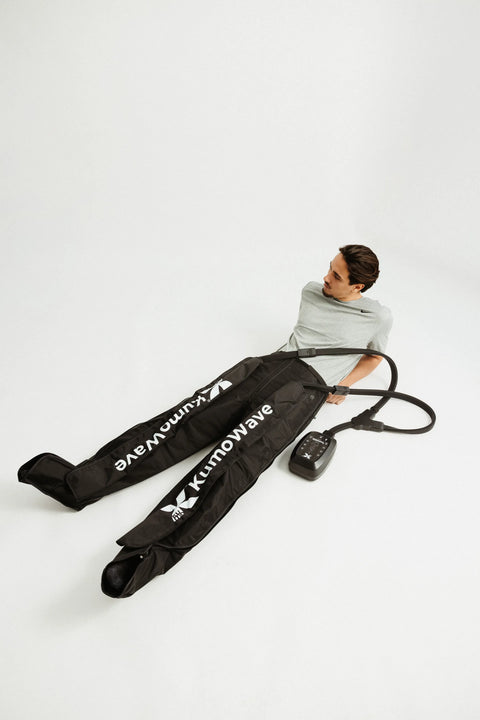
KumoWave Elite – Pressotherapy Pants
Full-coverage trousers. Ideal for lipedema, fluid retention and intensive use.
€799,00 €999,00
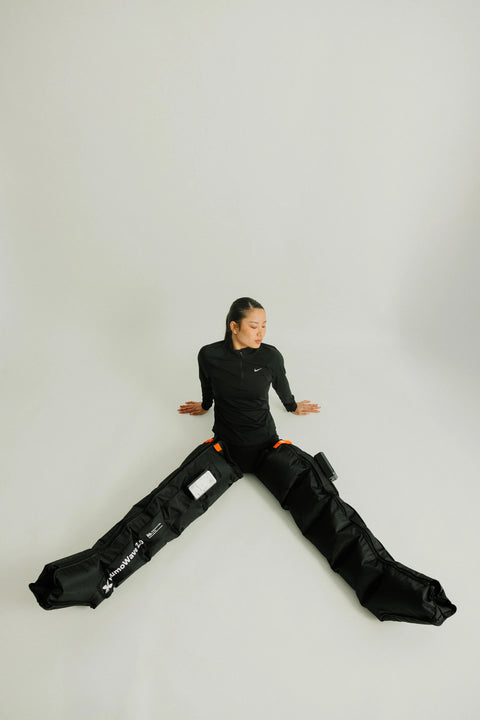
KumoWave 2.0 - Wireless Pressotherapy
Wireless, lightweight boots. Perfect for daily use and recovery.
€499,00 €599,00