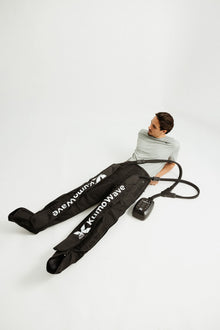

Sequential compression feels like a wave moving through your legs.
Simply put, it's a pressure therapy technology (also called intermittent pneumatic compression) that uses air chambers within boots or sleeves to apply pressure progressively (usually from the foot upwards) and then release that pressure in cycles. The goal is to promote venous return and drainage, helping to relieve the sensation of heavy legs and improve recovery. If you've come here to understand "what it is" and "what it feels like," this guide gets straight to the point, with real examples and sensible usage criteria.
Pressotherapy at home
End the day with light legs
★★★★★ 4,8/5 · rated by verified customers
KumoWave pressotherapy boosts circulation and helps drain fluid with sequential compression, in 20-minute sessions at home.
- Boosts circulation and helps drain fluid
- Chamber-based compression, adjustable to you
- Sequential compression that mimics manual drainage
€799,00€999,00
−10% on your 1st order when you subscribe to the newsletter

At Kumo, we approach recovery as a habit: technology, clarity, and consistency (without overcomplicating it). (kumobalance.com)
What is sequential compression (and why it's not "just pressure")
The principle: air, chambers, and a "wave" from distal to proximal
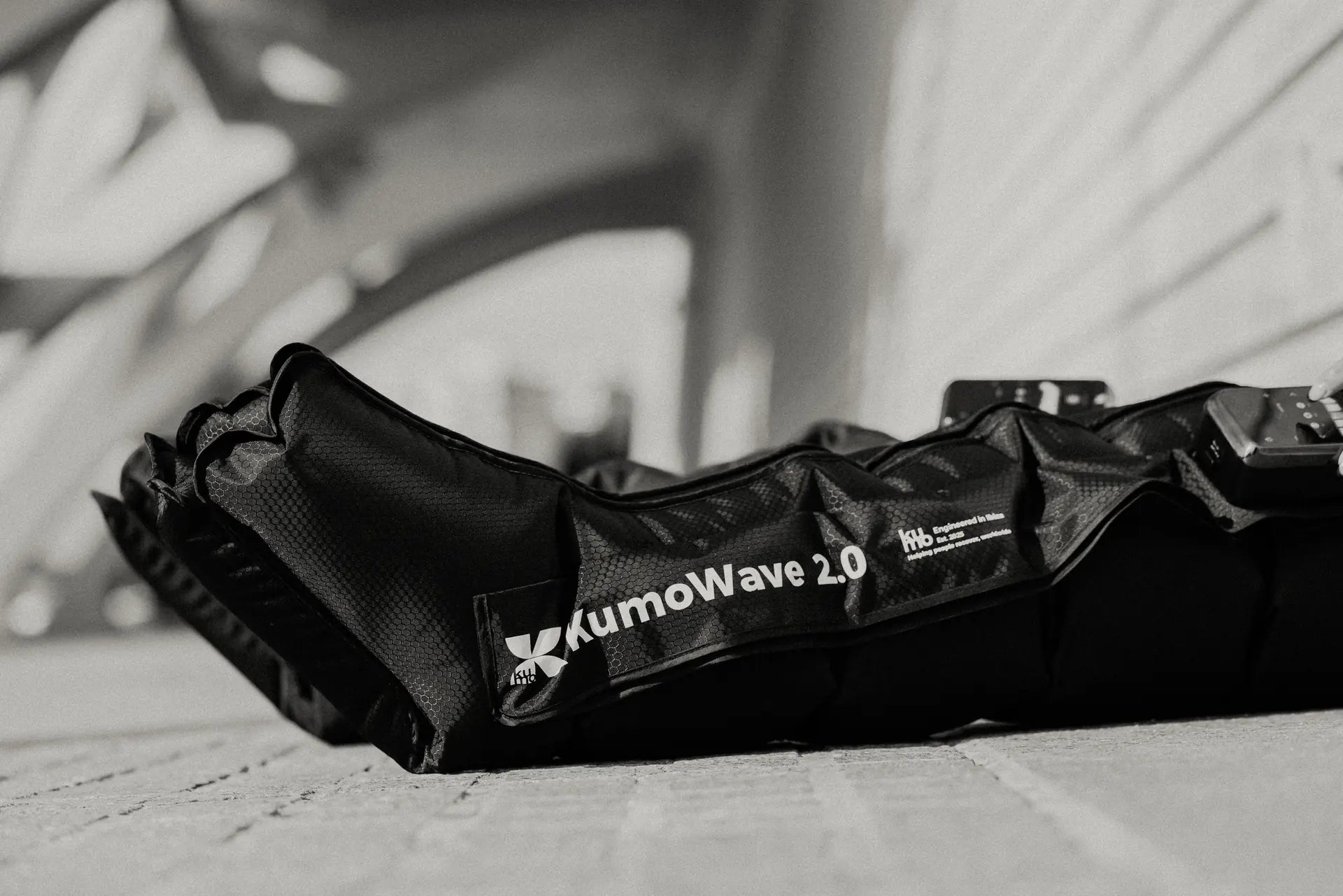
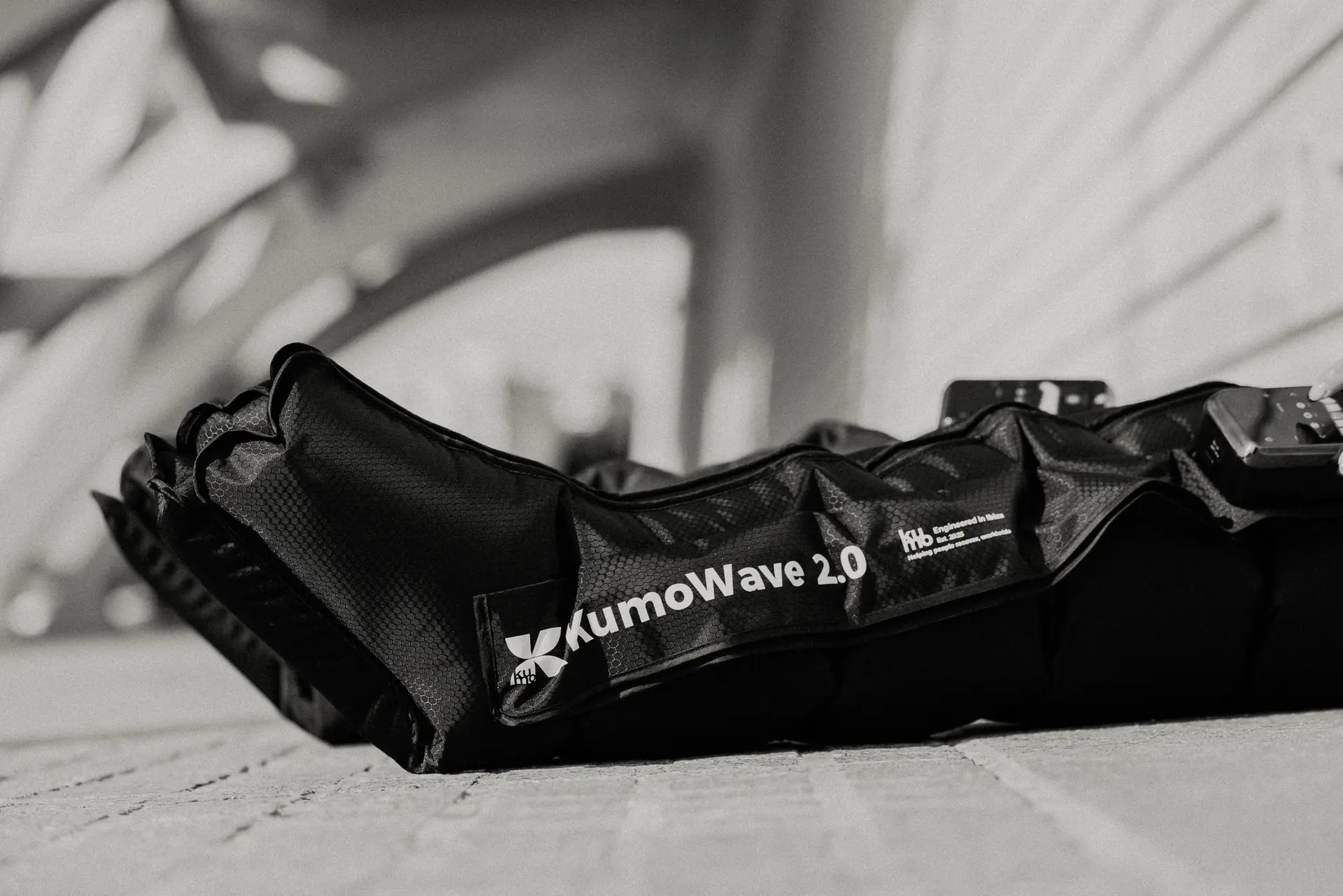
Sequential compression works with a compressor that inflates and deflates independent chambers within the boot. In a typical cycle, pressure is applied segmentally (foot → ankle → calf → thigh, depending on the system) to create an "upward push" effect; then, the system releases the pressure and repeats.
Personalized protocol · included with your purchase
Want us to tell you how to use it in your case?
With your purchase, our experts prepare a personalized usage protocol for your case: sport, circulation, fluid retention, pregnancy or lipedema.
Message us on WhatsAppOur experts reply · no obligation
In technical documentation for sequential compression devices (e.g., public FDA records), this pattern is precisely described: inflation in sequence from the foot to the knee until the intended level is reached, and then deflation to restart the cycle. (accessdata.fda.gov)
Sequential compression vs. static compression vs. manual massage
- Sequential compression (dynamic): pressure that "travels" through chambers, with inflation and release cycles.
- Static compression (stockings/wraps): constant pressure (no cycle), useful in specific contexts but with a different sensation.
- Manual massage/percussion: local mechanical stimulus (very effective for tension points), but does not exactly reproduce the "chambered" pattern of a compression boot.
What a sequential compression session feels like
Typical sensations (what most people usually feel)
The experience is often described as a firm hug that moves up the leg. Sensually, the most common feelings are:
- Progressive pressure: first in the foot/ankle, then moving up in segments.
- Cyclical rhythm: phases of "squeeze" and "release."
- Light warmth or a feeling of "livelier legs" afterwards (especially after standing or sitting for long periods).
- General relaxation: being still for 15–30 minutes, with slower breathing.
What's normal and what's not (a simple rule)
Normal: firm but tolerable pressure, no pain, no numbness. Not normal: sharp pain, numbness, intense tingling, marked color change, or a sensation that circulation is being "cut off."
on your first order when you join the newsletter
We send you the code instantly. No spam.
Practical rule: if you have to "endure" the session, the intensity is too high for that day. Lower a level or change the program.
Quick table: common sensations and how to interpret them
| Sensation | What it usually means | Recommended adjustment/action |
|---|---|---|
| Gentle "wave" moving up the leg | Sequence well perceived, comfortable compression | Maintain the program; focus on breathing and posture |
| Very strong pressure in the foot/ankle | Too intense start or too tight placement | Lower intensity, reposition the boot without creases |
| Tingling or numbness | Possible excessive pressure or nerve sensitivity | Stop session, check size/placement; if it repeats, consult a professional |
| Discomfort in a specific area | Crease, seam, or chamber pressing "on a point" | Adjust position, avoid wrinkles, try another program |
| Feeling "light" legs afterward | Good tolerance; typical post-session feeling | Perfect for recovery routine or end of the day |
What it's used for: from hospital to daily recovery
Clinical use: thrombosis prevention (summary with data)
In medicine, intermittent pneumatic compression has been used for decades as a mechanical method to help prevent thromboembolic events (especially in situations of immobility: surgery, trauma, hospitalization). The important thing here is to understand that there is evidence, but it depends on the context and the type of combined intervention.
In a Cochrane update (2022) available in PubMed Central, when comparing IPC + pharmacological prophylaxis versus pharmacological prophylaxis alone, a reduction in the incidence of DVT was observed across all studies (e.g., 2.73% vs 9.11%; OR 0.31 in the reported meta-analysis). (pmc.ncbi.nlm.nih.gov)
If you want to delve into the full analysis, you can consult the text in PMC: Combined intermittent pneumatic leg compression and pharmacological prophylaxis for prevention of venous thromboembolism (Cochrane, 2022).
Edema and drainage: why "time" matters (not just pressure)
In studies on lymphedema and fluid dynamics, it is noted that the effectiveness of the sequential pattern depends on how much pressure actually reaches the tissue and how long it is maintained to mobilize fluids. A publication in PMC mentions a reference threshold of 30 mmHg as a "border value" for tissue fluid mobilization in its experimental context. (pmc.ncbi.nlm.nih.gov)
Source (open access): Pressures and Timing of Intermittent Pneumatic Compression Devices… (Lymphatic Research and Biology).
Sport and "heavy legs": what it can offer (and what it doesn't promise)
In sports recovery, compression boots have become popular due to their immediate sensation of relief after training or a long day. Scientifically, the evidence is mixed: some protocols show improvements in certain markers or perceptions, while others find no clear differences.
For example, in a randomized trial (published in PMC, 2021) comparing IPC vs other interventions after eccentric exercise, the authors reported that they found no effect of IPC on voluntary strength and results related to DOMS in their sample. This does not invalidate its use as a comfort or routine tool, but it helps set realistic expectations. (pmc.ncbi.nlm.nih.gov)
If you are interested in a specific reading on submaximal exercise, a study (2019) observed differences in lactate in a specific protocol with boots, without relevant changes in heart rate; this is a good example of why "what for" and "how" matter as much as the technology. (digitalcommons.wku.edu)
Parameters that change the experience (without overcomplicating things)
Pressure (mmHg): how to interpret it and why not to aim for "the maximum"
Pressure is usually expressed in mmHg (the same unit as arterial blood pressure). In practice, stronger isn't always better: very high pressure can reduce comfort, increase the sensation of tingling, or make you lose consistency (and without consistency, there's no habit).
As a technical reference, public device documentation describes operating modes with adjustable ranges (e.g., 20–80 mmHg in certain models) and sequential inflation/deflation cycles. This is not a universal "recipe," but it gives you an idea of typical orders of magnitude in the market. (accessdata.fda.gov)
Useful data for understanding variability: in a 2025 meta-analysis (lymphedema related to breast cancer), a sub-analysis associated better volume outcomes when the pressure used was ≤ 40 mmHg (along with other factors such as treatment duration). This is an example of why it is advisable to prioritize tolerance and objective, not ego of intensity. (pubmed.ncbi.nlm.nih.gov)
Number of chambers: continuity and "smoothness" of the massage
The more chambers, the more "continuous" the pressure advance usually feels. At Kumo, for example, there are solutions with several chambers (such as 6 or 8-chamber systems in the KumoWave range) designed for more segmented compression. (kumobalance.com)
Programs, times, and posture: the 80/20 of the experience
- Posture: lying down or semi-reclined usually feels better than sitting with the knee highly flexed.
- Duration: better 15–30 consistent minutes than 45 minutes "in spurts" with discomfort.
- Timing: after light/moderate training, after long trips, or at the end of the day if you feel heaviness.
- Breathing: if you breathe slower, the session "slows down" the entire system.
Safety and contraindications: when to avoid it or seek advice
Common contraindications (and why they are mentioned so often)
Sequential compression is a widely used tool, but it's not for everyone at all times. Some clinical/educational documents (e.g., NHS hospital information sheets) list contraindications or precautions such as acute cellulitis/skin infection, uncontrolled severe heart/kidney/liver failure, ischemic vascular disease, severe peripheral neuropathy, pulmonary edema, and open wounds. (wsh.nhs.uk)
Example source: Intermittent pneumatic compression (IPC) – NHS (PDF).
Warning signs to stop the session
- Acute pain, intense cramps, or a "stabbing" sensation.
- Numbness that doesn't disappear when intensity is lowered.
- Extreme color changes (very pale or very bluish) or marked coldness in the foot.
- Sudden worsening of swelling, local heat, or unilateral pain (consult a professional).
Good practices for safe home use
- Start gently and only increase if your body asks for it (not if your ego asks for it).
- Avoid creases in the boot: creases turn uniform pressure into an uncomfortable "point."
- Hydrate and finish with a few minutes of gentle walking if you feel like it (sensation of lightness).
- Do not use the session to "numb" serious pain: if there's an injury, diagnosis dictates.
Sequential compression in the Kumo ecosystem
KumoWave: pressure therapy with sequential compression for home
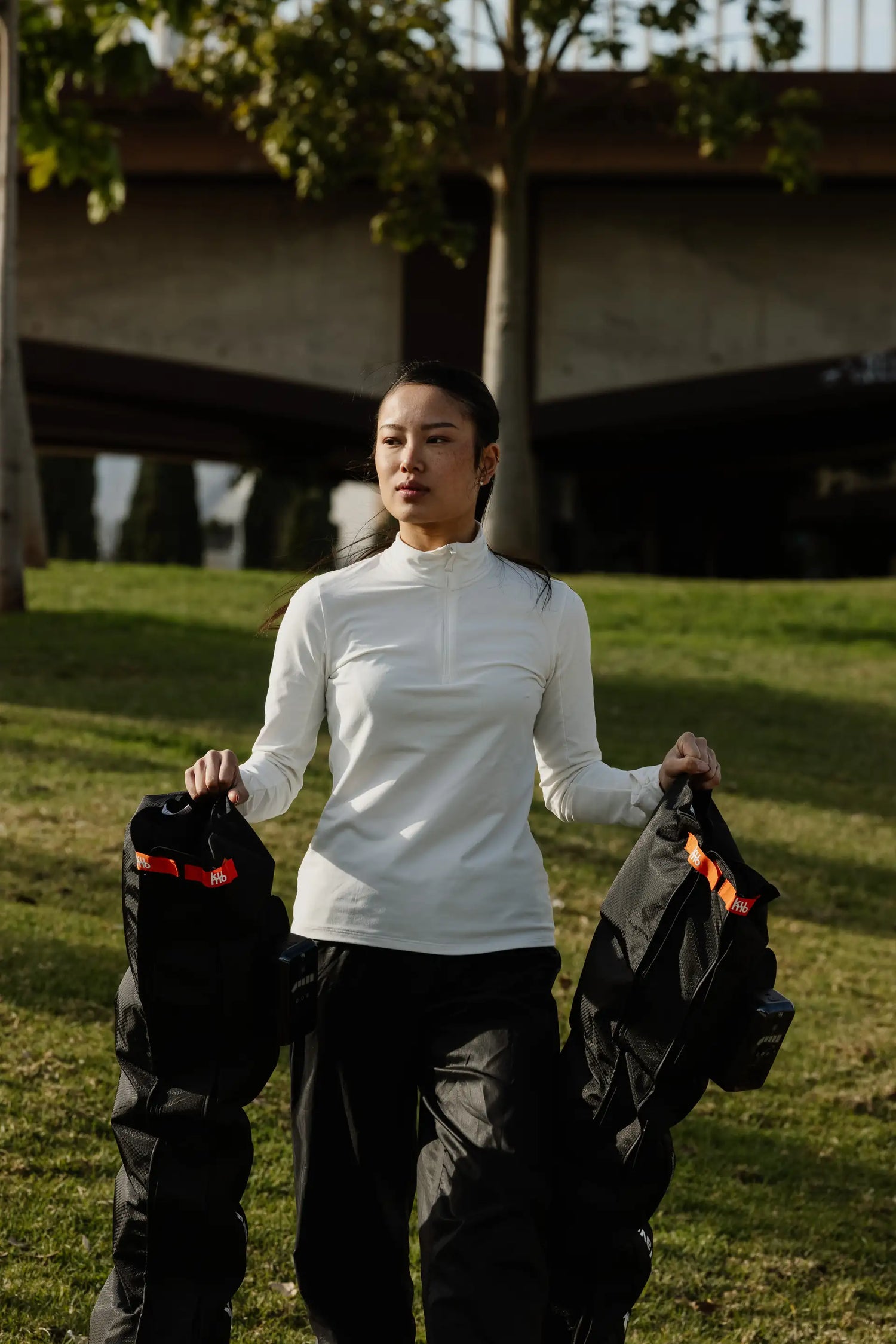
Within the Kumo recovery experience, pressure therapy is embodied in the KumoWave range: systems with several chambers (e.g., 6 or 8-chamber models) designed to work on the sensation of progressive compression, with a focus on muscle recovery and drainage according to the product description. (kumobalance.com)
If you want to see the complete collection, you can find it here: KumoWave pressure therapy collection.
How to combine it with other recovery technologies (without overwhelming yourself)
A simple routine usually works better than an "all at once" approach. Two typical combinations:
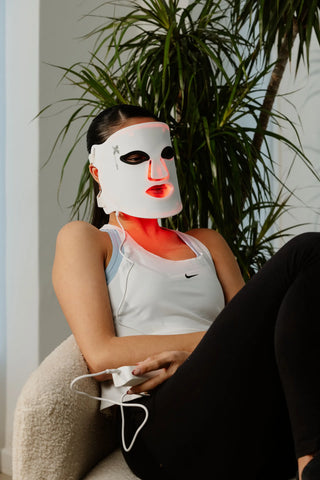
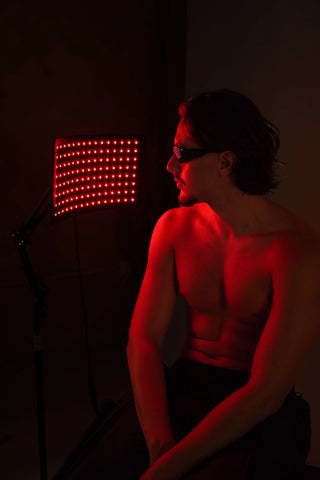
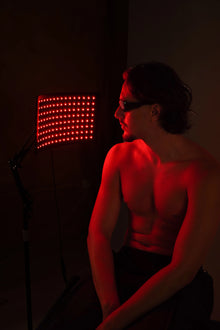
- Pressure therapy + red/infrared light: if your goal is to reduce tension and promote rest, you can alternate sessions on different days or at different times of the day. Kumo has a line of LED therapy (red and infrared light) with wavelengths indicated on their collection page (660 nm and 850 nm). (kumobalance.com)
- Pressure therapy + targeted massage: use boots for an overall feeling of relief and a massage gun for specific points (calves, soleus, gluteus medius, etc.). If you are looking for a compact format, you can check out KumoPulse Air. (kumobalance.com)
Frequently asked questions about sequential compression and Kumo
Is KumoWave pressure therapy the same as a hospital-grade sequential compression medical device?
They share the same principle: chambers that inflate and deflate in sequence to create a "wavelike" compression. The difference usually lies in the purpose of use (wellness/recovery vs. clinical prophylaxis), the protocols, and the context (healthcare supervision vs. home routine). If you have a medical condition (risk of thrombosis, vascular disease, heart failure, skin infection), it is prudent to seek professional guidance before using any pneumatic compression system, regardless of the brand.
How should a Kumo sequential compression boot session feel if it's properly adjusted?
The ideal is a firm, pleasant pressure, with a sensation of moving from the foot upwards, without pain or numbness. It should feel like a deep, segmented massage, not a "tourniquet." If you notice tingling, numbness, or very localized pressure points, it usually indicates that the intensity is too high for that day or that the boot has creases. A good sign is to finish with a feeling of lightness and general relaxation, like when you finally relieve your legs after a long day.
How often can I use Kumo sequential compression for heavy legs or post-workout fatigue?
For wellness, many people integrate it as a habit (for example, after demanding workouts or at night), but the ideal frequency depends on your tolerance, your activity level, and your goal (relief, relaxation, routine). Prioritize consistency and comfort: moderate, sustainable sessions that don't leave you with strange sensitivity. If you are in a clinical context (post-operative, significant edema, suspected thrombosis), the regimen should be individualized by a healthcare professional.
What pressure should I choose so that sequential compression feels "good" and not aggressive?
As a practical criterion, start at low/medium levels until your body "learns" the sensation. The pressure should be enough to perceive the wave, but without causing pain, numbness, or the need to endure. Keep in mind that studies and devices describe very different ranges depending on the objective and design; even in research, better associations with moderate pressures are observed in certain contexts. Your best guide, at home, is tolerance: if you feel like repeating it the next day, you're on the right track.
Can I combine KumoWave pressure therapy with LED therapy or massage on the same day?
Yes, if you do it with a logical load: a global tool (boots) and a more localized one (massage) usually complement each other well. Red/infrared light, when used as a routine, can fit into recovery days or in the late afternoon/evening if you're looking for a moment of calm. The key is not to turn recovery into "another chore": choose 1–2 tools per day, keep sessions short, and observe how you feel (sleep, legs, muscle tension) for a week before adding more.
What now?
If you want to move from understanding sequential compression to feeling it in a realistic routine, explore KumoWave pressure therapy and combine it (when it makes sense) with LED therapy or with a targeted massage using KumoPulse Air. And if you need guidance on what best suits your case, you can write to us here: Kumo contact.
KumoWave pressotherapy
Choose your at-home pressotherapy
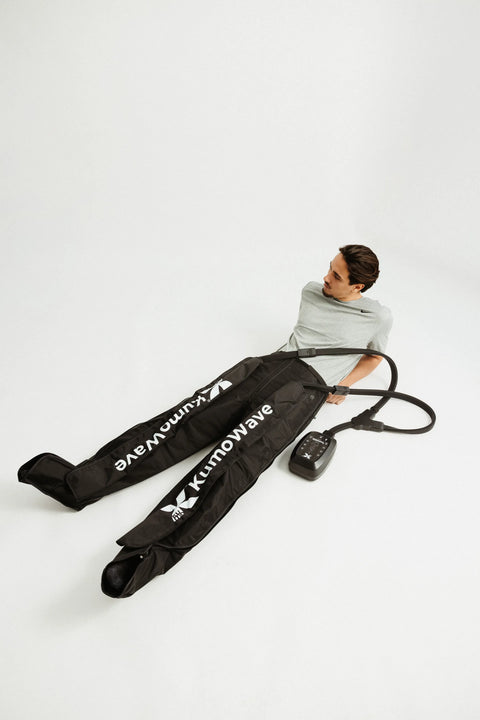
KumoWave Elite – Pressotherapy Pants
Full-coverage trousers. Ideal for lipedema, fluid retention and intensive use.
€799,00 €999,00
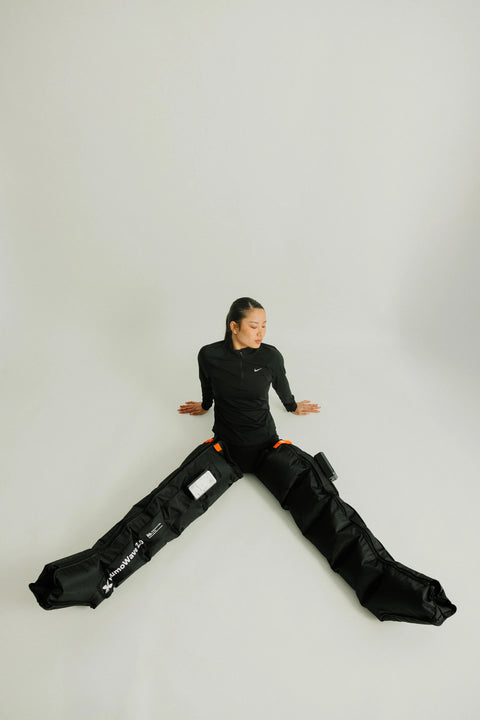
KumoWave 2.0 - Wireless Pressotherapy
Wireless, lightweight boots. Perfect for daily use and recovery.
€499,00 €599,00