

Lipedema surgery can indeed change daily life.
When compression, exercise, and other care are no longer enough, specialized liposuction is considered to reduce pain, heaviness, and functional limitation. The most recent guidelines emphasize that diagnosis is clinical and that surgical indication depends primarily on symptoms and response to conservative treatment, not just on the appearance of the legs.
Pressotherapy at home
End the day with light legs
★★★★★ 4,8/5 · rated by verified customers
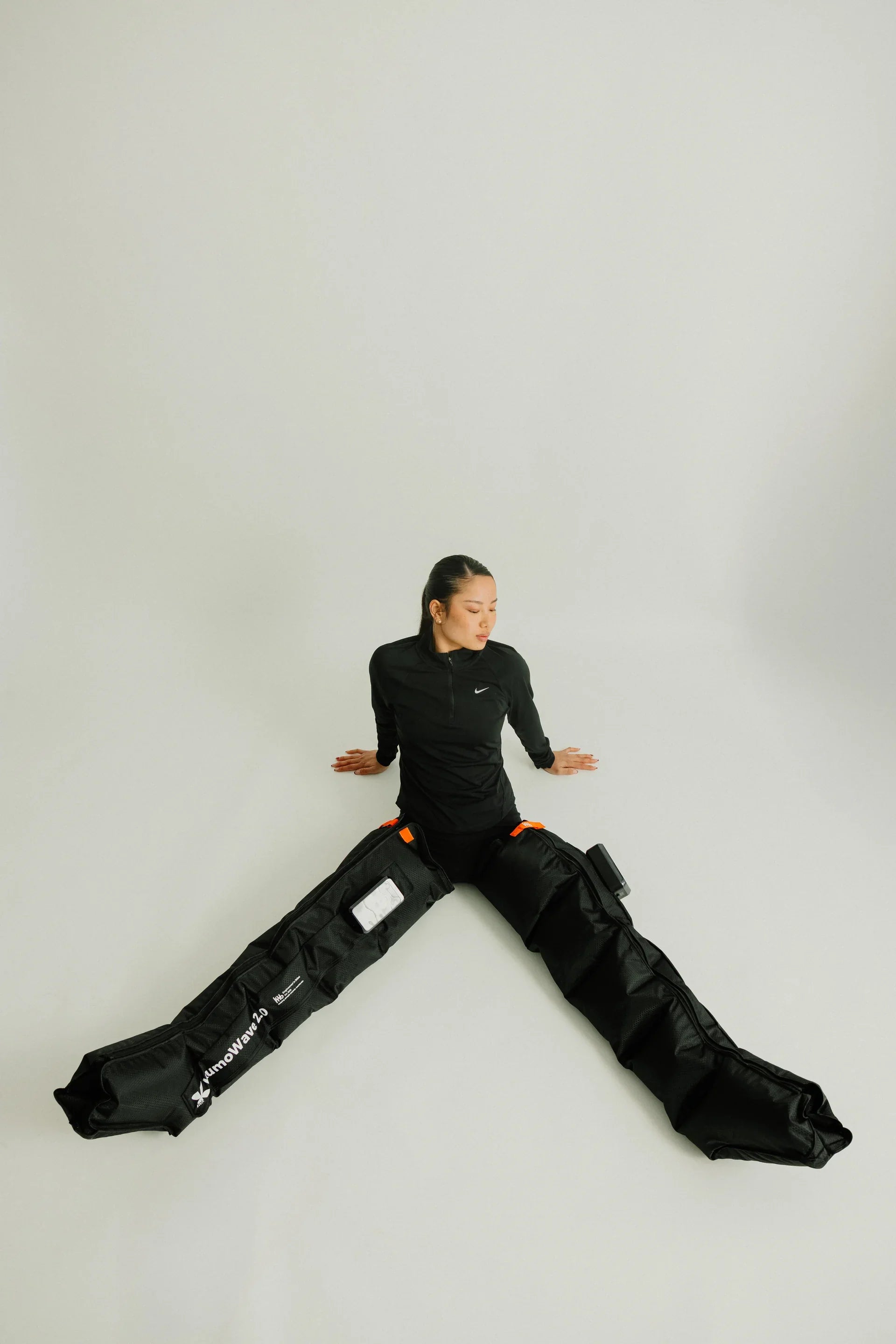
KumoWave pressotherapy boosts circulation and helps drain fluid with sequential compression, in 20-minute sessions at home.
- Boosts circulation and helps drain fluid
- Chamber-based compression, adjustable to you
- Sequential compression that mimics manual drainage
€799,00€999,00
−10% on your 1st order when you subscribe to the newsletter

When is lipedema surgery considered?
The German S2k guideline from 2024 makes it clear that lipedema is diagnosed clinically and that blood tests or ultrasound are used to rule out other causes, not to confirm the disease. It also states that liposuction is the surgical method of choice for a lasting reduction of affected tissue when there is resistant pain, limited mobility, or orthopedic or dermatological sequelae.
- Persistent pain despite well-executed conservative treatment.
- Functional limitation, difficulty walking, or tolerating normal physical activity.
- Orthopedic or dermatological sequelae that worsen quality of life.
- Mixed edema or need for prior decompression when the team deems it useful.
- Marked body disproportion where body mass index alone does not explain the condition.
In other words: surgery is evaluated based on the actual symptom burden, progression, and each patient's context. The guideline also warns that the stage alone should not determine the indication, because symptom severity does not always match morphological classification.
Personalized protocol · included with your purchase
Want us to tell you how to use it in your case?
With your purchase, our experts prepare a personalized usage protocol for your case: sport, circulation, fluid retention, pregnancy or lipedema.
Message us on WhatsAppOur experts reply · no obligation
If you want to place surgery within the entire therapeutic journey, the article on lipedema treatment and its real options summarizes well why the decision is not made in isolation.
And if you're still not sure whether your symptoms fit this condition, the article on how to recognize lipedema in time can help you put the pieces together.
WAL and Tumescent Technique: How They Work
The 2022 CADTH update on liposuction for lipedema describes tumescent as a well-established technique, and Endotext explains that WAL uses a jet of saline or Klein's solution to release fat before aspirating it. A 2024 comparative review of WAL, PAL, and tumescent emphasizes that these techniques are common, but direct comparison between them is still limited.
on your first order when you join the newsletter
We send you the code instantly. No spam.
Practical Differences Between WAL and Tumescent
| Technique | How it works | Typical benefits | Important nuance |
|---|---|---|---|
| Tumescent | Klein's solution is infiltrated to separate tissue, reduce pain and bleeding before aspiration. | It is the most established option in guidelines and reviews. | Its success depends on careful technique and often phased execution. |
| WAL | A jet of saline or Klein's solution releases fat for smoother aspiration. | Can facilitate extraction in certain cases and does not require waiting for tumescence. | Direct comparison with tumescent remains inconclusive. (ncbi.nlm.nih.gov) |
| In common | Both aim to preserve lymphatic vessels and minimize tissue trauma. | The most common clinical improvements are less pain, less edema, and improved mobility. | They do not replace follow-up or guarantee identical results for everyone. |
The most important point is not just the type of cannula, but the lymph-friendly approach: careful extraction, in expert hands, with zonal planning and subsequent follow-up. Recent literature insists that clinical benefit depends much more on patient selection and team experience than on an isolated technical promise.
Key idea: liposuction is considered the surgical option with the best support when lipedema truly limits daily life and does not respond well to conservative treatment.
Expected Results: What Improves and What Doesn't
What studies best document is an improvement in spontaneous pain, pressure sensitivity, edema, bruising, mobility, and quality of life. A recent systematic review noted that tumescent liposuction offers the strongest evidence for sustained symptom relief, while long-term follow-ups show that this benefit can be maintained for years. (pubmed.ncbi.nlm.nih.gov)
In practice, changes are often noticed sooner in the sensation of heaviness and tolerance to movement than in the final contour. In the 8-year follow-up of liposuction in lipedema, improvements in pain, edema, bruising, and limitation of movement were maintained; furthermore, a 2024 series found significant improvement in all items of a specific scale after an average of 25.3 months. This allows a reasonable inference: the result is progressive and is better evaluated in the medium term than in the first few weeks.
Surgery does not automatically eliminate the need for other measures. The reduction of affected tissue can decrease dependence on compression garments and drainage therapies, but follow-up, adapted physical activity, and weight control remain part of the overall plan.
If lipedema is very advanced, the plan usually requires even more care in the zonal strategy. You can expand on this approach in the article on stage 3 and 4 lipedema.
Preparation, Hospital Stay, and Recovery
Before surgery, the team usually reviews hemoglobin and other lab tests to rule out alternative causes of edema or pain, and may request ultrasound or vascular evaluation if venous insufficiency is suspected. This is important because a 2024 study showed that preoperative anemia was associated with more complications in high-volume liposuctions.
In the same series, surgery was performed with tumescent technique under general anesthesia, compression was started in the operating room and maintained continuously for three months; furthermore, the average stay was 4.27 days. This is not a universal rule, but a good example of why it is advisable to always ask about the specific protocol of the center. (mdpi.com)
In the daily life that follows, controlling inflammation and the sensation of heavy legs remains crucial. If you are interested in the role of compression outside the operating room, the article on at-home pressotherapy applied to lipedema explains how it fits within routine management.
One Operation or Several?
It is most common to think of surgery in stages. Endotext notes that many patients undergo several sessions, and that in stage II lipedema the average number of surgeries was between two and three, although some cases required more than five. The same work explains that WAL does not require waiting for tumescence time and that staged liposuction is usually more prudent than trying to resolve everything in a single intervention.
The non-surgical strategy remains useful even when surgery is considered, because it helps stabilize symptoms, prepare for the postoperative period, and sustain results. The S2k guideline also reminds us that compression, functional control, and an interdisciplinary approach continue to be part of the overall treatment plan.
FAQ
How long does WAL liposuction for lipedema take?
It depends on the number of areas, the volume to be removed, and whether the surgery is performed in stages. The German guideline admits that the patient may be outpatient or admitted depending on the case, and a 2024 series reported an average duration of 112 minutes for low-volume liposuctions and 117 minutes for high-volume ones. In extensive lipedema, some sessions can be considerably longer. Therefore, the surgeon should provide a personalized range before setting the date.
How long do you stay in the hospital after WAL liposuction surgery?
There is no single figure. The S2k guideline notes that surgery can be outpatient or require admission, and the center's protocol varies greatly depending on anesthesia, aspirated volume, and risk of anemia or bleeding. In a 2024 university series, the average stay was 4.27 days; this serves as a reference for high-level surgery, not as a universal rule. If you are concerned about this point, always ask if the plan includes discharge on the same day, one night, or several days.
What tests are necessary before WAL liposuction for lipedema?
The basis is clinical, but before surgery, tests are usually reviewed to rule out alternative diagnoses and to measure surgical safety. The S2k guideline states that laboratory tests help exclude differentials, and that ultrasound can be used to rule out edema of venous origin. Furthermore, a 2024 study showed that preoperative anemia was associated with more complications in high-volume liposuctions, so hemoglobin deserves special attention. The exact panel depends on the surgeon and anesthetist.
What are the estimated times from surgery to seeing results?
Subjective changes usually begin earlier than the definitive visual result. In published studies, clinical improvement is already observed at 6 months and can be maintained at 4 and 8 years; furthermore, a 2024 series found significant improvement in all items of a specific scale after an average of 25.3 months. In practice, initial edema and inflammation mean that the contour takes weeks or months to settle, so it is advisable to evaluate the final result with patience.
Can all lipedema be treated in a single operation or are several required?
In most cases, no. The Endotext reference explains that surgery is done in stages, and that in stage II lipedema the average was two to three interventions, although some patients needed more than five. The reason is simple: treating too much tissue at once can complicate recovery and increase the burden on the body. Therefore, the plan is usually divided into separate sessions with sufficient intervals.
What Now?
If you want to continue understanding the process from diagnosis to daily management, return to the Kumo Balance homepage and continue with the content on what lipedema is and how to recognize it early. It will help you better organize your options before making a decision.
KumoWave pressotherapy
Choose your at-home pressotherapy
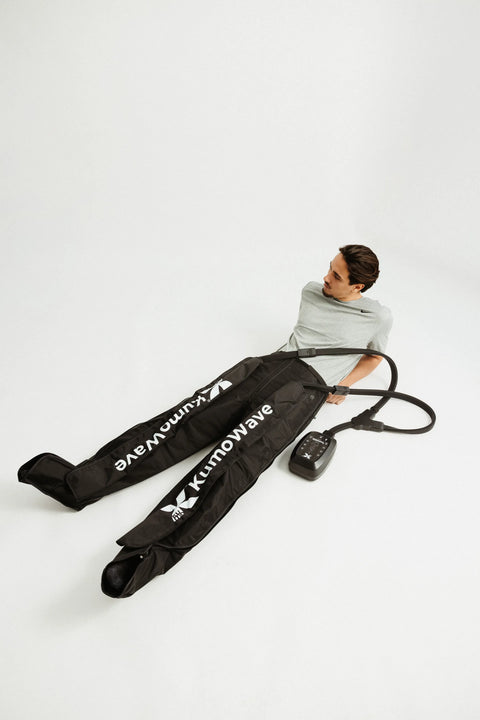
KumoWave Elite – Pressotherapy Pants
Full-coverage trousers. Ideal for lipedema, fluid retention and intensive use.
€799,00 €999,00
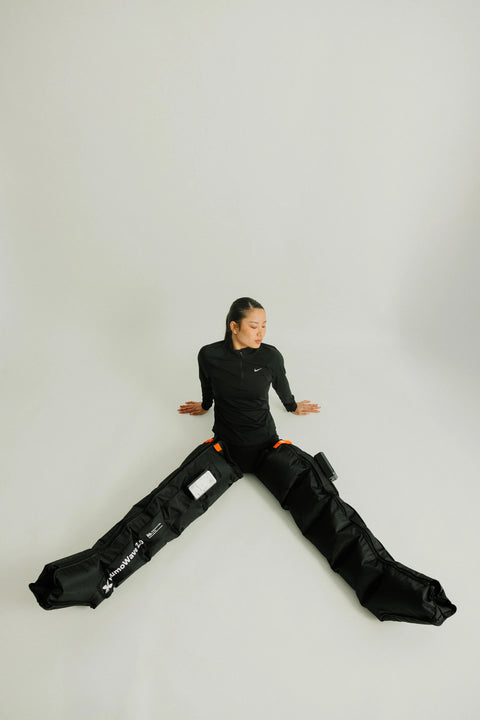
KumoWave 2.0 - Wireless Pressotherapy
Wireless, lightweight boots. Perfect for daily use and recovery.
€499,00 €599,00