

Piriformis syndrome can mimic sciatica. When the piriformis muscle irritates the sciatic nerve, the pain usually starts in the buttock and may travel down the back of the thigh, making the condition easily confused with other back or leg problems. (pubmed.ncbi.nlm.nih.gov)
This article is for informational purposes and is not a substitute for a clinical assessment. If the pain is accompanied by progressive weakness, loss of bladder or bowel control, or numbness in the perineal area, seek medical attention without delay. (201806-dcs-uploaded-doc.s3.eu-west-1.amazonaws.com)
Pressotherapy at home
End the day with light legs
★★★★★ 4,8/5 · rated by verified customers
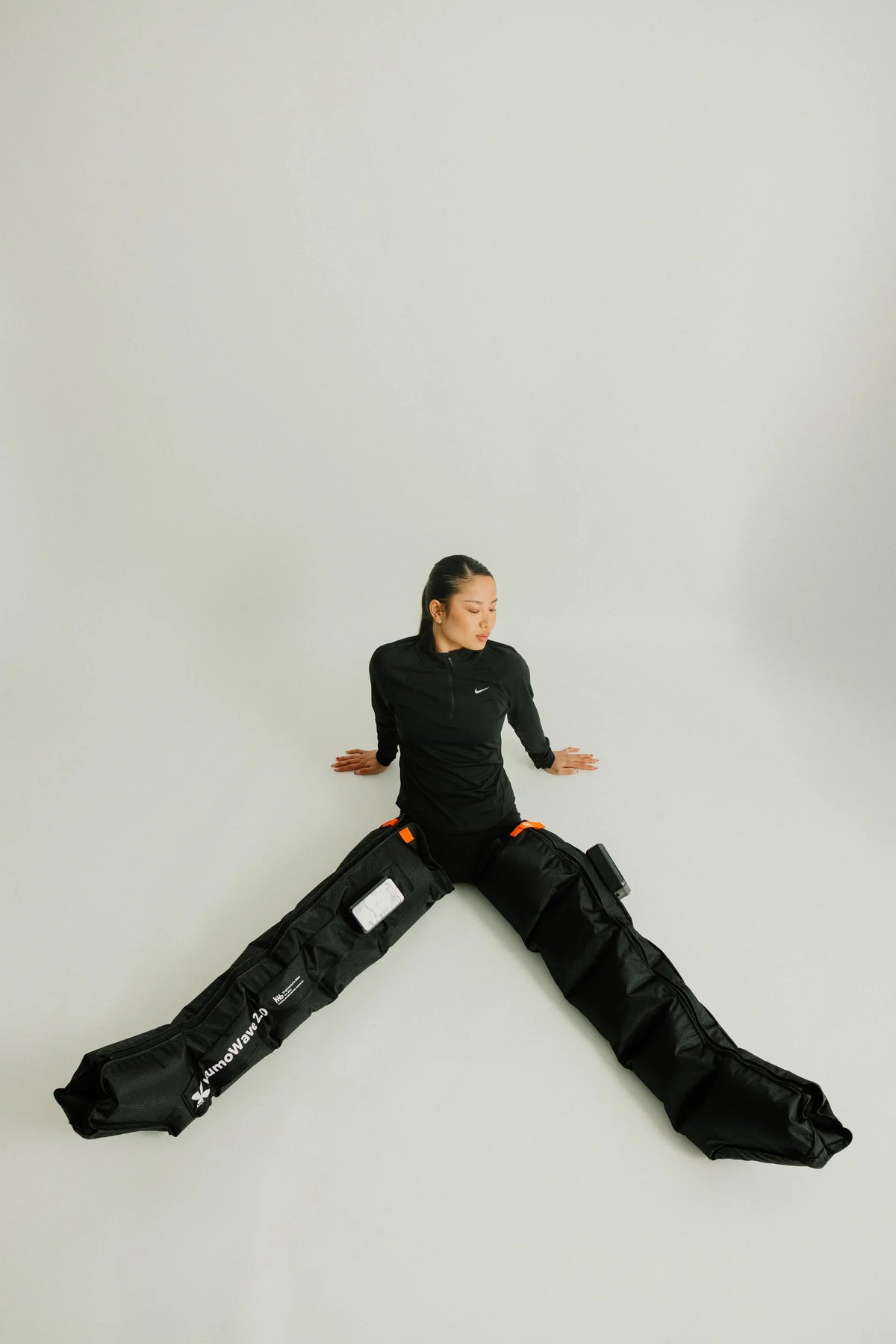
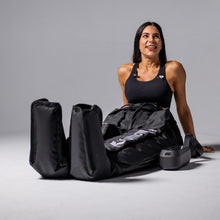
KumoWave pressotherapy boosts circulation and helps drain fluid with sequential compression, in 20-minute sessions at home.
- Boosts circulation and helps drain fluid
- Chamber-based compression, adjustable to you
- Sequential compression that mimics manual drainage
€799,00€999,00
−10% on your 1st order when you subscribe to the newsletter

What is piriformis syndrome?
The piriformis is a deep gluteal muscle. In this syndrome, that muscle can irritate or compress the sciatic nerve and cause pain that feels like sciatica, even though the origin is not in the lumbar spine. Recent literature emphasizes that it is a difficult diagnosis, because it shares symptoms with many causes of gluteal pain and radiating pain.
The true prevalence remains unclear because it depends on the diagnostic criteria used. Some reviews place its prevalence at around 5 or 6 percent of cases of lumbar, gluteal, and leg pain, and up to 17 percent of chronic low back pain, but these figures are not universal or equivalent to a firm consensus.
Personalized protocol · included with your purchase
Want us to tell you how to use it in your case?
With your purchase, our experts prepare a personalized usage protocol for your case: sport, circulation, fluid retention, pregnancy or lipedema.
Message us on WhatsAppOur experts reply · no obligation
If you want to better place it within the map of back and leg pain, the article on the difference between sciatica and low back pain may help.
Most common symptoms and clues
The systematic review updated in 2018 summarized the most frequently reported signs in the described cases: gluteal pain, worsening when sitting, tenderness to external palpation near the greater sciatic notch, and pain when performing maneuvers that increase tension in the piriformis. In some patients, limited straight leg raising also occurs, but no single sign is sufficient to confirm the diagnosis. (pmc.ncbi.nlm.nih.gov)
Guidance table: what a professional usually looks for
The following table summarizes common clinical clues. It is not a definitive diagnosis, but rather a way to organize the examination and avoid quick conclusions.
on your first order when you join the newsletter
We send you the code instantly. No spam.
| Finding | What it usually suggests | Important nuance |
|---|---|---|
| Deep gluteal pain | It is one of the most frequently reported clues in the literature. | By itself, it does not confirm the condition. |
| Worsens when sitting | It also frequently appears in published cases. | It is not an exclusive sign of the piriformis. (pmc.ncbi.nlm.nih.gov) |
| Pain when tensioning the piriformis | Provocative maneuvers, such as FAIR, help guide the examination. | Its interpretation always depends on the clinical context. |
| Progressive weakness or changes in bladder and bowel function | Forces consideration of another cause rather than a simple muscular condition. | Requires medical assessment without delay. |
How it differs from lumbar sciatica
The major difficulty is that piriformis syndrome shares symptoms with other causes of radiating pain. A recent narrative review highlights that the diagnosis is complex because it overlaps with lumbar disorders and because many complementary tests are used more to rule out other causes than to confirm the piriformis.
In a herniated disc or lumbar radiculopathy, the back component usually becomes more prominent, and clearer or more persistent neurological signs may appear. If there is progressive weakness, urinary or bowel control impairment, or numbness in the perineal area, it should not be attributed to the piriformis or left to resolve on its own.
For a broader view of muscular pain and nerve pain, you can also read the guide on sciatica and low back pain.
How it is usually assessed
Medical history and physical examination remain the foundation. In the clinic, the location of the pain, deep palpation of the buttock, maneuvers that tension the piriformis, and the presence or absence of neurological deficits are usually reviewed. Recent literature reminds us that there is no single, accepted test that confirms the syndrome on its own.
When the condition appears more myofascial than lumbar, it sometimes makes sense to review hip mobility and tension in the gluteal muscles. If you want to delve deeper into that approach, you can read hip stiffness and opening exercises and trigger points and safe management. These are complementary resources, not a diagnosis.
Options considered in a stepped approach
The literature describes a progressive approach focused on function and symptom control: education on loads and postures, physical therapy, behavioral changes, and, in selected cases, injections with local anesthetic, corticosteroid, or botulinum toxin. The 2022 systematic review and meta-analysis found benefits in some patients, but also noted heterogeneous evidence, so a uniform result cannot be promised. (pubmed.ncbi.nlm.nih.gov)
Surgery appears as a much more restricted option. A recent systematic review of surgical outcomes concluded that the evidence remains limited and that case selection is key. It is not a routine solution or a valid path for everyone. (pubmed.ncbi.nlm.nih.gov)
If you use manual or percussion massage as part of a recovery routine, do so with caution and on muscular tissue, never on an area with an acute injury or suspected thrombosis. The NCCIH reminds us that, although the overall risk is low, rare serious effects have been described, such as blood clots, nerve injury, or fractures, and that some people with certain conditions may need to avoid or modify certain practices. (nccih.nih.gov)
Precautions and warning signs
As a rule of thumb, do not attribute the condition to the piriformis if neurological or sphincter signs appear. It is better to seek medical assessment than to assume that everything comes from the muscle.
- Progressive weakness in the leg or loss of strength when walking.
- Bladder or bowel changes, especially urinary retention or incontinence.
- Numbness or tingling in the perineal or saddle area.
As a precaution, if you are pregnant or breastfeeding, if the problem affects a child or adolescent, or if you have kidney, liver, or heart disease, or take medication continuously, it is advisable to consult your doctor or pharmacist before starting changes, injections, supplements, or manual techniques.
FAQ
What is piriformis syndrome and how can it mimic sciatica?
It is irritation or entrapment of the sciatic nerve at the level of the piriformis muscle, a deep structure of the buttock. That is why the pain can start in the buttock and travel down the back of the thigh, with a pattern that closely resembles classic sciatica. Reviews emphasize that the diagnosis is usually clinical and that there is no single test that confirms it.
How to differentiate piriformis pain from sciatica caused by a herniated disc?
It is not always easy, because the symptoms overlap. In the piriformis, gluteal pain and discomfort when sitting or tensioning the muscle usually stand out, while in a lumbar cause, the back is more prominent and clearer neurological signs may appear. If there is progressive weakness, urinary or bowel changes, or saddle numbness, you should look for another cause and seek medical assessment.
What symptoms point to piriformis syndrome when there is pain or numbness in the buttock?
The most telling data are deep pain in the buttock, tenderness to external palpation, worsening when sitting, and pain when performing maneuvers that tension the piriformis. There may be radiation to the back of the thigh and tingling, but none of those signs is sufficient on its own to confirm the diagnosis. A complete examination is what helps organize the case.
What exercises and stretches are usually recommended to relieve it and prevent recurrence?
The safest approach is gentle and personalized exercises, not intense routines copied from the internet. The literature discusses physical therapy, habit modification, hip mobility, and stretching within an individualized plan. If exercise increases radiating pain, weakness appears, or tingling increases, it is advisable to stop and review the case with a professional.
Can injections or surgery be used, and in what cases?
Yes, but only in selected cases. Reviews report injections with local anesthetic, corticosteroid, or botulinum toxin as part of a stepped approach, although the evidence is heterogeneous. Surgery exists, but the recent systematic review highlights that the data are limited and that patient selection is key. It is not a routine solution.
So what now?
If you want to continue delving deeper, return to Kumo Balance and also review the difference between sciatica and low back pain to better place each pain pattern.
KumoWave pressotherapy
Choose your at-home pressotherapy
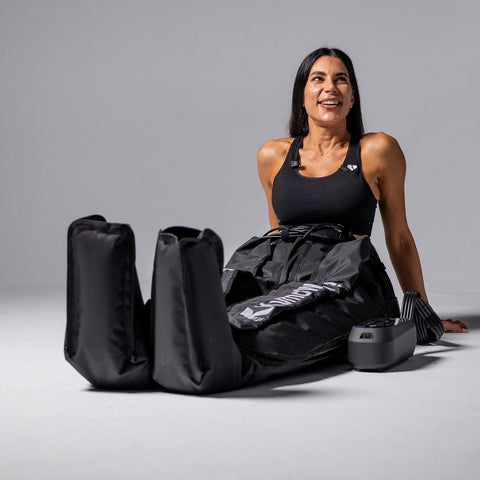
KumoWave Elite X – Pressotherapy Pants
Full-coverage trousers. Ideal for lipedema, fluid retention and intensive use.
€799,00 €999,00
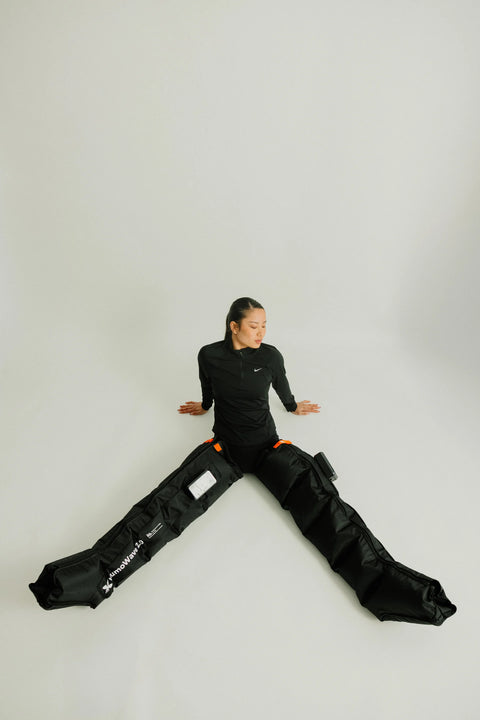
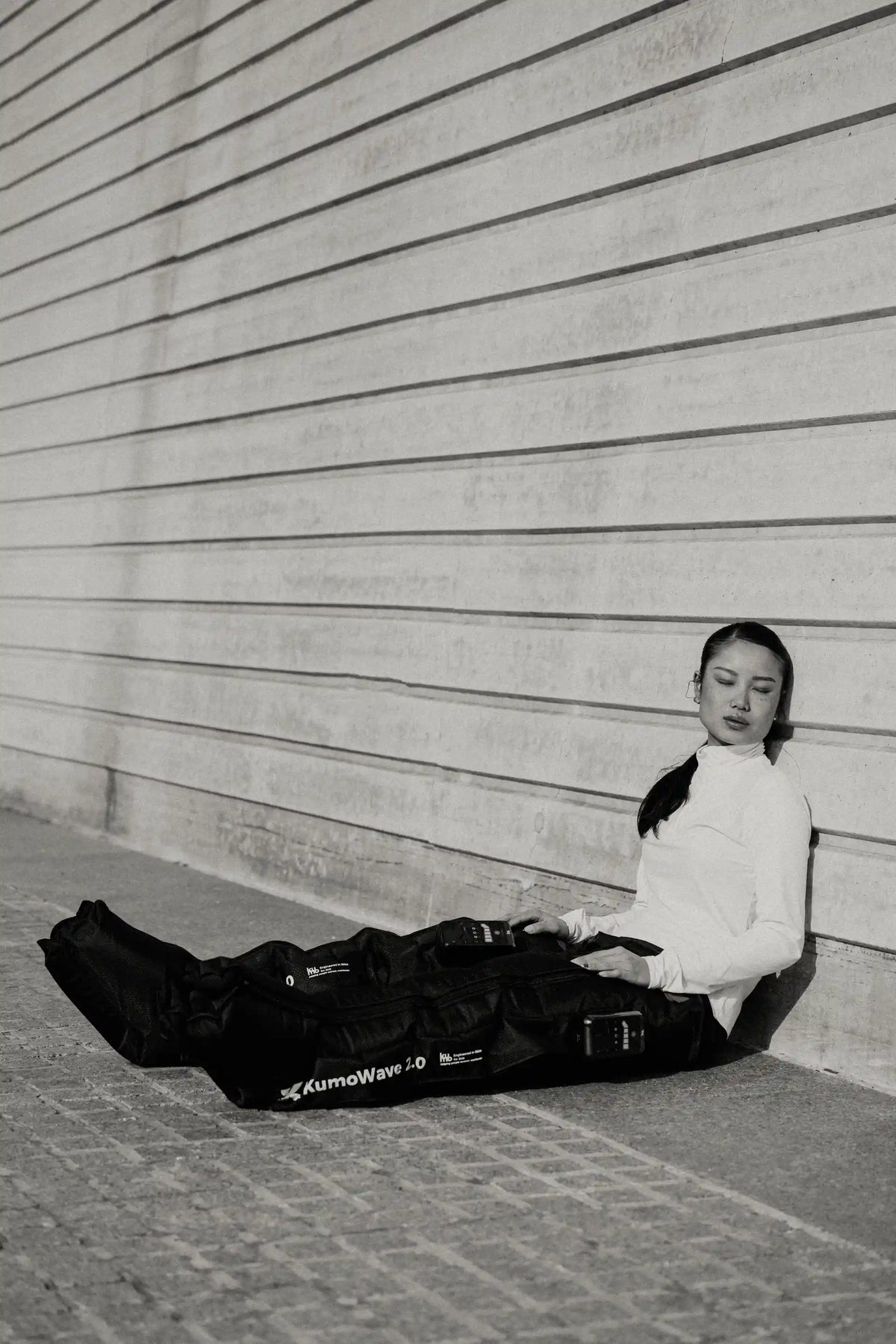
KumoWave 2.0 - Wireless Pressotherapy
Wireless, lightweight boots. Perfect for daily use and recovery.
€499,00 €599,00