Trigger points can turn a simple muscle "knot" into persistent pain.
If you've made it this far, you're probably looking for two things: to understand what a trigger point is (why it hurts and sometimes "radiates") and to learn how to treat it with a massage gun without overdoing it or touching sensitive areas. In this guide, we explain it step by step with a practical and prudent approach, integrating clinical knowledge and available evidence.
Pressotherapy at home
End the day with light legs
★★★★★ 4,8/5 · rated by verified customers
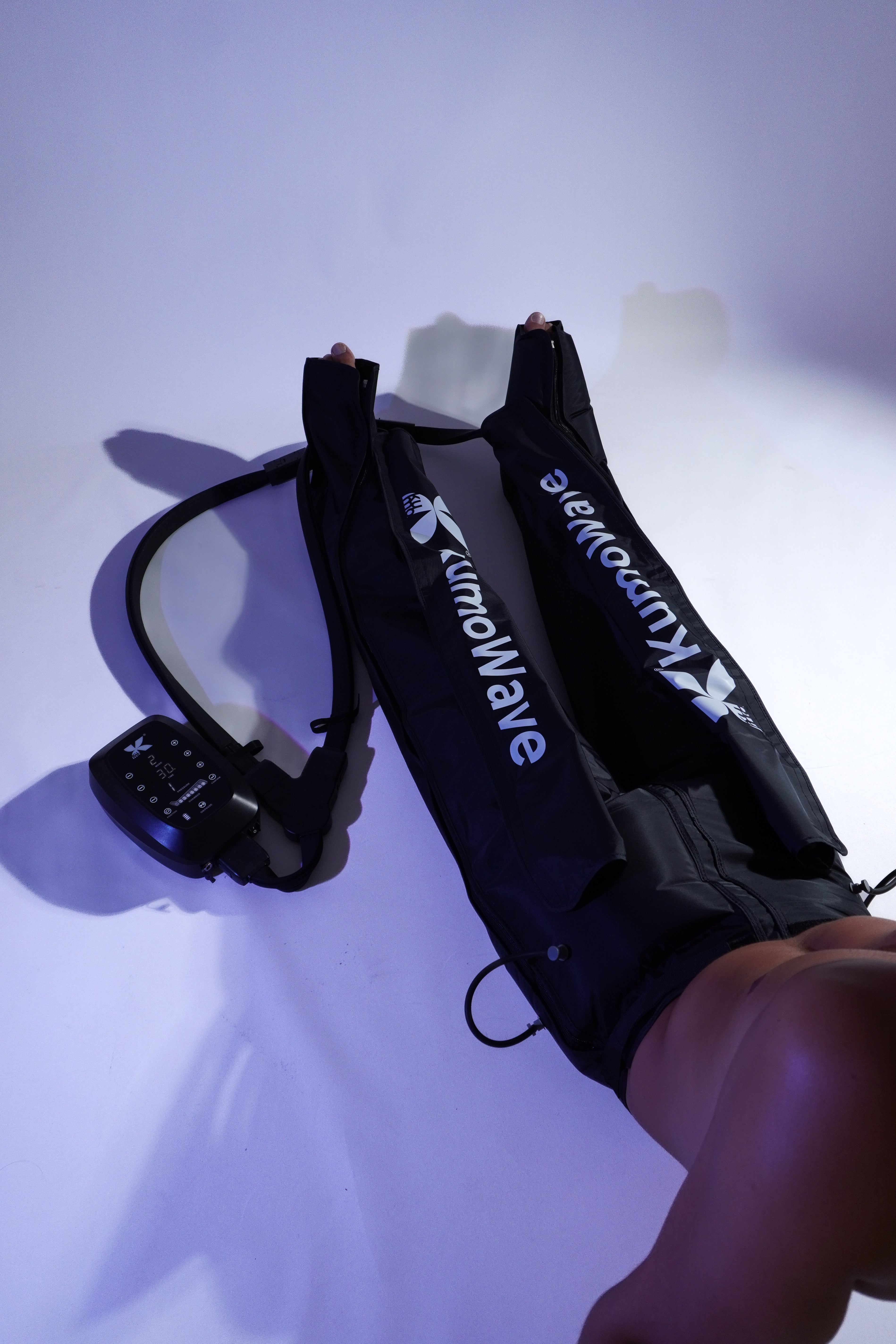
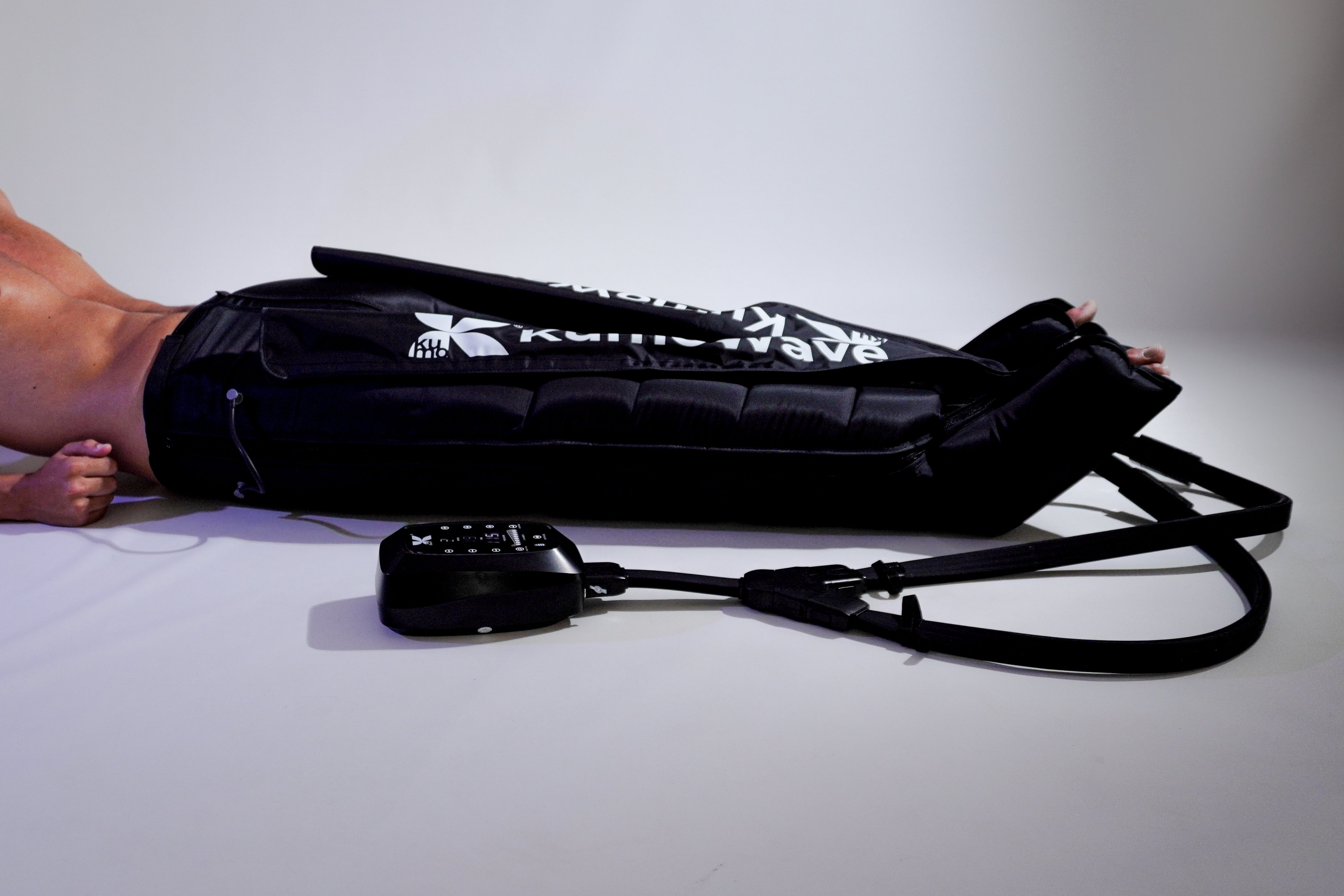
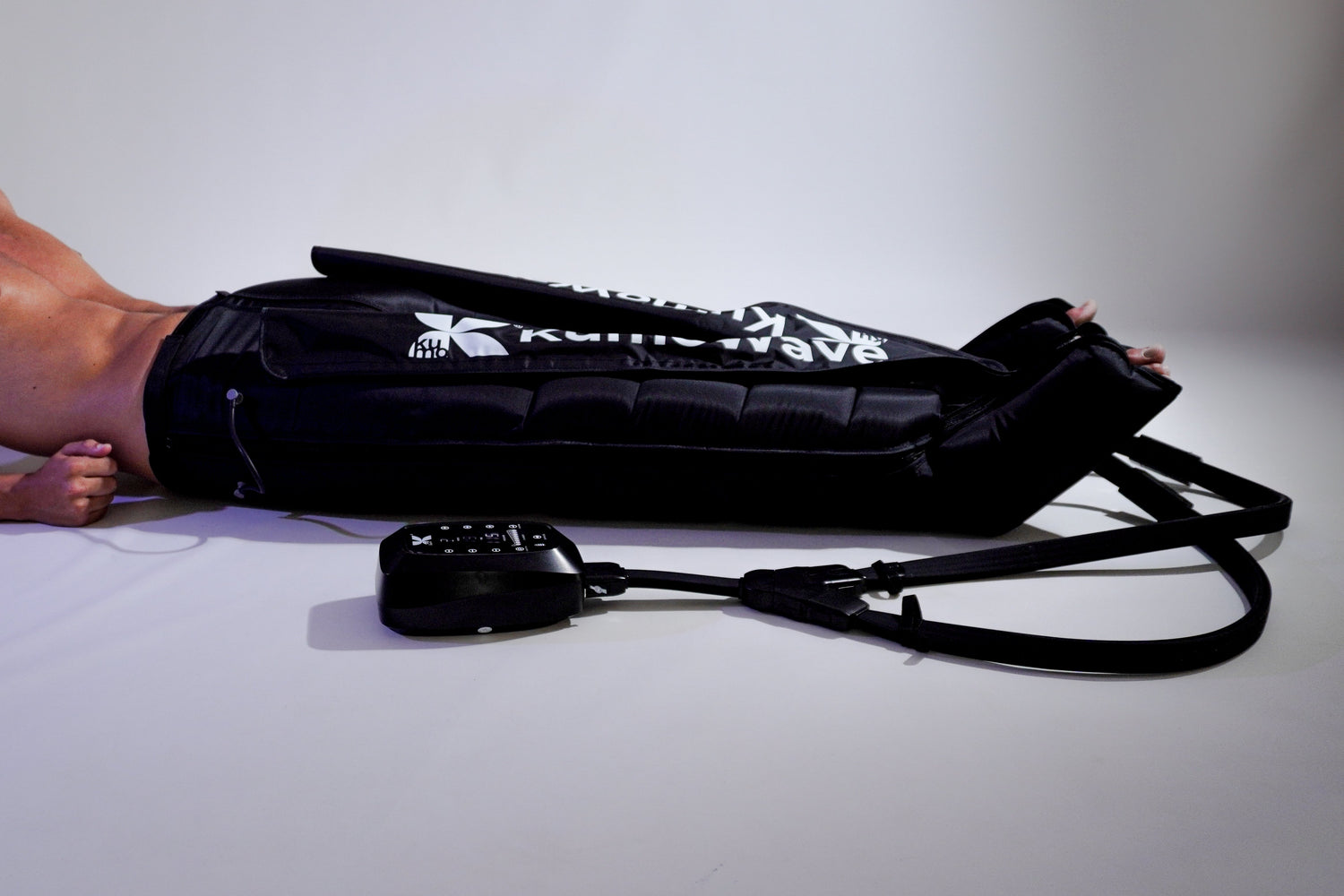
KumoWave pressotherapy boosts circulation and helps drain fluid with sequential compression, in 20-minute sessions at home.
- Boosts circulation and helps drain fluid
- Chamber-based compression, adjustable to you
- Sequential compression that mimics manual drainage
€799,00€999,00
−10% on your 1st order when you subscribe to the newsletter

At Kumo, we treat recovery as a habit: technology, consistency, and sound judgment. If you're not yet familiar with the brand, you can start by visiting the Kumo homepage .
What are trigger points (and why are they not “just muscle contractions”)
Clear definition: the “knot” that hurts and can refer pain
Myofascial trigger points are generally described as hyperirritable areas within a muscle (often in a taut band) that can be painful when pressed and, in some cases, cause referred pain (feeling it in another area). Clinically, they are associated with conditions such as myofascial pain syndrome , where the pain can be deep, persistent, and limit movement.
Personalized protocol · included with your purchase
Want us to tell you how to use it in your case?
With your purchase, our experts prepare a personalized usage protocol for your case: sport, circulation, fluid retention, pregnancy or lipedema.
Message us on WhatsAppOur experts reply · no obligation
Leading clinical organizations and resources describe myofascial pain as pain related to muscles and fascia, where pressure on trigger points can cause local or referred pain (e.g., shoulder/neck, back, tension headaches). You can find more information at medical sources such as the Mayo Clinic and Cleveland Clinic .
What usually triggers a trigger point
- Overload or repetition (training, work, sustained postures).
- Stress and increased muscle tone (clenching jaw/shoulders, shallow breathing).
- Previous injury or compensations (protective movement for weeks).
- Lack of mobility/rest and insufficient recovery.
Important fact (with nuance): frequency and clinical relevance
In 2020, the NCCIH (National Center for Complementary and Integrative Health, USA) noted that myofascial pain has been estimated to vary widely (approximately 30% to 85% ) among patients with musculoskeletal pain, reflecting both its importance and the variability across populations and diagnostic criteria. Source: NCCIH (2020) .
How to recognize a trigger point (without over-"self-diagnosing")
Frequent signs
- A very sensitive point within a muscle (sometimes as a "lump" or compact area).
- Deep pain upon pressure, which can be felt "at a distance" (referred pain).
- Stiffness and loss of range of motion (neck, hip, hamstrings, calves, etc.).
- It worsens with stress or fatigue and temporarily improves with heat, gentle movement, or massage.
What is NOT a good sign (and should be checked)
- Pain with tingling, loss of strength , or progressive numbness.
- Severe nighttime pain without a clear cause, fever, or general malaise.
- Pain after a blow with deformity , suspected fracture or significant tear.
- Neck pain with neurological symptoms (blurred vision, difficulty speaking, instability).
Safety rule: if the pain changes "category" (more acute, with neurological symptoms, large bruises, or worsens every day), the goal is not to endure more pressure: it is to understand the cause with a healthcare professional.
−10%on your first order when you join the newsletter
We send you the code instantly. No spam.
Percussion massage and trigger points: what it can offer (and what it promises beyond)
What effects makes the most sense to expect?
A well-applied percussion massage typically aims to achieve three things: modulate pain perception , reduce stiffness , and improve short-term range of motion . In acute studies, improvements in mobility have been observed after brief applications.
- In 2023, a study on hamstrings with percussive therapy (2×60 s) reported an increase in ROM of approximately +11.4% along with changes in stiffness parameters measured by myotonometry (published in Journal of Sports Science & Medicine ): Skinner et al., 2023 (PMC) .
- In 2020, a study with percussive treatment on plantar flexors showed an increase in dorsiflexion of approximately +5.4° (+18.4%) after 5 minutes (referenced within a systematic review): Systematic Review (PMC) .
Furthermore, in 2021 a systematic review and meta-analysis on manual therapies on trigger points (not specifically trigger point guns) found an overall improvement in ROM with a pooled effect size of around 0.52 in the included trials, suggesting that mechanical work on tissue may aid mobility in certain contexts: PubMed (2021) .
What NOT to expect
- "Undo" a trigger point in 30 seconds with maximum power.
- Curing the root cause on its own (overload, technique, sedentary lifestyle, stress, lack of sleep).
- Higher intensity is always better: in percussive therapy, overdoing it can irritate tissue and worsen symptoms.
Practical guide: how to safely target trigger points with a massage gun
Step 1: Prepare the tissue (30–90 seconds)
Before "getting to the point", improve tissue tolerance:
- Gentle movement : 5–8 deep breaths + slow joint mobility (neck/scapulae/hip depending on the area).
- Local heat (optional): warm shower or heating blanket for 5–10 min if you are stiff.
Step 2: Locate without chasing the pain
Identify the muscle involved (for example, upper trapezius, gluteus medius, piriformis, gastrocnemius, hamstrings). The key is to identify:
- An area with clearly greater sensitivity than the rest of the muscle.
- An area where rigidity "blocks" movement.
Tip: If you're "lost," start with the pattern: What movement is limiting? Sometimes the trigger point is nearby, but not exactly where it hurts.
Step 3: First sweep (40–60 seconds)
Using the most standard brush head (ball/round), sweep across the muscle belly:
- Low intensity at the beginning.
- Slow movement, without pressing hard.
- Avoid prominent bones, joints, and tendons.
This reduces reactivity and helps you distinguish between "general tension" and a specific point.
Step 4: Specific work on the point (2–3 short rounds)
When you find it, follow a prudent protocol:
- 10–20 seconds on the spot (without holding your breath).
- Rest for 20–30 seconds by gently moving the muscle (or shaking the limb).
- Repeat 1–2 times as tolerated.
Sensation scale: Look for a tolerable “good pain” (approx. 4–6/10). If it rises to 7–8/10, you are irritating more than helping.
Step 5: Integrate with a brief, controlled stretch (30–60 seconds)
After the percussion, take advantage of the window of opportunity:
- Gentle stretch (no bounce) 20–30 s.
- 1–2 repetitions of a simple control exercise (e.g., scapular retraction, glute bridge, heel raise).
Step 6: Recommended frequency (guideline)
- Post-workout : 5–10 min total (not per muscle), prioritizing loaded areas.
- Recurrent pain : 3–5 days/week with short sessions, but always correcting the cause (load, technique, breaks, sleep).
Areas to avoid and contraindications: the most important things to make it safe
Areas where you should NOT use percussion massage
A systematic review on massage guns and recovery/performance includes recommendations to avoid sensitive areas such as the face, eyes, ears, head, neck, chest, spine , superficial nerves and blood vessels, as well as areas with implants or recent surgery. See the contraindications section in: The Effects of Massage Guns on Performance and Recovery: A Systematic Review (PMC) .
- Front and sides of the neck (important blood vessels). If your neck bothers you, it's best to work the trapezius/scapula muscles very carefully, and if you have any doubts, consult a doctor.
- Spine directly (spinous processes) and bones (tibia, elbow, clavicle).
- Armpit and groin (neurovascular bundles).
- Abdomen and kidney area (most exposed organs).
Situations in which it is advisable to avoid it or seek professional approval
- Deep vein thrombosis or suspected blood clots.
- Coagulation disorders or use of anticoagulants (risk of bruising/bleeding).
- Fracture , acute injury, significant tear, or marked inflammation.
- Osteoporosis or bone fragility.
- Pregnancy (depending on the area, trimester and history: better individual guidance).
- Neuropathies or loss of sensation (you don't perceive if you are hurting yourself).
Warning signs after using a massage gun
They are rare, but they do exist. A case of rhabdomyolysis following percussion gun use on the thigh in a context of fatigue/exercise and predisposing factors was described and published in 2020 (with a volume edited in 2021): Physical Therapy (Oxford Academic) . Seek emergency medical attention if this occurs.
- Dark urine (tea/cola color), marked weakness, or disproportionate muscle pain.
- Large, growing hematoma, intense pain, or progressive swelling.
- Dizziness/vertigo after using it near the head/neck.
Quick table: types of points and how to address them prudently
Useful differences to avoid treating everything the same
| Guy | What does it feel like? | What usually happens when you press | Safe strategy with percussion |
|---|---|---|---|
| Active trigger point | Pain present even without touch (sometimes) | Reproduce your pain and can refer it | Very low intensity, rounds of 10–15 s, more emphasis on sweeping around + mobility |
| Latent trigger point | It doesn't always bother me; it appears when I touch it or when I lift something. | Clear local pain, less "radiating" | Short protocols (10–20 s) and gentle stretching; useful for stiffness and ROM |
| Tender point | Localized pain upon pressure, with no clear pattern | Pain at the site, without typical referred pain | Avoid seeking "maximum pain"; prioritize tolerance, warmth, and progressive exercise. |
For a clinical view of trigger points and their management (including the conceptual distinction with tender points), this AAFP review may be helpful: Trigger Points: Diagnosis and Management (AAFP) .
How Kumo fits into a complete recovery routine (without relying on a single tool)
1) Massage gun: precision tool (well dosed)
A massage gun is useful when you need to quickly address localized stiffness, especially in large muscle groups (glutes, quads, hamstrings, calves, back). Within the Kumo ecosystem, you can find the device designed for this type of deep tissue work here: KumoPulse Air .
2) Pressotherapy: support for heavy legs and circulation
If your main problem is a feeling of heaviness in your legs after standing for long periods or training, recovery isn't always about simply tightening the affected area. Pneumatic compression can be a valuable addition for a feeling of lightness and leg comfort, especially on high-volume training days. Discover the collection here: compression boots .
3) LED light therapy: consistent with rest and regeneration
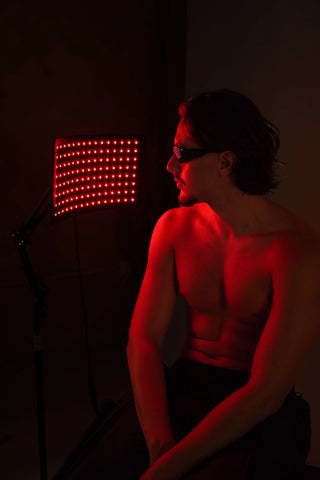
In modern recovery, tissue doesn't "improve" solely through mechanical stimulation: sleep and stress management are key. Light (especially in well-designed nighttime routines) can fit into habits focused on rest and well-being. You can explore the range here: LED light therapy .
When does it make sense to ask for help?
If you experience the same trigger point week after week, there's usually an underlying cause (load, technique, ergonomics, breathing, strength, or mobility). In that case, the most effective approach is to combine self-care with a professional assessment. If you need guidance on which solution best fits your routine, you can contact the Kumo team .
FAQ: Frequently asked questions about trigger points and percussion massage (Kumo)
How can I use KumoPulse Air on a trigger point without hurting myself?
Always begin with low intensity and a 40–60 second sweep across the muscle to "prepare" the tissue. Then work the point in short rounds of 10–20 seconds with pauses, without chasing high pain. Avoid high-risk areas (front/sides of the neck, spine, joints, and areas where you feel a pulse). If the pain radiates with tingling or weakness appears, stop and consult a doctor. The key is consistency and dosage: a little repeated is better than a lot aggressively.
How long is it safe to apply a massage gun to a trigger point?
As a general rule, avoid holding the same position for extended periods. A prudent approach is typically 2–3 rounds of 10–20 seconds on the point, with 20–30 seconds of rest between rounds, followed by gentle mobility. Shorter protocols (e.g., 2 x 60 seconds on one muscle) have been used in acute studies to improve range of motion, but this does not mean that more is better. If bruising, increasing pain, or irritation develops, reduce the time and intensity.
Can I combine the Kumo massage gun with pressotherapy on the same day?
Yes, many recovery routines combine different stimuli: percussion for localized stiffness and compression therapy for comfort and a lighter leg sensation, especially after high-impact or high-volume training. Follow a structured approach: first, mobility exercises followed by brief percussion on heavily strained muscles, and then a compression therapy session. Avoid intense percussion if you have acute pain, a recent injury, or bruise easily. If you have a history of vascular issues (for example, suspected blood clots), consult a doctor before using compression or vibration.
Does Kumo LED light therapy help to "remove" trigger points?
A trigger point is rarely resolved with just one tool, and the strongest evidence for completely eliminating it depends on the specific case (load, force, ergonomics, manual therapy, etc.). LED light therapy may be best suited as part of a holistic wellness approach: supporting rest, relaxation, and recovery routines between sessions, along with mobility and stress management. If your pattern is "the same knot keeps forming," consider the cause: you may need to adjust your training, breaks, breathing, or support strength, in addition to self-care.
So what now?
If you want to start today, choose a simple approach: 5–10 minutes of mobility exercises plus gentle percussion massage on large muscle groups, and finish with a light stretch. To build a complete routine with Kumo recovery technology, explore KumoPulse Air for targeted muscle work, and consider supplementing with compression therapy or LED light therapy depending on your goal (heavy legs, rest, overall well-being). If you need guidance, you can contact us through our contact page.
KumoWave pressotherapy
Choose your at-home pressotherapy
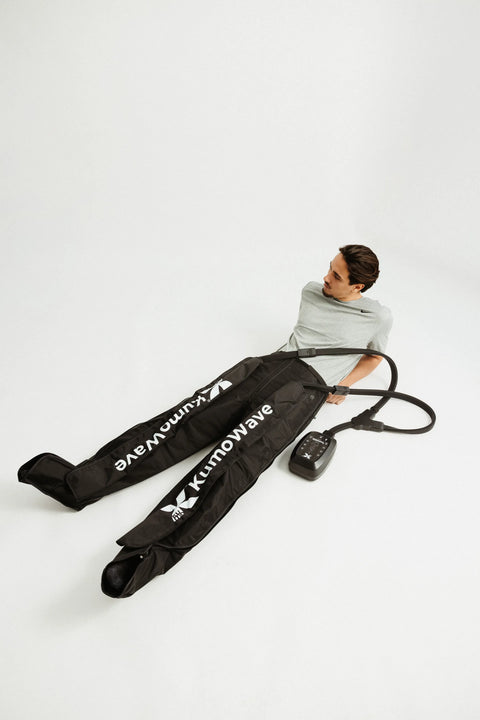
KumoWave Elite – Pressotherapy Pants
Full-coverage trousers. Ideal for lipedema, fluid retention and intensive use.
€799,00 €999,00
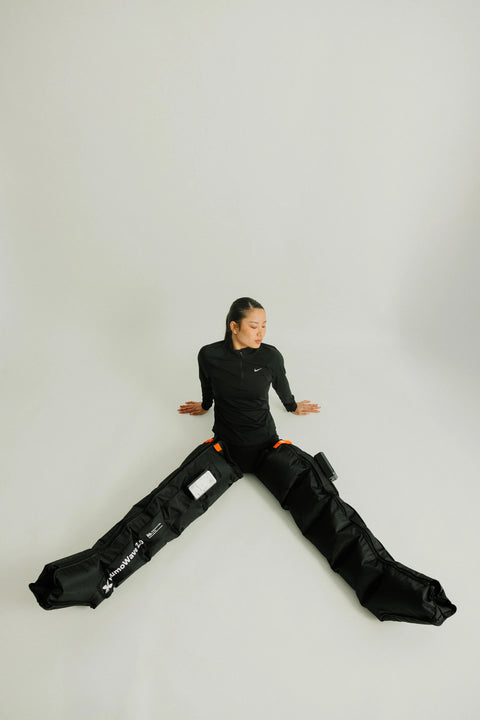
KumoWave 2.0 - Wireless Pressotherapy
Wireless, lightweight boots. Perfect for daily use and recovery.
€499,00 €599,00