
Sleeping out of sync takes a toll.
If you work nights or string together rotating schedules, recovery is not about forcing yourself to sleep more. Your internal clock responds to light, to darkness and to regular hours, so the useful strategy is to organize what you do before, during and after the shift. Circadian rhythm disorders linked to shift work can cause insomnia, intense sleepiness and trouble sleeping when you need to. (nhlbi.nih.gov)
Red & infrared light
Recover faster, at home
★★★★★ 4,8/5 · rated by verified customers
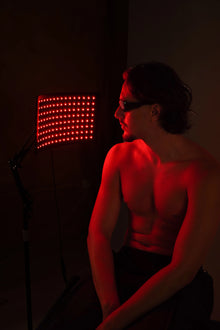
The KumoLux panel supports muscle recovery with full-body red and infrared light.
- 660 nm red + 850 nm infrared light
- Full-body muscle recovery
- Clinically validated biohacking protocols
€399,00€499,00
−10% on your 1st order when you subscribe to the newsletter

For context, in 2024 the CDC reported that 30.5% of adults in the United States slept less than 7 hours per night. That is not a figure specific to shift work, but it is a reminder that short sleep is common and deserves attention. (cdc.gov)
Why the night shift throws your internal clock off
When sleep gets disorganized, you do not just feel tired. Concentrating becomes harder, mood turns more fragile and a sense of always running a step behind sets in. The NHLBI explains that the biological clock syncs with light and the day night cycle, while the CDC warns that bright light and screens at night can delay sleep. (nhlbi.nih.gov)
Personalized protocol · included with your purchase
Want us to tell you how to use it in your case?
With your purchase, our experts set up your red and infrared light sessions for your sport and goal.
Message us on WhatsAppOur experts reply · no obligation
That is why sleeping in a cool, quiet and dark environment, and skipping caffeine at the end of the shift, is not a minor detail. These are very simple signals that help the body understand when it is time to wind down. (nhlbi.nih.gov)
Signs that your recovery is falling short
Some symptoms show up little by little and get normalized too fast. MedlinePlus describes common signs of sleep disorders such as taking a long time to fall asleep, waking up several times, feeling excessively sleepy during the day or falling asleep at the wrong moments, along with loud snoring or breathing pauses. (medlineplus.gov)
- It takes you more than 30 minutes to fall asleep.
- You wake up several times and then struggle to get back to sleep.
- You notice excessive sleepiness during the day or in the middle of the shift. (nhlbi.nih.gov)
- You fall asleep at the wrong moments, even outside of bed.
- You snore loudly, pause while breathing or someone notices you are short of breath while sleeping.
If several of these signs keep showing up at once, we are no longer talking about one bad night. There may be a persistent shift in the sleep wake rhythm, or another sleep problem alongside it. (nhlbi.nih.gov)
on your first order when you join the newsletter
We send you the code instantly. No spam.
A practical routine for leaving the shift and sleeping better
If every schedule change throws you off like a small case of jet lag, the logic looks a lot like the way light and an evening routine help reset your internal clock. And if you want to close the day with a gentler sequence, you can take inspiration from an evening routine with red light therapy. The idea is not to force the body, but to give it repeated signals that the shift is over.
Reference table for a working night
This sequence sums up recommendations from the NHLBI and the CDC for shift workers.
| Moment | Goal | Useful action |
|---|---|---|
| At the start of the shift | Get going without mortgaging the sleep that follows | Use the light around you, eat light and save caffeine for the first half of the shift. (cdc.gov) |
| During the night | Hold alertness in a sustainable way | Take short breaks and avoid stretching out stimulation with unnecessary screens once the end of the shift is close. |
| On the way out | Shift gears | Dim the light, avoid heavy meals and plan a calm trip home. |
| Before sleeping | Sleep during the day with better quality | Use a dark, quiet and cool room; if you need a nap, keep it short, ideally around 20 minutes. |
So the landing is not abrupt, the transition between work and rest works better when it is short and repeatable. A warm shower, slow breathing and a room set up for sleep help you wind down; if you want a simple base, the guide to breathing and recovery fits that moment very well.
Light, screens and the moment to disconnect
Light matters more than it seems. The NIOSH explains that exposure to blue light at night suppresses melatonin more strongly than red or dim white light, and that faint red light is less likely to activate the brain if you need to move around in the middle of the night. That does not mean red light solves sleep on its own, but good light management can make the end of the shift easier to handle.
In practice, it is better to save bright light for when you truly need to be awake and to dim it as soon as activity starts winding down. Screens, messages and tasks that keep you alert should stay out of the last part of the day whenever you can manage it.
Wellness devices, yes, but with judgment
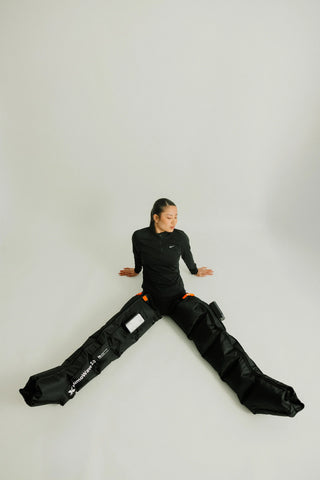
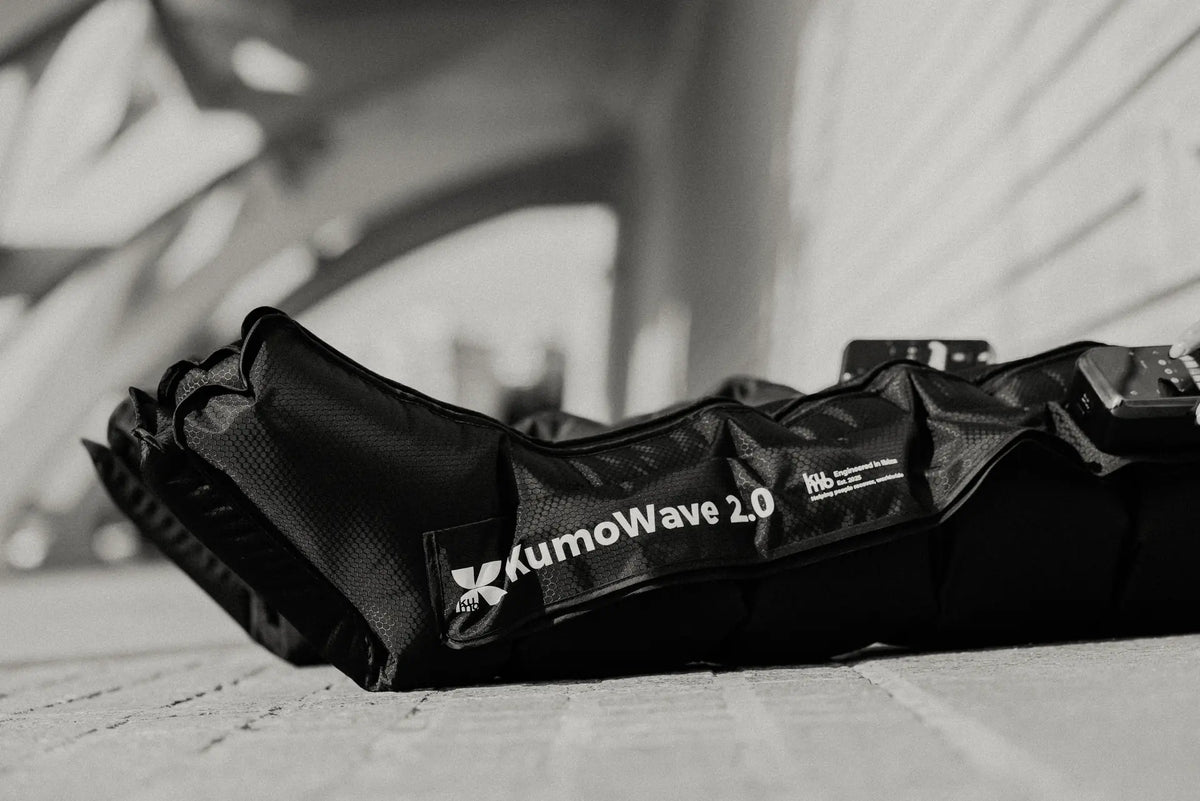
Wellness devices can support a rest routine, but they replace neither sleep nor a medical assessment when one is needed. The key is using them with judgment and respecting contraindications, because safety changes depending on the person and the context. (fda.gov)
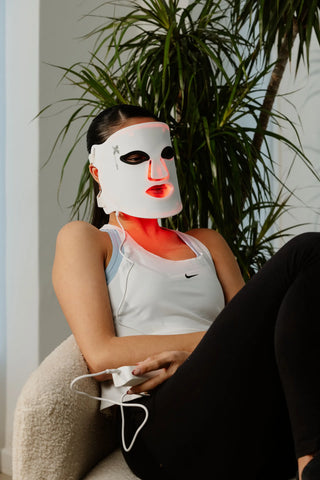
- Photobiomodulation or LED is not recommended with photosensitivity, pregnancy, active implants, photosensitizing medication, infection, a wound or an active injury in the area, and the eyes must always be protected.
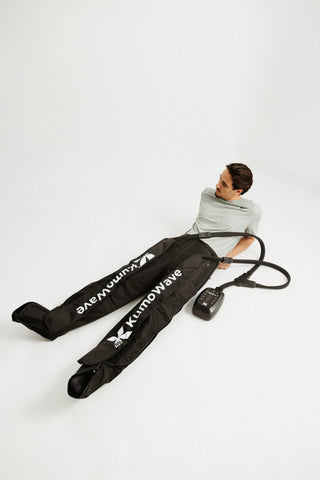
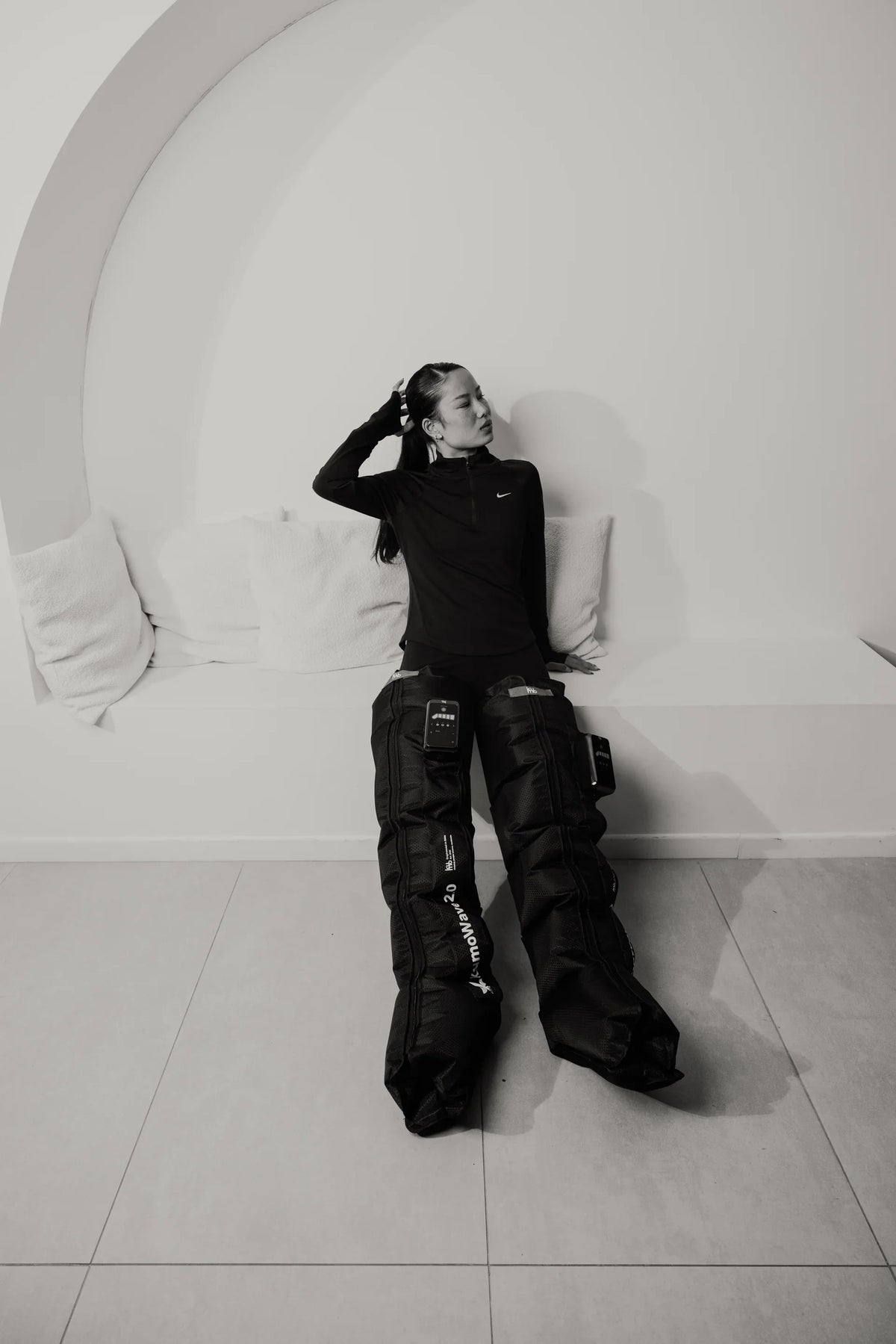
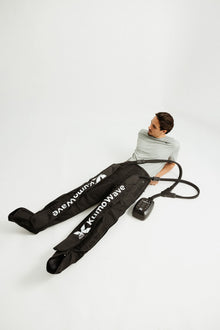
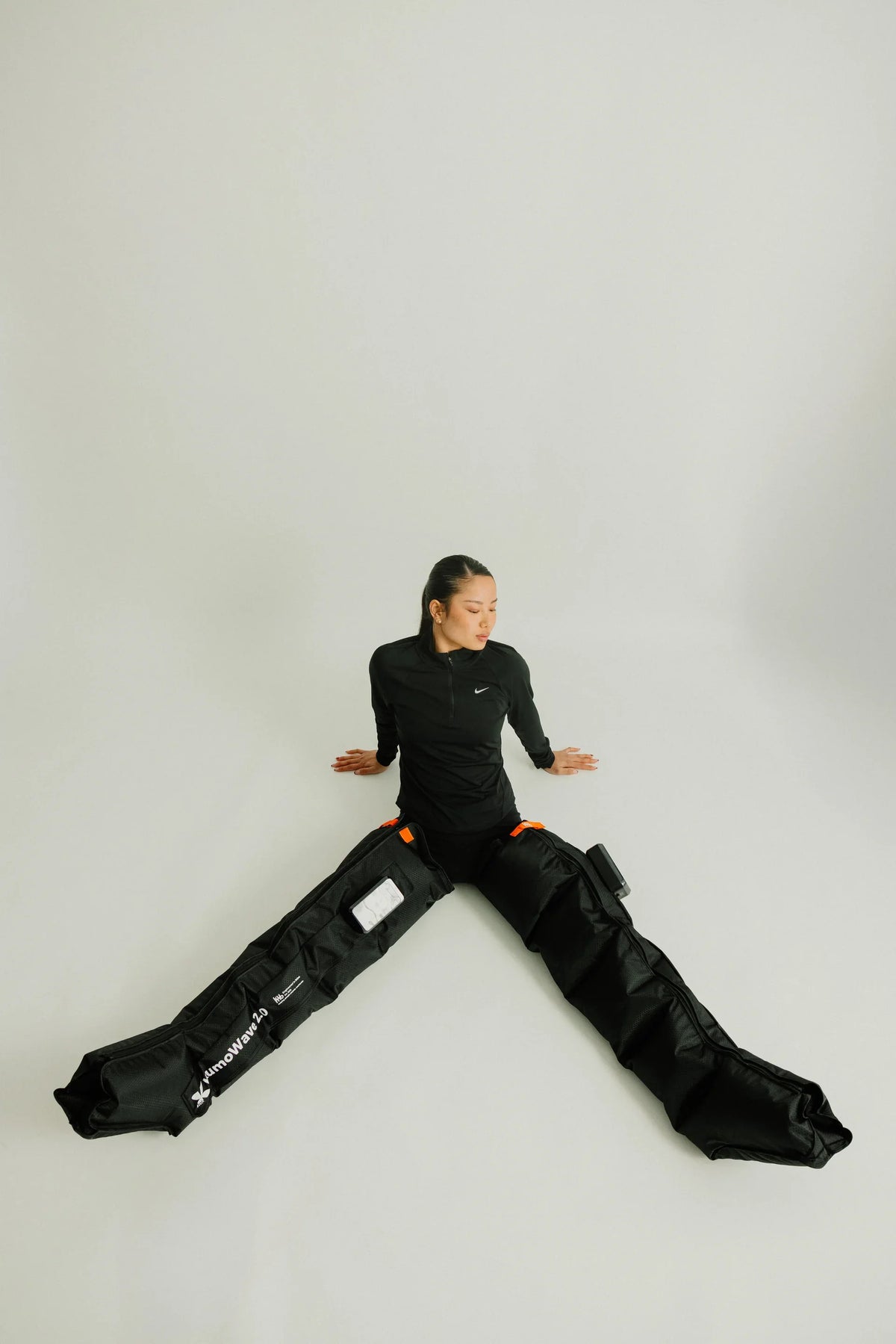
- Compression must be individualized if there is suspected thrombosis, decompensated heart failure or significant arterial disease. (pmc.ncbi.nlm.nih.gov)
- A massage gun is not suitable over recent bruises, fractures, areas with reduced sensitivity, the front of the neck, the eyes, the spine or acute pain without a diagnosis. (pmc.ncbi.nlm.nih.gov)
None of these resources makes up for a long-standing sleep debt. Chosen well, they can only accompany a gentler routine, always within your limits and without trying to cover up signs that deserve professional review.
Days off: recover without throwing yourself off further
On days off, try not to move your bedtime or your wake-up time too much. The NHLBI recommends that, if you can manage it, the gap between weekdays and the weekend stay small, ideally around an hour, because abrupt changes disorient the internal clock. That feeling of having to readjust over and over looks like the time change and how the body adapts to it.
One week of tracking is enough to spot useful patterns. Write down the actual time you sleep, how long it takes you to fall asleep, how many times you wake up and how you start the day. If you prefer a more orderly way to watch it, how to measure your recovery with practical metrics can serve as a guide.
When to seek care and which signs call for medical review
Seek a medical assessment if the problem lasts for weeks, if you fall asleep without meaning to, if daytime sleep stays almost impossible despite a good routine, or if there is loud snoring, breathing pauses or very fragmented waking. The NHLBI recalls that circadian rhythm disorders and other sleep problems may require clinical evaluation, not just schedule changes.
- If sleepiness compromises driving or safety at work, seek care as soon as possible.
- If you snore loudly, pause while breathing or wake up gasping, do not chalk it up to tiredness alone.
- If you cannot sleep even with darkness, silence and a stable routine, other causes are worth investigating.
- If acute pain, sudden swelling, fever or a recent injury shows up before using pressotherapy, LED or massage, make a medical assessment the priority.
Frequently asked questions
How many hours should I sleep if I work nights?
In adults, the useful reference is still sleeping at least 7 hours out of 24. With night work, what matters is protecting a realistic, repeatable block, even during the day, and topping it up with short naps if needed. The NHLBI and the CDC recommend a dark, cool and quiet room, along with limiting caffeine to the start of the shift and keeping sleep from being fragmented by screens or noise.
How long does the body take to adapt to rotating schedules?
There is no single timeline. Some people tolerate the changes better and others carry the disorganization for several days, especially when the schedule jumps from nights to mornings. What matters is noticing whether each transition leaves you very sleepy, whether you struggle to sleep even in good conditions, or whether the change of shift feels like a small, constant time change. If that is happening, it helps to reduce the back and forth of schedules when possible and to review the strategy with a professional assessment.
Does red light help you sleep after a shift?
Dim red light is generally less activating than blue light or a bright screen. The CDC explains that blue light suppresses melatonin more, while red or very dim light disturbs the sleep signal less; even so, the decisive change is reducing overall stimulation and organizing the exit from the shift. Think of red light as support inside a well-built routine, not as a magic fix on its own.
What should I do if I fall asleep easily as soon as I get home?
First, simplify. Dim the lights, avoid a heavy meal, cut down on screens and always repeat the same arrival sequence: shower or wash, slow breathing and bed. If you need a nap before sleeping for real, try to keep it brief. The CDC recommends short naps, and the NHLBI insists that the bedroom should stay dark, quiet and cool. If you keep dropping off at the wrong moments, do not treat it as normal.
Can I use pressotherapy or massage if I get home with very heavy legs?
They can support a wellness routine if you have no contraindications and you use them gently and with common sense. Compression or massage should not be applied over an area with acute pain, recent bruises, wounds, infection, suspected thrombosis or loss of sensitivity. Using LED is not a good idea either with photosensitivity or photosensitizing medication. When in doubt, caution beats forcing the session.
What now?
Start with one single piece: protect your sleep window, dim the light on your way out of the shift and repeat a stable wind-down for several days. If you want to turn it into a fuller routine, head back to Kumo Balance and look at a home recovery protocol with pressotherapy, red light therapy and a massage gun to build your own sequence.

Red & infrared light
KumoLux Panel – Red and Infrared LED Panel
★★★★★ 4,8/5 · rated by verified customers
- 660 nm red + 850 nm infrared light
- Full-body muscle recovery
- Clinically validated biohacking protocols
€399,00€499,00· pay in installments with seQura or Klarna