Recovering between shifts matters.
If you work as a firefighter or in the military, your body usually has to perform when your biological clock is asking for something else. Sleep, light, food and movement form a system, and when one gets out of sync, the others suffer too. Circadian physiology explains exactly this mismatch between your actual schedule and your internal rhythm. (nigms.nih.gov)
Pressotherapy at home
End the day with light legs
★★★★★ 4,8/5 · rated by verified customers
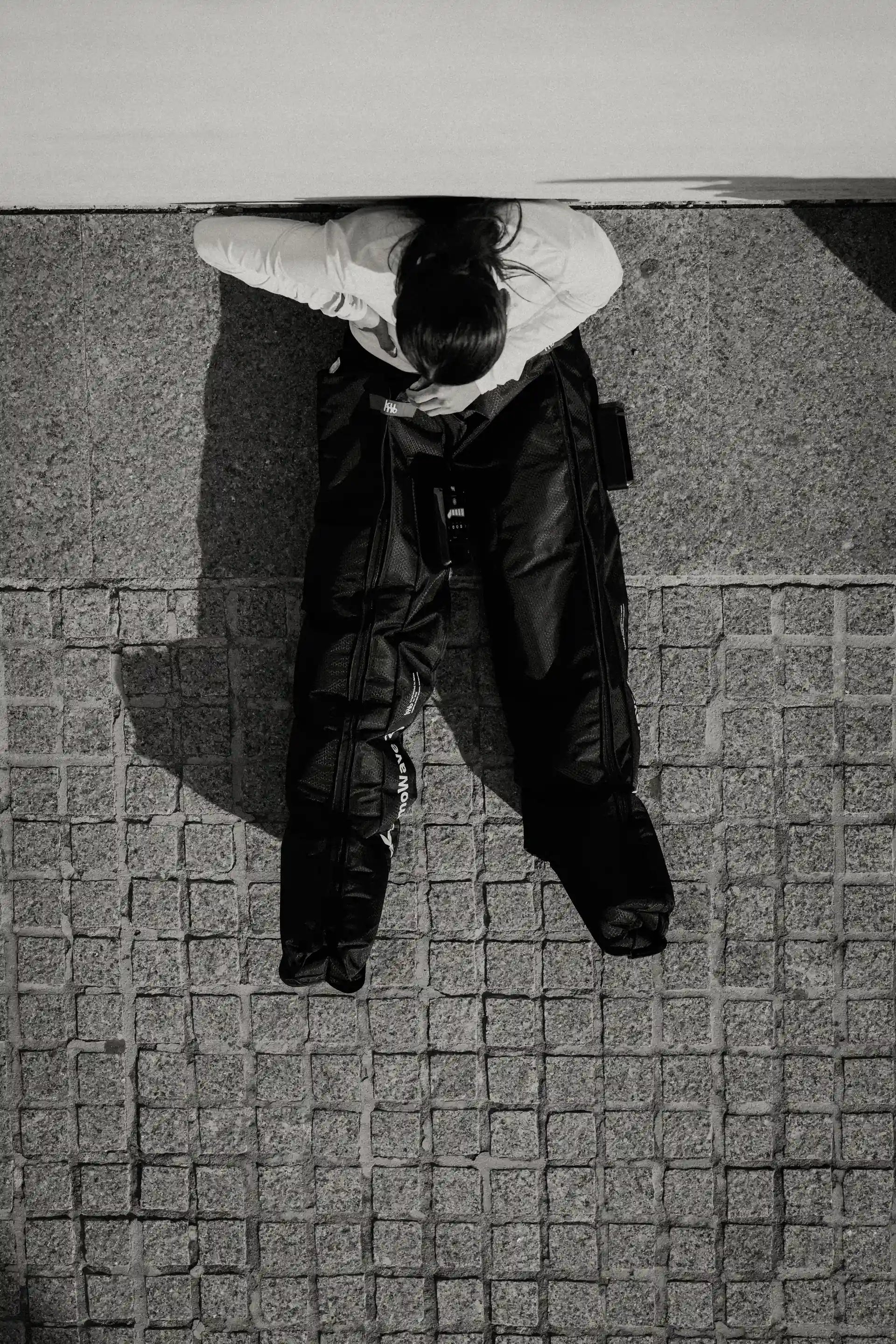
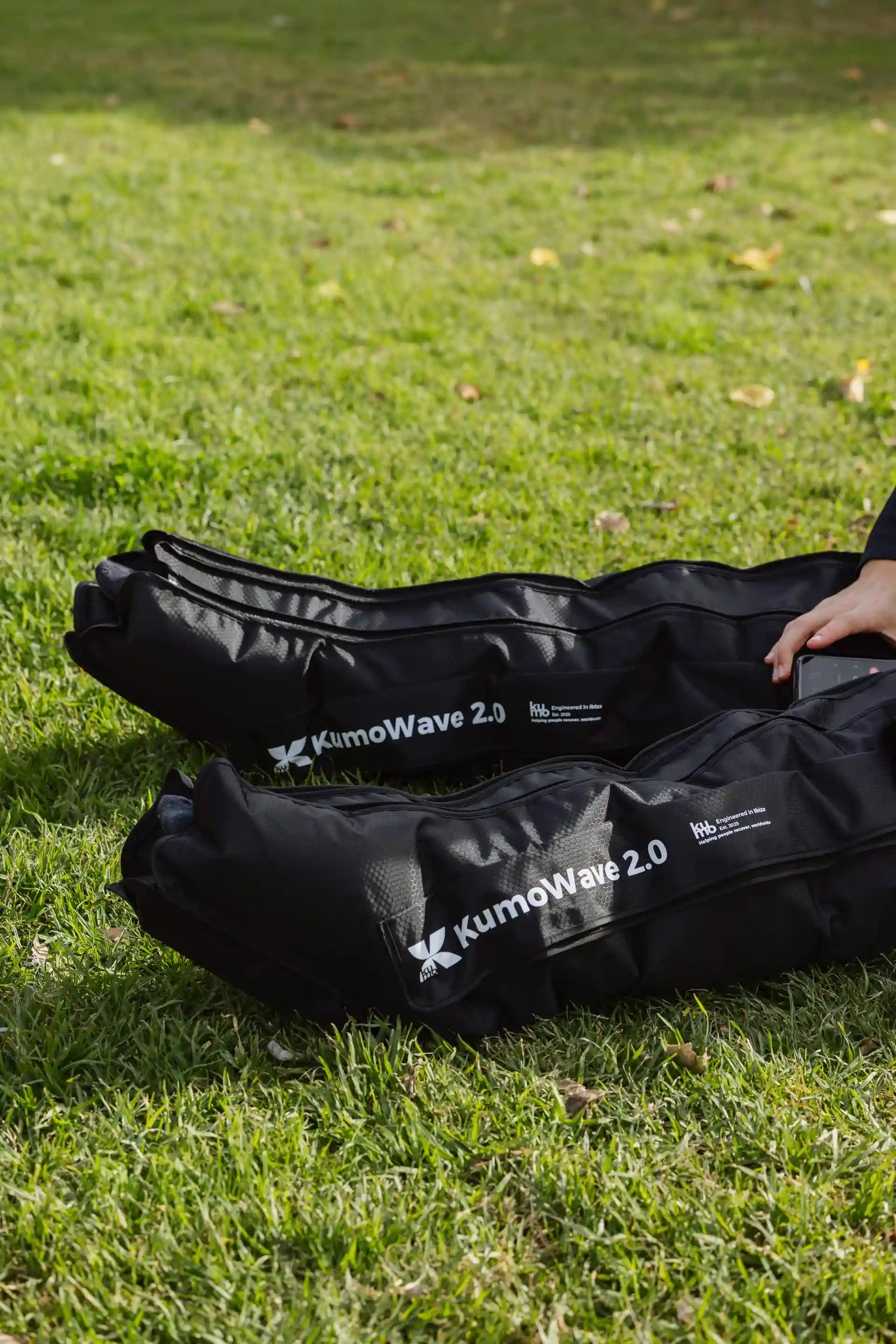
KumoWave pressotherapy boosts circulation and helps drain fluid with sequential compression, in 20-minute sessions at home.
- Boosts circulation and helps drain fluid
- Chamber-based compression, adjustable to you
- Sequential compression that mimics manual drainage
€799,00€999,00
−10% on your 1st order when you subscribe to the newsletter

For firefighters and service members, the problem isn’t just sleeping too little, but sleeping at the wrong time, with interruptions and under a heavy physical and mental load. The NIOSH fact sheet on firefighter safety and health lists shift work and sleep disruption among their key risks, and military guidance on sleeping at odd hours points out that the night shift means fighting your internal clock.
Why shift work makes recovery so hard
Recovery gets harder because your body doesn’t understand schedules, it understands rhythms. The NHLBI approach to resetting your body clock notes that light is the most powerful environmental cue for resetting the sleep-wake cycle, and that at night it’s best to cut back on artificial light and screen exposure. When your schedule keeps changing, your internal clock can’t adapt as fast as the mission or the shift.
Personalized protocol · included with your purchase
Want us to tell you how to use it in your case?
With your purchase, our experts prepare a personalized usage protocol for your case: sport, circulation, fluid retention, pregnancy or lipedema.
Message us on WhatsAppOur experts reply · no obligation
NIOSH also notes that fatigue, long and irregular shifts and lack of sleep raise the risk of errors and incidents among firefighters. In a bulletin on wildland fires, it also cited a 37 percent increase in injury risk when working 12 hours or more a day. In practice, that means just “pushing through” until your next break isn’t enough, because the cost of building up sleep debt is real. (cdc.gov)
If your duty schedule changes every week, the logic is very similar to what happens with night work and rotating shifts. And if a schedule change throws you off for several days, it helps to think of it as an adjustment similar to a clock change and how the body adapts: it’s not about forcing things, but about organizing light, sleep and stimulation intelligently.
What you really need to recover
The goal isn’t just to sleep more. It’s to get back useful sleep, bring your arousal level down, protect your legs and back, and reach your next shift with a reasonable energy reserve. On demanding shifts, that usually comes down to five very simple things, done very well.
on your first order when you join the newsletter
We send you the code instantly. No spam.
- Continuous sleep. Prioritize the longest block of rest you can put together after your shift and avoid delaying it for no reason once you get home. (health.mil)
- Smart use of light. Fewer screens and less brightness before bed, more natural light when you need to switch back into active mode.
- Hydration and light meals. Recommendations for irregular shifts stress drinking often and avoiding heavy meals before sleep.
- Mental unloading. A short breathing ritual, a lukewarm shower or some screen-free quiet helps you wind down before going to bed.
- Legs and muscles. After hours on your feet, sitting in a vehicle or carrying heavy gear, it’s worth giving your circulation and muscles room to relax.
If you want to check whether this routine is working, the guide on how to measure your recovery with sleep, HRV and fatigue helps you look at the trend with a clear head, without obsessing over every single night.
A practical plan for the 24 hours after a shift
The idea is simple: first wind down, then sleep, and later reactivate your body gently. When your schedule is tight, thinking in blocks helps more than trying to do everything perfectly at once. That logic fits very well with the light and sleep adjustment the NHLBI proposes, and with military guidance for irregular shifts.
Quick plan for the 24 hours after a shift
| When | Goal | Helpful actions | Avoid |
|---|---|---|---|
| Leaving your shift | Lower your arousal level | Hydrate, have something light if you need it and reduce exposure to bright light on the way home. If you leave in daylight, sunglasses help limit the “stay awake” signal. | Delaying rest with screens, late coffee or unnecessary errands. |
| Before your main sleep | Make a real block of rest possible | Find a cool, dark and quiet room. If you sleep during the day, a sleep mask, earplugs or blackout curtains can make a difference. | Turning on every screen or leaving your phone’s white light at full brightness. |
| If you can’t sleep straight through | Cut down sleep debt | A planned nap can be useful before your next shift. Health.mil describes tactical naps as a short tool, and notes that naps of 30 to 40 minutes tend to deliver benefits without as much grogginess on waking. (health.mil) | Turning the nap into a second long night, because an overly long nap can leave you groggy when you wake up. |
| After waking up | Get your body going again | Get out into natural light if you want to switch to day mode, walk a little, mobilize your neck, back and legs, and go back to eating normally without rushing. | Going straight from sleep into a hard workout or staying in dim light all day. |
If you want a more structured sequence for your days off, the guide on how to build an at-home recovery protocol with pressotherapy, red light therapy and a massage gun is a good base for turning these ideas into a realistic routine.
Wellness tools that can support your rest
For bodies put through long hours on their feet, driving, carrying loads or repeated impacts, some tools can support your recovery routine without ever replacing sleep. The clinical explanation of compression therapy sums up that compression can support circulation in the legs and reduce feelings of pain or swelling, while photobiomodulation with red light is studied mainly for its safety profile when used sensibly. A massage gun, for its part, should be seen as gentle, localized support, not as a fix for acute pain or injury.
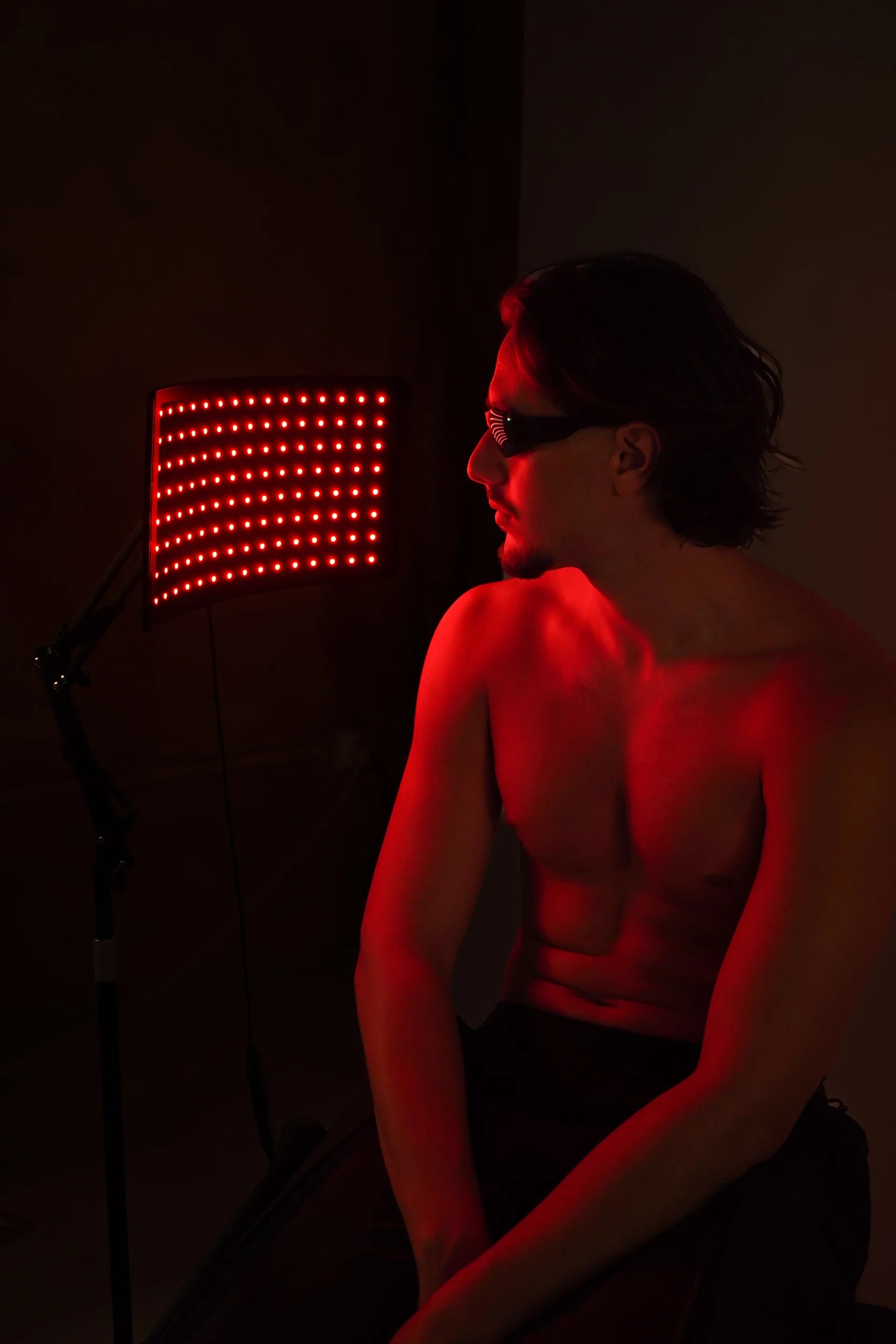
In a wellness routine, red and infrared light can fit in as part of a calm end to the day, especially if you want to set aside a few minutes to slow down and encourage a feeling of rest. If you want to understand that fit better, the article on red light therapy for post-workout recovery helps you place it at the right time of day. (pmc.ncbi.nlm.nih.gov)
And if you prefer a more complete guide, with steps and order of use, the article on how to build an at-home recovery protocol with pressotherapy, red light therapy and a massage gun lets you put together an easy-to-repeat sequence after shifts, training sessions or especially long days.
When to see a doctor: warning signs that need medical evaluation
If your tiredness doesn’t improve, or you have chest pain, shortness of breath, severe dizziness, swelling in just one leg, local warmth, fever, unusual weakness or insomnia that repeats over several shifts in a row, you should get a medical evaluation. Not everything is “normal” just because you work shifts, and some symptoms mean circulatory, infectious or sleep problems need to be ruled out.
- Pressotherapy. Don’t use it if there’s a suspected thrombosis, embolism, skin infection, open wounds, decompensated heart, kidney or liver failure, ischemic vascular disease, severe neuropathy or active cancer treatment in the area. The NHS guide on intermittent pneumatic compression lists several of these contraindications.
- Red light or LED. Avoid direct exposure to the eyes, check whether you take photosensitizing medication and ask a professional for advice if you have an eye condition or if the application area involves pregnancy or an apparent tumor mass. The review on photobiomodulation and the NHLBI’s own guidance on light therapy stress caution with eyes, skin and photosensitizing drugs.
- Massage gun. Don’t use it on wounds, bruises, recent fractures, inflamed areas, the face, eyes, neck, spine or areas with a suspected clot. The systematic review on percussion massagers and safety warnings about massage point out that aggressive or poorly placed use can do more harm than good. (pmc.ncbi.nlm.nih.gov)
These are wellness tools and should stay within that scope. If pain increases, a leg swells more or your breathing changes, stop and get checked. No device should be used to put off a consultation when your body is asking for a checkup.
Frequently asked questions
How much time do I need to recover between shifts?
There’s no single number that works for everyone. Recovery depends on your sleep debt, the type of shift and how much your circadian rhythm has been disrupted. Health.mil recommends not delaying sleep when your shift ends, and NIOSH stresses leaving enough time to sleep after work and on days off too. If your schedule changes often, keeping a similar routine even on rest days usually helps more than improvising every day.
Is it better to sleep in one go or take a short nap?
If you can build one main block of sleep, that’s usually the priority. But when full rest isn’t possible, a short, planned nap can cut sleepiness and improve reaction time. Health.mil explains that tactical naps work best when they’re short, ideally between 30 and 40 minutes, because longer ones promote grogginess on waking. The key is for the nap to complement recovery, not replace it entirely.
What should I do about light when I get off a night shift?
Cut down on bright light on the way home and avoid bright screens before bed. The NHLBI notes that light is the most powerful signal for resetting the sleep-wake cycle, which is why it also recommends less artificial light at night and more natural light during the day when it’s time to be active again. If you leave a night shift with the sun already up, dark glasses can help you avoid “waking up” your brain even more right when you want to rest.
Can pressotherapy, red light or massage help?
They can support a wellness routine, especially with heavy legs, muscle overload or long hours on your feet, but they don’t replace sleep or a medical evaluation if something is wrong. Compression can support circulation and a feeling of lighter legs, photobiomodulation is used with particular attention to the eyes and photosensitivity, and a massage gun calls for a lot of caution on sensitive or injured areas. Use them as support, not as a shortcut.
How do I know if my body is really recovering?
The most useful approach is usually to look at simple trends rather than obsessing over a single day. If you’re sleeping better, waking up less groggy, feeling less heaviness and performing more consistently on your next shift, you’re heading in the right direction. The guide on how to measure your recovery with sleep, HRV and fatigue can help you turn those sensations into a practical, easy-to-repeat observation.
What now?
If you want to turn all of this into a realistic routine, start with the Kumo Balance home page and then move on to the guide on how to measure your recovery with sleep, HRV and fatigue. From there, you’ll be able to fine-tune your rest, organize your wellness sessions and build a recovery that fits shifts that don’t always respect your body’s clock.
KumoWave pressotherapy
Choose your at-home pressotherapy
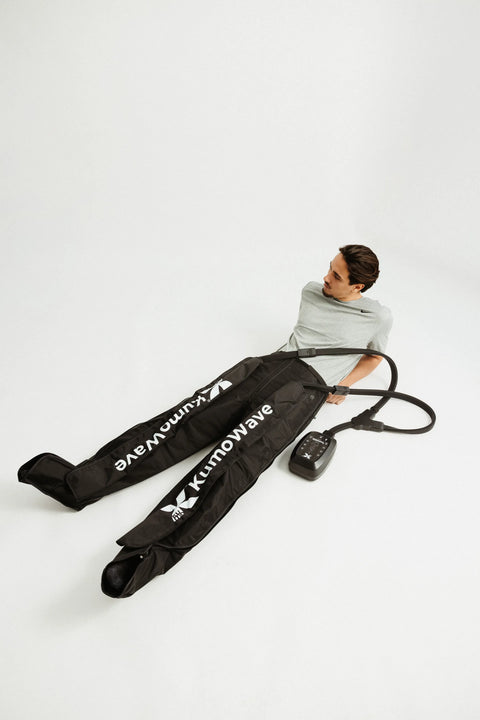
KumoWave Elite – Pressotherapy Pants
Full-coverage trousers. Ideal for lipedema, fluid retention and intensive use.
€799,00 €999,00

KumoWave 2.0 - Wireless Pressotherapy
Wireless, lightweight boots. Perfect for daily use and recovery.
€499,00 €599,00