

A muscle tear should not be massaged at the beginning. The injury usually goes through an acute inflammatory phase, a repair phase, and a remodeling phase, and the right time to touch the area depends on the severity, the symptoms, and a professional assessment. (pubmed.ncbi.nlm.nih.gov)
In general, relative rest and clinical review come before massage, deep manipulation, or any direct pressure on the tear; for very mild injuries, massage is only considered later and if tolerance allows. (ameli.fr)
Pressotherapy at home
End the day with light legs
★★★★★ 4,8/5 · rated by verified customers
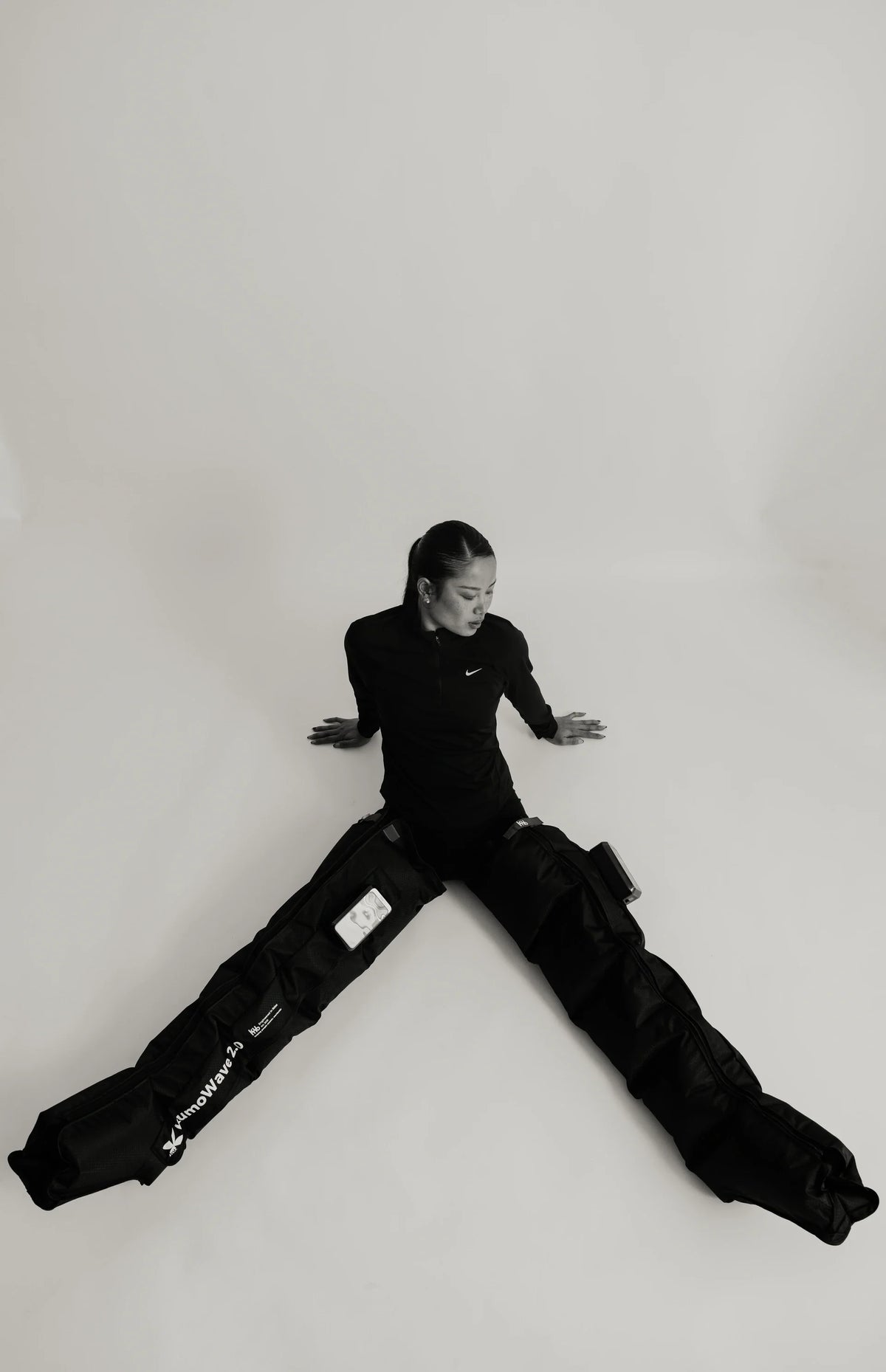
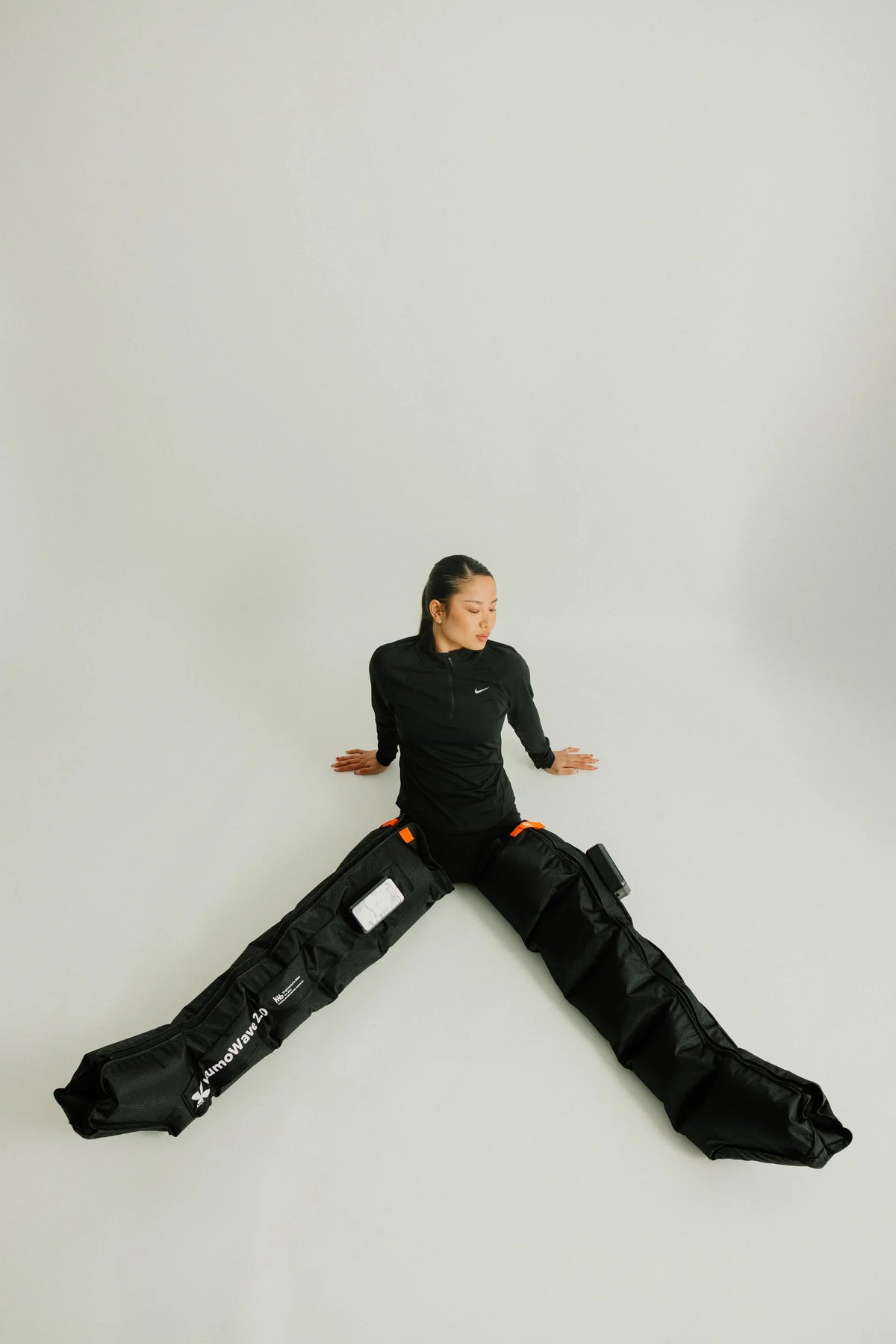
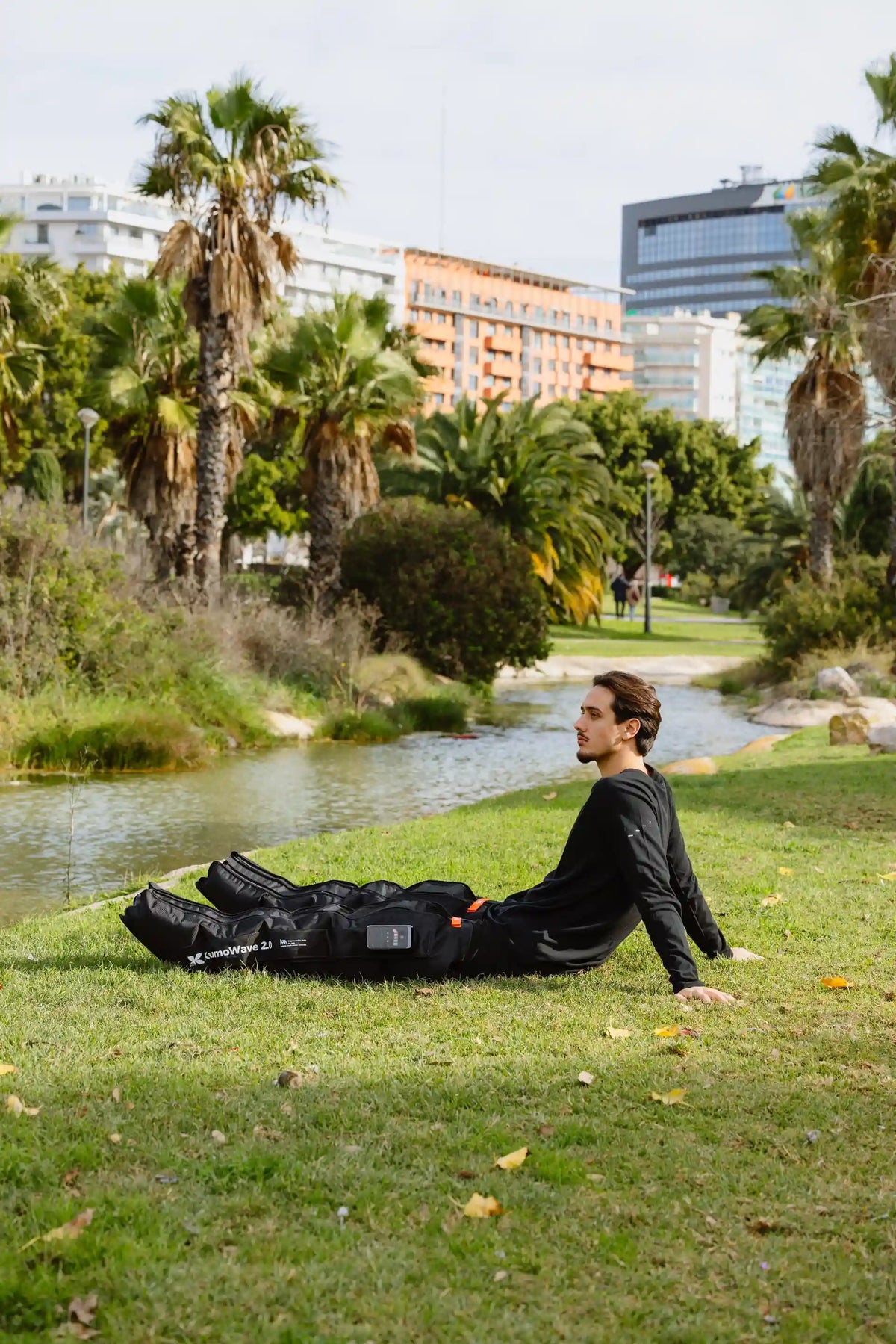
KumoWave pressotherapy boosts circulation and helps drain fluid with sequential compression, in 20-minute sessions at home.
- Boosts circulation and helps drain fluid
- Chamber-based compression, adjustable to you
- Sequential compression that mimics manual drainage
€799,00€999,00
−10% on your 1st order when you subscribe to the newsletter

This content is for informational purposes and does not replace a medical or physiotherapy consultation, especially if you notice a large bruise, marked weakness, or a worsening condition. (health.nih.gov)
What happens in a muscle tear
When a muscle suffers a tear, the tissue does not repair itself instantly. The literature generally describes a destruction phase with an initial inflammatory response, a regeneration phase, and a remodeling or tissue maturation phase. In mild injuries, recovery can progress on its own, while more significant injuries can leave fibrosis, stiffness, or persistent pain if the tissue's recovery times are not respected. (pubmed.ncbi.nlm.nih.gov)
Personalized protocol · included with your purchase
Want us to tell you how to use it in your case?
With your purchase, our experts prepare a personalized usage protocol for your case: sport, circulation, fluid retention, pregnancy or lipedema.
Message us on WhatsAppOur experts reply · no obligation
Ameli summarizes this progression differently, but the idea is the same: first comes the inflammation of the first few days, then the progressive repair, and later the remodeling, which can last weeks or even months. That is why there is no single timeline that works for all muscle tears.
Usual phases of recovery
| Phase | What usually happens | What to avoid | Practical reference |
|---|---|---|---|
| Initial inflammation | Pain, muscle guarding, and protection of the injured tissue. | Direct massage, strong pressure, and self-manipulation of the area. | Corresponds to the first few days after the injury. |
| Repair | The muscle begins to heal and gradually reorganize. | Deep work if the area is still very sensitive or reactive. | It can last several weeks and, according to ameli, up to about 70 days in some cases. |
| Remodeling | The tissue matures and regains function, mobility, and load tolerance. | Returning to intense efforts before regaining strength and mobility. | It can extend over several months. |
What to do at the beginning
During the acute phase, the priority is to confirm the diagnosis and not further irritate the tissue. A review of acute muscle injuries highlights that early rehabilitation is important, but it must be orderly and adapted to the clinical progression, not imposed on an area that is still inflamed. (pubmed.ncbi.nlm.nih.gov)
- Stop the activity that triggered the pain and avoid testing the muscle “to see if it is better now.”
- Do not massage the tear, do not use a massage gun on the injured area, and do not apply direct compression to the painful spot in the first few days.
- If the pain is intense, the bruise is growing, or you notice a clear loss of strength, seek a medical or physiotherapy assessment.
- If you suspect thrombosis, phlebitis, infection, or a more serious injury, do not manipulate the area and consult without delay. (pmc.ncbi.nlm.nih.gov)
In this phase, the correct guideline is set by the professional who assesses you, not the feeling that “you have to undo the knot.”
on your first order when you join the newsletter
We send you the code instantly. No spam.
When to massage the area again
There is no universal day to resume massage. Ameli indicates that, in a very mild tear, massage and physiotherapy can start a few days after the accident, but in more significant injuries, readaptation comes later and returning to sports is only considered after complete healing and medical approval.
The practical reference is not the calendar, but the tolerance of the tissue. Massage only makes sense when the pain at rest has decreased, sensitivity to touch is lower, mobility progresses, and strength returns reasonably. If contact increases the pain or leaves the area more reactive the next day, it is still too early.
If it helps you organize the return to activity when you are no longer in the acute phase, you can use this home recovery protocol as a guide.
Reasonable signs to wait a little longer
- Pain when touching the area or contracting the muscle.
- Still active or expanding bruise.
- Marked stiffness or limping when walking.
- Weakness that does not improve progressively.
When you should not massage or use a massager
There are situations when it is not advisable to insist. Safety information on massage indicates that serious adverse effects are rare, but they do exist, and caution increases when there are medical conditions, an acute injury, or overly vigorous techniques. In addition, a recent review on massage guns indicates that they should not be used on recent wounds, bruises, recent fractures, deep vein thrombosis, sensitive areas, or in an aggressive and repetitive manner.
- Avoid deep massage if the area is still hot, swollen, or very painful.
- Do not use a massage gun on recent wounds, bruises, painful bony areas, or sensitive areas such as the neck, face, or spine. (pmc.ncbi.nlm.nih.gov)
- If you are pregnant, breastfeeding, a child or adolescent, or have kidney, liver, or heart disease, seek professional validation before any manual technique.
- If you are following medical treatment, consult before resuming massage or self-massage.
When the tissue already tolerates effort better and a professional confirms that the injury is no longer in the acute phase, this complete athlete recovery routine can help you understand how the phases are linked.
Frequently Asked Questions
How do the recovery phases develop after a muscle tear, and how long does each usually last?
In a muscle tear, three stages are usually distinguished: an initial inflammatory phase of the first few days, a repair phase that can last weeks, and a remodeling phase that sometimes extends for several months. Not all injuries follow the same timeline because the size of the tear, the affected muscle, and the load you return to influence it. The important thing is that pain, mobility, and strength improve progressively, not all at once. (pubmed.ncbi.nlm.nih.gov)
When is it safe to resume massage or manual therapy after a muscle tear?
When a doctor or physiotherapist confirms that the injury is no longer in the acute phase and that the area tolerates contact. In very mild tears, ameli indicates that massage can start a few days later, but that does not mean it applies to all cases. If pain at rest, sensitivity to touch, or an active bruise persists, it is advisable to wait. And if there are doubts about thrombosis, fracture, or infection, the area should not be manipulated.
Should massage be avoided in the acute phase and rest and ice be prioritized?
Yes. In the acute phase, the priority is to protect the tissue and follow the clinical assessment. Ameli recommends rest and professional review, and the review on acute muscle injuries highlights that rehabilitation should start early but in an orderly manner, not with premature pressure on the injury. Direct massage, strong pressure, and self-massage on the tear are not the first option.
How long does it usually take before returning to sports after a mild or moderate muscle tear?
There is no universal timeframe. Ameli explains that a mild injury may only require a few days, while a more serious tear may need several weeks and, in some cases, more time. Returning to sports should only be considered when mobility has been recovered, strength returns to normal, and pain has disappeared both at rest and when stretching or contracting.
What signs indicate that it is not yet time to massage the area?
If there is still pain when touching, an active bruise, swelling, marked stiffness, or weakness, it is prudent to wait. It is also advisable to stop if massage makes the area worse after a few hours or the next day. The reference is not “enduring more,” but checking that the tissue already accepts contact without reacting poorly. When recovery is doubtful, the most sensible thing is to ask for a clinical reassessment.
So, what now?
If the injury is still in the acute phase or you are not sure if it already tolerates contact, the prudent option is to wait and not force the area. To continue reading general recovery and wellness content, return to the Kumo Balance home page.
KumoWave pressotherapy
Choose your at-home pressotherapy
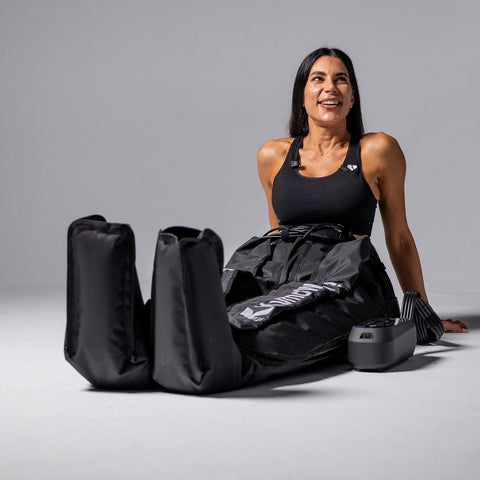
KumoWave Elite X – Pressotherapy Pants
Full-coverage trousers. Ideal for lipedema, fluid retention and intensive use.
€799,00 €999,00
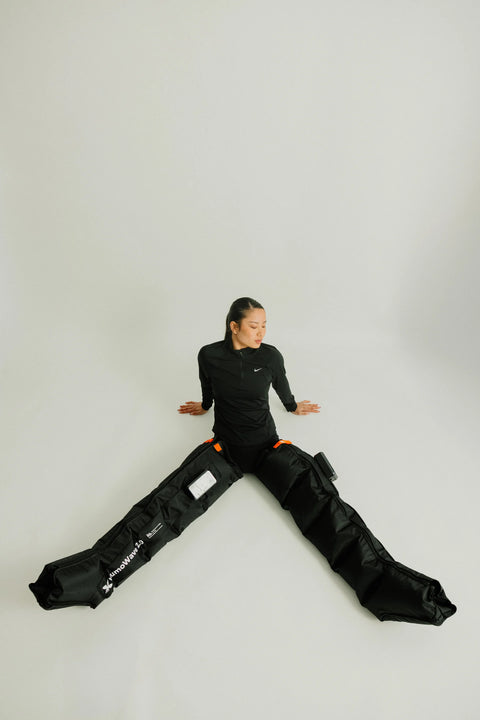
KumoWave 2.0 - Wireless Pressotherapy
Wireless, lightweight boots. Perfect for daily use and recovery.
€499,00 €599,00