

The thumb can also become overloaded. Rizartrosis, or osteoarthritis at the base of the thumb, often causes pain when pinching, turning a key, or opening a jar, and may become less uncomfortable when the load is reduced and the way you use your hand is managed.
It does not always mean you have to stop using your hand, but it is advisable to spread the effort, protect the joint, and adjust the tasks that irritate it most. When pain changes the way you open, grasp, or write, seeing a healthcare professional can help you decide on the next step.
Pressotherapy at home
End the day with light legs
★★★★★ 4,8/5 · rated by verified customers
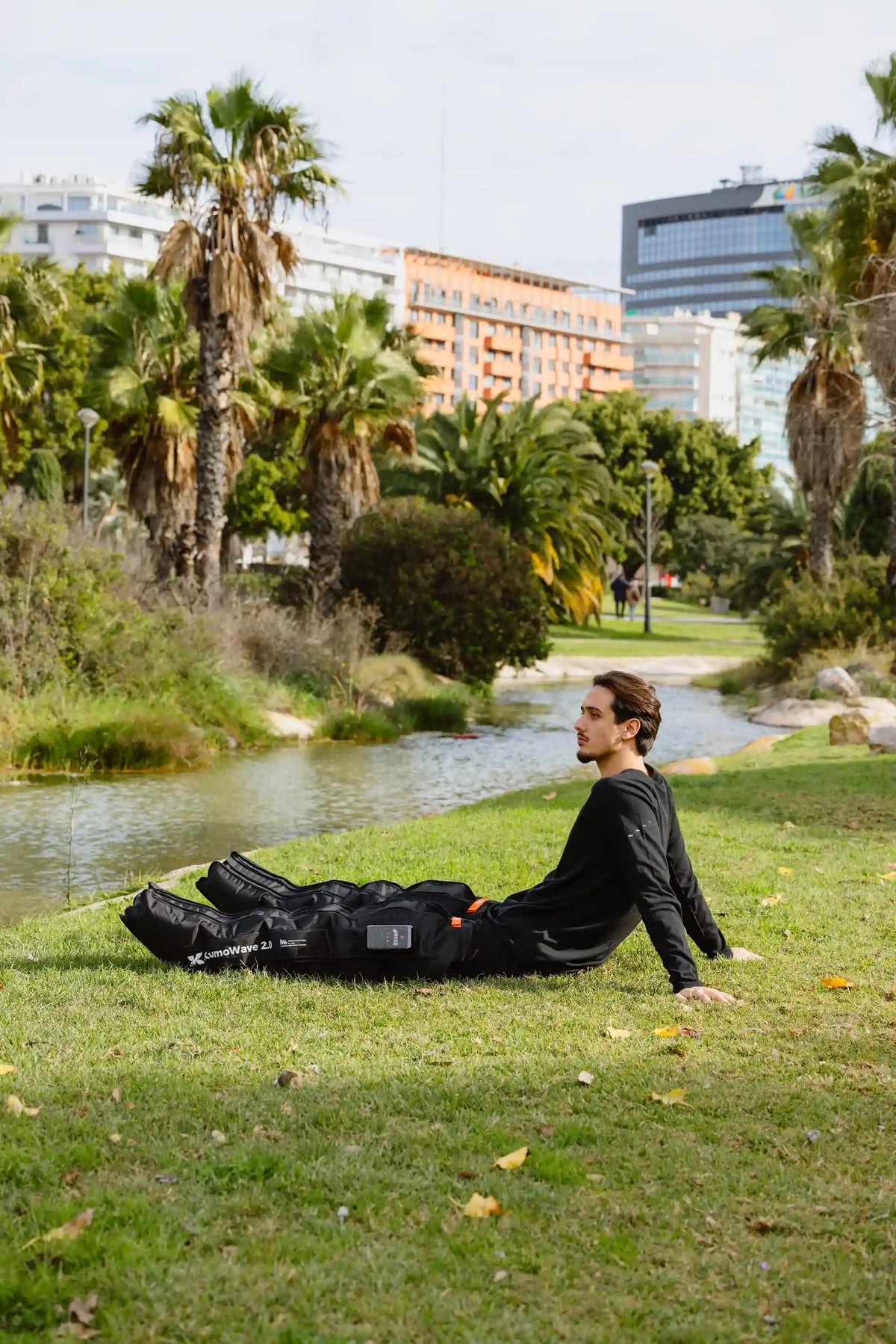
KumoWave pressotherapy boosts circulation and helps drain fluid with sequential compression, in 20-minute sessions at home.
- Boosts circulation and helps drain fluid
- Chamber-based compression, adjustable to you
- Sequential compression that mimics manual drainage
€799,00€999,00
−10% on your 1st order when you subscribe to the newsletter

What is rizartrosis and why does it hurt so much?
Rizartrosis mainly affects the trapeziometacarpal joint, which allows you to pinch, hold, and turn objects precisely. The AAOS clinical summary on thumb arthritis describes it as wear and tear of the cartilage that can cause pain when using the hand, weakness when grasping, stiffness, and sometimes a lump at the base of the thumb.
It is also an area that is very sensitive to repetitive movements and sustained load. This is why it sometimes hurts more at the end of the day, after using your phone for a long time, or when exerting force with one hand. This does not necessarily mean there is an acute injury, but rather that the joint tolerates certain patterns of use less well.
Personalized protocol · included with your purchase
Want us to tell you how to use it in your case?
With your purchase, our experts prepare a personalized usage protocol for your case: sport, circulation, fluid retention, pregnancy or lipedema.
Message us on WhatsAppOur experts reply · no obligation
Practical tip: less sustained pinching, more support, more breaks, and less repetition of the same movement.
Daily habits that usually relieve pressure on the base of the thumb
The NHS guide on thumb pain and joint education recommendations agree on one simple point: if an activity triggers pain, it is advisable to reduce the time spent doing it, distribute the force more evenly, and find a way to make it less demanding.
Useful adjustments for everyday tasks
| Situation | What usually irritates it most | Useful adjustment |
|---|---|---|
| Opening jars, bottles, or lids | Strong pinching and sustained twisting | Use two hands, bring the object closer to your palm, and reduce the force you apply with your thumb. |
| Typing, using a phone or mouse for a long time | Holding and repeating the same movement without rest | Take short breaks, alternate tasks, and avoid holding the device with a tense thumb. |
| Bags, thin handles, or small tools | Concentrated load on a single point | Distribute the weight, use wider handles if possible, and let your hand wrap around the object instead of squeezing it. (mskdorset.nhs.uk) |
| Pain at the end of the day or at night | The joint is irritated after many repetitions | An orthosis recommended by a professional can be useful at specific times or during rest. |
If you also spend many hours on the computer or phone, it may be useful to review how to relieve your wrists when working with screens, because overuse rarely stays confined to just one area of the hand.
on your first order when you join the newsletter
We send you the code instantly. No spam.
How to use a thumb orthosis sensibly
The orthosis should not become a second skin for the whole day. The Arthritis UK guide on splints explains that its purpose is to support the joint, but also reminds us that if it is used all the time, the hand can become stiff. In a 2024 systematic review on PubMed, orthoses were associated with favorable outcomes compared to no intervention for pain and grip or pinch strength. (versusarthritis.org)
- If it rubs or hurts, do not keep using it. The splint should support without chafing the skin.
- If it leaves red marks or you notice tingling, it is advisable to have it checked by a professional.
- If you wear it all the time, you may promote stiffness, so it is usually alternated with periods without the splint and with gentle movement.
- Do not share a splint or use one borrowed from someone else, because the size and support may not be suitable for your hand.
The most prudent approach is to use it when a professional recommends it, for example during painful activities or at specific times of rest, and not as a permanent substitute for movement.
Gentle exercises and hand therapy
Moving your hand does not mean forcing the joint. The 2024 systematic review on PMC found that exercise-based programs were associated with less pain and less disability in the short term, and the consensus of the American Society of Hand Therapists includes education, joint protection, the use of orthoses during painful activities, and a dynamic stability program.
In practice, this usually means gentle movement, controlled activation, and habit changes, not squeezing harder. If an exercise leaves the joint more irritated for hours, it is advisable to reduce it and review it with a professional.
The same logic of distributing load and rest, which also appears in the keys to muscle recovery, helps the thumb avoid working continuously all day.
When to seek a medical assessment
Seek prompt attention if you cannot move your thumb, if its shape or color changes, if you lose sensation, or if the pain is very intense. The NHS identifies these signs as reasons for urgent attention because they may indicate an injury other than rizartrosis.
- Very intense pain or inability to hold objects.
- Deformity, color change, or a snap after an injury.
- Tingling, numbness, or loss of sensation.
And if you are pregnant, breastfeeding, a child or adolescent, or have kidney, liver, or heart disease, any anti-inflammatory medication or major change in pain management should be reviewed by a healthcare professional, as the NHS and AEMPS safety information reminds us. (nhs.uk)
FAQ on thumb rizartrosis
How to relieve thumb rizartrosis in everyday life without giving up using your hand?
The key is usually to distribute the load, not to immobilize the hand completely. Reduce sustained pinching, alternate tasks, use two hands when possible, and reserve the orthosis for the times that demand it most, provided a professional has recommended it to you. It also helps to maintain gentle movement when you remove the splint. The idea is for the thumb to keep participating, but with less mechanical stress.
What daily habits help most to limit thumb arthritis pain?
The movements that usually help most are those that reduce strong pinching and repetition. Use wider handles, distribute the weight with both hands, slide objects instead of lifting them when possible, and schedule short breaks before discomfort builds up. In jobs involving a phone, keyboard, or small tools, changing your posture and task in time is usually more useful than continuing to squeeze.
How to choose and wear a thumb orthosis suitable for rizartrosis?
The most prudent approach is to have it recommended by a physical therapist, hand therapist, or another professional who assesses your activity and tolerance. The orthosis should support without rubbing, leave no red marks, or cause tingling, and it does not need to be worn all day if it has not been prescribed for that. It is usually worn during painful activities or at specific times of rest, and it is advisable to remove it to perform gentle movement if that is what you have been instructed to do.
What movements should be avoided or modified to preserve thumb mobility?
It is advisable to reduce strong pinching movements, repeated twisting, holding small objects for a long time, and carrying weight with one hand. It is also worth reviewing how you use your phone, how you open containers, and how you support yourself when writing. It is not about stopping using your thumb, but about making it work less in positions that compress it and more in distributed tasks with breaks.
Can a physical therapist or hand therapist help with rizartrosis?
Yes, because they can assess your mobility, strength, and the way you use your hand, in addition to teaching you gentle exercises, joint protection strategies, and adaptations for specific tasks. In some cases, they can also advise on the most suitable orthosis or coordinate more personalized support. Recent evidence supports the use of education, exercise, and functional support as part of conservative management. (pubmed.ncbi.nlm.nih.gov)
What now?
If you want to continue taking care of your hand with simple ideas and without complicating things, return to Kumo Balance and maintain the logic of support, breaks, and gentle movement that you have seen here.
KumoWave pressotherapy
Choose your at-home pressotherapy
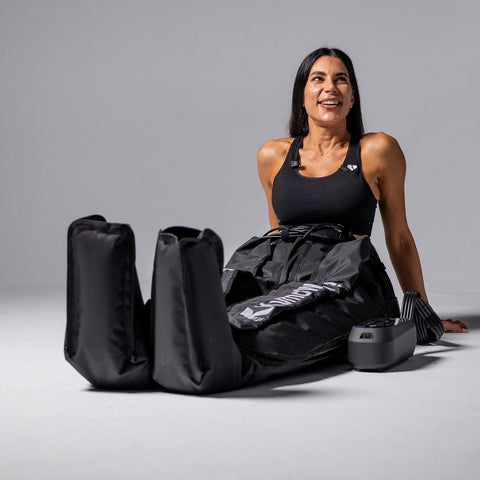
KumoWave Elite X – Pressotherapy Pants
Full-coverage trousers. Ideal for lipedema, fluid retention and intensive use.
€799,00 €999,00
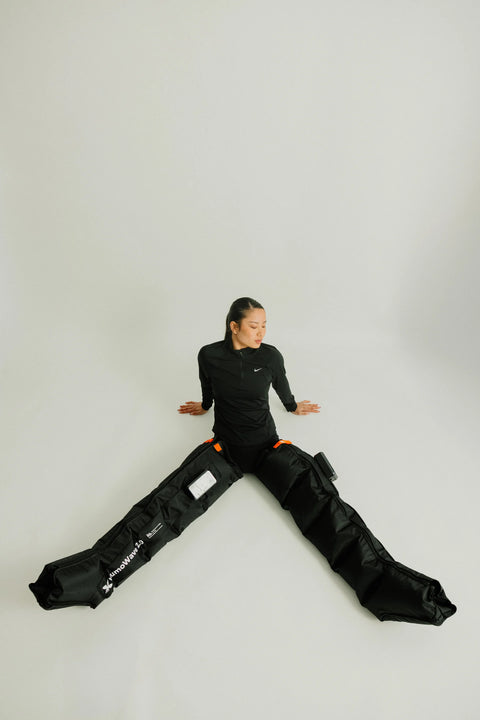
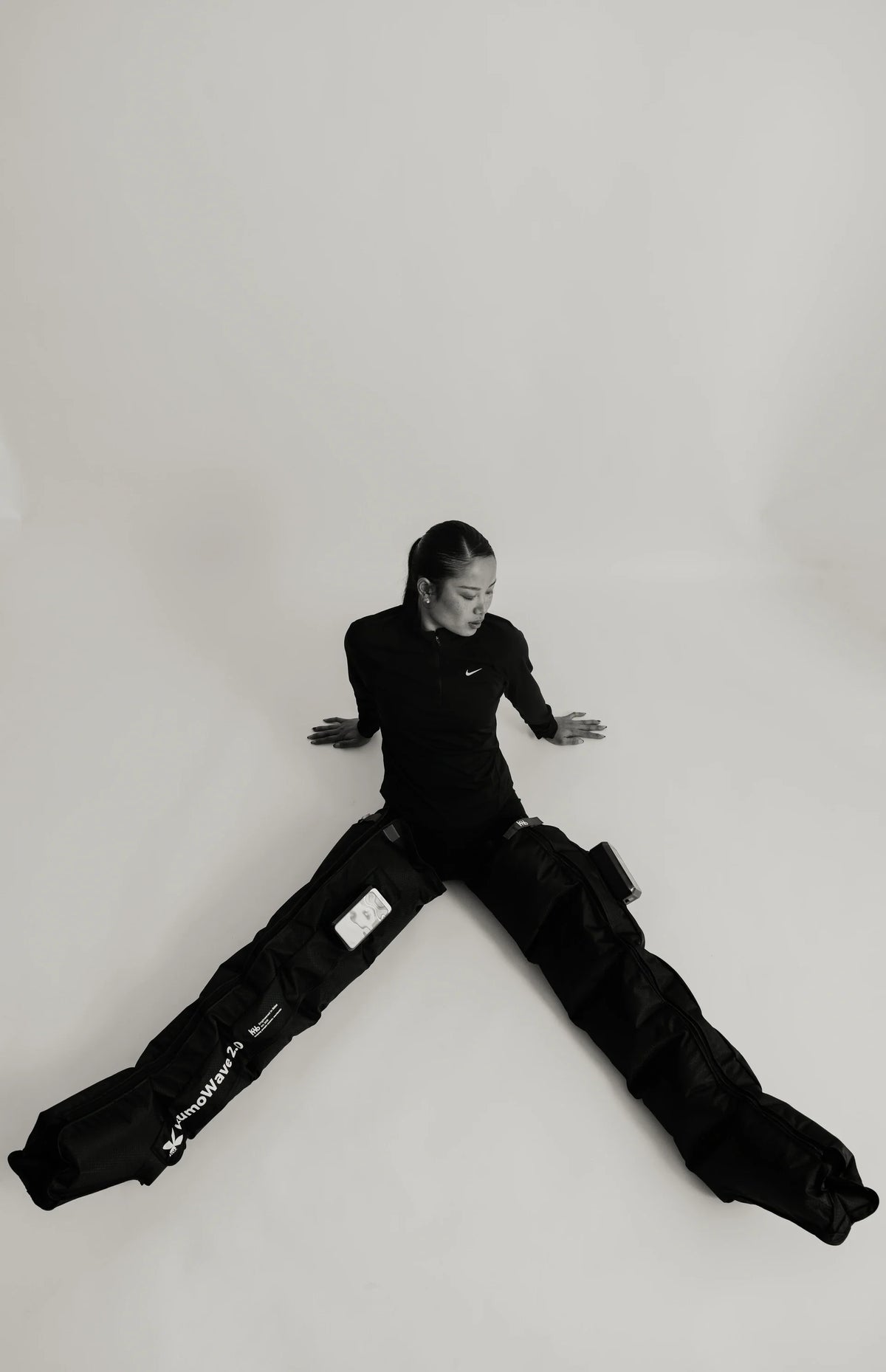
KumoWave 2.0 - Wireless Pressotherapy
Wireless, lightweight boots. Perfect for daily use and recovery.
€499,00 €599,00